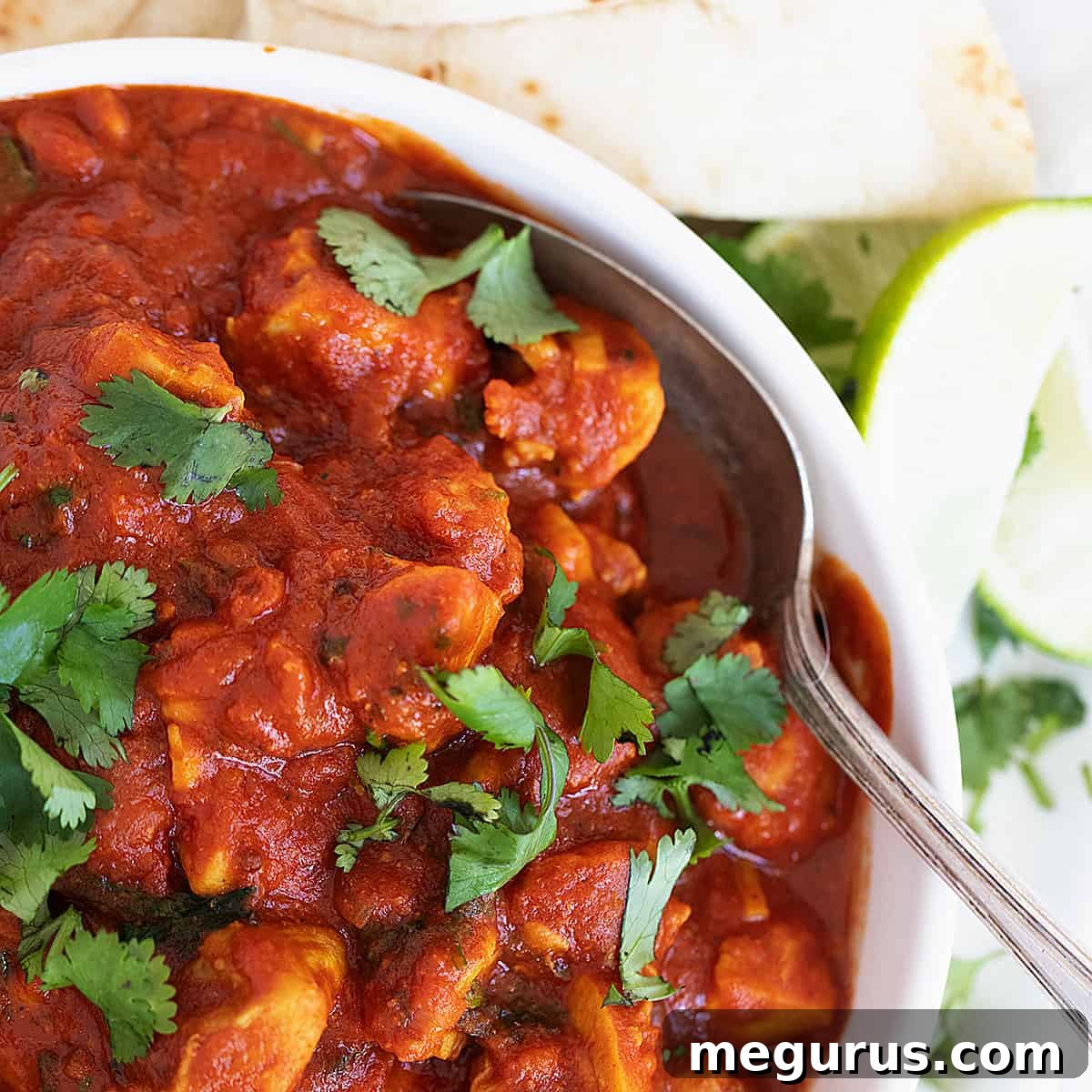
Craving authentic Indian flavors without the hassle of a restaurant visit? Look no further! This quick and easy Chicken Madras recipe lets you create a rich, aromatic, and deeply satisfying curry right in your own kitchen. Forget about complicated steps or obscure ingredients; this simplified version comes together in just about 30 minutes, making it the perfect solution for a delicious weeknight dinner that will transport your taste buds straight to India.
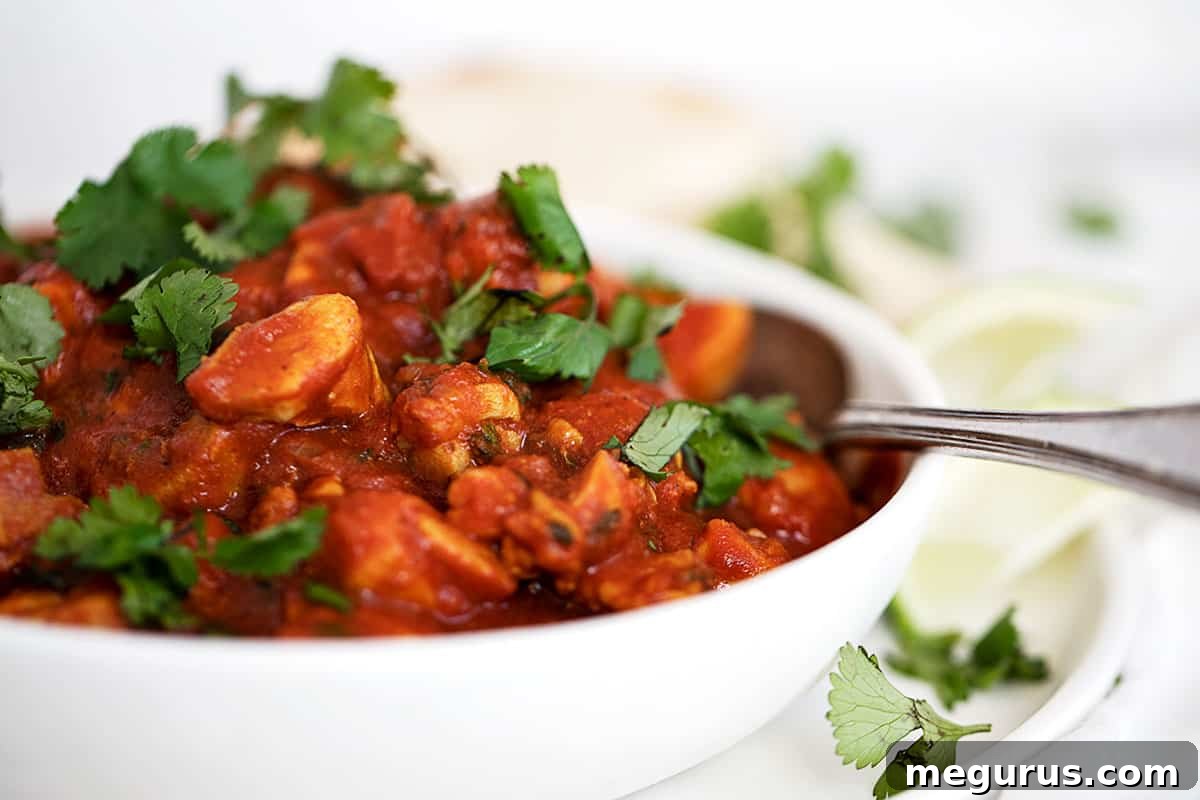
Why You’ll Fall in Love with This Homemade Chicken Madras
- A Taste of Southern India, Simplified: Madras curry hails from the vibrant city of Madras (now Chennai) in Southern India. It’s renowned for its bold, spicy, and exquisitely balanced flavor profile, typically characterized by a bright red, tomato-based sauce. While traditional Madras curries can involve complex spice blends and cooking techniques, this recipe captures the essence of its authentic taste in a wonderfully approachable way. It’s perfect for warming you up on a chilly evening or adding a kick to any meal.
- Customizable Heat Levels: Many curry enthusiasts appreciate a fiery kick, but not everyone can handle extreme spice. The beauty of preparing Chicken Madras at home is the complete control you have over the heat. Whether you prefer a mild, flavorful curry or a truly hot experience, you can easily adjust the amount of chili powder or paste to suit your personal preference, ensuring everyone at your table enjoys their meal. This flexibility makes it a fantastic option for families or gatherings with varied palpalates.
- Effortless Home Cooking, Exceptional Flavor: This easy Chicken Madras curry recipe is designed with the home cook in mind. It streamlines the cooking process without compromising on the deep, complex flavors you expect from an Indian curry. You’ll be amazed at how simple it is to whip up a gourmet-quality Madras chicken curry that tastes far better than any takeout. Plus, this recipe offers numerous options for customization, allowing you to adapt it to the ingredients you have on hand and your preferred spice intensity.
- Dairy-Free and Pantry-Friendly: Unlike some curries that rely on coconut milk or a pre-made base gravy, this Chicken Madras recipe is crafted without either, making it inherently dairy-free and incredibly convenient. You won’t need to make an extra trip to a specialty store; most ingredients are likely staples in your pantry. Another fantastic time-saver? There’s no need to brown the chicken separately. Simply add your chicken pieces directly to the simmering sauce, and let them cook to tender perfection, absorbing all the wonderful flavors.
- Quick & Convenient: In today’s busy world, time is a precious commodity. This recipe respects that, delivering a hearty and flavorful meal in under 30 minutes. It’s faster than ordering delivery and significantly more rewarding, making it the ultimate weeknight solution for a flavorful, homemade dinner.
Essential Ingredients and Smart Substitutions
Crafting a delicious Chicken Madras starts with quality ingredients, but don’t fret if you need to make a few swaps. Indian cooking is remarkably flexible, and this recipe embraces that adaptability.
Chicken: You can start with either uncooked boneless chicken breasts or boneless chicken thighs. Both work beautifully, offering slightly different textures and richness. Chicken breasts will yield a leaner curry, while thighs tend to be more succulent and forgiving if slightly overcooked. Feel free to use whichever you prefer or have on hand. If you happen to have leftover cooked chicken that you’d like to repurpose, simply cut it into bite-sized pieces and add it to the pan at the same stage as uncooked chicken. Keep in mind that already cooked chicken will require a shorter simmering time – just enough to warm through and absorb the flavors.
Madras Curry: The heart and soul of this dish! You have two excellent options: Madras Curry Paste or Madras Curry dried powder spice. Both deliver authentic Madras flavor, but with subtle differences. Curry paste, like the widely available Patak’s™, often provides a deeper, more rounded flavor due as it’s typically made with fresh aromatics and oil, and can be more convenient. Dried curry powder offers excellent flavor and a longer shelf life. Adjust the amounts according to the type you’re using and your taste preference. The Recipe Card provides clear adjustments. I personally find keeping Madras curry paste in my pantry to be a game-changer; it’s a fantastic shortcut for adding a touch of vibrant Indian flavor to various dishes, such as my popular Mulligatawny Soup.
Passata or Crushed Tomatoes: These form the rich, tomato base of your curry. Passata (also known as tomato puree) is a strained, uncooked tomato product that offers a smooth texture, perfect for a velvety sauce. Canned crushed tomatoes, on the other hand, provide a slightly chunkier texture and a robust tomato flavor. Use whichever you have available or prefer for your desired curry consistency. I opted for Passata in this particular recipe for its smooth finish.
Garlic and Ginger: The foundational aromatics in countless Indian dishes. Fresh garlic cloves and ginger root, finely minced or grated, offer the most vibrant flavor. However, for ultimate convenience, you can easily substitute with bottled garlic ginger paste, which is a common ingredient in Indian cooking and keeps well in the fridge.
Additional Spices: Beyond the Madras curry paste or powder, a few essential spices enhance the complexity of this dish. Coriander, cumin, and turmeric are standard in many Indian curries, contributing earthy, warm notes and a beautiful golden hue. Indian cooking is wonderfully forgiving, so if you’re missing a particular spice, don’t let it deter you! You can often skip it or make a suitable substitution without dramatically altering the overall deliciousness. Refer to the Recipe Card for specific substitution suggestions.
Crafting Your Chicken Madras: A Step-by-Step Culinary Journey
Making this Chicken Madras is a straightforward process, designed for maximum flavor with minimal fuss. Follow these simple steps, and you’ll have a delightful curry ready in no time.
First Steps: Building the Flavor Base
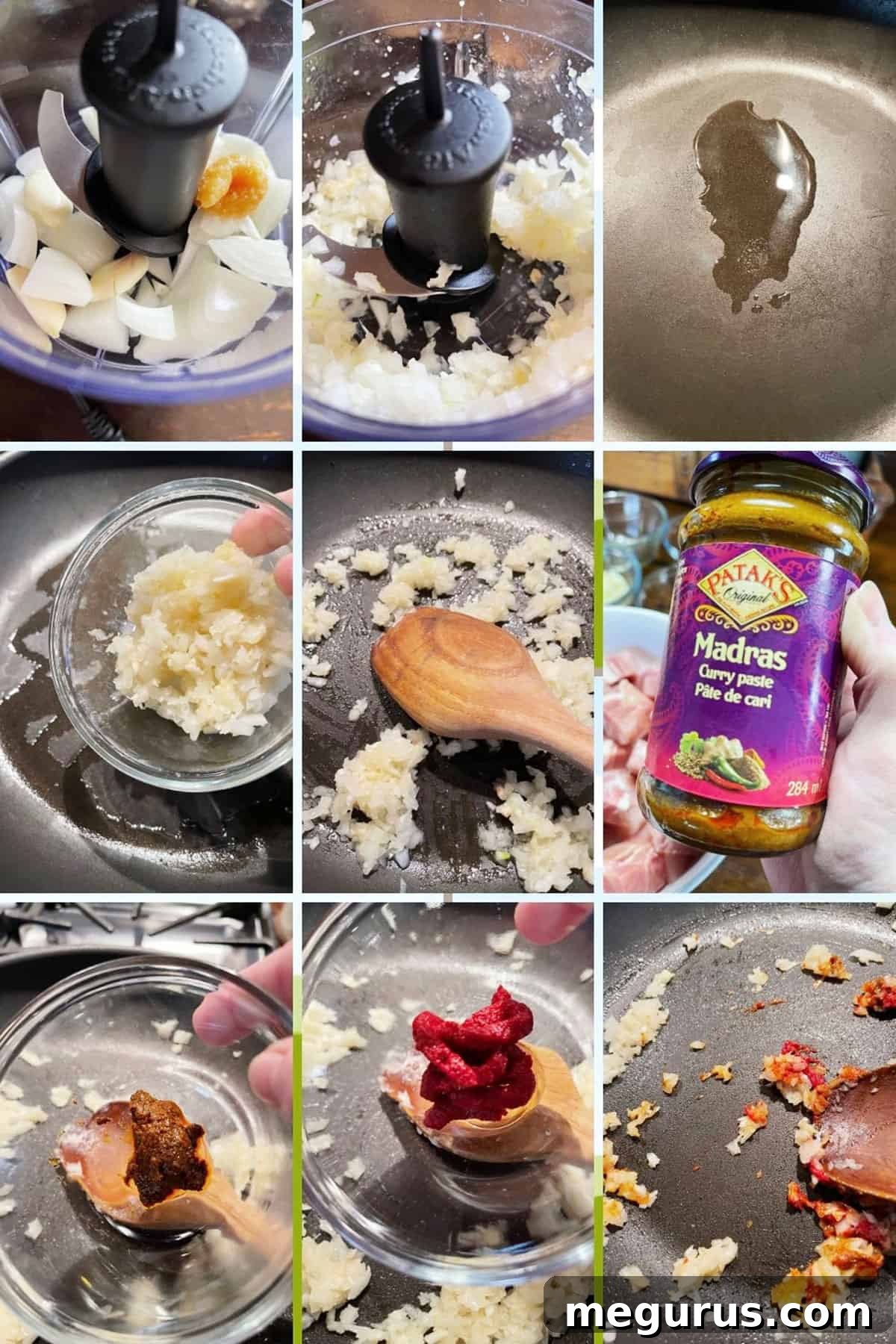
Begin by preparing your aromatic paste. Combine onion, garlic, and ginger in a food processor and blend until you have a fine, well-mixed paste. If you don’t have a food processor, simply take the time to finely chop them by hand; the effort will be well worth it for the depth of flavor. Next, heat a neutral cooking oil, such as vegetable oil, or traditional ghee, in a large skillet over medium heat. Add your freshly made onion mixture and sauté, stirring frequently, until it softens and begins to turn golden brown, about 3-4 minutes. This crucial step caramelizes the aromatics, creating a sweet, complex foundation for your curry. Now, stir in the Madras curry paste (or powder) and tomato paste. Cook, stirring constantly, for about 30-45 seconds to toast the spices and deepen their flavor. Add the coriander, cumin, turmeric, Kashmiri chili powder (or its substitute), and salt, cooking for another 15-30 seconds. Finally, deglaze the pan with a splash of water, stirring to combine all the fragrant spices. Add your bite-sized chicken pieces and stir thoroughly to ensure every piece is coated in the wonderful spice mixture. Cook for just one minute, allowing the chicken to start absorbing the flavors.
Next Steps: Simmering to Perfection and Finishing Touches
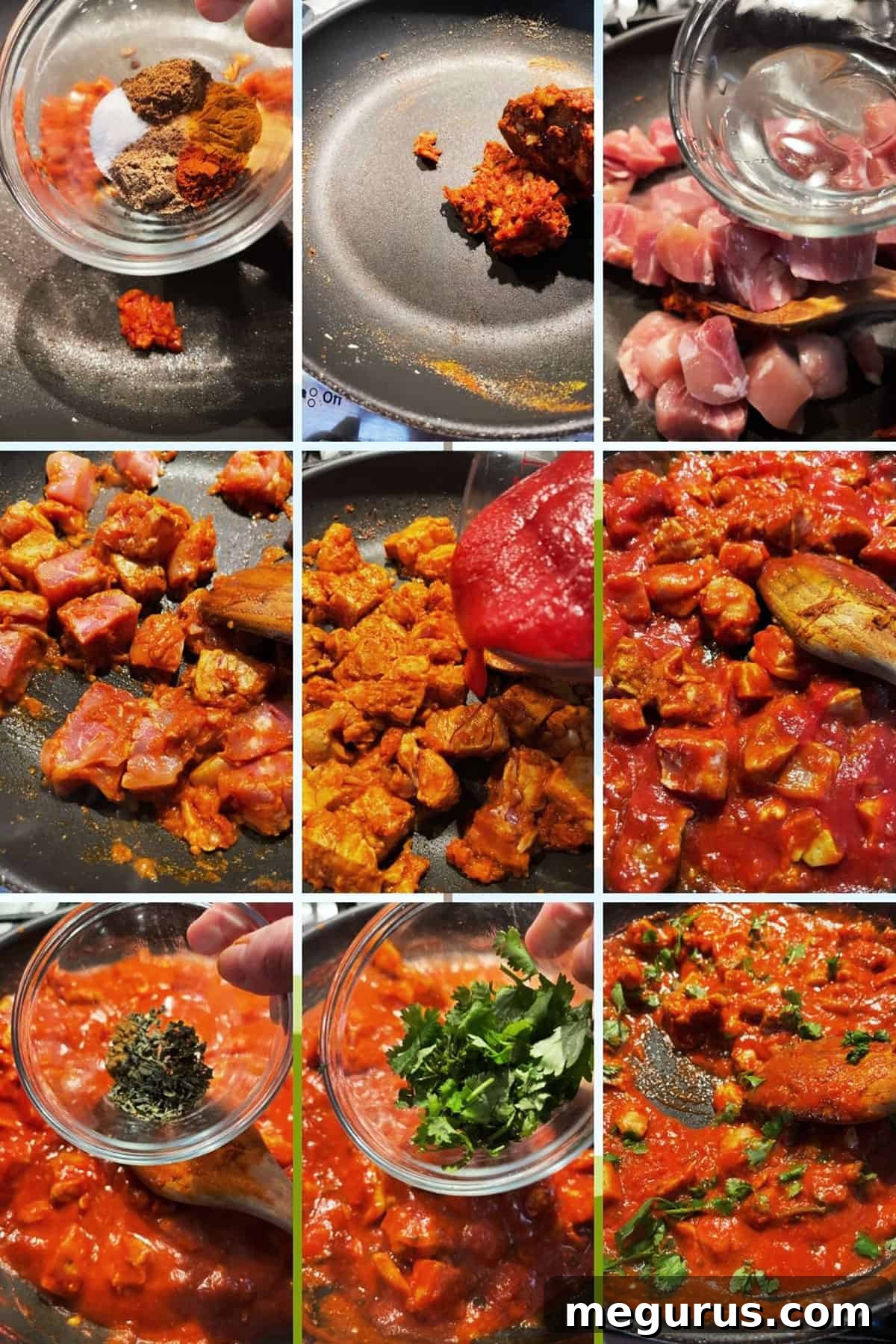
Once the chicken is coated, pour the passata (or crushed tomatoes) into the pan. Stir everything together, bringing the mixture to a gentle boil. Reduce the heat to a simmer, cover, and let the curry cook for approximately 10-15 minutes, or until the chicken is thoroughly cooked through and tender. If your curry thickens too much during simmering, you can add a small splash of water to achieve your desired consistency. To finish this delectable curry, stir in the garam masala, a squeeze of fresh lime juice, and kasoori methi (dried fenugreek leaves). These final additions add layers of aromatic depth and a bright, fresh lift. Taste and adjust the seasoning with additional salt if needed.
Expert Tips for a Perfect Madras Curry
Elevate your Chicken Madras from good to truly exceptional with these insightful tips and pantry recommendations.
Embrace Mise en Place: “Mise en place” is a French culinary term meaning “everything in its place.” This simple practice of gathering and measuring all your ingredients before you start cooking can dramatically improve your cooking experience. It only takes a few minutes, but as you build the layers of flavor in your curry, it’s far more enjoyable to simply add ingredients that are prepped and ready, rather than scrambling to find them at each step. This ensures a smoother, more relaxed cooking process and prevents anything from burning while you’re distracted.
Unleash Your Inner Chef: Indian curry dishes are a fantastic canvas for creativity and customization. Don’t be afraid to experiment! Whether you want to add more vegetables, adjust the spice level, or introduce different herbs, feel free to add or subtract ingredients as you like. Making it your own is part of the joy of home cooking.
Stock Your Indian Pantry: If you find yourself frequently enjoying Indian dishes like this Chicken Madras, consider adding a few common Indian cooking ingredients to your pantry. These items, often available in convenient “kits” or individually, can truly elevate your curries. I highly recommend:
- Kasoori Methi (Dried Fenugreek Leaves): This is truly the “missing piece” for many Indian dishes, imparting a slightly bitter, earthy, and aromatic depth that is hard to replicate. Kasoori methi can sometimes be found fresh in specialty markets, but the dried form is more common and keeps well. It’s typically stirred in at the very end of cooking an Indian curry or used as a fragrant garnish. A decent substitute, if you can’t find kasoori methi, would be a small amount of finely chopped, fresh celery leaves.
- Kashmiri Chili Powder: This special chili powder is a secret weapon for achieving that vibrant, characteristic red color in Indian curries without overwhelming heat. Kashmiri chilies are milder than many other varieties, making it much easier to control the spice level to individual taste while still adding a beautiful hue and aroma. If Kashmiri chili powder isn’t available, a blend of sweet or smoked paprika (for color) and a pinch of cayenne pepper (for heat) can serve as a good substitute.
- Mango Chutney: I always keep a jar of mango chutney in my fridge. Stirring a spoonful into the finished curry adds a delightful fruity and sweet note, balancing the spices beautifully. Alternatively, it makes for an excellent accompaniment served on the side. Beyond Indian cuisine, mango chutney pairs wonderfully with many meat dishes, cheese boards, or even as a spread for sandwiches.
Mango Chutney is readily available at most major grocery stores. For Kasoori Methi and Kashmiri Chili Powder, I recommend checking an Indian grocery store if you have one locally, as they often have the best selection and prices. Alternatively, both are widely available through online retailers like Amazon. These dried leaves and spices come in smaller packages and have a long shelf life, making them a worthwhile investment if you’re looking to enhance your homemade Indian curry game.
Serving Your Delicious Chicken Madras
A well-made Chicken Madras deserves a proper accompaniment to complete the meal. I absolutely love to serve Chicken Madras with a fluffy mound of basmati rice, its delicate fragrance providing a perfect counterpoint to the rich curry. Warm naan bread, with its soft, chewy texture, is indispensable for soaking up every last drop of the glorious sauce. To balance the heat, a side of cool, refreshing raita (a yogurt-based condiment with cucumber and mint) is a delightful addition, especially if you’ve opted for a spicier version of the curry. As mentioned, mango chutney is often served on the side of Indian curry dishes, offering a sweet and tangy contrast. For a final flourish and a burst of freshness, garnish your Chicken Madras with a sprinkle of chopped fresh cilantro and a few lime wedges for drizzling a little extra citrusy brightness.
Making Ahead, Storage, and Freezing
This Chicken Madras recipe is not only delicious freshly made but also excellent for meal prep, as its flavors tend to deepen beautifully over time. If you choose to make it ahead, simply reheat it gently on the stovetop or in the microwave. Should the curry thicken slightly during storage, you can easily loosen it with a splash of water or chicken broth while reheating to restore its perfect consistency.
Leftover Chicken Madras will keep well in an airtight container in the refrigerator for approximately 3 days. For longer storage, it freezes exceptionally well. Portion out the cooled curry into freezer-safe containers or bags and freeze for up to 3 months. When you’re ready to enjoy it again, thaw overnight in the refrigerator and then reheat thoroughly until piping hot.
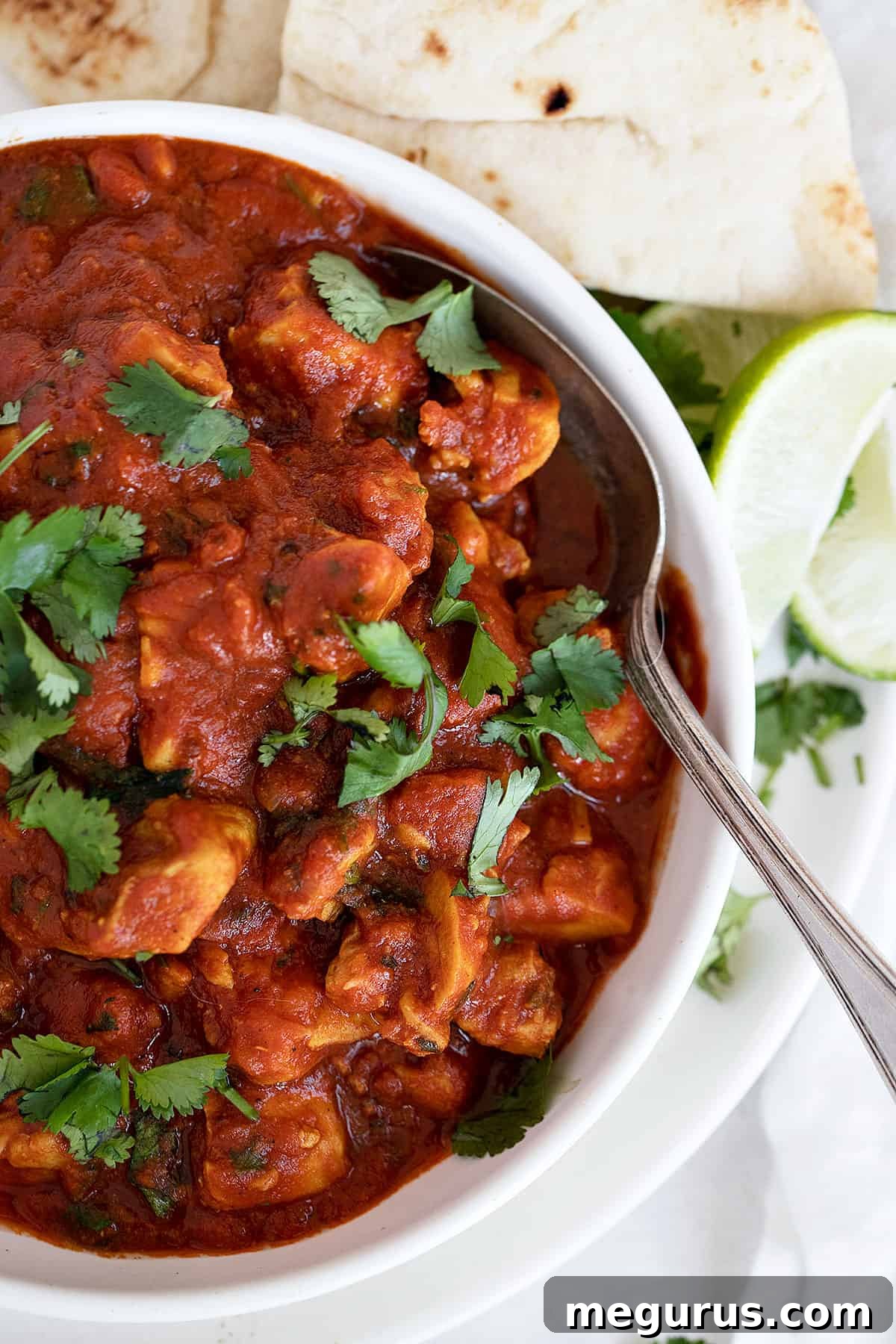
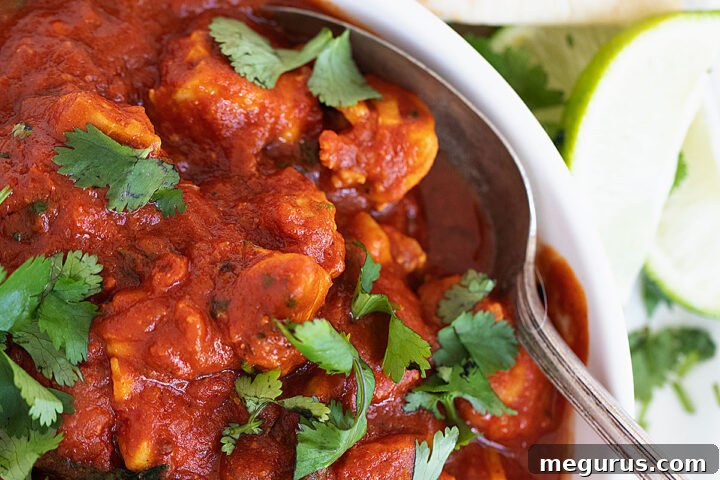
Get the Recipe: Chicken Madras
Pin This
Leave a Review
10 minutes
20 minutes
30 minutes
4
servings
Ingredients
-
1/2 medium
onion, quartered -
3 cloves
garlic -
1 teaspoon
fresh ginger, grated or a pinch of ginger powder -
1 Tablespoon
vegetable oil, or similar neutral cooking oil or ghee -
1 Tablespoon
Madras Curry paste, or 1 tsp Madras curry powder -
1 Tablespoon
tomato paste -
1 teaspoon
coriander -
1/2 teaspoon
cumin -
1/2 teaspoon
turmeric -
1/8-1/4 teaspoon
Kashmiri chili powder, or 1/4 tsp paprika with a pinch of cayenne *see Note 1 below -
1/2 teaspoon
salt -
1/3 cup
water -
1 – 1 1/3 cups
Tomato passata, or canned crushed tomatoes - Chicken breasts, 2-3 or chicken thighs (5-6), cut into bite-sized pieces
To finish:
-
1/2 teaspoon
garam masala - Juice of 1/2 lime
-
1-2 Tablespoon
kasoori methi, or a bit of chopped celery leaves -
2 teaspoon
mango chutney, or 1/2 tsp brown sugar - Cilantro, chopped
- Additional salt, as needed
Instructions
-
Add the onion, garlic, and ginger to a food processor. Process until fine and well mixed. (Alternatively, you can finely chop them by hand if you prefer).
-
Heat oil in a large skillet over medium heat. Add the onion mixture and cook, stirring frequently, until softened and lightly colored, about 3-4 minutes. Stir in the Madras Curry Paste (or powder) and tomato paste; cook, stirring, for 30-45 seconds. Add the coriander, cumin, turmeric, chili powder, and salt; cook, stirring for 15-30 seconds, then add the water. Stir to combine and cook for an additional 30-45 seconds. Add the chicken pieces and stir to coat them well with the spice mixture. Cook for 1 minute, then add the passata and stir to combine. Bring the mixture to a boil, then reduce the heat to a simmer and cook for 10-12 minutes, or until the chicken is cooked through. *If the curry becomes too thick, you can thin it with a bit of additional water.
-
To finish the curry, stir in the garam masala, lime juice, kasoori methi, and mango chutney (or brown sugar). Taste and adjust with additional salt, as needed, to achieve your perfect flavor balance.
-
Serve your flavorful Chicken Madras garnished with chopped fresh cilantro and lime wedges for a bright, fresh finish. It pairs wonderfully with basmati rice, warm naan bread, and extra mango chutney on the side.
Notes
Be sure to read the comprehensive tips and ingredient notes provided above this recipe card for additional guidance and insights on perfecting this dish. You’ll also find helpful Step-by-Step photos to guide you through the process.
Indian
Main Course
Jennifer Maloney
Calories: 210kcal,
Carbohydrates: 19g,
Protein: 27g,
Fat: 3g,
Saturated Fat: 1g,
Polyunsaturated Fat: 1g,
Monounsaturated Fat: 1g,
Trans Fat: 1g,
Cholesterol: 73mg,
Sodium: 498mg,
Potassium: 1146mg,
Fiber: 3g,
Sugar: 10g,
Vitamin A: 844IU,
Vitamin C: 20mg,
Calcium: 45mg,
Iron: 4mg
Tried this recipe?
If you enjoyed this recipe, please consider leaving a star rating and comment. Your feedback helps others discover and enjoy it too!