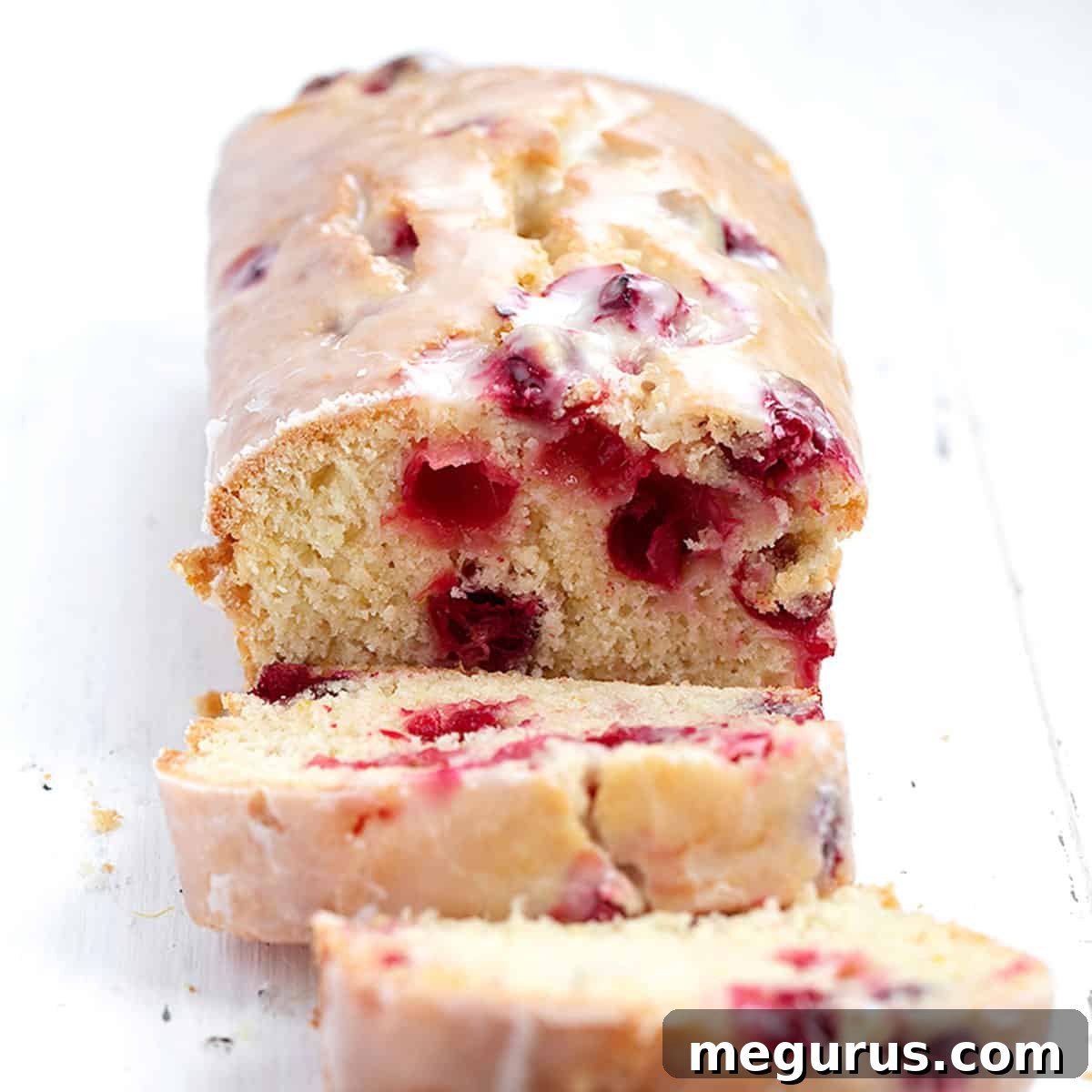
Indulge in the delightful simplicity of this **Easy One-Bowl Cranberry Orange Loaf Cake**. This incredible recipe masterfully blends the tartness of cranberries with the bright, citrusy notes of a single large orange, resulting in a perfectly moist and flavorful loaf that’s sure to become a household favorite. Best of all, it’s designed for convenience – needing only one bowl and absolutely no electric mixer, making it perfect for bakers of all skill levels, from novice to experienced.
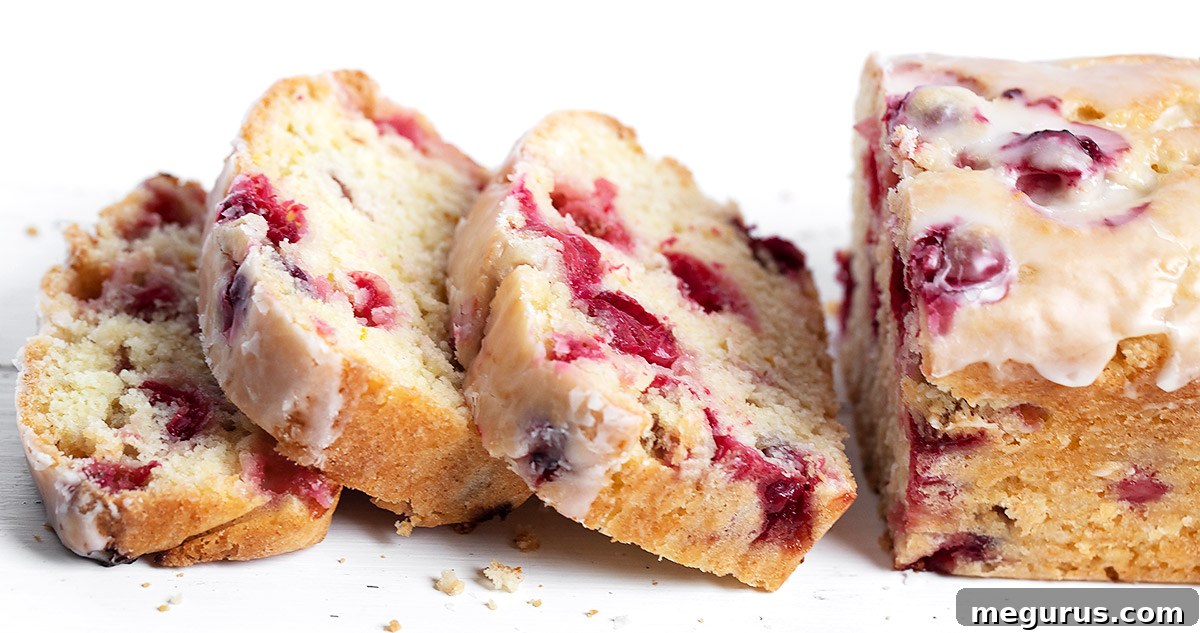
Bake the Best Cranberry Orange Loaf Cake: Simple, Flavorful & No Mixer Needed!
There’s something truly special about a homemade loaf cake, especially when it features a classic flavor combination like cranberry and orange. This recipe isn’t just easy; it’s a celebration of simple ingredients coming together to create a show-stopping treat. Whether you’re looking for a delightful breakfast bread, an afternoon snack, or a thoughtful gift from your kitchen, this Cranberry Orange Loaf fits the bill perfectly. It’s designed for maximum flavor with minimal fuss, ensuring a successful bake every time.
Why This Cranberry Orange Loaf Will Be Your New Favorite
- Unbeatable Flavor Harmony: The pairing of sweet, tangy cranberries with aromatic orange zest and juice is a timeless classic for a reason. Each bite offers a burst of refreshing citrus balanced by the juicy tartness of cranberries, all enveloped in a tender, buttery crumb. The sweet orange glaze on top adds another layer of flavor and a beautiful finish, perfectly complementing the tart berries.
- Effortless Preparation: Forget about pulling out multiple bowls and your heavy stand mixer. This truly is a one-bowl wonder, simplifying cleanup and making the baking process incredibly straightforward. It’s the ideal recipe for busy days or when you simply want to bake something delicious without a lot of fuss.
- Perfect Texture Every Time: This isn’t just any loaf; it boasts a wonderfully moist, rich, and lightly sweet texture with just the right amount of crumble. It’s packed generously with cranberries, ensuring that every slice is dotted with those delicious ruby-red gems. The careful balance of ingredients ensures a tender crumb that melts in your mouth.
- Versatile and Gift-Ready: A freshly baked cranberry orange loaf is a delightful treat to have on your kitchen counter, ready for coffee breaks, breakfast, or dessert. It also makes for an incredibly thoughtful and appreciated “from the kitchen” gift for friends, family, or neighbors. Its beautiful appearance and irresistible aroma make it a welcome present for any occasion.
Essential Ingredients and Smart Substitutions
Crafting the perfect Cranberry Orange Loaf starts with understanding your ingredients. Here’s a closer look at what you’ll need and how to make smart adjustments if necessary:
Butter: The Foundation of Flavor and Texture
For this recipe, you can use either salted or unsalted butter. Given the relatively small quantity, the choice won’t drastically alter the overall saltiness, but if you opt for salted butter, you might consider slightly reducing the amount of additional salt called for in the recipe to maintain balance. The key here is using **cold butter**, which will be rubbed into the dry ingredients. This technique is crucial for creating a wonderfully tender, crumbly texture in your loaf. Cold butter, when incorporated this way, melts slowly during baking, creating pockets of steam that prevent gluten development and result in a softer, more delicate crumb compared to using softened butter.
Oranges: Zest for Aroma, Juice for Moisture and Tang
The recipe is designed to utilize one large, fresh orange to its fullest. You’ll first zest the orange to capture its vibrant, aromatic oils, which infuse the loaf with intense citrus flavor. Then, you’ll juice the same orange. Measure the fresh juice, and if it doesn’t quite reach the 3/4 cup mark, simply top it up with water. This ensures you have the correct liquid ratio without wasting any of that precious orange flavor.
A large Navel orange is typically the best choice due to its size and abundant juice. However, other orange varieties can work; just be aware that smaller oranges might require you to use two to get enough juice and zest. Expect to get around 1/2 cup of juice from a single large orange. Don’t skip the zest – it provides a concentrated burst of orange flavor that the juice alone cannot replicate, making a significant difference to the loaf’s overall profile.
Cranberries: Fresh, Frozen, or Dried – Know Your Options
The star of the show! You have the flexibility to use either fresh or frozen cranberries. If opting for frozen cranberries, there’s no need to thaw them beforehand. A helpful tip is to lightly toss the frozen berries in a small amount of flour before adding them to the batter. This trick helps prevent them from sinking to the bottom of the loaf, ensuring an even distribution throughout. Keep in mind that loaves made with frozen cranberries might require a few extra minutes in the oven, as the cold berries can slightly lower the batter’s temperature and extend baking time.
When it comes to quantity, you can adjust the amount to your preference, from 1 cup to 1 1/2 cups. I personally find 1 1/2 cups of whole cranberries delivers the perfect tart-sweet balance and a beautiful visual appeal. While dried cranberries can be used, they are typically sweetened, which would significantly increase the overall sweetness of the loaf. If you prefer a less sweet profile, stick with fresh or frozen. If using dried, you might consider slightly reducing the granulated sugar in the batter or opting for unsweetened dried cranberries if available.
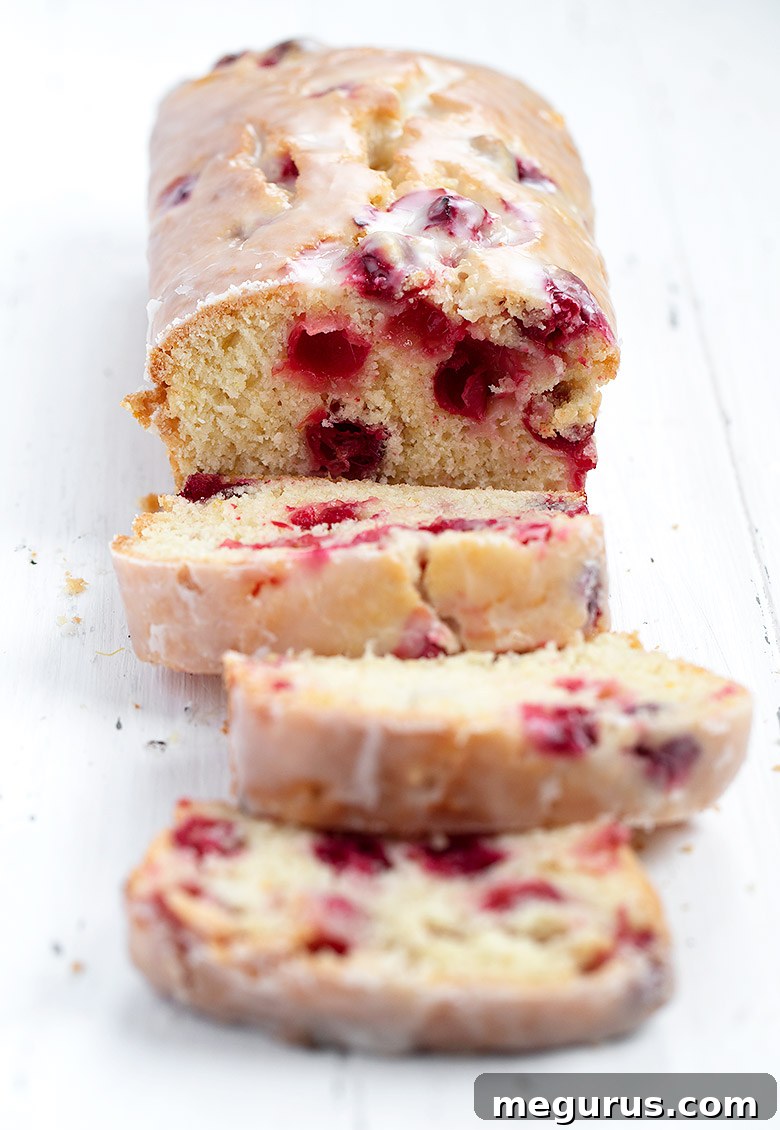
Mastering Your Bake: Essential Recipe Tips
Achieving a bakery-quality loaf at home is easier than you think with these expert tips:
The Cold Butter Advantage: Crafting a Tender Crumb
As mentioned, your butter should be cold, straight from the fridge. To incorporate the cold butter into the flour mixture, use your fingertips to rub or break up the butter. Continue this process until you have a uniform, crumbly mixture with no large chunks of butter remaining. The goal is a texture resembling coarse cornmeal. This method, often used in scone or pastry making, is key to developing a tender, flaky, and moist crumb in your loaf cake, as it prevents over-development of gluten and creates delightful pockets of steam during baking.
Precision in Baking: The “Stir, Spoon, and Level” Flour Method
Accurate flour measurement is paramount for consistent baking results. Using the “Stir, Spoon, and Level” method ensures you add the correct amount of flour every time, preventing a dense or dry loaf. Here’s how to do it:
- Stir: Begin by lightly stirring the flour directly in its container or bag. This aerates the flour, preventing it from being compacted.
- Spoon: Use a large spoon to gently spoon the stirred flour into your dry measuring cup (typically made of metal or plastic). Overfill the cup, allowing the flour to mound slightly on top.
- Level: Take the flat, straight edge of a knife or a similar tool and run it evenly across the top of the measuring cup, sweeping off any excess flour back into your container. This ensures a precise, level measurement.
It’s crucial to **never scoop flour directly out of the bag** with your measuring cup. Flour naturally settles and becomes compacted in its packaging, meaning direct scooping will almost always result in adding significantly more flour to your recipe than intended. Excess flour leads to a dry, heavy, and crumbly loaf, so mastering this simple measuring technique is a game-changer for your baking.
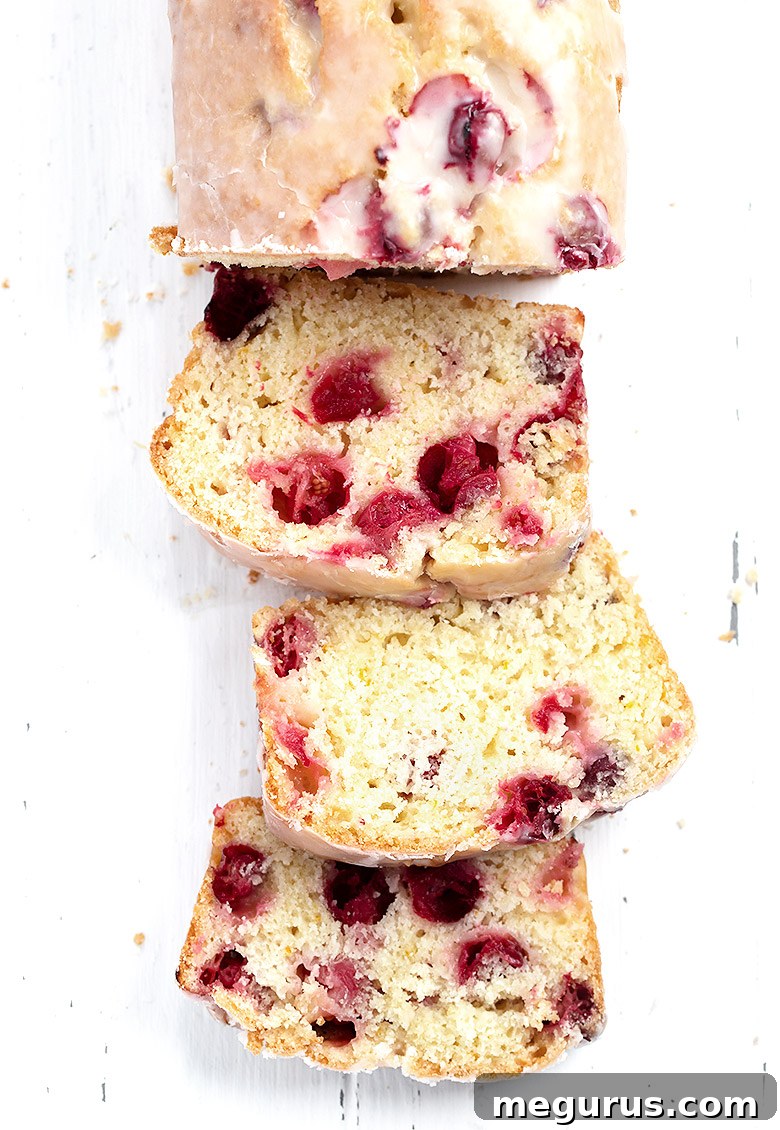
Baking Brilliance: Top Tip for a Perfect Loaf!
A small step that yields big results: pay close attention to the instruction that specifies the egg should be **”well beaten”** before being added to the other liquid ingredients. This seemingly minor detail is incredibly important for the final texture of your loaf. The primary reason is to minimize stirring once the wet and dry ingredients are combined. If the egg isn’t thoroughly beaten beforehand, you would need to mix the batter much more vigorously to ensure the egg is fully incorporated. Over-mixing batter leads to the over-development of gluten, which can result in a tough, dense, and chewy loaf rather than the tender, moist crumb we’re aiming for.
By simply beating the egg well with a fork in a small bowl until the yolk and white are completely combined and uniform, you ensure that it integrates seamlessly into the batter with just a few gentle stirs. This pre-beating step is a secret weapon against over-mixing, guaranteeing a light and delicate texture every time. It’s a testament to how small, deliberate actions in baking can significantly impact the final product.
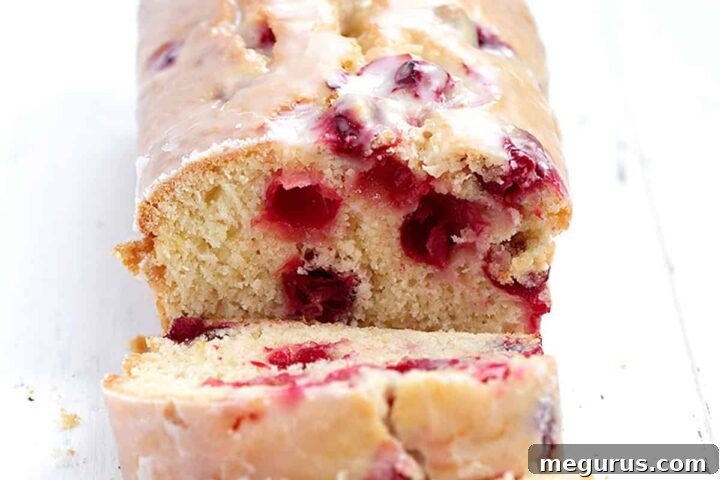
Get the Recipe: Easy One-Bowl Cranberry Orange Loaf
Pin This
Leave a Review
15 minutes
1 hour
1 hour 15 minutes
10 servings
Ingredients
Batter:
- 2 cups (240 g) all purpose flour
- 1 cup (190 g) white granulated sugar
- 1 1/2 teaspoons baking powder
- 1/2 teaspoon baking soda
- 1 teaspoon salt
- 1/4 cup (57 g) butter, cold, salted or unsalted
- Zest of 1 large orange
- 3/4 cup (170 ml) freshly squeezed orange juice, from 1 large orange, topped with water as needed (See Note 1 below)
- 1 large egg, well beaten before adding (See Note 2 below)
- 1 – 1 1/2 cup raw cranberries, whole or chopped, fresh or frozen
Orange Glaze:
- 1 cup (140 g) icing/confectioners’ sugar
- 1 Tablespoon freshly squeezed orange juice, or water if no oranges are left
- 1/4 teaspoon orange zest, optional, for extra citrus aroma
Instructions
-
Preheat your oven to 350°F (175°C) using the regular bake setting (not fan-assisted), ensuring the oven rack is positioned in the center. Lightly grease a 9×5-inch loaf pan and set it aside. This crucial first step ensures your oven is at the correct temperature for even baking.
-
In a large mixing bowl, whisk together the dry ingredients: flour, granulated sugar, baking powder, baking soda, and salt. Cut the cold butter into four pieces and add them to the dry mixture. Using your fingertips, gently rub the cold butter into the flour mixture, breaking it up as you go. Continue until the mixture is evenly crumbly and resembles coarse cornmeal. This method creates tender pockets in the final loaf.
-
Carefully remove the zest from your large orange and set it aside for later. In a 2-cup measuring cup, squeeze all the juice from the orange. Add enough water to the measuring cup until the liquid reaches the 3/4 cup mark. Now, add the reserved orange zest and the well-beaten egg to the measuring cup, stirring everything together until well combined. Pour this entire orange juice mixture into the dry ingredients all at once. Using a wooden spoon, mix just enough until all the flour is moistened. Gently fold in the cranberries. (If using frozen cranberries, a light dusting with flour before adding helps prevent them from sinking).
-
Spoon the prepared batter evenly into your greased 9×5-inch loaf pan. Bake in the preheated oven for approximately 1 hour, or until a wooden skewer or toothpick inserted into the center of the loaf comes out clean. If you used frozen cranberries, you might need a few extra minutes of baking time. Also, be mindful that darker loaf pans tend to bake more quickly, so monitor your loaf closely towards the end of the baking process. Don’t hesitate to bake a little longer if needed to ensure it’s fully cooked through.
-
Once baked, allow the loaf to cool in its pan for 10 minutes. This resting period helps the loaf set and prevents it from crumbling. After 10 minutes, run a knife around the edges of the pan to loosen the loaf, then carefully invert it onto a wire rack. Allow it to cool completely on the rack before proceeding to the glazing step. Cooling completely is essential for the glaze to set properly.
-
When the loaf is completely cool, prepare the vibrant orange glaze. In a small bowl, stir together the confectioners’ sugar, freshly squeezed orange juice (or water if you’ve run out of oranges), and optional orange zest until you achieve a smooth, pourable consistency. Place a piece of waxed paper or paper towel under the cooling rack to catch any drips, then generously spoon the glaze over the top of the cooled loaf. Allow it to cascade down the sides for an attractive finish. Let the loaf stand until the glaze has fully set, which usually takes about 30 minutes, before slicing and serving.
Notes
- Orange Juice Measurement: When starting with one large, fresh orange, first zest it, then squeeze all the juice into a measuring cup. One large orange typically yields about 1/2 cup of fresh orange juice. To reach the required 3/4 cup, simply add enough water to the measuring cup. This method ensures optimal flavor while maintaining the correct liquid ratios.
- Well-Beaten Egg: The instruction to “well beat” the egg before adding it to other liquid ingredients is crucial for achieving a light and tender crumb. This practice helps to evenly disperse the egg throughout the batter with minimal stirring, thereby preventing over-mixing. Over-mixing can lead to excessive gluten development, resulting in a tough and dense loaf.
Storage: This delicious loaf keeps wonderfully at room temperature for approximately 2 days. To maintain its freshness, I recommend wrapping only the cut end of the loaf. Tightly wrapping the entire glazed loaf can sometimes cause the glaze to become moist or sticky.
For longer storage, the loaf can be frozen for up to 2 months. Ensure it is thoroughly wrapped in plastic wrap and then aluminum foil to prevent freezer burn. Thaw at room temperature before serving.
For even more detailed tips, variations, and substitution suggestions for this recipe, be sure to re-read the “Essential Ingredients and Smart Substitutions” and “Mastering Your Bake: Essential Recipe Tips” sections above the recipe card!
Nutrition Information
Serving: 1slice,
Calories: 285kcal,
Carbohydrates: 57g,
Protein: 4g,
Fat: 5g,
Saturated Fat: 3g,
Cholesterol: 33mg,
Sodium: 338mg,
Potassium: 154mg,
Fiber: 2g,
Sugar: 35g,
Vitamin A: 225IU,
Vitamin C: 13mg,
Calcium: 38mg,
Iron: 1mg
Tried this recipe?
If you enjoyed this recipe, please leave a star rating and comment. It helps others to find it!
More Delicious Cranberry Orange Recipes to Explore!
If you’re a fan of the irresistible cranberry orange flavor combination, you’re in luck! This versatile duo shines in a variety of baked goods and desserts. Here are some other cherished recipes featuring cranberries and oranges that are sure to delight your taste buds and expand your baking repertoire:
Frequently Asked Questions About Baking This Loaf
- Can I use only orange juice and no water?
- Yes, if you prefer a stronger orange flavor and have enough fresh orange juice, you can use 3/4 cup of pure orange juice. Just ensure the total liquid amount remains consistent for the best texture.
- How do I prevent the cranberries from sinking to the bottom?
- Tossing fresh or frozen cranberries in a tablespoon of flour before adding them to the batter is an excellent way to prevent them from sinking. The flour creates a coating that helps them adhere to the batter better.
- What if I don’t have a 9×5-inch loaf pan?
- You can use an 8×4-inch loaf pan, but be aware that the baking time might be slightly longer (up to 10-15 minutes more), and the loaf will be taller. Always check for doneness with a toothpick. Alternatively, you could divide the batter into two smaller mini loaf pans.
- Can I add nuts to this cranberry orange loaf?
- Absolutely! Chopped walnuts or pecans would be a fantastic addition, adding a lovely crunch and nutty flavor that complements the cranberries and orange beautifully. Add about 1/2 to 3/4 cup of chopped nuts along with the cranberries.
- How long does the loaf stay fresh?
- The loaf stays fresh at room temperature for about 2 days. For optimal freshness, cover the cut side with plastic wrap or foil. If you wrap the entire loaf tightly after glazing, the glaze might become sticky. For longer storage, freeze slices or the whole loaf (well-wrapped) for up to 2 months.
Serving Suggestions for Your Homemade Cranberry Orange Loaf
This versatile loaf is delicious on its own, but here are a few ideas to elevate your serving experience:
- Breakfast Treat: Enjoy a slice with your morning coffee or tea. The bright flavors are a wonderful way to start the day.
- Afternoon Pick-Me-Up: A perfect accompaniment to an afternoon tea break.
- Dessert Delight: Serve warmed with a dollop of whipped cream, a scoop of vanilla ice cream, or a light drizzle of crème fraîche for an elegant dessert.
- Brunch Star: A beautiful addition to any brunch spread, offering a homemade touch that everyone will appreciate.
- Thoughtful Gift: Wrap a cooled, glazed loaf in pretty parchment paper and ribbon for a homemade gift that truly shows you care.
No matter how you choose to enjoy it, this Easy One-Bowl Cranberry Orange Loaf promises a delightful experience with every bite. Happy baking!