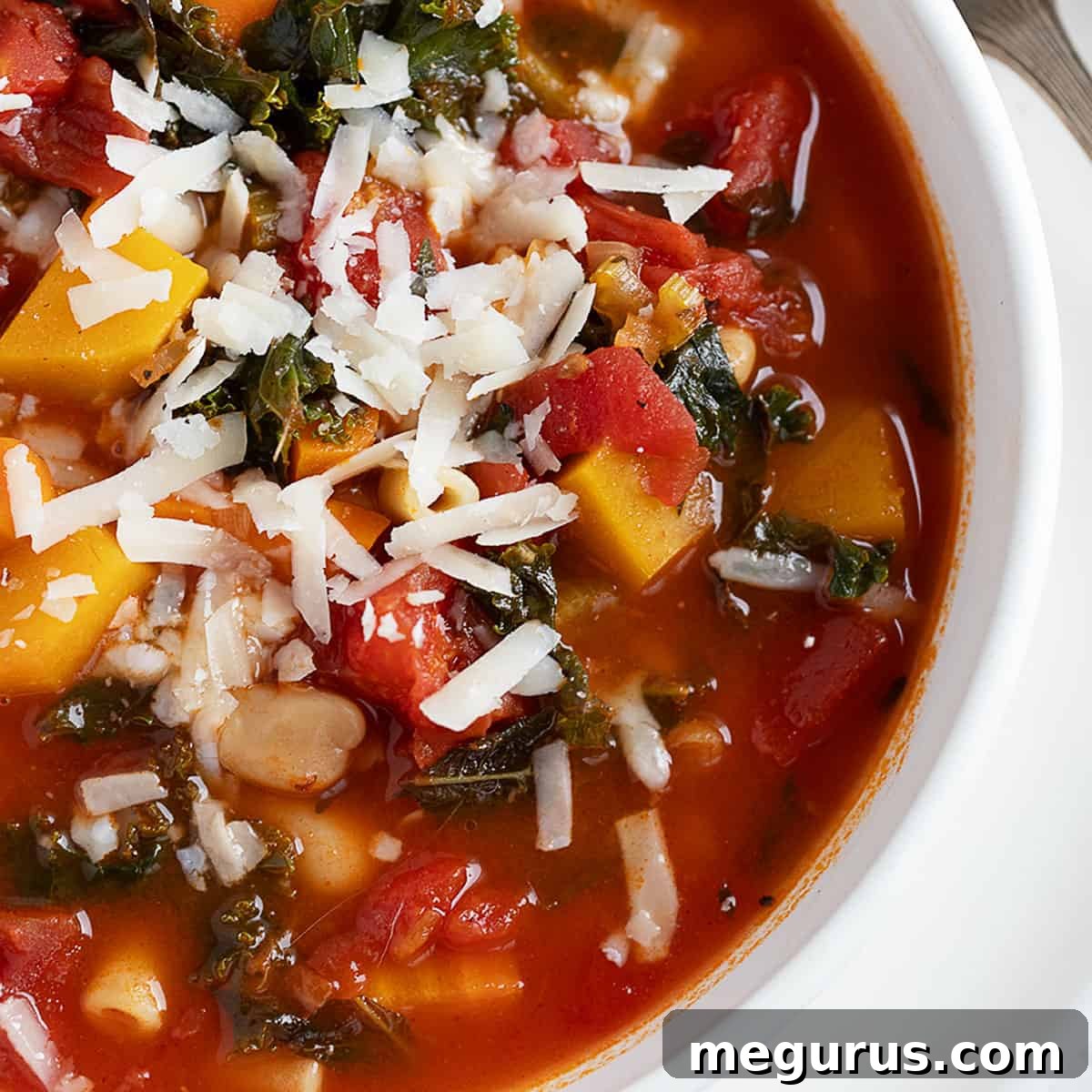
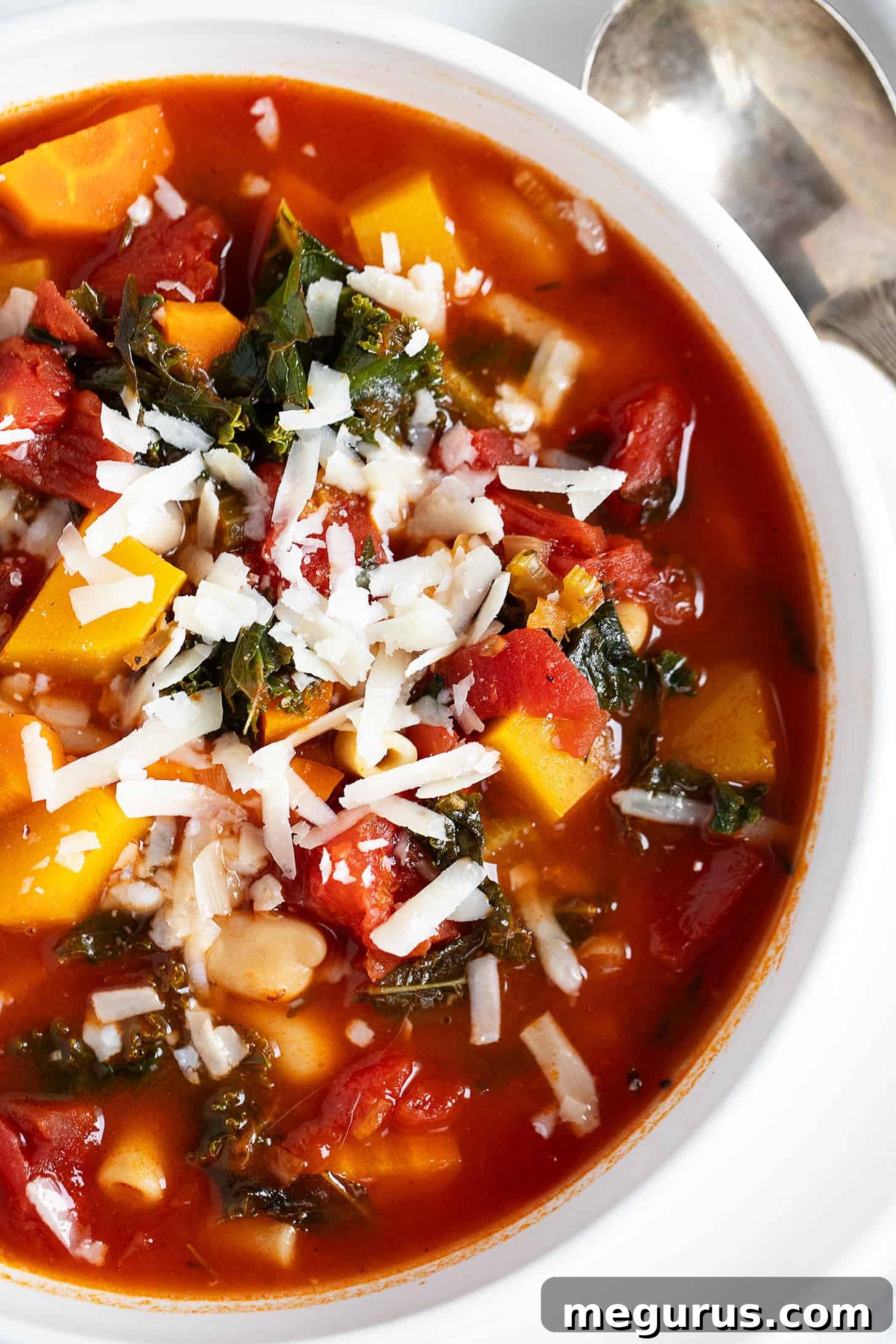
As the vibrant hues of summer fade into the warm embrace of autumn, our cravings naturally shift towards comforting, hearty meals. There’s nothing quite like a steaming bowl of soup to welcome the crisp air and cozy evenings. This Fall Minestrone Soup offers a delightful seasonal twist on the beloved classic, transforming it into the ultimate autumn comfort food. Featuring the rich, earthy sweetness of butternut squash, the robust goodness of kale, and the savory depth of pancetta, this minestrone is packed with flavors that sing of the harvest season. Combined with wholesome white beans and tender pasta, it’s a wonderfully satisfying and nourishing meal that’s perfect for chilly days.
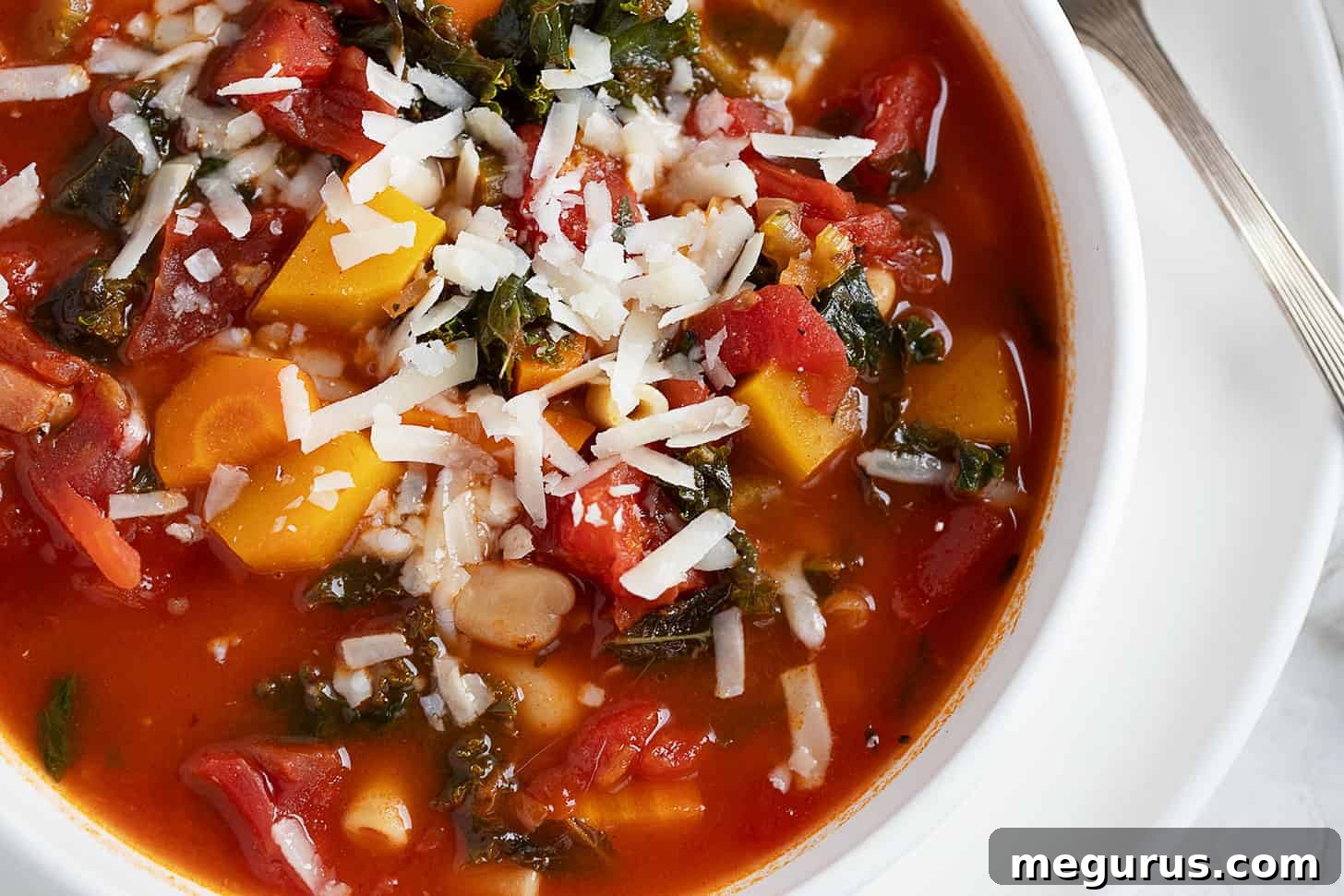
Just a few weeks ago, we might have been enjoying a light and fresh Summer Minestrone, but here, the seasons change quite rapidly! One moment you’re savoring the last days of summer, and the next, you’re fully immersed in the beauty and bounty of fall. This transitional period calls for a soup that captures the essence of the season, and this butternut squash and kale minestrone does just that. It’s not just a meal; it’s an experience, bringing warmth, flavor, and a touch of autumn magic to your table.
Our Fall Minestrone Soup recipe takes the best of autumn’s produce – sweet butternut squash and nutrient-dense kale – and marries them with the familiar comforts of tomatoes, beans, and pasta. A touch of crispy pancetta adds a salty, umami-rich layer, making this soup incredibly hearty and flavorful. It’s a complete meal in a bowl, perfect for a cozy family dinner or a warming lunch. Every spoonful is a symphony of textures and tastes, designed to comfort and delight.
Why You’ll Love This Fall Minestrone Soup
This isn’t just any minestrone; it’s a celebration of autumn. Here’s why this Fall Minestrone with butternut squash and kale will quickly become a seasonal favorite in your home:
- Seasonal Flavors: It embraces the best produce of the fall, with the inherent sweetness of butternut squash and the earthy notes of kale.
- Hearty and Filling: Packed with vegetables, beans, and pasta, it’s a robust soup that truly satisfies, making it a complete meal.
- Rich and Complex: The pancetta adds an incredible depth of savory flavor, while tomato paste and herbs build a rich broth that’s wonderfully aromatic.
- Customizable: Easily adapted to suit dietary preferences, whether you want to make it vegetarian or adjust the vegetables to what you have on hand.
- Comforting: There’s a natural warmth and coziness that comes from a bowl of this wholesome soup, perfect for cool evenings.
- Easy to Make: Despite its gourmet taste, the steps are straightforward and accessible for cooks of all levels.
Get ready to infuse your kitchen with the irresistible aromas of a homemade, hearty minestrone that embodies the spirit of fall.
Essential Ingredients and Smart Substitutions
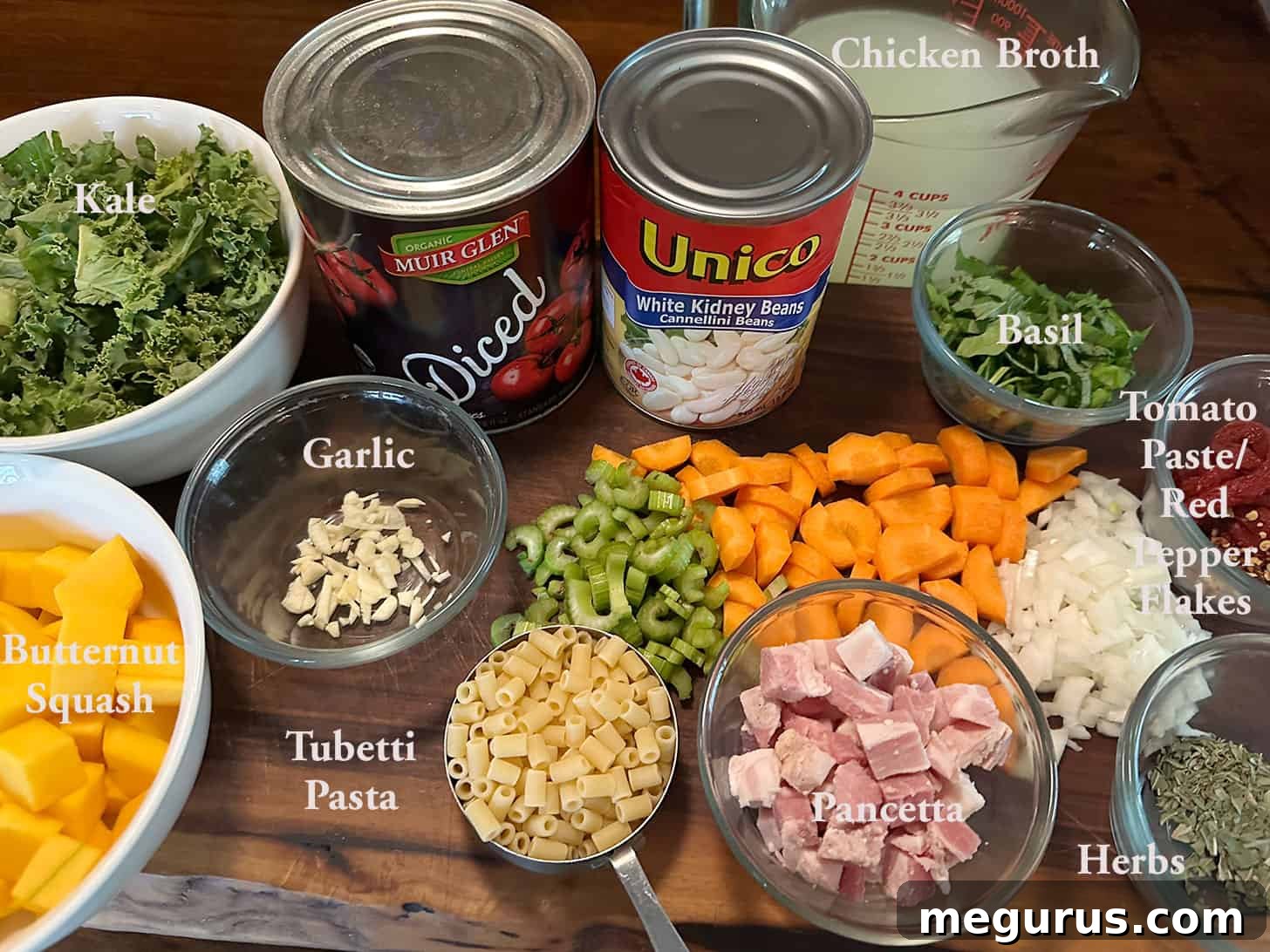
Crafting the perfect Fall Minestrone starts with fresh, quality ingredients, but knowing your substitution options ensures you can always whip up a delicious batch, even if you’re missing an item or two. Here are some key components and flexible alternatives:
Butternut Squash: This sweet, creamy squash is a cornerstone of our fall minestrone, providing a lovely sweetness and vibrant color. If you’re looking to save time, pre-cubed fresh butternut squash from your grocery store is an excellent shortcut. Otherwise, starting with a whole squash is rewarding. For easier peeling and cubing, I recommend microwaving the whole squash for 4-5 minutes after peeling. This softens the flesh slightly, making it much easier to slice into rounds and then cube. Frozen butternut squash cubes are also a perfectly viable option; just remember to add them later in the cooking process to prevent them from becoming too mushy. Check the detailed recipe card for precise timing.
Pancetta: Diced pancetta delivers a wonderful salty, savory, and slightly smoky flavor that truly elevates the soup. If pancetta isn’t readily available, diced bacon is a fantastic substitute, offering a similar depth of flavor. For those seeking a vegetarian minestrone, the pancetta can be entirely omitted. You might consider adding a smoky paprika or a touch of liquid smoke to the broth for an alternative layer of flavor, or simply embrace the vegetable-forward profile.
Pasta: Small, sturdy pasta shapes are ideal for minestrone, as they hold up well in the broth without becoming overly soft. Tubetti is my preferred choice for its delightful bite and shape, but ditalini also works beautifully. Other excellent options include small shells, elbow macaroni, or even broken spaghetti pieces. Feel free to use your favorite small pasta, or what you have in your pantry. For a gluten-free version, use gluten-free pasta and add it at the very end of cooking to prevent it from disintegrating.
Canned Beans: White kidney beans, also known as Cannellini beans, are traditional in many minestrone recipes and contribute a creamy texture and protein boost. However, you have plenty of flexibility here! Red kidney beans, chickpeas, great northern beans, or even a mix of different canned beans would work wonderfully. Always remember to drain and rinse canned beans thoroughly before adding them to the soup to remove excess sodium and improve their texture.
Canned Tomatoes: Diced canned tomatoes are convenient and provide a great base for the soup’s broth. If you prefer, whole canned tomatoes can be used; simply crush them by hand before adding them to the pot for a slightly chunkier texture. For those lucky enough to have an abundance of fresh, ripe tomatoes, chop approximately 4 cups and use them instead of canned for an even brighter, fresher flavor profile. This soup is designed to celebrate fresh produce when it’s available.
Kale: Kale adds a beautiful fall touch, not just in flavor but also in color and nutritional value. Its sturdy leaves hold their shape and texture well during simmering. Other hearty greens like Swiss chard or collard greens can be excellent substitutes; just be sure to remove any tough stems and chop the leaves into smaller, manageable pieces before adding them. If you prefer a milder green or are short on time, fresh spinach is always an option. If using spinach, add it towards the very end of the cooking process, as it wilts quickly.
Broth: The foundation of any great soup is its broth. You can use either chicken broth for a richer, more savory flavor or vegetable broth for a vegetarian-friendly version. I typically start with 4 cups of broth. The soup will thicken as it simmers, so don’t hesitate to thin it with additional water or broth as needed to achieve your desired consistency. Having an extra cup or two of liquid on hand is always a good idea.
Crafting Your Hearty Fall Minestrone Soup: Step-by-Step
Making this delightful Fall Minestrone is a straightforward process, resulting in a deeply flavorful and comforting soup. Follow these steps to bring this autumn masterpiece to life in your kitchen:
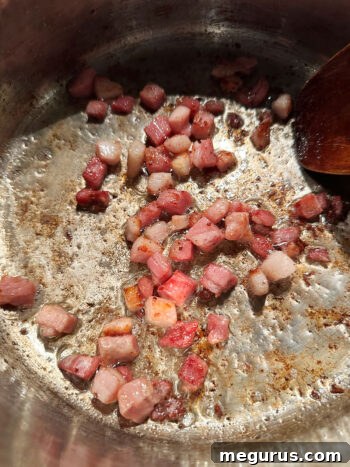
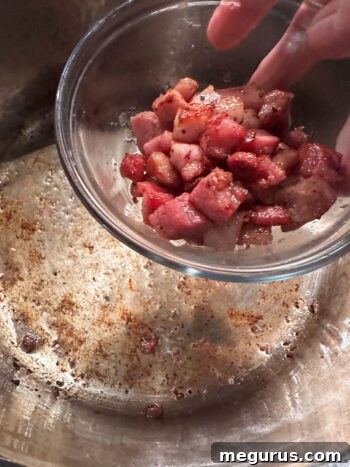

- Brown the Pancetta: Begin by adding diced pancetta (or bacon) and a tablespoon of olive oil to a large soup pot. Cook over medium heat, stirring frequently, until the pancetta is beautifully browned and crispy. This step renders out the fat and creates flavorful bits that add incredible depth to the soup.
- Remove Pancetta and Manage Fat: Carefully remove the browned pancetta to a small bowl and set it aside. If there’s a significant amount of rendered fat in the pot, pour off and discard most of it, leaving just enough (about 1-2 tablespoons) to sauté the vegetables in the next step. This prevents the soup from becoming overly greasy.
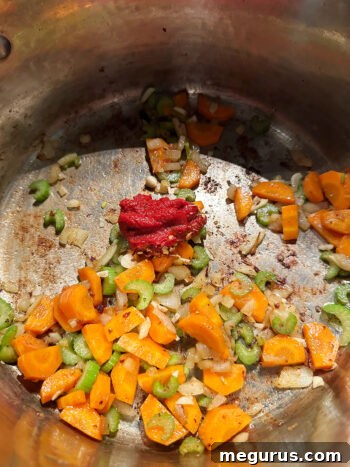
- Sauté Aromatics: Add the diced onion, thinly sliced celery, and carrots to the pot. Sauté for 3-4 minutes until they begin to soften. Next, stir in the tomato paste and red pepper flakes. Cook for another minute, stirring constantly, to allow the tomato paste to caramelize slightly and deepen in flavor. This is a crucial step for building the soup’s rich base.
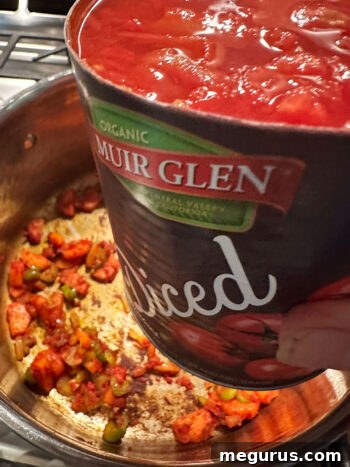
- Add Tomatoes: Pour in the canned diced tomatoes along with their liquid. For an extra flavor boost and to ensure you get every bit of tomato goodness, fill the empty tomato can 1/2 to 2/3 full with water. This tomato-infused water can be added to the soup as directed and as needed for thinning later on.
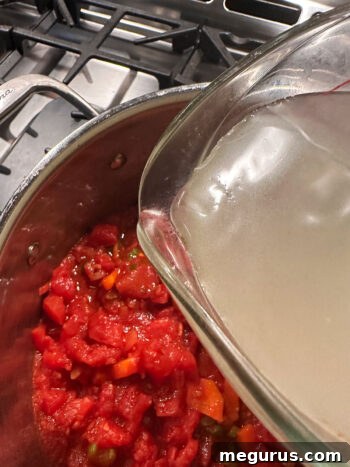
- Incorporate Broth and Butternut Squash: Add the chicken or vegetable broth, the cubed fresh butternut squash, dried thyme, and dried oregano to the pot. If using frozen butternut squash, hold off on adding it until Step 8.
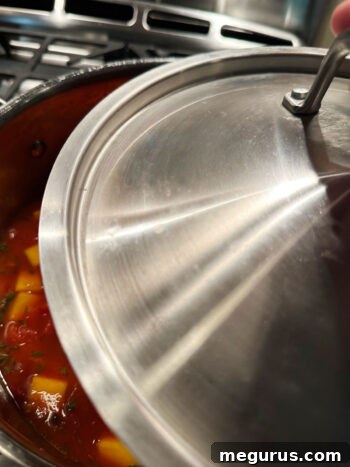
- Simmer to Tenderness: Increase the heat slightly to bring the soup to a gentle boil, stirring occasionally. Once boiling, reduce the heat to medium-low, cover the pot, and let it simmer for approximately 15 minutes. This simmering time allows the butternut squash to become wonderfully tender and the flavors to meld beautifully. If you’re using frozen butternut squash, ensure the carrots are tender at this stage.
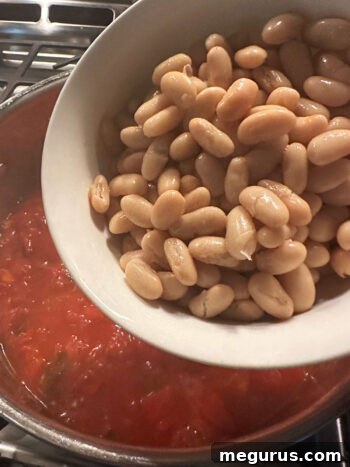
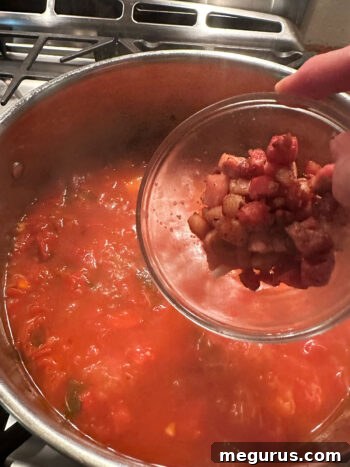
- Add Beans and Return Pancetta: Remove the lid from the pot. Stir in the drained and rinsed cannellini beans (and the frozen butternut squash now, if you are using it). Return the reserved crispy pancetta to the pot.
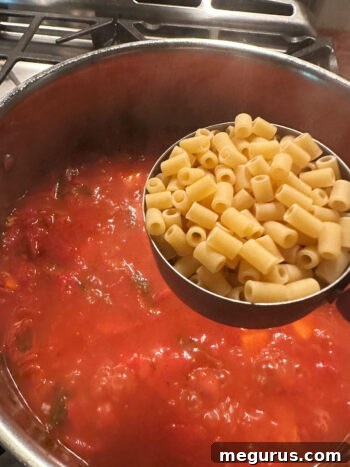
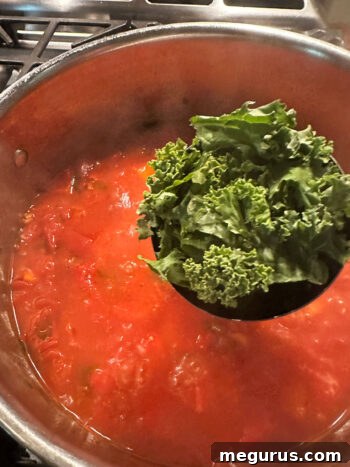
- Cook Pasta and Kale: Add the tubetti or ditalini pasta and the chopped kale leaves to the soup. Stir everything to combine. Now is the time to add about 1 cup of water or additional broth to the pot, and keep another cup handy. Allow the soup to simmer, uncovered, for 10-15 minutes, or until the pasta is cooked al dente. Add more liquid as needed to maintain your desired consistency while the pasta absorbs some of the broth.
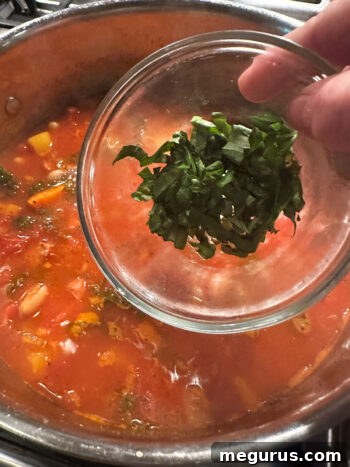
- Final Touches and Seasoning: If using spinach instead of kale, add it now and stir until just wilted. Stir in the fresh chopped basil for a burst of vibrant flavor and color. Taste the soup and adjust the seasoning as needed with additional salt and freshly ground pepper. Remember, salt is key to bringing out all the flavors! If it tastes a bit “flat,” it likely needs more salt.
- Serve and Enjoy: Ladle the hearty Fall Minestrone into bowls immediately. Garnish with a sprinkle of grated Parmesan cheese and an extra touch of fresh basil, if desired. This soup is best enjoyed fresh, but it also makes fantastic leftovers.
Feel free to watch our recipe video for a visual guide to each step, ensuring your minestrone turns out perfectly every time.

Expert Recipe Tips for Success!
- Adjusting Consistency: Any soup containing pasta will naturally thicken as it cools and sits in the refrigerator. When reheating leftovers, simply thin the soup with a splash more broth or water until it reaches your preferred consistency. Don’t be afraid to add a generous amount!
- The Power of Salt: One of the most critical ingredients in any soup is salt. It doesn’t just make food salty; it enhances and balances all the other flavors. Always taste your soup at the end of cooking. If it tastes “flat” or you feel like “it needs something,” it almost always needs more salt. Add it gradually, tasting as you go, until the flavors truly pop.
- Don’t Overcook the Pasta: To prevent mushy pasta, keep a close eye on it during the final simmering stage. It should be al dente (firm to the bite) when the soup is served. If you plan on having lots of leftovers, you might even consider cooking the pasta separately and adding it to individual bowls just before serving. This prevents the pasta from absorbing too much liquid and becoming soggy.
- Fresh Herbs at the End: While dried herbs are great for simmering and building base flavors, a handful of fresh chopped basil (or parsley) stirred in at the very end or used as a garnish adds a vibrant burst of fresh flavor and a beautiful touch of color.
Making Ahead, Storing, and Freezing
This Fall Minestrone is a fantastic candidate for meal prep, and its flavors often deepen and improve overnight! Here’s how to manage it for maximum enjoyment:
Making Ahead: The flavors of this soup undoubtedly benefit from a little time to meld, making it an excellent option to prepare a day in advance. Simply follow all the cooking instructions, but be aware that the pasta will continue to absorb liquid as the soup sits in the refrigerator. When you’re ready to reheat, you’ll likely need to thin it down with a splash more water or broth to restore its ideal consistency. This can also be an opportunity to adjust seasoning once more.
Storage: Leftover minestrone can be stored in an airtight container in the refrigerator for 2-3 days. As mentioned, expect it to thicken. A quick stir and a bit of extra liquid will bring it back to life when reheating on the stovetop or in the microwave.
Freezing: Unfortunately, soups that contain pasta typically don’t freeze and thaw very well. The pasta tends to become mushy and can disintegrate upon reheating. If you specifically want to freeze this minestrone for longer storage, I highly recommend preparing the soup base without the pasta. You can then freeze the pasta-free soup in individual portions. When you’re ready to enjoy it, thaw the soup, reheat it on the stovetop, and then cook a small amount of fresh pasta separately to add directly to your bowl just before serving. This method ensures you get all the fantastic flavors of the soup with perfectly textured pasta.
Serving Suggestions for Your Hearty Minestrone
This Fall Minestrone is a complete and satisfying meal on its own, but a few simple additions can elevate the dining experience:
- Crusty Bread: A must-have for soaking up every last drop of the delicious broth. A warm, crusty baguette or a rustic whole-grain loaf is perfect.
- Freshly Grated Parmesan: A generous sprinkle of Parmesan cheese over each serving adds a salty, umami kick that complements the soup beautifully.
- Garlic Bread: Take your crusty bread up a notch by turning it into savory garlic bread.
- Green Salad: A simple, crisp green salad with a light vinaigrette makes for a refreshing contrast to the hearty soup.
- Pesto Drizzle: A swirl of fresh basil pesto can add an extra layer of herbal flavor and a touch of richness.
However you choose to serve it, this Fall Minestrone is sure to be a comforting and welcome addition to your autumn meal rotation.
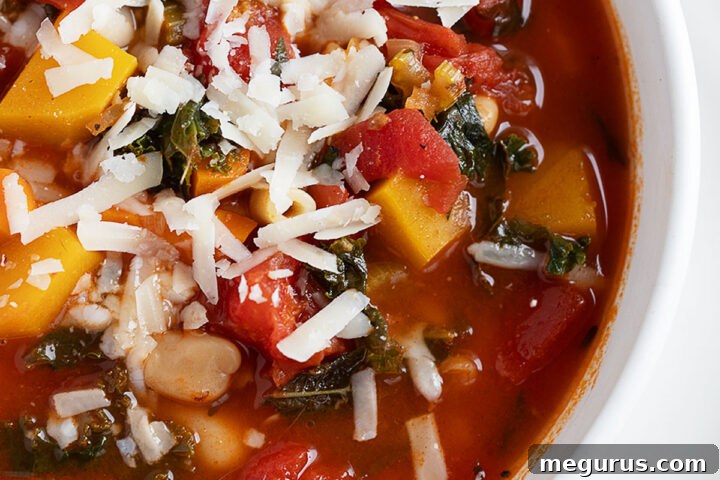
Get the Recipe: Fall Minestrone
Pin This
Leave a Review
Turn on Cook Mode to keep your screen from going dark while cooking
Ingredients
- 1/2 cup pancetta or bacon, diced
- 1 Tablespoon olive oil
- 1/3 cup onion, diced
- 1/3 cup celery, thinly sliced
- 2/3 cup carrots, cut in half lengthwise and thinly sliced
- 2 Tablespoons tomato paste
- 1/8 teaspoon red pepper flakes
- 28 oz canned diced tomatoes, with liquid or 4 cups fresh chopped tomatoes
- 4 cups chicken or vegetable broth
- 2 cups fresh or frozen butternut squash, cubed
- 1/2 teaspoon dried thyme
- 1/4 teaspoon dried oregano
- 2 Tablespoons fresh basil, chopped or 1 1/2 teaspoons dried basil
- 2 cups kale leaves, tough stems removed and chopped
- 19 oz cannellini beans (white kidney beans), drained and rinsed
- 1/2 cup tubetti or ditalini pasta, or other small pasta
- 1-2 cups water or additional broth, as needed
- Additional fresh chopped basil
- Salt and freshly ground pepper, as needed
Instructions
-
Add pancetta or bacon and olive oil to a large soup pot on the stove-top. Heat over medium heat, stirring regularly, until the pancetta is browned. Remove to a small bowl and set aside. (If there is a large amount of fat in the pan, remove and discard some of it, leaving enough to saute the vegetables in the next step.)
-
Add the onion, celery and carrots to the pot. Cook, stirring, about 3-4 minutes. Add the tomato paste and red pepper flakes to the pot and cook with the vegetables about 1 minute. Add the canned tomatoes with the liquid.
-
Tip! After adding the canned tomatoes to the pot, take a moment to fill the tomato can 1/2-2/3 full with water and use that water to add to the soup as directed and/or as needed as the soup cooks.
-
Tip! If using frozen butternut squash, don’t add it until Step 6, with the kale and canned beans.
-
Add the broth, butternut squash and herbs. Increase the heat under the pot slightly and bring the soup to a boil, stirring regularly. Reduce heat to medium-low, cover the pot and allow to simmer about 15 minutes, or until the squash is tender (or the carrots are tender if using frozen butternut squash).
-
Remove the lid. Add the kale, canned beans (and frozen butternut squash, if using) and pasta and stir to combine. Return the cooked pancetta to the pot and stir in. Add about 1 cup of water (or broth) to the pot and have another cup or so handy to add to the pot, if needed to thin the soup while it cooks. Allow the soup to simmer, uncovered, about 10-15 minutes, or until the pasta is cooked.
-
If using spinach, add now and cook in the soup, stirring, until wilted. If using fresh basil, I like to stir a bit more in at the end, as well, for a bit more colour and flavour. Taste the soup. Add additional salt, as needed. If the soup flavours taste flat, it needs more salt!
-
Serve soup immediately, topped with grated Parmesan or refrigerate to serve later. Soup will thicken as it sits in the fridge. Thin with a little more water or broth, as needed when reheating.
-
This soup will keep well in the refrigerator for 2-3 days. Unfortunately, soup with pasta doesn’t freeze very well.
Notes
- Any soup with pasta will thicken as it sits in the refrigerator. When re-heating, simply thin with a splash more broth or water, as needed.
- The most important ingredient in any soup is salt! Be sure to taste the soup at the end of cooking and add additional salt, as needed. If it tastes flat or you feel like “it needs something”, what it needs is more salt 🙂
Be sure to read the notes above this Recipe Card, for more tips on making this recipe. You’ll also find step-by-step photos and a video of this soup being made, that you might find helpful.
Explore the Fall Minestrone Web Story for a quick visual guide!
More Delicious Fall Soup Recipes to Love!
As the days get shorter and the evenings grow cooler, a warm bowl of soup can be the ultimate comfort. If you’ve enjoyed this Fall Minestrone, you’ll definitely want to explore these other hearty and flavorful soup recipes perfect for the autumn season. Each offers a unique taste of fall, designed to warm you from the inside out and bring joy to your table.
From rich and creamy to light and refreshing, these recipes showcase the versatility of fall produce. Enjoy exploring new flavors and adding more comforting bowls to your repertoire this season!