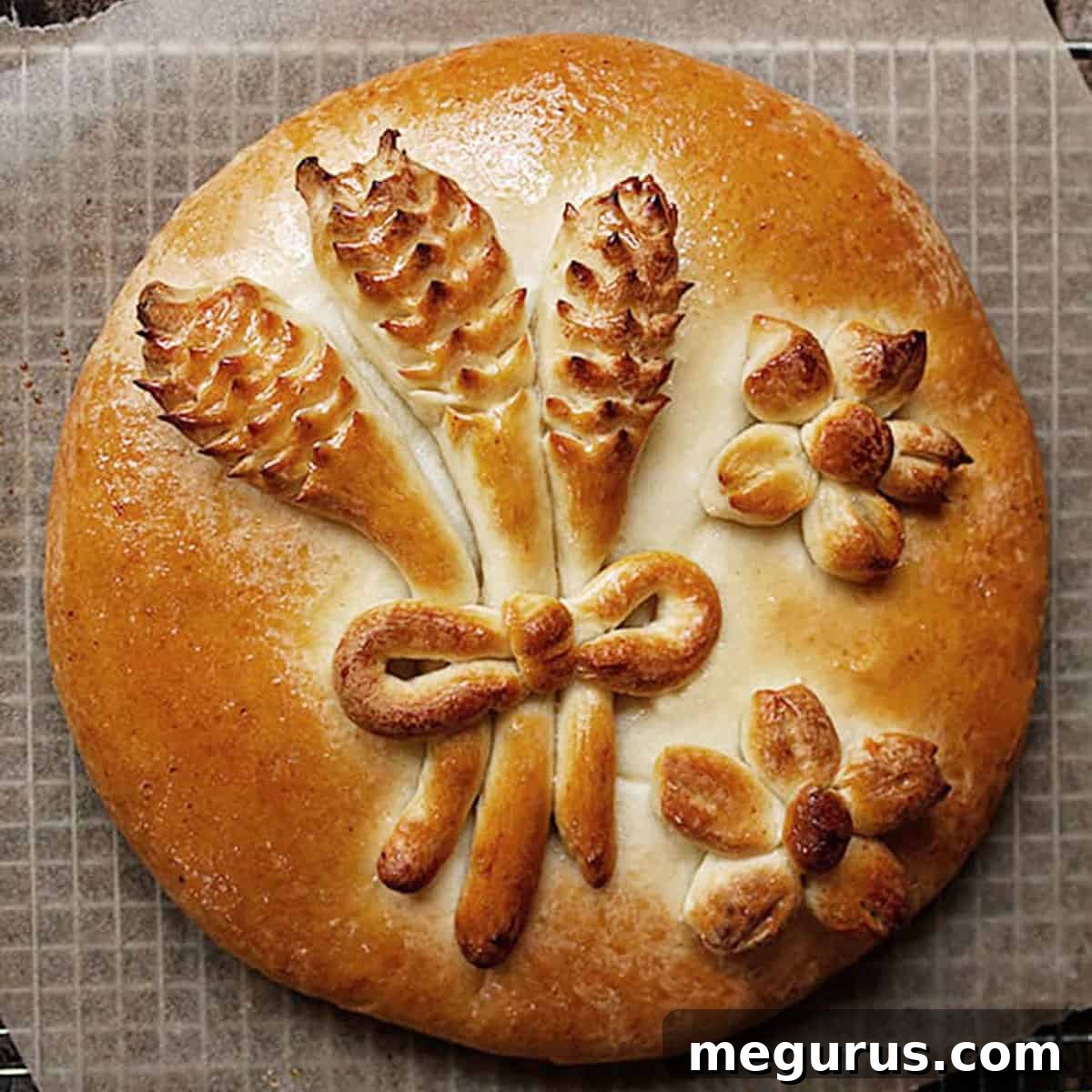
Embrace the rich tapestry of Bulgarian Christmas traditions with a beautifully crafted Bulgarian Christmas Bread, known locally as Koledna Pitka. This special bread, often adorned with intricate dough decorations and drizzled with golden honey, symbolizes the hope for abundance, fertility, and prosperity in the coming year. Traditionally, it takes center stage on the Christmas Eve table, bringing families together in a cherished ritual of sharing and festivity.
The Heart of Bulgarian Christmas Eve: Koledna Pitka
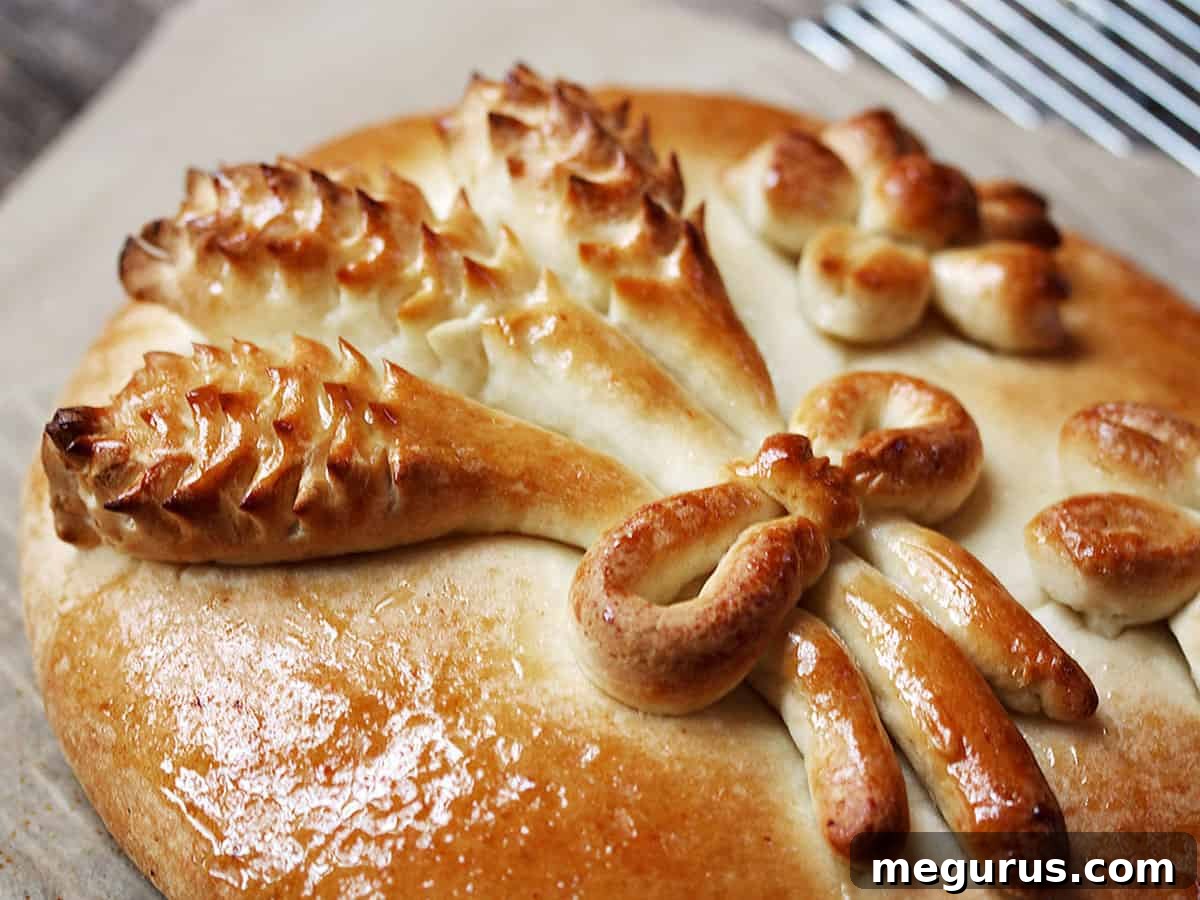
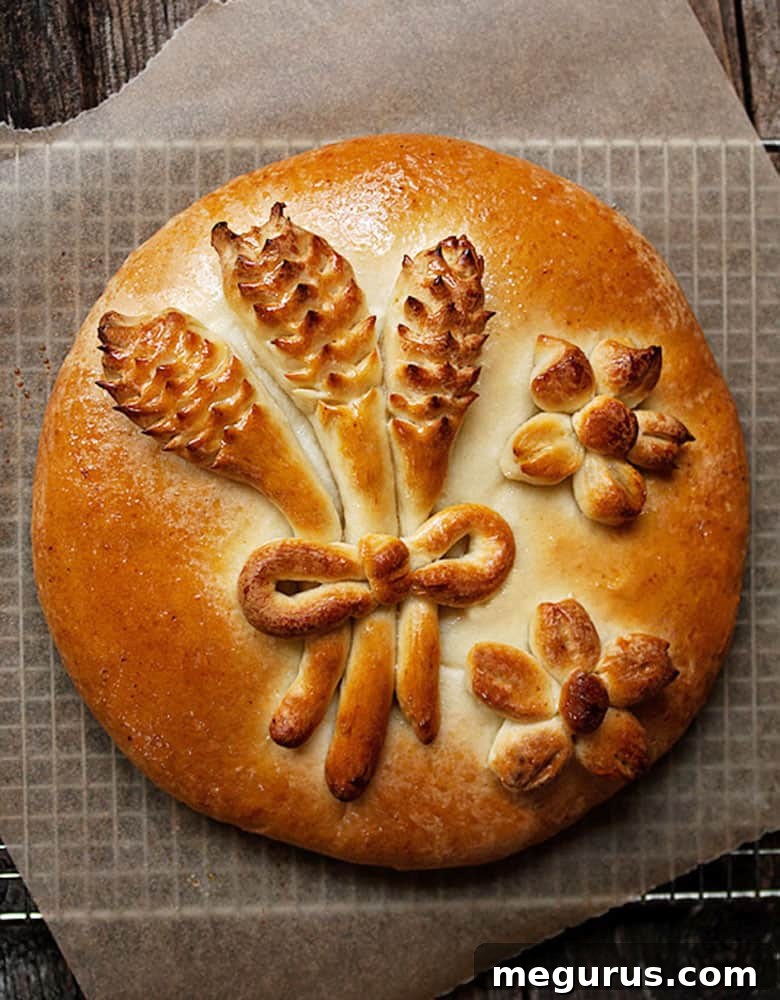
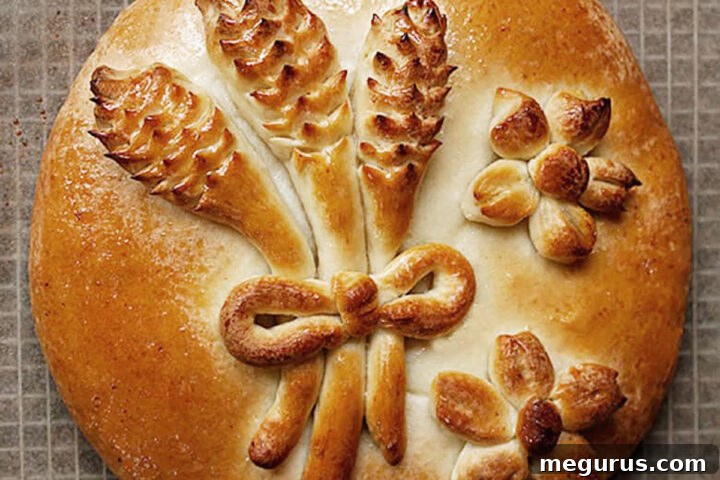
Christmas Eve in Bulgaria, known as Badni Vecher, is a deeply spiritual and communal occasion. The festive table, laden with an array of post-fasting vegetarian dishes, is a testament to the earth’s bounty – featuring an abundance of fruits, vegetables, nuts, beans, sweet honey, and fine wine. At the very center of this lavish spread lies the ritual bread, the Koledna Pitka. More than just a dish, this bread is a canvas of wishes and symbols, painstakingly decorated to invite good fortune into the home. Each element tells a story: delicate pastry fruits symbolize harvest and fruitful yields, elegant flowers represent beauty and new beginnings, and ears of wheat are a powerful emblem of fertility and prosperity.
Beyond its external beauty, the Koledna Pitka holds a secret: a fortune coin is traditionally baked inside. This hidden treasure is not just a game; it’s a profound symbol of prosperity. The person who finds the coin in their slice is believed to be blessed with exceptional luck and financial well-being throughout the new year. This heartwarming tradition transforms a simple meal into an exciting event, fostering a sense of anticipation and shared joy among family members.
The Significance of Badni Vecher
Badni Vecher (Christmas Eve) is a time for family, reflection, and gratitude. It marks the culmination of the Advent fast, and the meal itself is meatless, emphasizing plant-based foods that represent growth and renewal. The number of dishes on the table is traditionally an odd number (7, 9, or 11), symbolizing the abundance and diversity of nature. The table is often left uncleared overnight, in the belief that deceased ancestors will visit and partake in the feast. The Koledna Pitka, with its intricate symbolism, is an indispensable part of this sacred celebration, embodying the Bulgarian people’s connection to their land, their history, and their aspirations for a bountiful future.
Crafting Your Own Tradition: Essential Ingredients for Koledna Pitka
Creating your own Bulgarian Christmas Bread is a rewarding experience, blending simple ingredients into a masterpiece of tradition. Here’s a closer look at what you’ll need and some helpful tips for successful baking.
Yeast: The Breath of Your Bread
The leavening agent is crucial for a soft, airy Koledna Pitka. You can confidently use either **Active Dry Yeast** or **Instant Yeast** for this recipe. Active dry yeast typically needs to be activated in warm water (or milk) with a pinch of sugar first, allowing it to bloom and prove its vitality. Instant yeast, on the other hand, can usually be mixed directly with the dry ingredients, saving a step. Both will yield excellent results, just ensure your yeast is fresh for the best rise.
Honey: Sweetness and Shine
Honey is a signature ingredient, not just for its natural sweetness but also for the beautiful golden hue it imparts to the crust and the subtle flavor it weaves into the dough. Always opt for a **neutral-tasting runny honey** to avoid overpowering the delicate bread flavor. Lighter varieties like acacia or wildflower honey work wonderfully. If you only have thicker honey, gently warm it to make it more pliable for mixing and glazing.
Flour: The Foundation of Your Loaf
All-purpose flour is the standard for Koledna Pitka, providing a tender crumb that is characteristic of this celebratory bread. The quantity can vary slightly depending on humidity and how your flour absorbs liquid, so be prepared to add a little more or less to achieve the desired soft, smooth dough consistency. For a slightly denser texture or to incorporate more whole grains, you could experiment with a small percentage of bread flour or whole wheat flour, though traditionally it’s made with all-purpose for its light texture.
Oil: For Tenderness and Texture
Vegetable, canola, or any neutral-tasting oil is essential for creating a soft, pliable dough and contributing to the bread’s tender texture. The oil also helps prevent the bread from drying out too quickly, keeping it fresh for longer. Avoid strong-flavored oils like olive oil, as they can alter the traditional taste of the Pitka.
Salt: Enhancing Every Flavor
A small amount of **salt** is critical for balancing the sweetness and enhancing all the flavors in the bread. It also plays a vital role in controlling the yeast’s activity and strengthening the gluten structure, contributing to a good rise and texture.
Expert Tips for a Perfect Koledna Pitka
- Embrace Your Inner Artist: Don’t be intimidated by the decorative aspect! Even with minimal artistic talent, shaping and attaching the dough pieces is surprisingly easy and incredibly fun. Think of it as adult playdough – a delightful way to express creativity. Involve your children or other family members; it’s a wonderful activity that can become a cherished Christmas tradition in itself.
- The Fortune Within: Coin or Pecan? Traditionally, a fortune coin is baked into the bread, promising prosperity to whoever finds it. If you’re hesitant about baking an actual coin (ensure it’s thoroughly cleaned and wrapped in foil if you do!), a whole pecan is an excellent, delicious, and safe alternative. The concept remains the same: a symbol of good luck and a prosperous year ahead.
- Mastering the Dough: The key to a beautiful Koledna Pitka is a soft, smooth dough. Don’t rush the kneading process. If using a stand mixer, let it work for a good 5-7 minutes. If kneading by hand, aim for 8-10 minutes until the dough is elastic and no longer sticky.
- The Art of Rising: Patience is a virtue when it comes to yeast dough. Ensure your dough rises in a warm, draft-free place. Depending on the ambient temperature, this could take anywhere from 30 minutes to an hour. A good indicator is when the dough has visibly doubled in size.
- Decorating Delight: When making the decorative elements, roll the reserved dough thinly enough to be pliable but not so thin that it tears. Use a sharp knife or cookie cutters for precise shapes. For wheat ears, kitchen scissors are your best friend for those signature V-shaped snips. Gently press the decorations onto the main loaf to ensure they adhere during baking.
- Perfect Glaze, Perfect Shine: The honey and oil glaze not only adds flavor but gives the bread its characteristic golden sheen. Brush it generously over the entire surface, including the decorations, before baking.
- Freezing for Future Feasts: This bread freezes beautifully! If you’re baking ahead, allow the baked and cooled bread to completely cool, then wrap it tightly in plastic wrap and then in aluminum foil. It can be frozen for up to a month. Thaw at room temperature and warm gently in a low oven for a fresh-baked taste on Christmas Eve.
Get the Recipe: Bulgarian Christmas Bread
This traditional Bulgarian Christmas Bread, or Koledna Pitka, is typically enjoyed on Christmas Eve. A coin is traditionally baked into the bread to symbolize prosperity for the year ahead. This recipe suggests using a whole pecan as a delicious alternative.
Print Recipe
Pin This
Prep Time: 2 hrs 15 mins
Cook Time: 25 mins
Total Time: 2 hrs 40 mins
Yield: 12 servings
Ingredients
- 3/4 cup warm water
- 2 teaspoons instant or dry active yeast
- 3-4 cups all-purpose flour
- 4 Tablespoons vegetable, canola or any neutral tasting oil
- 2 Tablespoons honey
- 1/2 teaspoon salt
Glaze:
- 1 Tablespoon vegetable, canola or any neutral tasting oil
- 1 Tablespoon honey
Instructions
- Add yeast to warm water, stir and allow to sit for a few minutes. In a large bowl, or the bowl of a stand mixer fitted with a dough hook, add 3 cups of the flour. Add the yeast/water mixture, the oil, honey, and salt. Mix the dough until it comes together, adding more flour in small increments, as necessary, until you have a soft, smooth dough.
- Place the dough into a greased bowl, cover with plastic wrap and let it rise in a warm place until it has doubled in size, about 30-60 minutes.
- When the dough has doubled, place on a lightly floured surface and knead for a minute or so. Cut out and set aside a fist-sized piece of dough (to be used to make the top decorations). Knead the fortune coin (I used a whole pecan in place of a real coin) into the remaining dough and then roll into a flat round shape. Place onto a parchment lined baking sheet.
- Using the reserved piece of dough, cut small pieces and shape into the various elements to decorate the top of the bread. Decorate the bread with ears of wheat, apples, grapes or flowers. To make the top of the wheat, use some clean kitchen scissors to snip v-shaped snips into the dough. Once all your shapes are placed on the bread round, press down lightly over the top of them to flatten slightly and ensure they stick. In a small bowl, prepare the glaze by combining the honey and oil and brush liberally over the entire top of the bread (you may not need to use it all).
- Bake in a preheated oven at 400°F (non-convection/not fan-assisted) until golden and cooked through, about 20 – 25 minutes. Check the bread regularly after 10 minutes and cover the top with a piece of aluminum foil if the top is browning too much.
Cuisine: Bulgarian
Course: Bread
Author: Jennifer Maloney
Nutrition Information
Serving: 1 serving, Calories: 204kcal, Carbohydrates: 34g, Protein: 4g, Fat: 5g, Saturated Fat: 4g, Sodium: 80mg, Potassium: 52mg, Fiber: 1g, Sugar: 2g, Calcium: 6mg, Iron: 1.9mg
Bringing Bulgarian Tradition to Your Table
Baking Bulgarian Christmas Bread is more than just following a recipe; it’s an act of weaving tradition, hope, and love into a tangible form. Each step, from kneading the dough to decorating its surface with symbols of life and abundance, is imbued with meaning. Whether you are rediscovering your heritage or exploring new culinary traditions, this beautiful bread offers a unique way to celebrate the festive season. Share a slice of Koledna Pitka with your loved ones this Christmas Eve, and may the hidden coin (or pecan!) bring you and your family a year filled with happiness and prosperity.