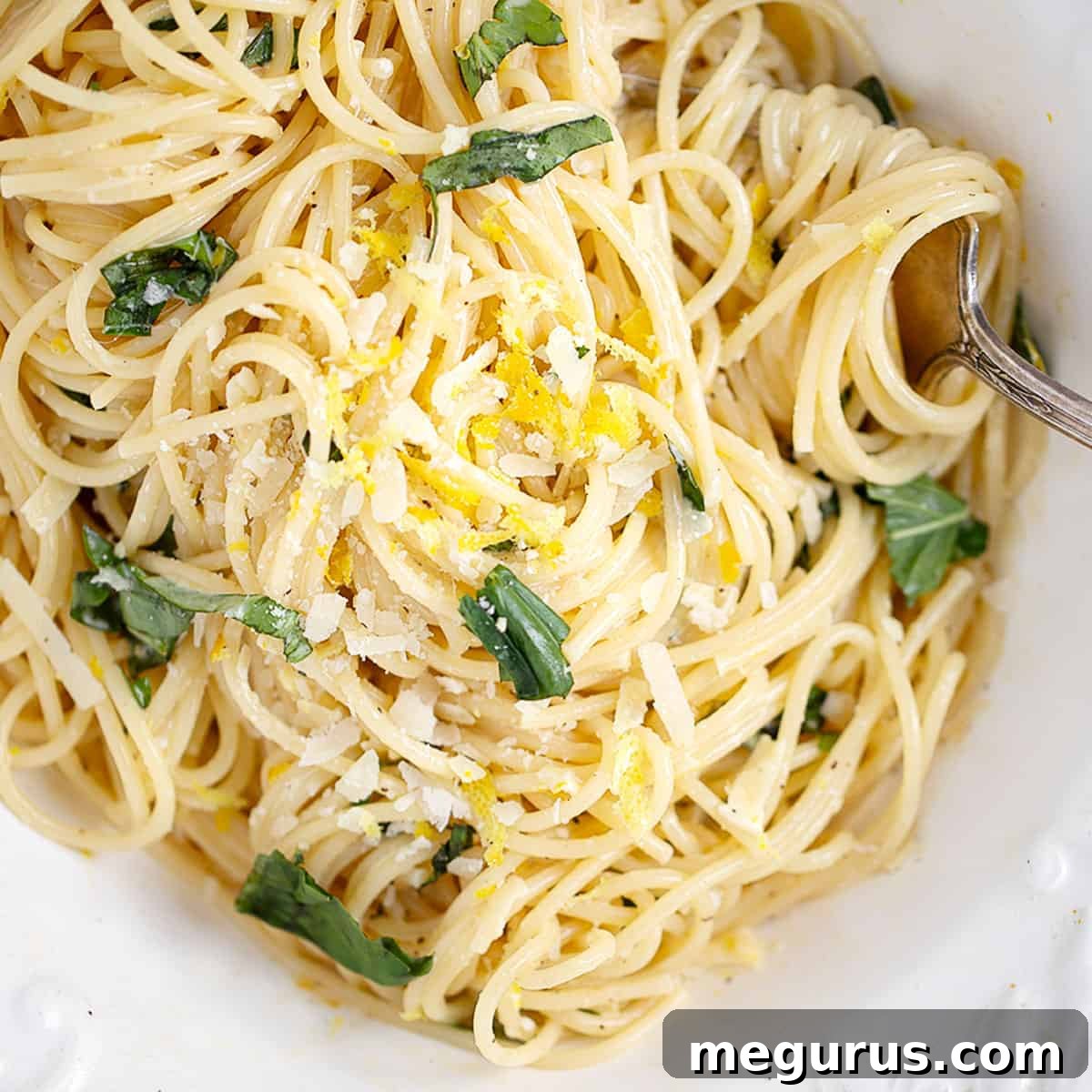
Craving a dish that’s both incredibly simple to prepare and bursting with vibrant flavor? Look no further than this unbelievably easy creamy lemon pasta recipe. It’s the kind of meal that comes together in minutes, proving that gourmet taste doesn’t require hours in the kitchen. With a revolutionary no-cook lemon cream sauce, all you need to do is boil your favorite pasta, toss it with the luscious sauce, and prepare to be amazed. This ingenious recipe, inspired by culinary legend Nigella Lawson, is perfect for a quick weeknight dinner, a delightful vegetarian main course, or an impressive side dish that complements a variety of proteins.
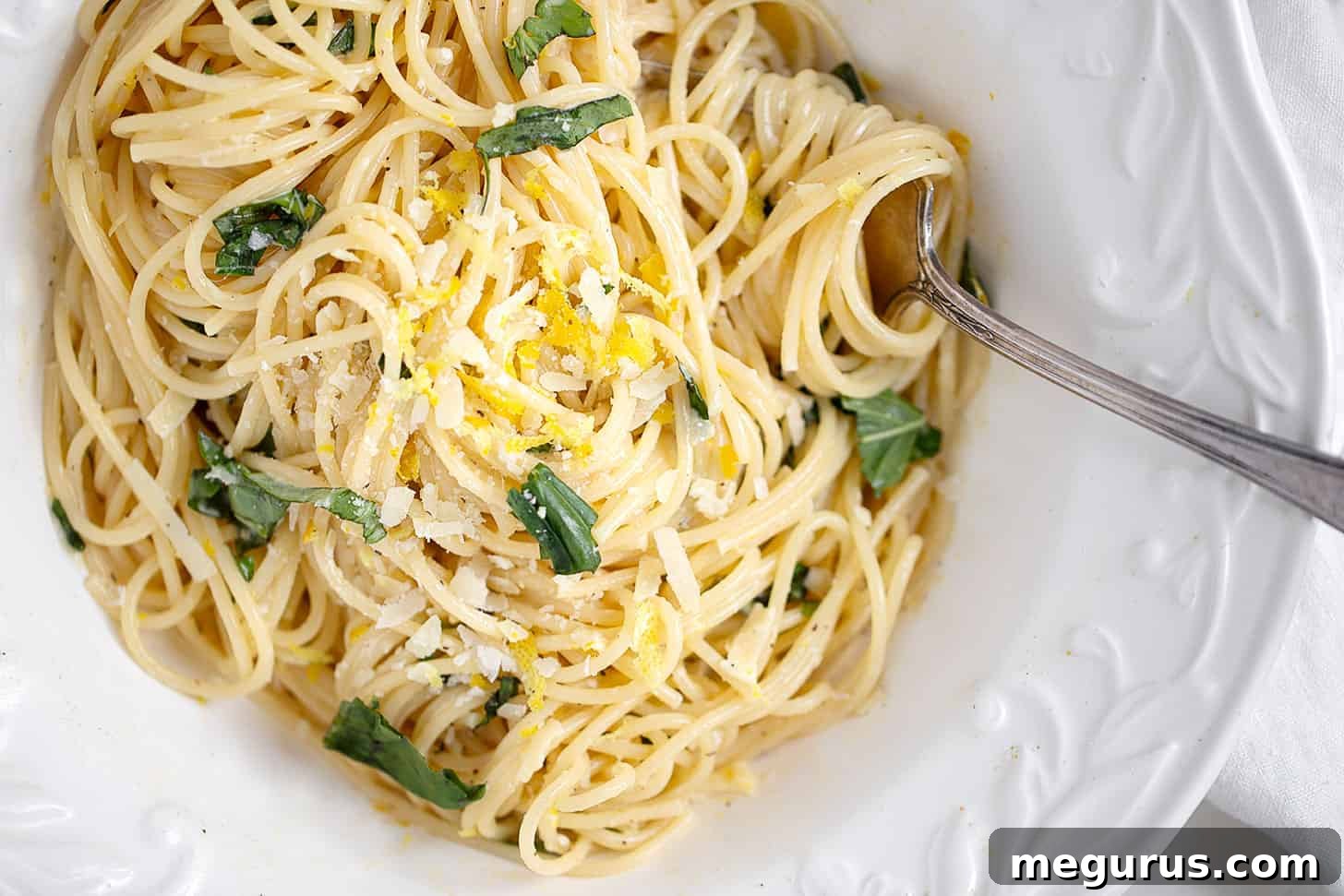
The beauty of this dish lies in its effortlessness. Forget about complicated roux or lengthy simmering. Our lemon cream sauce comes together in a snap, requiring zero heat, allowing the fresh, bright notes of lemon to truly shine. The warm pasta gently heats the sauce, transforming it into a silken, emulsified coating that clings perfectly to every strand. It’s a testament to how a few high-quality ingredients can create something truly extraordinary. Whether you’re a seasoned chef or a kitchen novice, this recipe guarantees a delicious outcome with minimal fuss.
Why You’ll Fall in Love with This Easy Lemon Pasta
There are countless reasons why this creamy lemon pasta has become a household favorite. Its appeal goes beyond just being “easy”; it’s a culinary experience that delights the senses and simplifies mealtime.
- Unbeatable Speed & Simplicity: From start to finish, this dish can be on your table in under 20 minutes. It’s the ultimate solution for busy evenings when you want something satisfying without the stress. The no-cook sauce is a game-changer, eliminating extra steps and dirty pans.
- Explosion of Fresh Flavor: The star of the show is, undeniably, the lemon. Fresh lemon zest and juice provide a bright, zesty, and refreshing counterpoint to the rich creaminess, creating a perfectly balanced flavor profile that’s both comforting and invigorating.
- Versatile Dining: This pasta is incredibly adaptable. Serve it as a light and satisfying meatless main course, or pair it as a sophisticated side dish with grilled chicken, seared scallops, or a beautiful piece of baked salmon. It’s elegant enough for guests yet simple enough for family weeknights.
- Minimal Cooking Effort: The only cooking involved is boiling your pasta. The sauce requires no stovetop time, making it ideal for hot days or when you prefer to keep your kitchen cool. This also means less clean-up!
- High-Quality, Simple Ingredients: You don’t need a pantry full of exotic items. This recipe relies on a handful of fresh, readily available ingredients that, when combined, create magic.
Essential Ingredients and Clever Substitutions
Crafting the perfect creamy lemon pasta starts with understanding each ingredient’s role. Here’s a closer look at what you’ll need and how you can adapt the recipe to your pantry or dietary preferences.
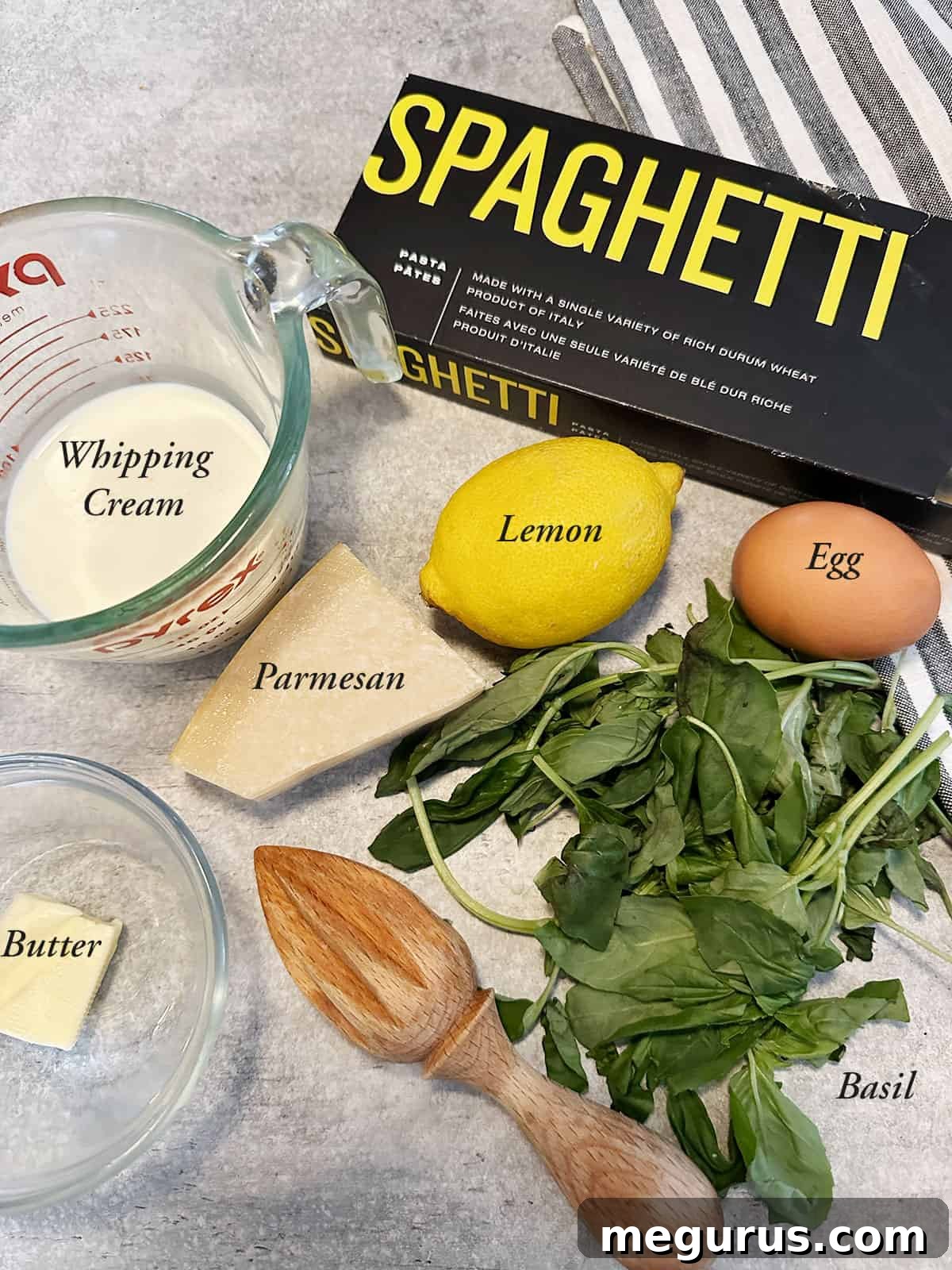
A few notes about the key ingredients that elevate this dish:
Pasta – While this no-cook sauce is incredibly versatile, it truly shines with long pasta shapes like spaghetti, linguini, or tagliatelle. These longer strands beautifully capture and carry the creamy sauce, ensuring every bite is infused with lemon goodness. However, feel free to use any pasta you have on hand or prefer, such as fettuccine, penne, or even fusilli for a different texture. The key is to cook it perfectly al dente.
Heavy Whipping Cream – This is a crucial component, typically containing around 35% butterfat. The high fat content is essential for two reasons: firstly, it helps prevent the sauce from curdling when mixed with the acidic lemon juice, ensuring a smooth, luxurious texture. Secondly, it provides that signature richness and creaminess that makes this dish so satisfying. While lighter creams might seem appealing, they risk splitting and won’t deliver the same decadent mouthfeel. For best results, stick with heavy whipping cream.
Fresh Lemon – The heart and soul of this pasta! You’ll need one fresh lemon to provide both the fragrant zest and the tangy juice. Always opt for fresh lemons over bottled juice for superior flavor. The zest contains essential oils that contribute a deep, aromatic lemon flavor, while the juice adds that bright, acidic kick. When zesting, be careful to only get the yellow part of the rind, avoiding the bitter white pith.
Pasteurized Egg Yolk – This ingredient acts as a brilliant emulsifier, helping to bind the sauce and give it a silky texture. Since this is a no-cook sauce, the egg yolk will only be gently warmed by the heat of the hot pasta. For food safety, it is highly recommended to use a pasteurized egg yolk. If pasteurized eggs are not available, you can gently temper a regular egg yolk with a small amount of hot pasta water before adding it to the sauce mixture, though a pasteurized egg is the safest and easiest option for this recipe.
Fresh Basil – The aromatic finish! Fresh basil offers a wonderful peppery, slightly sweet counterpoint to the lemon and cream. Its vibrant green color also adds a beautiful visual element. If fresh basil isn’t available, a handful of finely chopped fresh parsley makes an excellent substitute, offering a clean, herbaceous note. Chives can also work in a pinch for a milder oniony flavor.
Parmesan Cheese – Freshly grated Parmesan cheese is non-negotiable for the best flavor and texture. It adds a salty, umami depth that perfectly complements the creamy lemon sauce. Pre-grated cheese often contains anti-caking agents that can make the sauce gritty. For an even more robust flavor, consider using Pecorino Romano, though it is saltier and has a sharper taste.
Unsalted Butter – A touch of butter added to the hot pasta before the sauce ensures a rich coating and helps to further emulsify the sauce, adding another layer of creamy decadence. Unsalted butter allows you to control the overall saltiness of the dish.
Salt and Freshly Ground Black Pepper – These foundational seasonings are vital. Generously salt the pasta water, as this is your main opportunity to season the pasta itself. Freshly ground black pepper adds a subtle warmth and aromatic complexity to the finished dish.
How to Master This Creamy Lemon Pasta – A Step-by-Step Guide
This recipe truly is as simple as it sounds. Follow these straightforward steps to create a show-stopping pasta dish that will impress everyone at your table.
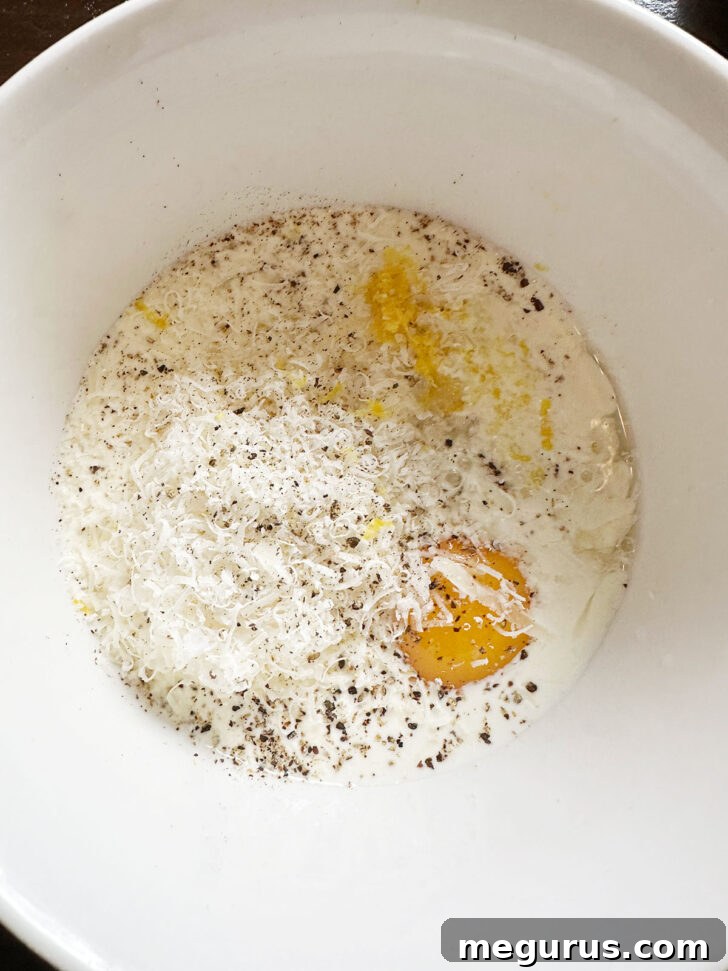
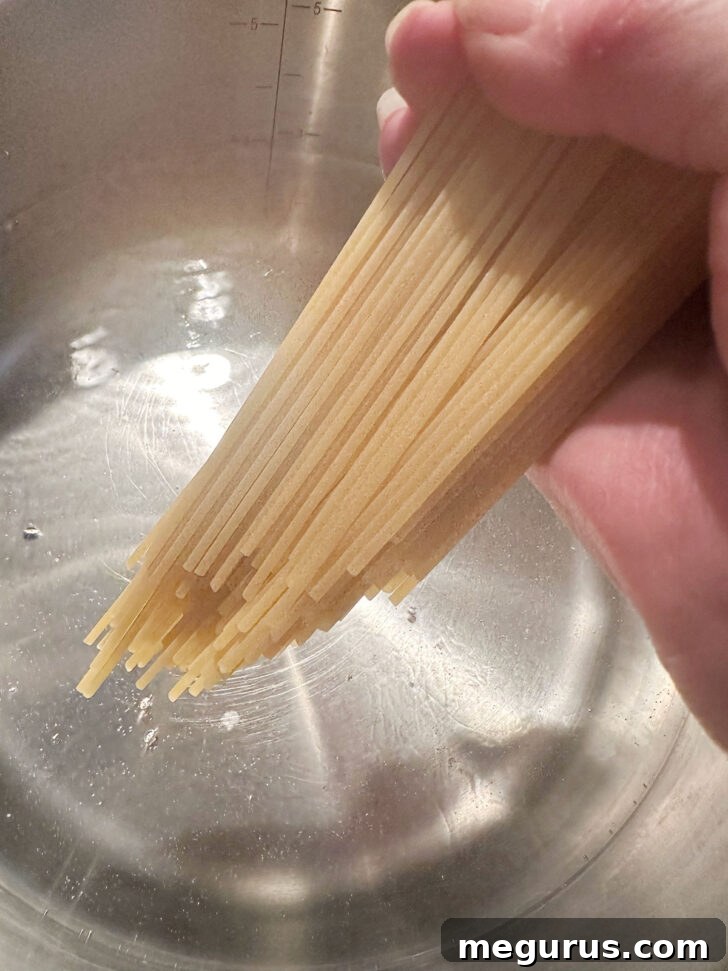
- Prepare the Sauce: While your pasta water comes to a boil, gather all the ingredients for your no-cook lemon cream sauce: pasteurized egg yolk, freshly grated Parmesan cheese, heavy whipping cream, lemon zest, lemon juice, salt, and freshly ground pepper. Combine these in a small bowl and whisk vigorously with a fork until all ingredients are thoroughly combined and the mixture is smooth. Set this aside; it’s ready when you are.
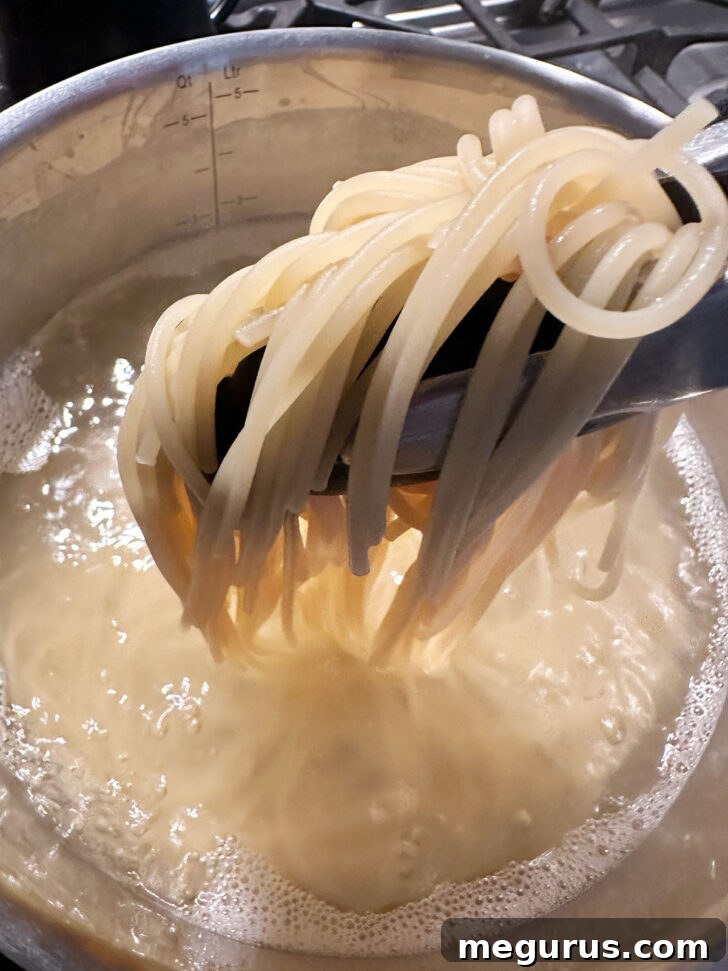
- Cook the Pasta: Once your large pot of water is at a rolling boil, add a generous amount of salt – make it taste like the sea! Then, add your dried pasta. Cook the pasta according to package directions, aiming for a perfect al dente texture. This means it should be tender but still have a slight bite to it. Avoid overcooking, as it will continue to soften slightly when tossed with the hot sauce.
- Transfer the Pasta: When the pasta is cooked to al dente, do not drain the entire pot! Instead, use tongs to carefully transfer the hot pasta directly from the boiling water into a large, warm serving bowl. Allow any excess water to drip back into the pot. The small amount of starchy pasta water clinging to the pasta is a secret weapon, helping to emulsify and loosen the sauce, ensuring it coats every strand beautifully.
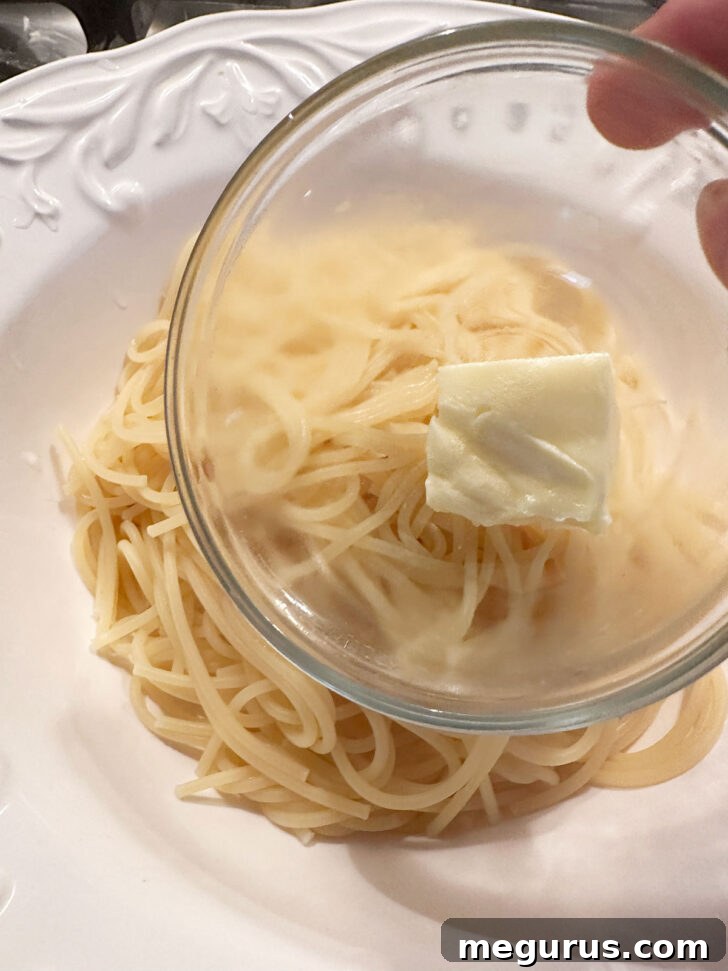
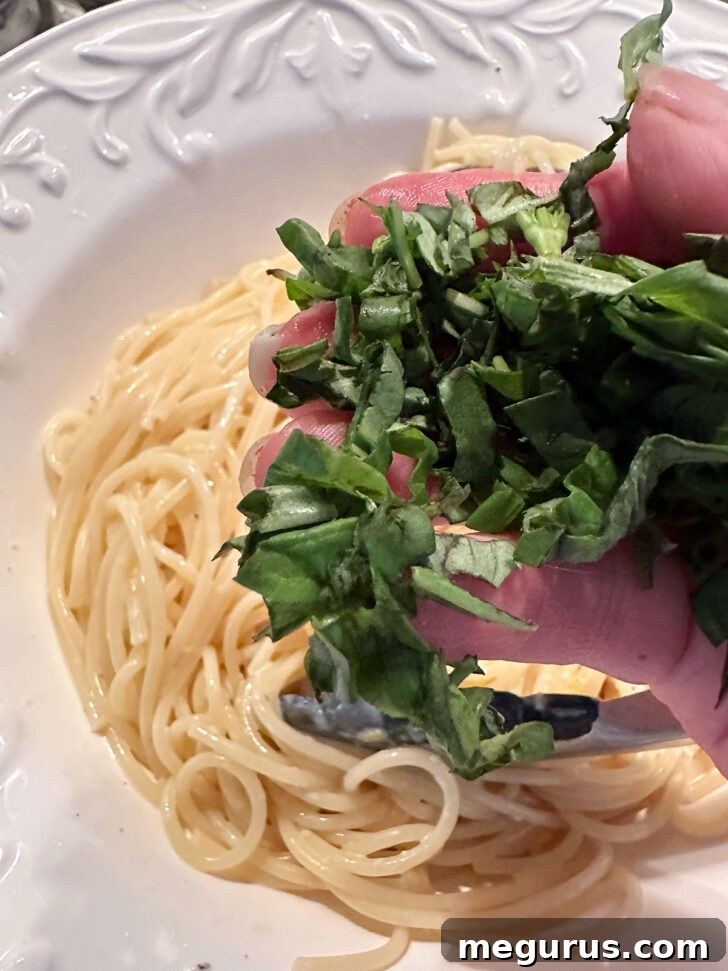
- Butter the Pasta: Immediately add the tablespoon of butter to the hot, cooked pasta in the bowl. Using your tongs, toss the pasta vigorously until every strand is beautifully coated in the melted butter. This step adds a layer of richness and helps prepare the pasta to receive the cream sauce.
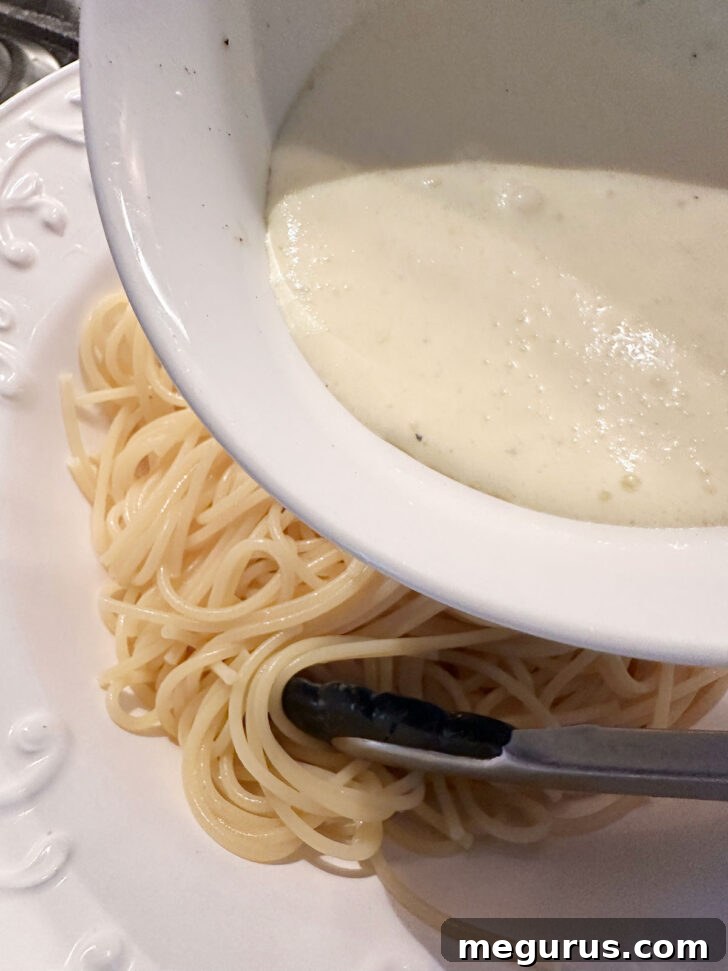
- Add the Lemon Cream Sauce: Pour the prepared lemon cream sauce directly over the buttered pasta. Toss continuously and thoroughly to combine. The residual heat from the pasta will gently warm the egg yolk and cream, creating a smooth, emulsified sauce that coats the pasta in a velvety embrace. If the sauce appears too thick or dry, drizzle in a tablespoon or two of the reserved hot pasta-cooking water, tossing until you reach your desired consistency.
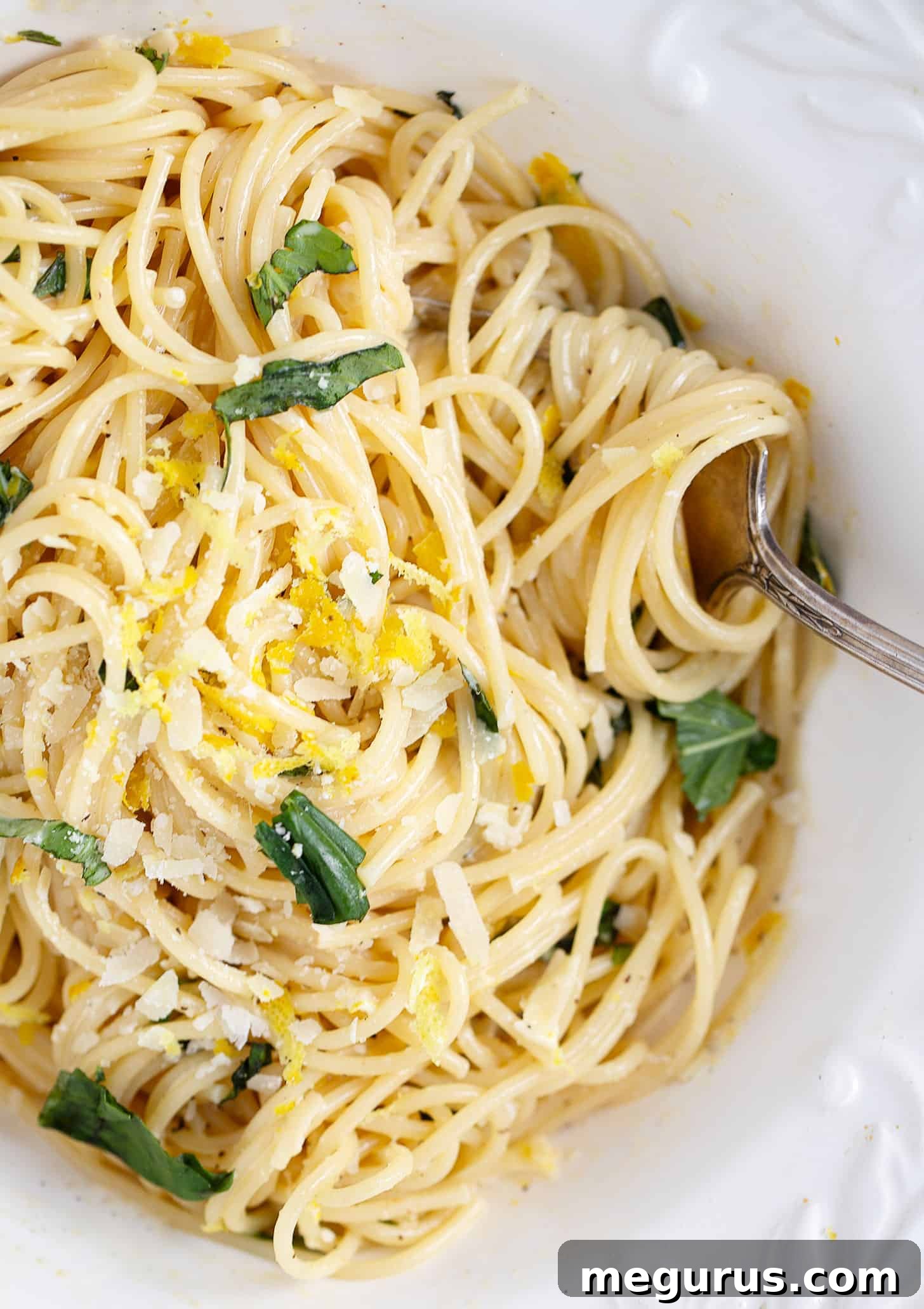
- Finish and Serve: Add a generous amount of fresh chopped basil to the bowl and toss it in to distribute its vibrant aroma. Serve the pasta immediately, garnished with additional lemon zest for a burst of citrus perfume, a sprinkle of freshly grated Parmesan cheese, a pinch of flaky sea salt, and a crack of fresh black pepper, if desired. Enjoy this delightful dish while it’s fresh and warm!
Expert Tips for Unforgettable Creamy Lemon Pasta
Recipe Success Secrets!
- The Magic of Pasta Water: Never underestimate the power of pasta water! If your sauce seems too dry or clings too tightly, add a splash or two of the starchy pasta-cooking water. It acts as an emulsifier, helping to loosen the sauce and create that perfect creamy consistency.
- Warm Your Bowl: For an optimal dining experience and to help keep the pasta and sauce warm longer, briefly warm your serving bowl. Simply pour some of the hot pasta-cooking water into the bowl, swirl it around for a few seconds, then pour it out before adding your cooked pasta.
- Don’t Fully Drain: When the pasta is ready, don’t pour it all into a colander. Instead, use tongs to transfer it directly from the pot to your warm serving bowl. The small amount of pasta water that comes along for the ride is beneficial for the sauce’s texture and emulsification.
- Freshness is Key: This creamy lemon pasta is truly best enjoyed freshly made. The sauce’s creamy texture and vibrant lemon flavor are at their peak right after preparation. Consider adjusting the recipe scale to make just enough for immediate consumption to ensure the best possible experience.
- Quality Ingredients Matter: Since this recipe uses only a few ingredients, the quality of each shines through. Use fresh, organic lemons if possible, and opt for high-quality heavy cream and freshly grated Parmesan for superior flavor.
- Taste and Adjust: Always taste your sauce before tossing it with the pasta, and then again after combining. Adjust salt, pepper, or lemon juice as needed to suit your preference.
Delicious Variations to Explore
While this lemon pasta is perfect as is, it also serves as an excellent canvas for customization. Feel free to experiment with these delicious additions and variations:
- Add Protein: For a heartier meal, incorporate cooked protein. Grilled chicken, seared shrimp, or pan-fried scallops are fantastic choices that complement the lemon flavor beautifully. Simply add them in with the sauce.
- Vegetable Boost: Enhance the nutritional value and texture with vegetables. Sautéed asparagus, sweet peas, baby spinach (wilts into the hot pasta), or blistered cherry tomatoes can be added during the last few minutes of pasta cooking or tossed in with the sauce.
- Spicy Kick: If you enjoy a bit of heat, a pinch of red pepper flakes tossed in with the pasta adds a wonderful warmth and complexity.
- Herb Alternatives: While basil is traditional, other fresh herbs like chives, dill, or even a mix of Mediterranean herbs can offer a different aromatic profile.
- Smoky Flavor: For a unique twist, a sprinkle of crispy pancetta or bacon bits can add a savory, smoky dimension.
How to Savor This Creamy Lemon Pasta
This versatile dish can be enjoyed in many ways, making it a perfect addition to any meal plan.
- As a Meatless Main Dish: Its rich flavor and satisfying texture make it a complete and fulfilling meal on its own. Serve it with a simple green salad and some crusty bread for a delightful vegetarian dinner.
- As an Elegant Side Dish: It pairs beautifully with a variety of proteins. Consider serving it alongside perfectly grilled salmon skewers, succulent pan-seared scallops, or tender grilled chicken breasts. The lemon brightens and cuts through the richness of the main protein.
- Wine Pairing: A crisp, dry white wine like Sauvignon Blanc, Pinot Grigio, or a light Chardonnay would beautifully complement the lemon and cream.
- Bread Pairing: Don’t forget a good quality baguette or focaccia for soaking up every last drop of that incredible sauce!
Making Ahead and Storing Your Lemon Pasta
As highlighted, this pasta is truly at its peak when enjoyed freshly made. The texture of the sauce and the vibrancy of the lemon flavor are unparalleled right after preparation. However, if you find yourself with leftovers, here’s how to manage them:
- Storage: Leftovers can be stored in an airtight container in the refrigerator for up to 2-3 days. While the lemon flavor will generally hold up, the creamy texture of the sauce tends to change upon cooling and reheating, becoming less smooth and potentially a bit drier.
- Reheating: To reheat, gently warm the pasta in a saucepan over low heat, or in the microwave in short bursts. To help restore some of its original creaminess and prevent it from becoming too dry, drizzle in a tablespoon or two of extra heavy cream or a splash of milk/broth while reheating, stirring constantly until warmed through. Avoid high heat, as it can cause the sauce to separate.
Frequently Asked Questions About Creamy Lemon Pasta
Here are answers to some common questions that arise when making this delicious and easy lemon pasta:
- Can I use milk or half-and-half instead of heavy cream?
While you technically can, it is not recommended for this specific no-cook sauce. Heavy whipping cream (35% b.f.) is crucial due to its high fat content, which helps prevent the sauce from curdling when combined with acidic lemon juice. Lighter dairy products like milk or half-and-half have a much lower fat content and are far more likely to split or curdle, resulting in a less desirable texture. They also won’t deliver the same rich, velvety creaminess.
- What if I don’t have pasteurized eggs?
For optimal food safety in a no-cook sauce, pasteurized egg yolks are strongly advised. If you cannot find pasteurized eggs, you can take an extra step to temper a regular egg yolk. Whisk the egg yolk in a small bowl, then slowly whisk in a tablespoon or two of the hot pasta water into the egg yolk to gently warm it, before adding it to the rest of the sauce ingredients. This helps raise its temperature slightly and reduces risk, though pasteurized remains the safest option.
- Can I make this recipe vegan?
Adapting this specific recipe to be truly vegan while maintaining the exact creamy texture is challenging due to the heavy cream, egg yolk, and Parmesan cheese. However, you could create a similar-tasting dish using plant-based alternatives. Use a rich cashew cream or a high-quality vegan heavy cream, nutritional yeast for cheesiness, and omit the egg yolk. The texture will be different, but you can still achieve a delicious lemon-herb pasta.
- How do I prevent the sauce from curdling?
Several factors help prevent curdling:
- Use high-fat heavy whipping cream (35% b.f.) as recommended.
- Ensure the egg yolk is pasteurized, or gently tempered if not.
- Combine the sauce ingredients thoroughly before adding to pasta.
- Add the sauce to very hot pasta immediately after the butter. The heat from the pasta warms the sauce gently and helps it emulsify.
- Toss constantly and vigorously to combine the sauce with the hot pasta quickly.
- Avoid adding cold liquid to a hot sauce, and vice-versa.
- Why is my pasta dry after adding the sauce?
A dry pasta sauce usually indicates it needs more liquid to achieve the desired consistency. This is where the reserved pasta-cooking water comes in handy! Add it in small splashes (1-2 tablespoons at a time) while tossing the pasta and sauce, until it reaches a perfectly creamy and coated texture. The starch in the water helps bind the sauce beautifully.
Get the Recipe: Easy Creamy Lemon Pasta
Pin This
Leave a Review
5
15
20
4 servings
Ingredients
- 8 oz dried pasta, spaghetti, linguini or tagliatelle recommended
For the lemon cream sauce:
- 1 large pasteurized egg yolk, *see Note 1 below
- 1/4 cup Parmesan cheese, freshly grated recommended
- 1/3 cup heavy whipping cream, 35% b.f. *see Note 2 below
- Zest of 1 lemon
- Juice of 1/2 lemon
- Salt and freshly ground pepper
To finish the pasta:
- 1 Tablespoon butter
- Fresh basil leaves, torn or chopped
To serve:
- Additional lemon zest, Parmesan cheese, some freshly ground pepper and some flaky salt, if desired.
Instructions
-
Put a large pot of water on to boil for the pasta.
-
Meanwhile, combine all the lemon cream sauce ingredients (egg yolk, Parmesan, heavy cream, lemon zest, lemon juice, salt, pepper) in a small bowl and whisk together with a fork until well combined. Set aside.
-
When the pasta water is boiling, salt the water generously then add the dried pasta. Cook the pasta just until al dente according to package instructions.
-
Tip! There is no need to drain the pot of pasta completely. Simply use tongs to transfer the hot pasta from the cooking pot to a large, warm serving bowl, allowing the excess water to drip back into the cooking pot. The small amount of starchy pasta-cooking water that transfers with the pasta will benefit the sauce. (You can warm the bowl by swirling some of the hot pasta-cooking water in it then dumping it out).
-
Add the butter to the hot, cooked pasta in the warm bowl and use the tongs to toss the pasta until well coated in the butter.
-
Pour the lemon cream sauce overtop and again, toss well to combine. The heat from the pasta will gently warm and emulsify the sauce. If the sauce seems dry or too thick at all, drizzle with a bit more of the pasta-cooking water as needed to loosen the sauce to your desired consistency.
-
Add some fresh chopped basil to the bowl and toss to combine.
-
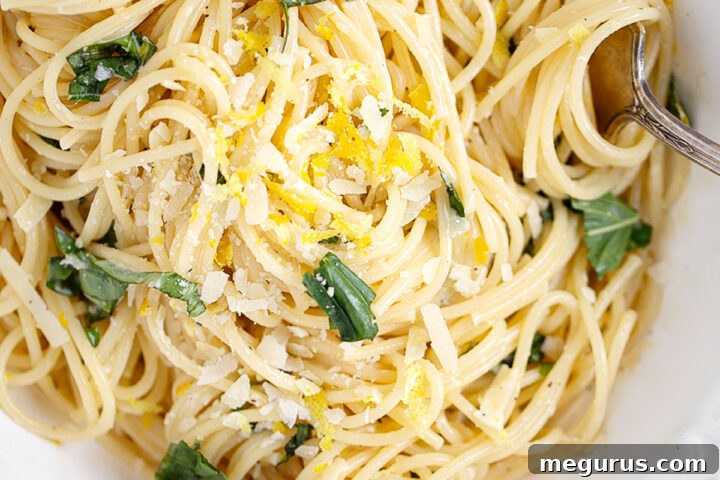
Serve the pasta immediately, garnished with additional lemon zest, Parmesan cheese, and seasoned with some flaky salt and freshly ground pepper, if desired.
Notes
Note 2: Heavy whipping cream (35% b.f.) is highly recommended as its high-fat content prevents curdling when used with the acidic lemon. The thicker consistency also creates a creamier finished dish.
Tips!
- Use a bit of the pasta-cooking water to warm the serving bowl. Simply pour into the bowl, swirl around and pour out before adding the cooked pasta.
- This pasta is best enjoyed freshly made, so adjust the scale of the recipe to make just what you will eat right away.
- For more detailed tips on making this recipe, including step-by-step photos, please refer to the sections above this recipe card.
Nutrition Information (per serving, approximate):
Calories: 341 kcal,
Carbohydrates: 43 g,
Protein: 11 g,
Fat: 14 g,
Saturated Fat: 8 g,
Polyunsaturated Fat: 1 g,
Monounsaturated Fat: 4 g,
Trans Fat: 0.1 g,
Cholesterol: 80 mg,
Sodium: 133 mg,
Potassium: 157 mg,
Fiber: 2 g,
Sugar: 2 g,
Vitamin A: 489 IU,
Vitamin C: 0.1 mg,
Calcium: 105 mg,
Iron: 1 mg
Tried this recipe?
If you enjoyed this recipe, please leave a star rating and comment. It helps others to find it!