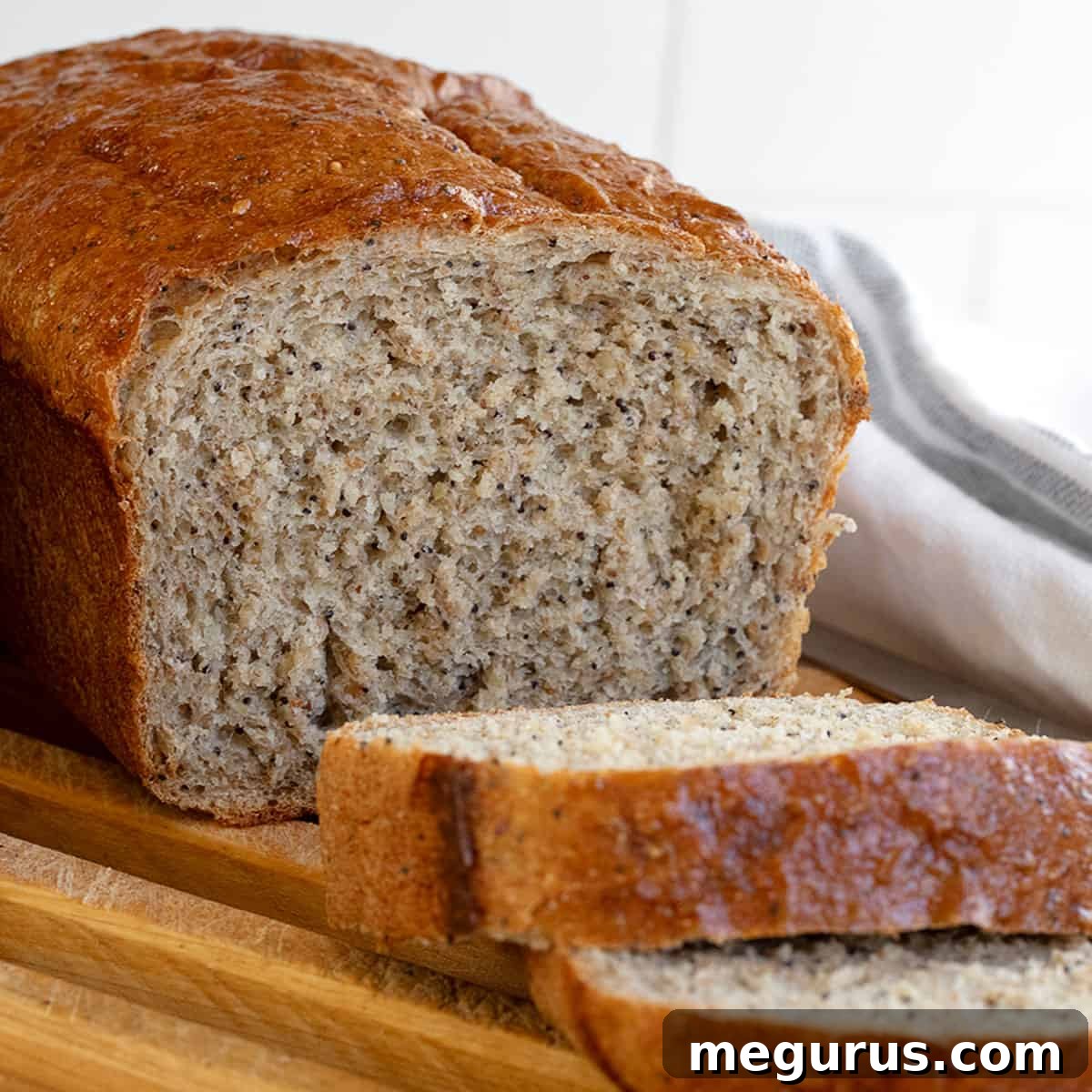
There’s nothing quite like the aroma of freshly baked bread filling your home, and this **Whole Wheat Seed Bread** offers an irresistible blend of wholesome goodness and delightful flavor. Sweetened with a touch of golden honey and generously studded with a medley of nutritious seeds, this bread is not just a meal accompaniment; it’s a comforting experience. Perfect for an everyday staple, its balanced texture and rich taste make it a beloved choice for sandwiches, toast, or simply enjoyed with a pat of butter. Embark on a journey to create two magnificent loaves of this incredible bread, bringing both nutrition and pure joy to your table.
Why This Whole Wheat Seed Bread Will Become Your New Favorite
Baking homemade bread is a rewarding endeavor, and this particular recipe stands out for several compelling reasons:
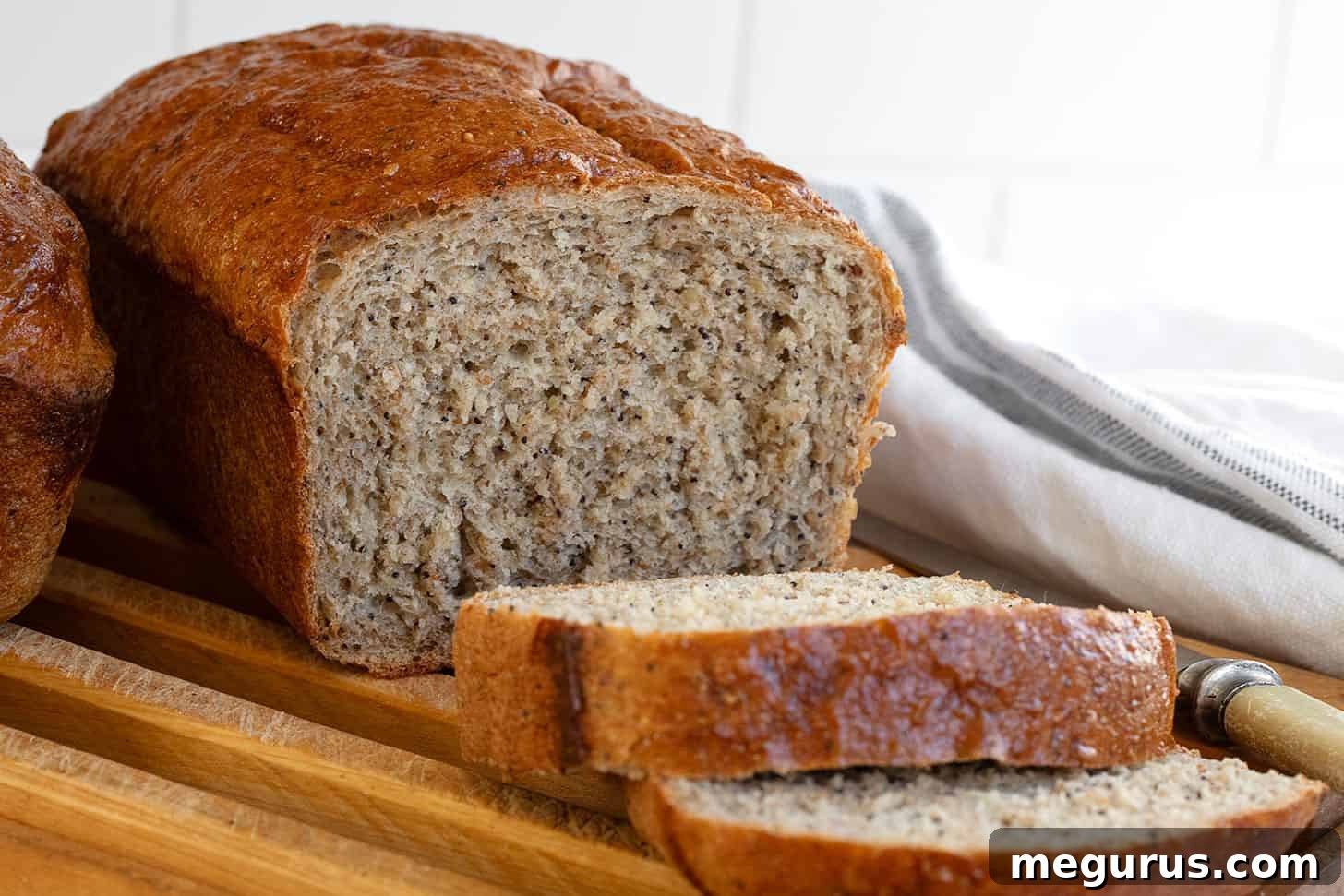
- **A Perfect Introduction to Wholesome Grains:** Many aspire to incorporate more whole grains into their diet, but the robust flavor and denser texture can sometimes be a barrier. This whole wheat seed bread offers the best of both worlds. By blending whole wheat flour with all-purpose flour, we achieve a loaf that’s incredibly light and satisfying, appealing even to those accustomed to white bread, while still delivering significant nutritional benefits from the whole grains. The subtle sweetness from honey and the textural variety from seeds make it exceptionally palatable, making healthy eating a truly delicious experience.
- **The Ideal Whole Wheat Balance for Texture and Flavor:** We believe in balance over strict adherence. This recipe features a thoughtfully chosen ratio of approximately 45% whole wheat flour. This percentage is the sweet spot where you get the rich, nutty flavor and wholesome character of whole grains without sacrificing the soft, airy texture that makes bread so enjoyable. It’s hearty enough to feel substantial, yet light enough to be versatile, creating a perfect harmony that appeals to everyone.
- **Unmatched Versatility for Any Meal or Occasion:** This isn’t just a specialty bread; it’s designed for daily enjoyment and fits seamlessly into any meal plan. Whether you prefer it plain with a simple pat of butter, as the robust foundation for your favorite gourmet sandwich fillings, or toasted to golden perfection for a hearty breakfast or brunch, this bread rises to every occasion. Its sturdy yet tender crumb holds up exceptionally well, making it a reliable choice for any meal throughout the day. This is truly a fantastic “everyday” bread that will quickly become a cherished household staple.
- **Rich Flavor and Dynamic Texture Profile:** Beyond its health benefits, this bread boasts a complex and inviting flavor profile. The honey imparts a gentle, natural sweetness and a beautiful depth, complementing the earthy notes of the whole wheat. The diverse blend of seeds – typically poppy, sesame, and flax – adds delightful crunch, a pleasant chewiness, and nutty undertones with every bite. A hint of cornmeal further enhances its rustic texture and contributes to a beautiful golden crust, creating a truly memorable sensory experience that elevates simple bread to something extraordinary.
Essential Ingredients and Thoughtful Substitutions
Crafting the perfect loaf begins with understanding your ingredients. Here’s a closer look at what you’ll need and how you can adapt the recipe to your pantry or preferences:
Yeast: The magic behind every airy loaf! For this recipe, you can start with either **active dry yeast** or **regular instant yeast**. My personal preference, and one I highly recommend for its consistent and reliable performance, is SAF Brand instant yeast. Instant yeast can typically be mixed directly with your dry ingredients, simplifying the process. Active dry yeast, however, usually requires a preliminary proofing step in lukewarm water to ensure it’s alive and active before combining with other ingredients. Ensuring your water is comfortably warm, around 105°F (40°C), is critical for activating the yeast without inadvertently killing it. For those new to bread baking, understanding the nuances of different yeast types can significantly improve your results, and I encourage exploring resources dedicated to this topic.
Whole Wheat Flour: This is the nutritional powerhouse of our bread. It’s essential to use **100% whole wheat flour**, and not a blend, to maximize the intake of fiber, essential vitamins, and minerals that the entire wheat kernel provides. If you decide to use **white whole wheat flour**, which is derived from a lighter-colored hard white spring wheat, be aware that it typically absorbs less water compared to traditional red whole wheat flour. This means you might need to slightly adjust the overall flour quantity to achieve the correct dough consistency. White whole wheat flour offers a milder flavor and a lighter crumb color, making it an excellent bridge for those transitioning to whole grain baking.
All-Purpose Flour: This flour plays a crucial role in balancing the texture of the loaf, ensuring it remains light and approachable. Standard **all-purpose flour** is perfectly suitable for this recipe. However, many bakers prefer **unbleached flour** for its superior dough strength and the absence of chemical bleaching agents. If you happen to have **bread flour** available, it can also be used here. Bread flour boasts a higher protein content, which contributes to a chewier crumb and a more robust overall structure. When substituting bread flour, you’ll likely find you need a slightly smaller quantity than specified for all-purpose flour, as its higher protein content means it absorbs more liquid.
Seeds: These small but mighty additions contribute immensely to the bread’s fantastic flavor, inviting texture, and enhanced nutritional value. My recipe suggests a classic blend of **poppy seeds, sesame seeds, and milled flax seed**, offering a diverse array of tastes and textures. However, the true beauty of this recipe lies in its adaptability. Feel entirely free to customize your seed blend to your liking! You can incorporate other favorites such as sunflower seeds, pumpkin seeds, chia seeds, or even a specialized bread seed mix. The key is to maintain a total quantity of seeds at approximately **6 tablespoons** to ensure the intended textural balance. For larger seeds like sunflower or pumpkin, a quick rough chop can help them distribute more evenly throughout the dough, although adding them whole will also work beautifully for a bolder, more rustic texture.
Cornmeal: A thoughtful, optional addition that imparts an extra layer of character. Incorporating just a couple of tablespoons of **cornmeal** introduces a subtle, earthy sweetness, a delightful rustic texture, and a beautiful golden hue to the bread’s crumb and crust. It’s an optional ingredient, so if you don’t have any on hand, rest assured your bread will still be wonderfully delicious without it, though it does add a nice dimension.
Honey: This natural sweetener beautifully complements the earthy tones of the whole wheat. **Honey** not only sweetens the bread but also contributes to a more tender crumb, helps with lovely golden-brown crust development, and adds a distinct depth of flavor. If you prefer or need alternatives, you can easily substitute it with other liquid sweeteners such as **maple syrup, agave syrup, or golden syrup**. For those who enjoy a darker, richer, more traditional brown-bread style, **molasses** (ensuring you avoid blackstrap molasses, which can be too overpowering) is an excellent choice. Should liquid sweeteners be unavailable, both **brown sugar or white sugar** can be used as direct substitutes. However, it’s important to note that using dry sugar instead of liquid syrup will affect the overall liquid content of your dough, so you will need to reduce the amount of flour accordingly to maintain the proper hydration and desired dough consistency.
Other Essentials: Beyond the main ingredients, don’t forget the vital roles played by **salt**, which is crucial for enhancing flavor and regulating yeast activity for a controlled rise, and **lukewarm water** for efficiently activating the yeast. An **egg**, lightly beaten and brushed over the top of the loaves before they enter the oven, will create a beautifully golden and subtly glossy crust, adding to the visual appeal. This egg wash is entirely optional if you prefer a simpler, more rustic finish.
Frequently Asked Questions About Baking This Bread
While baking a bread with 100% whole wheat flour is certainly achievable and offers maximum nutritional benefits, it requires a significantly different approach and very specific dough formulations compared to this recipe. Whole wheat flour contains bran and germ, which can interfere with gluten development, typically resulting in a denser, less airy loaf if not handled correctly. Recipes designed for 100% whole wheat often incorporate techniques such as longer fermentation periods, higher hydration levels (more water), and sometimes additional ingredients like vital wheat gluten to aid in structure and rise. This particular recipe is precisely formulated for a harmonious blend of whole wheat and all-purpose flour to achieve its signature light, airy, and soft texture. For the best results with 100% whole wheat, it’s highly recommended to seek out a recipe specifically developed for that purpose, as attempting to simply substitute all the flour in this recipe will likely yield an unsatisfactory result with a very different texture than intended.
Absolutely! This recipe is wonderfully adaptable when it comes to the seeds, allowing for great personalization. You are most welcome to experiment with any combination of seeds you prefer, or even stick to a single type if you have a particular favorite, such as all sesame or all poppy. The main guideline is to aim for approximately **6 tablespoons** in total to maintain the intended textural variety and flavor balance within the loaf. If you’re simply not a fan of seeds, have dietary restrictions, or just don’t have any on hand, feel entirely free to omit them completely. Keep in mind that removing the seeds might slightly alter the dough’s hydration, so you may find you need to use a tiny bit less flour overall to achieve the perfect, non-sticky consistency for kneading.
Yes, you can very easily halve this recipe to bake a single, perfect loaf. Simply divide all the specified ingredients by two, and this includes the yeast quantity. When halving the recipe, you will, of course, only need one 8×4-inch loaf pan instead of two. The baking time might remain quite similar, possibly even reducing by a few minutes, but it’s always a good idea to keep a close eye on your single loaf, as smaller batches can sometimes bake a little faster. As always, an internal thermometer is your best friend for ensuring perfect doneness.
While you can certainly use larger 9×5-inch loaf pans for this recipe, anticipate that your finished loaves will naturally be wider and shorter in stature compared to those baked in the specified 8×4-inch pans. The increased surface area and different loaf dimensions might also subtly influence the crust development, potentially making it a bit thinner or crispier. Additionally, the baking time may vary, often requiring a slightly longer duration due to the altered shape and volume distribution. It’s crucial to monitor the bread carefully during baking and, most importantly, use an instant-read internal thermometer to ensure it reaches the ideal internal temperature of 205-210°F (96-99°C) for a thoroughly baked loaf with a perfectly set crumb.
Expert Recipe Tips for Baking Success
Even seasoned bakers appreciate a few extra pointers. Here are some key tips to ensure your whole wheat seed bread turns out perfectly golden, delicious, and structurally sound every time:
- **Mastering the Dough Consistency – Don’t Over-Flour!** When you’re mixing the dough, especially if you’re using a stand mixer, do not be alarmed if it appears quite moist and almost sticky in the bowl. This is a perfectly normal and, in fact, desirable consistency for developing a tender, soft crumb in your finished bread. Resist the strong urge to add excessive flour at this initial stage. The dough is optimally ready when it begins to wrap around the kneading hook and starts to clear the sides of the bowl in certain spots. Once you transfer it to a lightly floured counter for hand kneading, you’ll find it only needs a minimal dusting of additional flour to prevent it from sticking to your hands. Over-flouring at any stage can lead to a dry, dense, and less enjoyable loaf.
- **Understanding Rise Times – A Surprisingly Fast Riser!** This particular whole wheat seed bread recipe is known for being a relatively quick riser, largely thanks to the active yeast and the touch of honey, which acts as a sugar source for the yeast. Therefore, don’t wander too far during the rising stages! In a moderately warm kitchen, your first rise (also known as bulk fermentation) could be completed in about 45-60 minutes, and the second rise (proofing) in the loaf pans might be as quick as 30 minutes. Always remember to observe the dough itself rather than strictly adhering to prescribed times, as ambient room temperature significantly impacts yeast activity. The dough should visibly double in volume for the first rise and should have crested approximately one inch above the loaf pan in the center for the second rise.
- **Achieving the Perfect Crust and Optimal Doneness:** Have you ever noticed a slightly wrinkled crust on your bread after it cools? This can sometimes be attributed to a sudden draft in the cooling area, causing rapid temperature changes, or, more commonly, a bit of residual moisture still present in the loaf, indicating it might have been slightly under-baked. To avoid this and ensure a perfect, beautifully firm, and crisp crust, aim for an internal temperature of 205-210°F (96-99°C) when testing with an instant-read thermometer. While 200°F might appear done, those extra few degrees make a significant difference in the final texture, structure, and crust quality of your bread. If your crust is browning too quickly during baking, loosely tent the loaves with aluminum foil during the last 10-15 minutes to prevent over-browning while allowing the interior to finish baking.
- **The Golden Rule of Cooling – Patience is Key!** Patience is truly a paramount virtue when it comes to enjoying freshly baked bread. It is absolutely crucial to let your loaves cool completely on a wire rack before you attempt to slice them. Slicing warm bread, especially whole wheat varieties, can result in a gummy, unappetizing crumb because the internal starches haven’t had sufficient time to fully set and solidify. Allow at least 1-2 hours for cooling, or even longer for particularly large loaves, to ensure a beautiful, non-gummy, and perfectly structured texture that slices cleanly and holds its shape.
- **New to Bread Baking? Don’t Be Intimidated, Embrace the Journey!** If you’re just starting your exciting journey into the wonderful world of yeast bread baking, welcome! It can seem a bit daunting at first, but with a few foundational techniques and a little practice, you’ll be baking like a seasoned pro in no time. I encourage you to explore comprehensive guides on getting started with yeast bread baking for more detailed instructions on activating yeast, mastering kneading techniques, understanding the crucial proofing stages, and troubleshooting common issues. Remember, every loaf is a valuable learning experience, and practice truly does make perfect!
Storing Your Delicious Whole Wheat Seed Bread
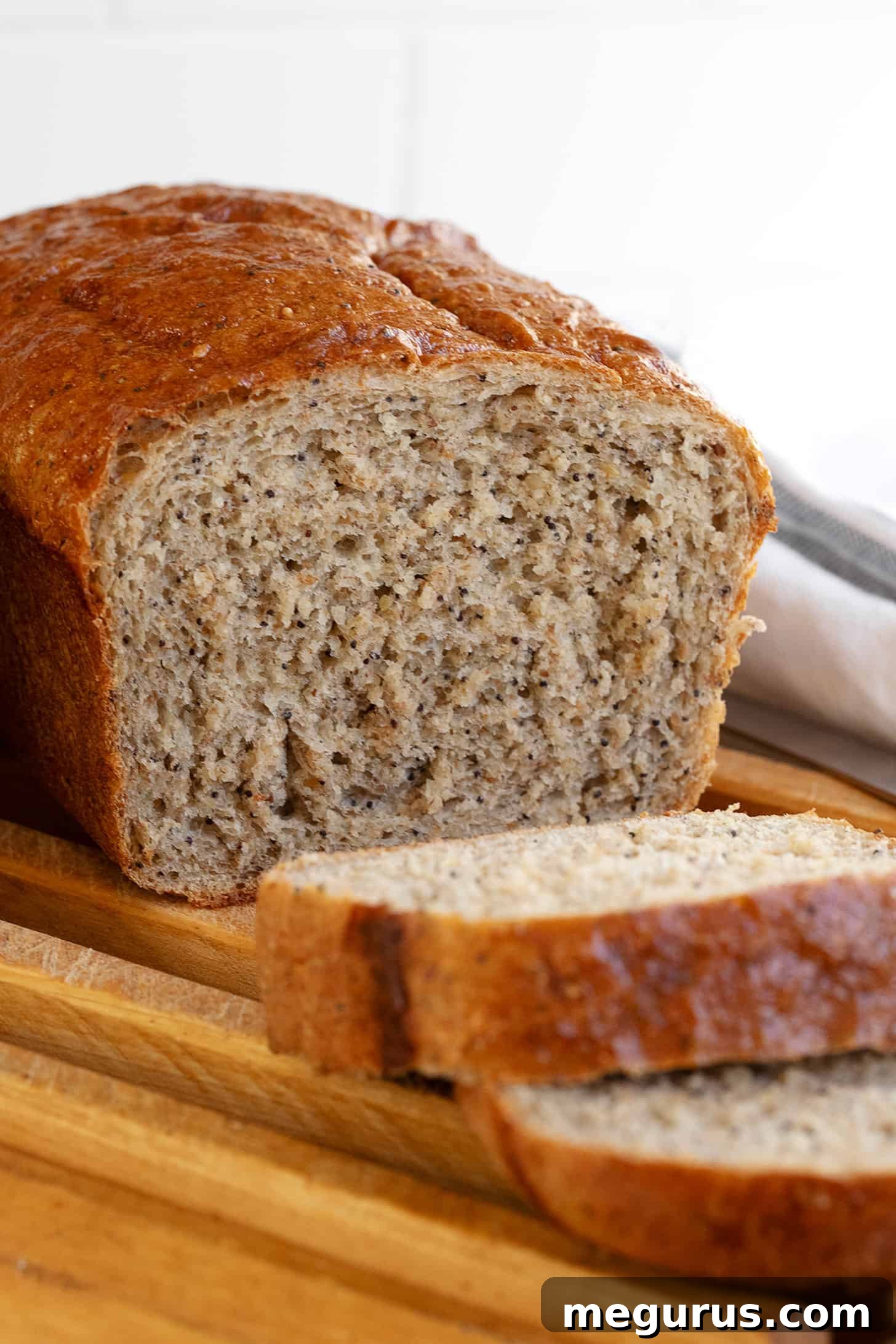
Proper storage is absolutely key to keeping your homemade bread fresh, soft, and enjoyable for as long as possible. Here’s how to best store your magnificent whole wheat seed bread to preserve its quality:
- **Room Temperature Storage for Short-Term Freshness:** Once your loaves have cooled completely to room temperature (this is critical!), wrap them securely in plastic wrap, aluminum foil, or place them in an airtight bread box or a dedicated bread bag. Stored this way at room temperature, your bread will remain wonderfully fresh, soft, and delicious for approximately 2-3 days. It’s generally advisable to avoid refrigerating bread, as the cool temperatures can paradoxically cause it to dry out and become stale more quickly than at room temperature.
- **Freezing for Extended Freshness:** For longer-term storage and to savor your homemade bread for weeks to come, freezing is an excellent option. Ensure the loaves are entirely cool before preparing them for the freezer. Wrap each loaf securely in multiple layers of plastic wrap, followed by an additional layer of aluminum foil, or place them inside a heavy-duty, freezer-safe bag. This double-layer protection is essential to guard against freezer burn and maintain quality. Your whole wheat seed bread will maintain its superior quality in the freezer for up to 3 months. When you’re ready to enjoy it, simply thaw the bread at room temperature, or for that delightful “freshly baked” experience, gently warm it in a low oven until heated through.
Whole Wheat Seed Bread Recipe
A delicious whole wheat seed bread, sweetened with honey and a variety of seeds for flavor and texture. A great everyday bread! Makes 2 loaves.
Prep Time: 20 mins
Cook Time: 40 mins
Rising Time: 1 hr 15 mins
Total Time: 2 hrs 15 mins
Yield: 24 servings (makes 2 loaves)
Ingredients
- 3 1/2 teaspoons active dry or regular instant yeast (not quick or rapid rise yeast)
- 2 1/4 cups (540 ml) lukewarm water (about 105°F / 40°C)
- 1/4 cup (60 ml) honey (or maple syrup, agave, or molasses)
- 2 1/4 cups (280 g) whole wheat flour
- 2 Tablespoons cornmeal (optional, for texture and color)
- 2 Tablespoons poppy seeds
- 2 Tablespoons sesame seeds
- 2 Tablespoons flax seeds (whole or milled)
- 1 1/2 teaspoon fine salt
- 2 1/2 – 3 cups (325-375 g) all-purpose or bread flour (plus more as needed for kneading)
For glaze before baking:
- 1 large egg (beaten for a golden crust)
Instructions
- In a large mixing bowl or the bowl of a stand mixer fitted with the paddle attachment, add the lukewarm water and evenly sprinkle the yeast over its surface. Stir gently, then let the mixture stand undisturbed for 5 minutes until it appears foamy, indicating the yeast is active. Next, add the honey and the whole wheat flour. Incorporate the cornmeal, poppy seeds, sesame seeds, flax seeds, and salt. Stir all the ingredients thoroughly to combine them into a shaggy dough.
- Begin to gradually add the all-purpose flour. Start by adding 1 cup and mixing it in until fully incorporated and no dry spots remain. Then, add the second cup of all-purpose flour, bit by bit, kneading as you go. Continue adding more all-purpose flour in small increments (up to 3 cups total) as needed, until the dough gathers around the kneading hook and begins to clear the sides of the bowl. The dough will likely still feel quite moist and sticky, which is the desired consistency for a tender crumb.
- Remove the dough to a lightly floured surface. Knead the dough vigorously for about 8-10 minutes, adding only a minimal amount of additional flour if the dough is sticking excessively to your hands. Form the kneaded dough into a smooth ball. Place the dough into a lightly greased bowl, turning it once to ensure all sides are coated with oil. Cover the bowl tightly with plastic wrap and let it rise in a warm place until it has visibly doubled in size, which typically takes about 45-60 minutes, depending on your kitchen’s temperature.
- Once the dough has doubled, gently remove it to a lightly floured surface and gently deflate it by pressing down lightly to release the air. Divide the dough into two equal-sized pieces (using a kitchen scale is recommended for perfectly even loaves). Form each piece into a smooth ball and cover them with a clean tea towel to rest for 15 minutes. During this resting period, generously prepare two 8×4-inch loaf pans by greasing or spraying them thoroughly with non-stick spray.
- Take one ball of the rested dough and pat it into a rough oval shape, approximately 8 inches long and 6 inches wide. Roll the dough up tightly from one of the long sides towards the other, forming a log. Firmly pinch the seam underneath to seal it completely. Carefully place the formed loaf into one of the greased pans, with the seam side facing down. Repeat this precise process with the second ball of dough.
- Lightly spray a piece of plastic wrap with non-stick spray and gently place it over the loaves in the pans, with the greased side facing down to prevent sticking. Allow the loaves to rise again until the dough crests about 1 inch above the center of the pan, which usually takes around 30 minutes. While the loaves are rising, preheat your oven to 375°F (190°C), ensuring it’s not set to a fan-assisted or convection mode for optimal and even baking.
- Once the loaves have risen beautifully, carefully remove the plastic wrap. In a small bowl, beat the large egg thoroughly. Very gently (it’s crucial not to deflate your beautifully risen bread!), brush the beaten egg evenly over the entire top surface and sides of each loaf. Ensure comprehensive coverage, as any areas you miss will appear noticeably pale and unappetizing after baking.
- Bake the loaves in the preheated oven for approximately 40 minutes. If you observe the crust browning too quickly or becoming too dark during the last 10-15 minutes of baking, loosely tent the loaves with aluminum foil to prevent over-browning while allowing the interior to finish cooking thoroughly. For optimal doneness and a perfect crumb texture, use an instant-read thermometer to check the internal temperature; it should register between 205-210°F (96-99°C).
- Immediately upon removing the loaves from the oven, carefully transfer them from their pans to a wire cooling rack. This crucial step prevents the bottom crust from becoming soggy due to trapped steam. It is absolutely essential to allow the loaves to cool completely to room temperature before attempting to slice them. Slicing warm bread can lead to a gummy, unappetizing texture because the internal starches haven’t had a chance to fully set. Your patience will be richly rewarded with perfectly textured, non-gummy slices!
Notes
- The seed blend is highly customizable! Feel free to switch up the types of seeds, add more of your favorite, or combine different varieties to suit your taste. Just aim for a total of approximately 6 tablespoons of seeds.
- If you don’t have cornmeal on hand, it can be entirely omitted from the recipe without significantly impacting the final product, though it does contribute a nice subtle texture and visual appeal.
- For additional insights, troubleshooting advice, and valuable baking wisdom, please refer to the detailed “Expert Recipe Tips for Baking Success” section located above this recipe card.
Cuisine: American, Canadian
Course: Bread
Author: Jennifer Maloney
Nutrition Information (per serving)
- Serving Size: 1 serving
- Calories: 119 kcal
- Carbohydrates: 23 g
- Protein: 4 g
- Fat: 2 g
- Saturated Fat: 1 g
- Cholesterol: 8 mg
- Sodium: 151 mg
- Potassium: 82 mg
- Fiber: 2 g
- Sugar: 3 g
- Vitamin A: 11 IU
- Calcium: 27 mg
- Iron: 1 mg
Explore More Irresistible Bread Recipes to Love!
If you’ve fallen in love with the art of baking and the comforting taste of homemade bread, you’ll be thrilled to discover these other delightful recipes that are perfect for expanding your repertoire and bringing more homemade goodness to your kitchen:
Each of these recipes offers a unique flavor and texture profile, perfect for expanding your baking repertoire and consistently bringing more homemade goodness to your family’s table. Dive into these delightful creations and enjoy the rewarding experience of baking your own wholesome bread. Happy baking!