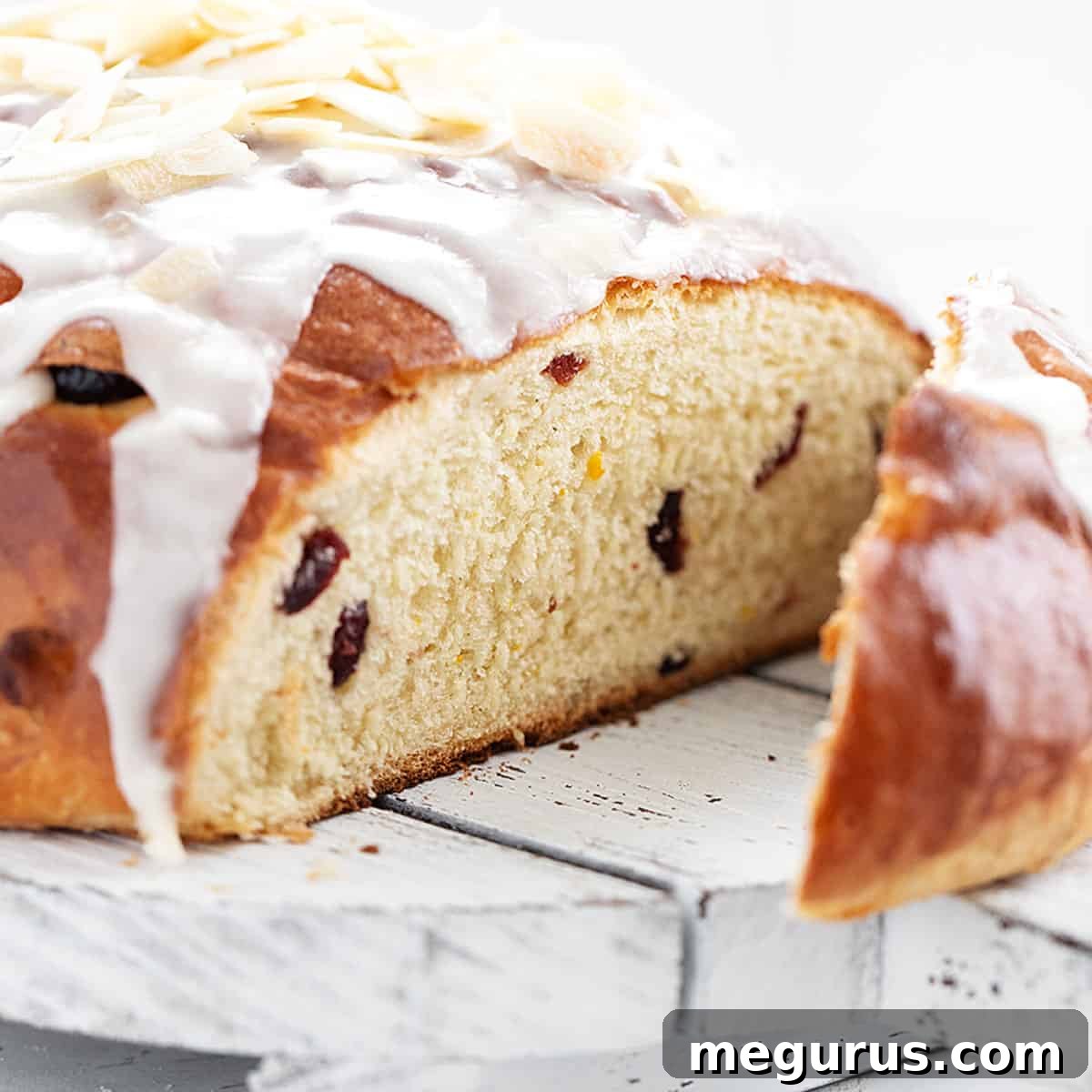
Welcome to a delightful baking journey where the vibrant flavors of cranberry and orange converge in a beautifully handcrafted yeast bread. This isn’t just any bread; it’s a golden-hued, tender-crumbed masterpiece, adorned with a luscious orange glaze and a sprinkle of toasted coconut chips, making it as visually appealing as it is delicious. Perfect for brightening up any breakfast table, enhancing a festive brunch, or simply enjoying with a warm cup of coffee, this Cranberry Orange Yeast Bread is a true celebration of comforting homemade goodness.
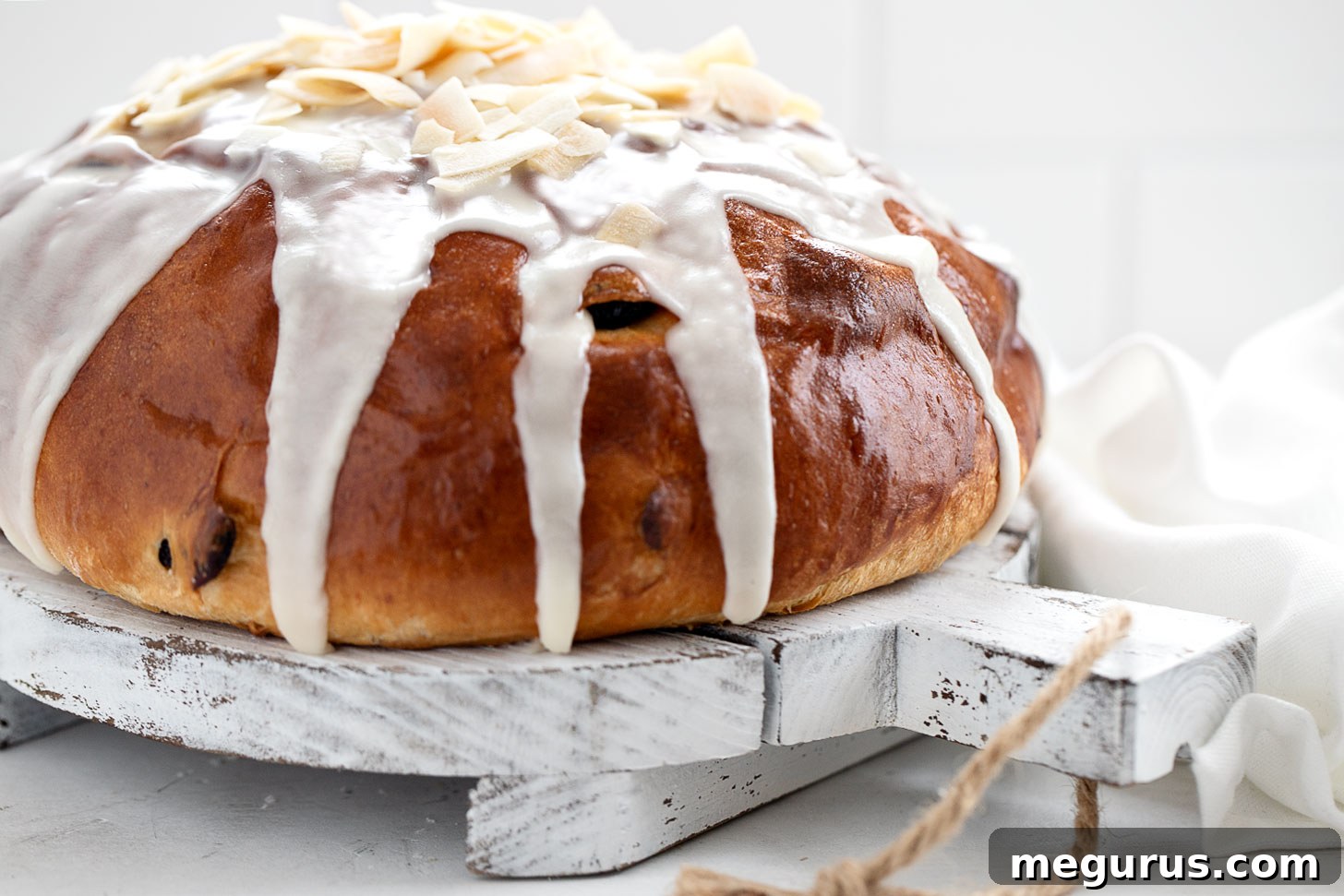
Why You’ll Fall in Love with This Cranberry Orange Yeast Bread
There’s something truly magical about baking with yeast, and this Cranberry Orange Yeast Bread takes that magic to a whole new level. Beyond its stunning appearance, which makes it an undeniable centerpiece for any gathering, it offers an exceptional combination of flavors and textures that will captivate your senses. Each slice reveals a soft, fluffy crumb punctuated by bursts of tart cranberries and fragrant orange zest, creating a harmonious balance that’s both refreshing and deeply satisfying.
The gentle chewiness of the yeast bread provides a perfect canvas for the bright, zesty notes of orange, which are beautifully complemented by the sweet-tartness of the dried cranberries. The optional orange glaze adds a touch of sweetness and a glossy finish, while coconut chips introduce a delightful crunch and tropical hint. This bread isn’t just a treat for your taste buds; it’s an experience. Imagine the aroma filling your kitchen as it bakes, evoking warmth and comfort, making it an ideal choice for holiday mornings, special brunches, or simply a cozy weekend indulgence. It pairs wonderfully with a simple spread of butter, or for an extra citrusy kick, stir a bit of fresh orange zest into softened butter before serving. It’s a versatile loaf that can be enjoyed plain, toasted, or even as part of a decadent bread pudding.
Essential Ingredients & Smart Substitutions for Perfect Cranberry Orange Bread
Crafting this delightful Cranberry Orange Yeast Bread begins with selecting the right ingredients. Each component plays a crucial role in achieving the perfect flavor, texture, and rise. Here’s a breakdown of the key ingredients and some helpful substitution tips to ensure your baking success.
Dried Cranberries
You have the flexibility to use either sweetened or unsweetened dried cranberries. Sweetened cranberries will contribute a bit more sweetness to the overall bread, while unsweetened varieties will allow the tartness to shine through more prominently, balancing the sweetness of the dough and glaze. If cranberries aren’t your preference or readily available, raisins make an excellent substitute, offering a similar chewy texture and natural sweetness. Golden raisins, dried cherries, or even chopped dried apricots could also work beautifully, each imparting its own unique flavor profile to the bread. For best results, consider soaking your dried fruit in the orange juice ahead of time. This rehydrates them, making them plump and juicy, and prevents them from absorbing moisture from your dough during baking, which can lead to a drier crumb.
Fresh Orange Juice and Zest
For this recipe, starting with one large, fresh orange is paramount. You’ll need both the aromatic zest and the tangy juice. The zest, which contains the essential oils of the orange, provides an intense burst of citrus flavor without adding excess liquid. It’s truly where much of the “orange” in this bread comes from. The fresh juice adds moisture and a subtle tang that complements the cranberries. While bottled orange juice can be used in a pinch, fresh orange juice offers a superior, brighter flavor that truly elevates the bread. Avoid using orange extract as a direct substitute for zest, as it can sometimes taste artificial; instead, rely on the natural vibrancy of fresh fruit. Always zest your orange before juicing it, as it’s much easier to handle a whole, firm orange.
Flour: The Foundation of Your Loaf
The type of flour you choose impacts the final texture of your bread. Bread flour, with its higher protein content, develops more gluten, resulting in a chewier, more structured crumb. If you have bread flour on hand, I highly recommend using it for that ideal bakery-style texture. However, standard all-purpose flour works perfectly well too, yielding a slightly softer and more tender loaf. When using all-purpose flour, you might find that the precise amount needed varies slightly compared to bread flour due to differences in protein and absorption rates. Always measure your flour by spooning it into a measuring cup and leveling it off, rather than scooping directly from the bag, which can compact the flour and lead to an overly dry dough. For a subtle nutritional boost, you could experiment with substituting a small portion (e.g., 1/2 cup) of the all-purpose flour with whole wheat pastry flour, which will add fiber without significantly altering the texture.
Yeast, Milk, Sugar, Butter, Egg, and Salt
- Yeast: This recipe calls for Active Dry or Instant Yeast. Both work, but instant yeast can often be mixed directly into the dry ingredients, while active dry typically needs to be proofed first in warm liquid (milk or juice) with a pinch of sugar to ensure it’s active. Fresh yeast is also an option, often requiring a slightly larger quantity. Ensure your yeast is fresh and stored correctly for optimal rising power.
- Milk: Warmed milk provides the ideal environment for yeast activation and contributes to the richness and tenderness of the crumb. Whole milk yields the richest result, but lower-fat milk can also be used. For a dairy-free version, a plant-based milk like almond or oat milk can be substituted.
- Sugar: White granulated sugar serves multiple purposes: it feeds the yeast, aids in browning the crust, and sweetens the bread.
- Butter: Melted butter adds richness, flavor, and contributes to the bread’s tender texture. Ensure it’s cooled slightly before adding to the dough to avoid “killing” the yeast.
- Egg: A large, lightly beaten egg adds richness, color, and helps bind the dough, contributing to a softer crumb.
- Salt: Essential for balancing the flavors and controlling the yeast’s activity. Don’t omit it, as it vastly improves the taste of any yeast bread.
Step-by-Step Visual Guide to Baking Your Cranberry Orange Bread
Baking this beautiful bread is a rewarding process. These visual steps, combined with detailed instructions, will guide you through each stage, from preparing the fruit to the final golden loaf.
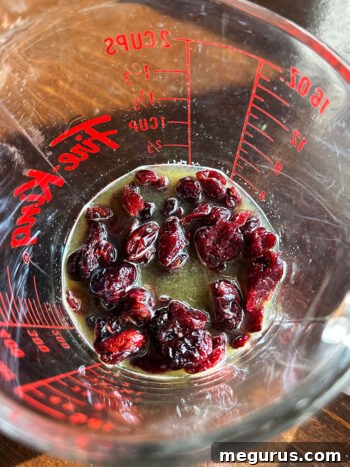
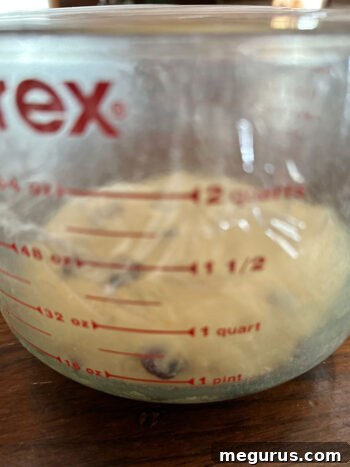
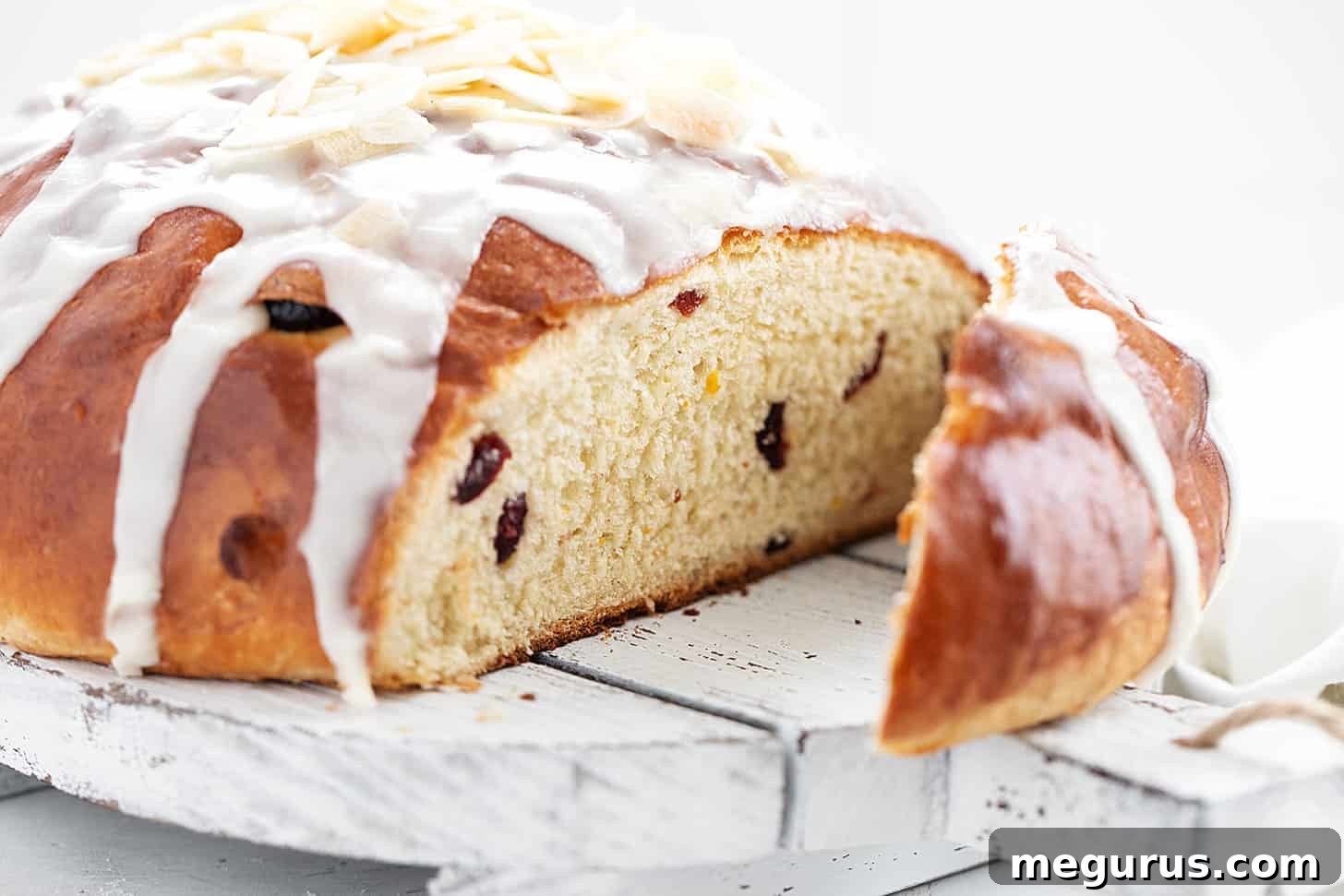
- Prepare Cranberries and Orange: Begin by zesting and juicing your fresh orange. Measure out the required orange juice for the bread and warm it slightly to lukewarm. Add the dried cranberries to the warmed orange juice and let them soak. This rehydrates the cranberries, making them plump and juicy, and infuses them with orange flavor, preventing them from drying out the dough.
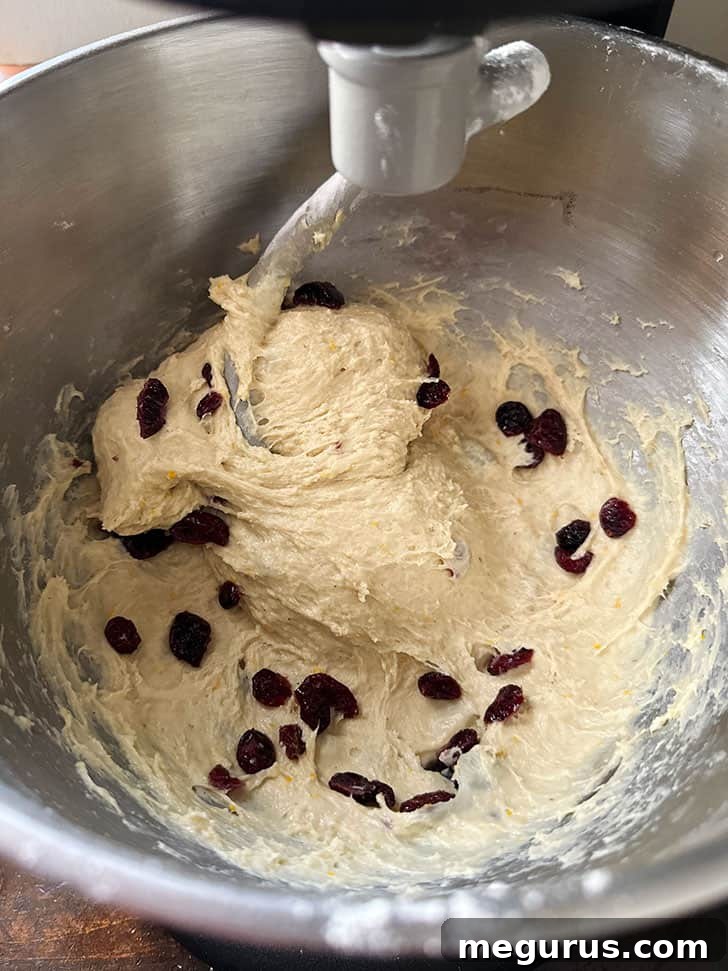
- Mix the Dough: In a large mixing bowl or the bowl of a stand mixer fitted with a dough hook, combine the lukewarm milk, 1 teaspoon of sugar, and yeast. Stir gently and allow it to sit for about 5 minutes until foamy, indicating the yeast is active. Then, add the remaining sugar, orange zest, vanilla extract, beaten egg, slightly cooled melted butter, and salt. Briefly mix these ingredients. Incorporate the cranberry and orange juice mixture. Begin adding the flour, starting with 2 cups, mixing until just combined. Gradually add the remaining flour (up to 1 cup more) while kneading for 4-5 minutes. At this stage, the dough will likely be quite wet and sticky.
- First Rise (Bulk Fermentation): Transfer the wet dough to a generously floured work surface. Knead in additional flour, little by little, only until the dough is no longer excessively sticky and can be handled without adhering to your hands or the counter. Form the dough into a smooth ball and place it in a lightly greased bowl. Cover the bowl tightly with plastic wrap or a damp kitchen towel. Let the dough rise in a warm, draft-free place until it has doubled in size. This dough is a slow riser, so patience is key – anticipate approximately 2 hours, or even longer depending on your kitchen’s temperature.
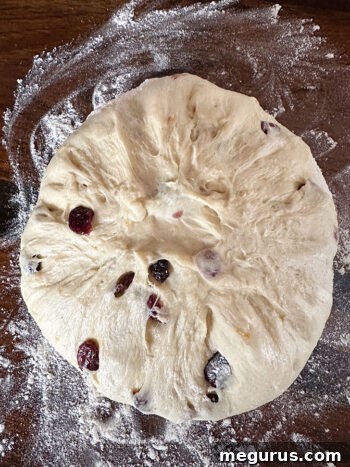
- Shape the Loaf: Once the dough has doubled, gently remove it from the bowl onto a lightly floured surface. Deflate it carefully by pressing out the air. Reshape the dough into a taut, smooth ball. This step creates tension on the surface, which helps the bread hold its shape during the second rise and baking.
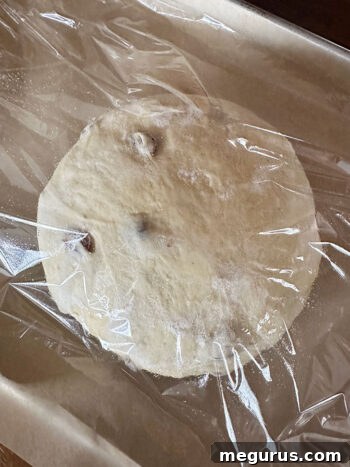
- Second Rise (Proofing): Transfer the shaped dough ball to a baking sheet lined with parchment paper. Cover it again with greased plastic wrap or a light kitchen towel. Allow it to rise for a second time until it has visibly expanded and looks puffy, typically reaching about 8 inches in diameter. This usually takes about 60-90 minutes. This second rise contributes to a light, airy texture.
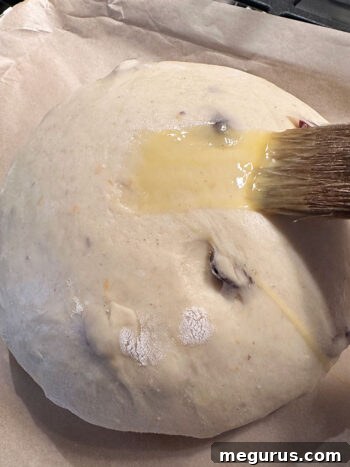
- Prepare for Baking: While the bread is undergoing its second rise, preheat your oven to 390°F (200°C) with a regular bake setting (not fan-assisted). Just before baking, prepare an egg wash by whisking together one large egg and one teaspoon of water. Brush the entire top surface of the risen bread thoroughly with this egg wash. This will give your loaf a beautiful golden-brown crust and a lovely sheen.
Expert Tips for Baking Success
Baking yeast bread can feel intimidating, but with a few insider tips, you’ll achieve a perfect Cranberry Orange Yeast Bread every time. These pointers address common challenges and help ensure a delicious result.
Mastering Dough Consistency
One of the most crucial aspects of this recipe is managing the dough’s initial wetness. When you first mix the dough, it will be quite sticky – almost batter-like. This high hydration is intentional, as it contributes to a wonderfully moist and tender crumb. The key is not to panic and resist the urge to add too much flour too quickly. When you turn the dough out onto your floured work surface for kneading, add only as much additional flour as is absolutely necessary to prevent it from sticking excessively to your hands and the counter. A good rule of thumb is to add a tablespoon at a time, incorporating it fully before deciding if more is needed. The dough should eventually become supple and elastic, pulling away from your hands and the surface, but it should still feel soft and slightly tacky, not dry or stiff. Over-flouring is a common pitfall that can lead to a dense, dry bread. Trust the process, and let the kneading develop the gluten that will give your bread structure while maintaining its intended soft texture.
Patience is a Virtue: Understanding the Slow Rise
This particular enriched dough, with its butter and egg, tends to be a slow riser, especially for the first proof. Do not be discouraged if it takes longer than other yeast recipes you’ve tried. The rising time suggested (at least 2 hours for the first rise and potentially more) is an estimate; the actual time can vary significantly based on the temperature and humidity of your kitchen, the freshness of your yeast, and even the type of flour used. The best indicator of readiness is always the dough itself: simply leave it undisturbed in a warm, draft-free spot until it has genuinely doubled in size. You can test this by gently pressing two fingers into the dough; if the indentations remain, it’s ready. If it springs back immediately, it needs more time. Providing a warm environment (like a slightly warmed oven with the light on, or a sunny spot) can help, but don’t rush it with excessive heat, as this can negatively impact flavor development. Embrace the slow rise; it contributes to a more complex and delicious flavor profile in the finished bread.
Achieving the Perfect Golden Crust
The egg wash applied before baking is essential for that beautiful golden, shiny crust. Ensure you brush the entire surface evenly. During baking, keep an eye on your bread. If you notice it browning too quickly after about 15-20 minutes, loosely tent it with aluminum foil. This prevents the crust from over-browning while allowing the interior to cook through completely. The bread is fully baked when its internal temperature reaches at least 190°F (88°C). A digital thermometer inserted into the thickest part of the loaf is the most reliable way to check for doneness.
Crafting the Perfect Orange Glaze & Topping
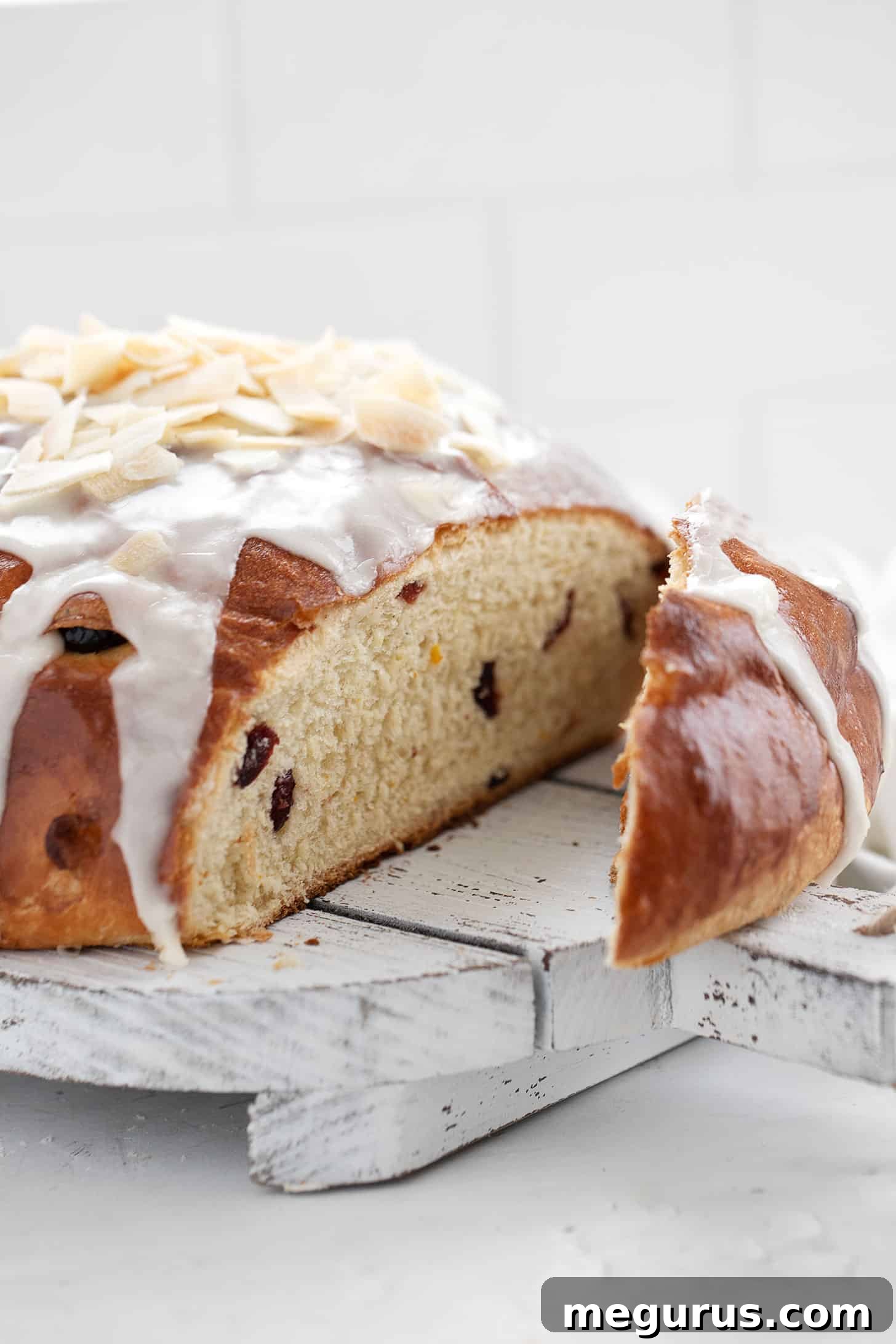
While delicious on its own, this Cranberry Orange Yeast Bread truly shines with an optional, easy-to-make orange glaze and a sprinkle of coconut chips. These additions elevate the bread’s flavor and presentation, making it even more irresistible.
The Zesty Orange Glaze
Creating the orange glaze is wonderfully simple. You’ll need just two ingredients: icing sugar (also known as confectioners’ sugar) and fresh orange juice. In a small bowl, gradually whisk the orange juice into the icing sugar until you achieve a smooth, thick, yet pourable consistency. The amount of orange juice can vary slightly depending on the thickness you desire. Start with the recommended amount and add a tiny bit more, a quarter-teaspoon at a time, if the glaze is too thick. Conversely, if it’s too thin, add a bit more icing sugar. You want a consistency that slowly drizzles down the sides of the bread without being completely absorbed. For an extra pop of color and flavor, you can stir in a tiny pinch of orange zest into the glaze as well. Apply the glaze to your cooled bread using a spoon or by gently pouring it over the top and letting it naturally drip down the sides.
Delightful Coconut Chip Topping
Toasted coconut chips add a fantastic textural contrast and a hint of tropical sweetness that complements the cranberry and orange beautifully. While the glaze is still wet, gently scatter the coconut chips over the top of the bread. This allows them to adhere to the sticky glaze, ensuring they stay in place. If coconut chips aren’t available or preferred, consider other delicious toppings such as candied orange peel (homemade or store-bought), finely chopped toasted almonds or walnuts, or even a simple sprinkle of turbinado sugar for a glistening, crunchy finish. These optional toppings turn an already wonderful bread into an extraordinary centerpiece.
Making Ahead, Storing, and Freezing Your Loaf
Enriched breads like this cranberry orange loaf, with their higher fat and sugar content, tend to stale more quickly than lean breads. For the absolute best flavor and texture, it’s highly recommended to enjoy this bread within 24 hours of baking. However, proper storage can extend its life and maintain its deliciousness.
Short-Term Storage (Up to 24 Hours)
To keep the bread fresh for a day, allow it to cool completely on a wire rack before storing. Once cooled, wrap the entire loaf tightly in plastic wrap or aluminum foil. You can also place it in an airtight bread box or container. Store it at room temperature. Avoid refrigerating yeast breads, as the cool temperatures can accelerate staling, making the bread dry and crumbly.
Long-Term Storage (Freezing)
If you’re making this bread ahead of time or have leftovers you wish to preserve, freezing is an excellent option. This bread freezes beautifully for up to 2 months. To freeze, ensure the bread is completely cooled. You can freeze it whole, half, or sliced. For slices, it’s often convenient to separate them with small pieces of parchment paper to prevent sticking. Wrap the bread tightly in plastic wrap, ensuring no air pockets, and then wrap it again in aluminum foil or place it in a heavy-duty freezer bag. Double-wrapping helps prevent freezer burn and maintains freshness.
Thawing and Reheating
When you’re ready to enjoy your frozen bread, transfer it from the freezer to the refrigerator to thaw overnight, or simply leave it at room temperature for a few hours. For a warm, “freshly baked” experience, you can gently reheat thawed slices in a toaster or the oven. If reheating a whole loaf, wrap it loosely in foil and warm it in a preheated oven at 300°F (150°C) for about 10-15 minutes, or until warmed through. The glaze might melt slightly upon reheating, but the flavor will still be wonderful.
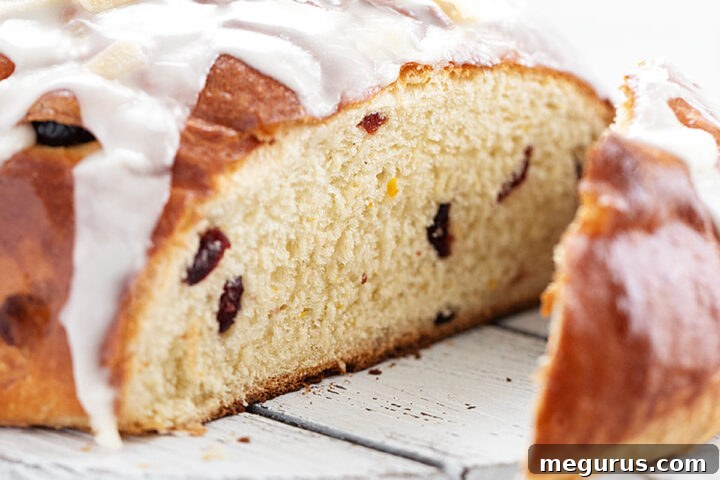
Get the Recipe: Cranberry Orange Bread
Pin This
Leave a Review
20 mins
30 mins
3 hrs
3 hrs 50 mins
12 servings
Ingredients
- 1/2 cup dried cranberries
- 1/4 cup orange juice, warmed to lukewarm
- 2/3 cup milk, warmed to lukewarm
- 1 teaspoon white granulated sugar
- 2 1/4 teaspoons Active Dry or Instant Yeast
- 1/3 cup white granulated sugar
- 1 1/2 Tablespoons orange zest
- 1 Tablespoon vanilla extract, or vanilla bean paste
- 1 large egg, lightly beaten
- 3 1/2 Tablespoons butter, melted and cooled slightly
- 1 teaspoon salt
- 3 cups bread or all-purpose flour, approximately
For brushing before baking:
- 1 large egg, beaten
- 1 teaspoon water
Optional Orange Glaze:
- 1 1/4 cups icing/confectioners’ Sugar
- 2 Tablespoons orange juice
Optional Topping:
- coconut chips
Instructions
-
Remove the zest from the orange and set aside. Juice the orange. You’ll need 1/4 cup of the juice for the bread, and if you are making the optional orange glaze, you will need a further 2 Tablespoons, which you can measure out and set aside now, as well.
-
Warm the 1/4 cup orange juice just to lukewarm in the microwave or a small saucepan. Add the dried cranberries to the orange juice and set aside to soak.
-
In a large bowl or the bowl of a stand mixer fitted with the kneading hook, add the lukewarm milk, 1 teaspoon of sugar, and yeast. Stir and let stand for 5 minutes until it becomes foamy.
-
To the bowl, add the 1/3 cup white sugar, orange zest, vanilla, beaten egg, melted butter, and salt. Mix briefly to combine. Add the cranberry/orange juice mixture to the bowl. Add 2 cups of the flour and mix until fully incorporated. While kneading, gradually add the 3rd cup of flour and knead/mix in for 4-5 minutes. The dough will probably be quite wet at this point.
-
Remove the dough to a well-floured work surface. Knead, adding additional flour as necessary, until the dough no longer sticks excessively to your hands or the work surface but remains soft and slightly tacky. Form the dough into a ball and place in a greased bowl. Cover with plastic wrap and let rise until doubled, about 2 hours. (Remember, this dough is a slow riser. Be patient!)
-
Remove the dough to a lightly floured work surface and deflate it gently. Form it into a smooth ball and place onto a parchment-lined baking sheet. Cover with greased or sprayed plastic wrap and allow to rise again, until about 8 inches in diameter, approximately 60-90 minutes.
-
Preheat oven to 390°F (200°C) using a regular bake setting (not fan assisted).
-
When the bread is ready to bake, stir together the egg and water for the egg wash. Brush the top of the bread thoroughly and evenly.
-
Bake bread in the preheated oven for about 25-30 minutes, or until it reaches at least 190°F (88°C) internal temperature. Check the bread after about 15-20 minutes and cover loosely with aluminum foil if it is browning too quickly.
-
Remove from oven and immediately transfer to a cooling rack to cool completely.
-
If making the optional glaze, stir together the icing sugar and orange juice to make a thick glaze. Add a bit of additional water, if needed, for desired consistency. Spoon over the top of the cooled loaf. If using the coconut chips, scatter them on while the glaze is still wet so they adhere.
Notes
American, Canadian
Bread
Jennifer Maloney
Serving:
1serving
,
Calories:
206kcal
,
Carbohydrates:
36g
,
Protein:
5g
,
Fat:
4g
,
Saturated Fat:
2g
,
Polyunsaturated Fat:
0.3g
,
Monounsaturated Fat:
1g
,
Trans Fat:
0.1g
,
Cholesterol:
25mg
,
Sodium:
233mg
,
Potassium:
99mg
,
Fiber:
2g
,
Sugar:
11g
,
Vitamin A:
164IU
,
Vitamin C:
4mg
,
Calcium:
28mg
,
Iron:
2mg
Tried this recipe?
If you enjoyed this recipe, please leave a star rating and comment. It helps others to find it!
Frequently Asked Questions (FAQ) About Cranberry Orange Yeast Bread
Here are answers to some common questions that might arise when baking this delightful Cranberry Orange Yeast Bread:
Can I use fresh cranberries instead of dried ones?
While fresh cranberries can technically be used, dried cranberries are preferred for this recipe. Fresh cranberries are much more tart and release a lot of moisture during baking, which can affect the dough’s texture and overall moisture balance. If you do use fresh, you might want to slightly increase the sugar in the dough and expect a more intensely tart flavor. It’s generally recommended to stick with dried cranberries, ideally plumped in orange juice, for the best results in terms of sweetness, texture, and moisture.
What if my dough isn’t rising?
Several factors can affect yeast activity. First, ensure your yeast is fresh and not expired. Yeast loses its potency over time. Second, check the temperature of your liquids (milk and orange juice). If they are too hot, they can kill the yeast; if too cold, they won’t activate it properly. Lukewarm (around 105-115°F or 40-46°C) is ideal. Third, ensure your rising environment is warm and draft-free. A slightly warmed oven (turned off, with the light on) can provide a good proofing spot. Patience is also key, as this is a slow-rising dough. Give it more time, especially if your kitchen is cool.
Can I make this bread in a bread machine?
Yes, you can adapt this recipe for a bread machine. Typically, you would add the liquid ingredients first, followed by the dry ingredients, with the yeast placed last on top of the flour. Use the “Dough” cycle. Once the dough cycle is complete, you can remove the dough, shape it as described in the recipe (Steps 4 and 5), allow it to do its second rise, and then bake it in a conventional oven. Consult your bread machine’s manual for specific ingredient order and quantities if they differ significantly from standard recipes.
How can I make this bread dairy-free or vegan?
To make this bread dairy-free, substitute the milk with a non-dairy alternative like almond milk, oat milk, or soy milk. Ensure it’s plain and unsweetened. For the butter, use a good quality plant-based butter substitute. To make it fully vegan, you would also need to replace the egg. Flax eggs (1 tablespoon ground flaxseed mixed with 3 tablespoons water, let sit for 5 minutes) can sometimes work in enriched bread recipes, but may alter the texture slightly. The egg wash can be replaced with a brush of plant-based milk or a mixture of maple syrup and water for shine.
What’s the best way to slice fresh yeast bread?
Allow the bread to cool completely before slicing. Warm bread can be gummy and difficult to slice cleanly. Once cooled, use a serrated bread knife with a gentle sawing motion. Avoid pressing down hard, which can flatten the loaf. Thin slices are often best for enjoying with butter or jam, while thicker slices are great for toasting.