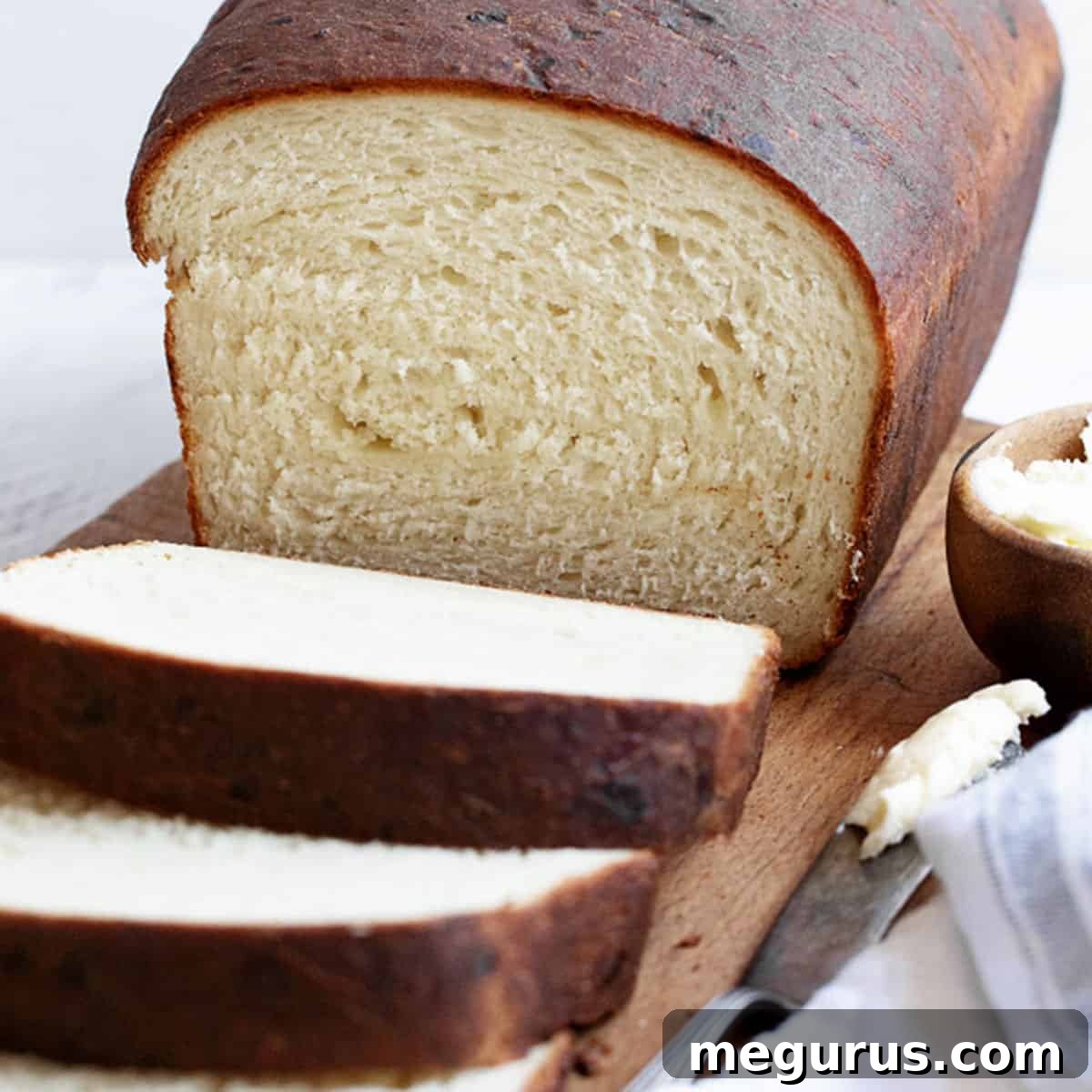
One-Rise Buttermilk Cheese Bread: The Ultimate Easy & Flavorful Loaf
Discover the joy of baking a truly remarkable yeast bread that requires just one rise! This buttermilk cheese bread boasts a large, impressive loaf with a wonderfully coarse yet tender texture, thanks to a unique ingredient. Perfect for dipping into hearty soups or stews, serving alongside your favorite meals, or transforming into gourmet sandwiches. Its simplicity and incredible flavor make it an instant favorite.
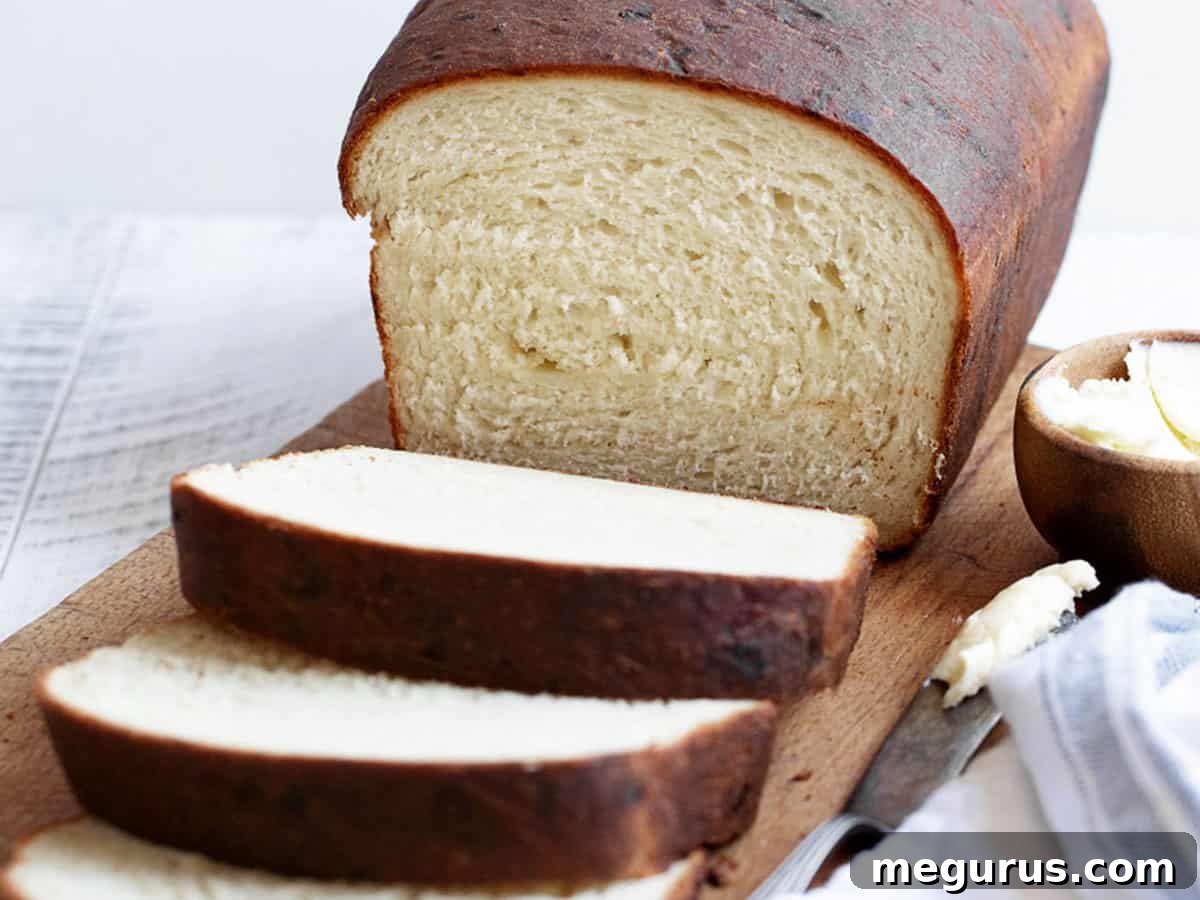
There’s nothing quite like the aroma of freshly baked bread filling your home, and this buttermilk cheese bread delivers on all fronts. We recently paired this delightful loaf with a simmering pot of chili, and it was an absolute revelation. Its robust flavor and sturdy crumb made it the ideal companion for dipping, and it toasted beautifully, adding another layer of texture and taste to our meal. If you’re looking for a bread that’s both satisfying and simple to prepare, this recipe is a must-try.
This recipe is not only incredibly delicious but also surprisingly quick and easy, making it perfect for busy schedules. It’s an excellent way to utilize any leftover buttermilk lingering in your fridge, transforming it into a culinary star. The unique combination of buttermilk, sharp cheddar, and a special leavening agent creates a bread that’s distinctly flavorful and delightfully textured, proving that homemade bread doesn’t have to be a time-consuming affair.
Essential Ingredients for Your Buttermilk Cheese Bread
Crafting this exceptional bread relies on a few key ingredients, each playing a crucial role in achieving its signature flavor and texture. Here’s a closer look at what you’ll need and some helpful notes for selection and substitution:
- Yeast: The heart of any yeast bread! You have the flexibility to use either Active Dry Yeast or Instant Yeast for this recipe. Both will yield fantastic results, just ensure your yeast is fresh and active.
- Buttermilk: This ingredient is the secret to the bread’s tender crumb and tangy depth. For the best flavor and texture, use traditional, full-fat buttermilk. It’s indeed a fantastic way to use up any leftover buttermilk. However, if you don’t have it on hand, don’t fret! A simple DIY buttermilk substitute can be made at home (details in our “Recipe Tips” section below). Remember, starting with room temperature buttermilk is crucial for optimal yeast activation.
- Baking Powder: Yes, you read that right – baking powder in a yeast bread! This might seem unconventional, but it’s the hero behind this recipe’s “one rise” magic. The baking powder works in conjunction with the yeast, providing an extra lift and contributing to the bread’s wonderfully coarse and tight texture, distinguishing it from a typical fluffy yeast bread.
- Sharp Cheddar Cheese: The cheese is key to the savory profile of this loaf. A good quality, old or sharp cheddar will impart the most robust and satisfying flavor. I personally love using an aged white cheddar, which blends seamlessly into the dough, allowing the buttermilk flavor to shine while adding a subtle savory note. If you prefer a more visible cheesy swirl and a slightly sharper bite, an orange cheddar would be a delightful choice. Feel free to experiment with other hard cheeses you might have on hand if you’re looking to clear out your fridge.
- All-Purpose Flour: The foundation of our bread. The recipe calls for approximately 4-4.5 cups, but the exact amount can vary. Always add flour gradually until you achieve a dough that is soft, moist, and pulls away cleanly from the sides of your mixing bowl.
- Sugar & Salt: These pantry staples balance the flavors. A touch of granulated sugar feeds the yeast, while salt enhances the overall taste of the bread.
- Melted Butter: Used for brushing the loaf before and after baking, butter creates a beautifully golden, moist, and soft crust that is simply irresistible.
Step-by-Step Guide: Crafting Your Buttermilk Cheese Bread
Embark on the journey of creating this magnificent buttermilk cheese bread with our detailed, easy-to-follow steps. Remember to always refer to the complete ingredient list and precise measurements in the comprehensive recipe card below.
Preparing Your Workspace and Ingredients
Before you begin, ensure your 9×5-inch loaf pan is thoroughly greased. This prevents sticking and ensures your beautiful loaf releases easily after baking. If you’re using a glass loaf pan, adjust your oven temperature down by 25°F as glass retains heat differently than metal.
Mixing the Dough: The Foundation of Flavor
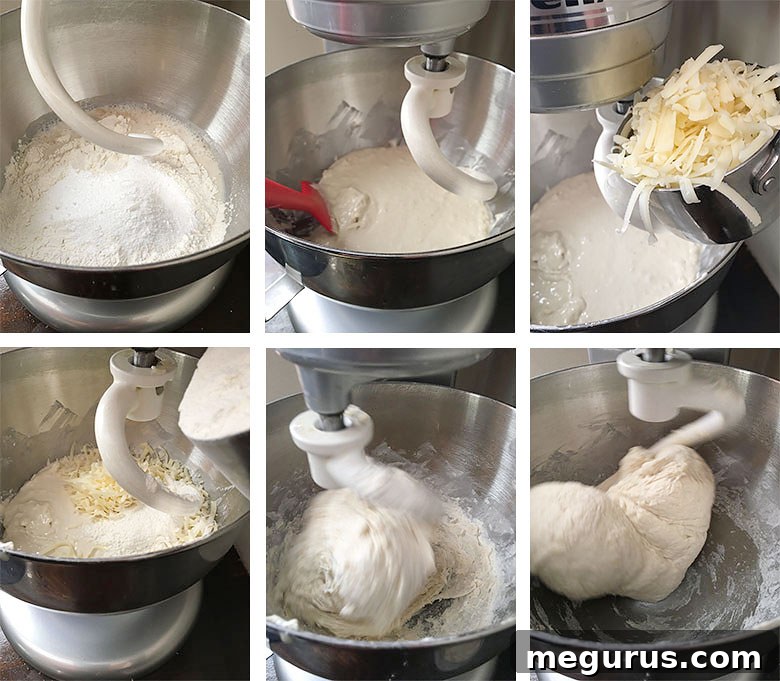
In a large mixing bowl or the bowl of your stand mixer fitted with a dough hook, combine the lukewarm water and yeast. Give it a gentle stir and allow it to sit for about 5 minutes until the yeast becomes foamy, indicating it’s active and ready to work its magic. Next, add the room temperature buttermilk, about 2.5 cups of the all-purpose flour, granulated sugar, baking powder, and salt. Mix these ingredients on low speed for about 30 seconds, or stir vigorously with a spoon until just combined. Scrape down the sides of the bowl, then increase the speed to medium and mix for another 2 minutes, allowing the ingredients to come together into a shaggy dough.
Reduce the mixer speed to low and add the shredded sharp cheddar cheese, along with a small increment of additional flour. Continue to add flour, a little at a time, mixing thoroughly between each addition, until your dough is soft, moist, and just begins to clean the sides of the bowl. The goal is a dough that is pliable but not overly sticky. The exact amount of flour can vary based on humidity and how packed your flour is, so trust the feel of the dough rather than adhering rigidly to the exact measurement.
Shaping the Loaf: Achieving that Perfect Form
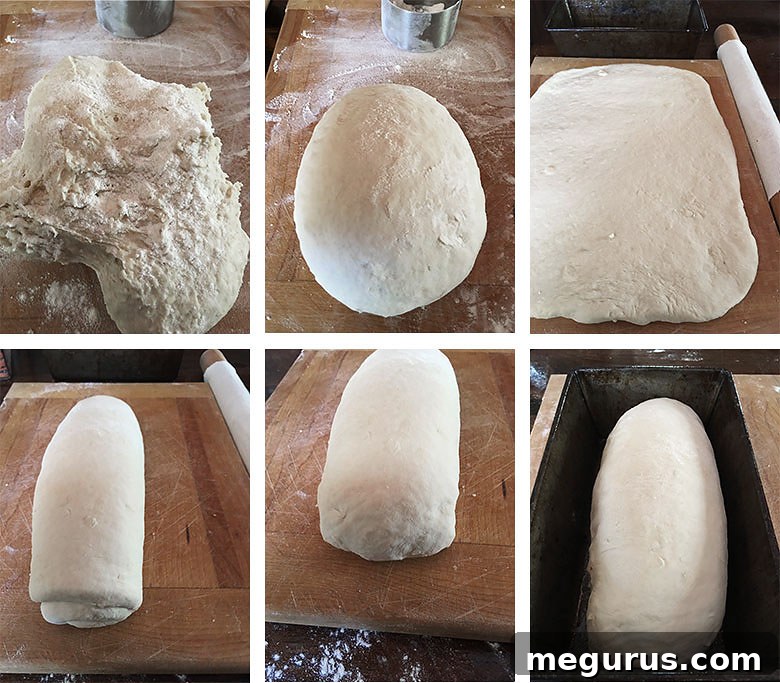
Lightly flour your work surface to prevent sticking, and turn the dough out onto it. Knead briefly, adding only a minimal amount of extra flour if absolutely necessary to prevent the dough from sticking to your hands or the surface. Form the dough into a smooth ball. Using a rolling pin, gently roll the dough into an even rectangle, approximately 11 inches wide and 15-16 inches long. Avoid stretching the dough too much as you roll.
Starting from the short end closest to you, carefully roll the dough up, jelly-roll style, into a snug cylinder. Pinch the bottom seam firmly to seal the roll completely. Next, fold about one inch of each end of the roll underneath, creating neat, finished ends. Your shaped dough should now be approximately 9 inches long, perfectly sized to fit into your greased 9×5-inch loaf pan. Place the seam-side down into the prepared pan.
Rising and Baking: The Final Transformation
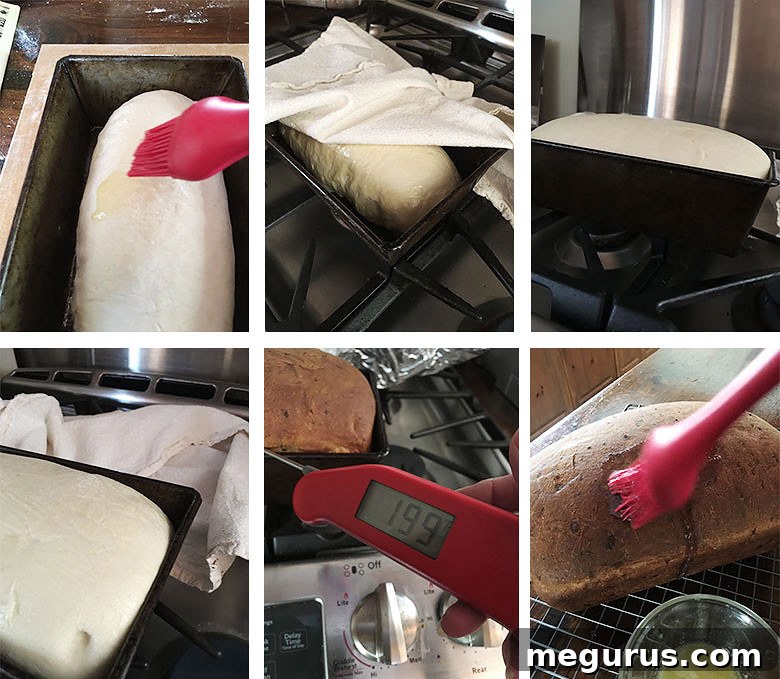
Gently brush the top of the unrisen loaf with some melted butter. This helps to keep the crust soft and prevents it from drying out during the rise. Cover the pan loosely with plastic wrap or a clean tea towel. Allow the bread to rise in a warm place until the center of the loaf crests about 1 inch above the rim of the pan. This typically takes around 90 minutes, though warmer kitchen environments might speed up the process. A quick trick if your kitchen is cool is to place the covered loaf on top of your preheating oven for a little extra warmth.
To test if your loaf is ready for baking, gently poke the corner of the dough with your baby finger. If the indentation slowly springs back only partway and persists, your bread is perfectly proofed and ready to bake. Meanwhile, preheat your oven to 425°F (for non-convection/fan-assisted ovens). Position your oven rack in the lower-third for even baking.
Bake the loaf in the preheated oven for approximately 35-40 minutes. Keep a close eye on it after about 25 minutes. If the top is browning too quickly, loosely tent the loaf with a sheet of aluminum foil to prevent over-browning. The bread is fully baked when its internal temperature reaches between 195-200°F using an instant-read thermometer. If you don’t have a thermometer, you can test for doneness by removing the loaf from the pan and tapping the bottom – it should sound hollow.
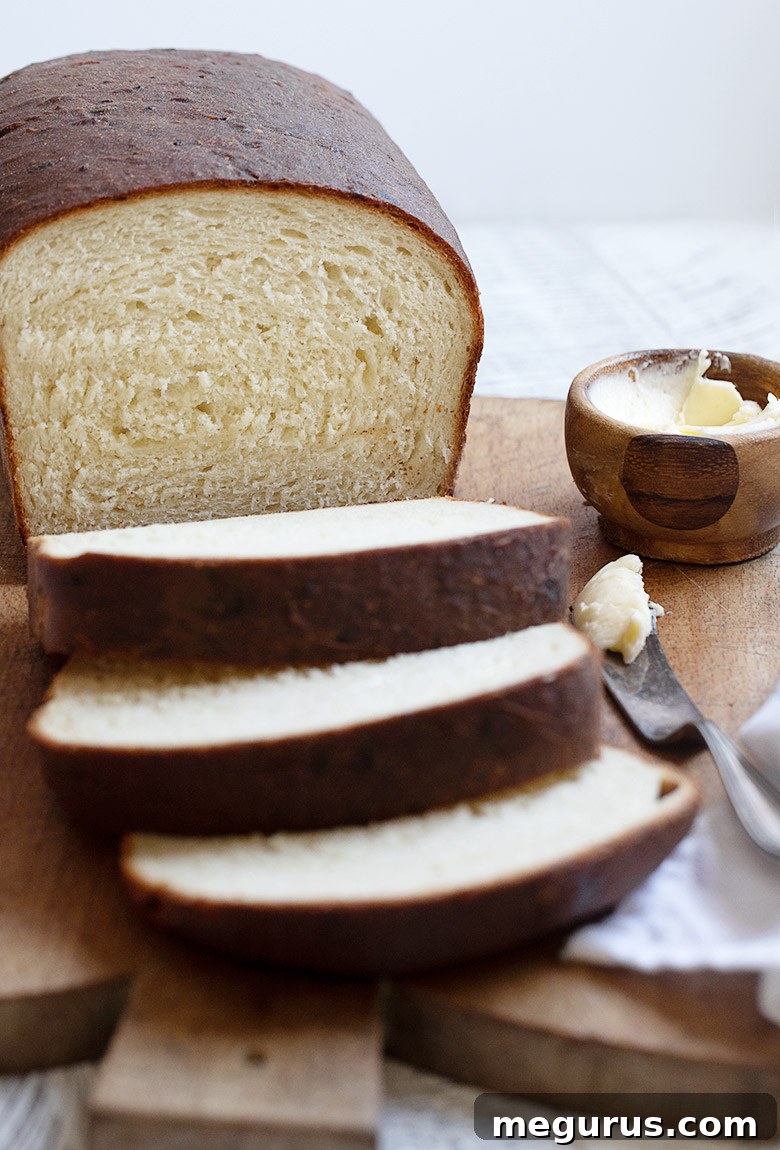
Once baked to perfection, immediately remove the loaf from the pan and transfer it to a wire cooling rack. While still warm, brush the top with a little more melted butter. This final touch adds a beautiful sheen and contributes to an irresistibly soft, pliable crust. Allow the bread to cool completely before slicing to ensure the best texture.
Expert Tips for Buttermilk Cheese Bread Success!
Achieve bakery-quality results every time with these valuable tips and tricks:
- Cheese-Free Option: If you’re craving a pure, tangy buttermilk bread, simply omit the cheese entirely. No other recipe modifications are necessary, making it incredibly versatile!
- DIY Buttermilk Substitute: No buttermilk on hand? No problem! You can easily make your own. For this recipe, combine 1.5 cups of regular milk with 1 tablespoon plus 1 teaspoon of either lemon juice or white vinegar. Let it sit for 10 minutes; the milk will curdle slightly, becoming a perfect buttermilk stand-in.
- Room Temperature Ingredients are Key: For optimal yeast activity and a faster, more effective rise, always start with room temperature buttermilk. Combined with warm water, this creates an ideal environment for your yeast to thrive. If your buttermilk is cold, a quick 10-15 second zap in the microwave can gently warm it up, but be careful not to make it hot.
- Don’t Rush the Rise: While this is a one-rise bread, that single rise is crucial. Give it the full time it needs to crest the pan by about an inch. A properly risen dough will yield a lighter, airier texture.
- Monitor Baking Closely: Ovens can vary. Check your loaf at the 25-minute mark and don’t hesitate to tent it with foil if the crust is browning faster than you’d like. This ensures a golden exterior without burning.
Storage and Freezing Guidelines
Ensuring your delicious buttermilk cheese bread stays fresh for as long as possible is simple:
- Counter Storage: To maintain freshness, wrap the cut end of your loaf tightly with plastic wrap. Store it on your kitchen counter at room temperature for 2-3 days. For best results, consider storing the entire loaf in an airtight bread box or container.
- Freezing for Longer Freshness: This bread freezes exceptionally well, allowing you to enjoy homemade goodness whenever a craving strikes. Once completely cooled, wrap the entire loaf or individual slices tightly in plastic wrap, then an additional layer of aluminum foil. It will keep well in the freezer for up to 3 months, though for optimal flavor and texture, we recommend enjoying it within 1 month of freezing. Thaw at room temperature or gently reheat slices in a toaster or oven.
Serving Suggestions: Beyond the Basic
While this buttermilk cheese bread is undeniably delightful on its own, its versatile flavor profile makes it an excellent companion to a variety of dishes. Here are some ideas to elevate your culinary experience:
- Classic Accompaniment: As mentioned, it’s a dream with hearty stews, chilis, and creamy soups. The sturdy crumb is perfect for soaking up every last drop.
- Gourmet Sandwiches: Elevate your lunch! Use thick slices for grilled cheese, turkey clubs, or a sophisticated BLT. The cheesy flavor pairs wonderfully with savory fillings.
- Breakfast Brilliance: Toast slices and spread with butter, cream cheese, or a poached egg for a decadent breakfast. The subtle tang of buttermilk makes it a fantastic morning treat.
- Appetizer Platter: Cut into cubes and serve alongside a charcuterie board with cured meats, olives, and pickled vegetables.
- Bruschetta Base: Lightly toast slices, rub with garlic, and top with fresh tomatoes, basil, and a drizzle of balsamic glaze for a cheesy twist on bruschetta.
Buttermilk Cheese Bread Recipe
A large and impressive yeast bread, this buttermilk cheese bread is flavored with a hint of sharp Cheddar cheese. This quick and easy recipe is perfect for using up leftover buttermilk, yielding a loaf with a delightful texture and rich taste.
Prep Time: 15 mins
Cook Time: 35 mins
Rising Time: 1 hr 30 mins
Total Time: 2 hrs 20 mins
Yield: 12 servings
Pin This Recipe
Ingredients
- 4 1/2 teaspoons active dry yeast or Instant yeast
- 3/4 cup lukewarm water (105-110°F)
- 1 1/2 cups buttermilk, at room temperature (see Notes below for substitute)
- 4-4 1/2 cups all-purpose flour, approximately
- 2 Tablespoons white granulated sugar
- 2 teaspoons baking powder
- 2 teaspoons fine salt
- 1 cup sharp Cheddar cheese, shredded and packed
- 2 Tablespoons butter, melted, for brushing loaf before and after baking
Equipment
- One 9×5 inch loaf pan
- Large mixing bowl or stand mixer with kneading hook
- Rolling pin
- Wire cooling rack
Instructions
- Grease one 9×5-inch loaf pan and set aside. If using a glass loaf pan, reduce the stated oven temperature by 25°F.
- In a large bowl or the bowl of a stand mixer, add the warm water and yeast. Stir gently to combine and allow to stand for 5 minutes until foamy.
- Add the room temperature buttermilk, 2 1/2 cups of the flour, white sugar, baking powder, and salt to the yeast mixture. Blend with a spoon or on low speed in a stand mixer for about 30 seconds. Scrape down the sides of the bowl, then increase speed to medium and mix for about 2 minutes.
- Reduce speed to low and add the shredded cheese and a bit more flour. Mix to combine. Continue adding flour in small increments, mixing between additions, until you have a moist, soft, and smooth dough that cleans the side of the bowl. Adjust flour as needed; you might use slightly more or less than specified.
- Remove the dough to a lightly floured work surface and knead briefly, adding flour only if the dough is sticking. Form into a ball. Using a rolling pin, roll the dough into a rectangle approximately 11 inches wide and 15-16 inches long.
- Starting from the short side closest to you, roll the dough up jelly-roll style. Pinch the seam together firmly to seal the roll. Fold about 1 inch of each end of the roll underneath. The roll should now be about 9 inches long. Place the roll, seam-side down, into your greased 9×5-inch loaf pan.
- Brush the top of the loaf with some melted butter, then cover loosely with plastic wrap or a clean tea towel. Allow the loaf to rise in a warm place until it crests the pan by about 1 inch in the center, approximately 90 minutes (this time can vary with kitchen temperature).
- While the loaf is rising, move your oven rack to the lower-third position. Preheat oven to 425°F (non-convection). Remember to reduce to 400°F if using a glass pan.
- To test if the loaf is ready to bake, gently poke the corner with your baby finger. If the indentation persists and slowly fills back partway, it’s ready.
- Bake in the preheated oven for about 35-40 minutes. Check the loaf at around 25 minutes; if the top is browning too much, loosely cover it with aluminum foil. Bake until the internal temperature reaches 195-200°F. If you don’t have a thermometer, remove the loaf from the pan and tap the bottom; it should sound hollow.
- Once baked, immediately remove the loaf from the pan and place it onto a cooling rack. For a lovely shine and softer crust, brush the top with more melted butter. Allow to cool completely before slicing and serving.
Notes
Buttermilk Substitute: If you don’t have buttermilk, mix 1.5 cups regular milk with 1 Tbsp + 1 tsp lemon juice or white vinegar. Let stand for 10 minutes before using.
Browning Control: Always check your loaf early during baking and cover loosely with aluminum foil if needed to prevent over-browning.
Room Temperature Ingredients: Starting yeast dough with cold liquid can slow the rise. Ensure buttermilk is at room temperature; a quick microwave zap can help if it’s too cold.
Cheese-Free Version: For a straight-up buttermilk bread, simply omit the cheese. No other modifications are required.
For more detailed tips, variations, and substitution suggestions, please refer to the comprehensive article above this recipe card!
Cuisine: American, Canadian
Course: Bread
Author: Jennifer Maloney
Nutrition Facts (per serving)
Serving: 1 serving, Calories: 267kcal, Carbohydrates: 42g, Protein: 10g, Fat: 7g, Saturated Fat: 4g, Cholesterol: 18mg, Sodium: 498mg, Potassium: 210mg, Fiber: 2g, Sugar: 4g, Vitamin A: 202IU, Calcium: 140mg, Iron: 2mg
Tried this recipe? We’d love to hear your thoughts! If you enjoyed this Buttermilk Cheese Bread, please consider leaving a star rating and comment below. Your feedback helps others discover and enjoy this fantastic recipe too!