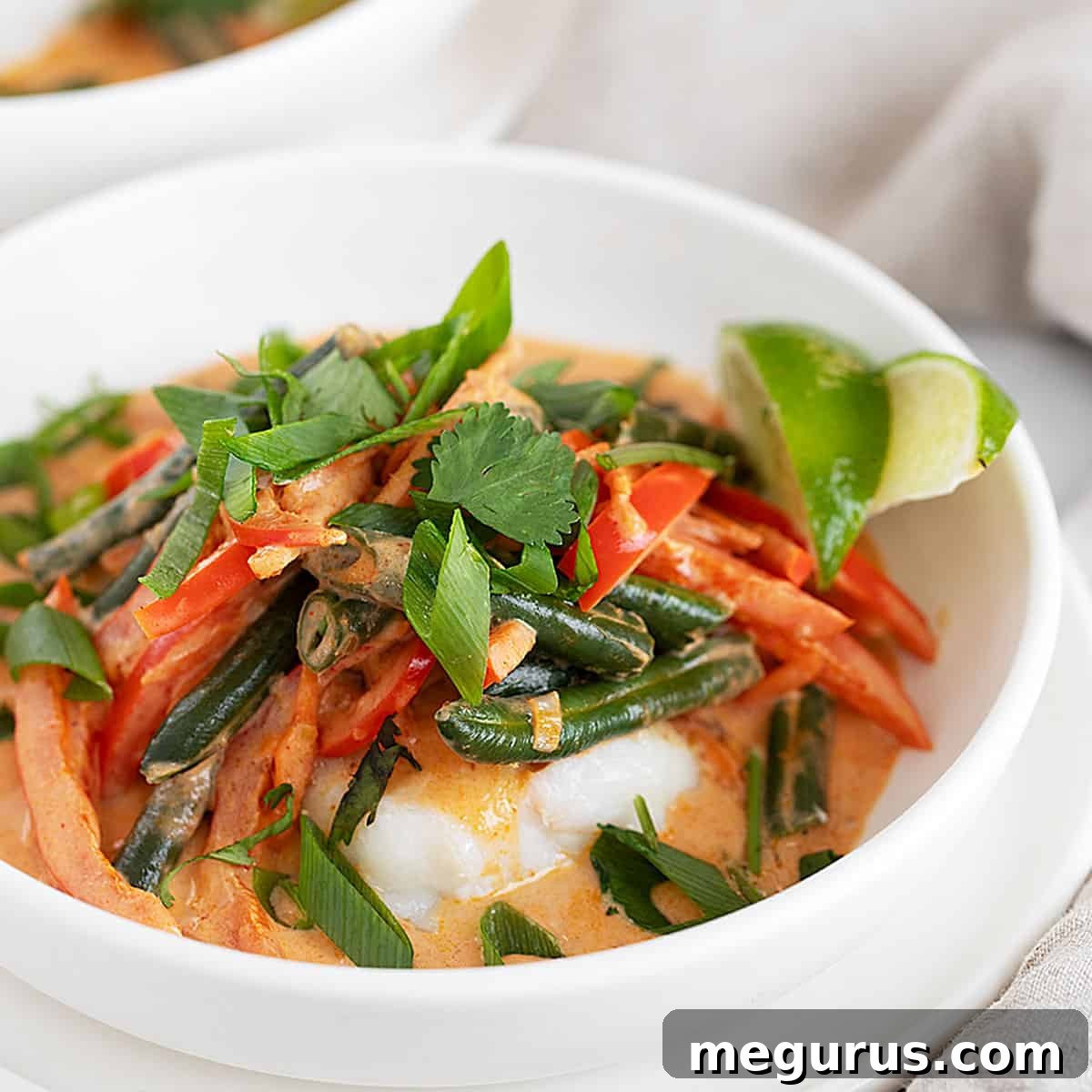
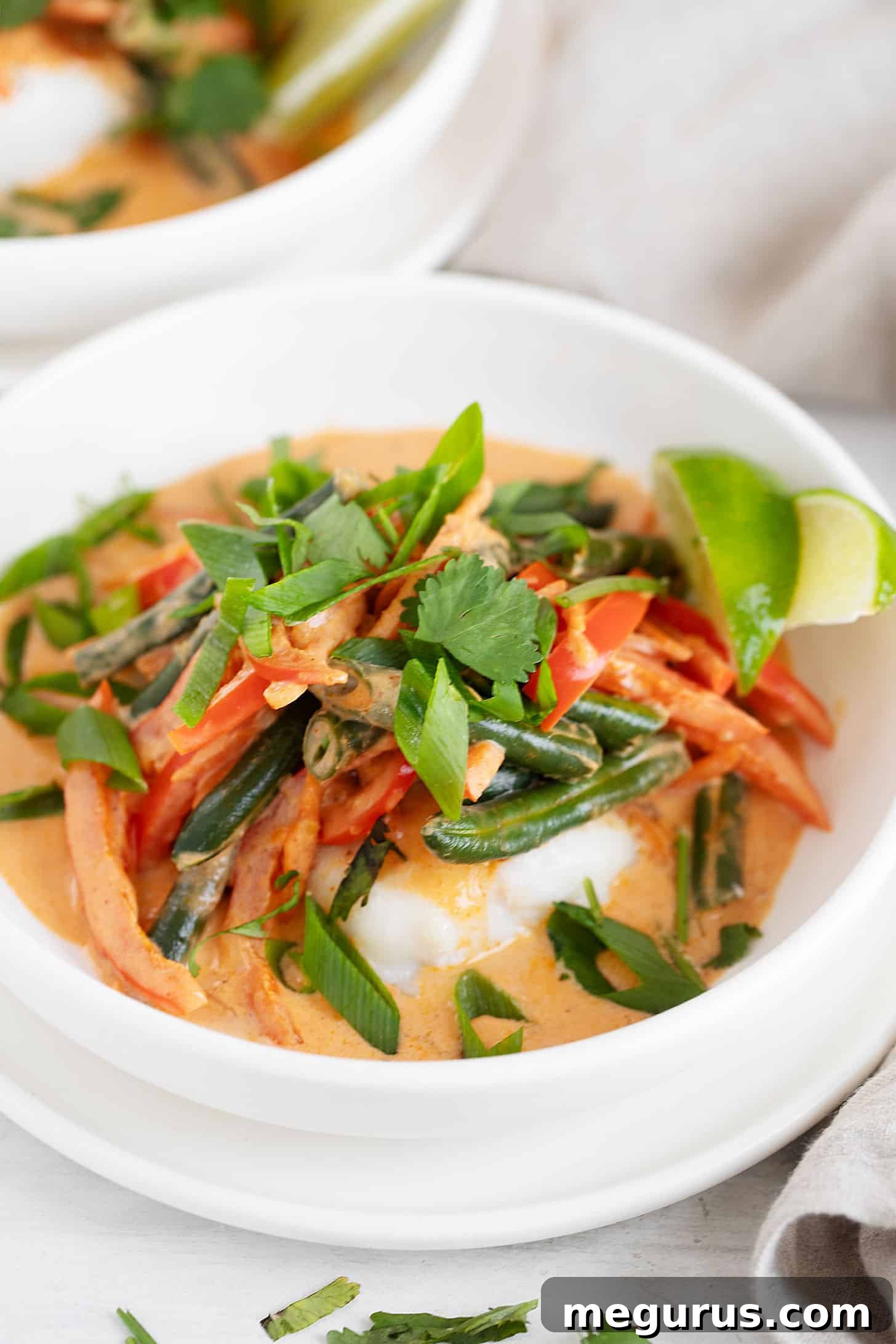
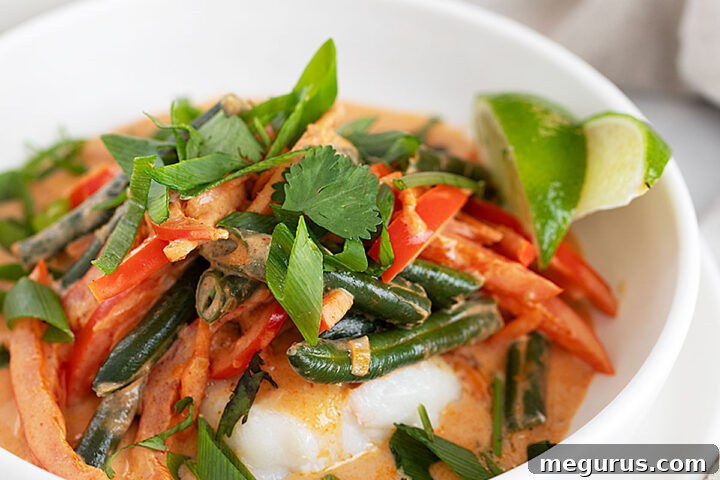
Transform your dinner routine with this sensational **Thai Red Curry Fish**, a vibrant and flavor-packed dish that promises a delightful escape from the ordinary. Ready in under 30 minutes, this recipe offers a refreshing alternative to everyday chicken meals, making it perfect for busy weeknights when you crave something both exotic and effortless. Imagine tender, flaky white fish bathed in a rich, aromatic coconut milk curry, brimming with fresh vegetables and infused with the quintessential tastes of Thailand. It’s a culinary journey in a single bowl, designed for convenience without compromising on authentic, mouth-watering flavor.
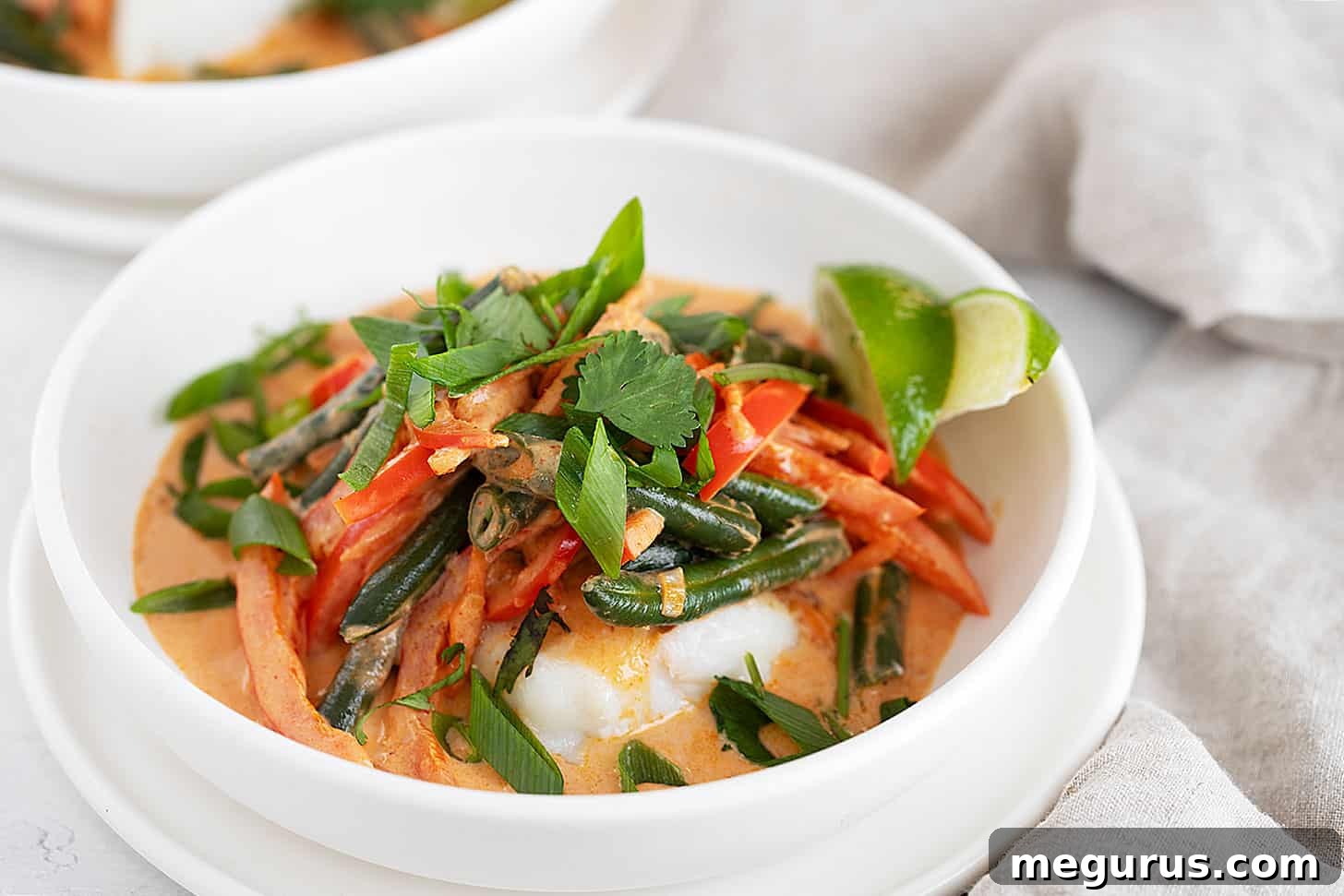
If you’re constantly searching for innovative and delicious ways to enjoy fish, look no further. This Thai Red Curry Fish recipe is not only incredibly quick to prepare but also incredibly versatile, working beautifully with almost any type of whitefish you have on hand. Beyond its speed, this dish stands out for its balanced nutrition, providing a wholesome meal complete with protein, healthy fats, and an abundance of colorful vegetables, all artfully combined into one satisfying bowl. It’s a testament to how easily you can bring restaurant-quality Thai cuisine right into your home kitchen.
Why You’ll Love This Quick Thai Fish Curry
This Thai Red Curry Fish isn’t just another recipe; it’s a game-changer for anyone seeking healthy, flavorful, and fast dinner ideas. Here’s why it will quickly become a household favorite:
- Effortless & Fast: From prep to plate in less than 30 minutes, it’s the ultimate solution for demanding schedules.
- Bursting with Flavor: The rich, spicy, sweet, and sour notes of authentic Thai red curry paste, coconut milk, and fresh aromatics create an unforgettable taste experience.
- Healthy & Wholesome: Packed with lean protein from the fish and a generous serving of vibrant vegetables, it’s a meal that nourishes your body without sacrificing taste.
- Versatile & Customizable: Easily adapt the type of fish, vegetables, and spice level to suit your preferences or what you have available.
- One-Bowl Wonder: A complete meal in itself, minimizing cleanup and maximizing enjoyment.
- A Fantastic Alternative: A refreshing change from chicken, offering a unique flavor profile that brightens up your weekly meal plan.
Essential Ingredients You’ll Need
Crafting this delicious Thai red curry fish begins with selecting the right ingredients. Here’s a detailed look at what you’ll need and some helpful tips for each:
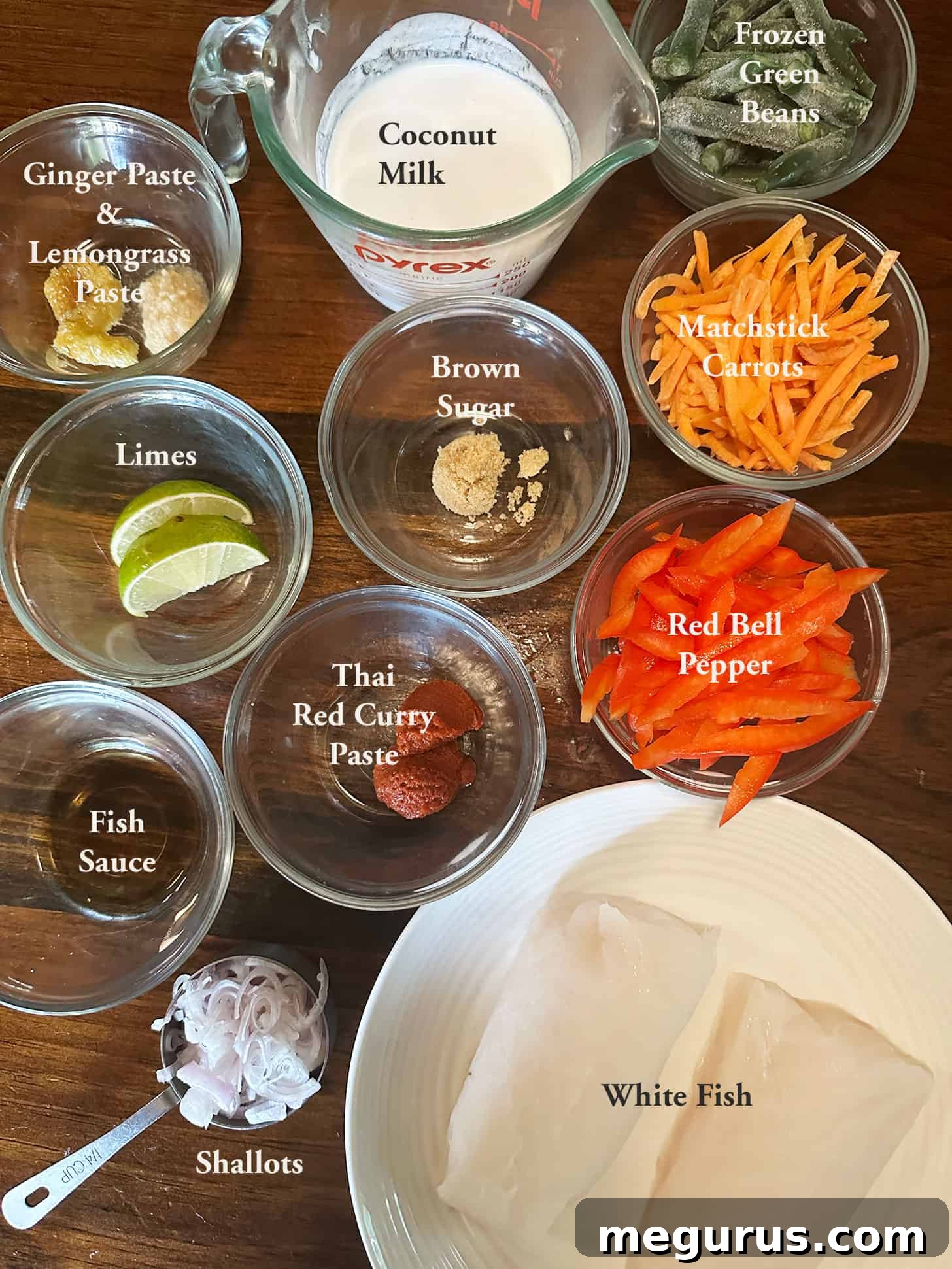
- Whitefish: The star of our dish! While I’ve used boneless, skinless cod here for its firm, flaky texture and mild flavor, this recipe is incredibly forgiving and works wonderfully with a variety of white fish. Options include pollock, sea bass, grouper, flounder, tilapia, sole, haddock, or halibut. Opt for fresh fillets if possible, but high-quality frozen fish, properly thawed, works just as well. Ensure it’s boneless and skinless for the best eating experience.
- Thai Red Curry Paste: This is the heart of the curry’s flavor. You’ll typically find it in the international foods aisle of your grocery store. Different brands vary in heat level and flavor depth, so feel free to experiment. If red paste isn’t available, or if you prefer a different profile, green or yellow curry paste can be substituted effectively. Start with the recommended amount and adjust to your preferred spice level.
- Shallots (or Onion): Shallots offer a milder, sweeter, and more delicate onion flavor, which complements Thai cuisine beautifully. If shallots aren’t readily available, a regular yellow cooking onion can be finely sliced and used as a suitable substitute without significantly altering the dish’s overall profile.
- Matchstick Carrots: For convenience and quick cooking, pre-bagged matchstick carrots are a true time-saver. These slender carrot sticks cook rapidly, adding a pleasant crunch and vibrant color. If you prefer to prepare your own, shredding carrots on a box grater or spiralizing them and then cutting into smaller pieces are excellent alternatives that minimize prep time and ensure even cooking.
- Frozen Green Beans: An incredibly convenient way to add fresh green vegetables to your curry. Frozen green beans require no chopping and cook quickly, maintaining their crispness. Fresh green beans are also excellent, simply trim them. If green beans aren’t on hand, consider other green vegetable substitutes like frozen peas, broccoli florets, or even fresh spinach (add spinach at the very end of cooking, just until wilted, for best results).
- Coconut Milk: For the richest, creamiest, and most authentic curry sauce, full-fat coconut milk is highly recommended. Its high-fat content contributes significantly to the sauce’s luxurious texture and depth of flavor. However, if you’re looking for a lighter option, lite coconut milk will also work, though the sauce may be slightly thinner. Always stir the can well before opening, as the cream and water often separate.
- Ginger Paste: A fantastic shortcut for fresh ginger flavor. Ginger paste, found in tubes or small jars in the produce section, saves you the hassle of peeling and grating. If you prefer, fresh ginger, finely minced, is an excellent alternative. Ginger adds a warm, spicy, and aromatic note vital to Thai dishes.
- Lemongrass Paste: Another convenient paste that brings a distinctive bright, citrusy, and slightly floral aroma characteristic of Thai cooking. Like ginger paste, it’s often found in tubes. If you have fresh lemongrass stalks, you can achieve a similar effect by peeling the tough outer layers and finely mincing the tender inner core. While optional, it elevates the authenticity of the curry.
- Fish Sauce: This potent condiment provides a crucial savory, umami depth to Thai dishes, balancing the other flavors. While it can be omitted if you don’t have it, it’s highly recommended for an authentic taste. A little goes a long way, so add sparingly and taste as you go.
- Brown Sugar (Optional): A small amount of brown sugar helps to balance the heat and acidity of the curry, adding a subtle sweetness that rounds out the flavor profile. Adjust to your taste, or omit if you prefer less sweetness.
- Fresh Lime Juice: A final squeeze of fresh lime juice is essential for brightening the entire dish. It adds a zesty, tangy finish that cuts through the richness of the coconut milk and harmonizes all the flavors.
- Cooking Oil: Any neutral cooking oil, such as olive oil, canola oil, or vegetable oil, will work for sautéing the vegetables.
- Salt: Essential for seasoning! Taste and adjust at the end to ensure the flavors sing.
Step-by-Step Visual Guide to Deliciousness
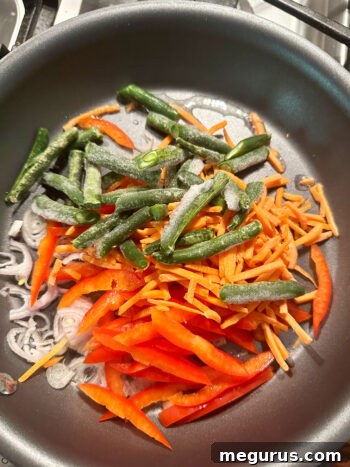
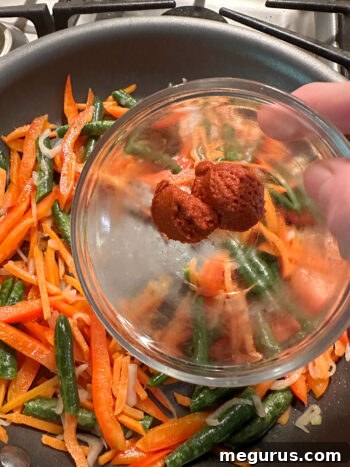
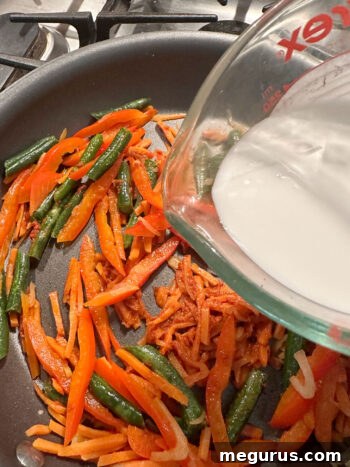
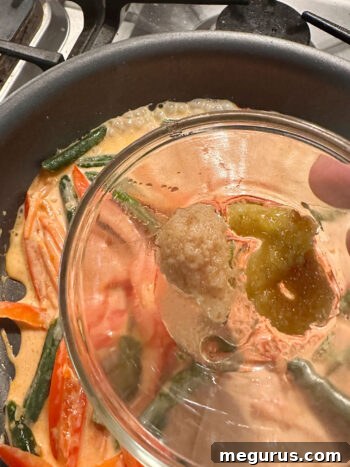
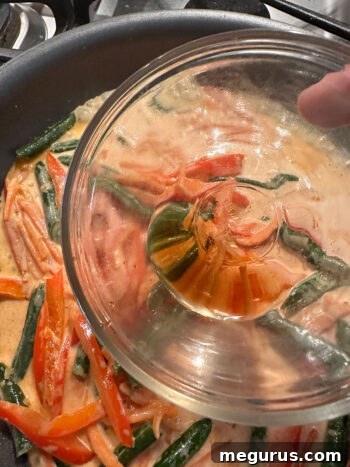
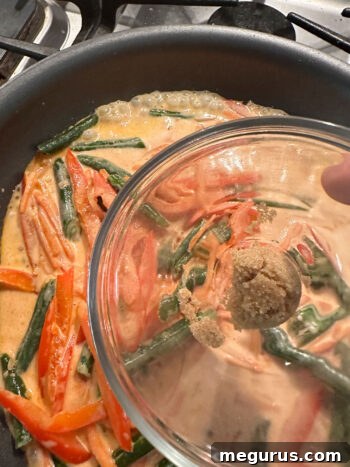
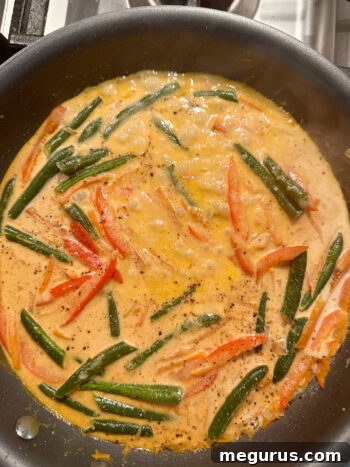
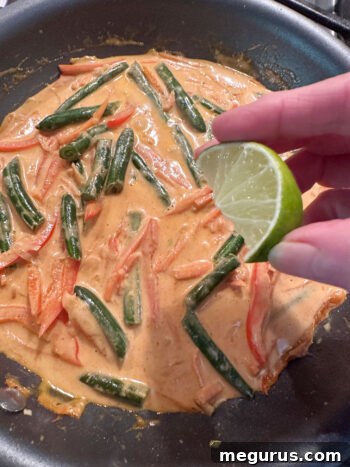
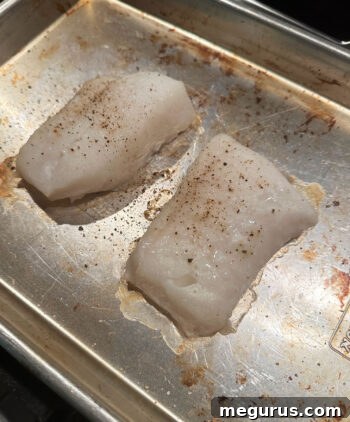
Follow these step-by-step photos to ensure your Thai Red Curry Fish turns out perfectly every time. Each image guides you through the process, from sautéing the vibrant vegetables to simmering the fragrant sauce.
Easy Cooking Instructions
This recipe is designed for maximum flavor with minimal effort. Here’s how to bring it all together:
- Prepare the Fish: Begin by cooking your whitefish. The easiest method is baking: pat thawed, boneless, skinless fillets dry, brush with a little olive oil, and season with salt and pepper. Place on a foil-lined baking sheet (for easy cleanup!) and bake in a preheated 375°F (190°C) oven for 15-20 minutes, or until the fish flakes easily with a fork and reaches an internal temperature of 145°F (63°C). Cooking the fish in the oven allows you to focus on the sauce simultaneously. Alternatively, you can pan-fry the fish in a separate skillet if preferred.
- Sauté the Vegetables: While the fish bakes, heat a teaspoon of cooking oil in a large skillet or wok over medium heat. Add the thinly sliced shallots (or onion), red bell pepper, matchstick carrots, and green beans (fresh or frozen). Sauté for 3-4 minutes, stirring occasionally, until the vegetables begin to soften but still retain a slight crispness.
- Bloom the Curry Paste: Add the Thai red curry paste to the sautéed vegetables. Cook, stirring constantly, for about 1 minute. This step, known as “blooming” the paste, helps to release its full aromatic potential and deepens the curry’s flavor.
- Create the Sauce: Pour the full-fat coconut milk into the skillet, stirring well to combine it with the curry paste and vegetables. Add the fish sauce, brown sugar (if using), ginger paste, and lemongrass paste (if using). Stir everything thoroughly.
- Simmer to Perfection: Reduce the heat to medium-low and allow the sauce to gently simmer for 5-7 minutes, or until the fish is ready. This simmering time allows the flavors to meld beautifully and the sauce to thicken slightly.
- Finish and Season: Just before serving, squeeze in the fresh lime juice. Taste the sauce and adjust seasonings as needed. If it tastes flat, add a pinch more salt. If you desire more heat or a stronger curry flavor, stir in a bit more red curry paste, a quarter teaspoon at a time, until it’s perfect for your palate.
- Serve: Once the fish is cooked, carefully remove it from the oven and place it in individual serving bowls. Generously spoon the hot, flavorful curry sauce and vegetables over the fish. Garnish with fresh chopped cilantro, sliced green onions, and serve with extra lime wedges on the side for squeezing.
Tips and Tricks for the Best Thai Red Curry Fish
Achieving a perfect Thai Red Curry Fish is simple with these expert tips:
- Spice Level Control: Thai red curry paste varies greatly in heat. Start with the recommended amount (1 tablespoon) and taste the sauce after it has simmered. If you prefer more spice, stir in an additional half teaspoon at a time until it reaches your desired heat level.
- Seasoning is Key: Don’t underestimate the power of salt! Always taste your sauce at the end of cooking and season with salt as needed. If the flavors seem muted or “flat,” it likely needs a touch more salt to truly shine.
- Fish Cooking Flexibility: While baking the fish in the oven is incredibly convenient and allows you to multitask with the sauce, you can cook the fish using your preferred method. Pan-frying in a separate skillet with a little oil until golden and cooked through is another excellent option. Just ensure the fish is cooked until flaky and tender.
- Vegetable Prep Shortcuts: Time is precious! Save valuable minutes by purchasing pre-cut matchstick carrots. You can find them bagged with other vegetables or pre-packaged salads. Alternatively, a box grater works wonders for quickly shredding carrots, or spiralize them and cut into shorter pieces.
- Ingredient Quality: Using fresh ingredients, especially good quality fish and vibrant vegetables, will significantly enhance the final flavor of your curry.
- Don’t Overcook the Fish: White fish cooks quickly. Be mindful not to overcook it, as it can become dry and tough. It should flake easily with a fork but still be moist.
- Thickening the Sauce: If you prefer a thicker sauce, let it simmer for a few extra minutes uncovered, allowing some of the liquid to evaporate. For a thinner sauce, you can add a splash more coconut milk or a little water/broth.
Top Tip! Save Time with Pre-Cut Carrots
One of the easiest ways to speed up this recipe is to ditch the knife and board for carrots. Seriously, don’t spend time match-sticking them! Many grocery stores stock small bags of pre-cut matchstick carrots, often found near the whole carrots or in the packaged salad section. These are not only fantastic for this curry but also great for stir-fries, salads, and quick snacks. It’s a small shortcut that makes a big difference in reducing your prep time!
What to Serve with Thai Red Curry Fish
This Thai red curry fish is so rich and satisfying, it truly feels like a complete meal all on its own, packed with fish and plenty of vegetables. However, if you’re looking to round out the experience or simply love pairing your curries with something extra, here are some perfect additions:
- Rice: The classic accompaniment! Fragrant jasmine rice or fluffy basmati rice are ideal for soaking up every drop of that delicious, creamy sauce. Brown rice also makes a wholesome and nutty alternative.
- Noodles: For a different texture, serve your curry over thin rice vermicelli noodles or wider flat rice noodles.
- Cauliflower Rice: If you’re watching your carb intake, cauliflower rice is an excellent low-carb option that still provides a neutral base for the curry.
- Fresh Herbs: Always have extra fresh cilantro and sliced green onions on hand for garnishing. They add a burst of freshness and color that enhances the dish visually and aromatically.
- Lime Wedges: A squeeze of fresh lime juice just before eating brightens all the flavors and adds a zesty finish.
- Chili Flakes or Fresh Chilies: For those who love extra heat, offer a sprinkle of red chili flakes or finely sliced fresh bird’s eye chilies on the side.
Frequently Asked Questions (FAQs)
Can I use frozen fish for this recipe?
Absolutely! High-quality frozen fish fillets work perfectly. Just ensure they are fully thawed before cooking. Pat them dry thoroughly to prevent excess moisture from diluting the sauce or affecting cooking consistency.
How can I make this dish spicier?
The easiest way to increase the heat is to add more Thai red curry paste. Start with the recommended amount, then add an additional half teaspoon at a time, tasting after each addition, until you reach your desired spice level. You can also garnish with fresh sliced bird’s eye chilies or a pinch of red pepper flakes.
Can I make this curry vegetarian or vegan?
Yes! To make it vegetarian, substitute the fish with firm tofu (pressed and cubed, then pan-fried until golden) or tempeh. Replace fish sauce with a vegetarian-friendly alternative like soy sauce or tamari, or simply omit it and adjust salt to taste. Ensure your red curry paste is vegan-friendly, as some brands contain shrimp paste. Add extra vegetables like mushrooms, bamboo shoots, or bell peppers.
What if I don’t have lemongrass paste?
While lemongrass paste adds a unique aromatic depth, your curry will still be delicious without it. You can skip it entirely or compensate by adding a little extra ginger paste and a touch more lime juice to enhance the citrus notes.
Can I prepare the sauce in advance?
Yes, the curry sauce can be made a day or two in advance and stored in an airtight container in the refrigerator. When you’re ready to eat, gently reheat the sauce on the stovetop and then cook your fish and add it to the hot sauce just before serving.
How should I store and reheat leftovers?
Store any leftover Thai red curry fish in an airtight container in the refrigerator for up to 2-3 days. Reheat gently on the stovetop over medium-low heat, or in the microwave, until warmed through. Be careful not to overcook the fish when reheating to maintain its tender texture.
Get the Recipe: Thai Red Curry Fish
Pin This
Leave a Review
Ingredients
- 2 fillets whitefish, such as cod, sole, tilapia, halibut, pollock, haddock, boneless and skinless, fresh or frozen
- 2 teaspoons cooking oil, for pan
- 1/4 cup shallot or onion, thinly sliced
- 1/2 medium bell pepper, cored, thinly sliced and cut into bite-sized lengths
- 1 cup fresh or frozen green beans
- 1/2 cup matchsticked or shredded carrots
- 1 Tablespoon Thai red curry paste, plus more to taste
- 2/3-1 cup full-fat coconut milk, stirred (or all of a 160ml/5.4oz can)
- 1 teaspoon fish sauce
- 1 teaspoon brown sugar, optional
- 1 teaspoon ginger paste, or 1/2 tsp fresh ginger minced
- 1 teaspoon lemongrass paste, optional
- Juice of 1/4 lime
- Salt, as needed
For serving:
- Chopped fresh cilantro
- Green onion, sliced
- Lime wedges, for drizzling
Instructions
-
Ingredients are for 2 servings. Feel free to adjust quantities for more servings.
-
Cook fish: Start with thawed fish. Pat dry and brush with a bit of olive oil. Season with salt and pepper. Place onto a baking sheet (foil lined for easy clean-up is always good). Cook in a 375F oven for 15-20 minutes, until the fish flakes or reaches 145F internal temperature. This allows you to focus on making the sauce while the fish cooks. Alternately, you can pan fry the fish. You’ll need two skillets working side-by-side if doing so.
-
Make sauce: Heat oil in a skillet over medium heat. Add the shallots, red bell pepper, carrots and green beans. Cook, stirring, 3-4 minutes, or until the vegetables have softened.
-
Add the red curry paste to the skillet and cook, stirring, about 1 minute. Add the coconut milk, fish sauce, brown sugar, ginger paste and lemongrass paste. Stir to combine. Reduce heat to medium-low and simmer sauce until the fish is ready.
-
Finish the sauce with a squeeze of fresh lime juice, then taste the sauce. Add additional salt as needed. You can also add more red curry paste, to taste.
-
When the fish is cooked, remove from the oven and place in a serving bowl. Spoon the hot sauce and vegetables over the fish. Serve garnished with sliced green onion and fresh chopped cilantro and with lime wedges on the side.
Notes
Don’t waste time match-sticking the carrots. You can buy match-sticked carrots quite easily these days. Alternately, just shred with a box grater or spiralize them and cut into pieces. It’s much quicker and they will cook up more quickly.
Be sure to read the notes above this Recipe Card, for more tips on making this recipe.
Calories: 377kcal,
Carbohydrates: 16g,
Protein: 38g,
Fat: 20g,
Saturated Fat: 16g,
Polyunsaturated Fat: 1g,
Monounsaturated Fat: 2g,
Cholesterol: 85mg,
Sodium: 363mg,
Potassium: 1004mg,
Fiber: 4g,
Sugar: 8g,
Vitamin A: 7839IU,
Vitamin C: 50mg,
Calcium: 82mg,
Iron: 5mg
Tried this recipe?
If you enjoyed this recipe, please leave a star rating and comment. It helps others to find it!