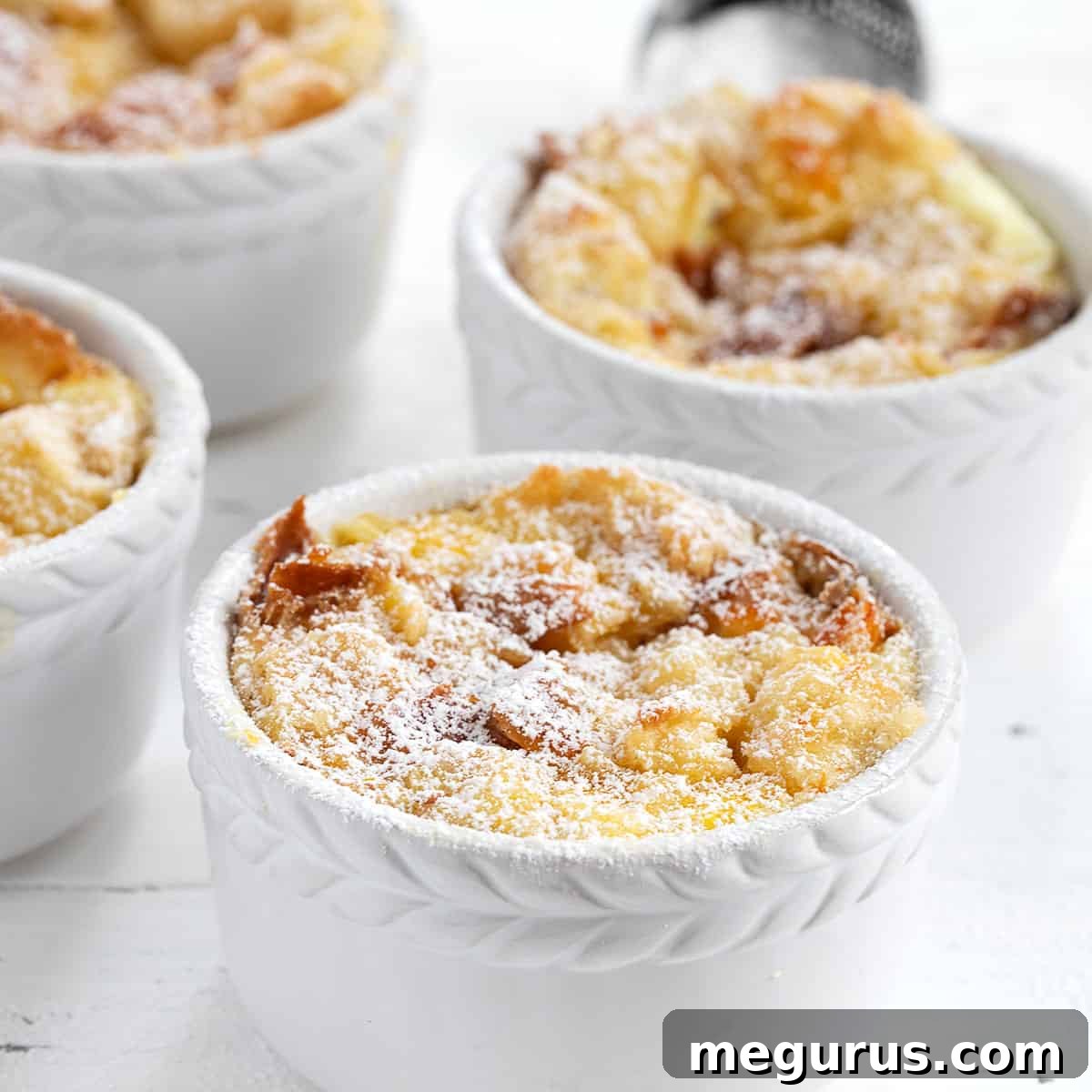
Indulge in a truly comforting dessert that perfectly balances sweet and tangy notes with this incredible Orange Marmalade Bread Pudding. Whether served warm with a dusting of confectioners’ sugar or enjoyed at room temperature, this delightful dish makes an exquisite ending to any meal and an equally appealing option for a weekend brunch spread.
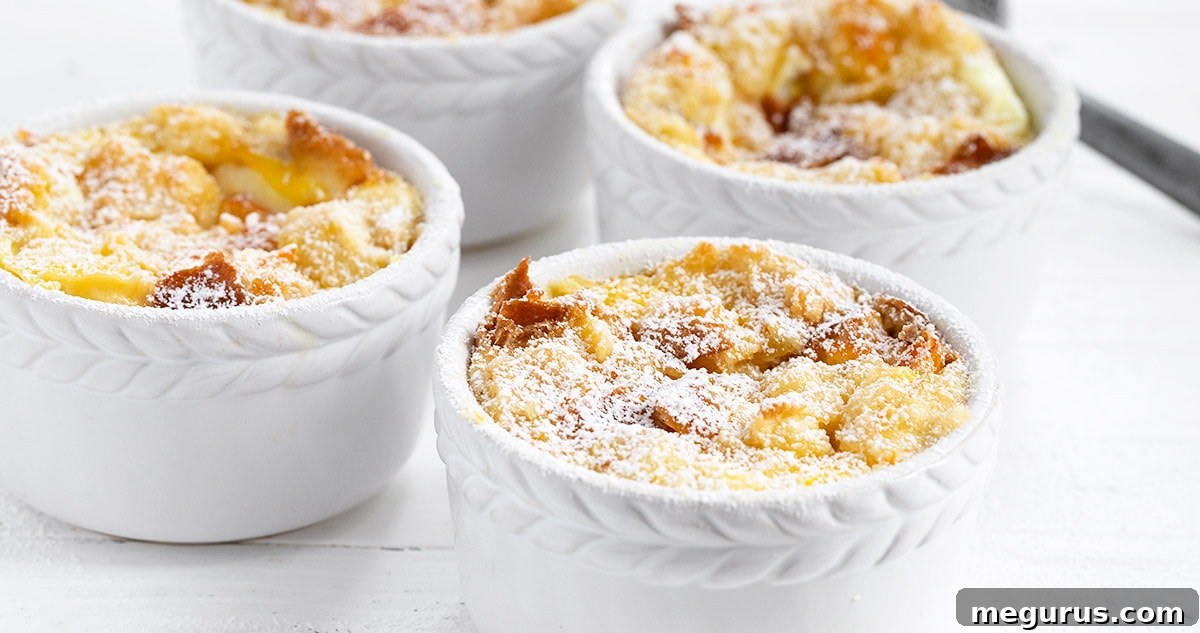
Have you recently experimented with making your own homemade orange marmalade, or perhaps you have a precious jar of it tucked away in your fridge? If so, you’re perfectly poised to create this effortlessly delicious and uniquely flavored orange marmalade bread pudding. This recipe not only transforms simple ingredients into something extraordinary but also offers a wonderful way to utilize day-old bread, minimizing food waste while maximizing flavor.
While often used interchangeably, this recipe is technically a “bread and butter pudding,” a classic variation that distinguishes itself by incorporating a layer of butter spread onto the bread before it’s soaked in the rich custard. This thoughtful addition elevates the pudding, infusing it with extra richness and creating delightfully crisp edges that contrast beautifully with the soft, custard-soaked interior. It’s this subtle touch that truly makes a difference, adding a depth of flavor and texture that sets it apart from a standard bread pudding.
Bread pudding, in all its forms, stands as a testament to culinary ingenuity – an excellent method for repurposing slightly stale or leftover bread. The result is a warm, inviting dessert that embodies comfort and nostalgia. Its rustic charm and satisfying flavors make it a favorite for any occasion, from casual family dinners to more elaborate brunch gatherings. The beauty of this dessert lies in its simplicity and the heartwarming feeling it brings with every spoonful.
The Heart of the Recipe: Key Ingredients & Thoughtful Substitutions
Crafting the perfect orange marmalade bread pudding begins with understanding the role of each ingredient. Here’s a deeper dive into what you’ll need and how you can adapt the recipe to your pantry or preferences.
Orange Marmalade: The Star Flavor
The star of this dessert, orange marmalade, brings a unique blend of sweetness and tartness, along with a pleasant citrusy bitterness that beautifully cuts through the richness of the custard. Any quality orange marmalade will work wonders here, whether it’s a vibrant homemade batch you whipped up or a favorite store-bought brand. You can choose between fine-cut for a smoother texture or coarse-cut for more pronounced citrus peel bits, depending on your preference. The marmalade not only infuses the bread with its distinctive flavor but also adds a lovely caramelized note during baking.
Bread: The Foundation of Flavor and Texture
As noted, bread pudding is an ingenious way to utilize stale bread. The slightly dried-out texture of day-old bread is crucial, as it readily absorbs the custard mixture without becoming mushy. This ensures a pudding with a delightful consistency – tender and moist on the inside, with a slight chew. While crusty artisan breads like brioche, challah, or even a day-old baguette can create a particularly rich and luxurious pudding, simpler options like sandwich bread or leftover buns work perfectly well. If you don’t have stale bread on hand, simply cut fresh bread into cubes (about ¾ to 1 inch), spread them evenly on an uncovered sheet pan, and let them air-dry for a few hours, or even overnight. A quick toast in a low oven (around 200°F/95°C) for 10-15 minutes can also speed up the drying process.
Butter: Enhancing Richness and Golden Edges
The addition of melted butter, a hallmark of “bread and butter pudding,” is highly recommended for an extra layer of flavor and texture. Drizzling and tossing the bread cubes with butter before soaking creates wonderfully rich and slightly crispy edges. This enhances the overall mouthfeel and provides a delightful contrast to the soft interior. While not strictly essential, omitting it will result in a slightly less rich pudding. If you need to skip it for dietary reasons, the pudding will still be delicious. For best results, use unsalted butter to control the overall saltiness of the dish.
Milk: The Custard’s Creamy Base
Milk forms the primary liquid base of our custard. For the richest and most decadent results, full-fat milk (whole milk) or 2% milk is highly recommended. The higher fat content contributes to a creamier, more luxurious custard that sets beautifully. Skim milk can be used in a pinch, but it will yield a lighter, less indulgent pudding.
Cream: For an Extra Touch of Indulgence
Incorporating cream alongside milk significantly enhances the richness and texture of the custard. You have several options here, depending on how rich you desire your pudding to be:
- 10% Half-and-Half Cream: A good balance of richness without being overly heavy.
- 18% Table Cream: A step up in creaminess, providing a more luxurious texture.
- 35% Whipping Cream: For the ultimate indulgence, whipping cream will yield the richest, most decadent bread pudding imaginable.
Choose what you have on hand or what best suits your taste for a truly satisfying dessert.
Eggs: The Binding and Setting Agent
Large eggs are crucial for binding the custard mixture and giving the bread pudding its signature set and smooth texture. They emulsify the liquids and, when baked, coagulate to create the firm yet tender custard that holds the bread together. Three large eggs are typically sufficient to create a perfectly set pudding for this recipe.
Brown Sugar: Sweetness with Depth
Light brown sugar is preferred over white granulated sugar in this recipe because its molasses content adds a deeper, more complex sweetness that beautifully complements the orange marmalade. It also helps achieve a lovely golden-brown crust. You can easily tweak the amount of brown sugar added to the custard to match your personal sweetness preference.
Vanilla Extract: Aromatic Enhancement
A teaspoon of good quality vanilla extract is essential for adding a warm, aromatic backdrop to the custard, enhancing all the other flavors without overpowering them. It brings a classic comfort food essence to the pudding.
Whiskey or Bourbon (Optional): A Sophisticated Touch
For those looking to elevate this dessert to an adult-only treat, a splash of whiskey or bourbon (about 1 tablespoon) stirred into the custard adds an incredible layer of warmth and sophisticated flavor. The subtle notes of oak and caramel from the liquor pair wonderfully with the citrus of the marmalade. If whiskey isn’t your preference, consider a tablespoon of Grand Marnier or another orange liqueur for an extra citrusy kick. This addition is entirely optional, and the pudding will be delicious without it.
Expert Tips for a Perfect Orange Marmalade Bread Pudding
Achieving a wonderfully textured and flavorful bread pudding is straightforward with a few key considerations. Here are some expert tips to ensure your dessert turns out perfectly every time:
- Customizing Sweetness: The sweetness of your bread pudding can be easily adjusted to your liking. Before pouring the custard over the bread, taste a small amount of the custard mixture. If you prefer it sweeter, add another tablespoon or two of light brown sugar, whisking until dissolved. Remember that orange marmalade varies in sweetness, so this tasting step can be very helpful.
- Choosing Your Baking Dish: This versatile recipe works beautifully in various baking vessels. For individual portions, use ramekins (6-ounce or 8-ounce are ideal) which are perfect for elegant serving. Alternatively, a single larger baking dish can be used for a family-style dessert. A good approximate size for a large dish would be an 8×8-inch (20×20 cm) square pan or a similar volume, ensuring the pudding isn’t too thin or overly thick. If you opt for individual ramekins and want an extra creamy, smooth custard, consider baking them in a water bath (bain-marie). Place the ramekins in a larger baking pan and fill the pan with hot water halfway up the sides of the ramekins. This gentle heat helps the custard cook evenly without curdling.
- Maximizing Custard Absorption: The key to a moist and flavorful bread pudding is ensuring the bread thoroughly soaks up the custard. After combining the bread cubes with the melted butter and marmalade, and then adding the whisked custard, toss everything together gently but thoroughly. Don’t be shy about pressing the bread down slightly to ensure all pieces are submerged. Allow the mixture to rest for the recommended 30 minutes. This resting time is critical for the bread to absorb the custard, preventing a dry pudding and ensuring an even texture.
- Utilizing All the Custard: After spooning the soaked bread mixture into your chosen baking dish or individual ramekins, you’ll likely have some custard liquid remaining at the bottom of the mixing bowl. Make sure to pour this leftover custard evenly over the bread in the dishes. This ensures maximum richness and helps achieve a uniform, creamy consistency throughout the pudding. If your ramekins are already very full, distribute the remaining custard carefully, ensuring not to overfill them, which could lead to spills.
- Preventing Overflows and Ensuring Even Baking: If you’re baking individual ramekins or a very full large dish, it’s a good practice to place the dish(es) on a baking sheet before transferring them to the oven. This catches any potential spills if the custard bubbles up too much, saving you from cleaning a messy oven. It also makes it easier to transfer multiple ramekins in and out of the hot oven safely.
- Testing for Doneness: Bread pudding is properly cooked when the custard is set and a knife inserted into the center comes out clean. The top should be beautifully golden brown and slightly puffed. If you notice the edges browning too quickly before the center is set, you can lightly tent the dish with aluminum foil for the remaining baking time.
- Serving Temperature: While delicious at room temperature, bread pudding truly shines when served warm. Allow it to cool slightly out of the oven for about 10-15 minutes before serving, which helps it set a bit more and makes it easier to scoop. A final flourish of icing/confectioners’ sugar adds a touch of elegance and extra sweetness.
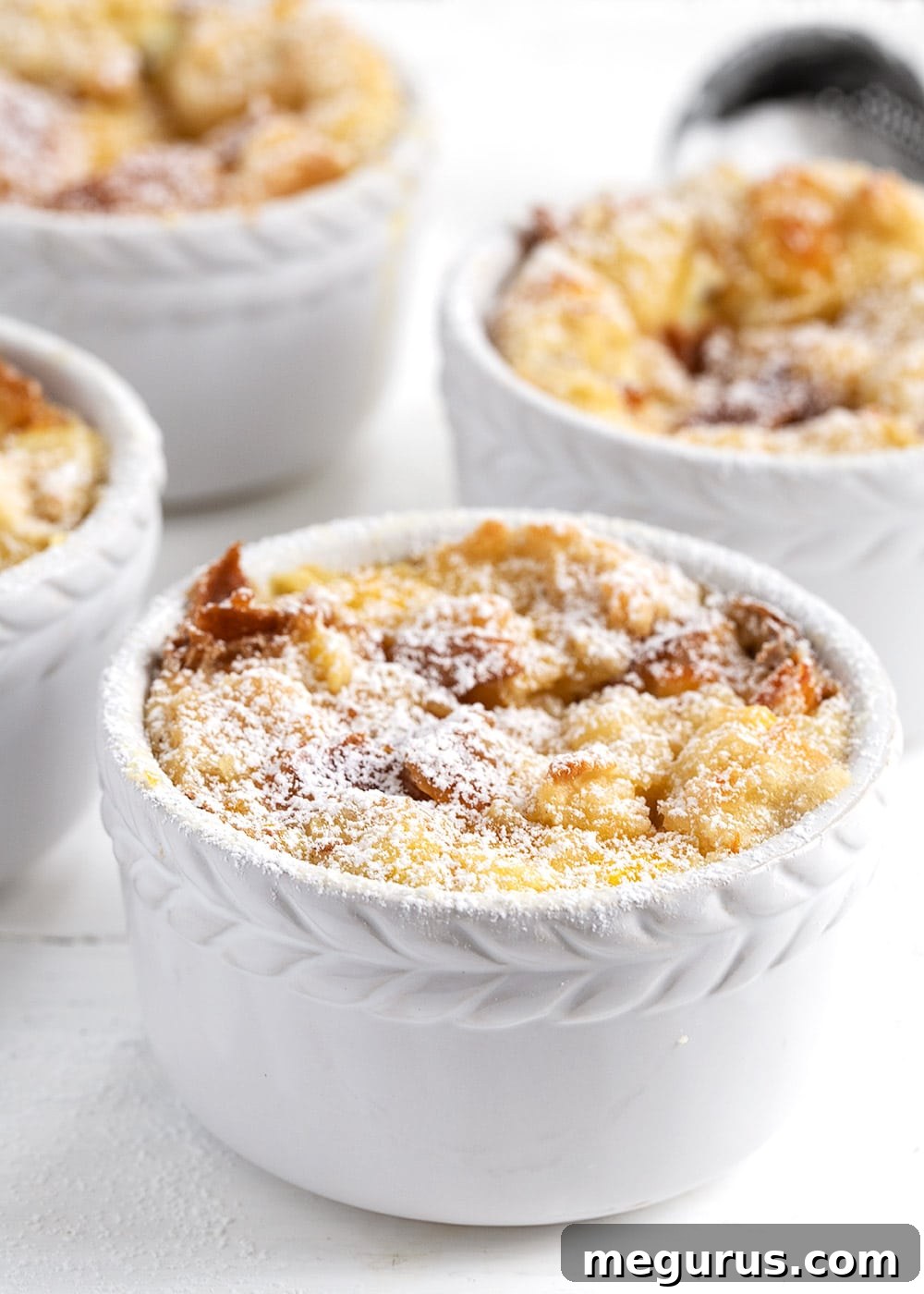
The Recipe Card: Orange Marmalade Bread and Butter Pudding
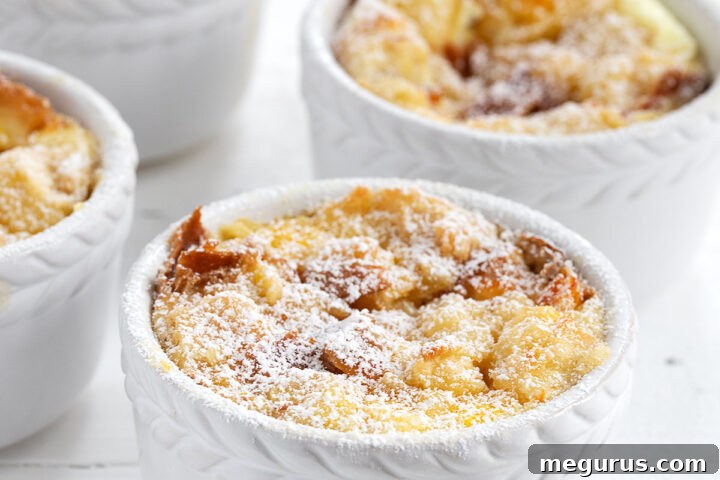
Get the Recipe: Orange Marmalade Bread and Butter Pudding
Average rating: 4.80 stars from 5 ratings.
Pin This Recipe
10 mins
45 mins
30 mins
1 hr
25 mins
6
servings
Ingredients
- 1/2 loaf bread, about 5 cups, cubed into 3/4-1″ pieces, stale bread recommended
- 1/4 cup butter, melted
Custard:
- 1 cup milk
- 1 cup half and half cream, 10% b.f, or 18% table cream or 35% whipping cream for a richer pudding
- 3 large eggs
- 1 teaspoon vanilla
- 1/4 cup light brown sugar
- 1/3 cup orange marmalade
- 1 Tablespoon whiskey or bourbon, optional
For serving:
- Icing/confectioners’ sugar, for garnish/serving
Instructions
-
Cube the bread and place it into a large bowl. Drizzle with the melted butter and toss gently to ensure all bread pieces are coated. Add the orange marmalade in spoonfuls over the bread and toss again to combine. Set this mixture aside while you prepare the custard.
-
Combine all the custard ingredients (milk, cream, eggs, vanilla, brown sugar, orange marmalade, and optional whiskey/bourbon) in a medium bowl. Whisk everything thoroughly until well combined and smooth.
-
Pour the prepared custard over the bread cubes in the large bowl and toss well. Ensure the bread is fully submerged and coated. Allow the mixture to soak for at least 30 minutes. This step is crucial for the bread to absorb the custard, leading to a moist and tender pudding.
-
Preheat your oven to 350°F (175°C), ensuring it is not a fan-assisted setting unless you adjust baking time.
-
Once the bread has sufficiently soaked, spoon the mixture into individual ramekins or one large baking dish. If there’s any custard liquid remaining in the bottom of your mixing bowl, pour it evenly into the ramekins or baking dish, ensuring no precious custard is wasted. *If using individual ramekins and they appear very full, it’s advisable to place them on a baking sheet before putting them in the oven to catch any potential overflows.
-
Bake in the preheated oven for 45-60 minutes, or until the pudding is set and golden brown. To test for doneness, insert a knife into the center of the pudding; it should come out clean. Baking time may vary depending on your dish size and oven.
-
Serve the orange marmalade bread pudding warm or at room temperature, dusted generously with icing/confectioners’ sugar for a beautiful presentation and a hint of extra sweetness. Refrigerate any leftovers in an airtight container for up to 2 days.
Notes
American, Canadian
Dessert
Jennifer Maloney
Calories: 406kcal,
Carbohydrates: 53g,
Protein: 12g,
Fat: 17g,
Saturated Fat: 9g,
Cholesterol: 130mg,
Sodium: 444mg,
Potassium: 268mg,
Fiber: 3g,
Sugar: 25g,
Vitamin A: 602IU,
Vitamin C: 1mg,
Calcium: 200mg,
Iron: 2mg
Tried this recipe?
If you enjoyed this recipe, please share your experience and comments below! Your feedback helps others.
Serving Suggestions & Delightful Variations
While this Orange Marmalade Bread Pudding is heavenly on its own, a few additions can elevate it further. For a simple yet elegant touch, a generous dusting of confectioners’ sugar is always a classic. To add more richness, serve it with a dollop of freshly whipped cream, a scoop of vanilla bean ice cream, or even a citrus-flavored sorbet for a refreshing contrast. A drizzle of extra warmed orange marmalade or a simple orange glaze (made from confectioners’ sugar and fresh orange juice) can intensify the citrus flavor.
Feeling adventurous? Consider these delightful variations:
- Spiked with Dried Fruits: Soak a handful of dried cranberries or golden raisins in a tablespoon of Grand Marnier (or even orange juice for a non-alcoholic version) before adding them to the bread mixture.
- Aromatic Spices: Enhance the custard with a pinch of ground cinnamon, nutmeg, or a hint of cardamom for a warm, fragrant twist.
- Candied Orange Zest: Sprinkle some finely chopped candied orange peel over the pudding before baking for bursts of intense orange flavor and a lovely texture.
- Different Marmalades: Experiment with other citrus marmalades like lemon, grapefruit, or even a mixed citrus blend for a different flavor profile.
Storage & Reheating Instructions
Leftover orange marmalade bread pudding is just as delicious the next day! To store, ensure the pudding has cooled completely to room temperature. Then, transfer it to an airtight container and refrigerate for up to 2-3 days. For longer storage, you can individually wrap portions in plastic wrap and then foil, freezing for up to 1-2 months. Thaw frozen pudding in the refrigerator overnight before reheating.
To reheat, you have a few options:
- Microwave: For individual servings, place a slice in the microwave and heat on medium power for 30-60 seconds, or until warmed through.
- Oven: For a larger portion or if you prefer a slightly crisper exterior, place the pudding in an oven-safe dish, cover loosely with foil, and reheat in a preheated oven at 300°F (150°C) for 15-20 minutes, or until warm.
- Toaster Oven: Small portions can also be reheated in a toaster oven for about 10-15 minutes at a lower temperature, ensuring it doesn’t dry out.
Frequently Asked Questions About Bread Pudding
Here are answers to some common questions you might have about making delicious bread pudding:
What kind of bread is best for bread pudding?
Stale, slightly dried-out bread is ideal as it absorbs the custard without becoming soggy. Brioche, challah, sourdough, or even good quality white sandwich bread all work well. The key is to avoid very fresh, soft bread, which can lead to a mushy texture.
Can I make this orange marmalade bread pudding ahead of time?
Yes, bread pudding is an excellent make-ahead dessert! You can assemble the entire dish, including soaking the bread in the custard, up to a day in advance. Cover it tightly and refrigerate. When ready to bake, let it sit at room temperature for about 30 minutes before baking as directed.
How do I prevent my bread pudding from being soggy?
Using stale bread is the first step. Ensuring proper soaking time (30 minutes in this recipe) allows the bread to absorb the custard evenly. Also, avoid overfilling your baking dish, and make sure to bake until a knife inserted into the center comes out clean, indicating the custard has fully set.
Can I freeze bread pudding?
Absolutely! Once baked and completely cooled, bread pudding freezes well. Wrap individual portions tightly in plastic wrap, then in aluminum foil, and store in the freezer for up to 1-2 months. Thaw in the refrigerator overnight and reheat as desired.
What if I don’t have stale bread?
No problem! Cut fresh bread into cubes and spread them on a baking sheet. Let them air dry at room temperature for several hours or overnight. For a quicker method, toast the bread cubes in a preheated oven at 200°F (95°C) for 10-15 minutes, tossing occasionally, until they are lightly dried but not browned.
Can I make this recipe non-alcoholic?
Yes, the whiskey or bourbon is entirely optional. You can simply omit it without needing to make any other substitutions. The pudding will still be wonderfully flavorful thanks to the orange marmalade and vanilla.
This Orange Marmalade Bread Pudding is more than just a dessert; it’s a celebration of simple ingredients transformed into something truly special. Its comforting warmth, creamy texture, and bright citrus notes make it an unforgettable treat. Whether you’re serving it for a festive brunch or as a cozy evening indulgence, it’s sure to bring smiles to everyone at the table. We encourage you to try this recipe and share the joy!