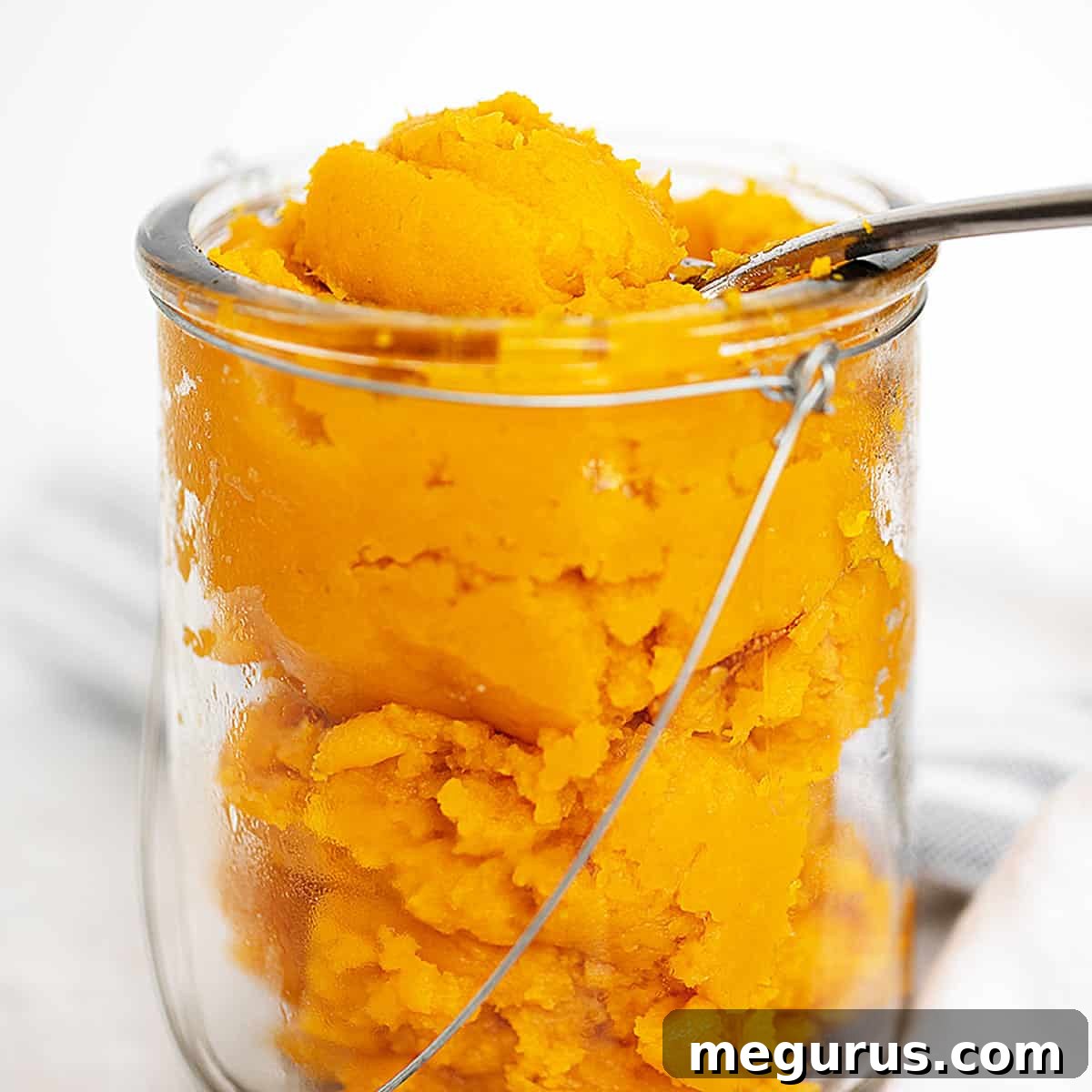
Master Homemade Pumpkin Puree: Your Definitive Guide to Perfect Pie Pumpkins
You’re about to discover how incredibly simple it is to create rich, vibrant homemade pumpkin puree from those charming pie pumpkins you see every autumn. This fresh puree is not just a delightful alternative to store-bought canned versions; it’s an essential ingredient that will elevate all your pumpkin bakes and savory dishes with an unparalleled depth of flavor. Prepare to be amazed by the ease and superior taste!

If you’ve ever eyed those small, dense pie pumpkins (also affectionately known as sugar pumpkins) at the local market or grocery store, pondering whether the effort of making your own puree is truly worth it, let us assure you: it absolutely is! Transforming them into a luscious, smooth pumpkin puree at home is a straightforward and immensely satisfying process. The resulting puree boasts a naturally sweeter profile, a more intense pumpkin flavor, and a beautiful texture that ready-made options simply cannot match. It’s perfect for everything from classic pumpkin pie to creamy risottos, making it a seasonal must-have for any home cook.
Why Opt for Homemade Pumpkin Puree? The Unmatched Benefits
While canned pumpkin puree offers undeniable convenience, crafting your own brings a host of advantages that will truly enhance your culinary creations:
- Superior Flavor Profile: Experience the true essence of pumpkin! Homemade puree offers a fresher, more robust, and naturally sweeter taste than its canned counterparts. The subtle, earthy undertones are more pronounced, providing a richer foundation for any recipe.
- Pure Ingredients, No Additives: When you make your own, you have complete control over what goes into it. This means no added sugars, preservatives, or artificial colors, ensuring a wholesome and natural product for your family.
- Optimal Texture Control: Freshly made puree, especially when properly drained, achieves a thick and smooth consistency that integrates flawlessly into recipes. This prevents the common issue of watery bakes or diluted flavors often associated with excessively moist store-bought purees.
- Embrace Seasonal Cooking: There’s a special joy in utilizing fresh, seasonal produce. Making your own pumpkin puree is a wonderful way to celebrate autumn and connect with the ingredients during their peak freshness and flavor.
- Cost-Effectiveness: During the fall season, pie pumpkins are typically quite affordable. Buying them whole and making your own puree can be a surprisingly economical way to stock up on this versatile ingredient, especially if you plan to freeze batches for later use.
- A Sense of Accomplishment: Beyond the practical benefits, there’s an immense satisfaction that comes from creating something from scratch. Your homemade pumpkin puree will be a testament to your culinary skill and dedication.
Once you’ve tasted the difference that homemade pumpkin puree makes, you might just find yourself eagerly anticipating pumpkin season year after year!
Choosing the Best Pumpkins for Your Puree: Pie Pumpkins are Key
The foundation of an exceptional pumpkin puree begins with selecting the right pumpkin. For optimal sweetness, a creamy texture, and a beautiful vibrant color, your best choice will always be pie pumpkins, specifically bred for cooking. These are distinct from the larger, stringier carving pumpkins.
- Understanding Pie Pumpkins (Sugar Pumpkins): These pumpkins are generally smaller, rounder, and much denser than their decorative counterparts. Their flesh is sweeter, less fibrous, and contains less water, which is ideal for a rich, smooth puree. They are sometimes labeled as “sugar pumpkins” or “sweet pumpkins” at the market.
- Why Avoid Larger Carving Pumpkins: While it might be tempting to use a leftover Halloween pumpkin, larger carving pumpkins tend to have very stringy, watery flesh with a bland or very mild flavor. They are not designed for culinary use and will yield a thin, unsatisfying puree.
- Tips for Selecting the Perfect Pie Pumpkin:
- Weight: Pick up a few pumpkins. The ideal pie pumpkin will feel heavy for its size, indicating dense, thick flesh.
- Skin: Look for firm, smooth skin free of soft spots, blemishes, or deep cuts. A consistent deep orange color is also a good indicator of ripeness.
- Stem: A firm, intact stem is often a sign of a healthy pumpkin that was properly harvested.
- Expected Yield: Typically, one average-sized pie pumpkin (weighing roughly 2 to 4 pounds) will yield approximately 1 to 1 1/4 cups of finished, drained pumpkin puree. Plan accordingly if you’re aiming to make a larger batch for freezing.
Essential Ingredients and Equipment for Success
Crafting homemade pumpkin puree is surprisingly straightforward and requires only a handful of basic kitchen tools and one key ingredient:
- Pie Pumpkins (Sugar Pumpkins): As emphasized, these are the star of your puree. Ensure they are fresh, firm, and free from any spoilage.
- Cheesecloth: This humble fabric is your secret weapon for achieving the perfect consistency. Tripled-up cheesecloth is highly effective at removing excess moisture from the processed pumpkin, which is crucial for a thick puree that performs well in all recipes.
- Alternatives to Cheesecloth: If you find yourself without cheesecloth, don’t let it deter you! Here are some workable substitutes:
- Large Coffee Filters: Line a fine-mesh sieve with several layers of sturdy coffee filters.
- A Clean, Old Pillowcase: Make sure it’s meticulously clean and has been washed without fabric softener, as residues can impart unwanted flavors.
- A Very Fine-Mesh Sieve or Strainer: While less efficient for drainage than cheesecloth, a truly fine-mesh strainer can work if you allow plenty of time and press the puree frequently.
Other handy tools you’ll need:
- Sharp, Sturdy Knife: For safely cutting the pumpkins in half.
- Large Spoon or Ice Cream Scoop: Ideal for scraping out seeds and stringy pulp, as well as the roasted flesh.
- Large Baking Sheet: Essential for roasting the pumpkin halves. Lining it with aluminum foil or parchment paper will make cleanup a breeze.
- Food Processor or High-Powered Blender: To achieve that wonderfully smooth, lump-free puree.
- Large Bowl: To collect the liquid as your puree drains.
- Airtight Storage Containers or Freezer Bags: For storing your freshly made puree.
How to Make Homemade Pumpkin Puree from Pie Pumpkins: Step-by-Step
Follow this detailed visual and textual guide to effortlessly create your own homemade pumpkin puree. For precise measurements and oven temperatures, please refer to the comprehensive recipe card located further down the page.


- Prepare and Roast the Pumpkins: Start by preheating your oven to 400°F (200°C) and lining a sturdy baking sheet with aluminum foil or parchment paper. This simple preparation step is a lifesaver for easy cleanup! Carefully use a sharp, sturdy knife to cut each pie pumpkin in half horizontally, across its “equator.” With a robust spoon or an ice cream scoop, thoroughly remove all the seeds and stringy pulp. You can either discard these or set the seeds aside to roast later for a delicious snack. Place the pumpkin halves cut-side down onto your prepared baking sheet, ensuring they have enough space to sit flat. There’s no need to remove the stems at this stage; they will remain intact during roasting.
- Roast Until Perfectly Tender: Transfer the baking sheet to your preheated oven. Roast the pumpkins for approximately 45-60 minutes. The roasting time can vary depending on the size and density of your pumpkins, so it’s essential to check for doneness. The flesh should be incredibly soft when easily pierced with a fork, and the edges of the pumpkin halves should appear lightly browned. This browning contributes significantly to the depth of flavor in your finished puree.
- Cool and Scoop the Flesh: Once roasted to perfection, carefully remove the baking sheet from the oven. To facilitate handling and prevent excessive steam buildup when blending, flip the pumpkin halves over and allow them to cool for about 5 to 10 minutes. Using your spoon, scoop the tender, cooked pumpkin flesh away from the skin. The skin should separate easily, leaving you with a beautiful, soft pile of pumpkin ready for the next step.


- Process the Pumpkin into Puree: Transfer all the scooped pumpkin flesh into the bowl of a food processor or a high-speed blender. If you’re using a blender, it’s particularly important to ensure the pumpkin has cooled adequately. This prevents steam from building up pressure inside the blender, which could cause the lid to unexpectedly open. Process the pumpkin for several minutes, stopping occasionally to scrape down the sides of the bowl or carafe. Continue blending until the pumpkin is entirely smooth, creamy, and free of any visible lumps or stringy bits.


- Draining for Ideal Consistency: Line a large bowl or colander with several layers (tripled-up works best to prevent seepage) of cheesecloth. Carefully spoon all the smooth pumpkin puree into the center of the cheesecloth. Gather the edges of the cheesecloth together at the top, forming a secure bag, and tie a firm knot to seal it.
- The Essential Draining Process: Hang the cheesecloth bag from an upper-cupboard knob, a sturdy kitchen faucet, or a hook, ensuring a large bowl is placed directly underneath to catch the expelled liquid. Allow the puree to drain for a minimum of 3-4 hours, or even longer if you notice a significant amount of moisture still being released. Periodically, gently squeeze the bag to encourage more liquid to drain out. This step is absolutely critical! Proper draining removes excess water, which prevents your baked goods from becoming soggy and ensures your savory dishes aren’t diluted. The puree is ready when squeezing the bag yields only a tiny amount of moisture, or none at all.
- Final Storage: Once your pumpkin puree has reached the desired thick consistency after draining, transfer it to clean, airtight storage containers. It is now perfectly prepared and ready to be incorporated into your favorite recipes, bringing an authentic taste of autumn to your kitchen.
Pro Tips for Achieving the Best Homemade Pumpkin Puree
To ensure your homemade pumpkin puree is nothing short of perfect, keep these expert tips in mind:
- Natural Color Variation: You’ll likely notice that homemade pumpkin puree is naturally lighter in color than the highly processed, often darker canned versions. This is completely normal and a testament to its freshness and natural state. While your bakes might appear a touch lighter, the flavor will be far richer and more genuinely “pumpkiny.”
- The Undeniable Importance of Draining: We can’t stress this enough! Draining the puree is not an optional step; it’s fundamental to achieving the correct consistency for successful baking and cooking. Excess moisture will lead to runny pies, dense cakes, and watery sauces. Dedicate enough time to this step, squeezing the cheesecloth periodically to expedite the process.
- Prevent Over-Processing: While you want a smooth puree, avoid blending the pumpkin for an excessively long time. Over-processing can sometimes introduce too much air, which can affect the texture, making it slightly gummy or foamy. Blend just until completely smooth and consistent.
- Adapt Roasting Times: Pumpkin sizes vary. Smaller pie pumpkins will roast quicker, while larger ones will require more time. Always rely on the fork test: if the flesh is easily pierced and very tender, it’s done, regardless of the clock.
- Don’t Waste the Seeds: After scooping out the seeds and pulp, separate the seeds, rinse them clean, and pat them dry. Toss them with a little olive oil, salt, and your favorite spices, then roast them in the oven (around 300°F/150°C for 20-30 minutes) for a delicious, crunchy snack.
- Season to Taste (or Not): For a versatile puree, it’s best to keep it unseasoned. This allows you to use it in both sweet and savory applications without conflicting flavors. You can always add spices like cinnamon, nutmeg, or ginger when you’re preparing your final dish.
Creative Ways to Use Your Versatile Homemade Pumpkin Puree
Your freshly made pumpkin puree is an incredibly versatile ingredient, ready to transform a wide array of recipes into seasonal masterpieces. Its rich, earthy sweetness and smooth texture add depth and character to both sweet and savory dishes.
- Savory Culinary Creations: Homemade pumpkin puree shines brilliantly in savory applications. Envision a creamy, comforting Pumpkin Risotto, a hearty Pumpkin Chicken Chowder, or a rich, velvety pumpkin pasta sauce. It’s also an excellent addition to curries, lending a subtle sweetness and thickening quality, or blended into vegetable soups for extra body and a nutritional boost. Don’t hesitate to incorporate it into chili, stews, or even savory tarts.
- Sweet Baked Goods and Desserts: For all your pumpkin baking endeavors, this homemade puree brings an authentic sweetness and an intense, true pumpkin flavor. It’s important to note that due to its natural color, your baked goods (like muffins, loaves, or cakes) might turn out slightly lighter in hue compared to those made with darker canned purees. Additionally, because homemade puree, even when well-drained, can sometimes retain a fraction more moisture than commercially processed versions, some recipes might require an extra few minutes in the oven. This minor adjustment is a small price to pay for the unparalleled flavor! Use it in classic pumpkin pies, decadent cheesecakes, moist pumpkin bread, cookies, muffins, or even to create your own delightful homemade pumpkin spice lattes and smoothies.

How to Store Your Homemade Pumpkin Puree for Optimal Freshness
Once you’ve gone through the effort of making your own delicious pumpkin puree, proper storage is key to preserving its freshness and making it conveniently available for all your culinary plans.
- Refrigeration: Your homemade pumpkin puree can be stored safely in an airtight container in the refrigerator for up to 4 days. Always ensure it’s cooled completely before refrigerating.
- Freezing for Extended Shelf Life: For longer-term storage, pumpkin puree freezes exceptionally well for 3 to 4 months. For maximum convenience and to prevent thawing more than you need, we highly recommend freezing it in pre-measured portions.
- Freezer Bags: Measure out 1-cup or 2-cup portions into freezer-safe bags. Press out any excess air and flatten the bags before sealing. This not only saves space in your freezer but also allows the puree to thaw much faster.
- Airtight Containers: Alternatively, you can freeze portions in small, freezer-safe airtight containers. Leave a little headspace for expansion as the puree freezes.
- Ice Cube Trays: For even smaller portions, ideal for smoothies or quick additions to sauces, spoon the puree into ice cube trays. Once solid, pop out the frozen cubes and transfer them to a larger freezer bag.
- Labeling is Essential: Always remember to label your frozen puree with the date it was made. This helps you keep track of its freshness and ensures you use it within its optimal storage period.
Frequently Asked Questions About Homemade Pumpkin Puree
- Can I use any type of pumpkin for making puree?
- While you technically *can* use larger carving pumpkins, it is strongly recommended to use “pie pumpkins” or “sugar pumpkins.” These smaller, denser varieties have sweeter, less stringy flesh and significantly less water content, resulting in a far superior puree in terms of flavor, texture, and consistency compared to the bland and watery flesh of larger decorative pumpkins.
- How much puree can I expect from one pie pumpkin?
- An average-sized pie pumpkin, typically weighing between 2 to 4 pounds, will generally yield about 1 to 1 1/4 cups of finished, well-drained pumpkin puree. The exact amount can vary slightly based on the pumpkin’s specific size, density, and moisture content.
- Is homemade pumpkin puree considered healthier than canned versions?
- Generally, yes! Homemade pumpkin puree is often viewed as a healthier option because you have complete control over the ingredients. It contains no added preservatives, sugars, or sodium, which are sometimes present in varying amounts in commercial canned purees. It’s pure, unadulterated pumpkin goodness.
- What should I do if my homemade puree seems too watery after processing?
- Don’t be alarmed; this is a common occurrence with fresh pumpkin due to its natural water content. The draining step using cheesecloth is specifically designed to address this. If your puree still seems too thin after the initially recommended draining time, simply allow it to drain for longer. You can also gently squeeze the cheesecloth bag more frequently to encourage additional moisture to release. For persistent excess moisture, pressing the puree through a very fine-mesh sieve with the back of a spoon can also help.
- Is a food processor or blender absolutely necessary for this recipe?
- A food processor or high-speed blender is ideal for achieving the smoothest, most velvety consistency in your pumpkin puree. However, if you don’t own one, you can still make excellent puree! After roasting, mash the softened pumpkin flesh thoroughly with a potato masher or a sturdy fork. For an even finer texture, you can then press the mashed pumpkin through a fine-mesh sieve or colander using a rubber spatula or the back of a spoon.
- Can I roast the pumpkin with its skin on?
- Absolutely, and it’s the recommended method! Roasting the pumpkin halves with the skin on helps to steam the flesh beautifully within its natural shell. The skin also acts as a protective barrier, making it incredibly easy to scoop out the tender, cooked flesh once the pumpkin has cooled slightly.

Get the Recipe:
Homemade Pumpkin Puree (from Pie Pumpkins)
Pin This
Leave a Review
5
1
1
5
2
cups
Ingredients
-
2
pie pumpkins
Equipment
-
Cheesecloth for draining
-
Large baking sheet
-
Food processor or blender
-
Large bowl for draining
Instructions
-
Preheat oven to 400°F (200°C) and line a large baking sheet with aluminum foil.
-
Cut pie pumpkins in half across the equator. Scoop out the pulp and seeds (save seeds for roasting if desired). Place pumpkin halves cut-side down onto the prepared baking sheet.
-
Roast in the preheated oven for about 1 hour, or until the pumpkin flesh is very soft and browned at the edges.
-
Remove from oven, flip over, and cool for about 5 minutes. Use a spoon to scoop the roasted pumpkin flesh from the skin.
-
Place pumpkin flesh into a food processor or blender. If using a blender, ensure pumpkin is cool to prevent steam build-up. Process until completely smooth.
-
Spoon the processed pumpkin onto tripled-up cheesecloth lining a bowl or colander. Gather edges and tie a knot.
-
Hang the cheesecloth bag from a cupboard knob with a large bowl underneath. Allow to drain for about 3-4 hours, squeezing occasionally, until little to no moisture comes out.
-
Transfer drained pumpkin puree to storage containers. Refrigerate for up to 4 days or freeze for up to 4 months. Portion into 1-cup amounts before freezing for convenience.
Notes
If cheesecloth is unavailable, a fine-mesh strainer, an old clean pillowcase, or large coffee filters can be used for draining.
Refer to the “Pro Tips” section above this recipe card for more helpful advice and step-by-step photos.
American, Canadian
Main Course
Jennifer Maloney
Tried this recipe?
If you enjoyed this recipe, please leave a star rating and comment. It helps others to find it!