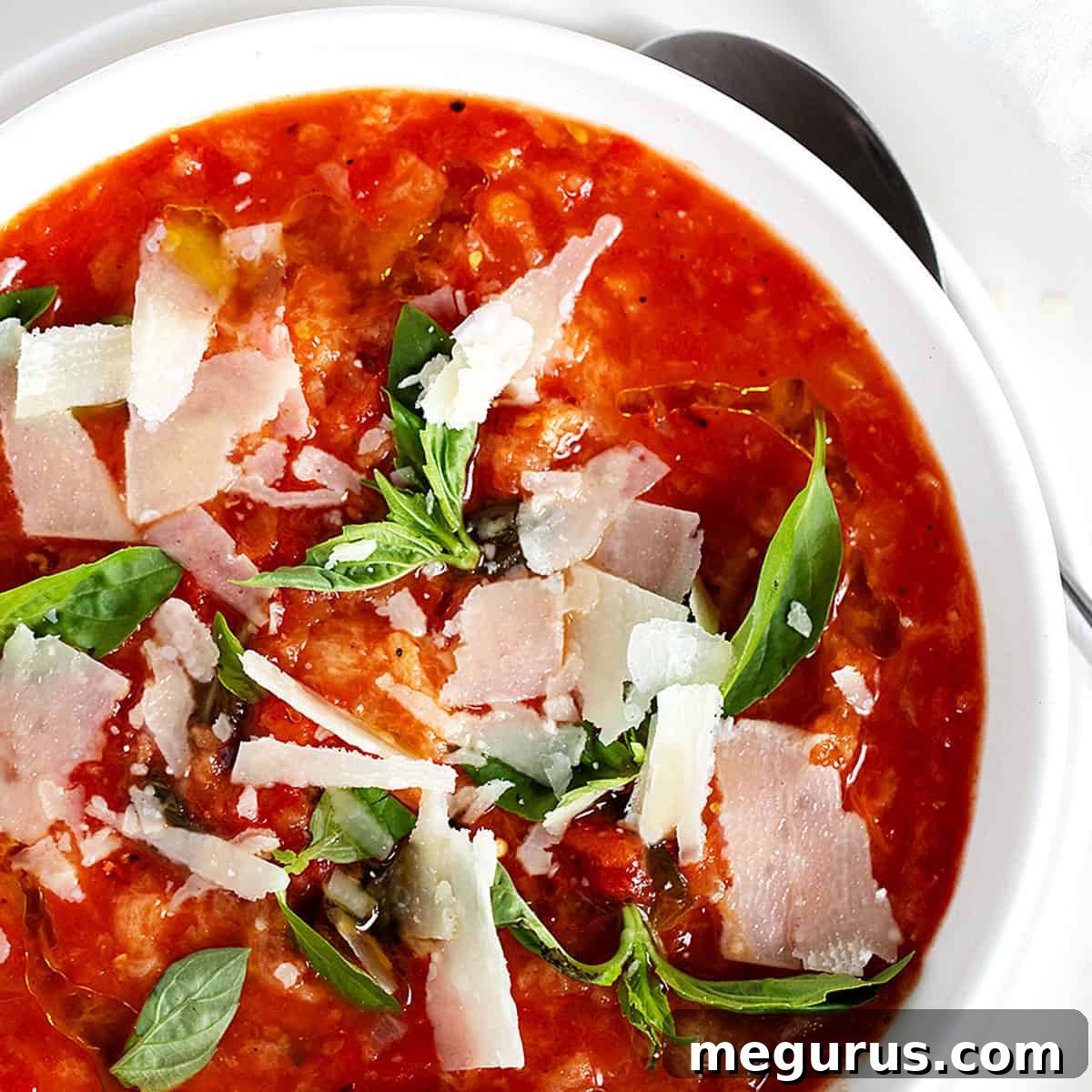
Tuscan Tomato Bread Soup: Authentic Pappa al Pomodoro (Easy & Comforting)
Discover the heartwarming flavors of Tuscany with this easy-to-make Pappa al Pomodoro recipe. This classic Italian tomato and bread soup is a testament to cucina povera, transforming simple pantry staples and often-discarded stale bread into a rich, comforting meal. Perfect for any time of year, whether you’re using peak-season fresh tomatoes or high-quality canned varieties, this soup offers a delightful balance of sweet tomatoes, aromatic herbs, and rustic bread. It’s not just a meal; it’s an experience that brings the essence of Italian tradition right to your kitchen table.
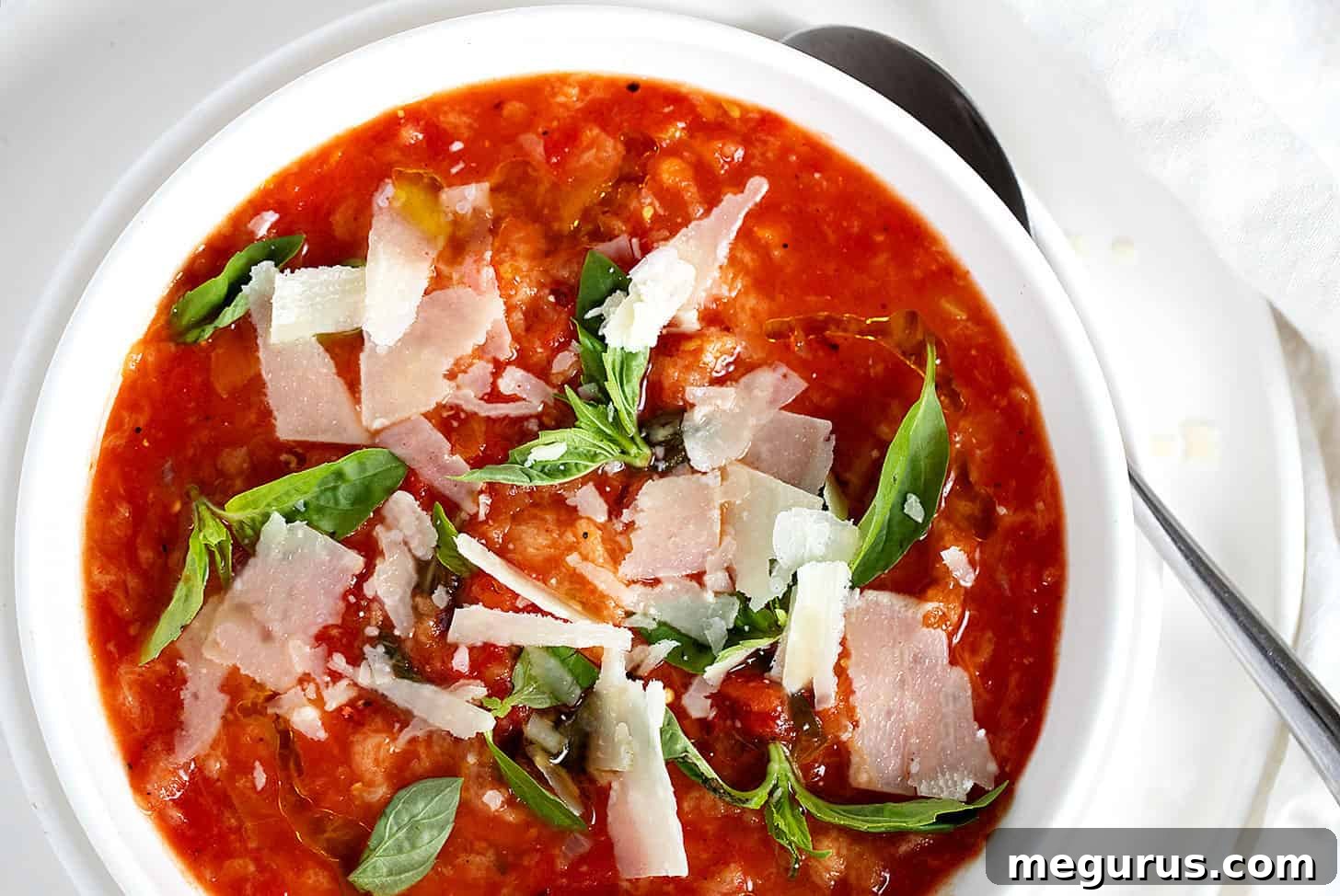
This traditional Tuscan tomato bread soup, known as Pappa al Pomodoro, offers a remarkably satisfying experience in just about 45 minutes of active preparation. It’s a brilliant solution for giving day-old or stale bread a delicious second life, preventing waste while creating something truly special. Enjoy this incredibly hearty and filling soup as a light lunch, a satisfying dinner, or even a comforting appetizer. Its rustic charm and deep flavors make it a favorite for families and food enthusiasts alike.
The Heart of Tuscany: Understanding Pappa al Pomodoro
Pappa al Pomodoro originates from the sun-drenched region of Tuscany, where resourceful cooks perfected the art of transforming humble ingredients into culinary masterpieces. The name itself, “Pappa al Pomodoro,” translates to “porridge of tomato,” hinting at its thick, stew-like consistency achieved by the bread’s absorption of the rich tomato broth. This soup is more than just a recipe; it’s a piece of Italian history, embodying the spirit of sustainability and the profound appreciation for simple, quality produce. It’s a dish that evokes warmth, comfort, and the rustic elegance of Italian country cooking.
Key Ingredients for an Authentic Pappa al Pomodoro
The beauty of Pappa al Pomodoro lies in its simplicity, making the quality of each ingredient paramount. Here’s a closer look at the essential components and how they contribute to the soup’s overall flavor profile.
Tomatoes: The Soul of the Soup
When it comes to tomato-based dishes, the quality of your tomatoes truly dictates the success of your soup. For an authentic and deeply flavorful Pappa al Pomodoro, canned tomatoes are often preferred by Italian chefs, especially outside of peak fresh tomato season, due to their consistent sweetness and concentrated flavor.
- Whole Canned San Marzano Tomatoes: These are the gold standard. Grown in the volcanic soil of Mount Vesuvius, San Marzano tomatoes are known for their sweet, balanced flavor, low acidity, and tender flesh. They break down beautifully into a smooth, rich sauce, forming the perfect base for your soup.
- Fire-Roasted Canned Tomatoes: For a delightful twist and an added layer of smoky depth, consider using whole fire-roasted canned tomatoes. This option introduces a unique charred flavor that complements the sweetness of the tomato, adding complexity to the soup.
- Crushed Tomatoes: If you prefer a smoother, thicker soup with less texture, crushed tomatoes (regular or fire-roasted) can be used. While they offer convenience, ensure they are of high quality to avoid a watery or overly acidic result.
- Fresh Tomatoes (Seasonal): During summer, when ripe, flavorful fresh tomatoes are abundant, feel free to use them! Choose ripe, juicy varieties like Roma, San Marzano (if available fresh), or even large heirloom tomatoes. You’ll need to peel and deseed them for the best texture, then roughly chop before adding.
Bread: The Hearty Thickener
Stale bread is not just an ingredient in Pappa al Pomodoro; it’s a key player in achieving the soup’s signature texture and heartiness. The dryness of stale bread allows it to absorb the rich tomato broth, creating a wonderfully thick and satisfying consistency. Using fresh bread would result in a gummy texture, so resist the urge!
- Day-Old or Stale Baguette/Rustic Bread: A leftover end of a baguette, a rustic country loaf, or even ciabatta works exceptionally well. Approximately 4 ounces translates to about a 6-inch length of a typical baguette.
- White or Whole Wheat: Both white and whole wheat varieties of sturdy, crusty bread are suitable. The choice often comes down to personal preference regarding flavor and slight nutritional differences.
- Crusts On or Off: You can leave the crusts on for added texture and rustic appeal, or trim them off if you prefer a softer soup. Many traditionalists leave them on.
- Sourdough Bread: For a subtle tang that beautifully complements the sweet tomatoes, try using stale sourdough bread. It adds another dimension of flavor that is truly exquisite.
Broth: The Flavor Foundation
The broth forms the liquid base of the soup, carrying and enhancing the flavors of the other ingredients.
- Chicken or Vegetable Broth: Both chicken and vegetable broth are excellent choices. A good quality broth will infuse the soup with a deeper, more rounded flavor profile.
- Water: In a pinch, water can be used, but be aware that it will result in a less flavorful soup. If opting for water, you’ll need to be more generous with herbs, salt, and freshly ground pepper to compensate for the missing depth. Consider adding a bouillon cube or powder if using water for an extra boost.
Basil: The Aromatic Finisher
Basil is an indispensable herb in Italian cuisine, and its fresh, peppery, slightly sweet aroma is crucial for an authentic Pappa al Pomodoro.
- Fresh Basil: Fresh basil is highly recommended for this soup. Its vibrant flavor truly shines. Add it towards the end of cooking to preserve its delicate notes, or tear it in just before serving.
- Dried Basil: If fresh basil is unavailable, dried basil can be used. Remember that dried herbs are more concentrated, so use about a third of the amount of fresh herbs. To ensure a robust basil flavor, use a generous amount and add it earlier in the cooking process to allow its flavors to infuse properly.
Aromatics and Olive Oil
- Garlic: Whole, lightly smashed garlic cloves are traditionally added to infuse the soup with a subtle, mellow garlic flavor without being overpowering. They are typically removed before serving.
- Onion, Celery, and Carrot (Soffritto): This classic Italian trio, known as “soffritto,” forms the aromatic foundation of many Italian dishes. Finely diced, these vegetables are gently sautéed in olive oil to build a complex base flavor for the soup. You can use only onion if preferred, increasing the quantity to about 1/2 cup.
- Tomato Paste (Optional): A tablespoon of tomato paste can be added with the aromatics to deepen the tomato flavor and add richness.
- Extra Virgin Olive Oil: A good quality extra virgin olive oil is used both for sautéing and as a finishing drizzle, adding a fruity, peppery note that enhances the overall taste.
Crafting Your Tuscan Tomato Bread Soup: A Step-by-Step Guide
Making Pappa al Pomodoro is a straightforward process, but a few key techniques ensure a perfect, flavorful result. This visual summary highlights the main steps; refer to the complete recipe card below for precise measurements and detailed instructions.
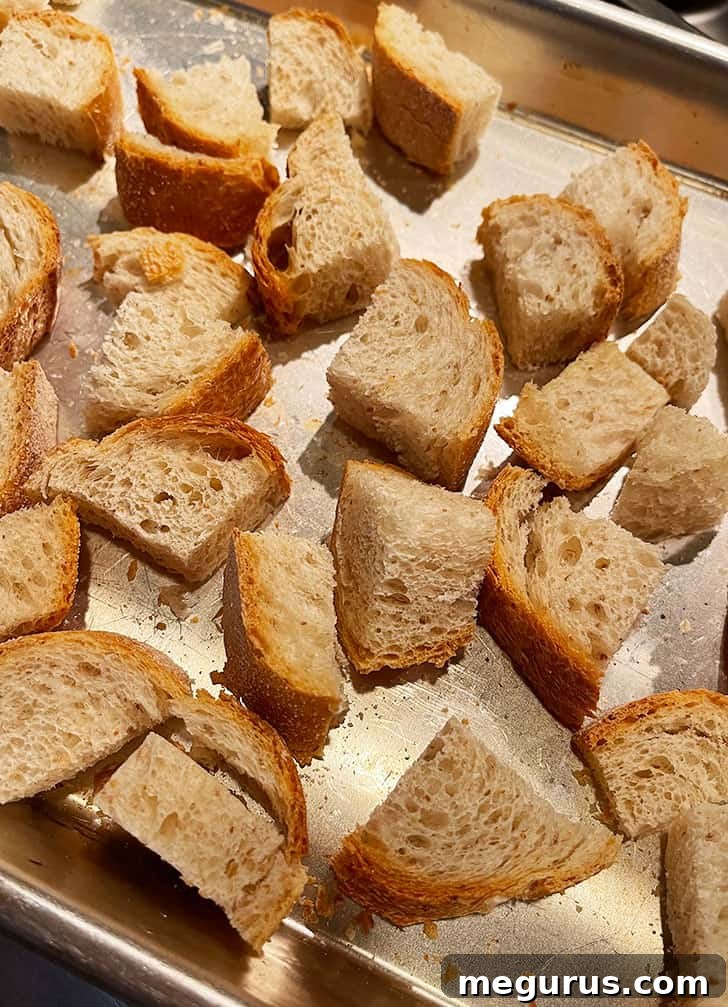
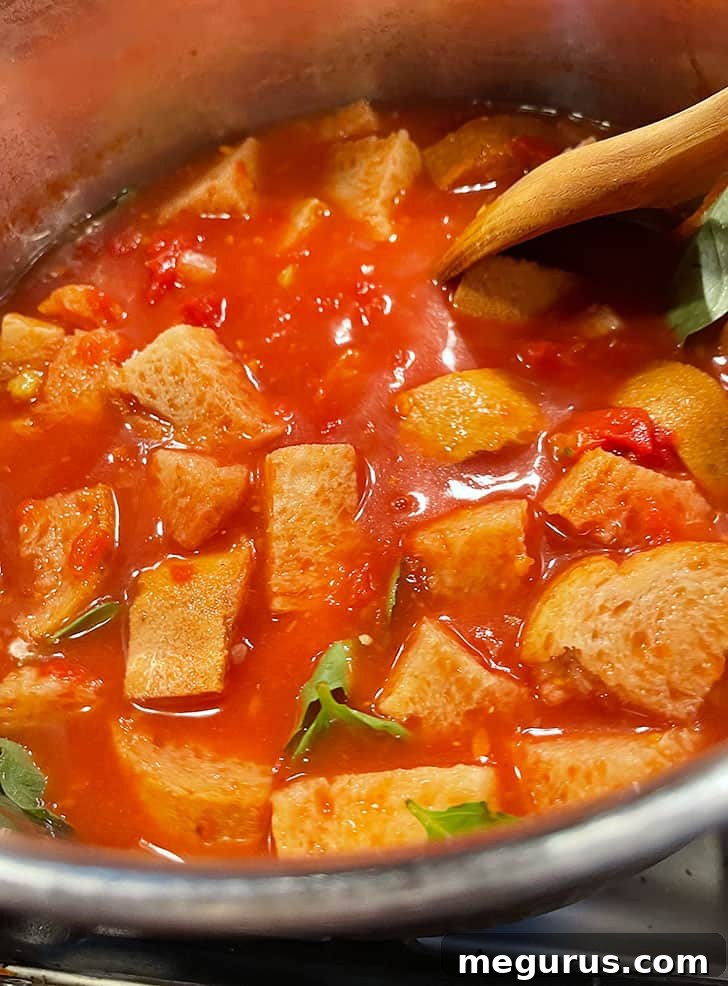
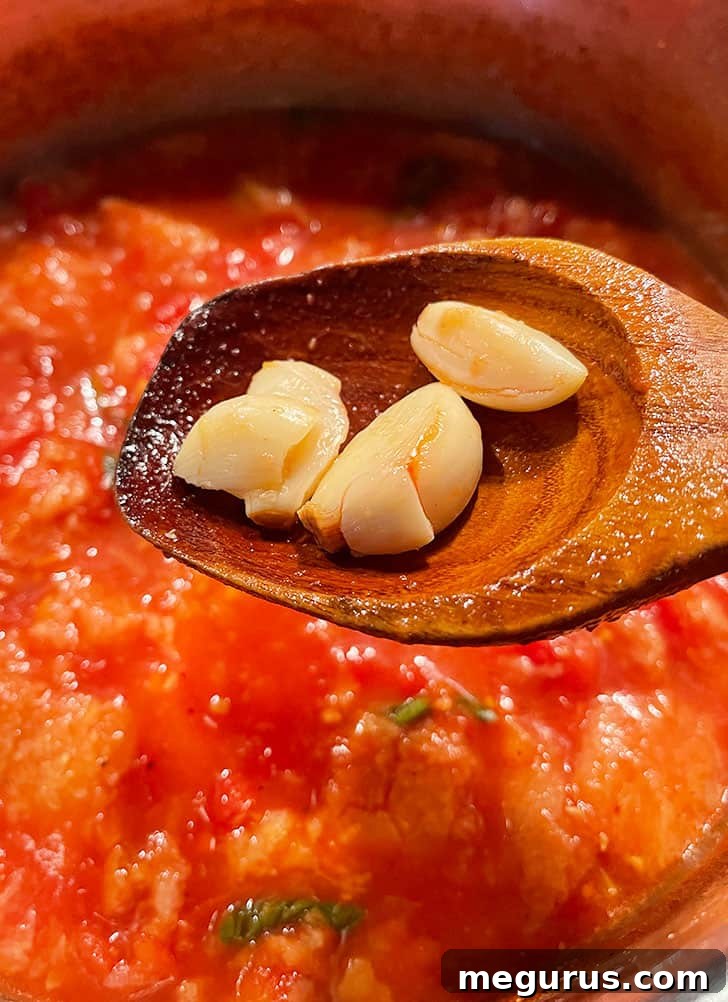
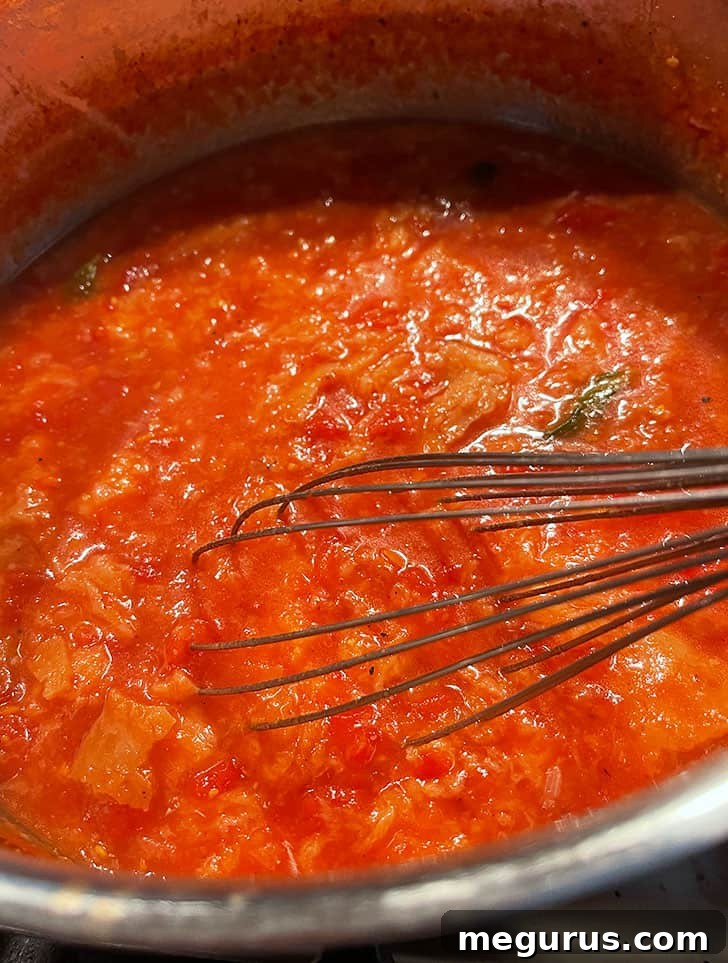
- Toast the Bread: Preheat your oven to 375°F (non-convection). Cut your day-old bread into 1-inch cubes and spread them evenly on a baking sheet. Toast in the oven for about 10 minutes, or until the cubes are well dried and just starting to turn slightly golden. This step is crucial for preventing the bread from becoming mushy in the soup; instead, it will absorb the liquid and create a lovely, thick texture. Remove from the oven and set aside.
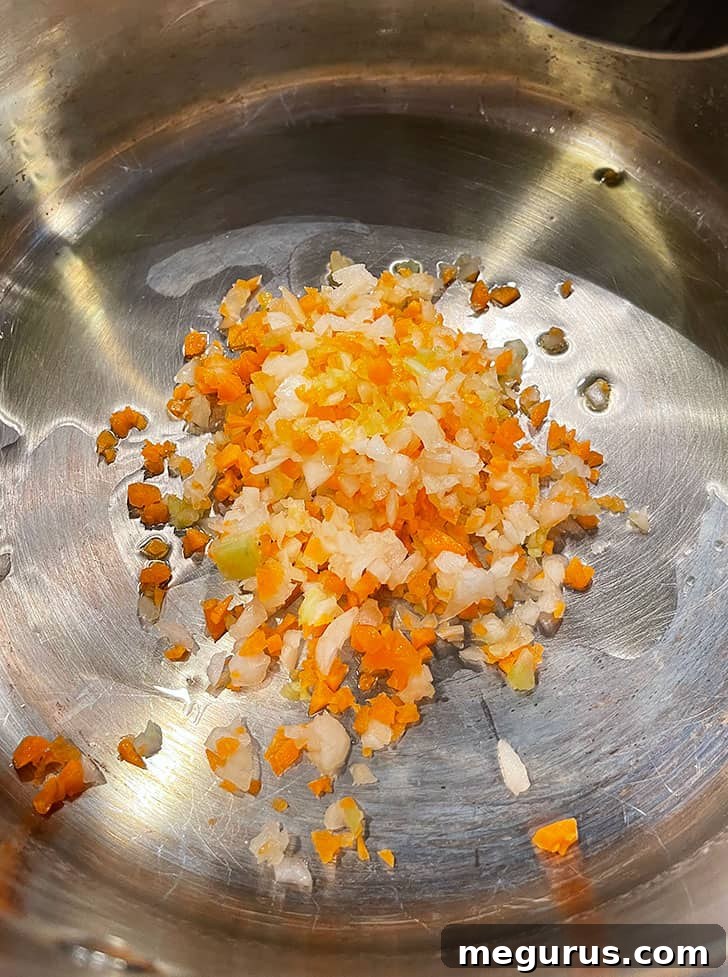
- Sauté the Aromatics: In a large, heavy-bottomed pot or Dutch oven, heat the olive oil over medium heat. Add the finely diced onion, celery, and carrot (or just onion, if preferred). Sauté gently for about 3 minutes until softened and fragrant, taking care not to brown them. Add the smashed whole garlic cloves and continue cooking, stirring regularly, for another 3 minutes. If you’re using tomato paste, stir it in now and cook for an additional 30 seconds, allowing it to caramelize slightly and deepen its flavor.
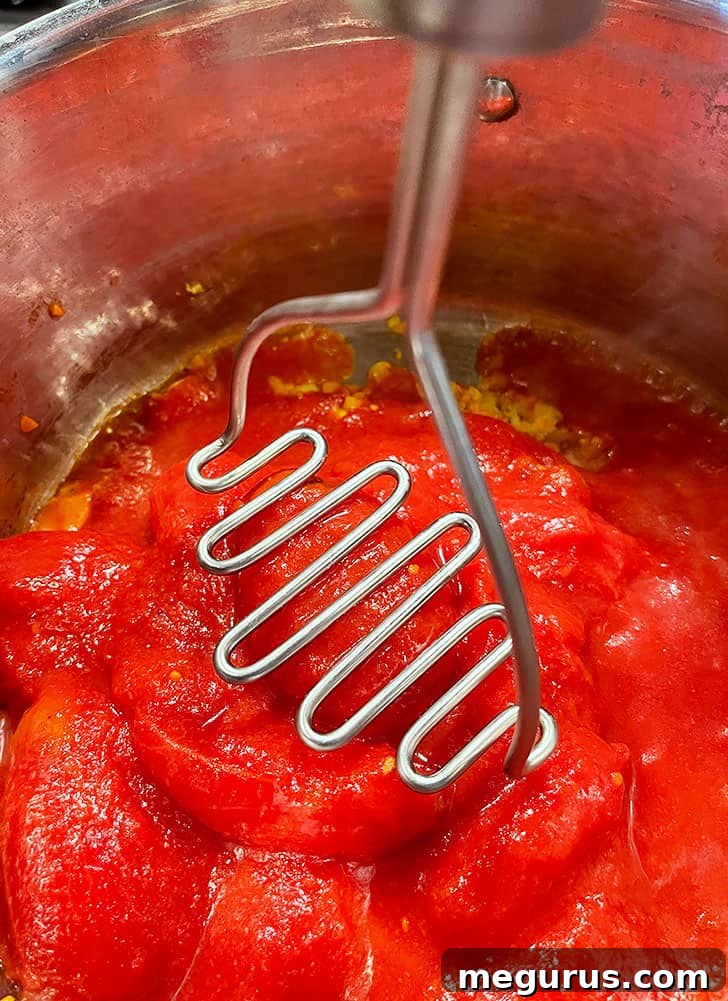
- Introduce the Tomatoes: Pour in the canned whole tomatoes along with their juices. Use a potato masher or the back of a large spoon to break up the whole tomatoes into smaller, irregular pieces directly in the pot.
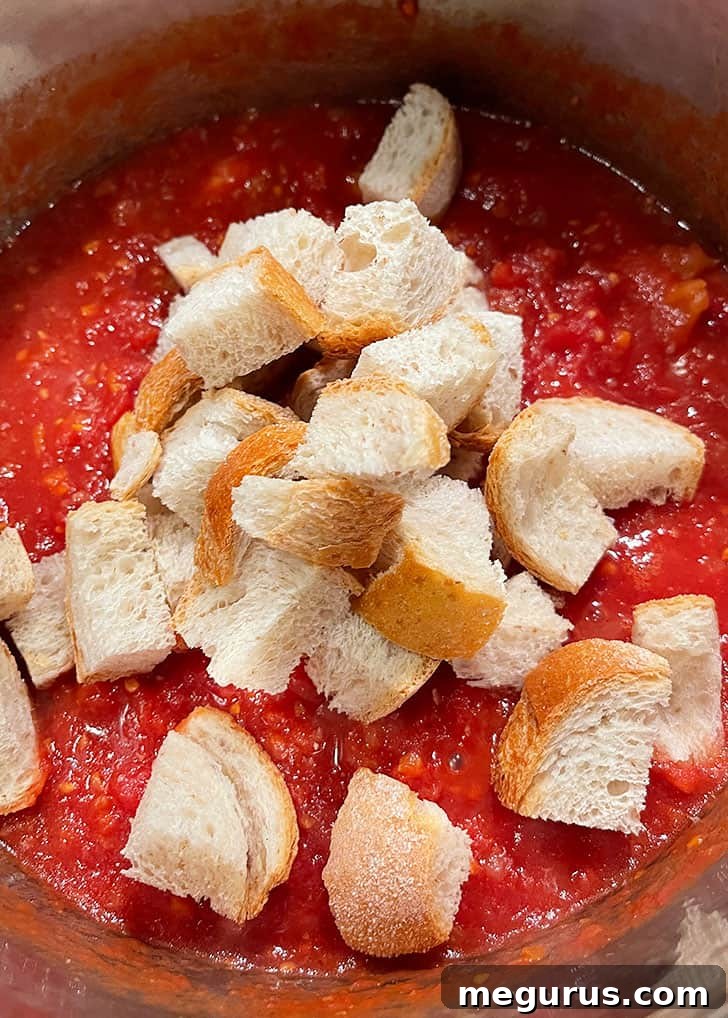
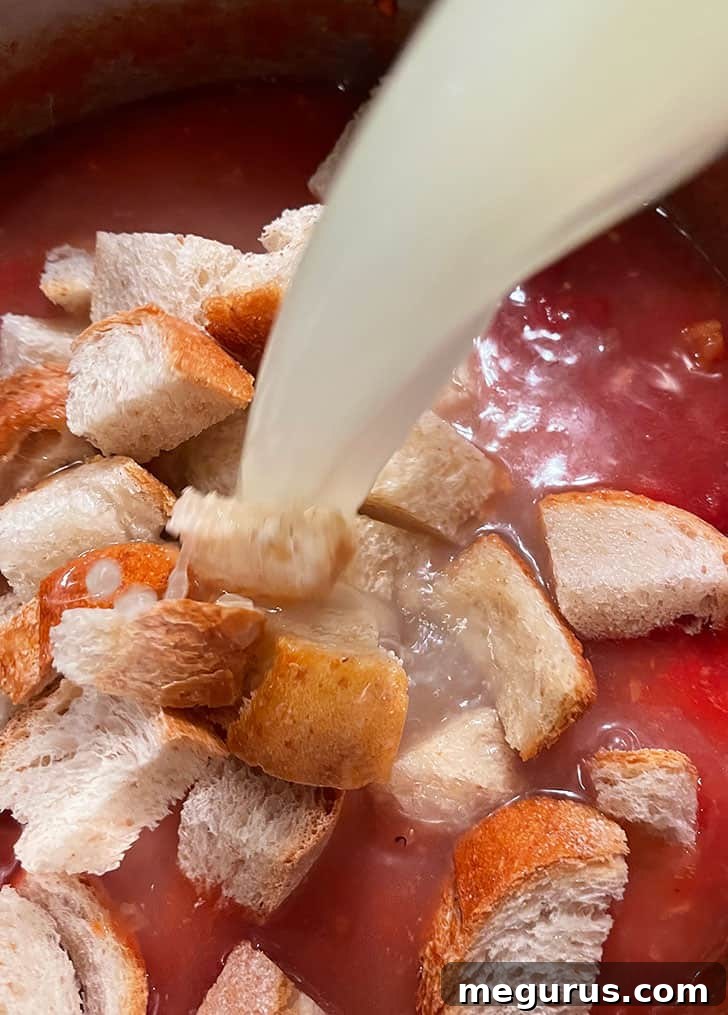
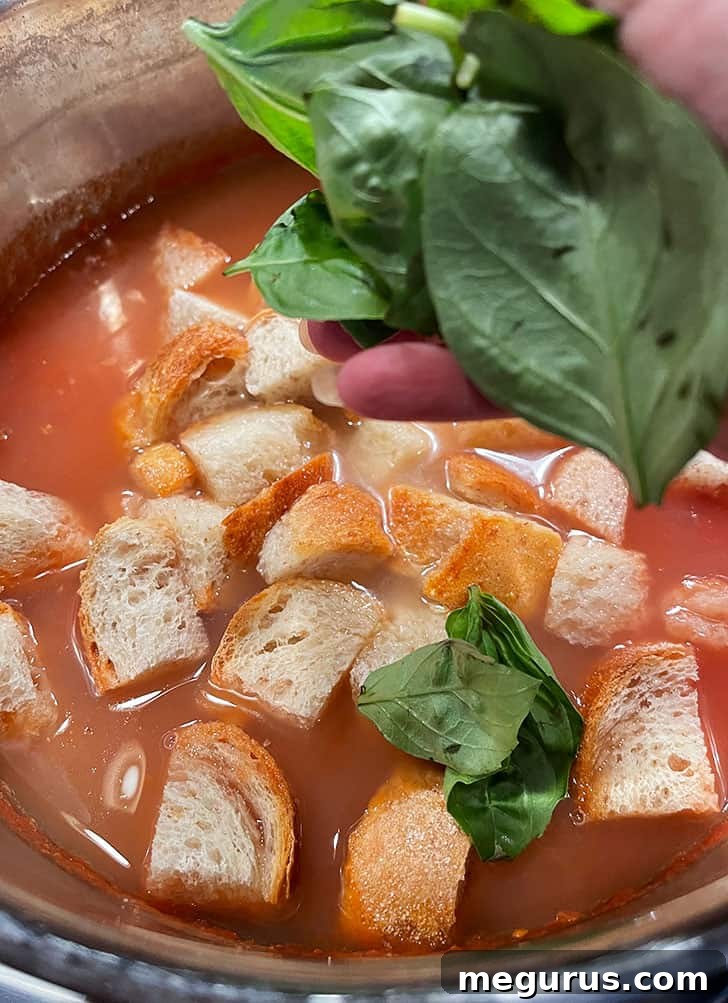
- Combine with Bread and Broth: Add the toasted bread cubes to the pot, followed by the chicken or vegetable broth and the fresh basil leaves. Stir everything to combine well. Season lightly with salt and freshly ground pepper at this stage; you’ll adjust more precisely at the end.
- Simmer to Perfection: Reduce the heat to medium-low and allow the soup to gently simmer. Stir occasionally to prevent sticking and to help the bread break down. Let it cook for 20-25 minutes, giving the flavors time to meld and the bread to absorb the liquid, thickening the soup to its characteristic “pappa” consistency.
- Refine the Texture and Flavor: Once the soup has simmered, carefully spoon out the whole garlic cloves and discard them. While you can also remove the basil leaves if you prefer a clearer soup, many enjoy them as part of the rustic charm.
- Achieve Desired Consistency: Use a whisk to stir the soup vigorously and break up the softened bread pieces. This will help create that signature creamy yet slightly textured consistency. If you prefer a chunkier soup, you can skip this step or mash less. For an even smoother consistency, an immersion blender can be used directly in the pot, blending until it reaches your desired creaminess.
- Final Seasoning: Taste the soup and adjust the seasoning as needed. Proper salting is key for Pappa al Pomodoro; if the soup tastes flat or seems to be “missing something,” it almost certainly needs more salt. You might also want a touch more pepper. If desired, stir in 1-2 teaspoons of good quality balsamic vinegar at the very end. The vinegar brightens the tomato flavor and adds a subtle, pleasant tang.
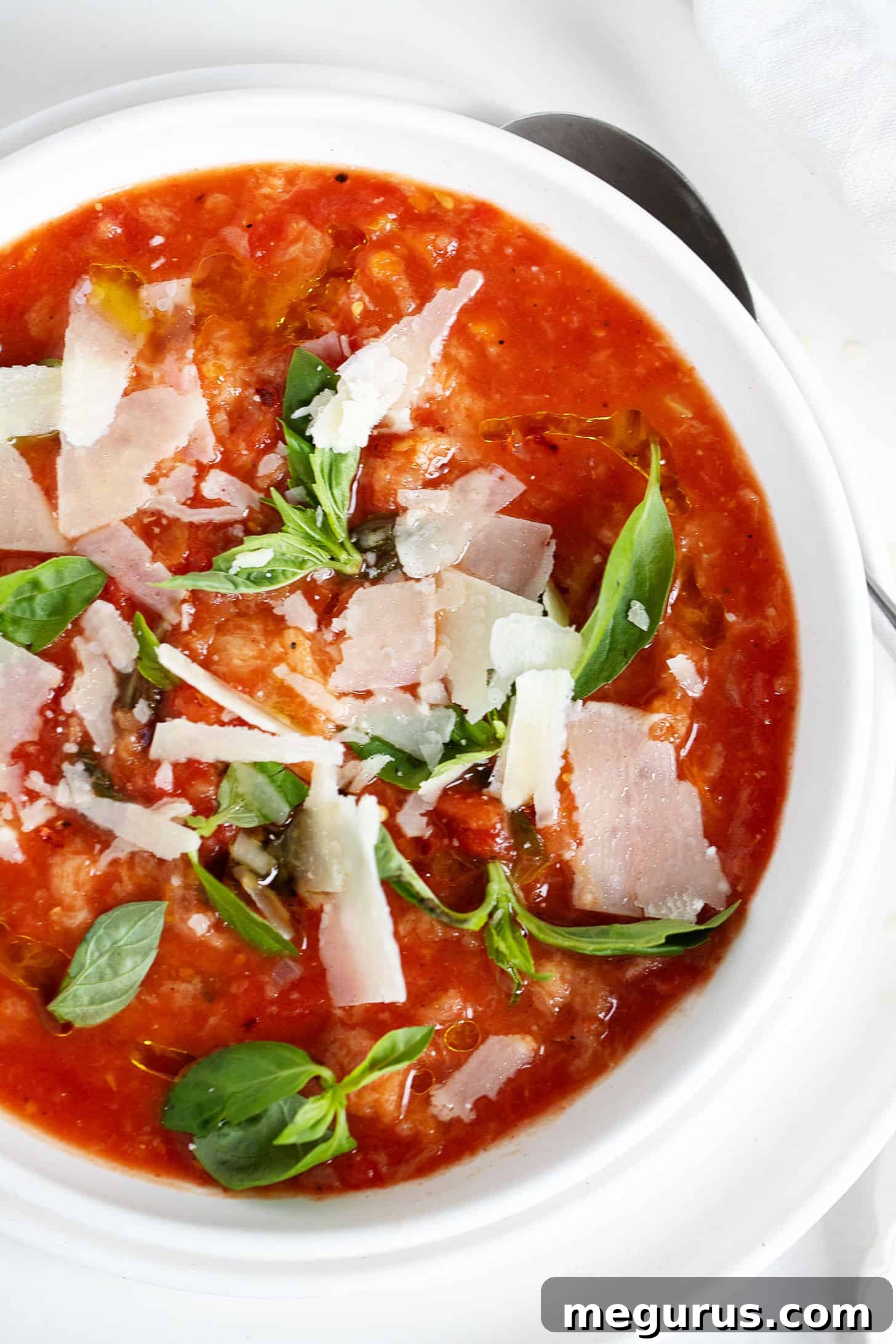
Pappa al Pomodoro Variations & Creative Twists
While the classic Pappa al Pomodoro is perfect as is, it’s also a wonderfully versatile canvas for culinary creativity. Here are some delightful variations to explore:
- Smoky Tomato Flavor: Substitute regular canned tomatoes with fire-roasted canned tomatoes for a delicious smoky depth that adds complexity to the soup.
- Homemade Roasted Tomatoes: For an even richer, more intense tomato flavor, roast your own canned tomatoes. Simply drain the juice (and reserve it!), then spread the whole tomatoes in a baking dish. Roast in a 350°F (175°C) oven for about 1 hour until slightly caramelized and fragrant. Add these roasted tomatoes to the soup along with the reserved juice.
- A Touch of Heat: If you enjoy a bit of spice, add a pinch or two of red pepper flakes along with the sautéing onion mixture. This provides a subtle warmth that enhances the tomato flavor.
- Smoother Consistency: For a silkier, thicker soup, opt for crushed tomatoes instead of whole canned tomatoes. You can also achieve this by using an immersion blender to thoroughly purée the soup after simmering.
- Umami Boost with Parmesan Rind: Elevate the savory notes by adding a Parmesan rind to the simmering soup. The rind will slowly dissolve, releasing incredible umami flavor. Remember to remove it before serving.
- Enhanced Herb Profile: Experiment with additional Italian herbs. Besides basil, a bay leaf, a pinch of dried thyme, marjoram, or oregano can be added to the soup during simmering for an aromatic layer.
- Tangy Sourdough: As mentioned, using sourdough bread introduces a delightful tangy note that perfectly complements the sweetness of the tomatoes, adding a sophisticated twist.
- Brightening with Balsamic: Finish your soup with a teaspoon or two of high-quality balsamic vinegar. This adds a bright, slightly sweet and acidic counterpoint that lifts all the other flavors.
- Add Protein: For a more substantial meal, consider stirring in cooked cannellini beans or chickpeas during the last 10 minutes of simmering. Some even add a few pieces of shredded cooked chicken or leftover sausage.
- Greens for Nutrition: Stir in a handful of fresh spinach or finely chopped kale during the last 5 minutes of cooking until wilted. This adds a nutritional boost and a pleasant earthy flavor.
Serving & Storage Tips for Pappa al Pomodoro
Pappa al Pomodoro is a fantastic meal that can be enjoyed in several ways, and it even improves with age!
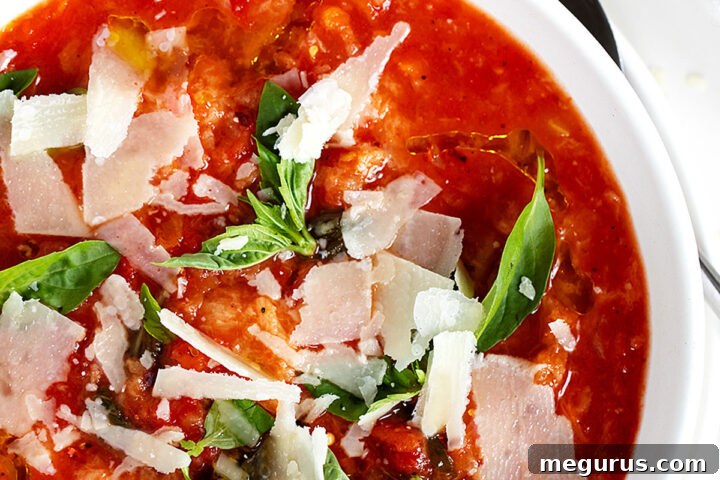
- How to Serve: Spoon the hot soup into bowls. For an authentic Italian presentation, drizzle generously with high-quality extra virgin olive oil. Scatter torn or chopped fresh basil leaves and a generous shaving or grating of Parmesan cheese over the top. A sprinkle of red pepper flakes adds a nice visual and a hint of spice, if desired. Serve with extra crusty bread for dipping, if you wish, though the soup is already rich with bread.
- Make Ahead & Storage: This soup holds up exceptionally well when made ahead. In fact, many find the flavors are even better the day after, as the bread has more time to fully absorb the tomato goodness and the flavors deepen. Store leftover Pappa al Pomodoro in an airtight container in the refrigerator for up to 3-4 days.
- Reheating: Gently reheat the soup on the stovetop over medium-low heat, stirring occasionally. If it has thickened too much overnight, you can add a splash of broth or water to reach your desired consistency.
- Freezing: Pappa al Pomodoro freezes beautifully! Allow the soup to cool completely, then transfer it to freezer-safe containers or bags. It can be frozen for up to 3 months. Thaw in the refrigerator overnight before reheating.
Nutrition Snapshot
Beyond its incredible taste and comforting warmth, Pappa al Pomodoro offers a good source of essential nutrients. Tomatoes are rich in vitamins C and A, as well as lycopene, a powerful antioxidant. The bread provides complex carbohydrates and fiber, while olive oil contributes healthy monounsaturated fats. Depending on the broth and additional ingredients, it can be a relatively low-calorie, nutrient-dense meal, making it both delicious and wholesome.
Get the Recipe: Tuscan Tomato Bread Soup (Pappa al Pomodoro)
A classic and comforting Italian Tomato Bread Soup (Pappa al Pomodoro), easily made any time of year with canned or fresh tomatoes. An excellent way to use stale bread!
Pin This
15 mins
30 mins
45 mins
4 servings
Ingredients
- 4 oz. bread, day-old, cubed
- 2 teaspoons olive oil
- 3 cloves garlic, left whole, but smashed slightly
- 1/4 cup onion, finely diced (If using onion only, use 1/2 cup)
- 2 Tablespoons carrot, finely diced (can omit and use onion only)
- 2 Tablespoons celery, finely diced (can omit and use onion only)
- 1 Tablespoon tomato paste, optional
- 28 oz (796ml) whole canned Tomatoes, with juices, San Marzano recommended
- 4 cups chicken or vegetable broth
- 8 large fresh basil leaves, or 2-3 teaspoons dried basil
- Salt and freshly ground pepper, to taste
- 1-2 teaspoons balsamic vinegar, optional
To serve:
- Additional basil leaves, torn or chopped
- Olive oil, for drizzle
- Parmesan cheese, shaved or grated
- Red pepper flakes, optional
Instructions
-
Preheat oven to 375°F (non-convection). Cut the bread into 1-inch cubes and scatter onto a baking sheet. Place into preheated oven until well dried and just starting to color slightly, about 10 minutes. Remove and set aside.
-
Heat olive oil in a large pot over medium heat. Add onion, celery, and carrot (or just onion) and cook, stirring, for about 3 minutes until softened. Add the smashed garlic cloves and continue cooking, stirring regularly, for about 3 minutes more. If using tomato paste, add now and cook, stirring, 30 seconds longer. Add the canned tomatoes, with their juices, and use a potato masher to break up the whole tomatoes. Add the bread cubes, chicken or vegetable broth, and basil leaves. Stir to combine and season with a bit of salt and pepper.
-
Reduce heat to medium-low and simmer soup gently, stirring occasionally, for 20-25 minutes.
-
Spoon out the garlic cloves and discard. You can also remove the basil leaves if you like, but they contribute to the rustic look and flavor.
-
Use a whisk to stir the soup and break up the bread pieces for a creamier texture. (This is optional; you can leave it chunkier if you like. Likewise, for a very smooth soup, you could use an immersion blender).
-
At the end of cooking, taste the soup and add more salt and pepper, as needed. Proper salting is key for this soup; if it tastes flat or seems like it “needs something,” it’s probably more salt it needs. If you like, stir in a teaspoon or two of balsamic vinegar at the end of cooking.
-
To serve, spoon soup into bowls. Drizzle with olive oil. Scatter torn or chopped fresh basil and shaved or shredded Parmesan on top. Sprinkle with a few red pepper flakes, if you like.
Notes
Variations:
- Substitute canned Fire-roasted tomatoes for a bit of smoky flavor.
- Roast the canned tomatoes yourself. Simply drain (and reserve!) the juice, then place the whole tomatoes into a baking dish and roast in a 350°F (175°C) oven for about 1 hour.
- For a soup with a bit of heat built in, add some red pepper flakes with the sautéing onion mixture.
- Use crushed tomatoes instead of whole, for a thicker, smoother soup.
- Add a Parmesan rind to the simmering soup for added umami.
- Add a bay leaf, a pinch of dried thyme, marjoram, and/or oregano to the soup.
- Try sourdough bread for a bit of tangy flavor.
- Finish with balsamic vinegar for brightness.
This soup holds up quite well when made ahead, and many find the flavors are even nicer after sitting a bit. Don’t hesitate to make it in the morning and enjoy for dinner!
Nutrition Information (per serving):
- Serving: 1 serving
- Calories: 159 kcal
- Carbohydrates: 26g
- Protein: 7g
- Fat: 4g
- Saturated Fat: 1g
- Polyunsaturated Fat: 1g
- Monounsaturated Fat: 2g
- Trans Fat: 0.01g
- Cholesterol: 5mg
- Sodium: 1331mg
- Potassium: 558mg
- Fiber: 4g
- Sugar: 9g
- Vitamin A: 1612 IU
- Vitamin C: 22mg
- Calcium: 120mg
- Iron: 3mg