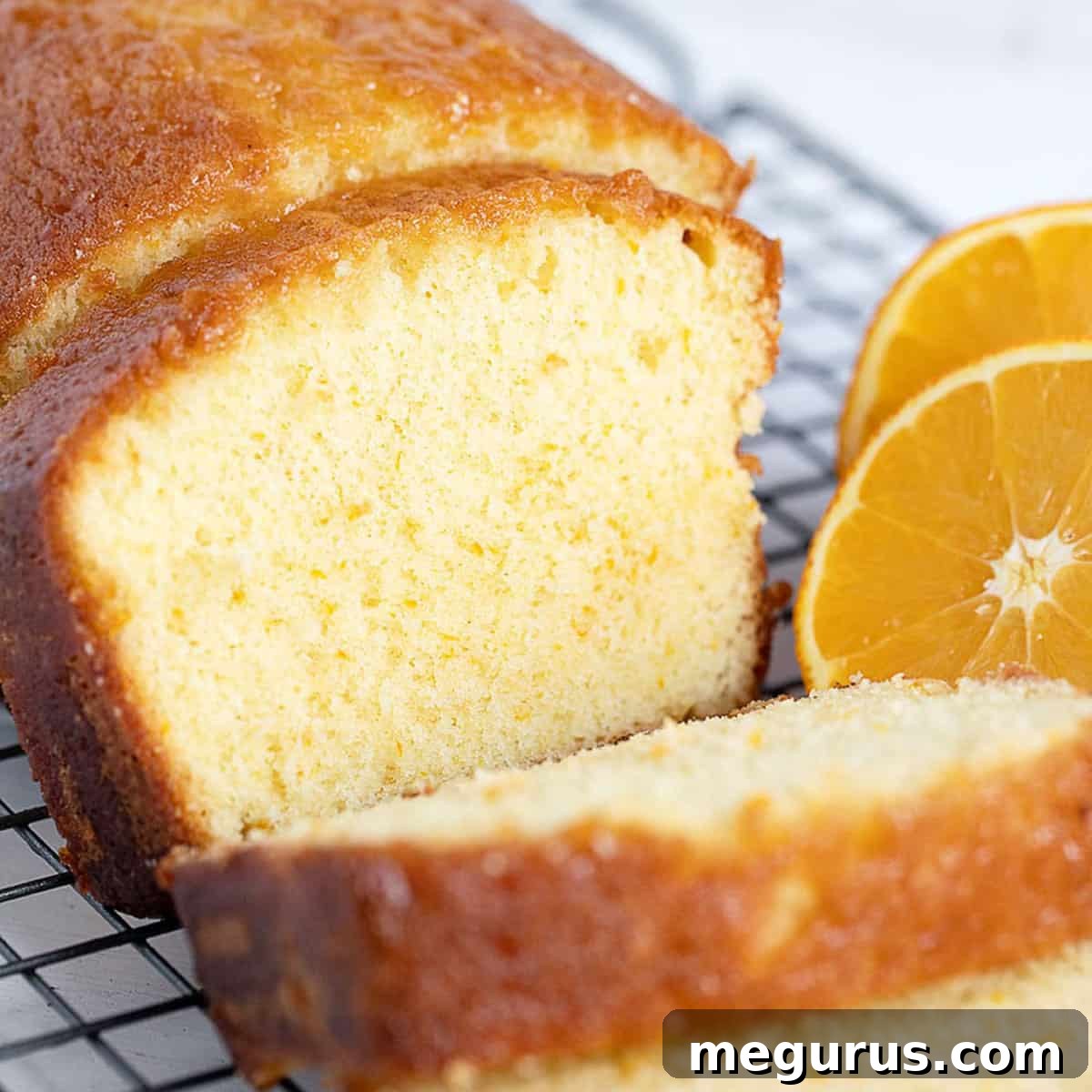
Welcome to the world of vibrant flavors with our irresistible **Orange Drizzle Loaf Cake**. This is more than just a cake; it’s a slice of sunshine, a perfect blend of moist texture, rich aroma, and an intense, fresh orange flavor. Topped with a glistening, tangy orange syrup, this loaf cake promises to brighten any day, making it an ideal treat for breakfast, afternoon tea, or a delightful dessert.
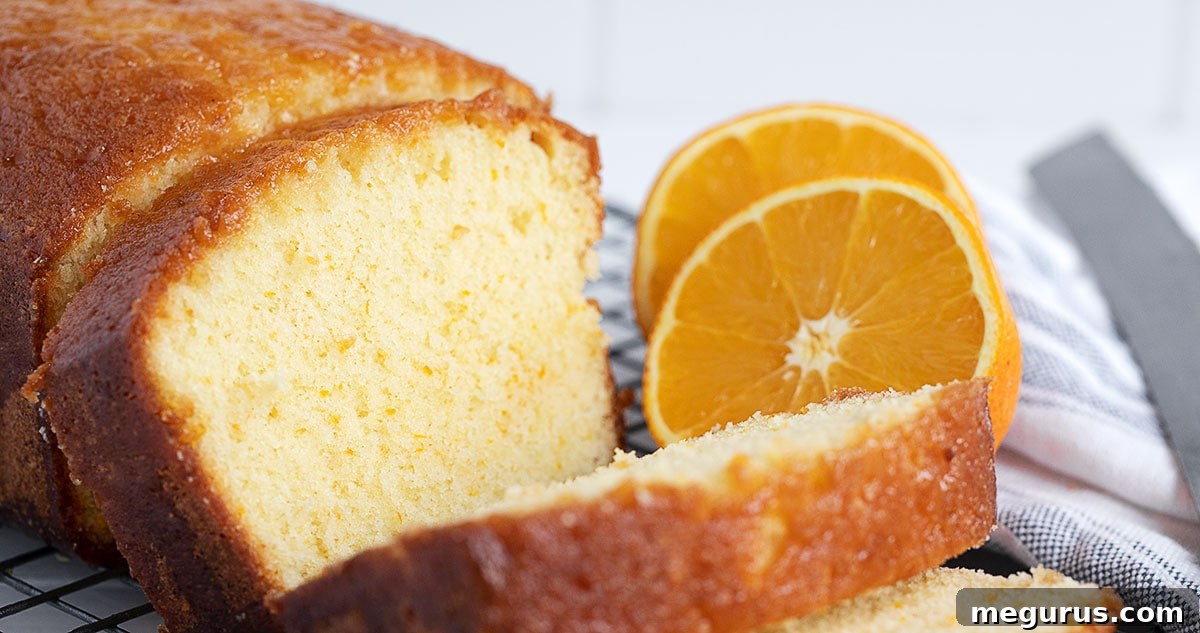
There’s an undeniable magic that citrus fruits bring to baking, and oranges, in particular, hold a special place. Their bright, zesty character can transform even the simplest recipe into something truly extraordinary. In the depths of winter, when gray skies prevail, a bite of this orange loaf cake is like a mini-escape to a sun-drenched grove, offering a burst of warmth and cheer.
Our recipe for this extraordinary orange loaf cake is designed for both seasoned bakers and eager beginners. It’s remarkably easy to prepare, relying on common pantry staples and a few fresh oranges to achieve its profound flavor. The batter comes together effortlessly, and the fresh orange drizzle, poured over the warm cake, not only infuses every crumb with citrus goodness but also creates a beautiful, shiny glaze that’s as appealing to the eye as it is to the palate. This cake is truly a versatile delight, perfect for any time of day, whether you’re enjoying a quiet morning coffee or hosting friends for an evening gathering.
Key Ingredients for Your Perfect Orange Drizzle Loaf Cake
Crafting the perfect Orange Drizzle Loaf Cake begins with understanding the role of each ingredient. Here’s a closer look at what makes this recipe sing:
Oranges: The Star of the Show
For this recipe, selecting the right oranges is paramount to achieving that bright, authentic flavor. While many varieties will work, we highly recommend **Navel oranges**. Their thick, easy-to-zest peel provides an abundance of aromatic zest, and their juicy, sweet flesh yields a generous amount of fresh juice, crucial for both the cake batter and the luminous drizzle. You’ll typically need about two medium Navel oranges to get the required zest and juice. The zest carries the essential oils and most intense orange flavor, so don’t skimp on it!
Heavy Cream (35% b.f.): For Unmatched Richness and Moisture
The addition of a small but significant amount of **heavy whipping cream (35% butterfat)** is a secret weapon in this recipe. Cream contributes a luxurious richness and an extra layer of fat, which is vital for achieving an incredibly moist crumb and a wonderfully tender texture in loaf cakes. It elevates the cake from merely good to truly exceptional. If heavy cream isn’t available, an 18% table cream or 10% half-and-half would be the next best substitutes, though they might result in a slight variation in the cake’s texture and richness due to their lower fat content. We haven’t tested this recipe with milk or non-dairy alternatives, so we recommend sticking to dairy cream for optimal results.
Butter: Flavor and Texture Foundation
**Butter** is fundamental in baking, contributing significantly to both flavor and texture. For this orange drizzle loaf, butter ensures a tender crumb and a delightful, rich taste that complements the bright orange notes. You can use either salted or unsalted butter, depending on your preference. If using salted butter, you might want to slightly reduce the added salt in the recipe. Always ensure your butter is at room temperature when creaming it with sugar, or melted and cooled as specified in the instructions, for proper emulsification and a smooth batter.
Pantry Staples: Flour, Sugar, Eggs, and Leavening
- All-Purpose Flour: The structural backbone of the cake. Measure it correctly by spooning it into a measuring cup and leveling it off, rather than scooping directly, to avoid a dense cake.
- Granulated White Sugar: Provides sweetness, moisture, and aids in browning. As noted in our tips, sugar plays a crucial role beyond just sweetness, affecting the final texture and moistness.
- Large Eggs: Bind the ingredients, add richness, and contribute to the cake’s lift and moisture. Always use room temperature eggs for a smoother, more emulsified batter.
- Baking Powder & Salt: Baking powder is the primary leavening agent, giving the cake its rise. Salt balances the sweetness and enhances all the flavors.
Crafting Your Delightful Orange Drizzle Loaf Cake: A Step-by-Step Guide
Creating this delicious orange loaf cake is a rewarding experience. The process is straightforward, ensuring a perfectly moist and flavorful result every time. Follow these steps for baking success:
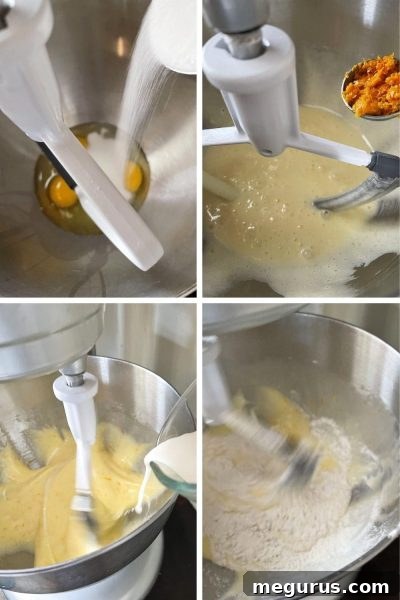
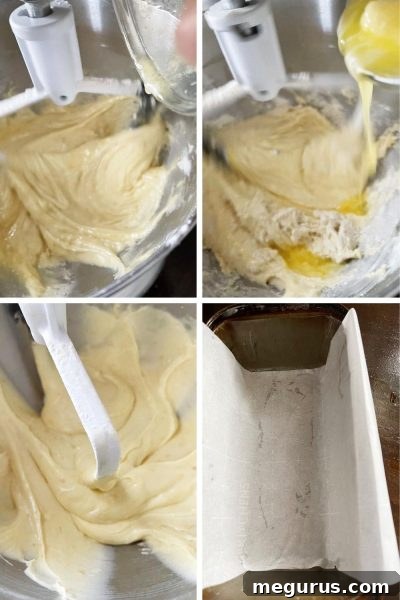
Preparation is Key
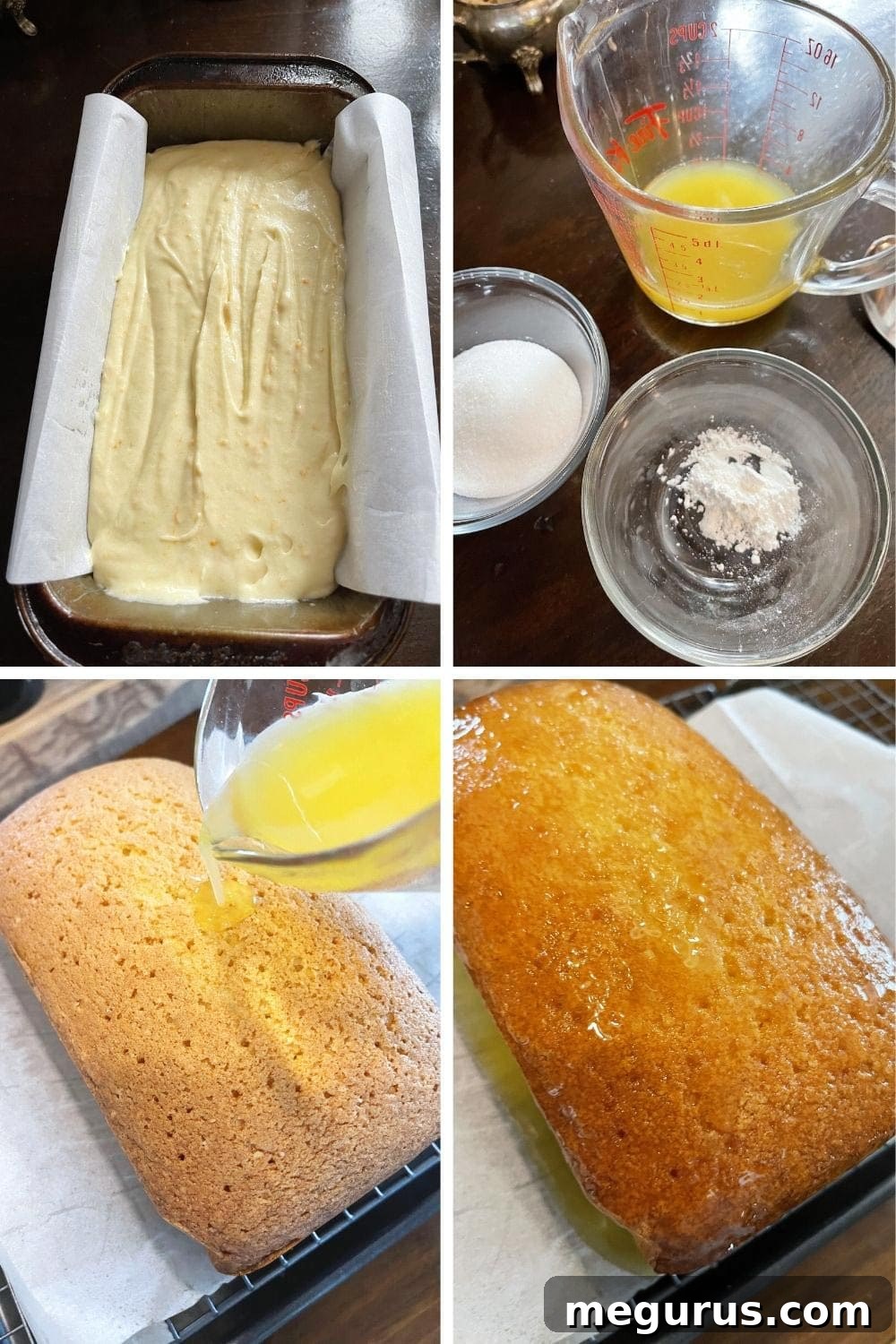
Before you even start mixing, ensure your oven is preheated to the correct temperature (325°F / 160°C for regular bake setting). This consistent heat is essential for even baking. Next, prepare your loaf pan. Greasing and lining it with parchment paper that extends over the long sides creates “handles,” making it incredibly easy to lift the baked loaf out without any sticking or breakage. Don’t forget to run a knife along the short ends after baking, if needed, before lifting.
Mixing the Batter: Simple and Swift
The batter for this cake comes together beautifully and quickly. It’s a simple “wet-into-dry” method, but paying attention to the mixing times is crucial. Beat the room temperature eggs and sugar thoroughly until they are light and fluffy – this incorporates air, contributing to the cake’s light texture. The orange zest, added early, infuses its aromatic oils throughout the mixture. Finally, the heavy cream and cooled melted butter are incorporated, creating a rich, smooth batter that promises a moist and flavorful cake.
The Magic of the Orange Drizzle
One of the hallmarks of this cake is its delightful orange drizzle. This simple syrup, made from fresh orange juice, sugar, and a touch of cornstarch, is prepared while the cake is nearing the end of its baking time. The cornstarch helps to slightly thicken the glaze, allowing it to cling beautifully to the cake without being too runny. Once the cake emerges from the oven, still warm, it’s crucial to poke the top generously with a skewer. This creates small channels for the warm orange drizzle to seep into, infusing the cake with even more citrus flavor and moisture, while also creating a gorgeous, slightly sticky glaze on top. Pouring the drizzle over a warm cake ensures maximum absorption and a deeply flavored result.
Expert Tips for Baking Your Best Loaf Cake
Achieving Baking Perfection
- Room Temperature Eggs: Your Baking Ally: This tip is paramount for quality. Eggs at room temperature emulsify better with other ingredients like butter and sugar, creating a smoother, more uniform batter. This leads to a finer crumb and a more tender, moist loaf. Plan ahead by taking your eggs out of the fridge at least 30 minutes, or even an hour, before you start baking.
- Understanding Sugar’s Role Beyond Sweetness: It’s tempting to reduce sugar in baking, but proceed with caution. Sugar is not just for sweetness; it’s a hygroscopic ingredient, meaning it attracts and retains moisture, significantly contributing to the finished texture, moistness, and tenderness of your cake. It also plays a role in browning. Drastically cutting sugar on your first bake of a recipe can lead to a dry, dense, or pale loaf. Always bake as prescribed initially. If you wish to reduce sugar in subsequent bakes, do so incrementally (e.g., by 10-20% at a time) and assess the results until you find a balance that suits your taste without compromising the cake’s structure or moisture.
- Preventing Over-Baking for Ultimate Moistness: The nemesis of any loaf cake is over-baking. An over-baked cake will be dry and crumbly. Towards the end of the specified baking time, start monitoring your loaf closely. Avoid opening the oven door too early, especially before the cake has fully risen and begun to brown on top. Once it looks close, gently insert a long skewer or cake tester into the very center of the loaf. It should come out clean, possibly with a few moist crumbs clinging to it, but no wet batter.
- Avoiding Under-Baking for Structural Integrity: Conversely, under-baking can lead to a collapsed or sunken loaf once it cools. This happens because the cake’s internal structure hasn’t fully set. Always ensure your cake tests “done” with the skewer test, regardless of whether it takes exactly the time specified in the recipe. Baking times are approximate and can vary significantly based on individual oven calibration, the material and color of your loaf pan (darker pans absorb more heat), and even ambient humidity. Trust the skewer test over the clock.
- Proper Zesting Technique: When zesting your oranges, use a microplane or the finest side of a box grater. Be careful to only remove the brightly colored outer layer (the zest) and avoid the bitter white pith underneath. The zest contains all the aromatic oils that give the cake its intense orange flavor.
- Measuring Flour Accurately: For consistent results, always measure your flour by spooning it lightly into your measuring cup and then leveling off the top with a straight edge. Do not pack the flour or scoop directly from the bag, as this can result in too much flour and a dry, dense cake.
Making Ahead, Storing, and Freezing Your Orange Drizzle Loaf
This orange loaf cake is celebrated for its incredible moistness, which means it holds up beautifully, making it an excellent candidate for preparing in advance or for enjoying over several days.
Storage at Room Temperature
To maintain its freshness and delightful texture, store the orange drizzle loaf cake at room temperature. Once completely cooled, wrap the cut end securely with plastic wrap or place the entire loaf in an airtight container. It will remain wonderfully moist and flavorful for 3-4 days. For optimal enjoyment, avoid refrigerating, as this can sometimes dry out cakes.
Freezing for Extended Freshness
If you wish to enjoy this delightful cake beyond a few days, it freezes exceptionally well for up to 3 months. To freeze, ensure the loaf is completely cooled. You can freeze it whole, half, or even in individual slices. Wrap the cake tightly in plastic wrap, then an additional layer of aluminum foil to prevent freezer burn. When you’re ready to enjoy, simply thaw the cake at room temperature for several hours or overnight. The drizzle will re-absorb beautifully, leaving you with a cake that tastes freshly baked.
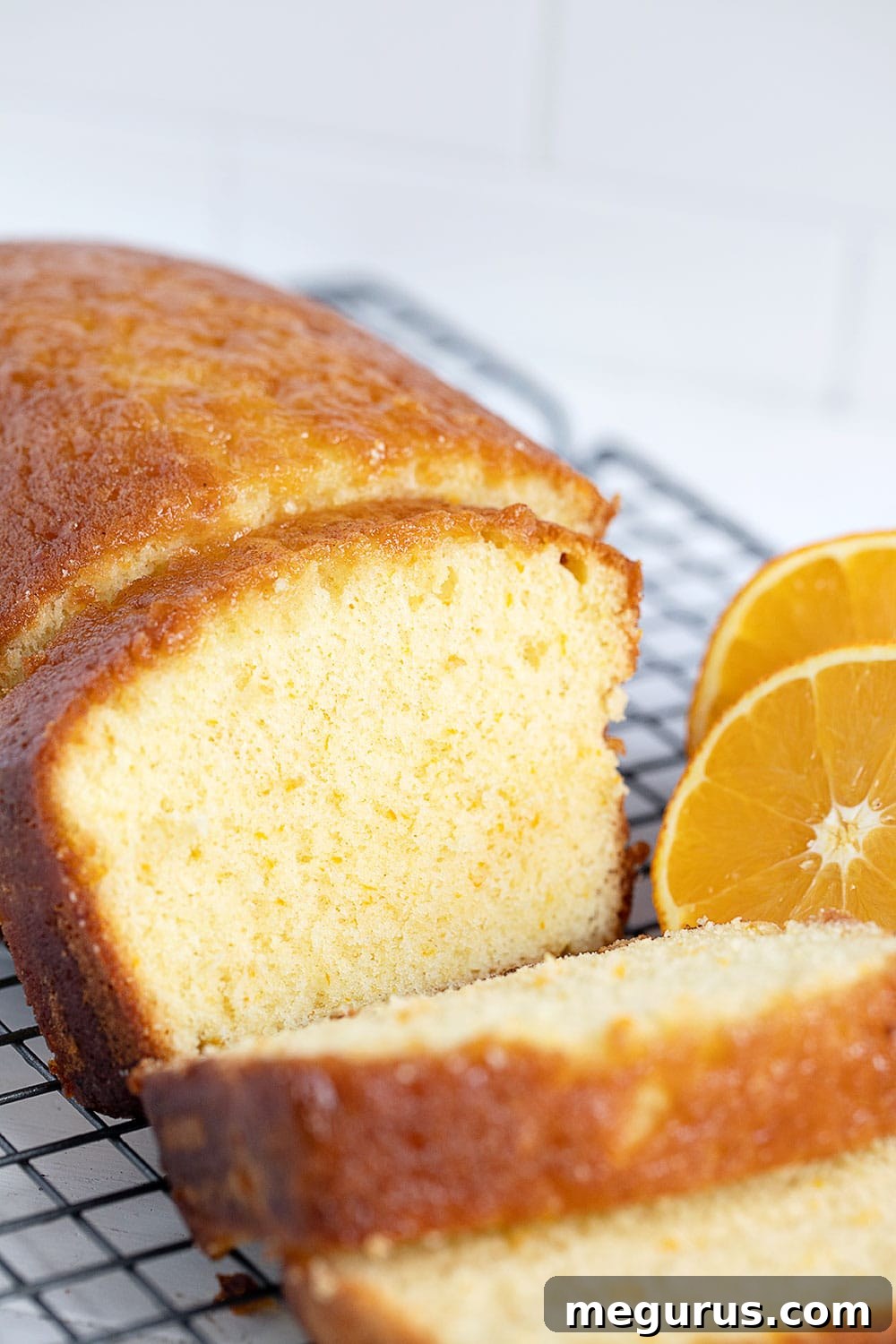
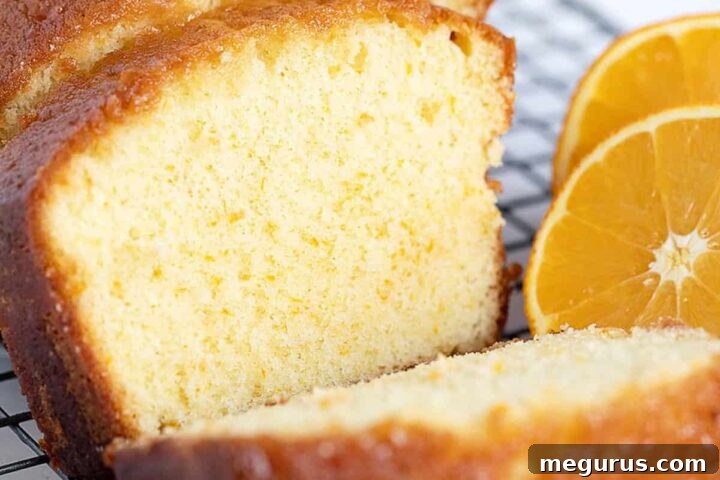
Orange Drizzle Loaf Cake
An easy and delicious orange loaf cake, featuring a vibrant orange syrup drizzle. Wonderfully moist, incredibly flavorful, and perfect for any occasion.
Ingredients
- 3 large eggs, at room temperature
- 1 cup (200 g) granulated white sugar
- 1 Tablespoon orange zest, packed, from about 2 medium oranges
- 1 1/2 cups (180 g) all purpose flour
- 1 1/2 teaspoons baking powder
- Pinch salt
- 1/3 cup + 1 Tbsp (95 g) 35% b.f heavy whipping cream, *see Note 1 below
- 3 1/2 Tablespoons (50 g) butter, melted and cooled, salted or unsalted
Orange Drizzle Glaze:
- 1/2 cup orange juice, freshly squeezed and strained, from about 2 medium oranges
- 3 Tablespoons (40 g) white granulated sugar
- 1 teaspoon cornstarch
Instructions
- Preheat oven to 325°F (160°C) (regular bake setting/not fan-assisted), with rack in center of oven.
- Grease an 8 1/2 x 4-inch loaf pan and line with parchment paper, covering the bottom and long sides of the pan, overhanging the side edges by about an inch. Set aside.
- In a medium bowl, whisk together the flour, baking powder and salt. Set aside.
- Melt butter and set aside to cool until needed.
- Add room temperature eggs and sugar to a large bowl (and using an electric mixer) or the bowl of a stand mixer fitted with the paddle attachment. Beat together well until light and fluffy, about 2 minutes. Add orange zest and mix in briefly. Add cream and beat mixture well, another 1-2 minutes.
- With mixer on low speed, spoon in flour mixture, mixing until well combined. Add the melted (but cooled) butter and mix in until well combined.
- Pour batter into prepared loaf pan and smooth top.
- Bake in preheated oven for 60-65 minutes, or until the loaf tests clean with a tester inserted in the center of the loaf.
- About 10 minutes before the loaf is done, prepare the glaze by combining the glaze ingredients in a small saucepan. Heat over medium heat, stirring, until the sugar dissolves and mixture comes to a boil. Remove from heat and set aside until needed.
- Remove from oven and let cool in pan for 2 minutes, then lift out of the pan by the parchment sides and place onto a cooling rack set on top of a rimmed baking sheet (to catch the drips from the glaze). Carefully remove the parchment paper and discard.
- While loaf is still hot, use a skewer to pierce the top of the loaf generously, all over the top, inserting the skewer in about 1 – 1 1/2 inches. Pour part of the glaze over-top and allow to soak in a bit, then pour the remainder over-top, trying to cover the entire top with a bit of glaze.
- Allow the loaf to cool completely before slicing.
Notes
Note 1: If you don’t have heavy whipping cream (35% b.f.) on hand, I would suggest either 18% table cream or 10% b.f. half-and-half cream as the next best options. As these are lower in fat, there may be some resulting slight change in the texture and moisture of the loaf.
Loaf will keep well at room temperature (with the cut end well wrapped) for a couple of days. It will freeze well, too.
For best (moist) results, be careful not to over-bake your loaf. Watch closely towards the end of baking, but don’t open the door to test until your loaf has crested and is starting to color on top. When you feel you’re getting close, start testing in the center of the loaf with a long skewer or tester. The tester should come out clean when it’s done.
Likewise, you don’t want to under-bake your loaf, or it may sink once out of the oven. You need to test it and you need to leave it in the oven until it tests “done,” regardless of how long that takes. Baking times can and will vary between ovens and depending on the type/color of loaf pan you’ve used.
Be sure to read the detailed tips above this recipe card for more insights on making this recipe.
Nutrition Information (per serving):
- Serving: 1 serving
- Calories: 213 kcal
- Carbohydrates: 33 g
- Protein: 3 g
- Fat: 8 g
- Saturated Fat: 4 g
- Trans Fat: 1 g
- Cholesterol: 66 mg
- Sodium: 51 mg
- Potassium: 113 mg
- Fiber: 1 g
- Sugar: 21 g
- Vitamin A: 307 IU
- Vitamin C: 6 mg
- Calcium: 39 mg
- Iron: 1 mg
(Nutritional values are estimates and may vary based on specific ingredients and preparation.)
This Orange Drizzle Loaf Cake is truly a versatile and satisfying bake. Whether you’re looking for a comforting treat on a chilly day or a bright, zesty dessert to share with loved ones, this recipe delivers on all fronts. Its easy preparation and wonderful flavor make it a recipe you’ll return to again and again.
Explore the visual story of this Orange Drizzle Cake Loaf.