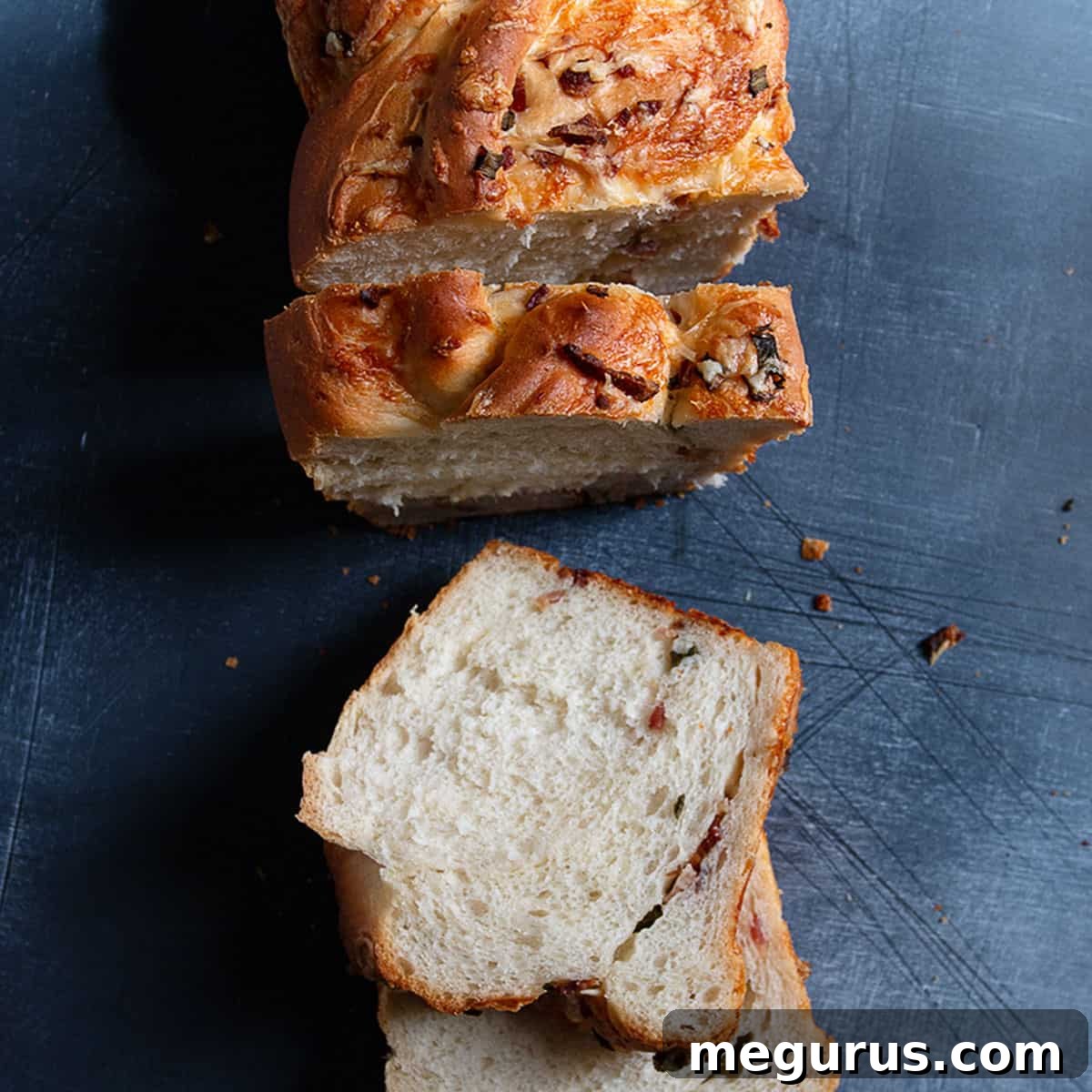
Ultimate Loaded Baked Potato Bread: A Savory Homemade Masterpiece
Imagine the comforting flavors of a piping hot, fully loaded baked potato transformed into a soft, golden-brown loaf of bread. This isn’t just any potato bread; it’s an exquisite culinary creation generously flavored with tangy sour cream, fresh green onions, sharp cheddar cheese, and irresistible crumbled bacon. It’s a truly satisfying twist on classic bread that promises a burst of savory goodness in every slice. Get ready to bake your new favorite comfort food!
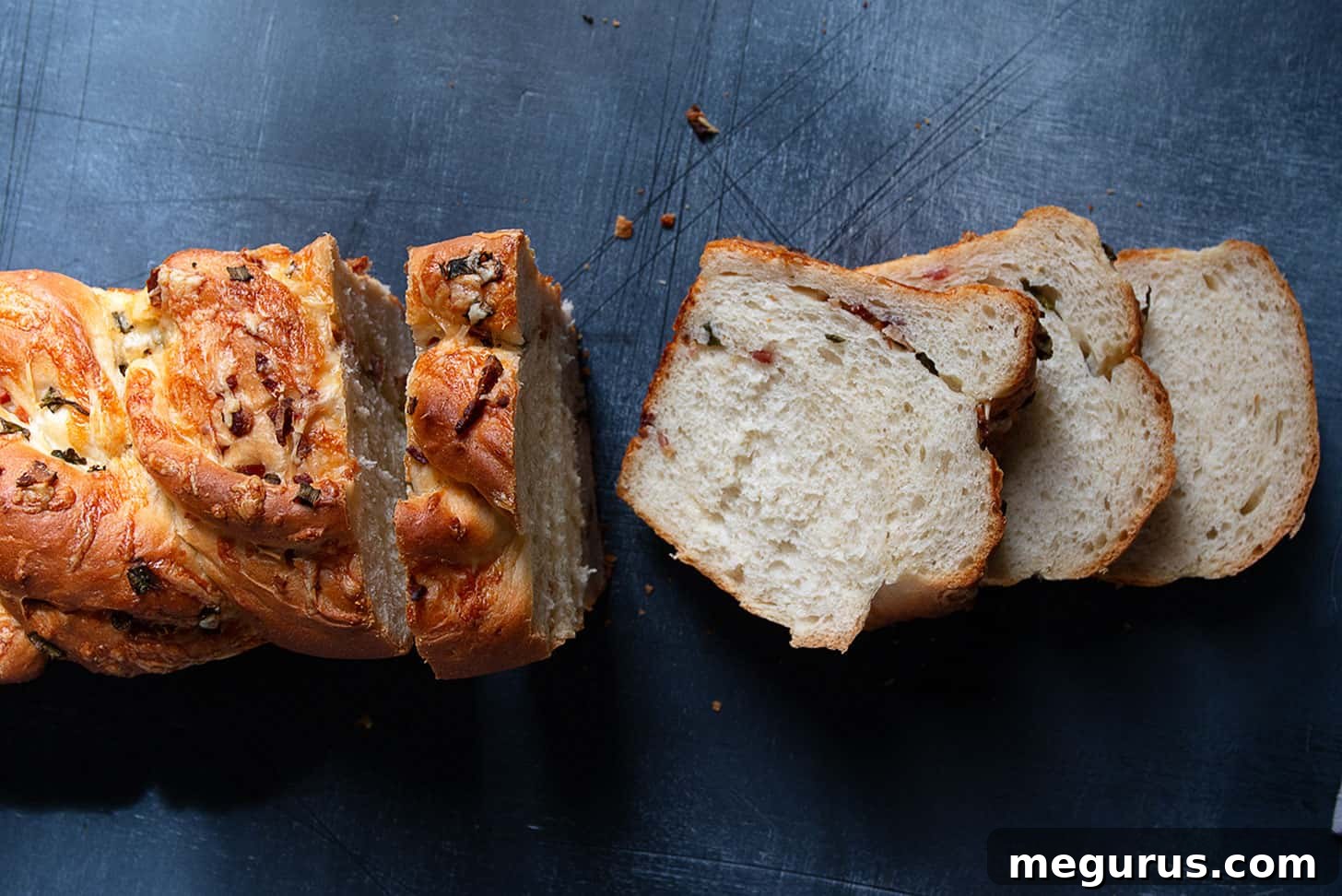
Potato bread has always held a special place in my heart, primarily because the addition of mashed potatoes bestows an unparalleled softness and delightful chewiness to the texture. It’s a subtle touch that elevates a simple loaf into something truly extraordinary. For this particular recipe, I wanted to take those familiar comforts to an exciting new level, drawing inspiration from one of the most beloved side dishes: the loaded baked potato.
My journey began by enhancing the dough itself, infusing it with a hint of sour cream for an added richness and a vibrant touch of chopped green onion. This preliminary step ensures that every bite, even before reaching the heart of the loaf, carries a whisper of that distinctive baked potato flavor. But the real magic happens with the filling: generous layers of aged, white cheddar cheese, known for its sharp, creamy notes, are combined with smoky, crispy crumbled bacon. The result is a loaf where the flavors are so harmoniously balanced, it genuinely tastes like a deconstructed, yet perfectly reassembled, loaded baked potato experience.
This bread isn’t just about the generous filling; it’s about the sophisticated interplay of all components. Each ingredient plays a vital role in creating a cohesive, deeply satisfying flavor profile that is both familiar and exciting. It’s a testament to how simple ingredients can come together to create something truly spectacular.
Essential Ingredients for Your Loaded Baked Potato Bread
Understanding the role of each ingredient is key to mastering this recipe and achieving perfect results every time. Here are a few important notes on the key players:
- Yeast: You have the flexibility to use either active dry yeast or instant yeast for this bread. Active dry yeast typically requires activation in warm water, while instant yeast can often be mixed directly with the dry ingredients. Ensure your yeast is fresh for optimal rise. If using active dry, look for small bubbles forming after 5-10 minutes in warm water, indicating it’s active and ready to work its magic.
- Mashed Potatoes: This is where the magic really begins for that signature soft texture. You can efficiently use leftover mashed potatoes – just make sure they’re plain (without too much butter or milk, as that can affect the dough’s consistency). Alternatively, instant mashed potato flakes offer a convenient shortcut; simply prepare them according to package directions. If neither is available, boiling a few potatoes until tender and mashing them until smooth will work wonderfully. Aim for a smooth, lump-free consistency for the best bread texture. Russet potatoes are generally preferred for mashing due to their starchy nature, which contributes to a light and fluffy mash.
- Sour Cream: This ingredient is crucial for adding a subtle tang and moisture to the dough, enhancing its richness and tenderness. Ensure it’s at room temperature before incorporating it, as this helps it blend more smoothly into the dough mixture. Full-fat sour cream will yield the richest flavor and best texture.
- Green Onion: Freshly diced green onion brings a mild oniony zest that complements the other savory flavors perfectly. While the recipe suggests adding it to the dough, a small portion can also be sprinkled with the filling for an extra pop of color and flavor.
- Cheddar Cheese: We recommend a sharp, aged white cheddar for its robust flavor that truly stands out. Shredded cheese melts beautifully, creating pockets of gooey goodness within the bread. Don’t be shy about adding a little extra on top before baking for a golden, crispy crust.
- Bacon: Crispy, crumbled bacon bits are non-negotiable for that authentic “loaded” experience. Cook your bacon until it’s perfectly crisp, then crumble it into small pieces. The smoky, salty notes of the bacon are essential for balancing the richness of the cheese and the tang of the sour cream.
- Flour: All-purpose flour is the backbone of this bread. When measuring, spoon and level the flour rather than scooping directly from the bag. This prevents over-measuring, which can lead to a dry, dense loaf. The exact amount needed might vary slightly depending on humidity and your mashed potato consistency, so be prepared to adjust as you knead.
- Lukewarm Water & Salt: The water temperature is vital for activating the yeast (around 105-115°F or 40-46°C). Salt not only adds flavor but also helps control the yeast activity and strengthens the gluten structure of the dough.

Pro Tips for Baking Perfect Potato Bread
Achieving a bakery-quality loaf at home is entirely possible with a few insider tips:
- Shaping Technique for Even Filling: The twisted shaping method I’ve adopted for this bread is designed specifically to prevent those dreaded gaps that can occur when a filled bread is rolled “jelly-roll” style. By cutting the rolled dough lengthwise and twisting the two halves together, you create a beautiful, artisanal look while ensuring the filling is evenly distributed throughout the loaf, not just in one layer. If you prefer a simpler approach, a traditional jelly-roll style can still be used; just ensure you roll from the shorter side of your rectangle to create more spirals of filling rather than one thick layer.
- Green Onion Placement: In my experience, adding the diced green onions directly into the dough during the kneading stage yields a better result. When sprinkled with the filling, they sometimes end up on the surface of the loaf during baking and can scorch, affecting the aesthetic without necessarily ruining the taste. Incorporating them into the dough ensures their flavor permeates evenly and they remain protected from excessive heat.
- Dough Consistency is Key: Pay close attention to the dough as you add flour. It should be smooth, soft, and moist, but crucially, not sticky. The exact amount of flour can vary, so add it gradually until you reach this ideal consistency. A slightly tacky dough is good; a sticky one needs a little more flour, while a stiff, dry dough needs less.
- Proper Proofing: A warm, draft-free environment is essential for yeast dough to rise properly. If your kitchen is cool, try placing the covered bowl in a slightly warm (but turned off) oven, or near a sunny window. Don’t rush the rising process; allow the dough to truly double in size for a light and airy texture.
- Don’t Over-Knead: While kneading is important for developing gluten, over-kneading can make the bread tough. Knead until the dough is smooth and elastic, then stop.
- Oven Temperature Consistency: Ensure your oven is fully preheated to the correct temperature before placing the bread inside. An oven thermometer can be a great tool to verify accuracy.
- Preventing Over-Browning: If your loaf is browning too quickly on top, especially during the last 10-15 minutes of baking, loosely tent it with aluminum foil. This protects the crust while allowing the interior to finish baking thoroughly.
Shaping Your Loaf: A Visual Guide
For those who prefer a more visual guide to the twisted shaping method, I have created a detailed video. While this video was originally made to demonstrate the shaping for my Simply Perfect Homemade Cheese Bread Recipe, the technique is identical for this Loaded Baked Potato Bread. Simply substitute the fillings mentioned in the video with our savory potato bread mixture. Observing the process can often clarify steps that are harder to describe in words, ensuring you achieve a beautiful, professional-looking loaf.
Making Ahead, Storing, and Freezing for Freshness
This Loaded Baked Potato Bread is not only delicious but also incredibly versatile when it comes to preparation and storage, making it perfect for meal prepping or enjoying fresh over several days.
Making Ahead:
- Dough Preparation: You can prepare the dough up to the first rise (after kneading) and then refrigerate it overnight. Simply place the greased, covered bowl in the fridge. The cold will slow down the yeast activity. The next day, let the dough come to room temperature for about 30-60 minutes before proceeding with shaping and the second rise. This slow fermentation can actually enhance the flavor of the bread.
- Partial Bake (Par-baking): For ultimate convenience, you can par-bake the loaves. Bake the bread at 375°F (190°C) for about 20-25 minutes, or until lightly golden but not fully cooked through. Let cool completely, then wrap tightly and freeze. When ready to serve, thaw partially (or bake from frozen, adding more time) and finish baking until golden brown and cooked through, approximately 15-20 minutes.
Storing Fresh Bread:
- Once baked and cooled completely, store the bread in an airtight container or a large resealable plastic bag at room temperature. This will keep it fresh and soft for 2-3 days. Avoid refrigerating bread unless it’s very hot and humid, as refrigeration can dry out yeast breads more quickly.
- For optimal freshness, you can also wrap the loaf in plastic wrap, then place it in a bread box or large container.
Freezing for Longer Shelf Life:
This bread freezes beautifully, making it an excellent candidate for batch baking. You can freeze it whole or sliced:
- Whole Loaf: Ensure the loaf is completely cool. Wrap it tightly first in plastic wrap, then in aluminum foil, or place it in a freezer-safe bag, expelling as much air as possible. Label with the date. It will stay fresh in the freezer for up to 3 months.
- Sliced Loaf: Slice the cooled bread first. This allows you to thaw individual slices as needed. Stack the slices, wrap them tightly in plastic wrap, and then place them in a freezer bag. This method is great for quick toast or sandwich preparation.
Thawing and Reheating:
- Whole Loaf: Thaw a frozen whole loaf on the counter for several hours or overnight. For best results, once thawed, you can warm it in a preheated oven at 300°F (150°C) for 10-15 minutes to refresh the crust and warm through.
- Slices: Individual slices can be thawed quickly in a toaster, toaster oven, or microwave. For a crispy exterior, a toaster or toaster oven works best.
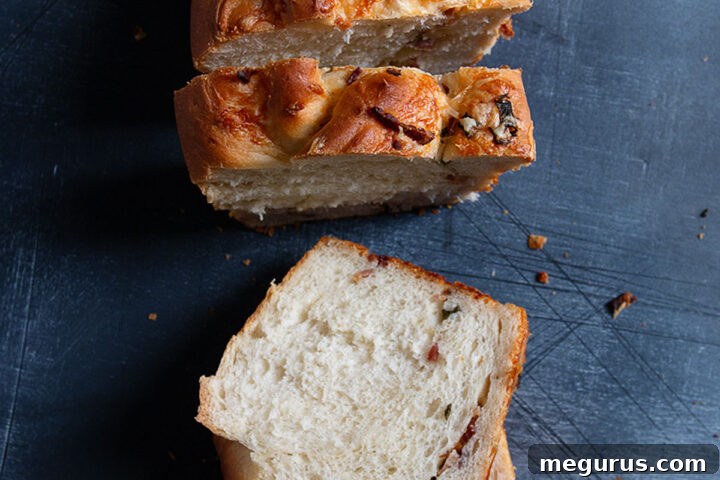
Get the Recipe: Loaded Baked Potato Bread
This potato yeast bread is a true marvel, marrying the comforting softness of homemade bread with the robust flavors of sour cream, fresh green onion, sharp cheddar cheese, and crispy bacon. It’s an irresistible celebration of all things delicious about a loaded baked potato, baked into a magnificent loaf!
Rating: 5 stars from 9 ratings
Print Recipe |
Pin This |
Leave a Review
- Prep Time:
- 15 mins
- Cook Time:
- 40 mins
- Rising Time:
- 1 hr 30 mins
- Total Time:
- 55 mins (Active Time. Note: Total process time includes rising.)
- Yield:
- 14 servings
Ingredients
For the Dough:
- 3/4 cup lukewarm water (about 110°F / 43°C)
- 1 Tablespoon instant or active dry yeast
- 1/2 cup mashed potatoes (leftover, freshly boiled and mashed, or prepared from instant potato flakes)
- 1/2 cup sour cream, at room temperature
- 1 teaspoon salt
- 1/4 cup vegetable oil (or canola oil)
- 3 cups all-purpose flour, spooned and leveled (plus more as needed)
- 1/3 cup fresh green onion, diced (added to dough)
For the Filling:
- 1/3 cup bacon, cooked until crispy and crumbled (approximately 3 slices)
- 1/2 cup shredded sharp cheddar cheese, well packed (plus more for sprinkling on top before baking)
Instructions
- In a large mixing bowl or the bowl of a stand mixer fitted with a paddle attachment, add the lukewarm water. Sprinkle the yeast over the water and stir gently. Let it stand for 5 minutes until foamy, indicating the yeast is active.
- Add the mashed potatoes, room temperature sour cream, salt, vegetable oil, and 1 cup of the flour to the bowl. Mix thoroughly with a spoon or the paddle attachment until well combined. If using a stand mixer, switch to the kneading hook attachment at this point.
- Gradually add another 1 cup of flour and continue mixing. Then, slowly incorporate the final cup of flour along with the diced green onion, adding flour a bit at a time. Knead the dough until it is smooth, soft, and moist, but no longer sticky to the touch. You may need slightly more or less than 3 cups of flour depending on your mashed potato consistency and humidity.
- Lightly grease a clean bowl. Transfer the dough to the greased bowl, turning it once to coat. Cover the bowl with plastic wrap or a clean tea towel and let it rise in a warm, draft-free place until it has doubled in size, typically 45-60 minutes.
- While the dough is rising, preheat your oven to 375°F (190°C) for a non-convection oven.
- Once the dough has doubled, gently punch it down. Transfer the dough to a lightly floured work surface. Roll the dough into a rectangular shape, approximately 10 inches by 16 inches.
- Evenly scatter the crumbled bacon and shredded cheddar cheese over the entire surface of the rolled-out dough, leaving a small border around the edges.
- For a standard 9×5-inch loaf: Roll up the dough tightly from the 10-inch (shorter) side, jelly-roll style. Pinch the seam together securely to seal the filling. Carefully place the rolled loaf, seam-side down, into a greased 9×5-inch loaf pan.
-
For a 9×5-inch twisted loaf OR a 12×4-inch twisted loaf:
- Roll up the dough jelly-roll style. If using a 9×5-inch pan, roll from the 10-inch (short) side. If using a 12×4-inch pan, roll from the 16-inch (long) side.
- Shaping Directions for Twisted Loaf: (*A video demonstration of this shaping method is available in the blog post above this recipe card if you need a visual aid.) Place your jelly-rolled dough on a large cutting board. Using a sharp knife or bench scraper, carefully cut the dough in half lengthwise from one end to the other, creating two long pieces. Rotate the two slices so that the cut side, exposing the delicious filling, is facing upwards. Place the two pieces directly next to each other. Firmly pinch the two pieces together at one far end. Then, gently twist or braid the two pieces together, making about 3 twists along the length. Pinch the ends closest to you to secure the twist. Using a bench scraper or spatula, carefully lift the twisted loaf and place it into a greased loaf pan of your choice (9×5-inch or 12×4-inch).
- Cover the loaf pan with a clean tea towel and allow the shaped bread to rise again in a warm, draft-free place until it has roughly doubled in size, which should take an additional 30-40 minutes.
- Just before baking, sprinkle a bit more shredded cheddar cheese over the top of the loaf for an extra golden crust.
- Bake in the preheated 375°F (190°C) oven for approximately 40 minutes. After 30 minutes, check the loaf; if it is sufficiently browned, loosely lay a sheet of aluminum foil over the top to prevent further browning during the remainder of the baking time.
- Once baked, remove the bread from the oven and let it stand in the pan for 5 minutes. Then, carefully remove it from the pan and transfer it to a wire cooling rack to cool completely before slicing and serving. Enjoy!
Notes
For additional valuable tips, alternative options, ingredient substitutions, and creative variations for this recipe, please refer to the comprehensive notes and sections provided earlier in this blog post. You will also find a helpful video demonstrating the twisted shaping method for this bread, which many bakers find incredibly beneficial.
- Cuisine:
- American, Canadian
- Course:
- Bread
- Author:
- Jennifer Maloney
Nutrition Information (per serving)
- Serving: 1 slice
- Calories: 177kcal
- Carbohydrates: 23g
- Protein: 4g
- Fat: 7g
- Saturated Fat: 5g
- Cholesterol: 8mg
- Sodium: 205mg
- Potassium: 82mg
- Fiber: 1g
- Vitamin A: 115IU
- Vitamin C: 2.2mg
- Calcium: 44mg
- Iron: 1.4mg
Tried this recipe? If you enjoyed this recipe, please consider leaving a star rating and comment below. Your feedback helps other home bakers discover and enjoy this delicious bread!
More Twisted Yeast Bread Recipes to Love!
If you’ve enjoyed the process of making and tasting this Loaded Baked Potato Bread, you might be interested in exploring other delightful twisted yeast bread recipes. These loaves are not only visually appealing but also offer a fantastic array of flavors and textures, perfect for expanding your baking repertoire.