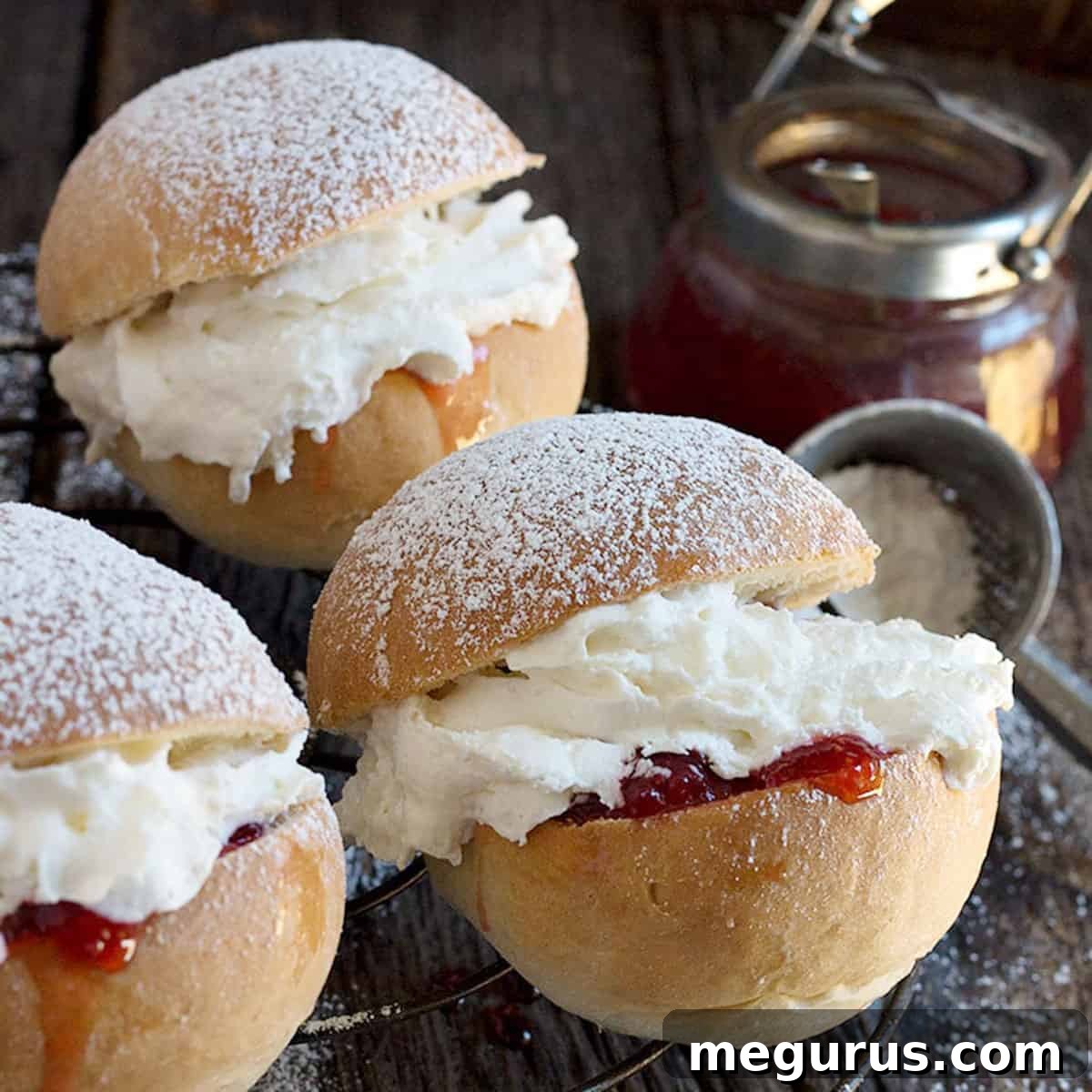
Traditional Cornish Splits: A Delightful British Cream Tea Treat
Step into the heartwarming world of British baking with a truly enchanting classic: Cornish Splits. These aren’t just any ordinary buns; they are wonderfully soft, subtly sweet yeast buns, lovingly split and generously filled with sweet jam and luscious whipped cream. Forget the scones for a moment and prepare to rediscover a dessert that is perfect for a special occasion, an afternoon tea, or simply a comforting treat.
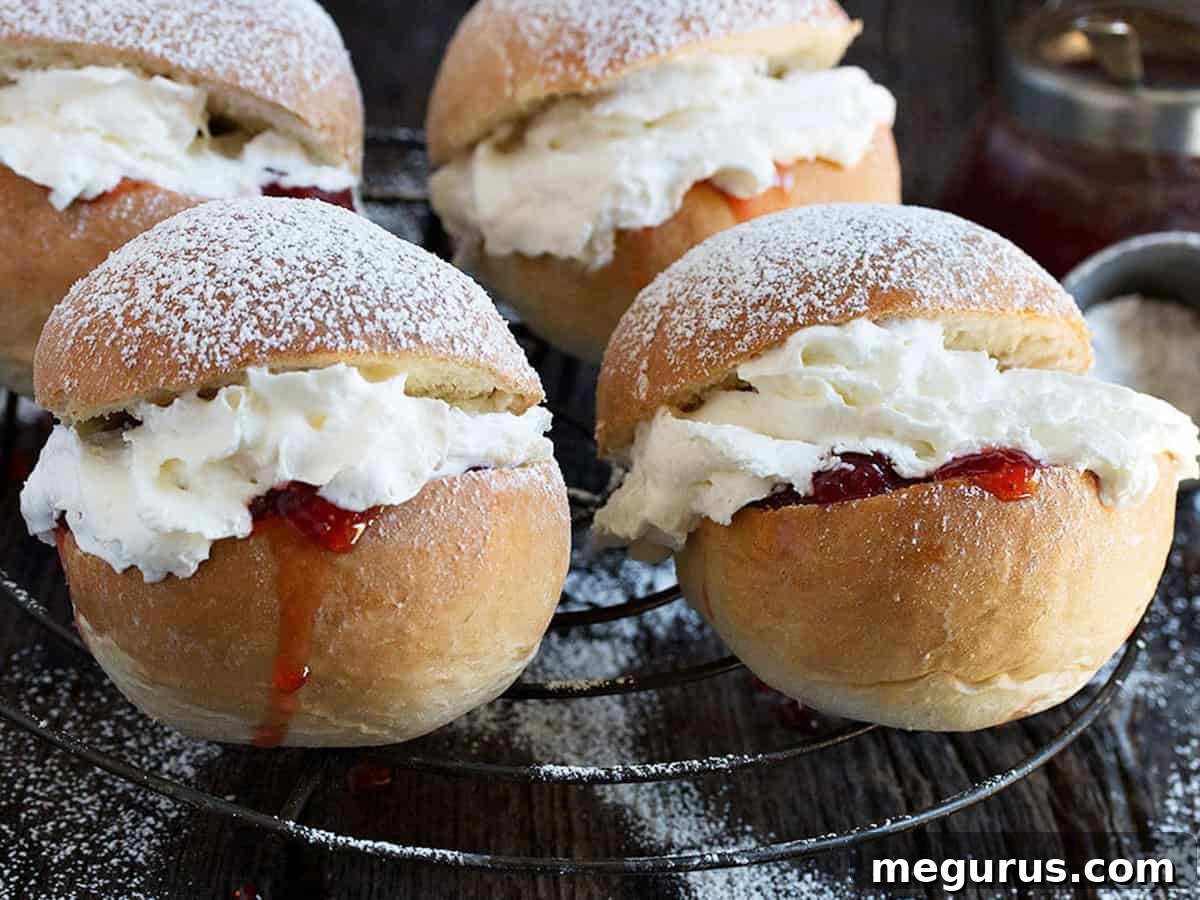
It’s astonishing how such a delectable treat, steeped in British culinary history, could have somewhat receded from the limelight. For years, Cornish Splits, once a staple of the iconic British “cream tea,” have been overshadowed by their more commonly known counterpart, the scone. Perhaps this shift in popularity can be attributed to the relative ease and quicker preparation time of scones, which don’t require the proofing time of a yeast-leavened bun. Additionally, scones generally boast a longer shelf life, making them a more convenient option for many bakers and tea rooms. However, having recently had the pleasure of baking and savoring these delightful buns, I wholeheartedly believe it’s time for the classic Cornish Split to reclaim its rightful place as a beloved British delicacy!
These soft, pillowy buns offer a unique texture and flavor profile that distinguishes them from a scone. While scones are traditionally denser and crumblier, Cornish Splits boast a light, airy crumb, thanks to the yeast, making them incredibly tender and absorbent for the delicious fillings. This difference creates an entirely distinct and equally enjoyable experience that truly deserves a revival in modern kitchens and tea parties.
The Rich History and Regional Variations of British Splits
The tradition of enjoying a “cream tea” dates back centuries in Britain, particularly flourishing in the West Country counties of Cornwall and Devon. While scones have become synonymous with this delightful meal, the yeast bun, or “split,” actually predates the scone as the original accompaniment. These humble buns were once the go-to choice for a sweet treat, often served with freshly churned butter, local jam, and thick clotted cream.
A fascinating point of discussion, and often a friendly rivalry, revolves around the distinction between Cornish Splits and Devonshire Splits. While essentially the same type of yeast bun, the regional difference lies purely in the order of assembly. In Cornwall, tradition dictates that the split bun is first spread with a generous layer of jam, followed by a dollop of rich clotted cream on top. This ensures the jam soaks slightly into the bun, creating a wonderfully moist and flavorful base. Conversely, in Devon, the order is reversed: cream first, then jam on top. Both methods are equally delicious, offering a subtle variation in how the flavors meld with each bite. Our recipe follows the Cornish tradition, placing the jam first, but feel free to experiment with the Devonshire style if you prefer!
Essential Ingredients and Thoughtful Substitutions
Crafting the perfect Cornish Split involves a few key components, each contributing to its unique charm and flavor. While traditional elements are highly prized, practical substitutions can ensure this treat is accessible to all, no matter where you are in the world.
Whipped Cream: The Creamy Crown
Traditionally, Cornish Splits are crowned with a rather generous dollop of authentic clotted cream. This thick, rich cream, with its distinctive yellowish crust and nutty flavor, is a true cornerstone of West Country cream teas. However, finding genuine clotted cream outside of the UK, particularly in North America, can be a challenge. It’s often rare, expensive, and comes in frustratingly small jars. If you are fortunate enough to have a readily available source of reasonably priced clotted cream, or if you enjoy making your own at home, by all means, embrace the authentic experience! The dense, almost buttery texture of clotted cream adds an unparalleled decadence.
For those times when clotted cream isn’t an option, or you simply prefer a lighter touch, high-quality whipped cream is an excellent and widely accessible substitute. I’ve often used canned, real whipped cream for convenience – a small indulgence for busy days! However, for the best flavor and texture, I highly recommend whipping your own heavy cream. Use a stand mixer or hand mixer to whip cold heavy cream with a touch of granulated sugar until it forms soft peaks. For a more stable whipped cream that holds its shape beautifully for piping, consider adding a teaspoon of cornstarch or cream cheese to the cream before whipping. This will give it more structure, especially if you plan to pipe intricate swirls or if the splits will be sitting out for a while.
Jam: The Sweet Heart of the Split
The choice of jam is incredibly personal and offers a wonderful opportunity to customize your Cornish Splits. You can truly use any jam you adore for this recipe, making it a fantastic way to showcase your homemade preserves or celebrate seasonal fruits. Imagine the burst of flavor from fresh summer strawberry jam, the tangy sweetness of raspberry, or the rich depth of blackberry jam. A slightly runny jam tends to work particularly well here, as it gently soaks into the soft yeast bun, adding moisture and infusing it with fruity goodness. I often find my homemade Strawberry Platter Jam to be the perfect companion, providing both flavor and the ideal consistency. Don’t be shy about experimenting with different varieties throughout the year – perhaps a sharp lemon curd for a zesty twist, or a spiced plum jam for an autumnal treat!
Expert Recipe Tips for Perfect Cornish Splits
Achieving bakery-quality Cornish Splits at home is entirely within reach with a few helpful pointers:
- Yield and Sizing: This recipe is designed to produce 8 generously sized buns, which are perfect for a satisfying treat. If you prefer smaller, daintier portions for a larger gathering or a lighter snack, you can easily divide the dough into 10 pieces. Just remember that smaller buns will require a slightly shorter baking time, so keep a close eye on them to prevent over-baking.
- The Traditional Cutting Technique: The way you split these buns is part of their unique character. Rather than slicing them straight through like a burger bun, the traditional method involves making an angled cut. Start your knife about one-third of the way down from the front of the bun, angling downwards towards the back. Continue the cut until you are about two-thirds of the way down the back, ensuring you do not cut all the way through. This creates a pocket that holds the fillings beautifully and gives the split its distinctive appearance.
- Jam Consistency Matters: As mentioned, a slightly runnier jam is often preferred for Cornish Splits. The softer consistency allows the jam to seep deliciously into the tender crumb of the yeast bun, moistening it and enhancing the overall flavor profile. If your jam is particularly thick, you can gently warm it slightly before spreading to achieve a more desirable texture.
- Don’t Be Shy with the Filling: This is perhaps the most crucial tip! Cornish Splits are meant to be a luxurious indulgence. Do not skimp on the jam or the whipped cream. These buns are at their absolute best when they are a little over-stuffed and gloriously drippy. Embrace the mess – it’s a sign of a truly generous and delicious treat!
- Working with Yeast: Remember that yeast is a living organism. Ensure your milk is at the correct temperature (around 105°F or 40°C, like warm bath water) to activate it without killing it. Give your dough adequate time to rise in a warm, draft-free place until doubled in size. This patience is key to achieving those wonderfully light and airy buns.
Delicious Variations on the Classic Split
While the traditional jam and cream filling is undeniably exquisite, these versatile yeast buns can be adapted to create other delightful variations:
Thunder and Lightning: This wonderfully named variation offers a rich, decadent experience. Simply take your freshly baked bun, spread it generously with clotted cream (or a thick whipped cream alternative), then drizzle it liberally with Lyle’s Golden Syrup. The golden syrup adds a unique, treacly sweetness that complements the cream beautifully, creating a truly memorable treat. It’s a comforting flavor combination that evokes images of cozy British kitchens.
Fruity Fun: Beyond jam, consider adding fresh seasonal fruits alongside your cream. Sliced strawberries, raspberries, or blueberries can add a burst of freshness and a vibrant pop of color. A sprinkle of citrus zest, such as lemon or orange, can also brighten the flavors and add an aromatic touch.
Spiced Delights: For a warming twist, you could lightly spice your buns with a pinch of cinnamon or nutmeg in the dough. Alternatively, infuse your whipped cream with a hint of vanilla bean or a dash of almond extract for an extra layer of flavor.
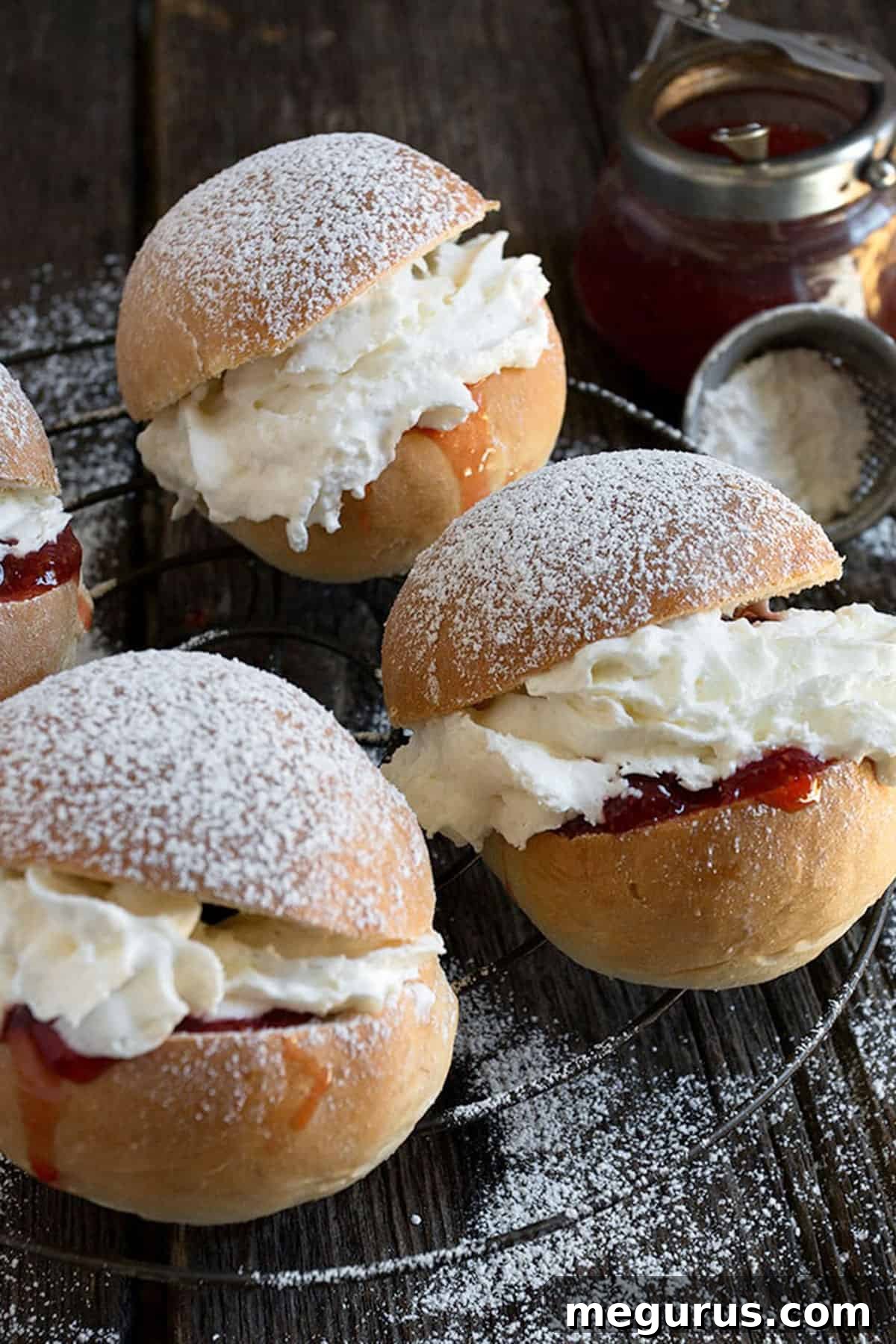
Serving, Storing, and Freezing Your Cornish Splits
To ensure you get the most enjoyment out of your homemade Cornish Splits, understanding how to best serve, store, and even freeze them is essential.
Serving Suggestions: Traditionally, Cornish Splits are served warm, just after they’ve had a chance to cool slightly from the oven. The gentle warmth enhances the yeast bun’s aroma and makes it even more tender. However, I’ve found them to be equally delightful and utterly delicious when enjoyed at room temperature. The key is to serve them with your chosen fillings as soon as possible after baking for the best experience. They are the perfect centerpiece for an afternoon tea, a delightful dessert after a meal, or simply a comforting snack with a cup of hot tea or coffee.
Optimal Storage: It’s important to note that these delicate yeast buns, especially once filled, do not stay fresh for an extended period. They are truly at their peak on the day they are baked and filled. The tender texture can begin to dry out, and the cream filling is best enjoyed fresh. If you anticipate having leftovers, it’s best to store any unfilled buns in an airtight container at room temperature for up to one day. Fill them just before serving.
Freezing for Future Enjoyment: The good news is that Cornish Splits freeze beautifully! If you find yourself with extra baked buns, or if you simply want to get ahead with your baking, don’t hesitate to freeze them. Allow the baked buns to cool completely, then place them in an airtight freezer bag or container. They can be frozen for up to 2-3 months without losing their quality. When you’re ready to enjoy them, simply thaw the buns at room temperature, then gently warm them in a low oven (around 250°F / 120°C) for about 5-10 minutes until soft. Once warmed or thawed, split and fill as usual. This makes them a fantastic make-ahead option for spontaneous cream tea cravings!
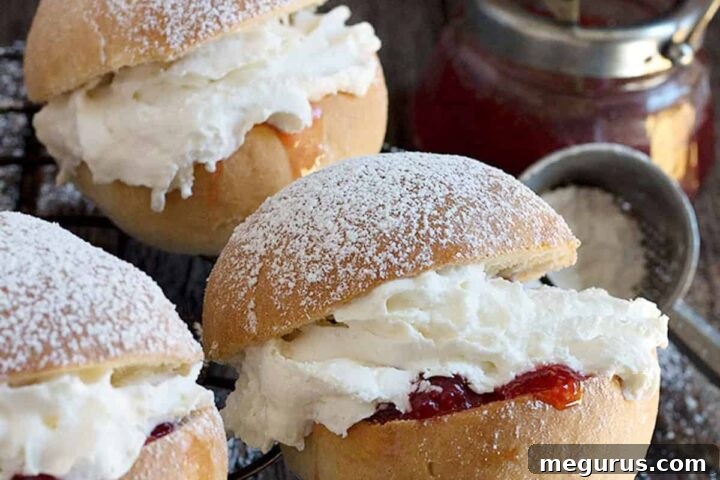
Classic British Cornish Splits Recipe
A classic British tea-time treat, these yeast buns are sliced and filled with jam and whipped cream for a truly delightful experience.
Ingredients
For the Buns:
- 2 1/4 cups (290 g) all-purpose flour, spooned and levelled
- 1/2 teaspoon salt
- 4 1/2 teaspoons active dry or instant yeast
- 1 Tablespoon white granulated sugar
- 2 Tablespoons butter
- 1 1/4 cup (300 ml) milk
For the Filling:
- Jam of choice, such as fresh Strawberry Platter Jam
- Whipped cream, either homemade from heavy cream with a little sugar or canned real whipped cream
For Garnish:
- Icing/confectioners’ sugar, for dusting
Instructions
- For Active Dry Yeast: Begin by proofing your yeast. Warm the milk gently until it reaches about 105°F (40°C) – it should feel comfortably warm to the touch, like bath water. Pour the warm milk into a small bowl, sprinkle the active dry yeast over the top, and add a pinch of the sugar from the recipe. Let it sit for 5-10 minutes until it becomes foamy, indicating the yeast is active. If using instant yeast, you can skip this step and add it directly to the flour mixture.
- In a large mixing bowl, or the bowl of a stand mixer fitted with a dough hook, combine the flour, salt, the remaining granulated sugar, and instant yeast (if using). If you proofed active dry yeast, incorporate it in the next step.
- In a small saucepan, gently melt the butter into the warmed milk (if not already warmed for proofing). Ensure the milk is not too hot, aiming for around 105°F (40°C) again.
- Pour the milk and butter mixture (or the proofed yeast mixture if using active dry yeast) into the dry ingredients. Mix and knead the dough using the dough hook on medium-low speed for about 5-7 minutes, or by hand on a lightly floured surface for 8-10 minutes, until you have a soft, elastic, and slightly sticky dough. Add a tiny bit more flour if the dough is excessively sticky.
- Lightly grease a clean bowl. Transfer the kneaded dough to the greased bowl, turning it once to coat. Cover the bowl tightly with plastic wrap or a clean kitchen towel. Allow the dough to rise in a warm, draft-free place until it has doubled in size, which typically takes about 1 hour, depending on your room temperature.
- Once risen, gently punch down the dough to release the air. Turn the dough out onto a lightly floured surface and divide it into 8 equal-sized pieces.
- Roll each piece of dough into a smooth, round ball. Place the shaped buns onto a baking sheet lined with parchment paper, leaving some space between them.
- Preheat your oven to 390°F (200°C), ensuring it is not on a fan-assisted setting, as this can dry out the buns too quickly. Lightly dust the buns with a little flour and cover them again with a clean tea towel. Let them rise for another 10-15 minutes for a final proof.
- Bake the buns in the preheated oven for 18-20 minutes, or until they are beautifully pale golden brown on top and sound slightly hollow when tapped on the bottom.
- Carefully remove the baked buns from the baking sheet and transfer them to a wire rack to cool slightly. They can be enjoyed warm (which is traditional) or allowed to cool completely before filling.
- To Serve: Once the buns are cool enough to handle, use a sharp knife to make the traditional cut. Start slicing from about one-third down the front of the bun, angling the knife backward and downward, stopping about two-thirds of the way down the back, without cutting all the way through. This creates a pocket.
- If desired, you can lightly butter the inside of the bun. Then, spoon a generous dollop of your chosen jam inside the split.
- Finally, spoon or pipe a generous amount of whipped cream on top of the jam. For a decorative finish and an extra touch of sweetness, lightly dust the filled Cornish Splits with icing (confectioners’) sugar just before serving.
Notes
For additional insights and tips on making this recipe truly shine, be sure to review the detailed sections above the recipe card!
Tried this recipe?If you enjoyed this recipe, we’d love to hear your feedback! Please consider sharing a comment with your thoughts. It helps others discover this delightful treat!