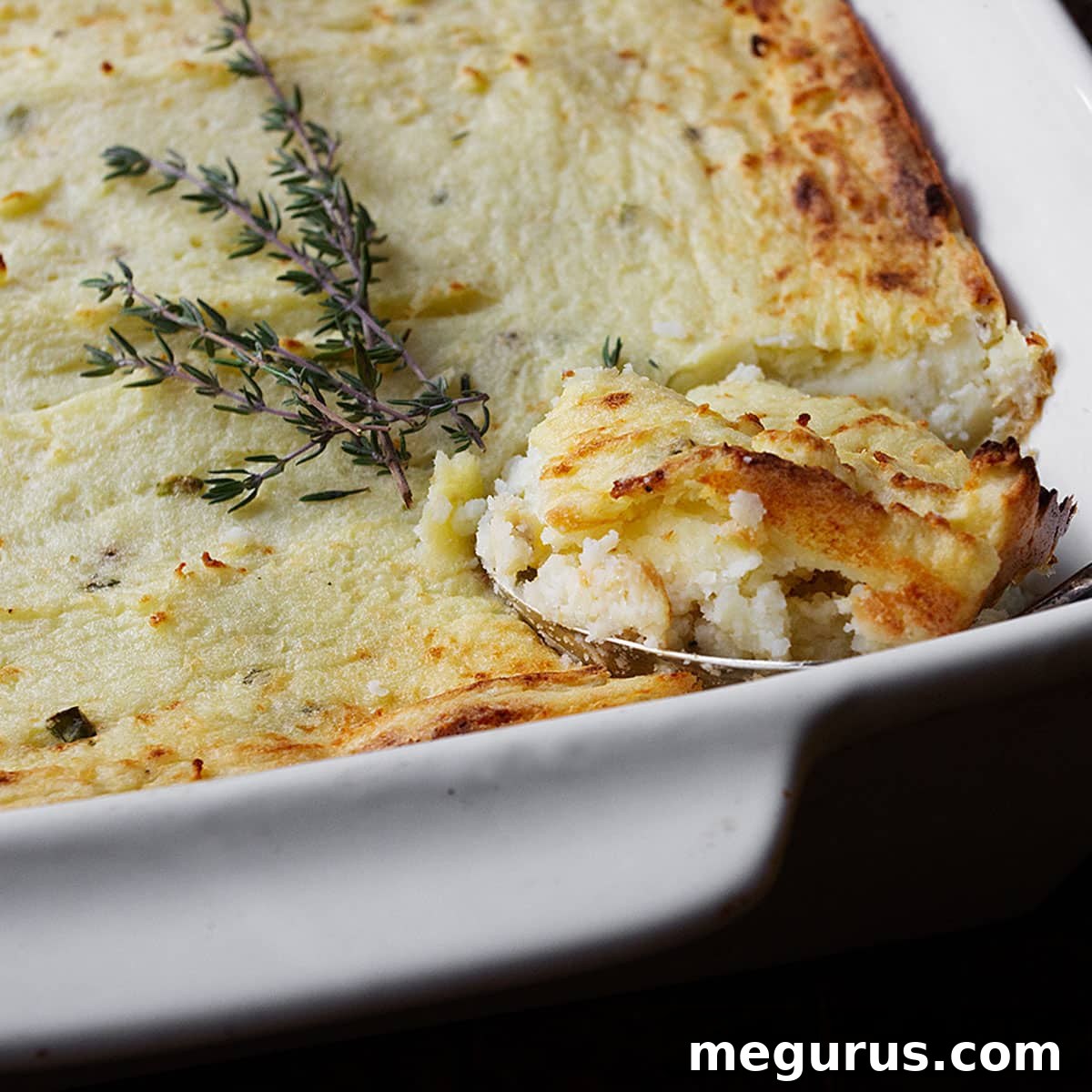
Transform your holiday meal prep and entertaining with this incredible recipe for make-ahead mashed potatoes. Infused with the rich, tangy flavors of sour cream and cream cheese, these potatoes promise a consistently creamy and utterly delicious side dish that can be prepared days in advance. Whether you refrigerate them for a few days or freeze them for up to a week, you’ll be treated to a stress-free experience and a crowd-pleasing addition to any festive table or family gathering.
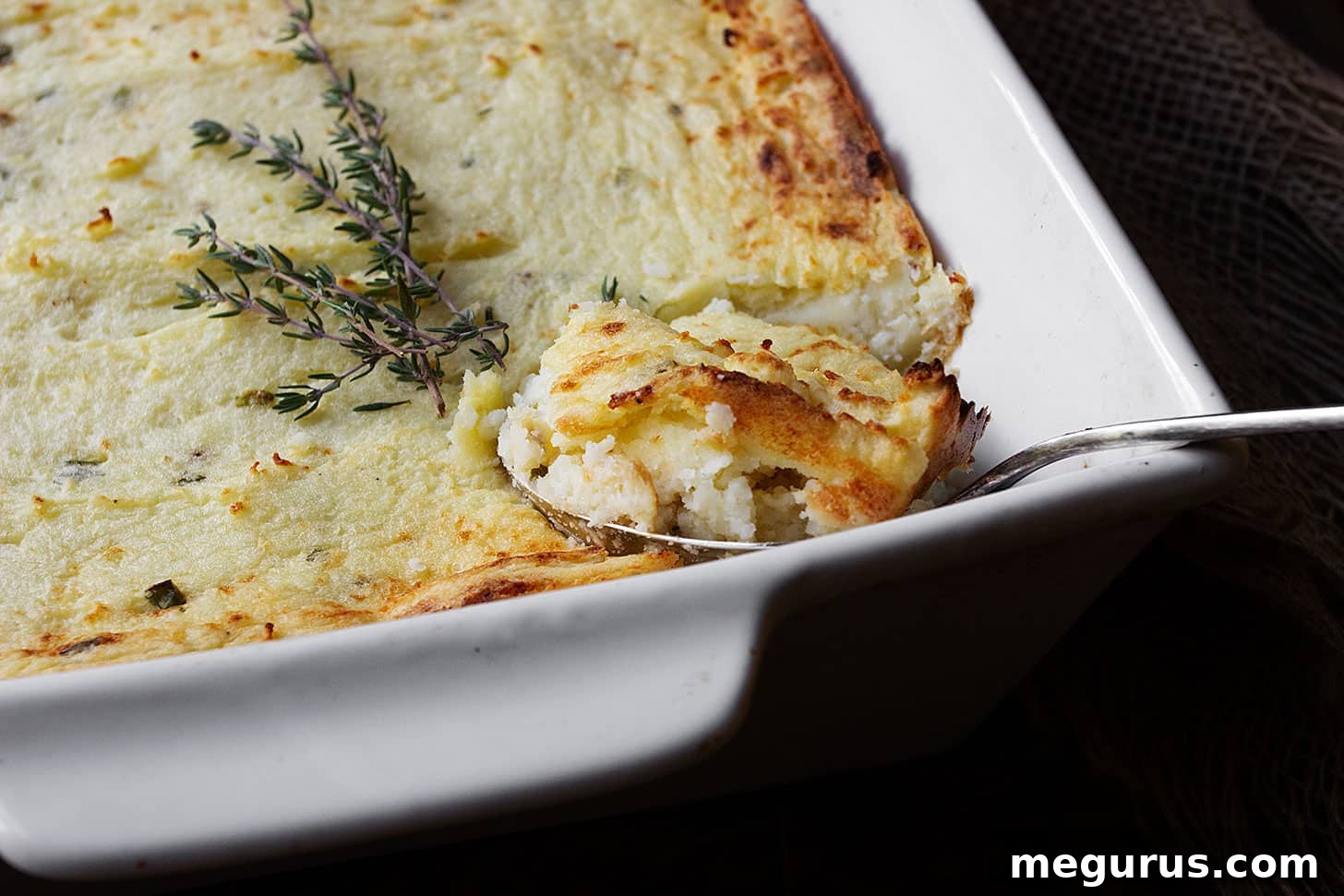
For many families, certain dishes are simply non-negotiable at Thanksgiving or other special occasions. While the turkey, classic bread stuffing, and a comforting pumpkin pie often top the list, this make-ahead mashed potato casserole has earned its place as a beloved constant on our holiday spread. Not only do these potatoes boast an irresistibly rich and savory flavor profile, but their design for advance preparation truly sets them apart, making your hosting duties remarkably simpler.
Traditional mashed potatoes, while delicious when fresh, can be notoriously difficult to prepare ahead of time. They often suffer from an unfortunate transformation, becoming mealy, crumbly, or gluey upon reheating. This recipe ingeniously circumvents these common pitfalls. By enriching the potatoes with a luxurious blend of cream cheese, sour cream, and eggs, they bake into a velvety, flavorful dish that maintains its perfect texture. This means you can say goodbye to last-minute potato peeling, boiling, and mashing, freeing you up to enjoy your guests and the rest of your holiday preparations.
Why Make-Ahead Mashed Potatoes Are a Holiday Game Changer
Imagine the scene: guests are arriving, the oven is packed with a roasting turkey, and you’re juggling multiple pots on the stovetop. Now, imagine effortlessly pulling a pre-prepped dish from the refrigerator and popping it into the oven, knowing that in less than an hour, a perfectly creamy, hot, and flavorful side will be ready to serve. That’s the magic of make-ahead mashed potatoes.
This recipe offers unparalleled convenience, drastically reducing stress on busy cooking days like Thanksgiving, Christmas, or any large dinner party. By taking care of your mashed potatoes days beforehand, you free up valuable time and stove space, allowing you to focus on other elements of your meal or simply relax and enjoy the festivities. The secret lies in the added ingredients which not only enhance flavor but also prevent the potatoes from breaking down or developing an undesirable texture during refrigeration, freezing, and reheating. You get all the comfort and deliciousness of homemade mashed potatoes without any of the last-minute rush.
The Secret to Creamy Perfection: Key Ingredients Spotlight
The success of these make-ahead mashed potatoes hinges on a carefully selected blend of ingredients that contribute to their rich flavor and stable, creamy texture. Understanding the role of each component will help you achieve the best results.
Potatoes
Russet Baking Potatoes are highly recommended for this recipe, and for good reason. Their high starch content makes them exceptionally fluffy when mashed, absorbing the added dairy and eggs beautifully without becoming watery. Other starchy varieties like Idaho potatoes also work well. It’s crucial to boil your potatoes until they are fork-tender, ensuring they mash smoothly without lumps. For the creamiest texture, consider using a potato ricer, which pushes the potatoes through small holes, creating light, airy strands that mix effortlessly with other ingredients. If using a traditional masher, be diligent to break down all chunks.
Dairy Powerhouses: Sour Cream and Cream Cheese
Both full-fat sour cream and full-fat cream cheese are essential for achieving the desired richness and stability. The higher fat content in these ingredients contributes to the luxurious, velvety texture and deepens the overall flavor. Low-fat alternatives typically have a higher water content, which can lead to a runnier consistency and may compromise the potatoes’ ability to hold up well when made ahead. These dairy components also add a subtle tang that perfectly balances the potato’s earthiness, making for a truly dynamic side dish.
Eggs for Structure and Richness
Large eggs play a vital role in binding the ingredients together and providing structural integrity to the casserole. They help prevent the potatoes from becoming grainy or mealy, especially after being refrigerated or frozen. Eggs also contribute to the overall richness, ensuring the potatoes bake up with a delightful golden crust and a consistently smooth interior.
Seasoning and Flavor Enhancers
Melted butter adds another layer of decadent flavor and moisture. When it comes to seasoning, a generous amount of salt is key to bringing out the natural taste of the potatoes. Don’t be shy; potatoes require a good amount of salt to truly shine. Freshly ground pepper adds a subtle warmth and aroma. For an extra boost of flavor, consider incorporating a pinch of garlic powder, onion powder, or some finely chopped chives into the mixture.
Step-by-Step Guide to Fluffy Make-Ahead Mashed Potatoes
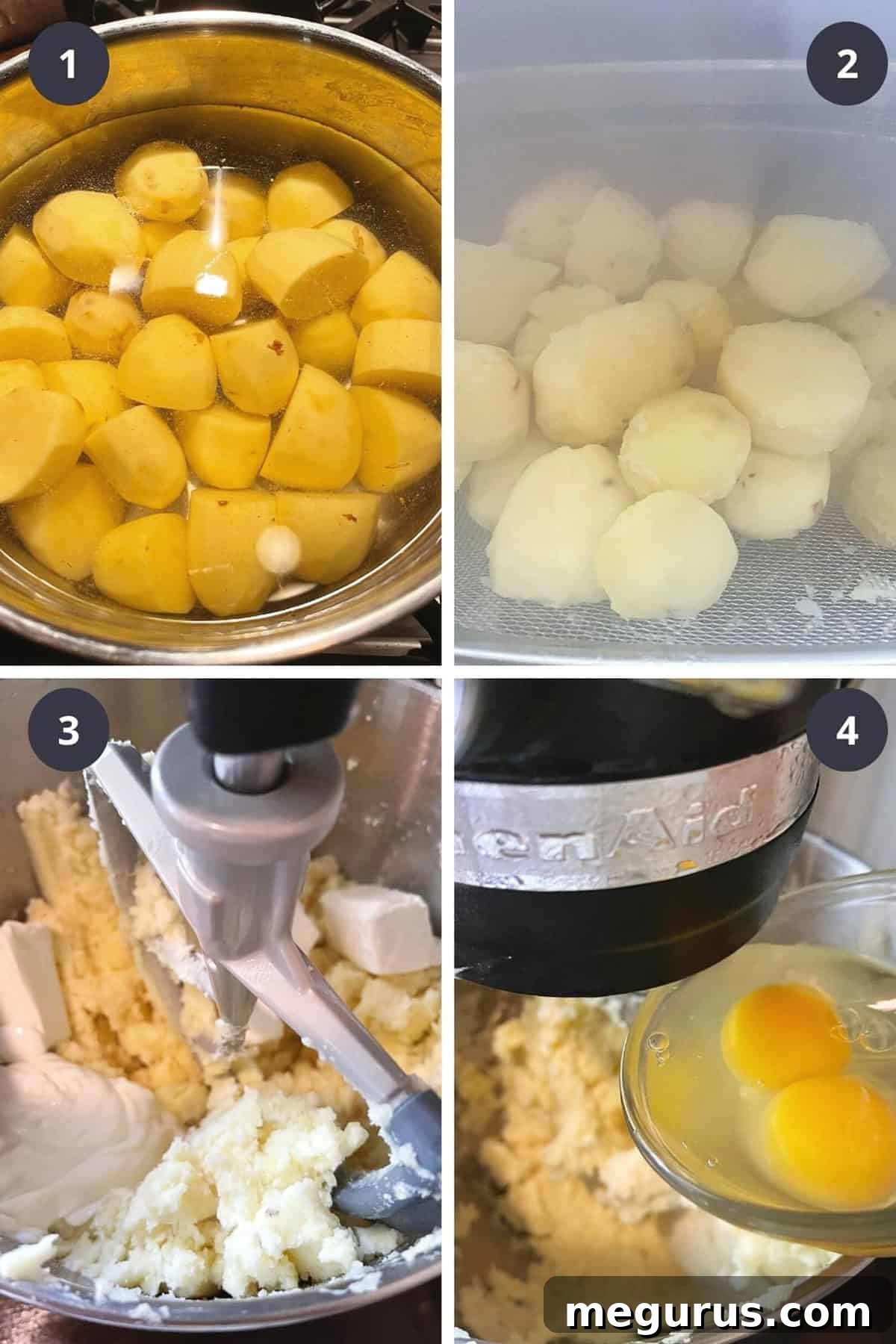
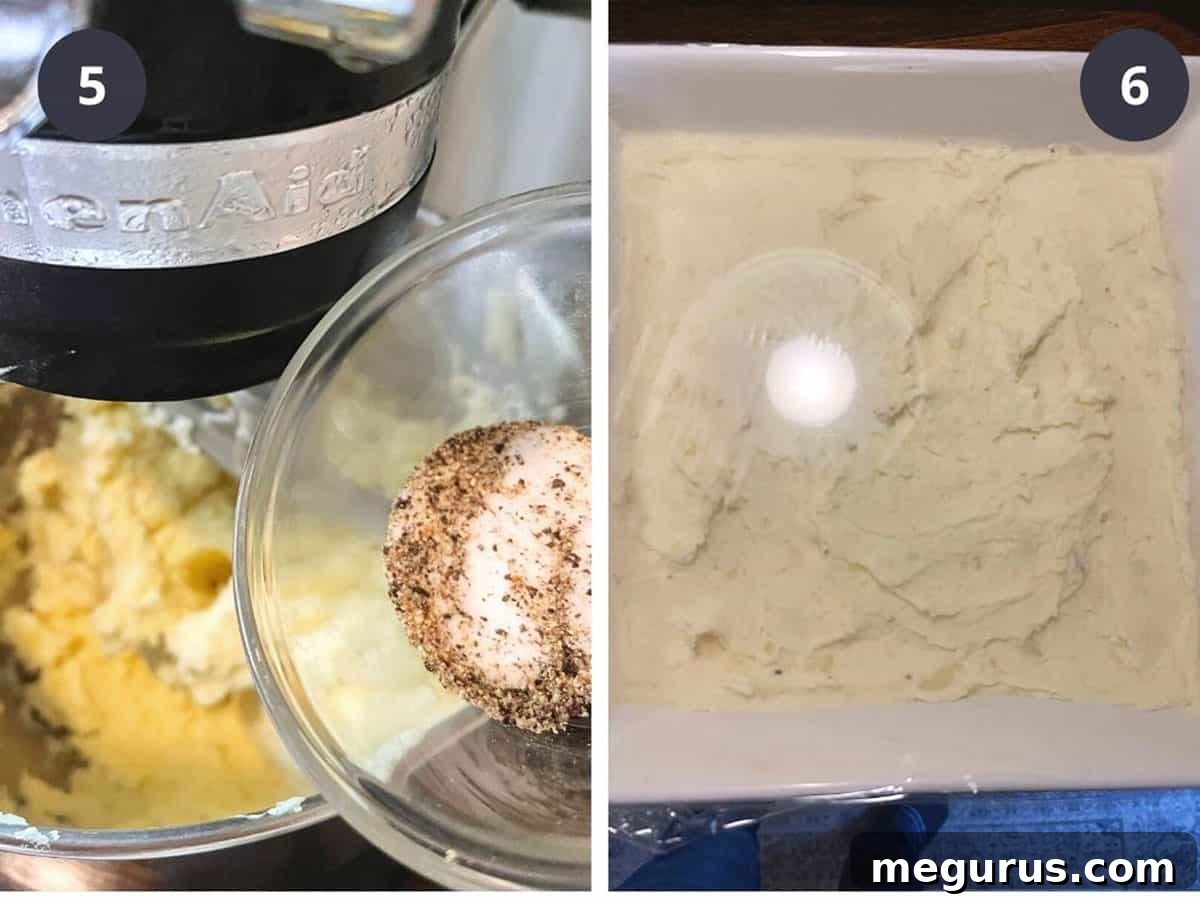
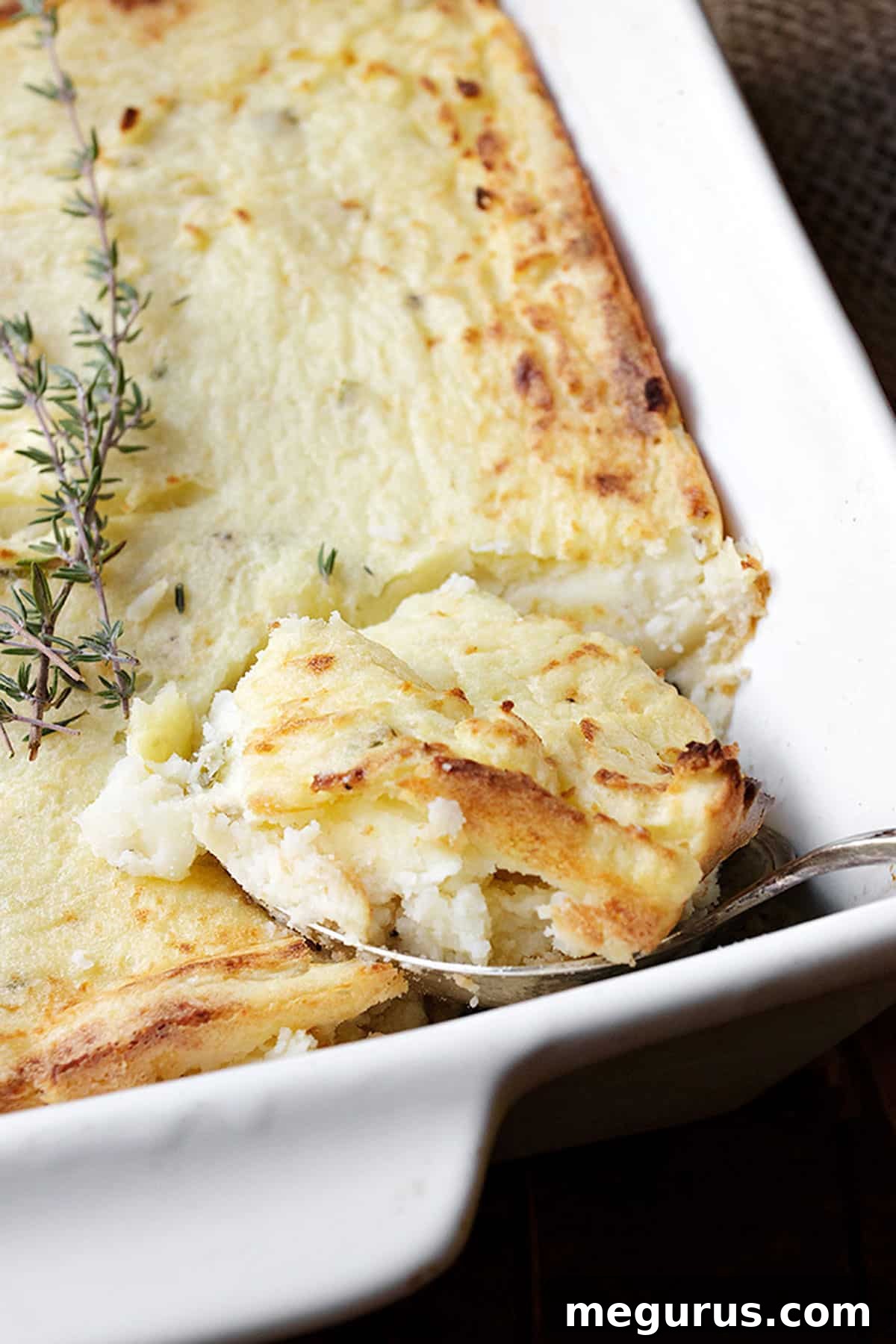
Preparing and Storing Your Make-Ahead Mashed Potatoes
The beauty of this recipe lies in its adaptability for advance preparation. Proper storage ensures your mashed potato casserole remains fresh and delicious until you’re ready to serve.
- Refrigeration: This potato casserole can be perfectly prepared up to 2 days in advance. Once mixed and spooned into your baking dish, cover it tightly with plastic wrap or aluminum foil and store it in the refrigerator. Ensure it’s well-sealed to prevent drying out or absorbing other odors.
- Freezing: For even longer lead time, this dish can be frozen for up to 1 week. Prepare the casserole as directed, then cover it with a layer of plastic wrap directly touching the surface, followed by a tight layer of aluminum foil. Label with the date. When freezing, using a disposable aluminum baking dish can be convenient for easy transfer from freezer to oven.
- Thawing Best Practices: If frozen, it’s essential to thaw the casserole properly for the best results. Transfer the frozen dish from the freezer to the refrigerator at least 24 hours (or even 36 hours for very large dishes) before you plan to bake it. This allows for a slow, even thaw. A frozen casserole will take a surprisingly long time to completely thaw in the fridge.
- Room Temperature Warm-Up: On the day of baking, let the thawed casserole sit at room temperature for about 30 minutes before placing it in the oven. This helps the dish heat more evenly and prevents the baking dish from cracking if it goes from cold to hot too quickly.
- Reheating on the Big Day: Simply pop the covered casserole into a preheated 350°F (175°C) oven for 45-50 minutes, or until it’s heated through and bubbling around the edges. For a golden-brown top, you can remove the foil for the last 10-15 minutes of baking.
- Leftovers: Any leftover potatoes can be stored in an airtight container in the refrigerator for 2-3 days. Reheat gently in the microwave or oven until warm.
Serving Suggestions and Delicious Variations
These make-ahead mashed potatoes are incredibly versatile, making them a perfect companion to a wide array of main courses. They shine particularly bright as a side for holiday roasts and hearty family dinners, but don’t limit yourself!
Classic Pairings: They are a dream come true alongside roasted turkey, glazed ham, succulent roast beef, or a tender pork loin. Don’t forget the gravy – these creamy potatoes are the perfect vehicle for soaking up rich, savory sauces. For a weeknight meal, they elevate simple pan-seared chicken or baked fish.
Flavorful Variations to Try:
- Cheesy Mashed Potatoes: Fold in 1-2 cups of your favorite shredded cheese (cheddar, Gruyere, or a Monterey Jack blend work wonderfully) when mixing the ingredients. Sprinkle extra cheese on top before baking for a golden, bubbly crust.
- Garlic Herb Mash: Sauté 2-3 cloves of minced garlic in a tablespoon of butter until fragrant, then add to the potato mixture. Incorporate fresh herbs like chopped chives, parsley, or thyme for an aromatic twist.
- Bacon & Chive Delight: Crispy bacon bits folded into the mash, along with fresh chives, add a smoky, savory depth and delightful texture. Reserve some bacon bits for garnishing before serving.
- Caramelized Onion & Thyme: Slowly caramelize thinly sliced onions until golden and sweet, then mix them into the potatoes with a hint of fresh thyme.
- Roasted Garlic Infusion: Roast a whole head of garlic until soft and sweet, squeeze out the cloves, and mash them into the potatoes for a milder, deeper garlic flavor.
Troubleshooting Common Mashed Potato Mishaps
Even with a reliable recipe, sometimes things don’t go exactly as planned. Here are some quick fixes for common mashed potato issues:
- Too Lumpy? This usually happens when potatoes aren’t boiled long enough or not mashed thoroughly. If you find lumps after mixing, you can try giving them another mash with a sturdy potato masher. For future batches, ensure potatoes are completely tender before draining, and consider using a potato ricer for a guaranteed smooth texture.
- Too Runny? If your mixture seems too thin, it might be due to using low-fat dairy or not draining the potatoes adequately. To fix, you can gently heat the mixture over low heat on the stovetop, stirring constantly to allow some moisture to evaporate. Alternatively, mix in a tablespoon or two of instant mashed potato flakes or a small amount of cornstarch (mixed with a little cold water first) to thicken it.
- Too Thick/Dry? This is less common with this recipe’s rich ingredients, but if it happens, simply warm some milk or cream and gradually stir it into the potato mixture until it reaches your desired consistency.
- Too Bland? Don’t underestimate the power of salt! Taste and adjust seasoning as needed. A little more salt, freshly ground pepper, or even a dash of garlic powder can make a world of difference. A squeeze of lemon juice or a splash of white vinegar can also brighten flavors.
- Gluey Texture? Over-mashing potatoes, especially with an electric mixer, can release too much starch, leading to a gluey texture. While this recipe minimizes that risk with the added dairy, always mix until just combined and smooth, avoiding excessive beating. Unfortunately, a truly gluey texture is hard to fully fix, but adding more cream cheese or sour cream can sometimes help mask it slightly.
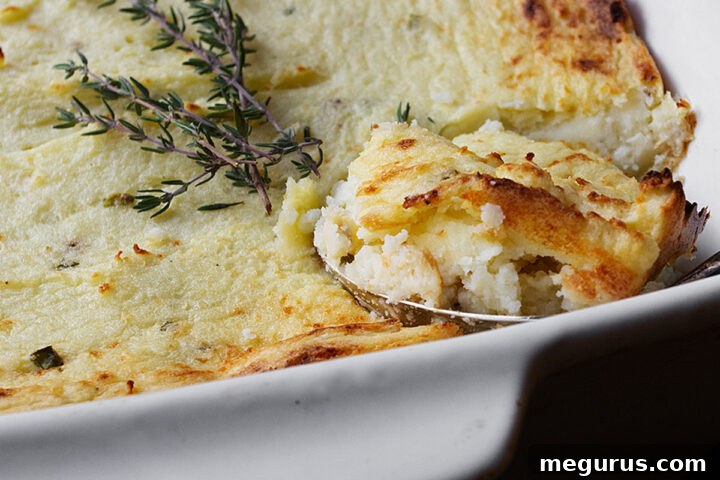
Get the Recipe: Make Ahead Mashed Potatoes
Pin This
Leave a Review
30 minutes
50 minutes
1 hour
20 minutes
12
servings
Ingredients
-
3 1/2 lbs
russet (baking) potatoes -
8 oz
full fat cream cheese, at room temperature -
3/4 cup
full fat sour cream -
2 large
eggs -
2 Tablespoon
butter, melted -
1/2 – 1 teaspoon
salt, to taste (I generally use 1 teaspoon) -
1/2 teaspoon
freshly ground pepper
Instructions
-
Peel and half or quarter the potatoes, depending on their size. Place them in a large pot of cold, generously salted water. Bring the water to a rolling boil. Once boiling, cover the pot, reduce the heat slightly, and simmer for 15-20 minutes, or until the potatoes are completely tender when pierced with a fork. Drain the potatoes thoroughly. Using a potato ricer or a sturdy potato masher, mash the potatoes very well until smooth. Transfer the mashed potatoes to a large mixing bowl. *Tip: Ensure your potatoes are completely smooth at this stage to avoid any lumps in your final casserole!
-
In the large bowl with the mashed potatoes, add the softened cream cheese, sour cream, eggs, melted butter, salt, and freshly ground pepper. Using an electric mixer (or the paddle attachment of a stand mixer, or a sturdy whisk by hand), mix all the ingredients together until the mixture is smooth, creamy, and fluffy. Be careful not to overmix. Spoon the prepared potato mixture into a greased 11×7-inch baking dish or a similar-sized casserole dish. **At this stage, the casserole can be covered tightly and refrigerated for up to 2 days, or frozen for up to 1 week. If freezing, thaw it in the refrigerator for approximately 24 hours before baking. Let it stand at room temperature for 30 minutes prior to baking for even heating.
-
Bake the casserole in a preheated 350°F (175°C) oven (ensure it’s not a fan-assisted setting, or adjust temperature if using convection), covered with aluminum foil, for 45-50 minutes. The potatoes should be heated through and slightly bubbling around the edges. For a lightly browned top, remove the foil for the last 10-15 minutes of baking. Serve hot and enjoy!
Notes
American, Canadian
Side Dish
Jennifer Maloney
Tried this recipe?
If you enjoyed this recipe, please leave a star rating and comment. It helps others to find it!
More Delicious Potato Recipes You’ll Love!
If you’re a fan of comforting and versatile potato dishes, explore these other fantastic recipes that promise to tantalize your taste buds and impress your family and friends.