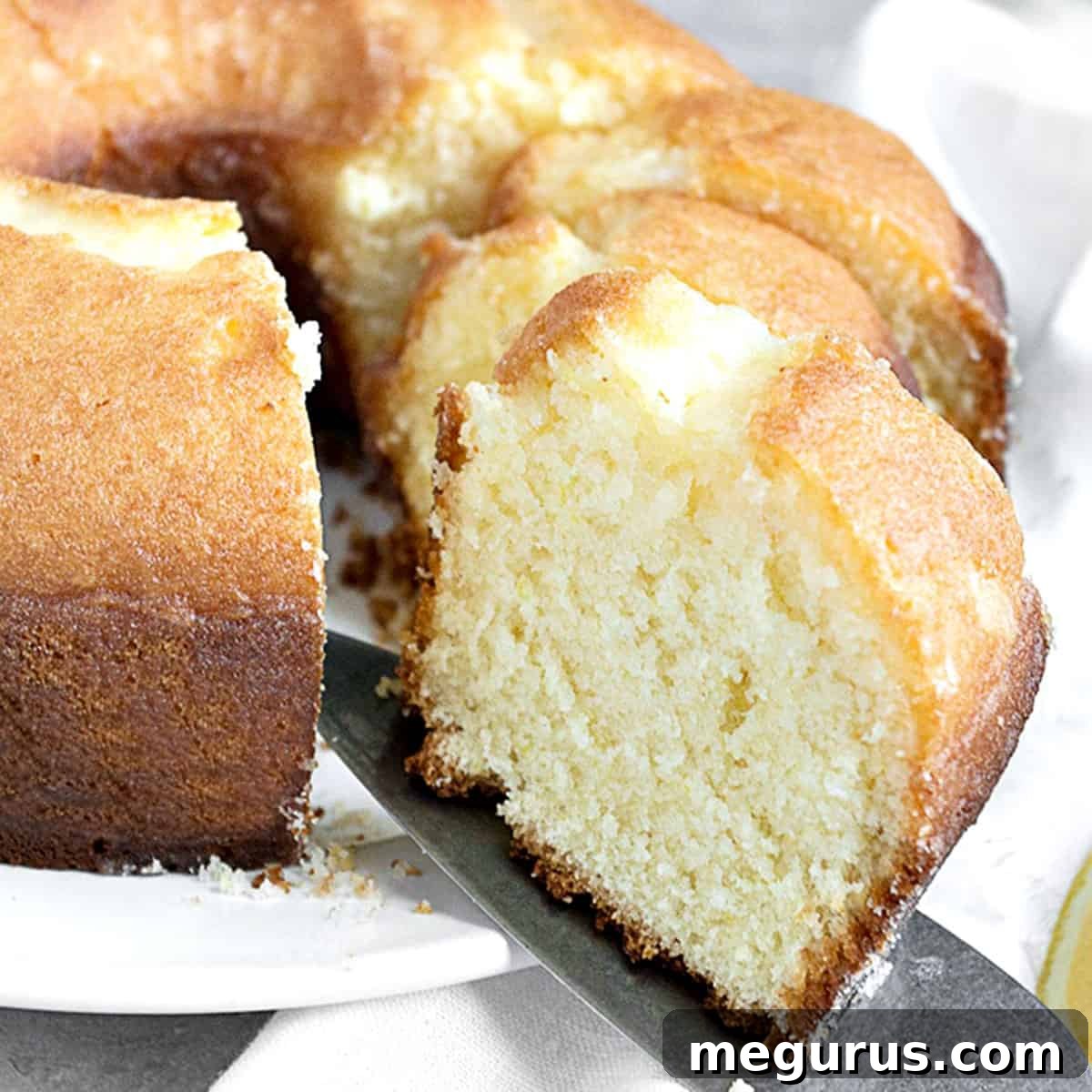
The Timeless East 62nd Street Lemon Cake: Maida Heatter’s Classic Recipe
Step into the delightful world of classic American desserts with Maida Heatter’s legendary East 62nd Street Lemon Cake. This isn’t just any lemon cake; it’s a culinary icon, a testament to simple elegance and incredible flavor. Known affectionately as the “Queen of Desserts,” Maida Heatter crafted this masterpiece, presenting a cake with an utterly perfect texture, exquisitely moist crumb, and a vibrant, tangy lemon juice and sugar glaze that seals in freshness and adds an irresistible crispness. Its fame originally soared in the 1970s, long before digital virality, spreading from kitchen to kitchen through handwritten recipe cards—a true measure of its widespread appeal and undeniable perfection.
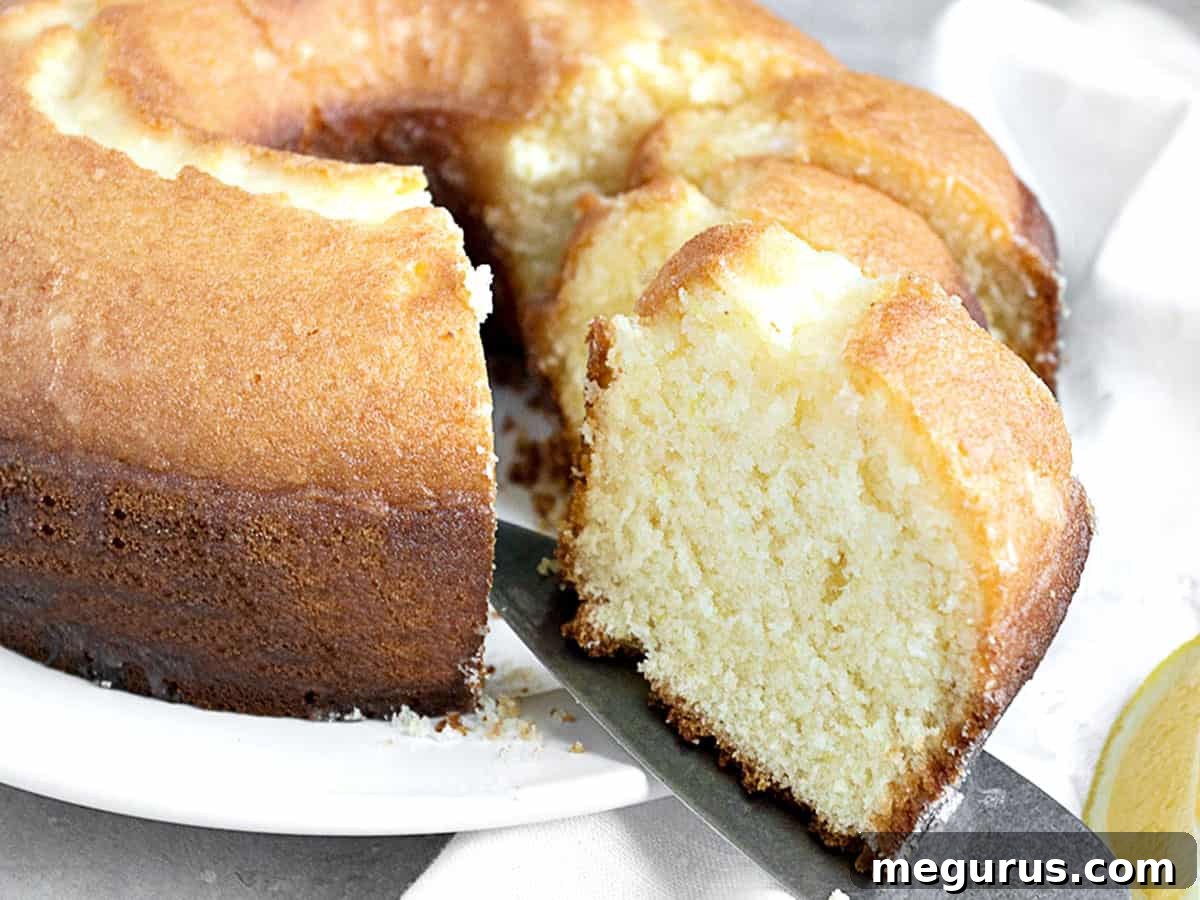
This lemon cake is more than just a recipe; it’s a piece of baking history. First appearing in the New York Times in the 1970s, its popularity was instant and enduring. The recipe quickly became a treasured staple, shared among friends and family, a true testament to its universal appeal. And for excellent reason! This classic lemon cake embodies timeless perfection. It’s remarkably straightforward to prepare, relying on common pantry ingredients, making it accessible for bakers of all skill levels. Whether you prefer it unadorned with a cup of tea, or elegantly dressed up with fresh berries and a dollop of whipped cream, this cake promises a delightful experience every time.
The original recipe’s provenance adds to its charm. Maida Heatter, the acclaimed dessert author, reportedly received this cherished recipe from her daughter, who resided on East 62nd Street in Manhattan – hence its memorable name. This personal connection makes the cake feel even more special, a slice of New York history baked into every bite.
Essential Ingredients for Your Lemon Cake
Crafting the perfect East 62nd Street Lemon Cake begins with understanding the role of each ingredient. Quality makes a significant difference, especially when a recipe is as elegantly simple as this one.
- Lemons: The star of the show! For the most intensely aromatic zest and freshest juice, always opt for organic lemons if available. Their skins are free from pesticides and waxes, yielding a cleaner flavor. If organic lemons aren’t an option, be sure to scrub regular lemons thoroughly with a vegetable brush under warm water before zesting to remove any coatings or impurities. You’ll need enough lemons for both zest and juice, so plan accordingly. Freshly grated zest provides essential oils and a bright, concentrated lemon flavor that artificial extracts simply cannot replicate.
- Whole Milk: This recipe calls for whole milk, typically around 3% to 3.5% butterfat (b.f.). The higher fat content of whole milk contributes significantly to the cake’s tender crumb and rich flavor. While 2% milk could work in a pinch, it might result in a slightly less moist cake. Avoid skim milk, as it lacks the necessary fat for the desired texture. For an extra tangy dimension, some bakers enjoy substituting buttermilk, which also contributes to a wonderfully moist cake.
- All-Purpose Flour: Ensure your flour is spooned into the measuring cup and leveled, rather than scooping directly from the bag. This prevents over-measuring, which can lead to a dense, dry cake.
- Baking Powder & Salt: These leavening agents and flavor enhancers are crucial. If you’re using salted butter, remember to reduce the added salt in the recipe to avoid an overly salty flavor balance.
- Unsalted Butter: Always use unsalted butter unless the recipe specifies salted. This gives you full control over the salt content. Ensure your butter is at room temperature—soft enough to indent with a finger, but not melted—for optimal creaming with the sugar.
- Granulated Sugar: Beyond sweetness, sugar contributes to the cake’s structure and moisture. When creamed with butter, it helps create air pockets, leading to a light and fluffy texture.
- Eggs: Large eggs, also at room temperature, are essential for proper emulsion with the butter and sugar, contributing to the cake’s structure, richness, and moisture.
Expert Baking Tips for a Perfect Lemon Cake
Achieving Maida Heatter’s signature perfection is easier with a few insider tips:
- Choosing the Right Pan: This versatile recipe works beautifully in either a Bundt pan or a tube pan, both requiring a 12-cup capacity. If using a Bundt pan, the cake will be inverted after baking, revealing its decorative top. A tube pan, especially one with a removable bottom, creates a cake with a lovely, soft top surface. I personally favor the tube pan for this very reason. To prevent any delicate warm cake from breaking during transfer, I recommend leaving the tube pan base attached until the cake is fully glazed and cooled. This method works like a charm every time.
- Greasing and Flouring Your Pan: Don’t underestimate this critical step! For a tube or Bundt pan, generously grease every nook and cranny with shortening or butter, then thoroughly flour the pan, tapping out any excess. This ensures your beautiful cake releases cleanly.
- Understanding Baking Temperatures: Interestingly, Maida Heatter’s lemon cake recipe has seen slight variations in baking temperature over the years. The original New York Times publication from the 1970s suggested 325°F (160°C) for approximately 75 minutes. Later, in her “Book of Great Desserts,” the temperature was updated to 350°F (175°C), still recommending about 75 minutes. Based on extensive testing with different pans and ovens, I find that 325°F (160°C) for 70-75 minutes yields the best results—a beautifully golden crust and a moist, evenly baked interior. Baking at 350°F (175°C) might reduce the baking time to around 60 minutes, but it often leads to a darker, more intensely browned crust than I personally prefer for this delicate lemon cake. Always trust your oven and start checking for doneness a bit earlier, as oven temperatures can vary. A wooden skewer inserted into the center should come out clean.
- Room Temperature Ingredients: Ensure butter, eggs, and milk are at room temperature. This allows them to emulsify properly, creating a smooth, homogenous batter that holds more air, resulting in a lighter and fluffier cake.
- Do Not Overmix: Once the flour is added, mix the batter only until just combined and smooth. Overmixing develops gluten, which can lead to a tough, dry cake.
- Alternating Dry and Wet: When adding dry ingredients and milk to the creamed butter and sugar mixture, alternate them in stages (e.g., flour, milk, flour, milk, flour). This helps create a smooth batter without overmixing and ensures even distribution of ingredients.
- Cooling with Patience: Allowing the cake to cool in the pan for the recommended time before inverting or removing is crucial. A warm cake is delicate and prone to breaking.
Top Tip for the Perfect Lemon Glaze!
The signature lemon glaze is a crucial element of this cake, providing not only flavor but also a delightful textural contrast. The secret to its success lies in its preparation and application. Do not mix the lemon juice and sugar for the glaze until you are just about to brush it onto the warm cake. It is absolutely essential that the sugar crystals do not have time to fully dissolve in the lemon juice. When brushed onto the warm cake, these undissolved sugar crystals will create a beautiful, subtly crisp, sugary coating that perfectly complements the soft cake beneath. If the sugar dissolves too much, you’ll end up with a sticky, syrupy glaze rather than the desired crystalline finish.
Storing and Freezing Your Lemon Cake
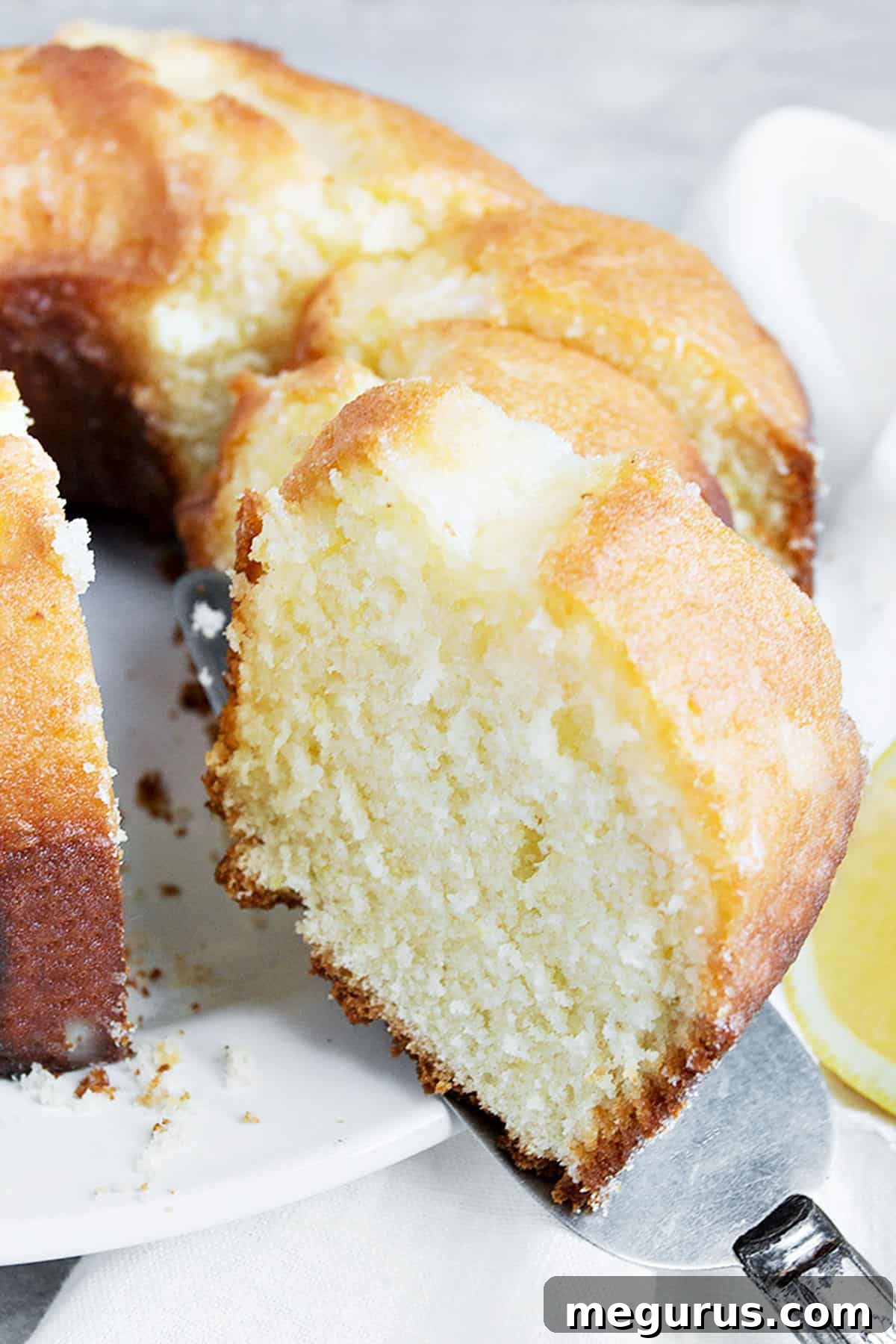
One of the many benefits of this classic lemon cake is its excellent keeping quality, largely thanks to its generous sugar glaze. The glaze acts as a natural seal, locking in moisture and freshness for several days. To keep your cake at its best, simply cover any cut ends tightly with plastic wrap to prevent them from drying out, and store the cake at room temperature on your counter. It will remain delicious for 3-4 days.
Should you wish to extend its enjoyment, this lemon cake freezes exceptionally well. For best results, allow the cake to cool completely after glazing. Then, wrap it tightly in several layers of plastic wrap, followed by a layer of aluminum foil. This double wrapping helps prevent freezer burn and preserves its texture and flavor. Stored properly, the cake will maintain its quality in the freezer for approximately 2-3 months. When ready to enjoy, simply thaw the cake at room temperature, unwrapped, for a few hours before serving. You’ll be delighted by how fresh it tastes!
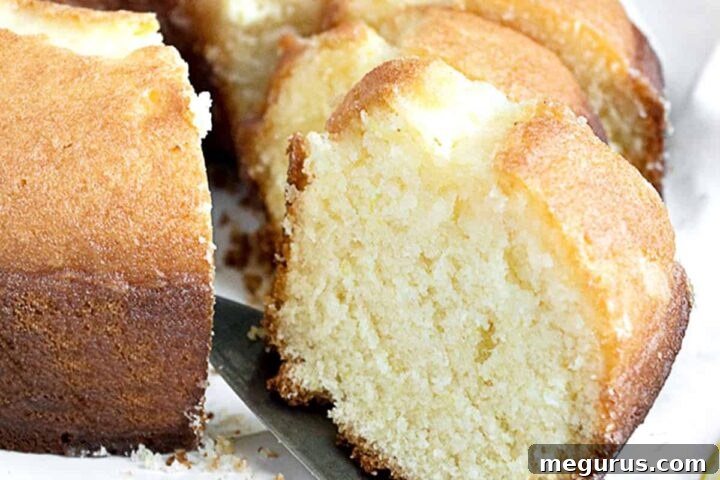
East 62nd Street Lemon Cake Recipe
Classic, timeless, and always perfect, this Maida Heatter lemon cake is delicious on its own or enjoyed with fresh fruit and whipped cream. A truly unforgettable homemade lemon cake experience!
Prep Time: 15 mins
Cook Time: 70-75 mins
Resting Time: 2 hrs (minimum for best results)
Total Time: Approx. 3 hrs
Yield: 14 servings
Pin This
Leave a Review
Ingredients
For the cake:
- 3 cups all-purpose flour, spooned and leveled
- 2 teaspoons baking powder
- 1/2 teaspoon salt (reduce to 1/4 tsp if using salted butter)
- 1 cup unsalted butter, softened to room temperature
- 2 cups white granulated sugar
- 4 large eggs, at room temperature
- 1 cup whole milk, at room temperature
- Finely grated zest of 2 lemons (about 2 Tablespoons)
For the glaze:
- 1/3 cup freshly squeezed lemon juice, strained
- 3/4 cup white granulated sugar
Instructions
- Preheat your oven to 325°F (160°C) using the regular bake setting (not fan-assisted), with the oven rack positioned in the lower third. Generously grease and flour a 12-cup capacity Bundt pan or a 9 x 4 1/2-inch tube pan (with a removable bottom, ensuring the tube is also greased). Set the prepared pan aside.
- In a medium bowl, whisk together the measured flour, baking powder, and salt until well combined. Set this dry mixture aside.
- In a large mixing bowl, using an electric mixer or a stand mixer fitted with a paddle attachment, cream the softened butter on medium speed until smooth. Gradually add the granulated sugar and continue to beat for 2-3 minutes, until the mixture is light, fluffy, and pale in color.
- Add the eggs one at a time, beating well after each addition to fully incorporate. Scrape down the sides of the bowl as needed to ensure all ingredients are mixed evenly.
- Reduce the mixer speed to its lowest setting. Gradually add the dry ingredients to the butter mixture in three additions, alternating with the whole milk in two additions. Begin and end with the dry ingredients. Mix only until just smooth after each addition, being careful not to overmix.
- Finally, gently stir in the finely grated lemon zest until evenly distributed throughout the batter.
- Spoon the prepared cake batter into your greased and floured pan. Gently level the top by rotating the pan back and forth a few times on your counter.
- Bake for 70-75 minutes, or until a wooden skewer or toothpick inserted into the center of the cake comes out clean, indicating it is fully baked.
- For a Bundt cake: Let the cake cool in the pan for about 3 minutes. Then, place a wire rack over the Bundt pan and carefully invert the cake onto the rack. Remove the pan, allowing the cake to cool completely upside down.
- For a tube pan: Let the cake stand in the pan for 5 minutes. Then, run a thin knife around the outer edge and the inner tube to loosen the cake. Carefully push up from the bottom to remove the cake from the outer ring, leaving it on the base. Place the cake (still on its base) onto a cooling rack.
- While the cake is still hot on the cooling rack, place a baking sheet underneath to catch any excess glaze. In a small bowl, prepare the glaze by stirring together the strained lemon juice and granulated sugar until just combined. Remember, it’s important that the sugar does not fully dissolve at this stage.
- Liberally brush the glaze all over the hot cake, allowing it to soak in. Repeat until all the glaze has been absorbed.
- Allow the cake to cool completely on the rack, ideally for at least several hours (or overnight) before slicing. For tube cakes, once cooled, carefully run a thin knife underneath the cake to separate it from the base, and use two spatulas to lift it onto a serving plate. This ensures the cake is firm enough to handle and the glaze has set properly.
Notes
For additional insights and pro tips on making this recipe, be sure to read the detailed sections above the recipe card regarding ingredients, baking methods, and glaze application!
Cuisine: American, Canadian
Course: Dessert
Author: Jennifer Maloney
Nutrition Information (per serving)
Serving: 1 serving,
Calories: 401kcal,
Carbohydrates: 61g,
Protein: 5g,
Fat: 15g,
Saturated Fat: 9g,
Cholesterol: 96mg,
Sodium: 116mg,
Potassium: 156mg,
Sugar: 40g,
Vitamin A: 520IU,
Vitamin C: 2.2mg,
Calcium: 68mg,
Iron: 1.6mg
(Nutritional values are estimates and may vary based on specific ingredients and preparation.)
Tried this recipe?
If you enjoyed making and tasting this classic Maida Heatter lemon cake, we would love to hear from you! Please consider leaving a star rating and a comment below. Your feedback helps other bakers discover and enjoy this wonderful recipe!
More Delicious Lemon Cake Recipes to Love!