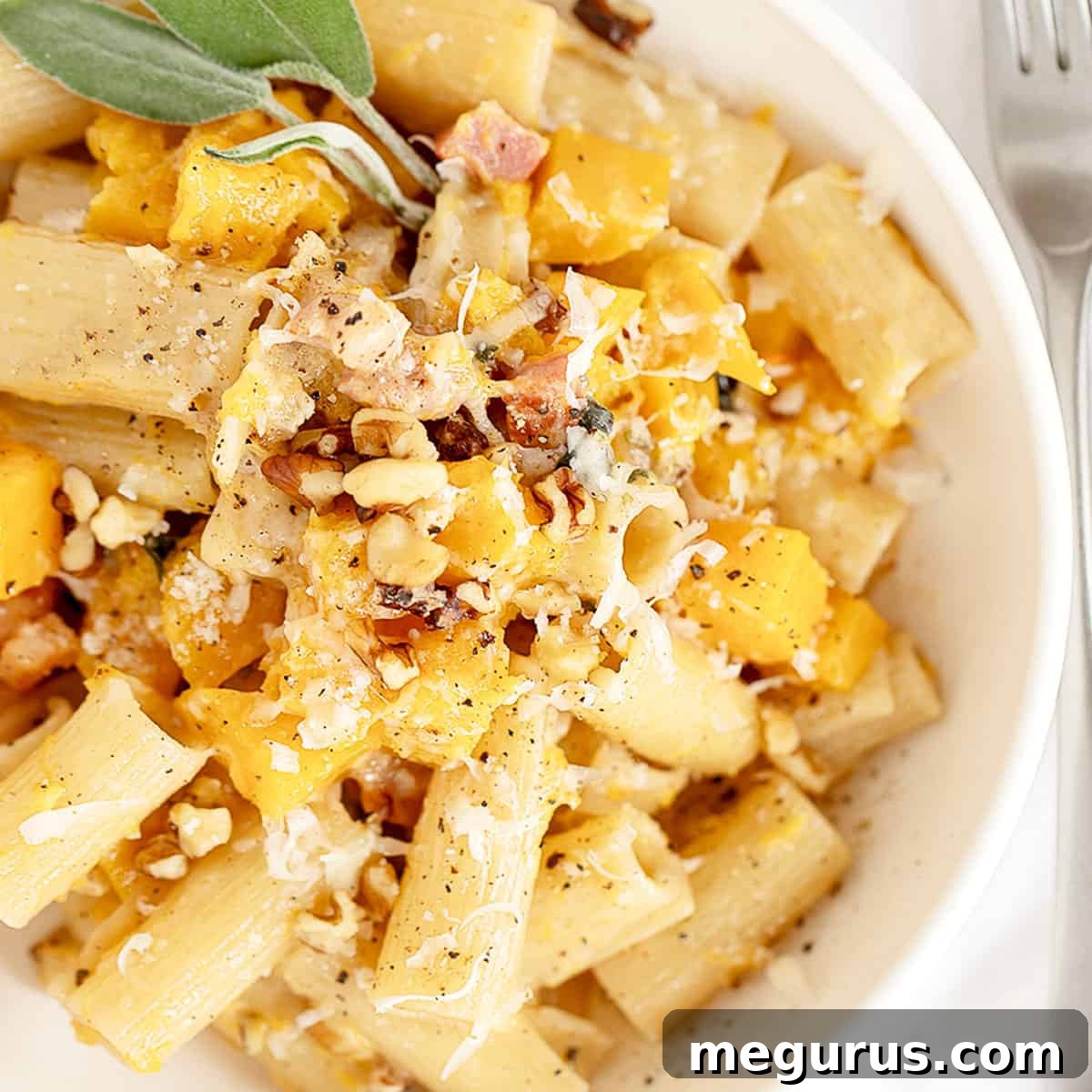
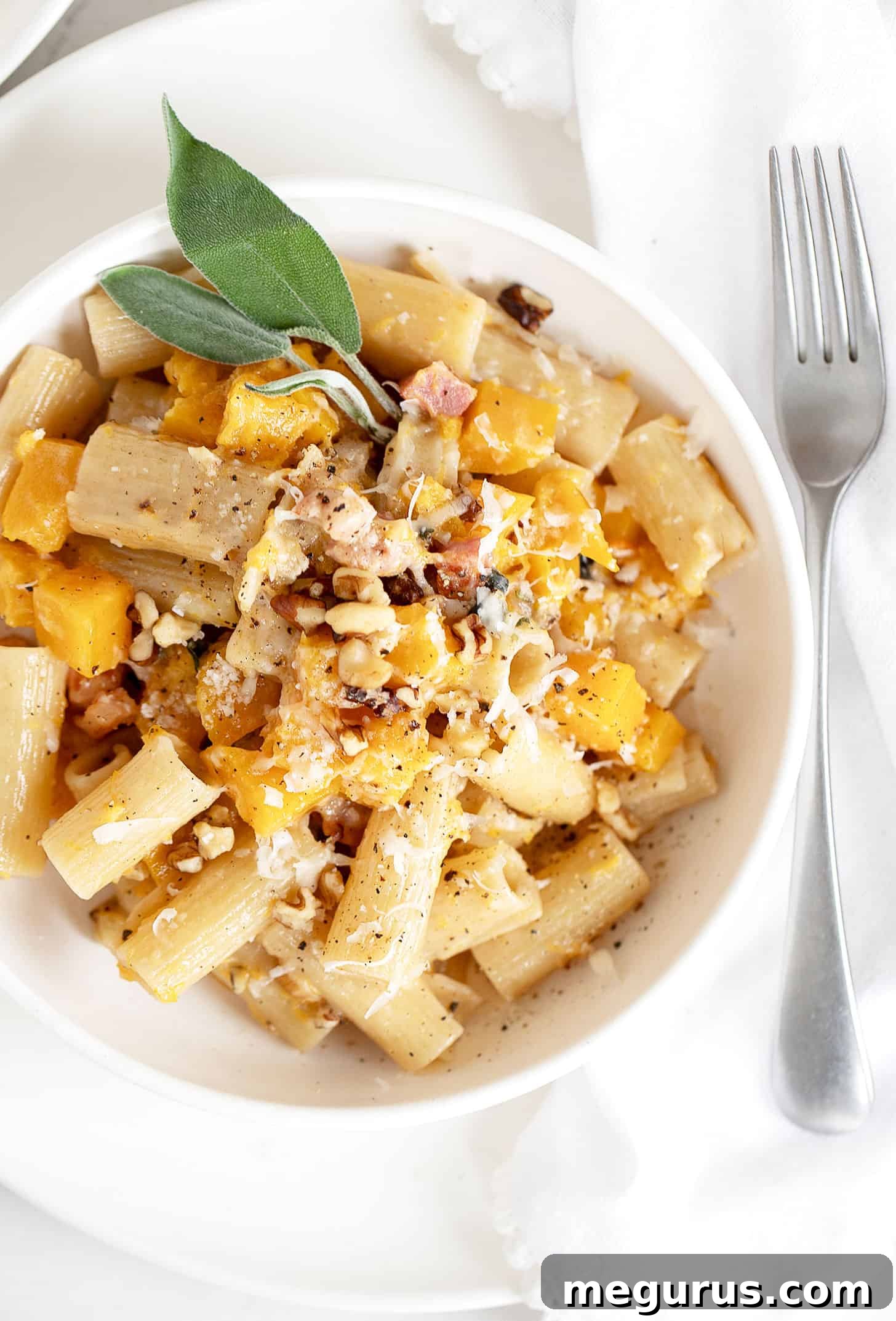
Step into the heart of autumn with this incredibly satisfying Roasted Butternut Squash Pasta. Imagine a bowl brimming with tender, sweet butternut squash, caramelized pancetta, aromatic fresh sage, crunchy walnuts, and savory Pecorino cheese, all tossed with robust rigatoni pasta. This dish isn’t just a meal; it’s a warm embrace, perfect for a cozy fall evening, yet simple enough to whip up on a busy weeknight. It embodies everything we love about seasonal cooking: rich flavors, comforting textures, and a vibrant presentation that promises to delight your senses.
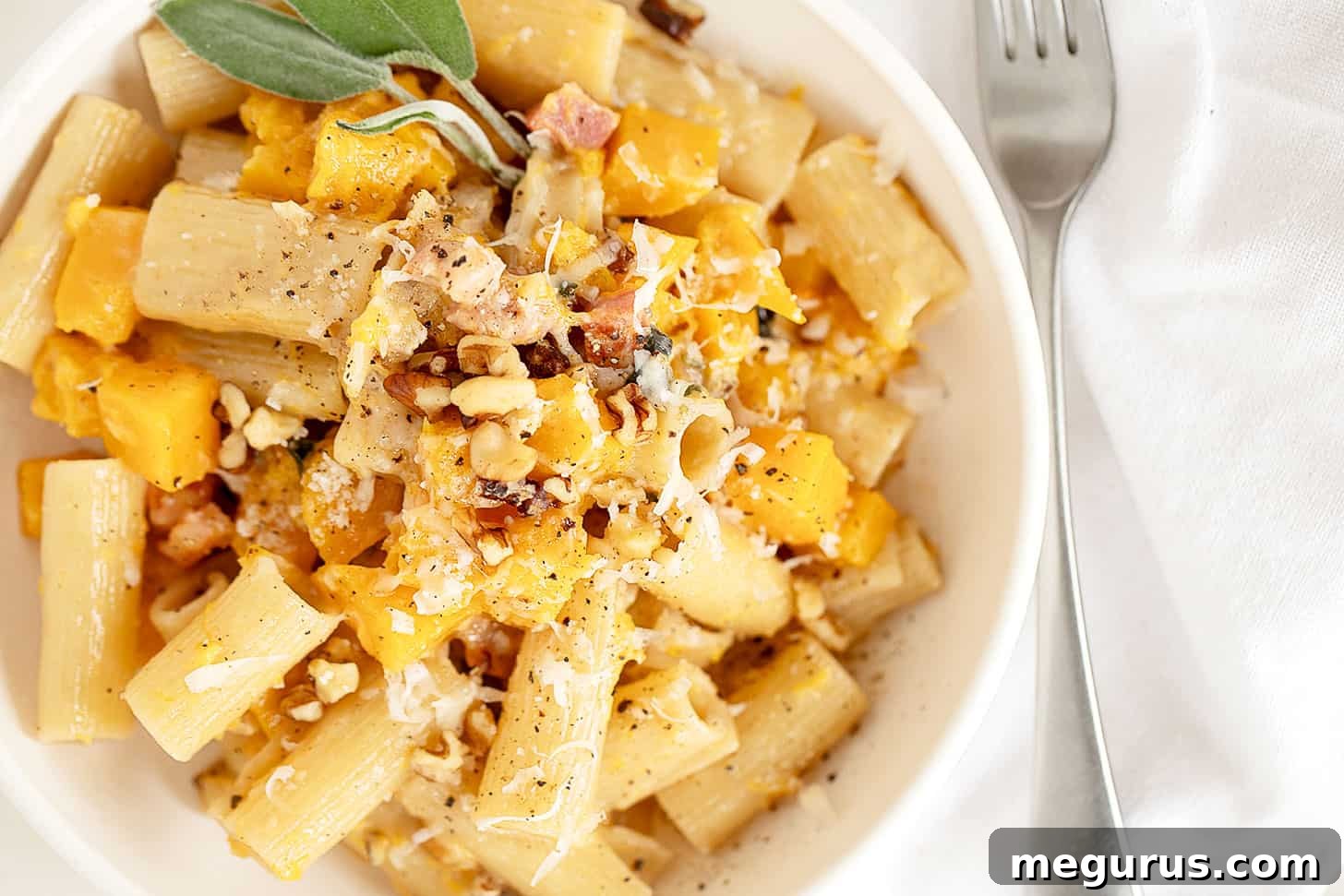
If you’re searching for the quintessential autumn pasta dish, your quest ends here. This roasted butternut squash pasta masterfully blends sweet and savory elements, creating a symphony of flavors and textures. The earthy sweetness of the roasted squash perfectly complements the salty crunch of pancetta, while fresh sage adds an herbaceous depth. Walnuts provide a delightful nutty counterpoint, and a generous dusting of Pecorino cheese ties all these magnificent components together into a truly unforgettable meal.
Why You’ll Fall in Love with This Butternut Squash Pasta
This recipe isn’t just another pasta dish; it’s a celebration of autumn flavors and culinary simplicity. Here’s why it deserves a spot in your weekly rotation:
- A Harmony of Fall Flavors: The star, butternut squash, transforms into a sweet, slightly caramelized delight when roasted. This natural sweetness is beautifully balanced by the savory pancetta, pungent sage, and tangy Pecorino cheese, creating a complex yet approachable flavor profile that is deeply satisfying.
- Effortless Elegance for Weeknights: Despite its gourmet appeal, this pasta dish is surprisingly easy to prepare. With just a few straightforward steps, you can create a meal that tastes like it came from a high-end restaurant, all while being perfect for a relaxed family dinner. It’s the ideal balance of impressive and accessible.
- Textural Masterpiece: Every bite offers a delightful contrast. You’ll savor the firm bite of al dente rigatoni, the melt-in-your-mouth tenderness of roasted squash, the crispy bits of pancetta, and the satisfying crunch of walnuts. This interplay of textures keeps the dish exciting from the first forkful to the last.
- Nutrient-Rich and Wholesome: Butternut squash is a powerhouse of vitamins (especially Vitamin A and C) and fiber. Combined with wholesome pasta and healthy fats from olive oil and walnuts, this dish offers a nutritious option that doesn’t compromise on flavor.
- Customizable Comfort: While the recipe provides a fantastic foundation, it’s also wonderfully adaptable. Easily adjust the herbs, explore different cheeses, or even add extra vegetables to make it truly your own. It’s comfort food designed to fit your preferences.
The Essential Ingredients for a Perfect Butternut Squash Pasta
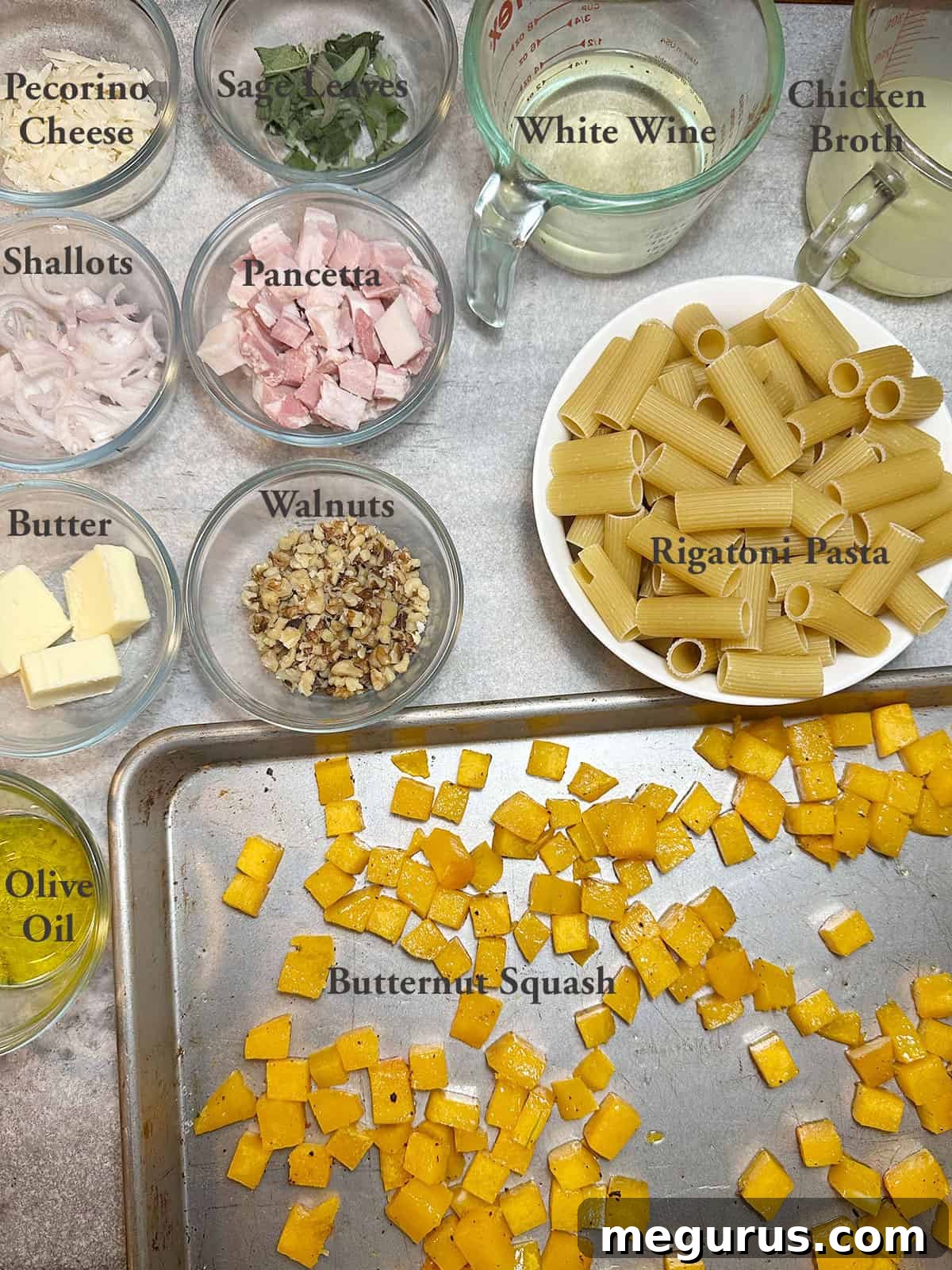
The magic of this pasta lies in its high-quality, seasonal ingredients. Each component plays a crucial role in building the dish’s rich and balanced flavor profile. Here’s a closer look at what you’ll need and some helpful tips for each:
Butternut Squash: The Sweet Star
The foundation of this dish is, of course, the butternut squash. For the best flavor and texture, fresh butternut squash is paramount. When selecting, look for squash that feels heavy for its size and has a uniform, dull skin without soft spots. Pre-cubed fresh butternut squash can be a fantastic time-saver, but if you’re dicing a whole squash yourself, don’t be intimidated. A pro tip: microwave the whole squash for 4-5 minutes before peeling and cutting. This softens the skin and flesh just enough to make it much easier and safer to handle. We strongly advise against using frozen butternut squash for roasting, as it tends to retain too much water and can become mushy rather than beautifully caramelized and tender. Roasting is key to unlocking its natural sugars and creating that irresistible sweet depth.
Rigatoni: The Hearty Vehicle
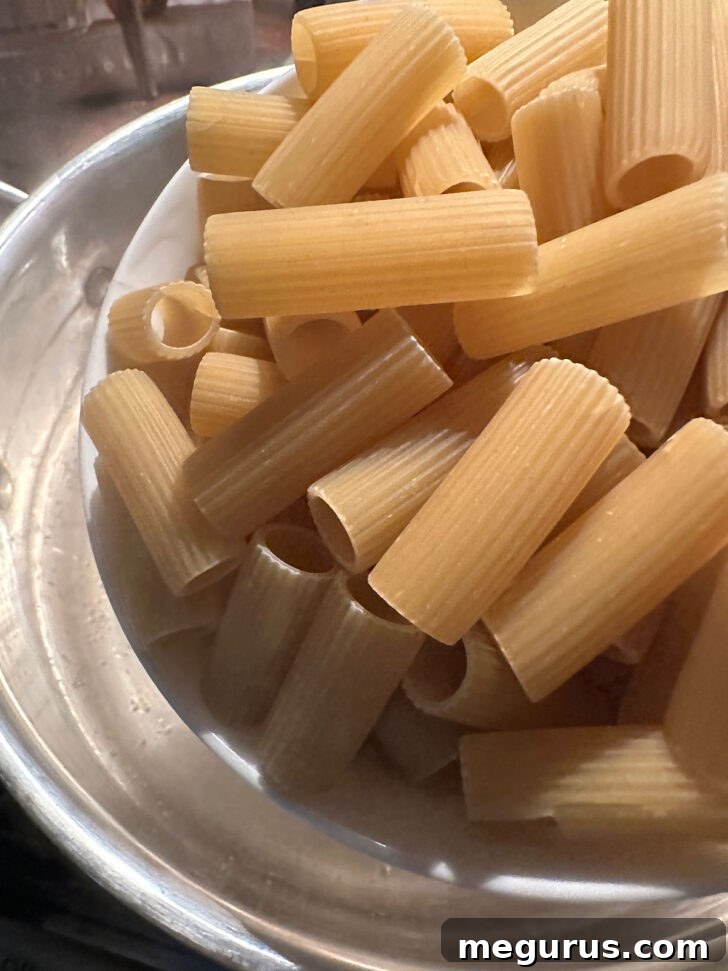
We’ve chosen rigatoni for this recipe because its large, ridged, tubular shape is perfectly designed to capture and hold the rich, chunky sauce. The sauce, with its roasted squash, pancetta, and walnuts, nestles beautifully within the pasta tubes and clings to the exterior. However, don’t feel restricted! Other sturdy, short pasta shapes like penne, orecchiette, or cavatappi would also work wonderfully. The goal is a pasta that can stand up to the hearty ingredients and ensure every bite is bursting with flavor.
Pancetta: The Savory Crunch
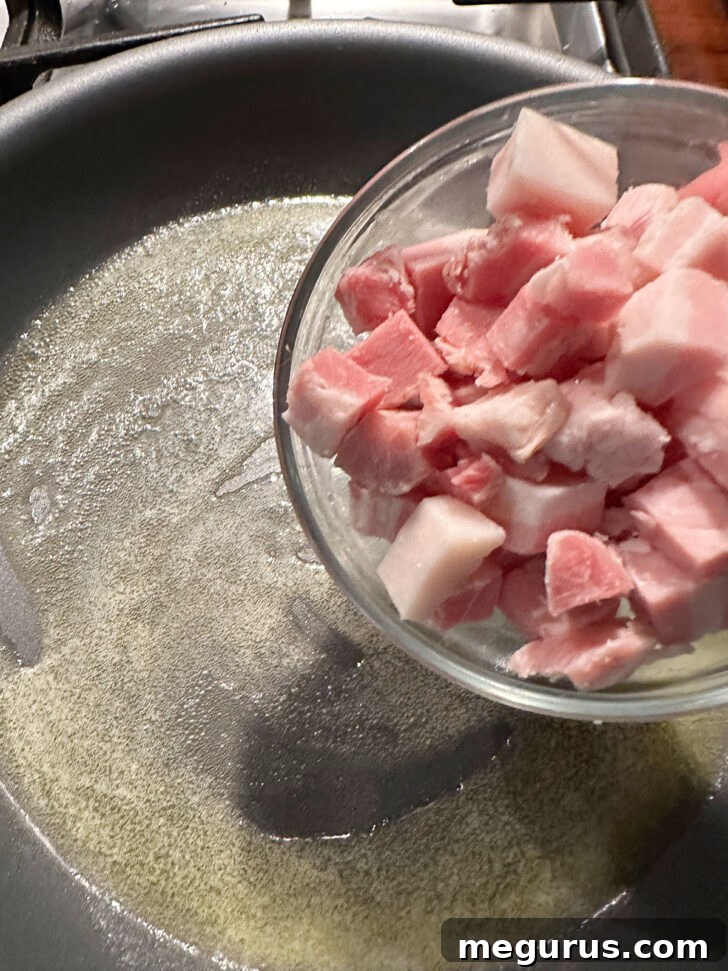
Diced pancetta brings an incredible depth of savory, salty flavor and a delightful crisp texture to the pasta. You can typically find pre-diced pancetta in the deli section of most grocery stores. If pancetta isn’t available, high-quality thick-cut bacon can be a suitable substitute. Just be aware that bacon renders more fat, so you might need to drain off some of the excess grease from the pan before continuing with the recipe to prevent the dish from becoming overly oily. For an alternative flavor profile, crumbled Italian sausage (removed from its casing) would also be an excellent addition, lending a spicy or herby kick.
Fresh Sage: The Aromatic Whisper
Fresh sage is truly transformative in this dish, lending a warm, earthy, slightly peppery aroma that perfectly complements butternut squash and pork products. For the most vibrant and authentic flavor, fresh sage leaves are highly recommended. While dried sage can be used in a pinch, start with a smaller amount (e.g., half a teaspoon) as its flavor is much more concentrated than fresh. Remember, sage is potent; use it to enhance, not overpower. Adjust the quantity to your personal preference, as too much can dominate the other delicate flavors.
White Wine: For Depth and Deglazing
A splash of dry white wine is used to deglaze the pan, picking up all the flavorful browned bits left by the pancetta and shallots. It adds a subtle acidity and complexity to the sauce that elevates the entire dish. Opt for a dry white wine you enjoy drinking, such as Sauvignon Blanc, Pinot Grigio, or Chardonnay. If you prefer not to use alcohol, simply substitute with an equal amount of chicken or vegetable broth. The dish will still be delicious, just with a slightly different nuance.
Walnuts: The Nutty Counterpoint
Chopped walnuts are a crucial addition, providing a wonderful textural contrast and a slight bitterness that beautifully balances the sweetness of the squash and the richness of the pancetta. Lightly toasting them before adding can enhance their nutty flavor even further. If you’re not a fan of walnuts, pecans could also work as an alternative, offering a slightly sweeter, buttery note.
Pecorino Cheese: The Salty Finish
Pecorino Romano cheese, a hard, salty sheep’s milk cheese, brings a sharp, tangy, and deeply savory umami to the pasta. Its robust flavor stands out beautifully against the other ingredients. Freshly grated Pecorino is always best. If you can’t find Pecorino, freshly grated Parmesan cheese is an excellent and widely available alternative, offering a slightly milder but still delicious salty and nutty profile.
Other Staples
Don’t forget essentials like quality extra virgin olive oil, unsalted butter for richness, and chicken broth to help create a luscious sauce. An optional touch of heavy cream at the end adds an extra layer of velvety smoothness, making the sauce truly indulgent.
Step-by-Step: Crafting Your Roasted Butternut Squash Pasta
Follow these detailed steps to create a truly memorable and satisfying Roasted Butternut Squash Pasta. Each stage is designed to build layers of flavor, ensuring a rich and cohesive dish.
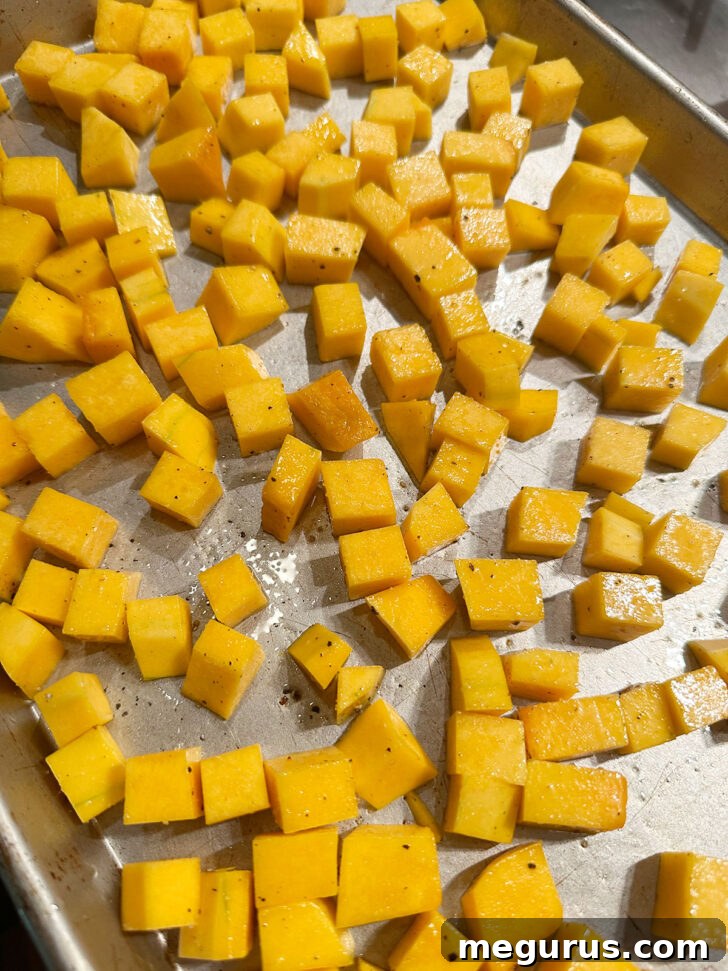
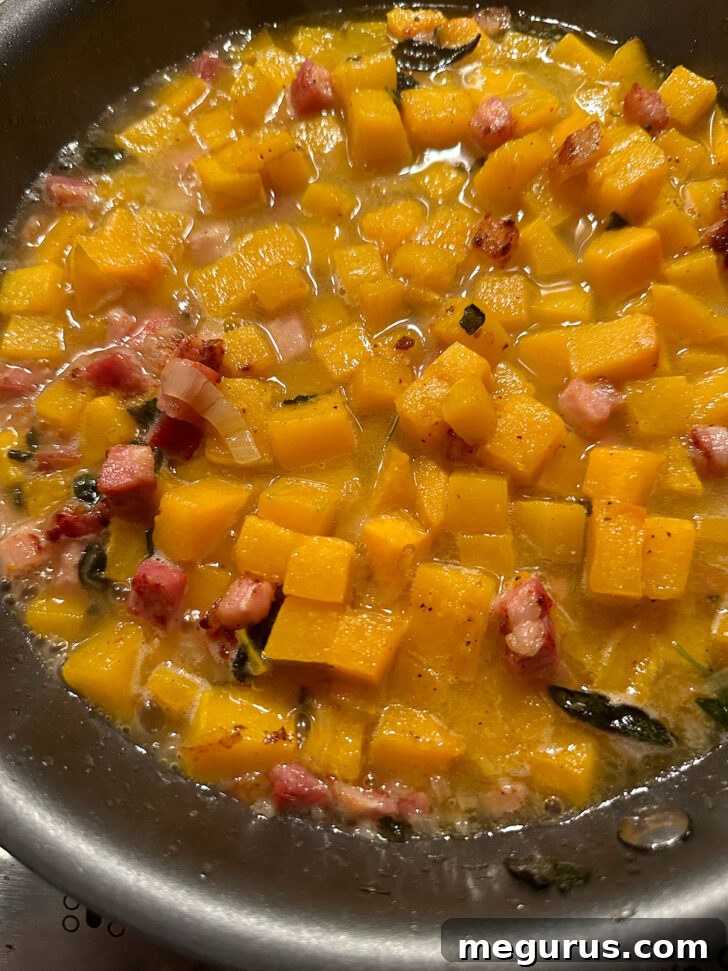
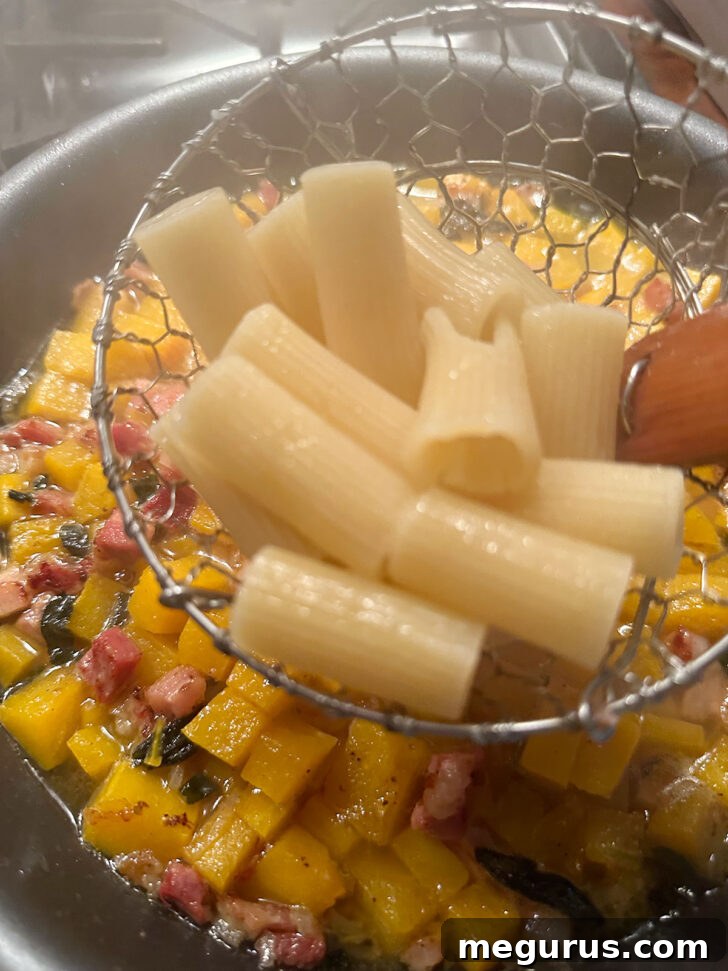
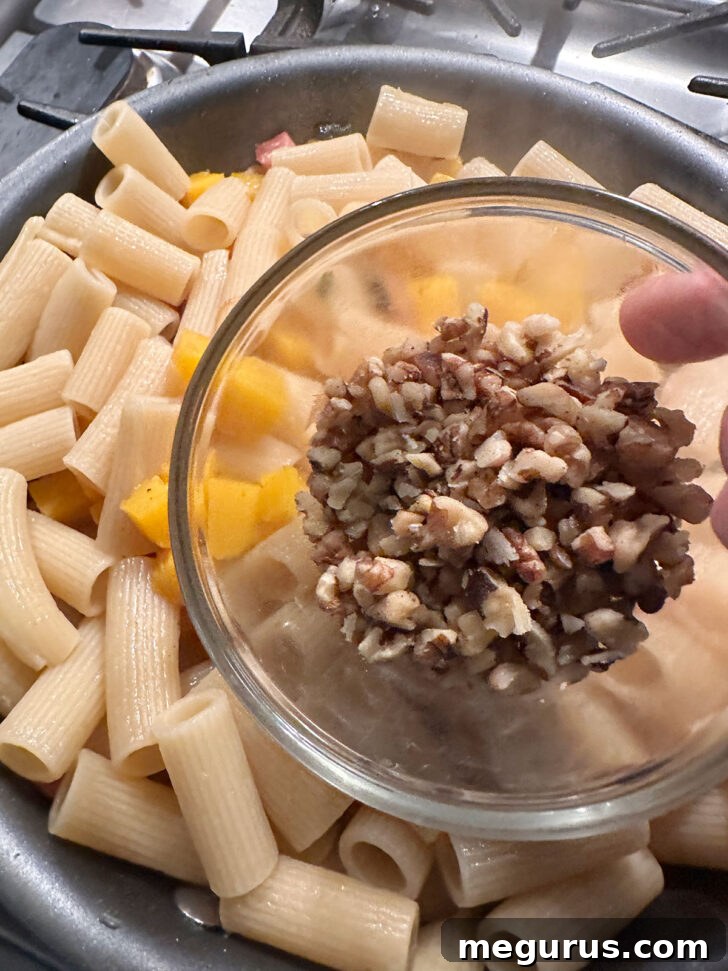
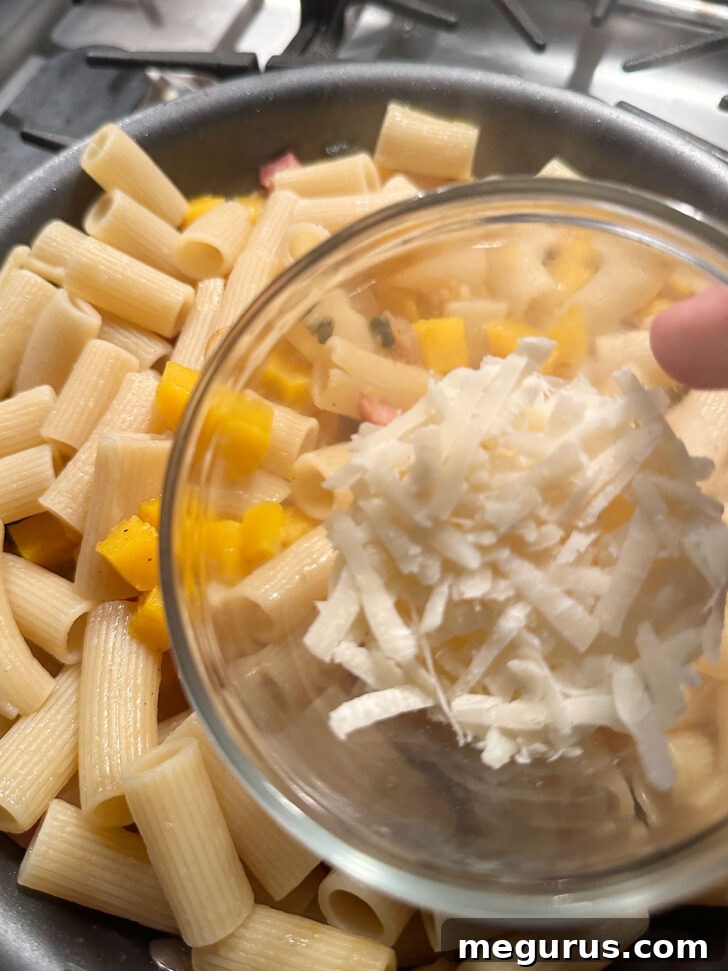
- Roast the Butternut Squash: Begin by preheating your oven to 350°F (175°C), ensuring it’s not fan-assisted for optimal roasting. Cube your butternut squash into approximately 1/2-inch pieces and spread them evenly in a single layer on a baking sheet. Drizzle with 1 tablespoon of extra virgin olive oil, then season generously with salt and freshly ground black pepper. Roast for about 25-30 minutes, or until the squash is tender and slightly caramelized at the edges but still retains its shape. Once done, remove from the oven and gently loosen the squash from the pan with a spatula, then set aside.
- Start the Pasta: While the squash is roasting, bring a large pot of water to a rolling boil. Once boiling, season the water generously with salt – this is your only chance to flavor the pasta from within! Add the rigatoni and cook according to package directions until it’s al dente (tender but with a slight bite).
- Crisp the Pancetta: In a large, heavy-bottomed skillet over medium-high heat, melt 1 tablespoon of unsalted butter along with 1 tablespoon of olive oil. Add the diced pancetta and cook, stirring occasionally, for 3-5 minutes until it’s beautifully browned and crispy. If using bacon, remove any excessive rendered fat from the pan at this point to prevent the dish from becoming greasy.
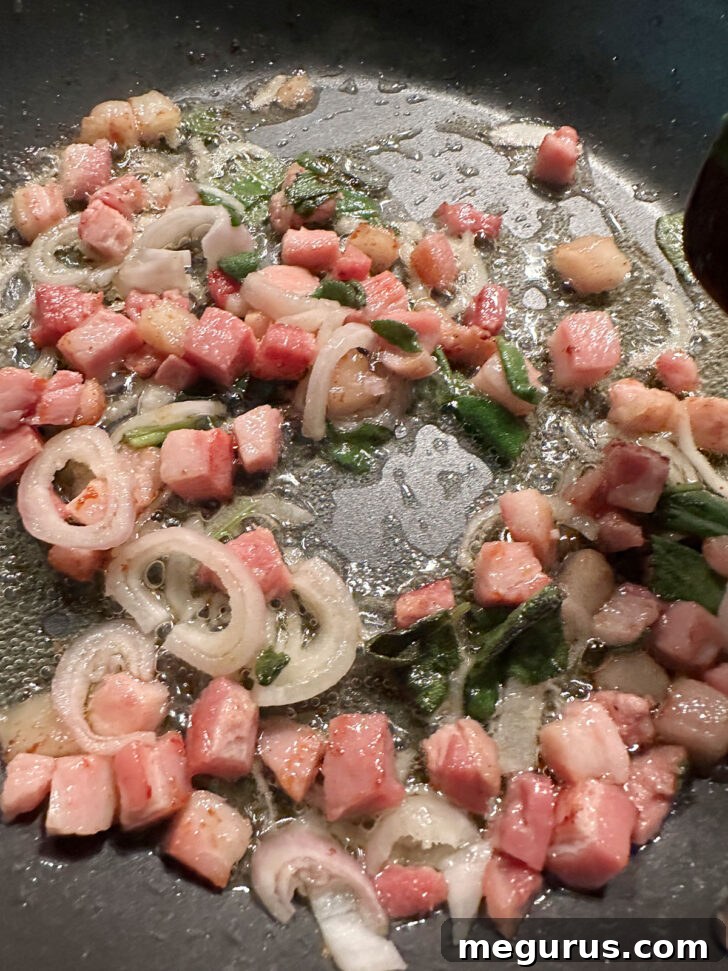
- Build the Aromatic Base: Add the fresh sage leaves and thinly sliced shallots to the skillet with the pancetta. Sauté for another 2-3 minutes, stirring constantly, until the shallots soften and begin to brown slightly, and the sage becomes wonderfully fragrant. Be careful not to burn the sage.
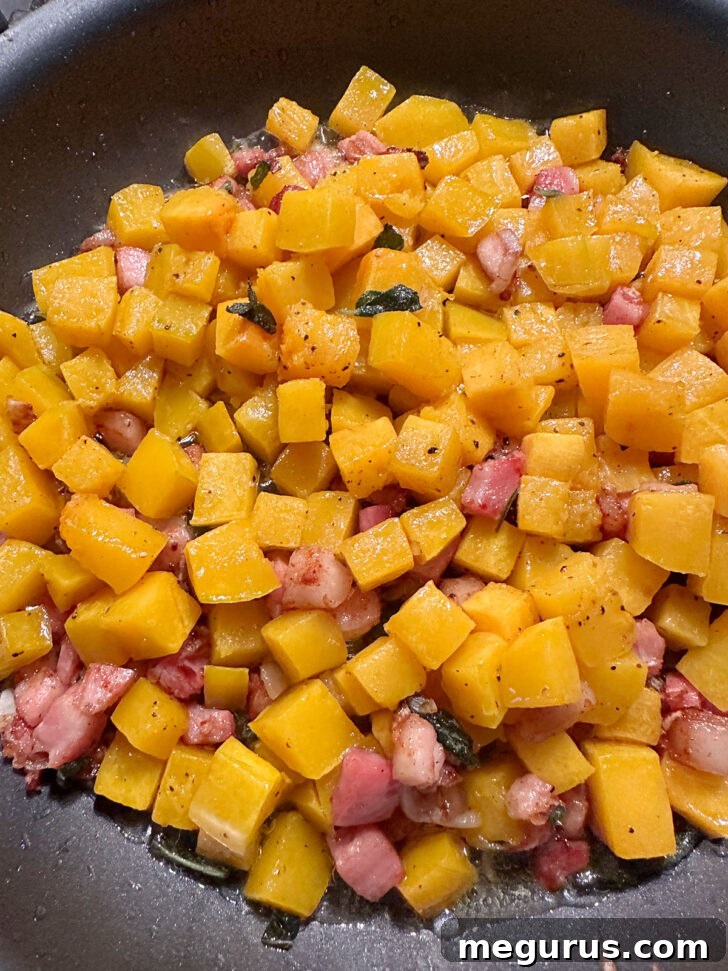
- Combine with Roasted Squash: Gently add the roasted butternut squash to the skillet with the pancetta and shallot mixture. Stir everything together and cook for another 1-2 minutes, allowing the flavors to meld.
- Deglaze and Simmer: Pour in the white wine (or extra chicken broth) and let it simmer with the squash for about 2 minutes, allowing the alcohol to cook off and the flavors to concentrate. Then, add the chicken broth and continue to simmer for another 2 minutes. Reduce the heat to low to keep the sauce warm while you wait for the pasta to finish cooking.
- Introduce the Pasta: Once the pasta is al dente, use a spider strainer or a large slotted spoon to transfer the cooked rigatoni directly from the pot into the skillet with the sauce. Reserve about a cup of the starchy pasta cooking water – it’s your secret weapon for a perfectly emulsified sauce!
- Add Richness and Crunch: Increase the heat under the skillet to medium. Add 1 tablespoon of olive oil, the chopped walnuts, grated Pecorino cheese, and 2 tablespoons of unsalted butter to the pasta and sauce.
- Season and Finish: Season the dish with a generous pinch of salt and freshly ground black pepper to taste. Stir everything together thoroughly, ensuring the pasta is well-coated with the luscious sauce.
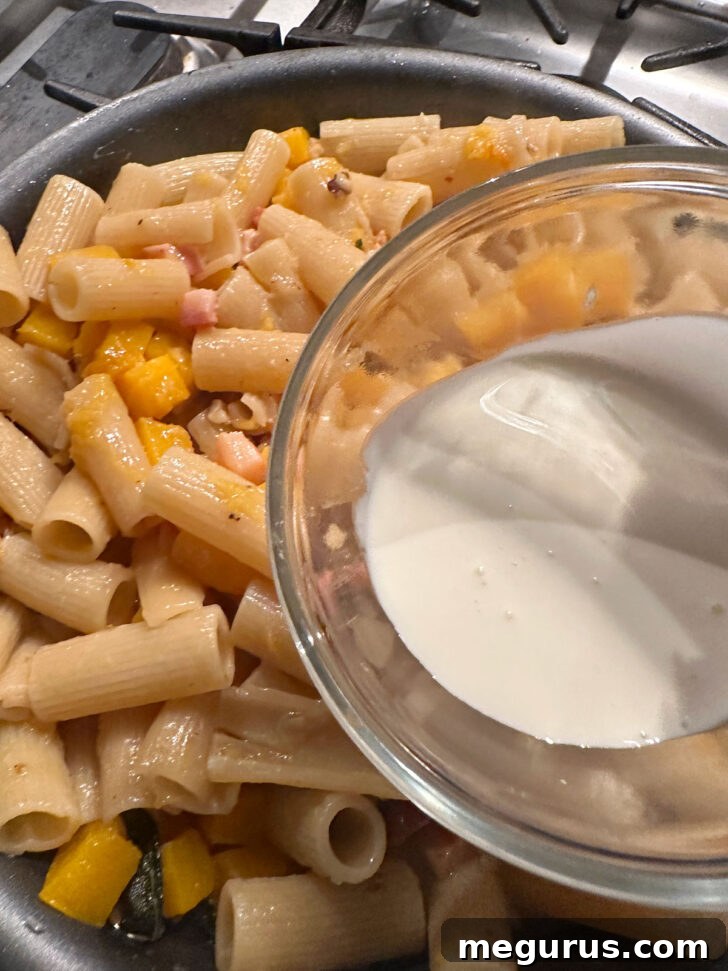
- Achieve Perfect Consistency (Optional Cream): If desired, drizzle in the heavy cream and simmer for a few minutes to allow the sauce to thicken and become even more luxurious. If the sauce appears too thick or dry, gradually add a splash or two of the reserved pasta cooking water, stirring until you reach your desired consistency.
- Serve Immediately: Dish out the pasta immediately, garnished with additional freshly grated Pecorino cheese and a few extra sage leaves, if desired. Enjoy the warmth and incredible flavors!
Expert Tips for the Best Butternut Squash Pasta
Pro Tips for Success
- Butternut Squash Prep Made Easy: Peeling and dicing a whole butternut squash can be challenging. To make it significantly easier and safer, microwave the whole squash for 4-5 minutes before you begin. This softens the skin and flesh just enough to allow for much easier peeling and chopping into perfect 1/2-inch cubes. Remember, avoid frozen squash for roasting; fresh is always best for that sweet caramelization.
- Mastering Sage’s Potency: Sage is a wonderfully aromatic herb, but its flavor is quite strong. A little goes a long way! For most palates, 4-8 fresh sage leaves are sufficient to infuse the dish with its distinctive taste without overwhelming the other ingredients. Taste as you go, and adjust the quantity to your personal preference. While fresh sage is highly recommended for its vibrant flavor, if you only have dried sage, start with about 1/2 teaspoon and add more to taste.
- Make-Ahead Magic: To save precious time during dinner prep, you can roast the butternut squash ahead of time. Simply follow the roasting instructions, then allow the squash to cool completely before storing it in an airtight container in the refrigerator for up to 3 days. This significantly cuts down on active cooking time when you’re ready to assemble the pasta.
- The Power of Pasta Water: Don’t discard that starchy pasta cooking water! It’s an invaluable ingredient. The starches released by the pasta help to emulsify the sauce, creating a smooth, glossy, and cohesive coating for your rigatoni. If your sauce ever seems too thick or dry, add a tablespoon or two of this liquid gold until it reaches your desired consistency.
- Customizing Your Protein: While pancetta offers a unique cured pork flavor, feel free to experiment with other proteins. Crispy bacon provides a smoky alternative, or try Italian sausage (mild or spicy, removed from casing and crumbled) for a different seasoned meat element.
What to Serve with Your Roasted Butternut Squash Pasta
This hearty pasta dish is substantial enough to be a complete meal on its own, but pairing it with a simple side can enhance the experience. All it truly needs is a fresh, crisp counterpoint to balance its rich flavors. Consider serving it alongside a vibrant green vegetable such as steamed or roasted broccoli, broccolini, tender green beans, or perfectly roasted Brussels sprouts. A light, peppery arugula salad with a bright vinaigrette would also offer a refreshing contrast. For a truly indulgent meal, don’t forget a basket of crusty bread to soak up every last drop of that delicious sauce!
Get the Recipe: Roasted Butternut Squash Pasta
Pin This
Ingredients
- 4 cups fresh butternut squash, peeled, seeded, and cut into 1/2-inch dice
- 1 Tablespoon extra virgin olive oil (for roasting squash)
- Salt and freshly ground black pepper (for squash)
- 1 Tablespoon unsalted butter
- 1 Tablespoon extra virgin olive oil (for skillet)
- 3 oz pancetta, diced (about 1/2 cup)
- 4-8 fresh sage leaves, torn (adjust to taste)
- 2 shallots, thinly sliced
- 1/3 cup dry white wine (or extra chicken broth)
- 1/2 cup chicken broth
- 10 oz rigatoni pasta, or penne or other short pasta
- 2 Tablespoons unsalted butter (for finishing)
- 1 Tablespoon extra virgin olive oil (for finishing)
- 1/3 cup walnuts, chopped
- 2 Tablespoons Pecorino cheese, grated (or Parmesan), plus more for serving
- 1/4-1/3 cup heavy whipping cream (optional)
- Salt and freshly ground black pepper (for seasoning sauce)
Instructions
-
Preheat oven to 350°F (175°C, not fan assisted). Cube the butternut squash and scatter onto a baking sheet. Drizzle with 1 Tablespoon olive oil and season with salt and pepper. Roast in pre-heated oven until the squash is tender, but still holds its shape, about 25-30 minutes. Remove from oven and use a spatula to loosen the squash from the pan, then set aside.
-
Bring a large pot of water to a boil. When boiling, salt generously, then add the pasta to cook to al dente.
-
Meanwhile, add 1 Tablespoon butter and 1 Tablespoon olive oil to a large skillet over medium-high heat. Add the pancetta and cook, stirring, until starting to brown, about 3-5 minutes. (If using bacon, remove some of the excess fat from the pan before proceeding).
-
Add the sage leaves and shallots to the skillet and cook, stirring, another 2-3 minutes or until the shallots start to brown. Add the roasted butternut squash and cook, stirring another 1-2 minutes. Add the white wine and allow to simmer with the squash for about 2 minutes, then add the chicken broth. Simmer another 2 minutes, then reduce the heat to low and keep warm until the pasta is cooked.
-
When the pasta is ready, transfer the pasta from the pot directly to the skillet using a spider strainer or large slotted spoon, reserving the pasta water. Increase the heat under the skillet to medium. Add 1 Tablespoon olive oil, the walnuts, pecorino and 2 Tablespoons butter. Season with some salt and freshly ground pepper. Stir to combine. Drizzle in the cream, if using. Simmer a few minutes to thicken the sauce, or if the skillet is too dry, add some of the pasta cooking water to the skillet to loosen.
-
Serve immediately, garnished with additional Pecorino cheese.
Notes
Note 2: Sage can be a powerful flavor, so adjust the amount of sage to your taste and how much you enjoy that flavor. For a balanced taste, 4-5 fresh sage leaves is often plenty. We highly recommend fresh sage leaves, but if you must use dried, start with 1/2 teaspoon and adjust from there.
Nutrition Information (per serving):
- Serving: 1 serving
- Calories: 590 kcal
- Carbohydrates: 60 g
- Protein: 14 g
- Fat: 33 g
- Saturated Fat: 12 g
- Polyunsaturated Fat: 7 g
- Monounsaturated Fat: 13 g
- Trans Fat: 0.3 g
- Cholesterol: 45 mg
- Sodium: 193 mg
- Potassium: 670 mg
- Fiber: 5 g
- Sugar: 6 g
- Vitamin A: 12313 IU
- Vitamin C: 25 mg
- Calcium: 113 mg
- Iron: 2 mg
More Butternut Squash Recipes to Love!
If you’ve enjoyed the sweet and savory delights of this pasta, you’ll surely love exploring other ways to incorporate versatile butternut squash into your cooking. Here are a few more delicious recipes featuring this beloved fall ingredient: