
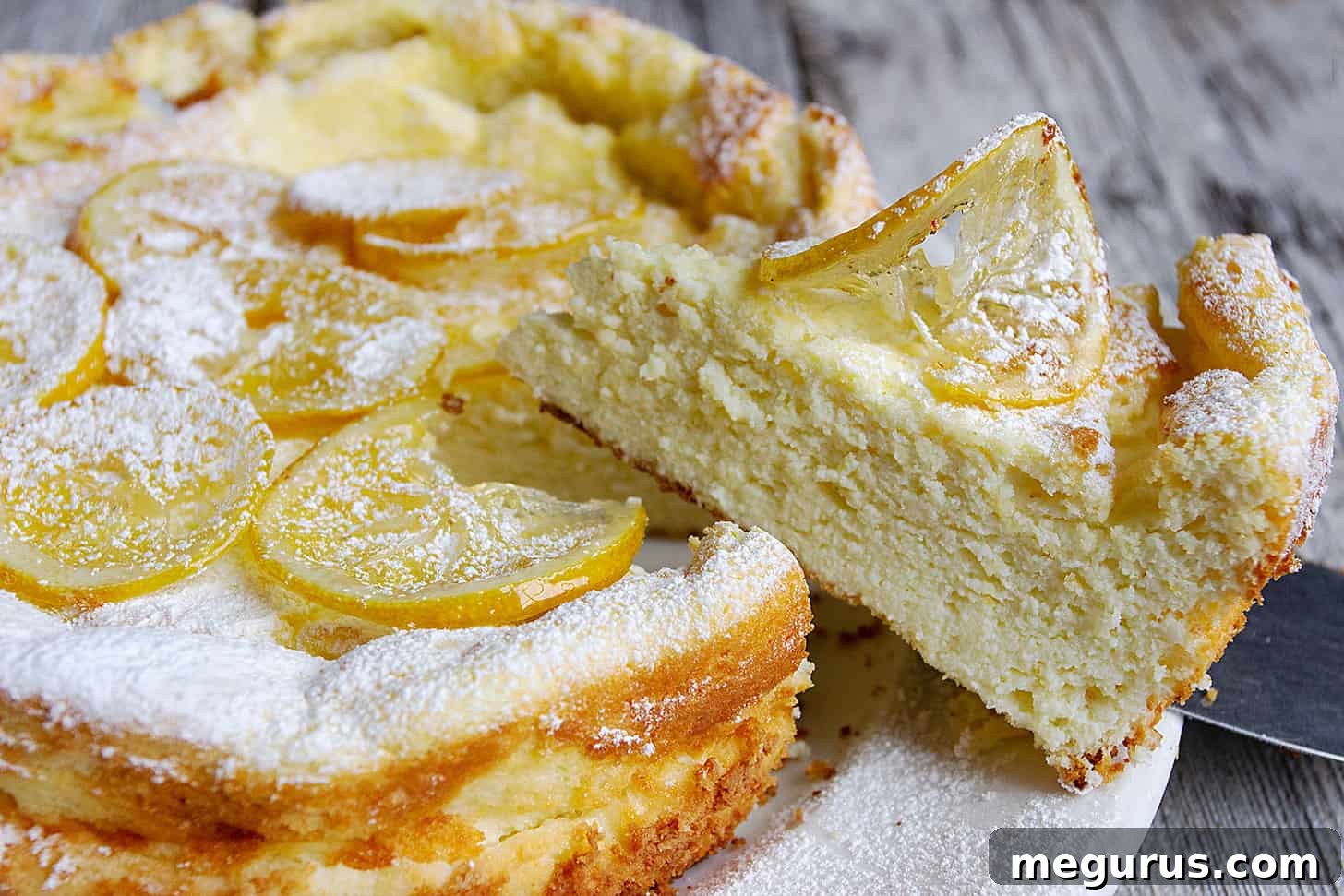
Indulge in the delicate charm of this **Exquisite Lemon Ricotta Cake**, a perfectly balanced dessert that promises a light, refreshing finish to any meal or a show-stopping treat for special occasions. While exquisitely presented here with homemade candied lemons, its versatile nature allows for an array of delightful toppings to suit every palate.
Exquisite Lemon Ricotta Cake: A Light & Refreshing Dessert
Step into the world of sophisticated yet simple desserts with our ultimate Lemon Ricotta Cake recipe. Unlike its heavier cousin, the traditional cheesecake, this Italian-inspired marvel offers an airy, cloud-like texture and a subtly sweet, tangy flavor profile that’s simply irresistible. Whether you’re a seasoned baker or just starting your culinary journey, this recipe is designed to guide you through creating a truly memorable dessert, perfect for brightening up any season, especially the depths of winter or celebrating the arrival of spring.
Why You’ll Fall in Love with This Lemon Ricotta Cake
There are countless reasons to adore this delightful lemon ricotta cake. Its unique qualities make it a standout dessert that will quickly become a favorite in your recipe repertoire:
- Effortlessly Elegant Presentation: This cake looks incredibly impressive with minimal effort. Whether dusted simply with confectioners’ sugar or adorned with shimmering candied lemons, it’s guaranteed to draw admiring glances at any gathering.
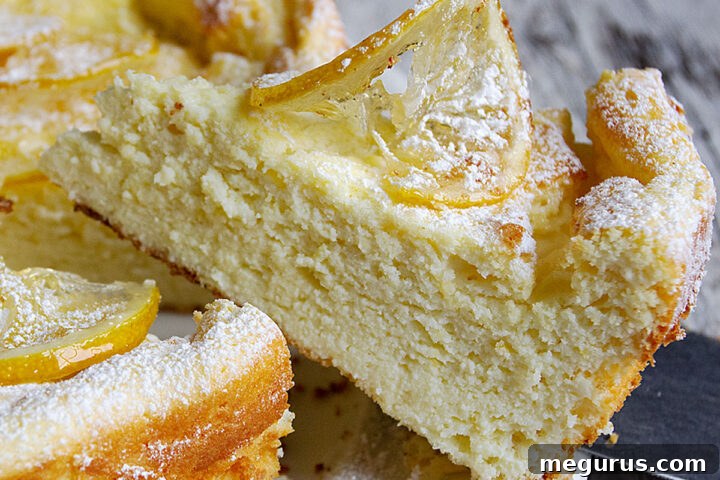
- Uniquely Light and Airy Texture: The star ingredient, fresh ricotta cheese, is the secret behind this cake’s distinctively light and moist crumb. It’s substantially less dense than a traditional cheesecake, offering a delicate mouthfeel that won’t leave you feeling overly full.
- Bright, Zesty Lemon Flavor: Fresh lemon zest and juice infuse the cake with a vibrant, refreshing tang that beautifully complements the creamy ricotta. It’s a perfect balance of sweet and tart, creating a truly uplifting taste experience.
- Incredibly Versatile for Toppings: While delicious on its own, this ricotta cake serves as an exceptional canvas for various toppings. From seasonal berries to decadent sauces, it adapts effortlessly to your cravings or the occasion.
- Ideal for Make-Ahead Preparations: This cake actually benefits from chilling, making it a fantastic dessert to prepare a day in advance. This allows the flavors to fully meld and the cake to set perfectly, freeing up your time on the day of serving.
- A Taste of Italian Tradition: Ricotta cakes are a beloved staple in Italian cuisine, offering a taste of authentic, comforting flavors that transport you straight to the heart of Italy.
Understanding the Magic of Ricotta Cake
If you’ve never had the pleasure of tasting a ricotta cake, prepare to be charmed. This dessert holds a special place in the world of sweets, distinctly different from other popular cakes. Its foundation in ricotta cheese, rather than cream cheese or heavy butter, is what gives it its characteristic lightness and a more nuanced, subtle flavor. Imagine a texture that’s creamy and moist, yet incredibly airy – almost like a cloud – making it a lovely way to conclude any meal without being overly rich.
The beauty of ricotta cake lies in its gentle character. The mild, slightly sweet, and tangy notes of fresh ricotta allow other ingredients to shine brilliantly. In this recipe, the vibrant burst of lemon takes center stage, creating a harmonious balance that is both refreshing and deeply satisfying. Beyond its inherent deliciousness, ricotta cake’s understated elegance makes it a fantastic base for creativity. You can easily adapt it with different flavors, enhancing it with seasonal fruits, warm spices, or various sauces, making it a truly versatile addition to any dessert repertoire.

Key Ingredients & Smart Substitutions for Your Perfect Ricotta Cake
Crafting the perfect Lemon Ricotta Cake begins with understanding its core ingredients and how each contributes to the final masterpiece. Here’s a closer look at what you’ll need and some crucial tips for achieving the best results:
-
Ricotta Cheese: This is the soul of your cake. For the richest flavor and creamiest texture, always opt for fresh, whole-milk ricotta. The most critical step with ricotta is to drain it thoroughly. Ricotta contains a lot of moisture, and failing to drain it will result in a soggy, watery cake.
- How to Drain: Line a fine-mesh strainer with several layers of cheesecloth or a clean coffee filter. Place the strainer over a bowl to catch the liquid. Transfer the ricotta to the lined strainer and refrigerate for at least 4 hours, or ideally 12 hours (or overnight). This process removes excess whey, ensuring your cake has a firm, dense yet light consistency.
-
Fresh Lemons: The essence of this cake’s bright flavor comes from fresh lemons. You will need two — one for the zest and juice in the cake batter, and the second for making the optional but highly recommended candied lemon slices.
- Zest vs. Juice: Lemon zest carries the concentrated essential oils and provides a more potent lemony aroma and flavor than juice alone. Always zest your lemon before juicing it!
- Quality Matters: Always use fresh lemons over bottled juice for superior, vibrant flavor and aroma. Organic lemons are preferable, especially when using the zest and making candied slices, as their rinds will be free from unwanted pesticides.
- White Granulated Sugar: Sugar sweetens the cake and aids in browning. The recipe uses two portions of sugar: one for the ricotta mixture and a smaller amount whipped with the egg whites. This careful distribution contributes to the cake’s structure and perfectly balanced sweetness, complementing the lemon’s tang.
- Unbleached All-Purpose Flour: Only a small amount of flour is used, which helps bind the cake ingredients and provides a slightly more structured, cake-like crumb compared to a pure, flourless cheesecake. This contributes to its overall lightness and stability.
- Large Eggs: Eggs play a dual role here. The yolks add richness, moisture, and a lovely golden hue to the batter. The egg whites, when separated and beaten to stiff peaks, are then gently folded into the mixture. This aeration is crucial for creating the cake’s signature airy and delicate texture. Ensure your eggs are at room temperature, as this allows for better emulsification of the yolks and a greater volume when whipping the whites.
Expert Recipe Tips for Baking a Flawless Lemon Ricotta Cake
Crafting a truly exceptional Lemon Ricotta Cake is straightforward with a few key techniques and considerations. Follow these expert tips for a dessert that will impress every time:
Topping Versatility and Creative Ideas:
- This cake is incredibly adaptable when it comes to toppings, making it a perfect match for any occasion or season. While the homemade candied lemons provide a stunning visual and delightful sweet-tart bite, feel free to explore other delicious options.
- Fresh Fruit: A handful of fresh berries like raspberries, blueberries, or thinly sliced strawberries always make an excellent choice, adding a burst of freshness and contrasting color. Lightly toss them with a spoonful of sugar for extra gloss and sweetness.
- Fruit Purees or Sauces: Consider preparing a quick homemade chunky sauce or smooth puree from blueberries, raspberries, or even apricots. A simple blend of fruit, a touch of sugar, and a squeeze of lemon juice, simmered briefly, creates a vibrant and flavorful accompaniment.
- Lemon Curd: For an ultimate lemon experience, a vibrant, homemade, or good-quality store-bought lemon curd would be an absolutely perfect complement, enhancing the cake’s citrus theme beautifully.
- Creamy Indulgence: A dollop of luxurious crème fraîche, a spoonful of tangy sour cream, or a generous cloud of freshly whipped cream can add a wonderful creamy contrast to the cake’s light texture and bright flavor.
Preparing Candied Lemons (Step-by-Step Guidance):
- If you choose to adorn your cake with candied lemons, you’ll be pleased to know they can be prepared well in advance. Make them up to a month ahead of time and store them in an airtight container in the refrigerator.
- These shimmering, translucent lemon slices are not only visually stunning for decoration but are also wonderfully edible, offering a delightful chewy, sweet-tart experience. They can also be enjoyed on their own as a sweet treat, or alongside a cup of tea.
- Blanching is Key: The initial boiling and ice bath steps are crucial. This process helps to remove bitterness from the lemon rinds and softens them, preparing them to absorb the sugar syrup beautifully.
- Simmering Patience: The long, gentle simmer in sugar syrup allows the rinds to become tender and translucent. Don’t rush this step; patience will be rewarded with perfectly candied lemons.
Ensuring a Super Smooth Batter:
- After draining your ricotta, for an ultra-smooth cake texture, you might consider pressing it through a fine-mesh sieve or giving it a quick pulse in a food processor before mixing it with other ingredients. This extra step ensures there are no tiny lumps of ricotta.
The Art of Folding Egg Whites:
- When it’s time to incorporate the stiffly beaten egg whites into the ricotta mixture, this is where gentleness is paramount. Use a large rubber spatula and a light, upward folding motion. Introduce the whites in three additions, folding just until no streaks of white remain. Over-mixing will deflate the egg whites, leading to a denser cake. The air in the whites is what gives this cake its signature light texture.
Baking Perfectly for a Set Cake:
- Bake your cake until the edges are beautifully golden brown and the center is mostly set, but still exhibits a slight, delicate jiggle when the pan is gently shaken. This slight jiggle indicates that it is cooked through but remains moist. Overbaking can lead to a dry, crumbly cake.
- The Sink is Normal: Don’t be alarmed if your cake naturally settles or sinks slightly in the middle as it cools. This is a common characteristic of ricotta cakes and doesn’t affect its deliciousness. A dusting of confectioners’ sugar or your chosen topping will beautifully conceal any imperfections.
Making Ahead, Storing, and Freezing Your Lemon Ricotta Cake
This exquisite Lemon Ricotta Cake is a dream for hosts and busy bakers alike, as it not only lends itself beautifully to make-ahead preparations but actually improves in flavor and texture after a good chill. Planning ahead means you can serve a perfectly set and deeply flavored dessert with minimal last-minute fuss.
- Making Ahead: A minimum chilling time of 4 hours in the refrigerator is absolutely essential for this cake. This period allows the cake to fully set, ensuring clean, elegant slices, and more importantly, gives the vibrant lemon and creamy ricotta flavors ample time to meld and deepen. For the most optimal results, we highly recommend preparing the cake the day before you plan to serve it, allowing it to chill overnight. This extended chilling time enhances both its structural integrity and its complex flavor profile.
- Storing Leftovers: Should you find yourself with any delightful leftovers (a rare occurrence!), ensure they are stored correctly to maintain freshness. Place any remaining slices or the entire cake in an airtight container or cover it tightly with plastic wrap. Store in the refrigerator for up to 2-3 days. While delicious on subsequent days, the peak freshness and texture are best enjoyed within the first two days.
-
Freezing for Future Enjoyment: This Lemon Ricotta Cake freezes exceptionally well, making it a fantastic option for batch baking or saving a treat for a future craving.
- To Freeze: Once the cake has completely cooled to room temperature and undergone its initial refrigeration period, remove it from the springform pan. For best results, wrap individual slices or the entire cake (if unmoulded) tightly in several layers of plastic wrap. Then, add an additional layer of heavy-duty aluminum foil. This double-layer protection is crucial for preventing freezer burn and preserving the cake’s delicate moisture and flavor.
- Freezing Duration: Properly wrapped, the cake can be stored in the freezer for up to 2 months without significant loss of quality.
- To Thaw: When you’re ready to savor this frozen delight, transfer the wrapped cake or individual slices from the freezer to the refrigerator. Allow them to thaw slowly overnight for the best texture. Avoid thawing at room temperature, as this can lead to condensation and negatively impact the cake’s delicate structure and moisture content.
Get the Recipe: Lemon Ricotta Cake
Pin This
Leave a Review
Ingredients
- 3 cups ricotta cheese, well-drained
- 3/4 cup white sugar
- 1/4 cup unbleached all purpose flour
- 4 large egg yolks
- Zest of 1 fresh lemon
- 1 Tablespoon fresh lemon juice
- 4 large egg whites
- 1/4 cup white sugar
- Icing/confectioners sugar, for dusting
For the Candied Lemons (Optional):
- 2 large fresh lemons
- Ice water
- 2 cups white sugar
- 2 cups water
Instructions
-
Prepare Ricotta: Begin by draining the ricotta cheese. Line a fine-mesh strainer with several layers of cheesecloth (or a coffee filter) and place it over a bowl. Transfer the ricotta to the lined strainer and allow it to sit in the refrigerator for 12 hours or overnight. This crucial step removes excess moisture, ensuring a firm and flavorful cake.
-
Make Candied Lemons (if using): Thinly slice the two lemons and carefully remove any pits. Prepare a large bowl with ice and cold water; set aside. Bring a medium pot of water to a rolling boil. Add the lemon slices and boil for exactly one minute. Promptly remove the lemon slices and transfer them to the ice water bath until they are completely cooled. Drain the water and ice. In a medium-sized skillet, combine 2 cups white sugar and 2 cups water. Bring to a gentle simmer, stirring continuously until the sugar is fully dissolved, forming a syrup. Carefully add the blanched lemon slices to the simmering syrup in a single layer. Gently simmer, turning the slices a few times throughout, for approximately 1 hour, or until the lemon rinds become beautifully translucent. Remove the candied lemon slices from the syrup and place them on a wire cooling rack to cool completely. These can be stored for later use.
-
Prepare for Baking: Preheat your oven to 325°F (160°C). Lightly butter an 8-inch springform pan. Line the bottom of the pan with a circle of parchment paper, ensuring it fits snugly. This preparation helps prevent sticking and makes unmoulding easier.
-
In a large mixing bowl (or the bowl of a stand mixer fitted with the paddle attachment), combine the well-drained ricotta cheese, 3/4 cup white sugar, unbleached all-purpose flour, 4 large egg yolks, the zest of one lemon, and 1 Tablespoon of fresh lemon juice. Beat on medium speed until the mixture is completely smooth and thoroughly combined, with no lumps remaining. If using a stand mixer, transfer this mixture to another large bowl and clean your stand mixer bowl for the next step.
-
In a separate, clean bowl (or the cleaned stand mixer bowl, fitted with the whisk attachment), beat the 4 large egg whites with the remaining 1/4 cup white sugar. Whip on high speed until stiff, glossy peaks form. The whites should hold their shape when the whisk is lifted.
-
Carefully use a rubber spatula to gently fold the beaten egg whites into the ricotta mixture in three additions. Be very gentle to avoid deflating the egg whites, as they contribute to the cake’s light and airy texture. Continue folding until no streaks of egg white remain and the mixture is uniformly combined. Pour the prepared batter into your buttered and parchment-lined springform pan.
-
Place the springform pan into the preheated oven and bake for 50-55 minutes, or until the top is golden brown and the center is mostly set with a slight wobble. Remove the cake from the oven and transfer it to a wire cooling rack. Allow the cake to cool completely in the pan at room temperature. It is normal for the cake to settle or sink slightly in the middle as it cools. Once completely cooled, cover the pan loosely with plastic wrap and refrigerate for at least 4 hours, or ideally overnight, to allow it to set fully and for flavors to deepen.
-
When you are ready to serve, run a thin knife around the outer edge of the springform pan to loosen the cake. Carefully release and remove the sides of the pan. Dust the top of the cake generously with icing (confectioners’) sugar. Arrange your beautiful candied lemon slices on top, or garnish with the topping of your choice. Slice and serve chilled.
Notes
Nutrition Information (per serving):
- Serving: 1 serving
- Calories: 307 kcal
- Carbohydrates: 31 g
- Protein: 14 g
- Fat: 14 g
- Saturated Fat: 8 g
- Polyunsaturated Fat: 1 g
- Monounsaturated Fat: 4 g
- Cholesterol: 139 mg
- Sodium: 109 mg
- Potassium: 140 mg
- Fiber: 0.1 g
- Sugar: 25 g
- Vitamin A: 533 IU
- Vitamin C: 1 mg
- Calcium: 204 mg
- Iron: 1 mg
Tried this recipe?
If you enjoyed this recipe, please consider leaving a star rating and comment below. Your feedback helps others discover and love it too!
Frequently Asked Questions About Lemon Ricotta Cake
- What is the main difference between a ricotta cake and a cheesecake?
- The primary distinction lies in their main cheese base. Ricotta cakes use ricotta cheese, which results in a lighter, airier, and often more delicate texture with a subtle milky flavor. Cheesecakes, traditionally made with cream cheese, tend to be denser, richer, and have a more pronounced tangy taste. While both are creamy, the ricotta cake offers a less intense and more refreshing experience.
- Why is draining the ricotta cheese so important for this recipe?
- Draining the ricotta cheese is a crucial step to prevent your cake from becoming watery, soggy, or developing an unpleasantly curdled texture. Ricotta cheese contains a significant amount of whey (moisture). By removing this excess liquid, you ensure the cake bakes to a firm, creamy, and beautifully set consistency that holds its shape perfectly when sliced.
- Can I make this cake if I don’t have a springform pan?
- While a springform pan is highly recommended for its ease of unmoulding and beautiful presentation, you can improvise. A regular 8 or 9-inch round cake pan can be used, but you’ll need to prepare it meticulously. Line the bottom and sides thoroughly with parchment paper, leaving a generous overhang. Once the cake is completely cooled and chilled, you can use the parchment overhang to gently lift the cake out of the pan. However, due to the cake’s delicate nature, a springform pan truly simplifies the process.
- What if my lemon ricotta cake cracks on the top after baking?
- Cracking on the top surface of the cake can sometimes occur due to factors like the oven temperature being slightly too high, or if the cake cools too rapidly. While a crack doesn’t affect the incredible taste or texture of your cake, it’s easily remedied! A generous dusting of confectioners’ sugar will beautifully camouflage any imperfections. Alternatively, your chosen topping, whether candied lemons, fresh berries, or a lemon curd, will also expertly cover any cracks, making your cake look pristine.
- Can I experiment with other citrus fruits or flavorings?
- Absolutely! This Lemon Ricotta Cake recipe is wonderfully versatile and encourages culinary creativity. You can easily adapt the citrus profile by substituting the lemon zest and juice with other citrus fruits. Consider using orange zest and juice for a fragrant Orange Ricotta Cake, or lime for a zesty Lime Ricotta variation. You can also introduce other complementary flavors like a hint of almond extract, vanilla bean paste, or even a touch of cardamom to create your own unique version.
More Zesty Lemon Cake Recipes You’ll Adore!
If you’re captivated by the bright, refreshing flavors of lemon, you’ll love exploring these other delightful lemon-infused cake recipes from our collection: