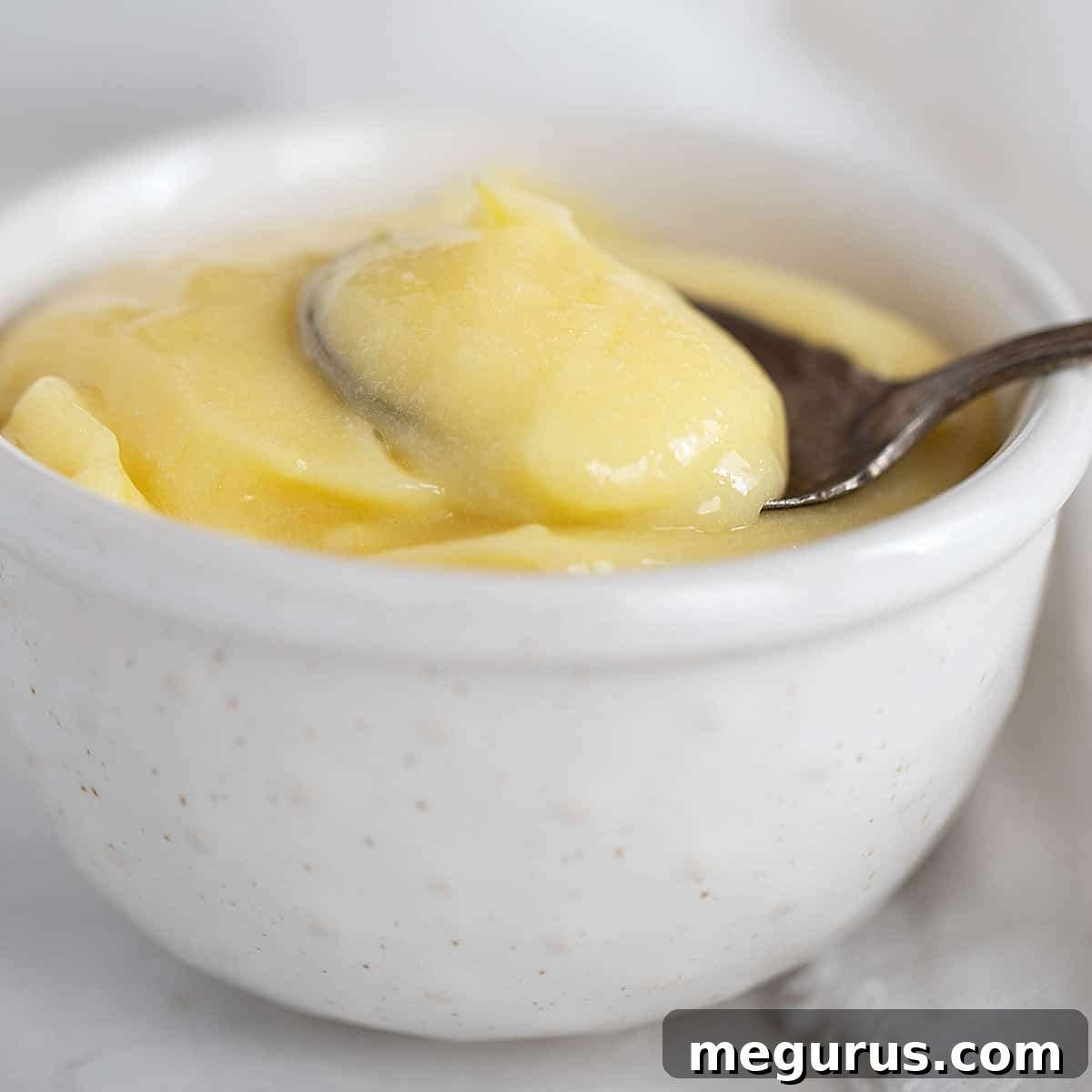
Discover the secret to making exquisitely luscious and creamy lemon curd at home with our simple whole egg recipe. This delightful culinary creation is not only a treat for your taste buds but also a brilliant no-waste solution for when you want to utilize entire eggs, ensuring no leftover egg whites go unused. Get ready to elevate your baking and dessert game with this versatile and vibrant citrus spread.
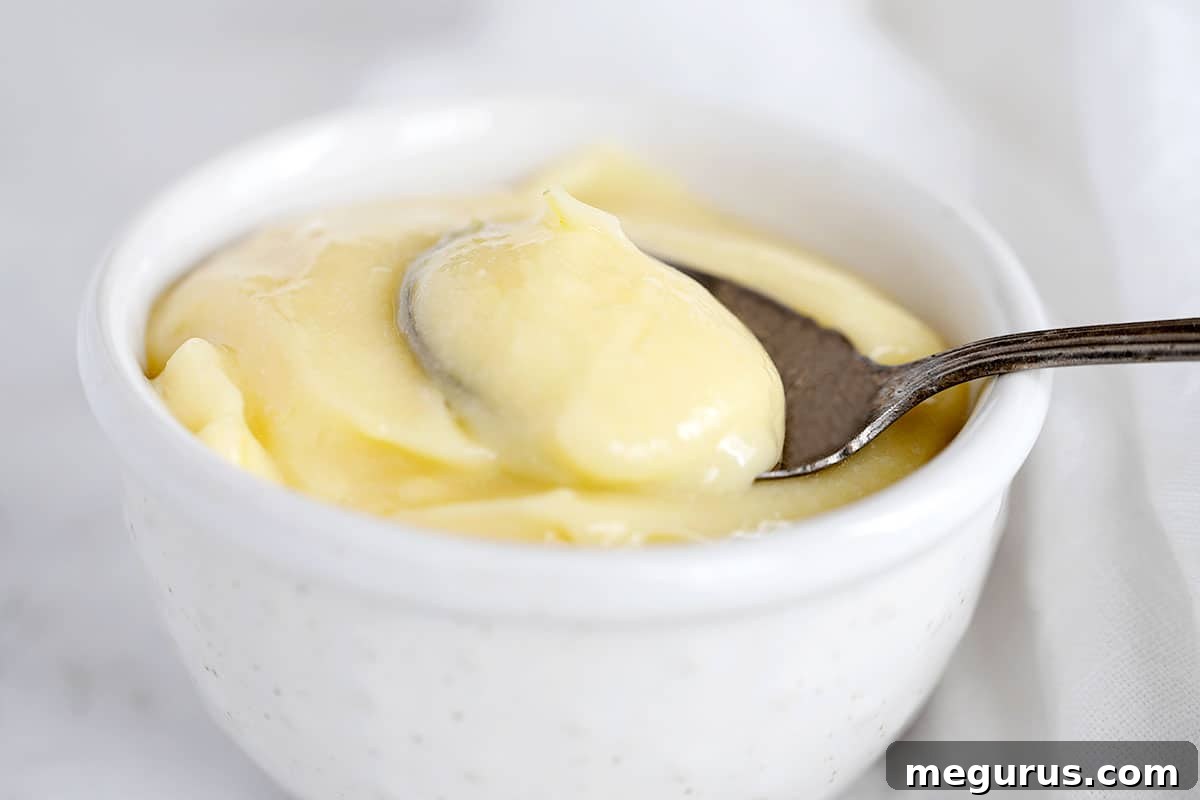
Homemade whole egg lemon curd offers an unparalleled depth of flavor and a smooth, rich texture that store-bought versions simply can’t match. Its vibrant tang and luxurious creaminess make it an indispensable ingredient for a myriad of culinary applications, from decadent dessert fillings to a bright topping for breakfast pastries. The beauty of this particular recipe lies in its efficiency and simplicity: by using whole eggs, you eliminate the common dilemma of what to do with extra egg whites, making the process straightforward and waste-free. Furthermore, you have complete control over the sweetness, allowing you to tailor the curd to your exact preference – whether you desire a sweeter, more dessert-like spread or a tart, zesty complement to richer flavors. It’s incredibly versatile and keeps wonderfully in the refrigerator or freezer, meaning you can always have a batch on hand for whenever a lemon craving strikes.
Unlocking the Flavor: Key Ingredients for Perfect Lemon Curd
Crafting the perfect lemon curd begins with understanding the role each ingredient plays. Here’s a closer look at what you’ll need and some helpful tips for substitutions:
- Lemon Juice and Zest: The Soul of Your Curd
For truly exceptional lemon curd, fresh lemons are non-negotiable. Both the juice and the zest are vital to achieving that bright, authentic lemon flavor and aromatic complexity. Bottled lemon juice often contains preservatives and lacks the nuanced taste of freshly squeezed lemons, which would diminish the quality of your curd. You’ll typically need 2 large or 3 smaller lemons for the base recipe to yield about 1/2 cup of fresh juice and 1 tablespoon of zest. When zesting, be sure to only grate the bright yellow outer layer, avoiding the bitter white pith underneath. For maximum juice extraction, roll the lemons firmly on a countertop before slicing and squeezing. Consider using organic lemons if possible, especially since you’ll be using the zest.
- White Granulated Sugar: Sweetness and Structure
Sugar does more than just sweeten; it also plays a crucial role in the texture and stability of your lemon curd. This recipe uses white granulated sugar for its clean sweetness that allows the lemon flavor to shine. One of the best aspects of making lemon curd from scratch is the ability to adjust the sweetness to your liking. The recipe card provides guidance for reducing the sugar if you prefer a more tart curd, perfect for fillings that need to stand out against other sweet components. Conversely, you can stick to the suggested amount for a beautifully balanced sweet-tart profile ideal for spooning over desserts or enjoying on its own.
- Eggs: The Binding and Thickening Agent
Our recipe calls for 3 large whole eggs. Using whole eggs is key to the “no-waste” philosophy and contributes to the curd’s rich, custardy texture and beautiful golden hue. The egg yolks provide richness and act as the primary thickening agent, while the whites contribute to the curd’s overall structure and volume without requiring extra steps for separation. Ensuring your eggs are fresh is always a good practice for any baking or cooking project, as they contribute significantly to the final taste and texture.
- Butter: For Silkiness and Sheen
A touch of butter is incorporated at the very end of the cooking process, off-heat, to create that wonderfully smooth, velvety texture and a glossy, inviting sheen. It adds a luxurious mouthfeel and rounds out the tartness of the lemon. You can use either salted or unsalted butter, depending on your preference. If you opt for unsalted butter, a small pinch of salt can be added along with the butter to enhance the flavors. While it’s possible to omit the butter if you prefer, be aware that the finished lemon curd will have a slightly less smooth texture and a duller appearance. Rest assured, it will still taste delicious and retain its delightful lemon flavor!
Mastering the Art of Whole Egg Lemon Curd: A Step-by-Step Guide
Making whole egg lemon curd is a straightforward process, but paying attention to a few key details will ensure a perfectly smooth and luscious result every time. Follow these steps for success:
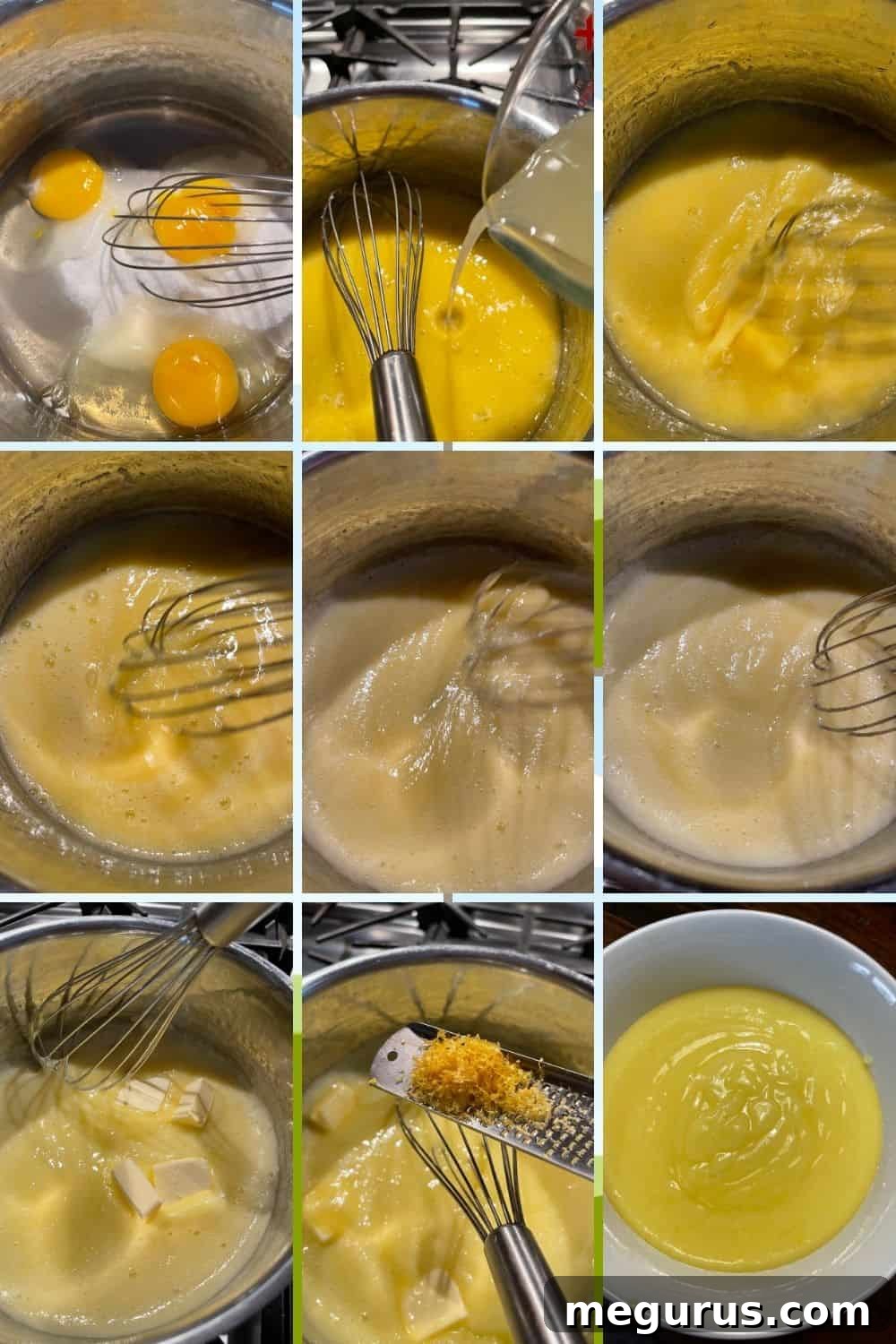
- Initial Whisking – The Foundation: Begin by thoroughly whisking together the whole eggs and granulated sugar in a medium, heavy-bottomed saucepan. This initial step is crucial for two reasons: it ensures the sugar dissolves properly, and more importantly, it prevents the eggs from curdling when the lemon juice is added. Whisk until the mixture is light yellow and slightly frothy, indicating the sugar is well incorporated.
- Introduce the Lemon Juice: Pour the freshly squeezed and strained lemon juice into the egg and sugar mixture. Whisk well again until all ingredients are fully combined and homogenous.
- Gentle Heat Application: Place the saucepan over a gentle, consistent heat. The ideal setting is just below medium, often described as between medium and medium-low. Too high heat can lead to scrambling the eggs and a lumpy curd.
- Continuous Whisking for Smoothness: This is arguably the most important step. Cook the mixture, whisking continuously and patiently. The constant motion ensures even heating and prevents the eggs from sticking to the bottom of the pan and cooking unevenly. The mixture will gradually thicken. You’re aiming for a temperature of approximately 170°F (77°C), or just before it begins to simmer vigorously. **A critical rule: never allow the lemon curd to boil!** Boiling will cause the eggs to cook too rapidly and curdle, resulting in an unpleasantly chunky texture. The curd is ready when it coats the back of a spoon and leaves a clear path when you run your finger across it.
- Off-Heat Finishing Touches: Immediately remove the saucepan from the heat once the curd has thickened. Now, whisk in the cubed butter until it is completely melted and fully incorporated. Finally, stir in the finely grated lemon zest. Adding the zest at the end preserves its delicate, fresh aroma and vibrant flavor, which can dissipate if cooked for too long.
- Cooling and Chilling: Allow the hot lemon curd to cool slightly at room temperature. Once it stops steaming, transfer it to an airtight container (a mason jar is ideal). Cover the surface directly with plastic wrap to prevent a skin from forming, then refrigerate until thoroughly chilled and set. This process can take several hours, but the wait is well worth it for a perfectly firm and flavorful curd.
Essential Tips for a Flawless Lemon Curd Experience
- Whisk Diligently and Avoid Boiling: The Golden Rule! Consistent whisking is paramount for a smooth, homogenous lemon curd. It distributes heat evenly, preventing egg coagulation at the bottom of the pan and ensuring a silky texture. More importantly, it allows you to constantly monitor the curd’s thickening process. The ideal temperature for setting is around 170°F (77°C), which is just shy of a full simmer. If the curd begins to boil – indicated by large, breaking bubbles on the surface – the eggs will inevitably scramble, leading to unsightly white chunks. Should this happen, act quickly to mitigate the issue (see next tip!).
- Troubleshooting Lumpy Curd: Don’t Despair! Even experienced cooks can sometimes overcook curd. If your lemon curd develops lumps or appears broken, don’t throw it out! Whisk vigorously off-heat to break up as many of the cooked egg pieces as possible. Then, for a truly smooth finish, immediately strain the curd through a fine-mesh sieve into a clean bowl or jar. This will effectively remove any remaining small chunks, leaving you with a perfectly edible and delicious curd.
- Choose Your Cookware Wisely: Avoid Reactive Metals! The acidity of lemon juice can react with certain metals, leading to undesirable results. Specifically, avoid using aluminum or copper-lined saucepans when making lemon curd. These metals can react with the lemon’s acidity, potentially imparting a metallic taste or, worse, causing your beautiful yellow curd to turn an unappetizing green hue. Stainless steel or non-reactive ceramic-coated saucepans are the best choices for ensuring your curd retains its vibrant color and pure flavor.
- The Power of Freshness: Always opt for fresh lemons. Their zest and juice provide an aromatic brightness and depth of flavor that cannot be replicated by bottled alternatives.
- Room Temperature Ingredients: While not strictly mandatory, bringing your eggs and butter to room temperature can help them incorporate more smoothly into the mixture, promoting a creamier, lump-free curd.
Personalizing Your Curd: Adjusting Sweetness and Flavor Intensity
One of the joys of making homemade lemon curd is the ability to customize it to your exact preferences and intended use. The sweetness level is the primary variable you can easily adjust to create a curd that perfectly complements your dishes.
For a beautifully balanced lemon curd – one that is both sweet enough to be a standalone dessert and tart enough to cut through richness – the amount of sugar specified in the main recipe (1 cup for the base 1X recipe) is ideal. This makes it perfect for dolloping alongside a slice of cake, as a filling for tarts, or simply enjoyed by the spoonful.
However, if you’re planning to use the lemon curd in a recipe where you want the lemon flavor to be more pronounced and vibrant, especially when competing with other sweet ingredients or flavors, you might prefer a more tart version. To achieve this, simply reduce the granulated sugar to 3/4 cup for the base recipe. All other ingredients and cooking steps remain the same. The curd will set up just as beautifully, but its intensified tartness will truly shine through, making it an excellent choice for a filling in lemon meringue pies, layer cakes, or whenever you crave a bolder citrus kick.
Experimenting with the sugar levels allows you to fine-tune your lemon curd to be the perfect ingredient for any culinary creation!
Beyond the Spoon: Creative Ways to Enjoy Your Versatile Lemon Curd
Once you’ve mastered the art of making this vibrant whole egg lemon curd, you’ll find countless ways to incorporate its bright, tangy flavor and creamy texture into your culinary repertoire. Here are some inspiring ideas to get you started:
- Elegant Cake and Crepe Fillings: Spread generously between layers of a vanilla or almond cake for a show-stopping dessert, or use it as a delightful filling for delicate crepes, perfect for breakfast or brunch.
- Classic Tart Perfection: Spoon into pre-baked tart shells for a simple yet sophisticated dessert. Top with a cloud of toasted meringue or a dollop of freshly whipped cream for an irresistible finish.
- Bread Pudding Enhancement: Add delightful dollops on top of warm bread pudding, allowing the lemon’s tang to cut through the richness.
- Pound Cake Pairing: Serve a luscious spoonful over a slice of moist pound cake, transforming a simple treat into a gourmet experience.
- Lemon Rolls Filling: Use it as a zesty filling for homemade sweet rolls or cinnamon buns, offering a refreshing twist on a classic.
- Whipped Cream or Yogurt Swirl: Gently swirl into whipped cream to create a light and tangy topping for fruits or cakes, or mix into plain yogurt for a flavorful and healthy breakfast.
- Scone and Pancake Topping: A traditional and utterly delicious way to enjoy lemon curd is spooned over warm, fluffy scones or a stack of pancakes, replacing jam or syrup.
- Mini Dutch Baby Pancake Companion: Elevate your breakfast or dessert experience by adding some to mini Dutch baby pancakes, alongside fresh berries.
- Quick & Easy Parfaits: Layer lemon curd with whipped cream or Greek yogurt and crumbled shortbread cookies or graham crackers for a speedy, elegant parfait.
- Cookie and Dessert Bar Filling: Incorporate it as a layer in dessert bars or thumbprint cookies for a burst of citrus flavor.
- Ice Cream or Sorbet Topping: Drizzle over vanilla ice cream or a scoop of lemon sorbet for an extra layer of zesty goodness.
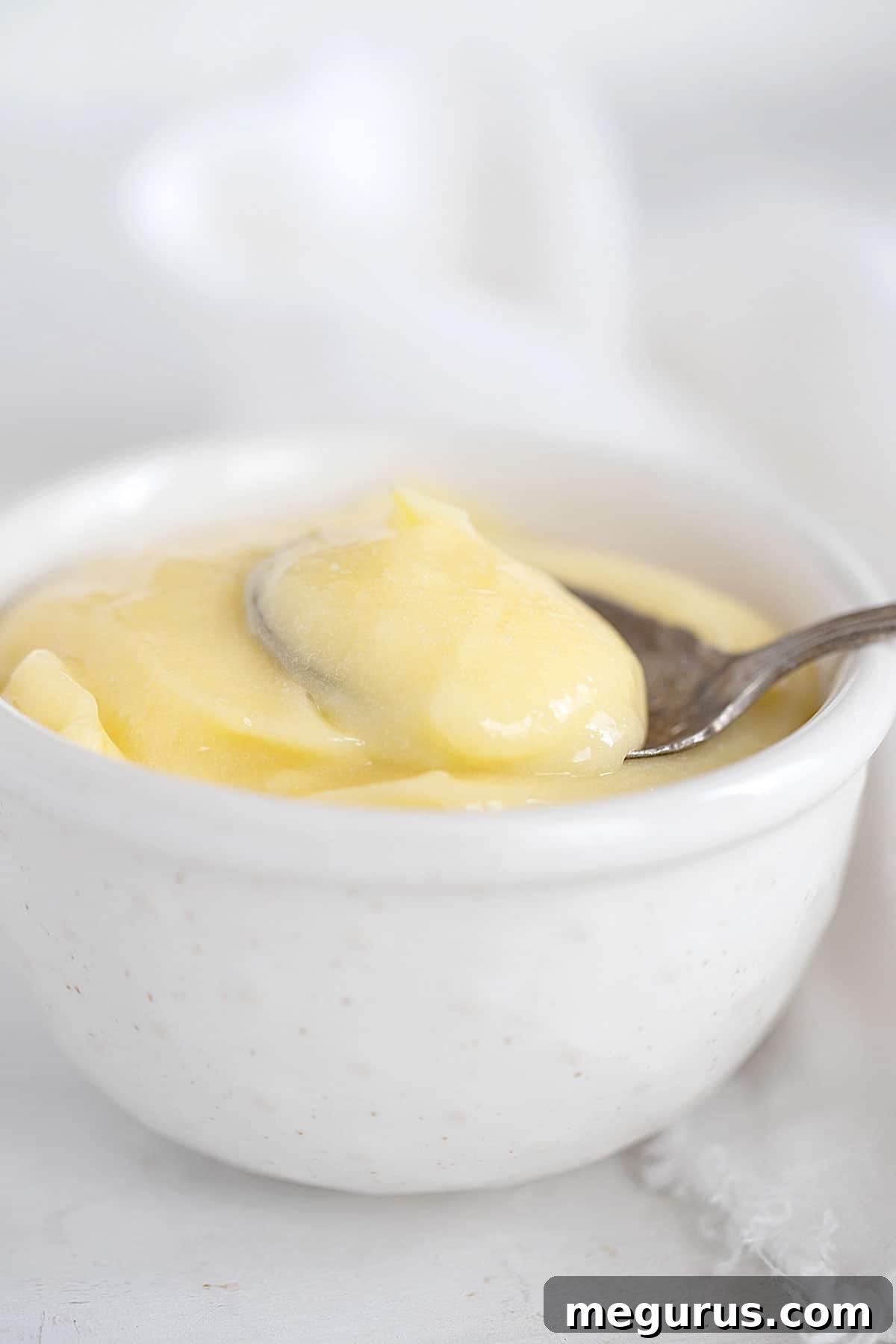
Maximizing Freshness: Making Ahead, Storing, and Freezing Lemon Curd
One of the many benefits of homemade lemon curd is its excellent shelf life, allowing you to prepare it in advance and enjoy it whenever inspiration strikes. Proper storage is key to maintaining its luscious texture and vibrant flavor.
Refrigeration: Once your lemon curd has cooled completely, transfer it to an airtight container. Glass mason jars are particularly excellent for this, as they create a good seal and showcase the beautiful yellow color of the curd. When stored correctly in the refrigerator, homemade lemon curd will remain fresh and delicious for up to 3 weeks. Always ensure the container is clean and tightly sealed to prevent any absorption of refrigerator odors.
Freezing for Long-Term Storage: Yes, you can absolutely freeze lemon curd! This is a fantastic option for making larger batches or extending its shelf life significantly. Lemon curd freezes beautifully and can be kept in the freezer for up to 6 months. To freeze, transfer the cooled curd into freezer-safe containers. If using mason jars, be sure to leave at least an inch of headspace at the top to allow for expansion as the curd freezes, preventing the glass from cracking. You can also use heavy-duty freezer bags, squeezing out as much air as possible before sealing and laying flat to freeze, which saves space.
Thawing Frozen Lemon Curd: When you’re ready to use your frozen lemon curd, simply transfer it from the freezer to the refrigerator and allow it to thaw slowly overnight. Once thawed, give it a good whisk to restore its smooth consistency, as it may separate slightly during the freezing and thawing process. It will be as delicious as if it were freshly made, ready to brighten your desserts and breakfasts.
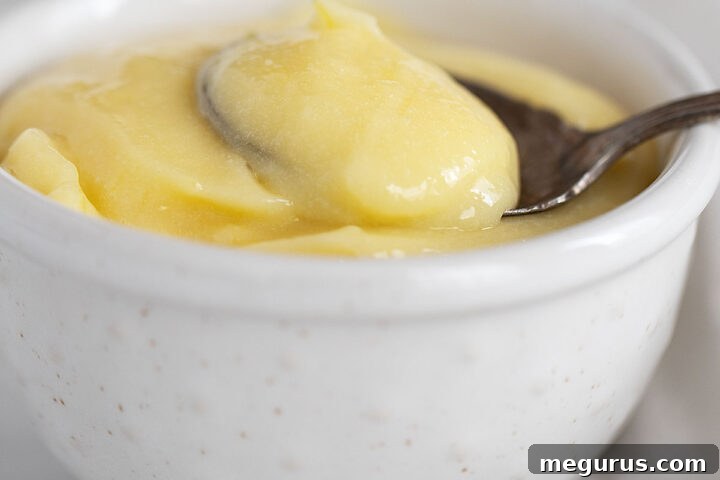
Get the Recipe: Easy Whole Egg Lemon Curd
Pin This
Leave a Review
Ingredients
- 3 large eggs, whole
- 1 cup white granulated sugar, or *see Note 1 below
- 1/2 cup lemon juice, freshly squeezed from about 2 large lemons
- 1/4 cup butter, cubed *see Note 2 below
- 1 Tablespoon lemon zest, finely grated
Instructions
-
Remove the lemon zest from the lemon and measure out. Set aside. Juice the lemon(s) and strain, then measure out the required amount. Set aside.
-
In a medium, heavy-bottomed saucepan (not aluminum), whisk together the eggs and sugar thoroughly. (Be sure the eggs and sugar are whisked together well before adding the lemon juice, to avoid curdling the eggs.) Add the lemon juice and whisk to combine well. Place saucepan over just below medium heat (between medium and medium low).
-
Cook the mixture, whisking continuously, until the mixture thickens. Do not let it boil!! The curd will set at about 170F, which is just below the point at which it would start to simmer. Once the mixture thickens, immediately remove from the heat and stir in the lemon zest and butter, whisking until the butter is melted and the mixture is smooth.
-
Transfer the mixture to a small bowl or jar. Once it stops steaming, cover with plastic wrap or lid and refrigerate up to 3 weeks. Lemon curd can also be frozen up to 6 months.
Notes
2. You can use salted or unsalted butter. If using unsalted butter, you can add a pinch of salt to the pan.
If your lemon curd boiled and became lumpy, proceed to add the butter and whisk vigorously to break up the lumps as much as possible, then strain through a fine mesh strainer to remove the remaining lumps. Stir lemon zest into strained curd.
You can find more tips on making lemon curd, as well as Step-by-Step photos above this recipe card.