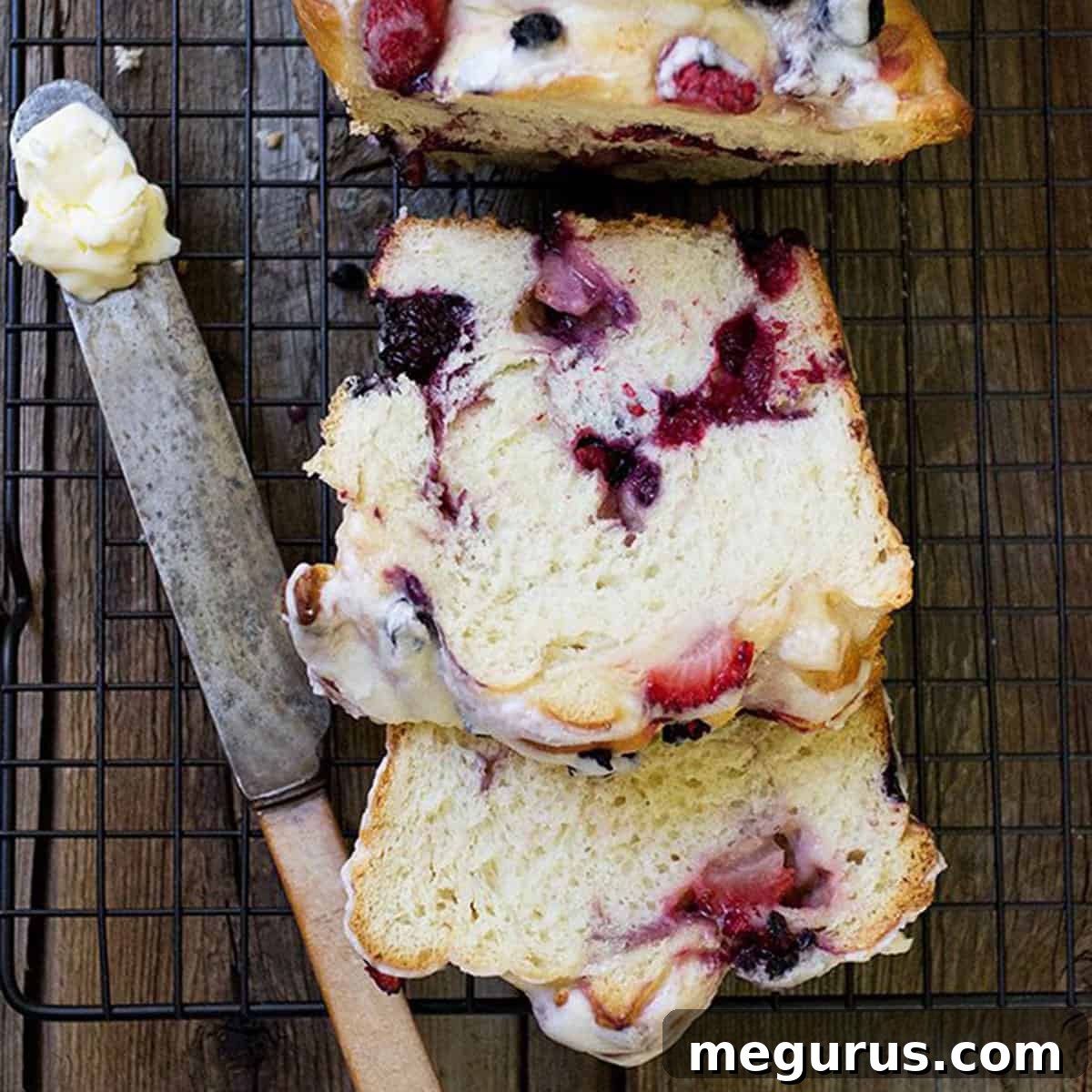
Welcome to a delightful summer baking experience! This **Glazed Summer Fruit Yeast Bread** is the perfect way to celebrate the season’s abundant fresh produce. Imagine a soft, sweet yeast bread studded with juicy berries, peaches, or plums, all crowned with a delicate, sweet glaze. It’s not just a recipe; it’s an invitation to savor the fleeting flavors of summer in a comforting, homemade treat.
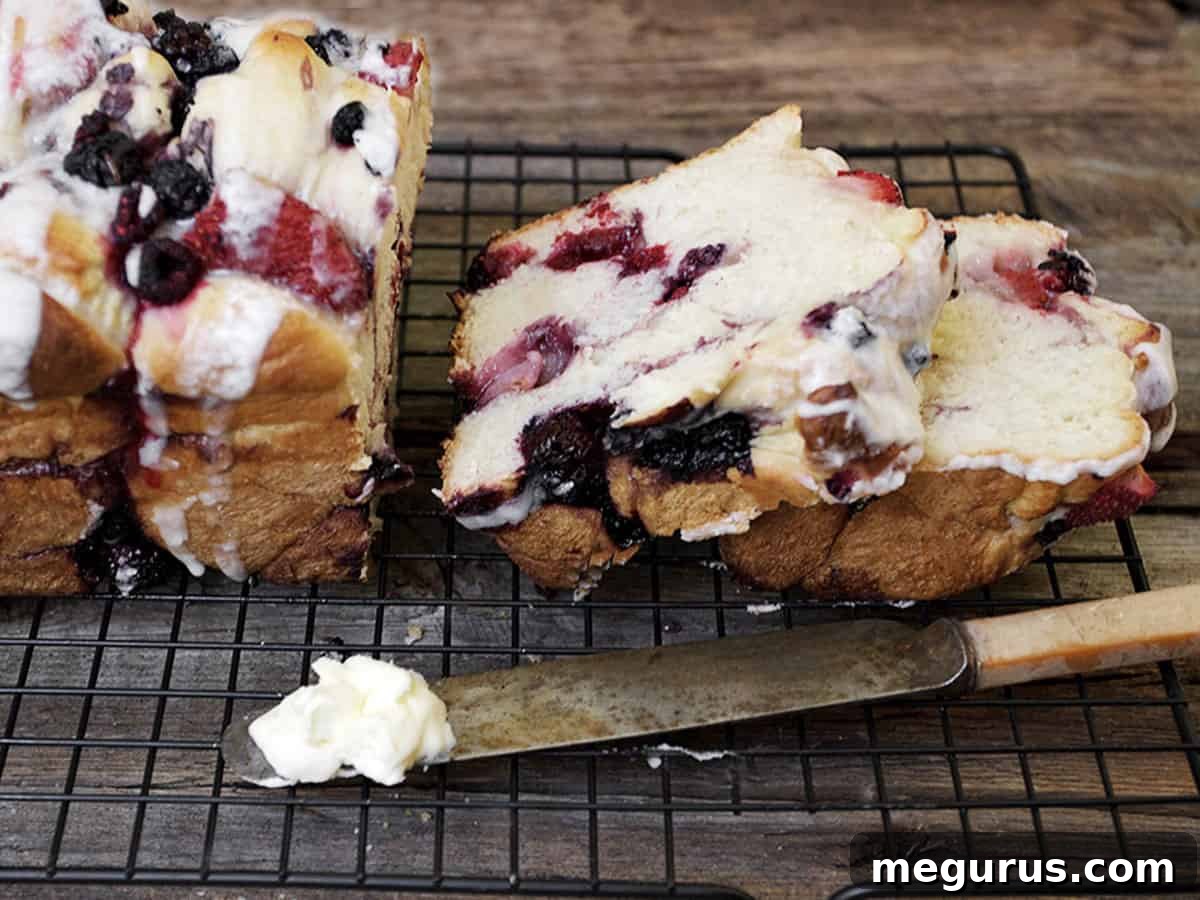
While the lazy, warmer months often inspire a slower pace in the kitchen, the joy of baking never truly fades. On cooler days, quiet afternoons, or during a refreshing summer rain, the call to bake still resonates. And when it does, this Glazed Summer Fruit Yeast Bread is often the answer. It’s a versatile loaf, equally perfect for a leisurely breakfast, an afternoon snack, or as a special treat to share with weekend guests. Its vibrant fruit filling and sweet glaze make it an irresistible addition to any summer gathering.
One of the best things about this recipe is its adaptability. If you’re anything like me, you might find yourself with more baskets of fresh summer fruit than you can possibly eat before they start to soften. This recipe is an excellent solution for using up those slightly past-their-prime fruits, or simply a collection of ‘odds and ends’ from your latest market haul. Don’t feel limited to specific varieties; this bread welcomes any combination of your favorite summer fruits, making it a truly flexible and rewarding bake.
Why You’ll Adore This Summer Fruit Yeast Bread
There’s something truly special about a homemade yeast bread, and when you infuse it with the bright, sweet flavors of summer fruit, it becomes an instant classic. This Glazed Summer Fruit Yeast Bread stands out for several reasons:
- Celebrates Seasonal Flavors: It’s designed to highlight the best of summer’s bounty, transforming fresh fruit into a cozy, comforting bread.
- Perfect for Abundant Harvests: An ideal recipe for utilizing a surplus of fruit, especially those pieces that might be a little too soft for eating fresh but are still bursting with flavor.
- Versatile Serving Options: Delicious on its own, with a smear of butter, toasted, or even repurposed into other treats.
- Rewarding Baking Project: While yeast bread might sound intimidating, this recipe is designed to be straightforward and immensely satisfying to bake. The aroma filling your kitchen alone is worth the effort!
- Crowd-Pleaser: Its appealing look and delightful taste make it a hit with family and friends, perfect for brunches, picnics, or a simple afternoon tea.
Selecting the Perfect Summer Fruits
The beauty of this bread lies in its fruit flexibility. While my recipe features a delightful mix of strawberries, blueberries, raspberries, and blackberries, the possibilities are truly endless. Think beyond berries and consider other seasonal stars:
- Stone Fruits: Diced peaches, nectarines, apricots, or plums add a wonderful juiciness and fragrant sweetness. Just be sure to peel softer stone fruits if you prefer a smoother texture, or leave the skins on for added fiber and color.
- Apples or Pears: While typically autumn fruits, early varieties can be a lovely addition, especially when finely diced to cook evenly.
- Cherries: Pitted and halved, cherries offer a tart contrast that is simply divine with the sweet bread.
When choosing your fruit, opt for ripe but firm pieces. If using softer fruits like very ripe raspberries, handle them gently to prevent them from becoming too mushy. A mix of tart and sweet fruits can create a more complex and engaging flavor profile within the bread. Don’t be afraid to experiment with your favorite combinations!
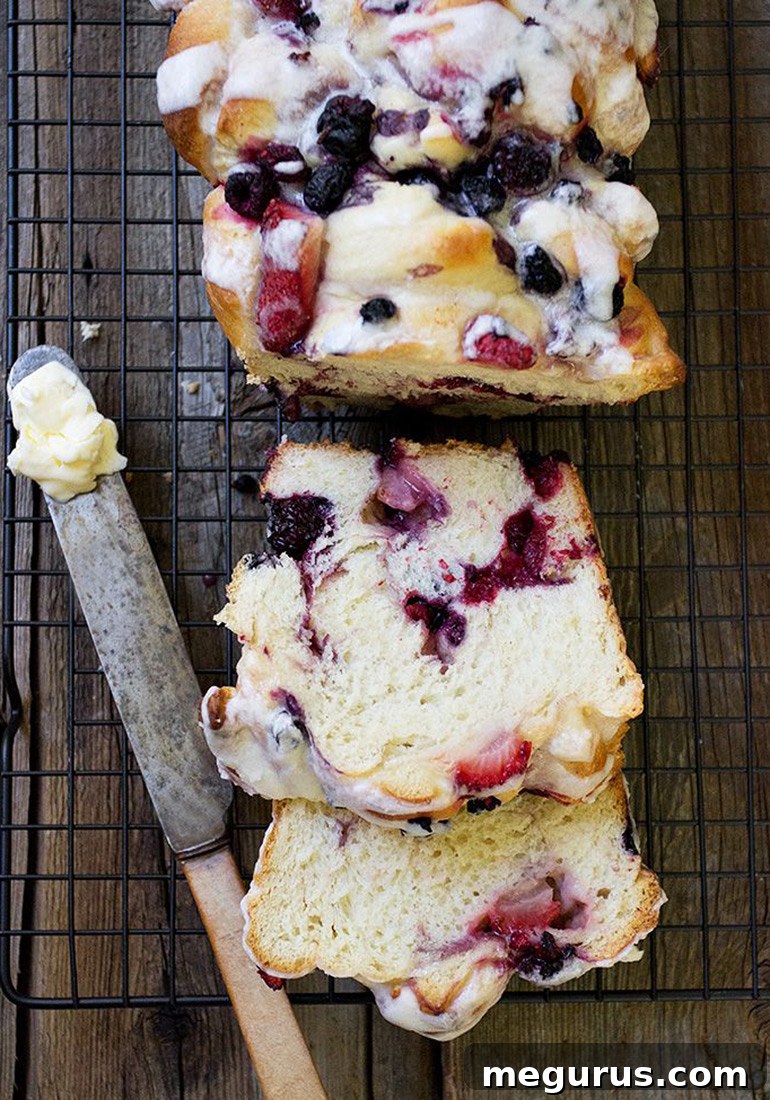
Essential Recipe Tips for Success!
Mastering yeast bread can be a deeply rewarding culinary journey. Here are some key tips to ensure your Glazed Summer Fruit Yeast Bread turns out perfectly every time:
- Yeast Activation: If using active dry yeast, make sure your water is truly lukewarm (around 105-115°F / 40-46°C). Water that is too hot will kill the yeast, while water that is too cold won’t activate it properly. Instant yeast can often be mixed directly with dry ingredients, but following the recipe’s instructions is always best.
- Dough Consistency is Key: The goal is a soft, moist, but not overly sticky dough. This balance ensures a tender crumb. If your dough is too sticky, add flour a tablespoon at a time. If it’s too dry, a tiny bit more milk or water can help.
- Embrace Warm Summer Kitchens: One of the perks of summer baking is faster rising times! Yeast thrives in warmth, so your dough will likely double much more quickly than in cooler months. Keep a watchful eye on it to prevent over-proofing, which can lead to a less structured bread.
- Gentle Fruit Incorporation: Fresh fruit contains a lot of moisture. When adding it to the dough, be gentle to avoid crushing the fruit and releasing too much liquid too soon. Tossing the dough pieces with sugar and cinnamon before adding the fruit helps create a lovely flavor barrier and prevents the fruit from clumping too much.
- Don’t Skimp on Cooling: While the aroma of freshly baked bread is intoxicating, resist the urge to slice into it immediately. Allowing the bread to cool completely on a rack is crucial for the internal structure to set and for the fruit’s moisture to redistribute, resulting in a perfectly textured loaf.
- Beyond Just Bread: This bread is fantastic fresh, but if you have leftovers (a rare occurrence!), it makes phenomenal French Toast or a decadent bread pudding. The fruit-infused sweetness lends itself beautifully to these transformations.
Making Ahead, Storing, and Freezing Best Practices
Due to the high moisture content of fresh fruit, this Glazed Summer Fruit Yeast Bread is truly at its peak within the first 24-48 hours of baking. The fruit will naturally release moisture over time, causing the bread to soften. For optimal enjoyment and to extend its life, consider these tips:
- Short-Term Storage: Store the cooled loaf loosely covered at room temperature for up to two days. Avoid airtight containers immediately after baking, as this can trap moisture and make the crust soggy. Once completely cool, you can use an airtight container or bread box for the second day.
- Freezing for Later: This bread freezes beautifully! To preserve its freshness, slice the cooled loaf, then arrange slices in a single layer on a baking sheet and freeze until firm. Once solid, transfer the slices to an airtight freezer bag or container. This prevents sticking and makes it easy to grab just one slice at a time. It will keep well in the freezer for up to 3 months.
- Thawing and Reheating: Thaw frozen slices at room temperature or gently warm them in a toaster or oven for a “freshly baked” experience. The glaze might melt a little, but the flavor will still be wonderful.
- Transforming Leftovers: If your loaf starts to get a little too soft, don’t despair! It’s perfectly primed for turning into a luscious bread pudding or the base for extraordinary French toast. The natural sweetness and fruit bits will elevate these dishes.
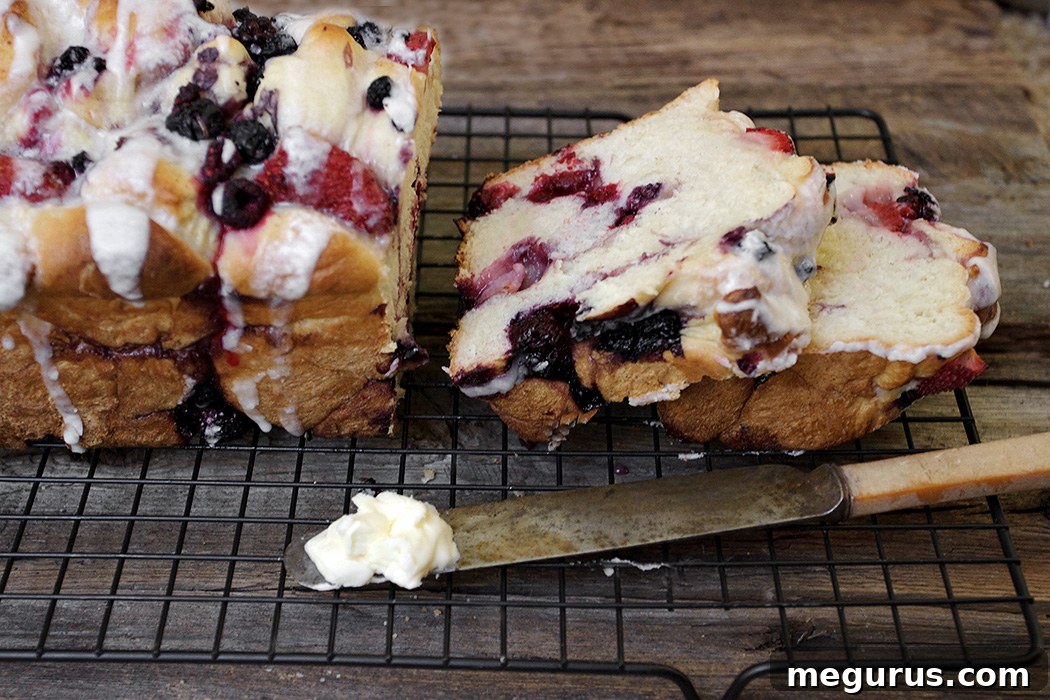
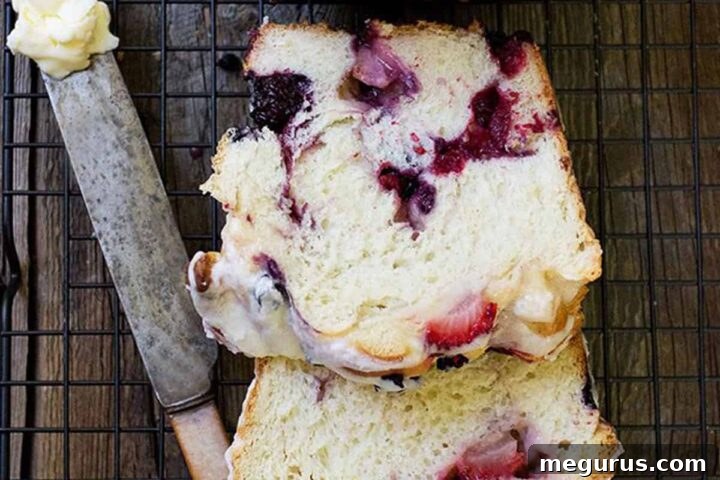
Get the Recipe: Glazed Summer Fruit Yeast Bread
A sweet yeast bread, generously filled with fresh Summer fruit and topped with a lovely glaze. It’s best enjoyed within 24 hours of baking but freezes beautifully for later. Any delicious leftovers are also perfect for making a rich bread pudding!
Pin This
Leave a Review
30 mins
40 mins
2 hrs
3 hrs 10 mins
12 servings
Ingredients
Dough:
- 2 1/2 cups all-purpose flour, spooned and leveled
- 2 1/4 teaspoons Instant yeast (*see instructions for Active Dry yeast)
- 1/4 teaspoon salt
- 1/2 cup light brown sugar
- 1/4 cup lukewarm water
- 1 large egg, lightly beaten
- 3/4 cup milk
- 1/4 cup butter, at room temperature
Filling:
- 2 Tablespoons white sugar
- 1/2 teaspoon cinnamon
- 2 1/2 cups fresh raspberries, blueberries, blackberries and/or quartered strawberries (or other desired summer fruit)
Glaze:
- 3/4 cup icing/confectioners’ sugar
- 1 1/2 – 2 Tablespoons milk
- 1/2 teaspoon vanilla extract
Instructions
- **For Active Dry yeast:** Proof yeast in 1/4 cup lukewarm water for 5-10 minutes until foamy, then add to the dough when the water is specified in step 3.
- Heat the milk in a small saucepan over medium heat until small bubbles begin to form around the edges. Remove from heat, then add the butter and stir until completely melted. Set aside to cool until lukewarm (test with your finger; it should feel comfortably warm, not hot).
- In a large bowl or the bowl of a stand mixer fitted with a kneading hook, combine 2 cups of the all-purpose flour, yeast, salt, and brown sugar. Mix these dry ingredients together thoroughly. Add the lukewarm water (or proofed yeast mixture if using active dry yeast), the lightly beaten egg, and the lukewarm milk/butter mixture. Mix everything together until well combined. Gradually begin adding more flour, a bit at a time, until a soft, moist dough forms that is no longer excessively sticky.
- Transfer the dough to a lightly greased bowl, turning it once to coat. Cover the bowl with plastic wrap or a clean kitchen towel and let it rise in a warm spot until doubled in size, which typically takes about an hour, possibly less in a very warm summer kitchen.
- Once risen, gently remove the dough to a lightly floured surface and press down gently to deflate it. In a separate large bowl, combine the white sugar and cinnamon for the filling. Using a sharp knife or bench scraper, cut the dough into approximately 1-inch irregular pieces. Place these dough pieces into the bowl with the cinnamon sugar and toss to coat them evenly.
- Generously grease two 8×4-inch loaf pans (or one larger 4×12-inch loaf pan). Divide the chopped, sugared dough between the prepared pans. As you fill the pans, intersperse the fresh berries (or other chosen fruit) between the dough pieces, ensuring fruit is distributed throughout the loaf and some are scattered on top. Cover the filled pans loosely with greased plastic wrap and allow them to rise again in a warm spot until almost doubled in size, about 30-45 minutes.
- Preheat your oven to 350°F (175°C). Bake the loaves in the preheated oven for about 40 minutes. Check for doneness at the 30-minute mark; if the tops are browning too quickly, loosely cover them with aluminum foil. The bread is done when an internal thermometer inserted into the center reads between 195-200°F (90-93°C).
- Allow the bread to cool in the pans for about 15 minutes. Then, run a knife around the edges to loosen and carefully remove the loaves to a wire cooling rack to cool completely. While the bread cools, prepare the glaze: whisk together the icing/confectioners’ sugar, milk, and vanilla extract until smooth. Adjust the consistency as needed by adding a tiny bit more icing sugar for a thicker glaze, or a few drops of milk for a thinner glaze. Drizzle the finished glaze generously over the completely cooled loaves.
- This bread is truly best when enjoyed within the first 24 hours of baking, as the delightful moisture from the fruit will begin to soften the bread over time. If you can’t enjoy it all right away, freezing is an excellent option for longer storage. This bread also makes an incredible base for French toast or a rich bread pudding!
Notes
Be sure to read the detailed tips above this recipe card for more insights on achieving the perfect bake and making the most of your summer fruit!
American, Canadian
Bread
Jennifer Maloney
Nutrition Information
Serving: 1 serving,
Calories: 231kcal,
Carbohydrates: 42g,
Protein: 4g,
Fat: 5g,
Saturated Fat: 2g,
Cholesterol: 25mg,
Sodium: 98mg,
Potassium: 110mg,
Fiber: 2g,
Sugar: 20g,
Vitamin A: 170IU,
Vitamin C: 6.5mg,
Calcium: 39mg,
Iron: 1.5mg
Tried this recipe? If you enjoyed this recipe, please leave a star rating and comment. It truly helps others to find it and share the joy!