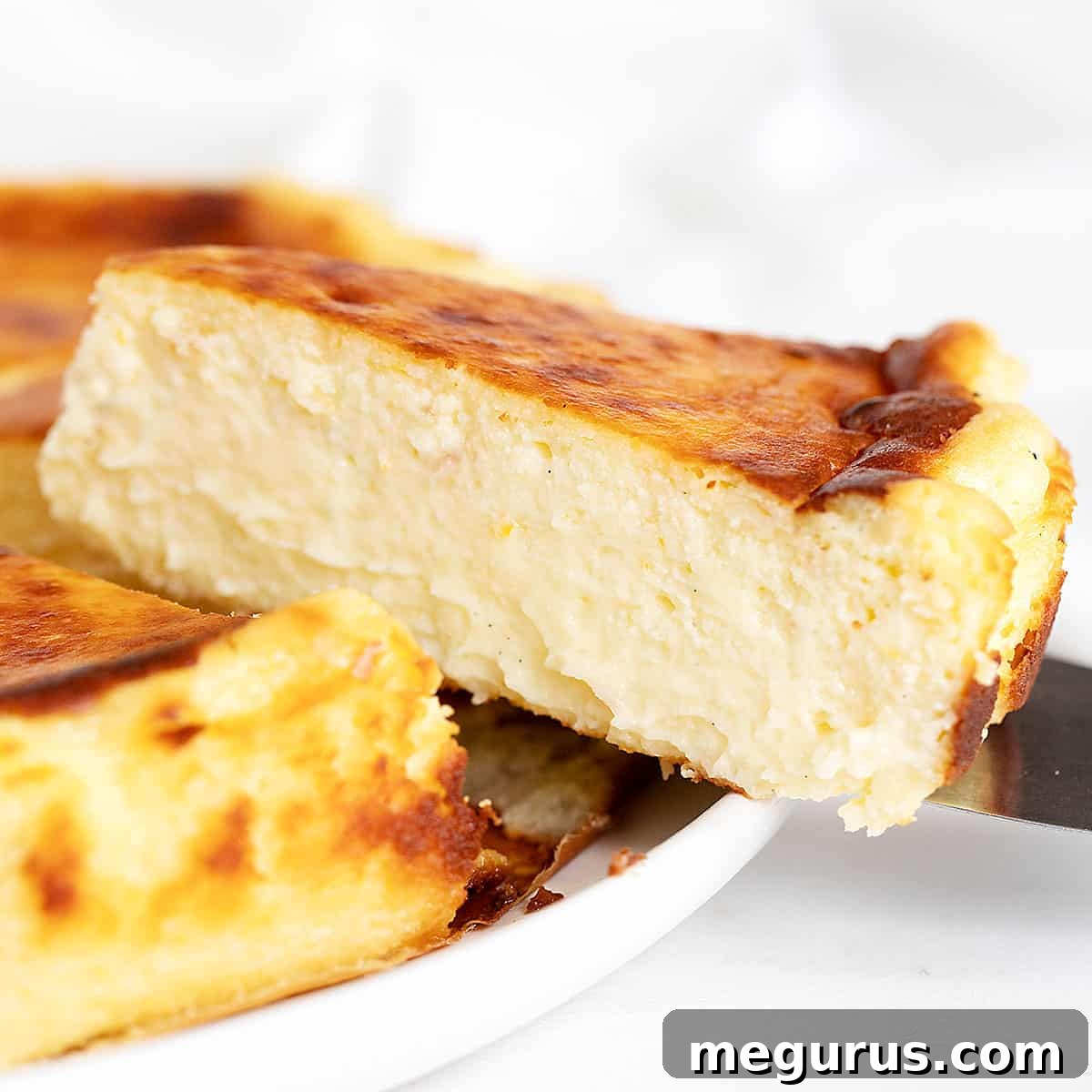
Welcome to the enchanting world of Basque cheesecakes, where rustic charm meets unparalleled creaminess! This particular Lemon Basque Cheesecake recipe is not just a dessert; it’s an experience. Imagine a luscious, deeply creamy interior encased in a beautifully caramelized, almost “burnt” exterior, all infused with a bright, zesty lemon flavor. It’s an incredibly simple yet profoundly satisfying treat, perfect for impressing guests or indulging yourself. What’s more, its forgiving nature and effortless preparation make it an ideal choice for bakers of all skill levels, especially when you need a show-stopping dessert that can be made ahead of time.
The Allure of Lemon Basque Cheesecake
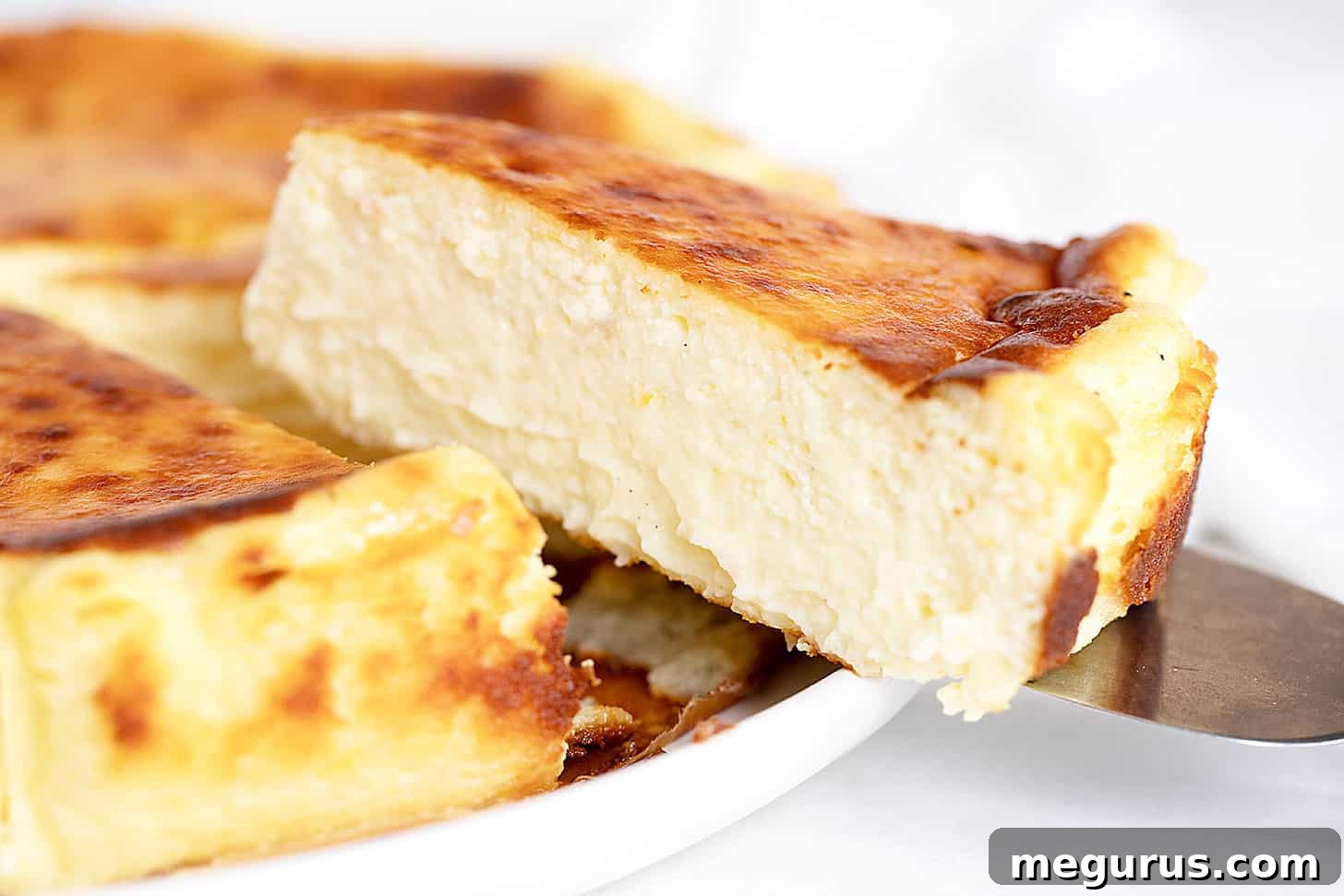
Unlike its more traditional American counterparts, the Basque cheesecake (often called “burnt cheesecake”) embraces imperfection as its signature style. Originating from La Viña restaurant in San Sebastián, Spain, this cheesecake bakes at a high temperature, intentionally caramelizing the surface to a deep, dark brown, which imparts a unique, slightly smoky flavor that wonderfully complements its smooth, custardy center. This dramatic contrast in texture and taste is what makes it so captivating. When you add the vibrant essence of fresh lemon, it transforms into an irresistible dessert that’s both rich and refreshing. The lemon zest brightens every bite, cutting through the richness of the cream cheese with a delightful tang, making it perfect for any season and any occasion.
Forget the stress of water baths or fear of cracks – the Basque cheesecake is designed to be beautifully rustic. Its charm lies in its simplicity and the delightful surprise of its contrasting textures. Whether you enjoy it plain, allowing its nuanced flavors to shine, or adorn it with fresh berries or a sweet fruit sauce, this easy Basque cheesecake recipe promises pure dessert bliss.
Understanding Your Ingredients: The Foundation of Flavor and Texture
Every great recipe begins with quality ingredients, and the Lemon Basque Cheesecake is no exception. While the process is straightforward, paying attention to the details of your ingredients can elevate your cheesecake from good to absolutely extraordinary. Here’s a deeper dive into what you’ll need and why each component is crucial:
Cream Cheese
For the ultimate rich and velvety creamy Basque cheesecake, full-fat cream cheese is absolutely non-negotiable. This isn’t the time to skimp on calories or opt for alternatives. Full-fat cream cheese provides the luscious texture and deep, satisfying richness that defines a classic Basque cheesecake. Lighter versions contain more water and less fat, which can result in a drier, less flavorful, and potentially crumbly cake. Whipped cream cheese is also not recommended, as its aerated texture won’t produce the dense, custardy interior we’re aiming for. While I haven’t experimented with no-fat or lactose-free cream cheese, it’s generally best to stick to the tried-and-true full-fat variety for guaranteed success. Remember to bring it to room temperature before mixing; this ensures a smooth, lump-free batter.
Sugar
The specified amount of granulated white sugar in this recipe strikes a perfect balance, yielding a pleasantly sweet dessert without being cloyingly so. Sugar is more than just a sweetener here; it contributes significantly to the cheesecake’s characteristic smooth texture and even plays a role in its shelf-life. While you can slightly reduce the quantity to suit your personal preference, be mindful not to make drastic changes. Too little sugar can negatively impact the final texture, leading to a less stable and potentially less creamy cake. It also assists in achieving that beautiful caramelized “burnt” top.
Eggs
Large eggs are crucial for providing structure and richness to the cheesecake. In Canada, large eggs typically weigh around 56g. Consistency in egg size helps ensure the proper balance of ingredients. Just like the cream cheese, it’s essential to bring your eggs to room temperature before mixing. Room temperature eggs emulsify more effectively with other ingredients, creating a smoother, more uniform batter and preventing any lumps. This seemingly small step is vital for achieving that signature silky no-crust cheesecake texture.
Heavy Cream
Also known as whipping cream, heavy cream typically boasts a butterfat content of 35% or higher. For the creamiest, most decadent Basque cheesecake, opt for the highest fat percentage available. The rich fat content of heavy cream is paramount for achieving the luxurious, melt-in-your-mouth consistency that this dessert is famous for. Using a lighter cream with a lower fat percentage will undoubtedly compromise the creaminess and could even alter the overall texture of the baked cake, making it less rich and satisfying. Ensure your heavy cream is also at room temperature to blend seamlessly into the batter.
Flour
A small amount of all-purpose (plain) flour serves as a stabilizer in this recipe. While some burnt Basque cheesecake recipes omit flour entirely, its inclusion helps prevent the cake from “weeping” (releasing moisture) as it sits, ensuring a more stable and pleasant texture over time. If you prefer a gluten-free option, a one-for-one gluten-free flour blend might work, though it hasn’t been specifically tested. A more reliable gluten-free alternative is to substitute the flour with half the amount of cornstarch, which provides similar stabilizing properties. This small addition helps maintain the structural integrity of your cheesecake.
Lemon Zest and Vanilla
These two ingredients are flavor powerhouses, added solely to enhance the taste profile of your lemon cheesecake. The recipe specifically calls for lemon zest, and while Meyer lemons offer a slightly sweeter, more aromatic zest, regular lemon zest works just as beautifully, providing a bright, citrusy punch. For those feeling adventurous, orange or even grapefruit zest can be used for a different, yet equally delightful, flavor twist. If you prefer a plain Basque cheesecake, both the lemon zest and vanilla can be omitted without affecting the structural integrity, though they contribute significantly to the overall deliciousness. Vanilla extract or vanilla bean paste adds a subtle warmth and depth that complements the lemon beautifully.
A Step-by-Step Visual Guide to Your Perfect Lemon Basque Cheesecake
Follow these images to guide you through the effortless creation of this stunning dessert. Each step is designed to be simple and intuitive, ensuring a delicious outcome every time.
- Preheat your oven and prepare a springform pan by lining it with crumpled parchment paper for that signature rustic look.
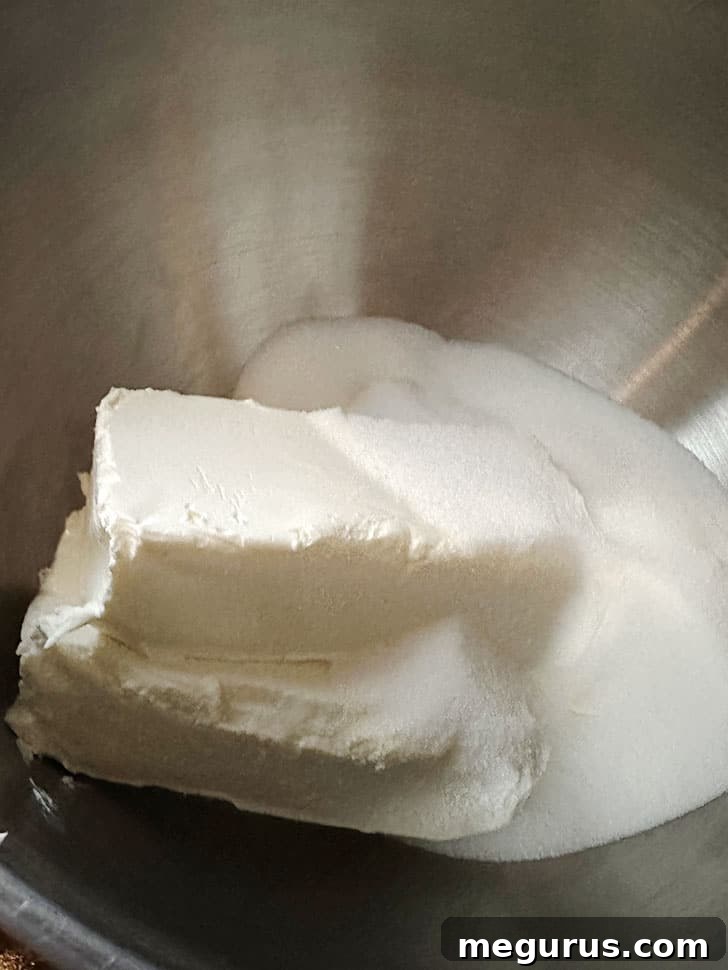
- Combine the room temperature cream cheese, sugar, and a pinch of salt in a large mixing bowl. Mix on low speed until the mixture is completely smooth and creamy, scraping down the sides as needed.
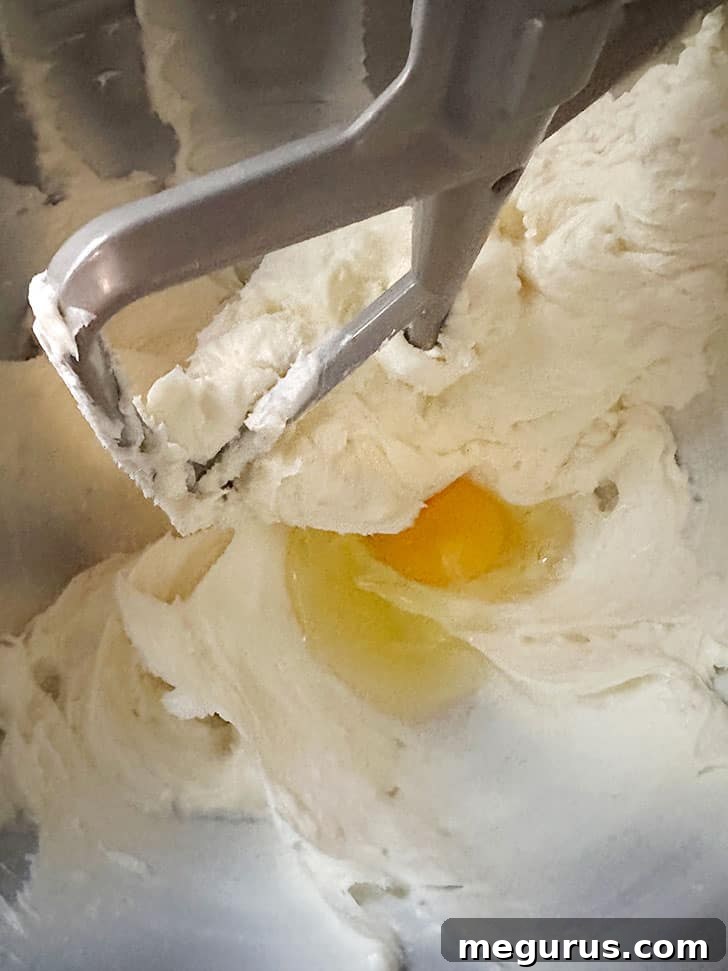
- Add the eggs one at a time, mixing briefly on low speed after each addition to just incorporate. Avoid overmixing.
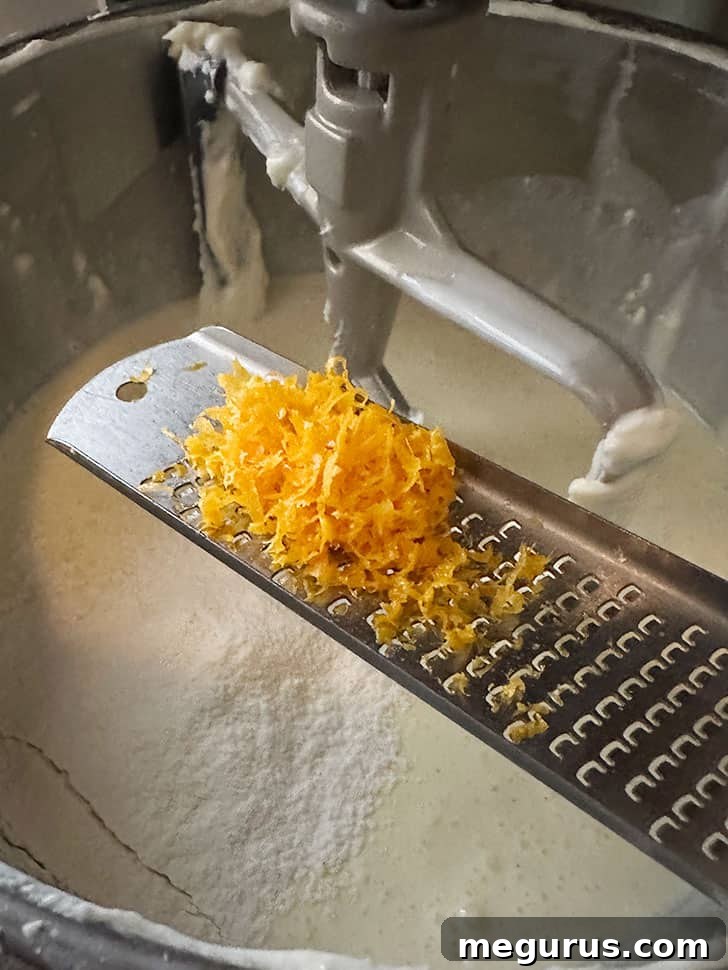
- Pour in the heavy cream, followed by the lemon zest and vanilla. Mix on low speed until just combined.
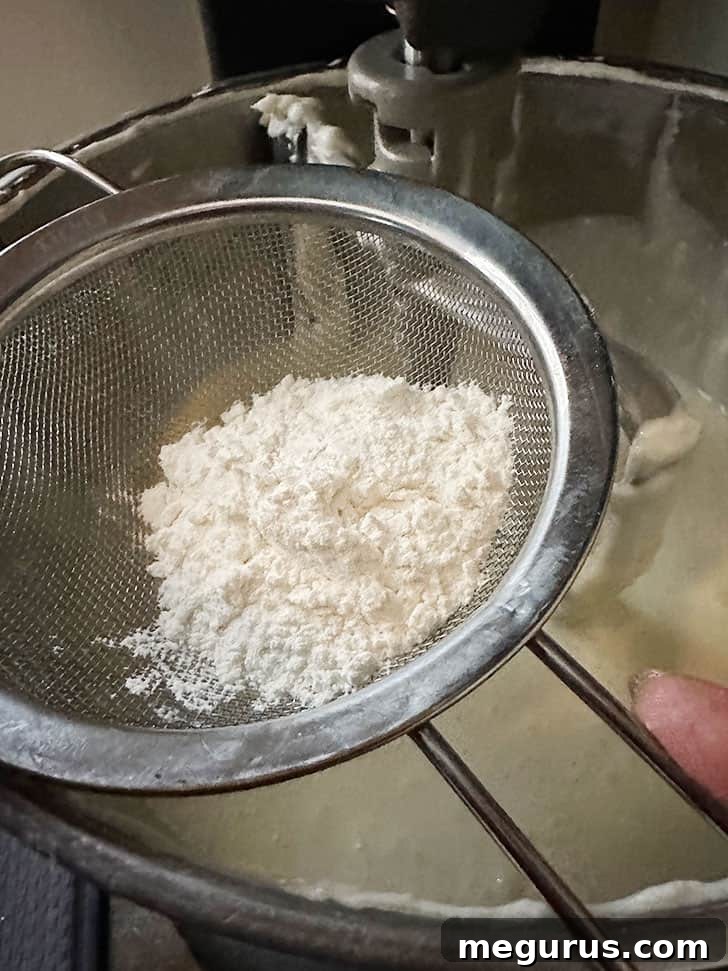
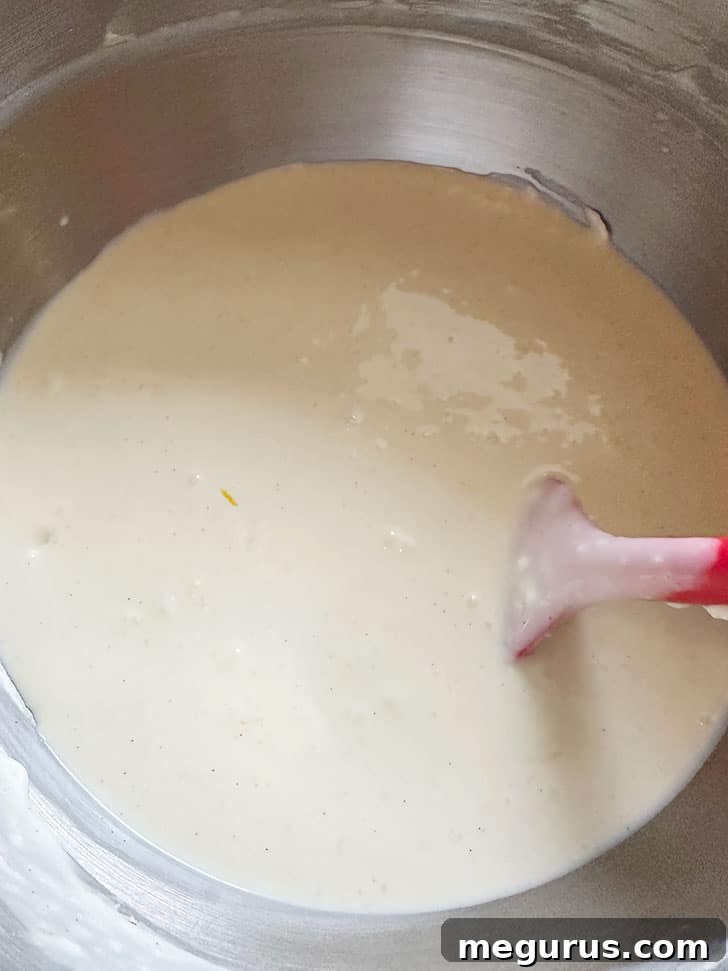
- Sift the all-purpose flour directly into the batter. Mix on the lowest speed until the flour is fully incorporated and the batter is mostly smooth.
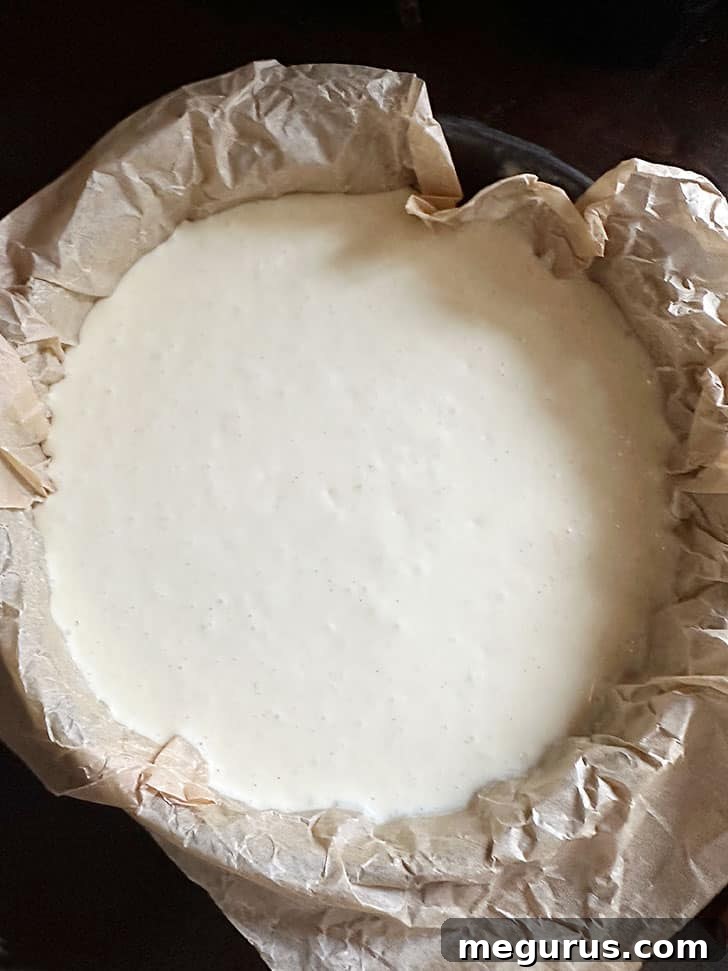
- Carefully pour the liquid batter into your parchment-lined springform pan.
- Bake the cheesecake until it’s beautifully browned on top and still slightly jiggly in the center. A quick broil at the end helps achieve the perfect “burnt” crust.
- Allow the cheesecake to cool completely at room temperature, then chill thoroughly in the refrigerator before slicing and serving.
Mastering the Art of Basque Cheesecake: Essential Baking Tips
While the Basque cheesecake is famously forgiving, a few key tips can ensure your dessert is as perfect as possible. These insights will help you achieve that desirable creamy texture and signature “burnt” exterior every single time.
Room Temperature is Non-Negotiable
For a truly silky-smooth batter, ensure all your dairy ingredients – cream cheese, eggs, and heavy cream – are at room temperature. This is perhaps the most critical tip. Cold ingredients don’t emulsify well, leading to a lumpy batter that can result in an inconsistent texture in the final baked cheesecake. Take them out of the refrigerator at least 1-2 hours before you plan to start baking.
Gentle Mixing for Velvety Smoothness
Whether you’re using a hand-held mixer or a stand mixer with a paddle attachment, always mix on a low speed. The goal is to combine the ingredients thoroughly without incorporating too much air into the batter. Overmixing or beating the batter vigorously can introduce air bubbles, which can cause the cheesecake to puff up excessively in the oven and then collapse dramatically, potentially leading to a drier, more cake-like texture rather than the desired custardy creaminess. If using a KitchenAid, keep the speed at 2 or lower.
The Perfect “Burnt” Top and Creamy Interior
The signature dark, caramelized top of a Basque cheesecake is its badge of honor. Ovens vary significantly, and even the color of your springform pan can affect baking time (darker pans absorb more heat). Start monitoring your cheesecake closely around the 30-35 minute mark. The ideal doneness is when the cheesecake is beautifully browned on top and still quite jiggly in the center, almost like a firm custard or thick jelly. If it jiggles as one cohesive unit when you gently shake the pan, it’s ready. If the center is still very loose compared to the edges, give it a few more minutes. To achieve that deep, rustic brown crust without overbaking the interior, a quick minute or two under the broiler at the very end of baking is key. Keep a watchful eye, as broilers can work quickly!
Mastering the Pan Prep
The rustic, crinkled look of the parchment paper hugging the sides of a Basque cheesecake is part of its charm. To achieve this, don’t just gently line the pan. Take a large piece of parchment paper, bigger than your springform pan, and crumple it into a ball. Then, smooth it out and use it to line the pan, ensuring it covers the bottom and extends at least 2 inches above the rim. This crumpled paper helps create irregular edges and prevents the cheesecake from sticking, making removal incredibly easy.
Patience During Cooling and Chilling
Once baked, resist the urge to immediately cut into your masterpiece. Allow the cheesecake to cool completely in its pan at room temperature. It will deflate and crack as it cools, which is perfectly normal and part of its rustic appeal. After cooling, cover the pan with plastic wrap and refrigerate for at least 4 hours, or ideally overnight (up to 24 hours). This chilling period is crucial for the cheesecake to fully set and develop its rich, creamy texture and depth of flavor. Cold cheesecake is easier to slice cleanly, too!
Elevating Your Dessert: Serving Suggestions
This Lemon Basque Cheesecake is a versatile delight that shines whether served simply or adorned with accompaniments. Enjoying it plain, either chilled straight from the refrigerator or allowed to come to room temperature for about 30 minutes, is a fantastic way to appreciate its pure, unadulterated flavor and luxurious texture. I personally lean towards enjoying it chilled, as the coolness enhances its refreshing lemon notes.
Should you wish to elevate the experience, the possibilities for toppings are endless. Any kind of fruit sauce or syrup complements the cheesecake beautifully. Think vibrant blueberry, tangy raspberry, sweet blackberry, or classic strawberry sauce. A simple drizzle over a slice adds both visual appeal and an extra layer of flavor. Fresh fruits are also a wonderful choice – a handful of mixed berries, thinly sliced peaches, or a fan of kiwi can add color, freshness, and a textural contrast. For a touch of elegance, a light dusting of powdered sugar just before serving can be quite charming. Don’t be afraid to experiment and find your favorite combination!
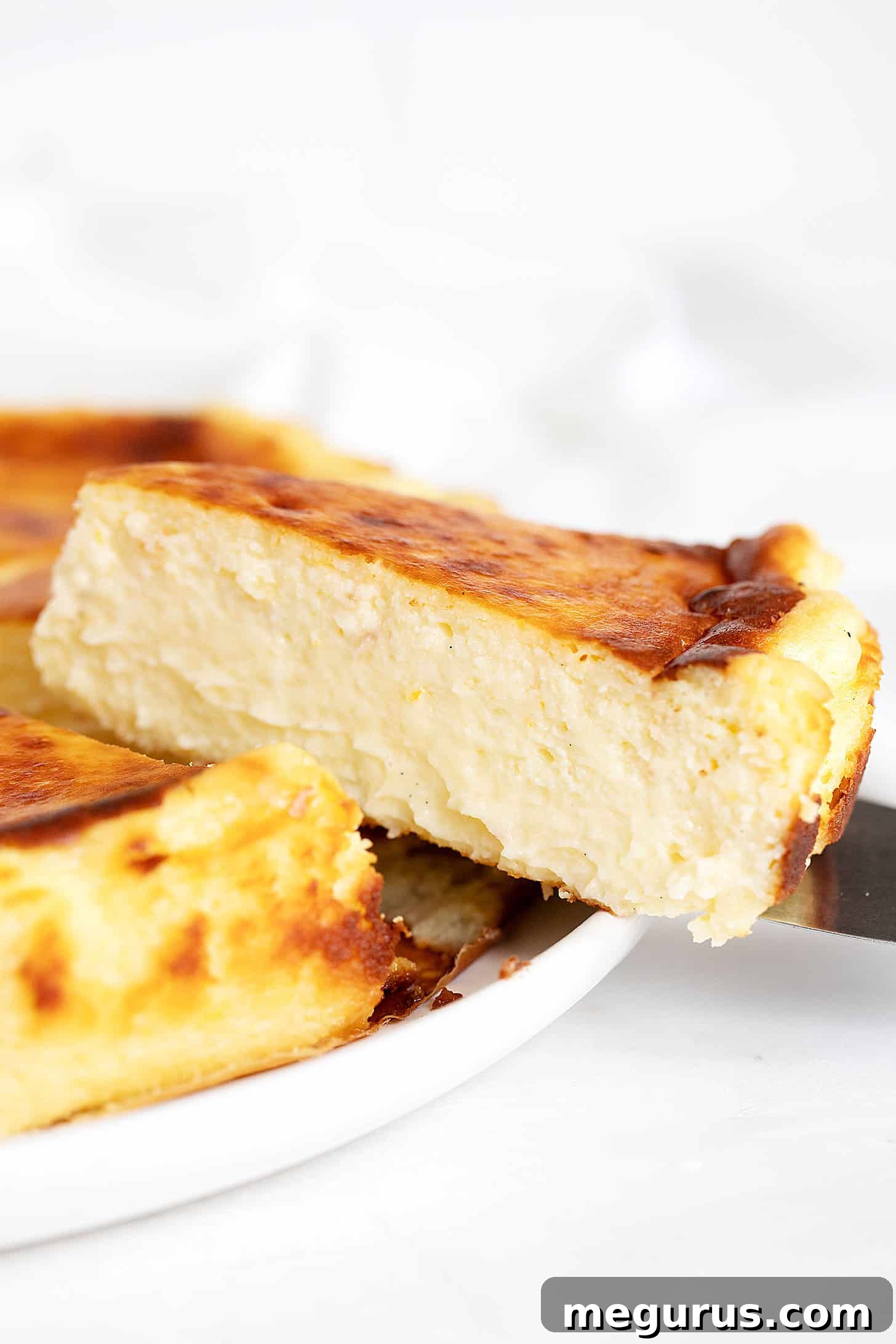
Planning Ahead: Storage and Freezing Your Basque Masterpiece
One of the many benefits of the Basque cheesecake is its make-ahead potential. Since it tastes best after a good chilling period, it’s an ideal dessert to prepare in advance, freeing up your time on the day of serving. After baking and cooling to room temperature, ensure the cheesecake is tightly covered with plastic wrap or aluminum foil before refrigerating. This prevents it from absorbing odors from other foods in the fridge and helps maintain its moisture. The baked cheesecake will keep beautifully in the refrigerator for about 3 days, often tasting even better on the second day as the flavors meld and deepen.
For longer storage, Basque cheesecake freezes exceptionally well. To freeze, ensure the cheesecake is completely cool and firm. You can freeze it whole or sliced. For individual slices, wrap each slice tightly in plastic wrap, then again in aluminum foil. If freezing a whole cheesecake, wrap it tightly in several layers of plastic wrap, then a final layer of aluminum foil. This double wrapping helps protect it from freezer burn. Store in the freezer for up to one month. When ready to enjoy, thaw the cheesecake overnight in the refrigerator. Its texture and flavor should remain wonderfully intact, making it perfect for portion control or having a delicious dessert ready at a moment’s notice.
Troubleshooting Your Basque Cheesecake
While this is an easy cheesecake recipe, sometimes things don’t go exactly as planned. Here are solutions to some common issues:
Why did my cheesecake crack?
Cracks are actually part of the rustic charm of a Basque cheesecake! Unlike traditional cheesecakes where cracks are seen as a flaw, a slightly cracked top on a Basque cheesecake is perfectly normal and even desired, as it adds to its unique appearance. This happens as the cake rises dramatically and then deflates during cooling. So, don’t worry about cracks – embrace them!
Why isn’t my cheesecake creamy enough?
If your cheesecake turned out too firm or dry, it’s likely due to overbaking. The key to that signature creamy, custardy interior is to remove it from the oven when the center is still noticeably jiggly. Remember, it will continue to set as it cools and chills. Additionally, ensuring you use full-fat cream cheese and heavy cream, and that all dairy ingredients are at room temperature, contributes significantly to the final creamy texture.
Why is my cheesecake weeping?
Weeping, or the release of moisture, can occur for a few reasons. Overmixing the batter can cause the ingredients to separate slightly. Also, if you opted to omit the flour (which acts as a stabilizer), your cheesecake might be more prone to weeping, especially after a day or two in the fridge. To minimize weeping, ensure gentle mixing and consider including the small amount of flour as specified in the recipe. Proper chilling also helps the structure set and hold moisture.
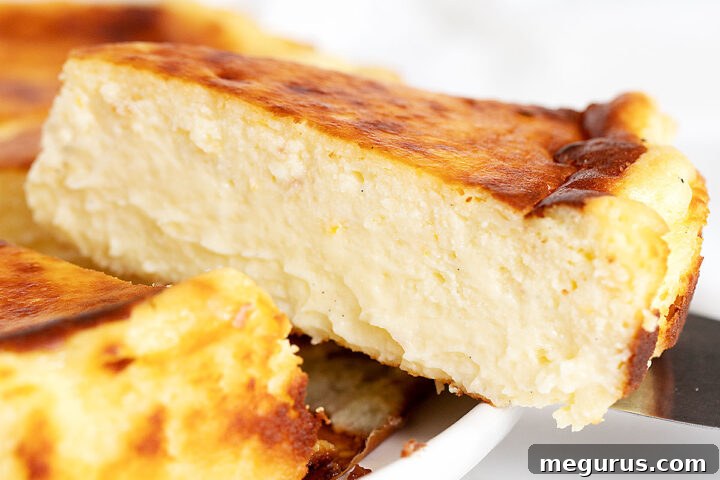
Get the Recipe: Lemon Basque Cheesecake
Simple and delicious is always a winning combination, and that’s exactly what a Basque cheesecake is. Enjoy chilled or at room temperature, plain or with any fruit topping.
Pin This
Leave a Review
Ingredients
- 1 1/4 cups (250 g) granulated white sugar
- 24 oz. (750 g) full-fat cream cheese, at room temperature (*See Note 1)
- Pinch salt
- 4 large eggs, at room temperature
- 1 1/2 cups (350 ml) heavy whipping cream (35% b.f.), at room temperature
- 1/2 teaspoon vanilla or vanilla bean paste, optional
- Zest of 1 lemon, about 2-3 teaspoons (can omit for a plain cheesecake)
- 3 Tablespoons (22 g) all-purpose flour
Instructions
- Preheat the oven to 400°F (200°C) with the oven rack in the middle position. Grease a 9-inch springform pan (*See Note 2 below for alternate size pans). Cut a large piece of parchment paper and crumple it up into a ball. Smooth it out and use it to line the pan, completely covering the bottom and sides, overhanging the top by about 2-inches.
- In a large bowl using a handheld mixer or in the bowl of a stand mixer fitted with the paddle attachment, mix together the sugar, cream cheese, and a pinch of salt at low speed (not more than Speed 2 on a KitchenAid mixer) until smooth, scraping down the sides of the bowl a couple of times, about 2 minutes. Add the eggs, one at a time, mixing in at low speed for about 30 seconds after each addition. Add the heavy cream, lemon zest, and vanilla (if using) and mix in at low speed until just combined. With a sifter, add the flour to the mixture and at the lowest speed, mix in until just incorporated.
- Pour the batter into the prepared pan and bake for 30-35 minutes or until just set. (It will still be jiggly in the center). This can vary from oven to oven and even according to the color of your springform pan (darker pans cook more quickly), so it helps to watch the cheesecake closely from 30 minutes forward. The best test for doneness is to gently jiggle the pan (do not judge by the color alone). If the center is jiggling a lot more than the outside, cook just a little longer. When the cake jiggles as one piece, switch the oven to broil (keeping the cake on the middle rack) and broil for 1-2 minutes until nicely browned. This timing should produce a set, but still creamy cheesecake. If you allow it to cook longer, it loses its creaminess and, while still tasty, has a different, less smooth texture.
- Remove from the oven and cool in the pan to room temperature. The cake will naturally deflate and crack as it cools. Cover the top of the pan with a sheet of plastic or aluminum wrap and refrigerate for at least 4 hours, or up to 24 hours, before removing from the pan, slicing, and serving. Serve chilled or at room temperature.
Notes
Note 1: In Canada, block cream cheese is sold in 250g packages. In the US, they are typically 8 oz. packages, which is just slightly less. In either case, use 3 packages of the block cream cheese. I highly recommend using full-fat Philadelphia block cream cheese for the best results.
Note 2: The 9-inch pan gives a nice height to the finished cake. You could use a 10-inch springform, though it would produce a thinner cake and may bake more quickly, so watch it closely after 30 minutes. The batter might not fit entirely in a regular 8-inch springform; you may need to hold some back. However, if your 8-inch springform is high-sided, it will likely fit. The baking time may be a bit longer for a thicker cake in an 8-inch pan.
Be sure to read the comprehensive information above this Recipe Card, where I detail ingredients and substitutions, share step-by-step photos, and provide essential Basque cheesecake tips!
Nutrition Information (Approximate per serving)
Serving: 1 serving, Calories: 326kcal, Carbohydrates: 33g, Protein: 14g, Fat: 16g, Saturated Fat: 9g, Polyunsaturated Fat: 1g, Monounsaturated Fat: 4g, Trans Fat: 0.01g, Cholesterol: 123mg, Sodium: 516mg, Potassium: 254mg, Fiber: 0.1g, Sugar: 30g, Vitamin A: 669IU, Vitamin C: 0.2mg, Calcium: 274mg, Iron: 1mg
If you enjoyed this recipe, please leave a star rating and comment. It helps others to find it!