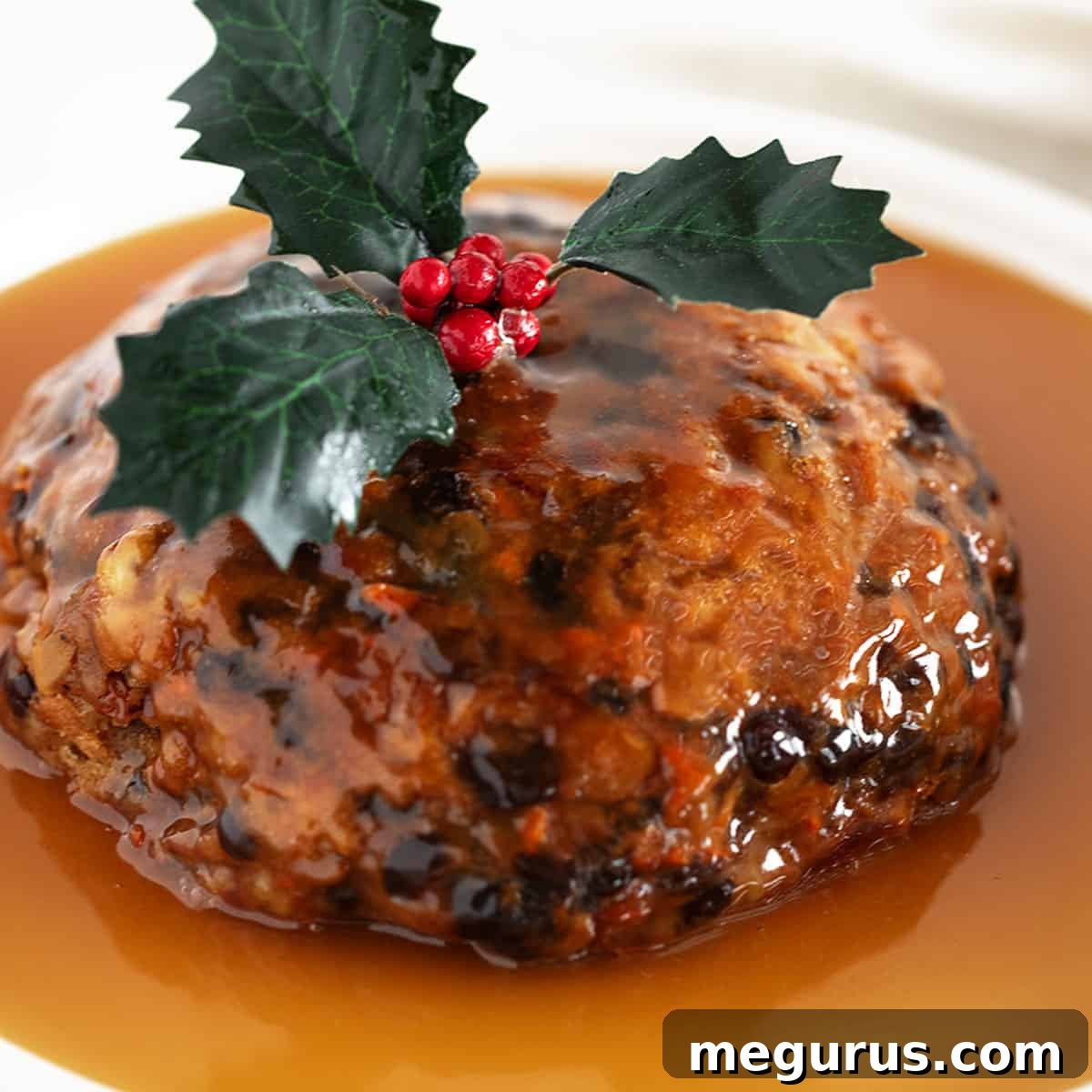
There’s nothing quite like a traditional Christmas Pudding to evoke the spirit of the holidays. Often called Plum Pudding, this steamed festive dessert is a true centerpiece, rich with fruit and spice, and wonderfully comforting when served warm with a luscious butter rum sauce. This beloved Christmas pudding recipe carries a special warmth for me, reminding me of cherished childhood memories. While the pudding itself is a delight, I must confess, the rum sauce was always my personal favorite – and I suspect many of you will agree!
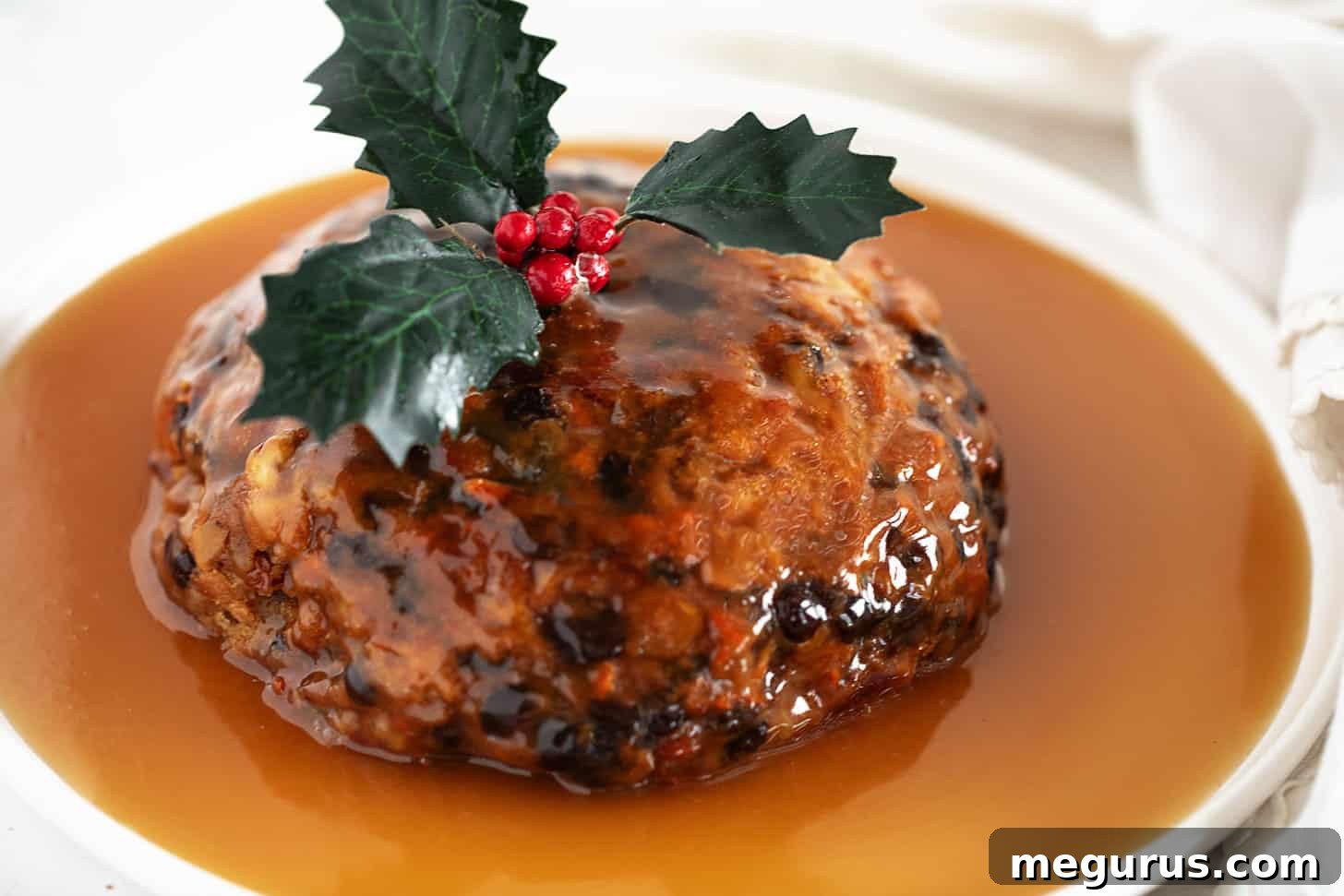
Our recipe for this classic Christmas dessert offers a modern twist: it’s made entirely without suet. As traditional suet becomes increasingly difficult to find, we’ve perfected a fantastic alternative that delivers the same moistness, texture, and high melting point crucial for a perfectly steamed pudding. This means a rich, flavorful pudding that tastes authentically like the season, making it a perfect, traditional addition to any holiday feast.
Why Choose a Suet-Free Christmas Pudding?
For generations, suet has been a staple in traditional Christmas pudding recipes, prized for its high melting point that creates a light, crumbly texture as the pudding steams. However, sourcing suet can be a challenge for many home cooks today. Furthermore, a suet-free recipe makes this classic dessert accessible to those with vegetarian dietary preferences, allowing more people to enjoy this festive treat.
In this recipe, we ingeniously replace suet with **frozen and grated solid vegetable shortening**. This clever substitution provides the same essential properties as suet: it melts slowly, ensuring the pudding remains wonderfully moist without becoming greasy. The result is a Christmas pudding that is every bit as delicious and authentic as its suet-based counterpart, offering a convenient and reliable option for your holiday baking.
The Rich History of Christmas Pudding
Christmas pudding, or plum pudding as it’s also known, boasts a fascinating history stretching back to medieval England. It began not as a dessert, but as a savory pottage or soup made with meat, vegetables, and dried fruit, thickened with breadcrumbs. Over centuries, the dish evolved, shedding its savory elements and embracing its sweet destiny, becoming the iconic steamed fruit pudding we cherish today.
By the Victorian era, Christmas pudding had solidified its place as a quintessential holiday tradition. Families would gather to “stir up” the pudding, each member making a wish while stirring the mixture from east to west. The inclusion of coins or charms within the pudding was also a popular custom, symbolizing good fortune for the finder. This rich heritage adds an extra layer of magic to every bite, connecting us to celebrations of the past.
Essential Ingredients for Your Perfect Pudding
Crafting the perfect Christmas pudding starts with selecting the right ingredients. Each component plays a vital role in achieving that distinct festive flavor and delightful texture.
Solid Vegetable Shortening: The Suet Alternative
As highlighted, our recipe cleverly uses **solid vegetable shortening**, specifically the boxed variety like Crisco. This ingredient is key to achieving the desired moistness and crumbly texture without the need for traditional suet. Its high melting point ensures the pudding steams beautifully, allowing the flavors to meld without becoming dense or overly greasy. If you prefer, you can certainly use suet in equal quantities. Alternatively, frozen butter can also be used, but you’ll need to work quickly to prevent it from warming too much, which could lead to a heavier or greasier pudding.
Mixed Peel: A Burst of Zesty Flavor
While mixed peel can be a polarizing ingredient, it contributes a wonderful, zesty bitterness that perfectly balances the sweetness of the dried fruit and spices. We understand that not everyone is a fan, and that’s perfectly fine! If mixed peel isn’t to your taste, simply replace it with an equivalent amount of additional dried fruit of your choice.
Mixed Dried Fruit: Your Creative Canvas
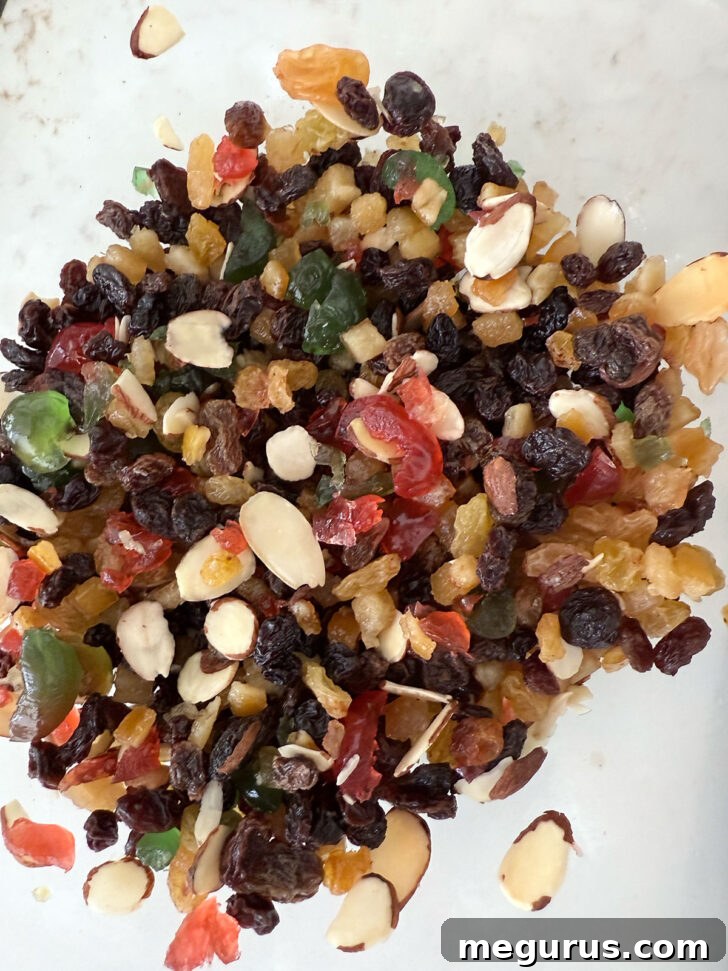
This is where you can truly personalize your Christmas pudding. “Mixed dried fruit” is a broad category, inviting you to experiment with your favorite dried varieties. While classic recipes often feature raisins, currants, and sultanas, feel free to add dried cranberries, chopped dried apricots, cherries, prunes, or even dates. Each fruit will lend its unique flavor profile, allowing you to create a pudding that’s distinctly yours. I often include a few leftover red and green glacé cherries for an extra festive touch and pop of color.
Fresh Breadcrumbs: The Unsung Hero
Do not underestimate the power of fresh breadcrumbs in this recipe. They provide structure and absorb moisture, contributing to the pudding’s characteristic texture. It’s crucial to use fresh bread, processed into fine crumbs or simply torn into very small pieces. Avoid using dried, store-bought breadcrumbs, as they will not yield the same tender, moist result.
Aromatic Spices, Eggs, and Cold Coffee
A blend of ground cinnamon, ginger, nutmeg, and cloves infuses the pudding with its signature warmth and festive aroma. Eggs bind the ingredients together, while a touch of cold black coffee adds depth to the fruit and spice notes, making the flavors sing.
Step-by-Step Guide to Crafting Your Christmas Pudding
Making Christmas pudding is a rewarding process, and with these visual summaries and detailed steps, you’ll be able to create a magnificent dessert. Always refer to the complete instructions in the Recipe Card below for precise measurements and timings.
Preparation is Key
- **Prepare Your Steaming Pot:** Choose a large pot with a lid, ensuring it’s wide enough to comfortably hold your pudding bowl with at least an inch of space around it. Add 4-5 inches of water to the pot and bring it to a gentle simmer on the stovetop.
- **Chill Your Shortening:** For easier grating and better incorporation, place your measured solid vegetable shortening in the freezer for at least a couple of hours before you begin mixing.
- **Grease Your Pudding Bowl:** Liberally grease the inside of your chosen steaming bowl or tin with shortening or cooking spray. For extra assurance, you can also place a small round of greased parchment paper at the bottom. A 7-cup glass Pyrex bowl works perfectly, but a 5 or 6-cup bowl might also suffice, just remember to fill it no more than two-thirds full to allow for expansion during steaming.
Mixing the Dry Ingredients & Fruit
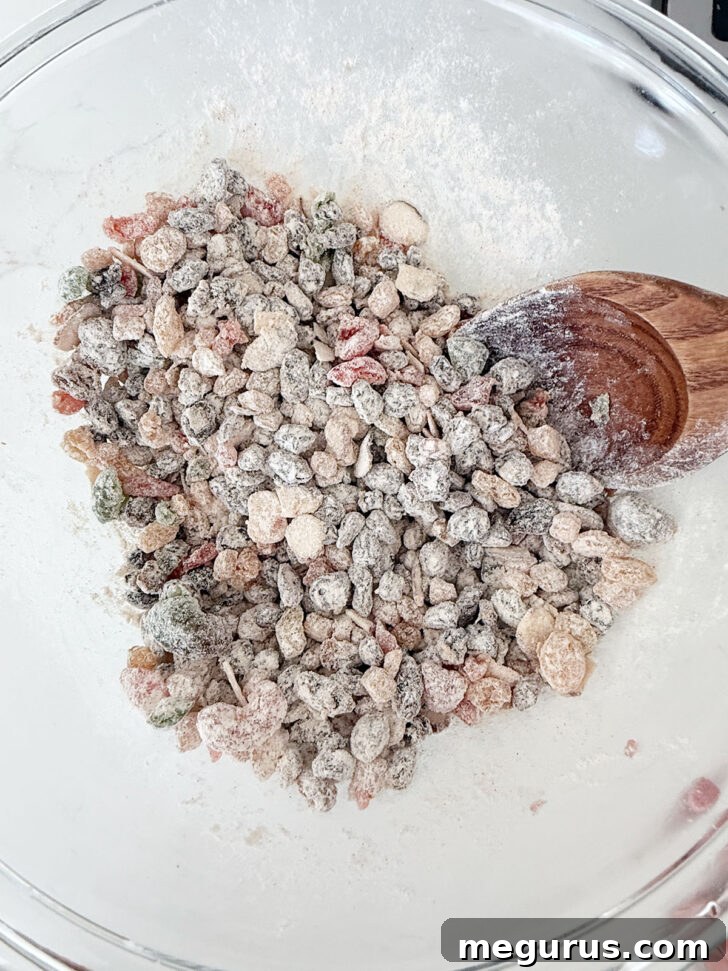
Incorporating Fats & Wet Ingredients
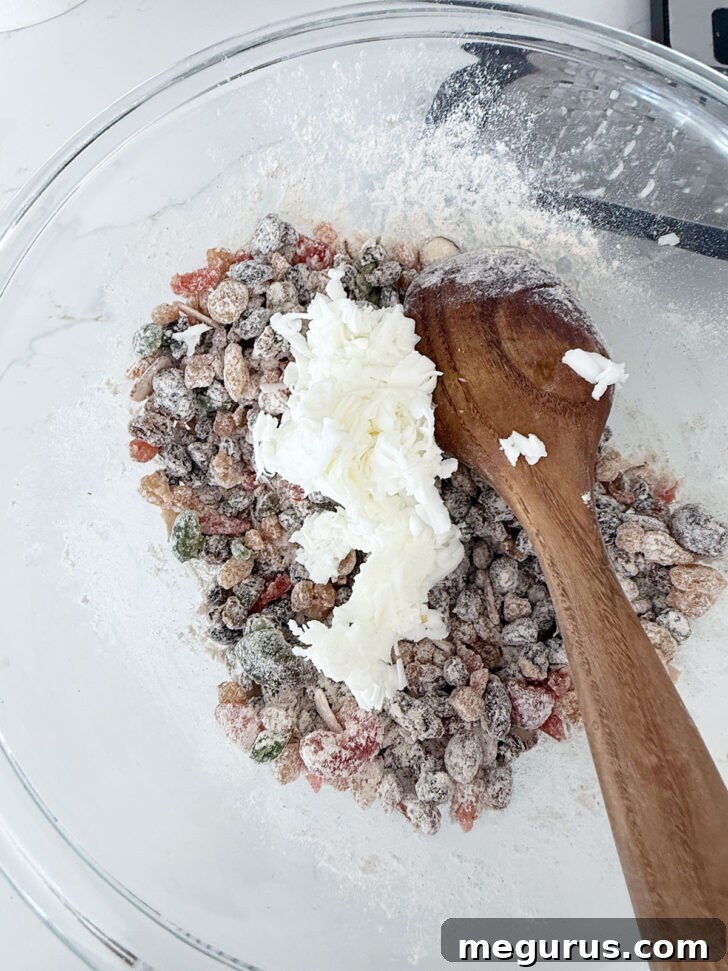
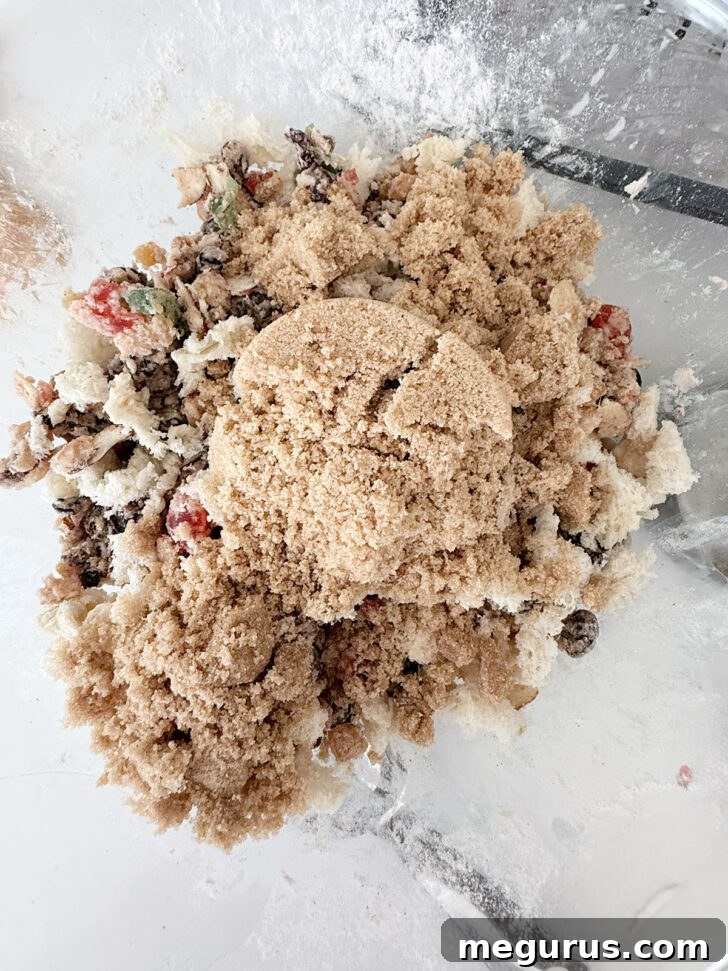
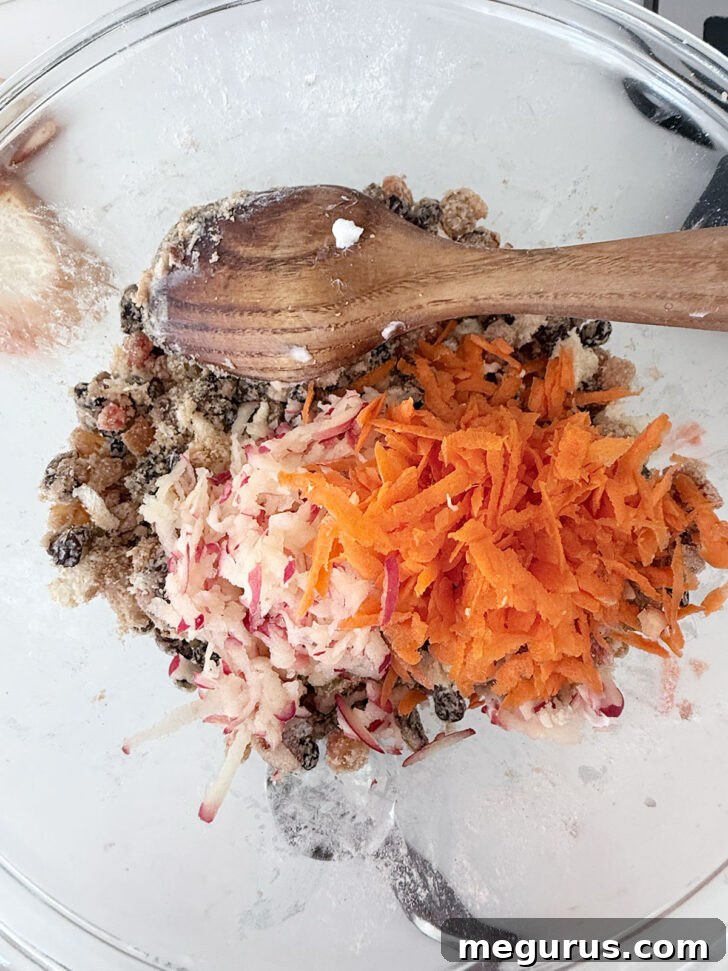
Preparing for Steaming
The Art of Steaming Your Pudding
Steaming Your Christmas Pudding to Perfection
Steaming is the traditional and best method for cooking Christmas pudding, yielding a moist, dense, and perfectly textured dessert. While modern alternatives like slow cookers and Instant Pots can be adapted (you can find guides for these methods online), we’ll focus on the time-honored stovetop method here.
Setting Up Your Steamer
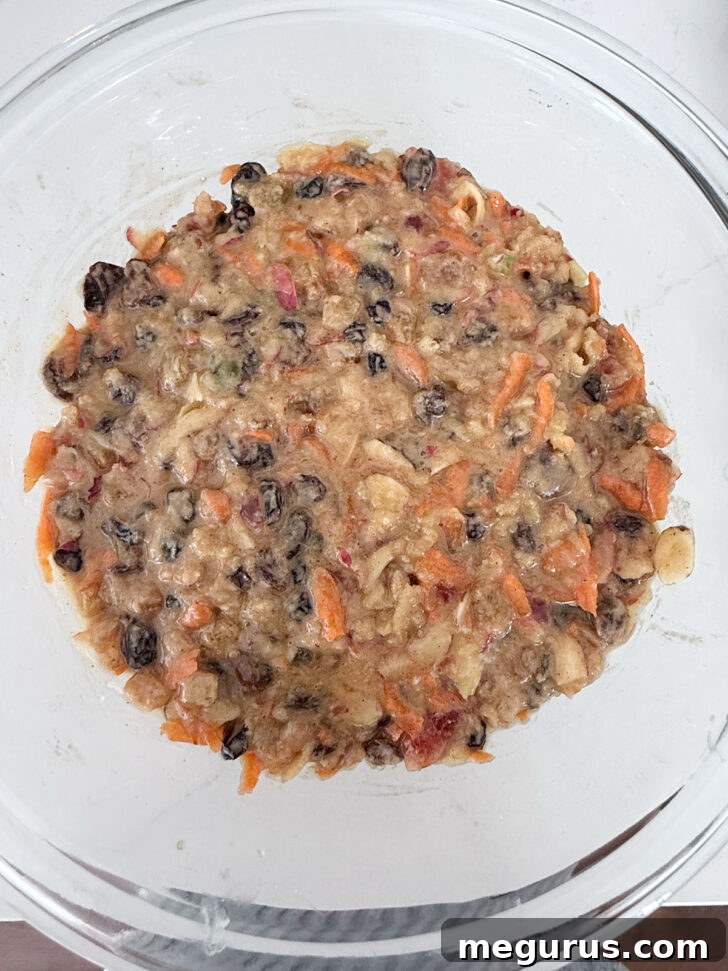
- Add your carefully prepared pudding batter to a well-greased glass bowl or metal pudding tin. Remember the golden rule: fill the pudding tin no more than two-thirds full to give it ample room to expand as it steams. (Refer back to **photo 8** above for a visual guide).
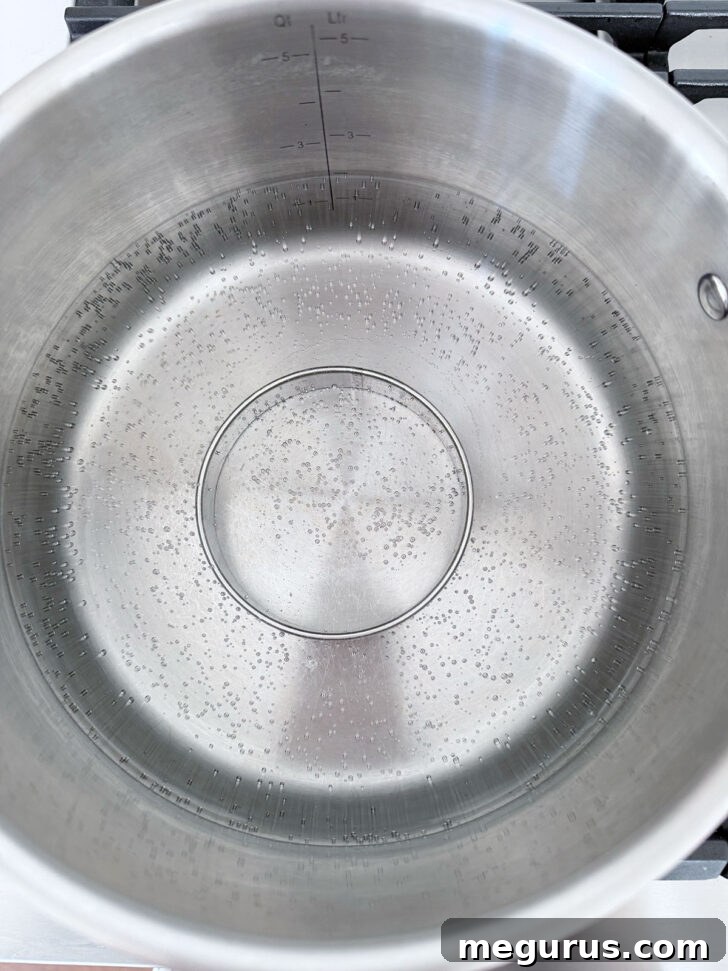
- In a large pot with a tight-fitting lid, bring about 4-5 inches of water to a gentle simmer. Place a metal English muffin ring or a small metal tart shell at the bottom of the pot. This acts as a trivet, elevating the pudding bowl and ensuring even cooking without direct contact with the pot’s base. (See **photo 10** above for proper setup).
Placing and Covering the Pudding
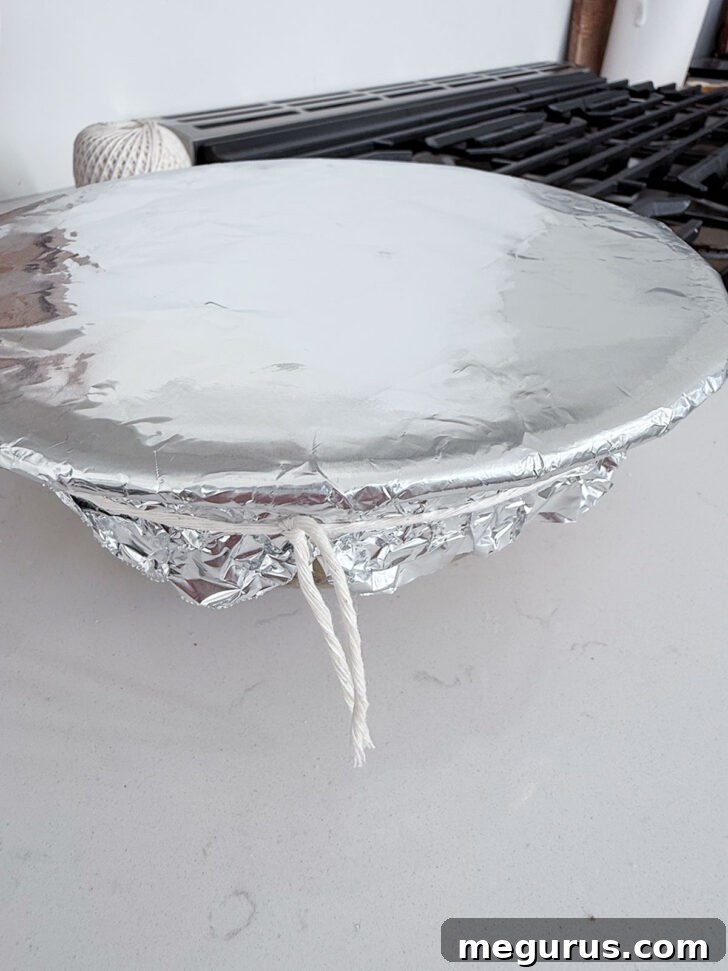
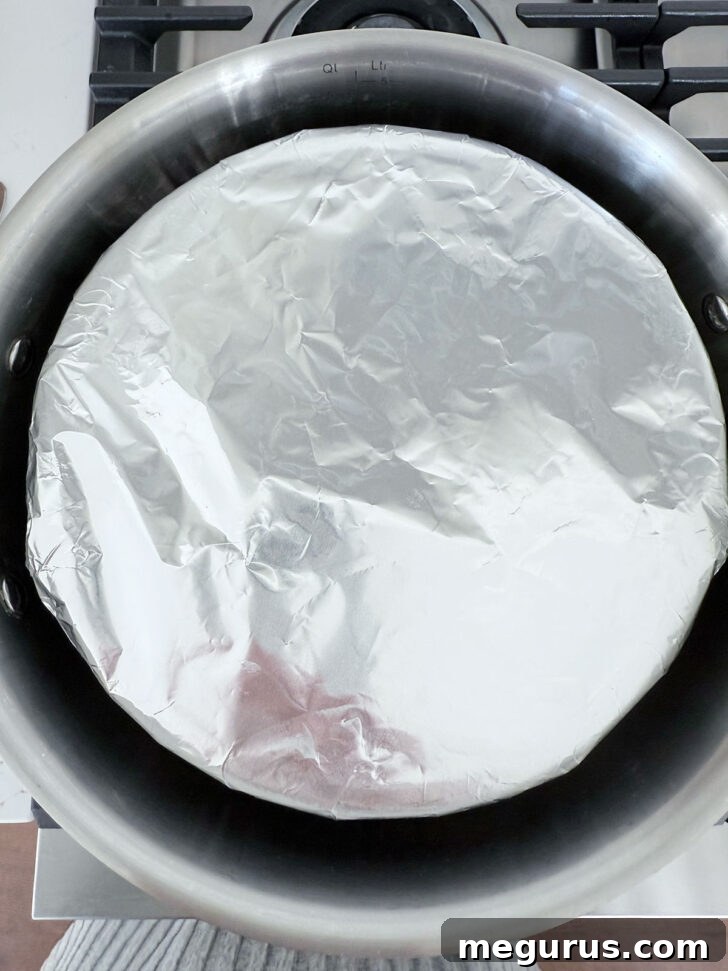
- Cover the top of your pudding bowl with a sheet of parchment paper, followed by a tight seal of aluminum foil. Use kitchen string to tie the parchment and foil securely around the outside of the bowl. For added convenience, you can create a “handle” with a doubled-up piece of string, attached to the string running around the bowl, to make lifting the hot pudding out of the pot much easier. (Consult **photo 9** for covering and tying).
- Gently place the wrapped pudding bowl into the simmering pot, centering it on the metal ring. The water should come approximately halfway up the sides of the pudding bowl. If it’s too low, carefully add more hot water until the ideal level is reached. (Observe **photo 11** for correct placement).
Steaming Process and Monitoring
- Place the lid firmly on the pot and let the pudding steam as directed in the recipe. The steaming process typically takes 3-4 hours, but can vary.
- It’s important to monitor the water level in the pot every hour or so. The water should remain at a gentle simmer, not a rolling boil, and never be allowed to evaporate completely. Add additional hot water as needed to maintain the level.
Testing for Doneness
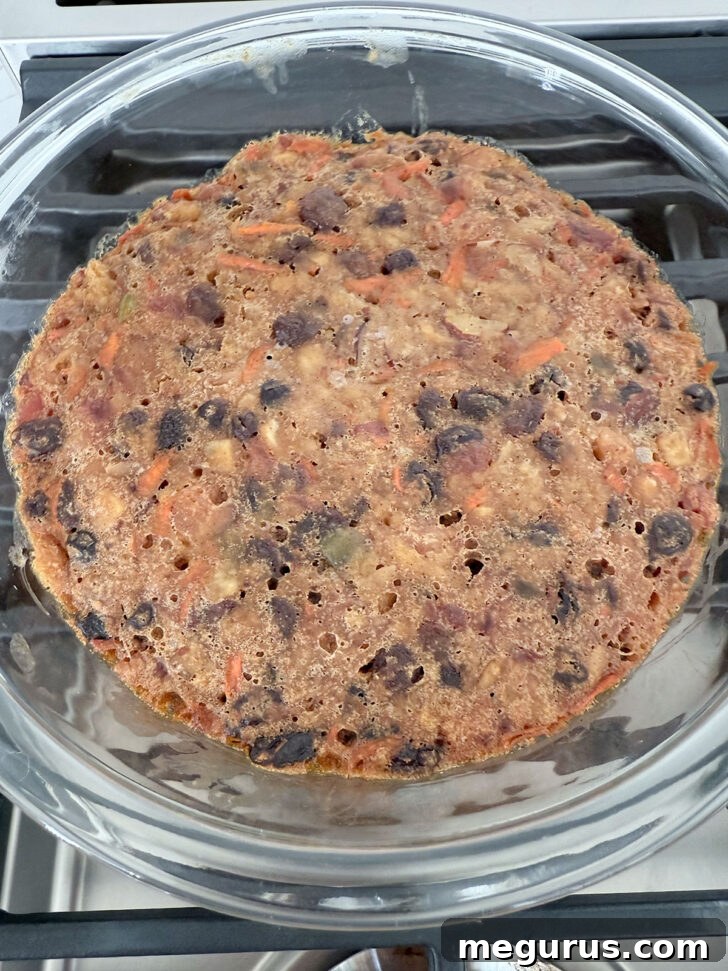
- The pudding is fully cooked when a cake tester or a long skewer inserted into its center comes out clean. This is the most reliable way to determine doneness, rather than strictly adhering to time, as steaming times can vary. (See **photo 12** to envision the cooked pudding). You cannot really over-steam a pudding, but under-steaming will result in a heavy, uncooked center.
Expert Tips for a Flawless Christmas Pudding
- **Generous Greasing:** Ensure your pudding bowl or tin is very generously greased. This crucial step guarantees easy release of your beautifully cooked pudding. A small, buttered parchment round at the bottom also helps.
- **Steaming Time Varies:** Be mindful that steaming times can differ based on the shape and material of your pudding bowl or tin. Start checking for doneness around the 3-hour mark, and continue steaming until your cake tester comes out clean. Patience is key!
- **Storage and Reheating:** Many enthusiasts prefer to store their Christmas pudding right in its steaming bowl, especially if they plan to re-steam it for warming. If you intend to reheat portions in the microwave, you can remove the pudding from the bowl once it’s cooled, wrap it tightly, and store it that way.
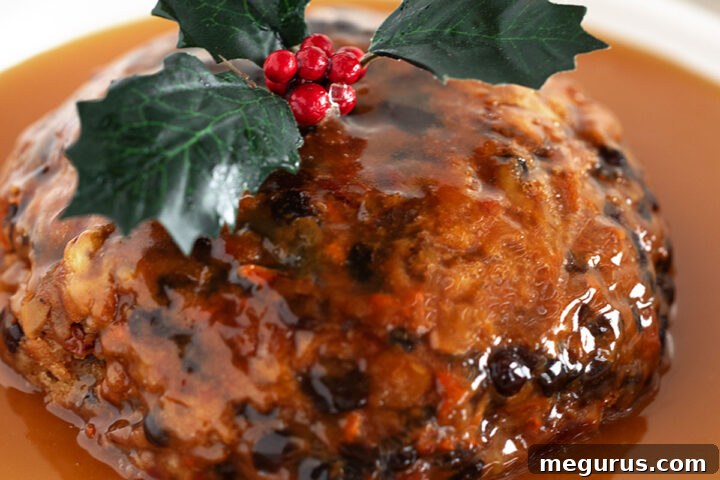
- **Safe Holiday Decoration:** While holly is a classic festive decoration for Christmas pudding, for safety reasons, we strongly recommend using artificial holly. Holly berries are poisonous to both pets and humans.
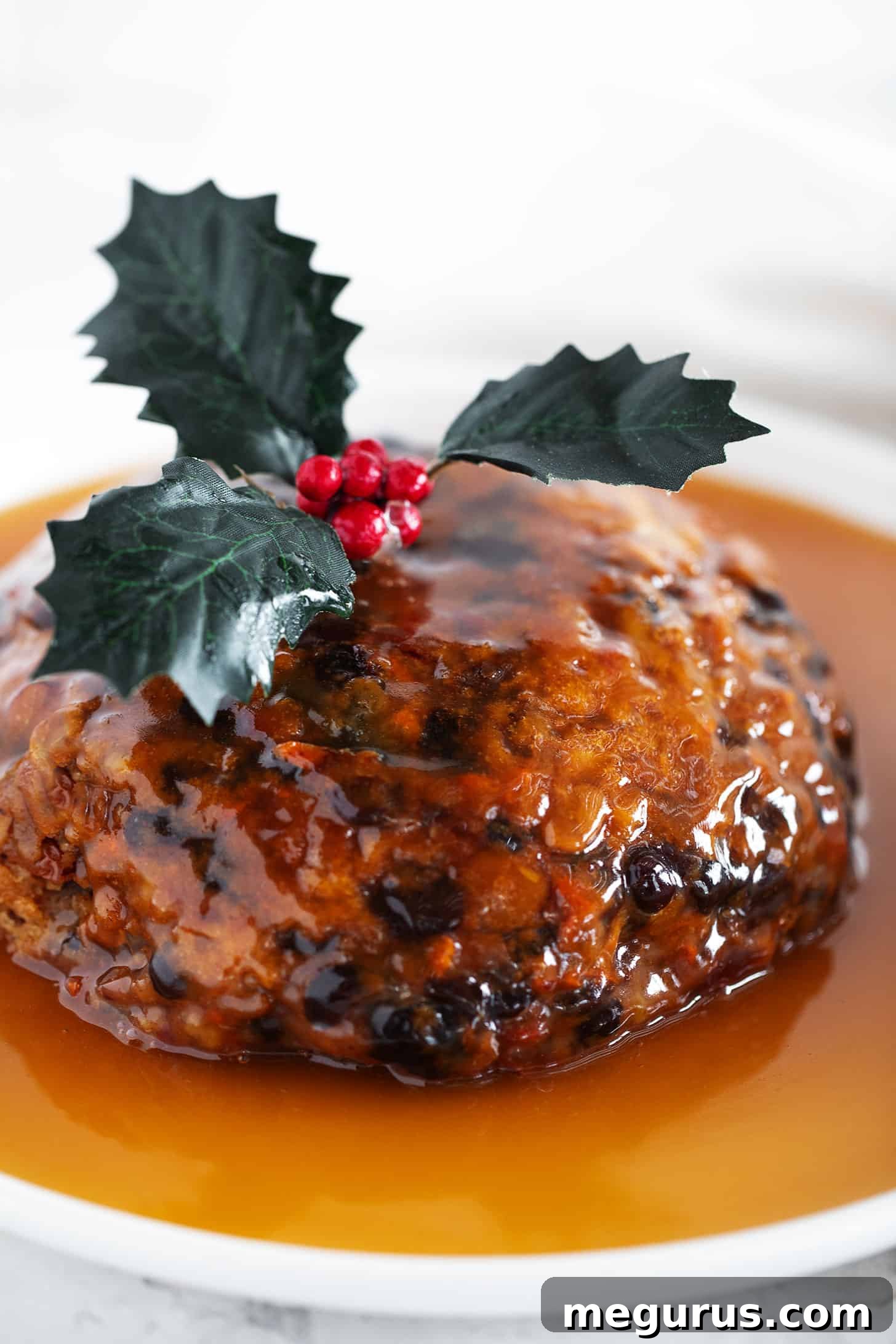
- **The Irresistible Rum Sauce:** The warm butter rum sauce truly elevates this pudding. While a generous pour over the whole pudding looks stunning for serving, always pass extra sauce at the table. Your guests will thank you!
Making Ahead, Storing, and Freezing for Holiday Convenience
One of the many wonderful aspects of Christmas pudding is that it actually benefits from being made ahead of time. This “aging” process allows the flavors to deepen and meld, resulting in an even richer and more complex taste. Ideally, aim to make your pudding 2-3 weeks in advance, but even a few days of resting will significantly enhance its flavor and texture.
The Magic of Aging
After steaming, allow the pudding to cool completely in its bowl. Replace the original parchment and foil coverings with fresh ones, ensuring a tight seal. Store the pudding in a cool, dark place (like a pantry or cupboard) for the recommended aging period. This resting time transforms the individual flavors into a harmonious festive symphony.
Freezing Instructions
If you plan to make your Christmas pudding well in advance (beyond the 2-3 week aging period) or have leftovers, it freezes beautifully. Once the pudding has aged and cooled, wrap it very tightly in multiple layers of plastic wrap and then a final layer of aluminum foil. Label and date it, then place it in the freezer. It can be stored this way for up to several months.
Reheating Methods
When you’re ready to serve, a frozen pudding should be thawed overnight in the refrigerator while still wrapped. To reheat:
- **Re-steaming:** The traditional method involves re-steaming the pudding in its bowl for approximately one hour, or until thoroughly heated through. This gently warms the pudding, preserving its moist texture.
- **Microwave:** For a quicker option, portion out slices and microwave them until warm. This is often my preferred method for convenience, especially for individual servings. In a pinch, you can even microwave the pudding from frozen, though it may take a bit longer and require more careful monitoring to ensure even heating.
Butter Rum Sauce Storage
While the butter rum sauce is best made fresh, you can certainly prepare it a few days in advance. Store it in an airtight container in the refrigerator, where it will keep well for several days. Do not freeze the sauce, as its texture may change upon thawing. Reheat the sauce gently in a small saucepan over low heat on the stovetop, or warm it in the microwave, stirring occasionally until smooth and fluid.
The Essential Butter Rum Sauce Recipe
No Christmas pudding is complete without a decadent butter rum sauce. This velvety, sweet, and spirited sauce is incredibly easy to make and truly elevates the entire dessert experience.
Ingredients for the Butter Rum Sauce:
- 1 cup light brown sugar, packed
- 1/2 cup salted butter
- 1/2 cup heavy whipping cream (35% b.f.)
- 1 teaspoon vanilla extract
- 2 Tablespoons rum, or to taste
Instructions for the Butter Rum Sauce:
- In a small saucepan, combine the light brown sugar, salted butter, and heavy whipping cream.
- Heat the mixture over medium heat, stirring constantly, until the butter is completely melted and the sugar has fully dissolved.
- Bring the sauce to a gentle simmer and continue to cook for 2-3 minutes, stirring occasionally, until it slightly thickens to a pourable consistency.
- Remove the saucepan from the heat. Stir in the vanilla extract and rum.
- Carefully taste the sauce (it will be hot!) and adjust the amount of rum if desired.
- Serve the sauce warm over your Christmas pudding. If making ahead, transfer to an airtight container and refrigerate. Reheat gently on the stovetop or in the microwave before serving.
Christmas Pudding (without suet) – The Full Recipe Card
Christmas Pudding (without suet)
Traditional Christmas pudding (Plum Pudding) made without suet. Served with a warm butter and rum sauce.
Prep Time: 30 mins
Cook Time: 3 hrs
Total Time: 3 hrs 30 mins
Yield: 10 servings
Ingredients
For the Christmas pudding:
- 1/2 cup seedless raisins (Thompson)
- 1/2 cup seeded raisins (I used Sultanas)
- 1/4 cup currants
- 4 oz mixed dried fruit (*see Note 1 below)
- 2 oz mixed dried peel (*see Note 2 below)
- 1/4 cup slivered or flaked almonds
- 1/2 cup + 3 Tablespoons all-purpose flour
- 1 1/2 teaspoons baking powder
- 1/2 teaspoon fine table salt
- 1/2 teaspoon ground cinnamon
- 1/4 teaspoon ground ginger
- 1/4 teaspoon ground nutmeg
- 1/8 teaspoon ground cloves
- 1/2 cup frozen solid vegetable shortening, grated (*see Note 3 below)
- 1/2 cup fresh bread crumbs (*see Note 4 below)
- 3/4 cup light brown sugar, lightly packed
- 3/4 cup apple, cored, peeled or unpeeled and shredded
- 1/2 cup carrot, peeled and shredded
- 1 1/2 large eggs, well beaten (*see Note 5 below)
- 3 Tablespoons cold black coffee
For the butter rum sauce:
- 1 cup light brown sugar, packed
- 1/2 cup salted butter
- 1/2 cup heavy whipping cream, 35% b.f.
- 1 teaspoon vanilla
- 2 Tablespoons rum, or to taste
Instructions
- Tip! This recipe makes a small pudding, but as Christmas pudding is quite rich, servings will be smaller. This pudding should feed 8-10. You can double the recipe to feed more; steaming time will increase accordingly.
- Do ahead! Place the measured vegetable shortening into the freezer at least a couple of hours before starting the recipe.
- Prepare a large pot (that has a lid), large enough to hold your pudding bowl or tin with at least an inch open between the outside of the bowl and the pot. Add 4-5 inches of water and bring to a simmer on the stovetop.
- Tip! A glass Pyrex mixing bowl is perfect for steaming puddings. I used a 7-cup one here, which was only filled about 1/2 way with the pudding batter. I could probably have used a 5 or 6-cup bowl. Be sure not to fill the bowl more than about 2/3 full to allow for expansion.
- Prepare a steaming bowl or tin by generously greasing the inside with shortening or cooking spray. Optionally, you can also place a small greased round of parchment paper on the bottom of the bowl to help release the pudding later. Set aside.
- Wash and dry the raisins and currants, and place them into a large bowl. Add the dried mixed fruit, dried peel, and almonds to the bowl and stir together.
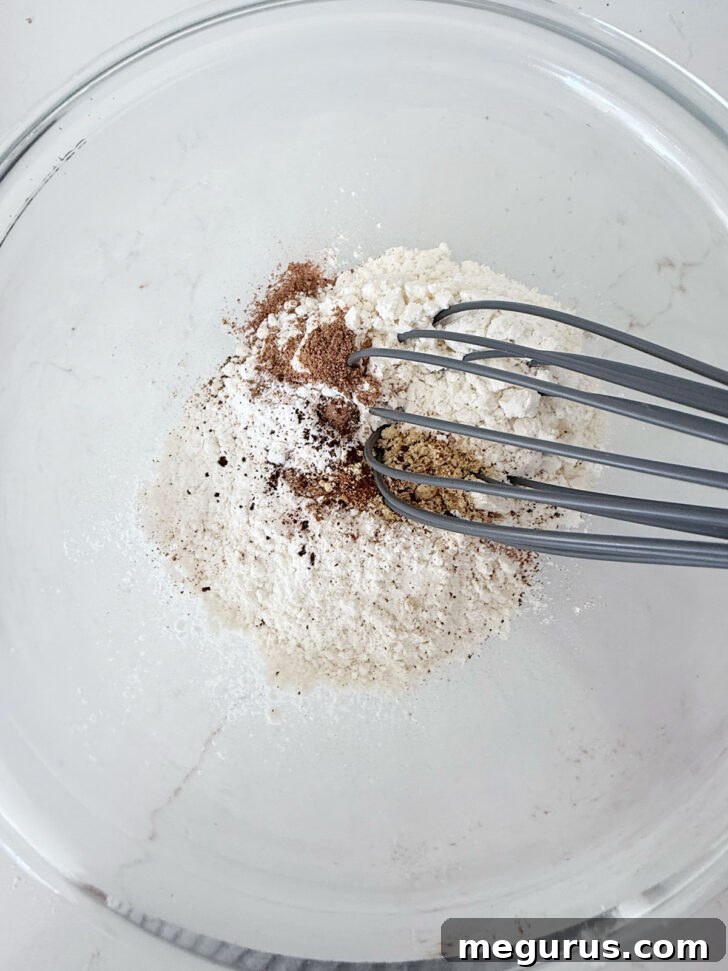
- In a small bowl, whisk together the flour, baking powder, salt, and spices. Add the flour mixture to the bowl with the fruit and stir together well.
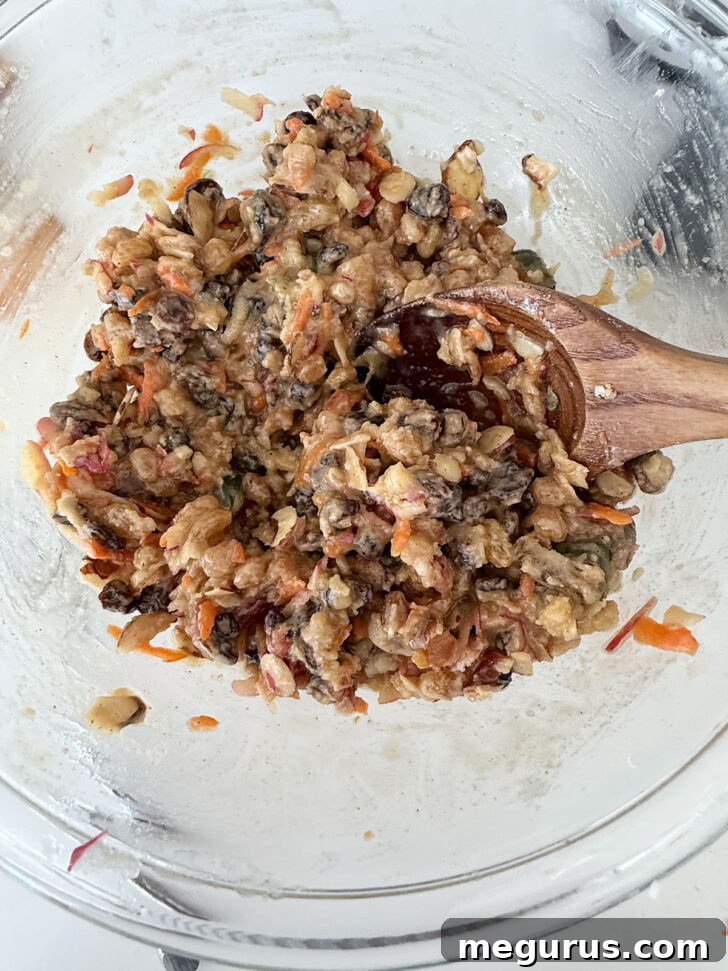
- Remove the vegetable shortening from the freezer and use a box grater to grate the shortening into the bowl with the fruit. Using your fingertips, mix the shortening in with the fruit, breaking the shortening into small pieces that are evenly incorporated in the mixture. Add the bread crumbs, brown sugar, shredded apple, and shredded carrot and stir together well. Add the coffee to the egg, and add this mixture to the bowl. Stir together well.
- Add the pudding batter to a glass bowl or pudding tin, filling not more than 2/3 full. Place a sheet of parchment paper over the top of the bowl, then a piece of aluminum foil overtop of the parchment. Seal the foil around the edge of the bowl, then use a piece of string to tie the foil around the outside near the top of the bowl. Tying the string with a firm bow instead of a knot makes opening the pudding to test easier later on! Optionally, you can also make a string handle by doubling up a piece of string and attaching it to opposite sides of the string running around the outside of the bowl, allowing a little excess. This will make the removal of the pudding from the pot easier later.
- Add a metal English muffin ring (or a metal tart ring) to the bottom of the pot of simmering water. Gently place the wrapped pudding into the pot, resting it on top of the metal ring. The water should come about 1/2 way up the pudding bowl. Add additional water, if necessary.
- Tip! Steaming time will vary depending on the type and size of the pudding container. Be sure to steam the pudding until the tester indicates a clean result.
- Cover the pot with a lid and steam the pudding for 3-4 hours, checking the pot regularly to make sure there is sufficient water in the pot and that it is gently simmering. Add additional water at any time, if needed. Steam until the pudding tests clean when a cake tester is inserted into the centre of the pudding.
- Tip! You can’t really over-steam a pudding, but you can definitely under-steam it. Be sure to test to check for doneness rather than relying on time.
- Carefully remove the pudding from the pot, uncover, and let cool in the bowl or tin until completely cooled. If you intend to re-steam the pudding later to serve, leave the pudding in the bowl and cover tightly with fresh parchment and aluminum foil. If you expect to reheat the pudding in the microwave, you can remove the pudding from the bowl and wrap it tightly to store. Store the pudding in a cool, dark place for 2-3 weeks.
- To reheat, re-steam the pudding in the bowl for 45-60 minutes or simply microwave to reheat. To serve, place the rewarmed pudding upside down onto a serving plate and pour warm butter rum sauce over the top. Use a spoon or a knife to portion out small pieces of pudding (it’s quite rich, so small servings are fine) and pass additional butter rum sauce.
- For the butter rum sauce: Add all the ingredients to a small saucepan. Heat over medium heat until the butter melts and the sugar dissolves. Simmer the sauce for 2-3 minutes to thicken. Carefully taste the sauce (it’s hot!!) and add additional rum, if desired. Serve immediately or transfer to a bowl and refrigerate until needed. Reheat the sauce in a saucepan or in the microwave.
- Tip! Christmas pudding freezes well if making well ahead or for leftovers.
Notes
Nutritional information is for the pudding only.
FOOD SAFETY NOTE! Holly is a typical decoration for a Christmas pudding, but I recommend artificial holly, as holly berries are poisonous to pets and humans.
Note 1: “Mixed dried fruit” can be any combination of dried fruits, such as simply more raisins, dried cranberries, or dried cherries. Dates or prunes are also an option here. You can mix and match to the total weight required.
Note 2: Mixed dried peel can often be found in the baking aisle during the holiday season in small plastic containers or at bulk stores, such as Bulk Barn in Canada. If you aren’t a fan of peel, omit the peel and replace it with a similar weight of additional dried fruit.
Note 3: Even after freezing, solid vegetable shortening will still be somewhat soft, but freezing it makes it easier (less messy) to grate. You can replace the vegetable shortening with an equal amount of suet, if you like. Frozen butter could be used in a pinch, but work quickly to avoid it softening too much. Butter may produce a heavier and greasier pudding.
Note 4: For fresh bread crumbs, simply process a fresh piece of bread (crusts removed) in a food processor. Don’t use dried bread crumbs.
Note 5: To get the 1 1/2 eggs, break one egg into a small bowl and pour off/discard 1/2 of it, then add the other whole egg. Whisk together well with a fork before adding to the pudding.
Be sure to read the notes above this Recipe Card for more tips, substitution suggestions, and step-by-step photos that you might find helpful.
Cuisine: American, Canadian
Course: Dessert
Author: Jennifer Maloney
Nutrition Facts (per serving – pudding only)
Serving: 1 serving, Calories: 390kcal, Carbohydrates: 67g, Protein: 5g, Fat: 13g, Saturated Fat: 3g, Polyunsaturated Fat: 4g, Monounsaturated Fat: 5g, Trans Fat: 1g, Cholesterol: 28mg, Sodium: 191mg, Potassium: 460mg, Fiber: 4g, Sugar: 30g, Vitamin A: 1120IU, Vitamin C: 2mg, Calcium: 96mg, Iron: 2mg