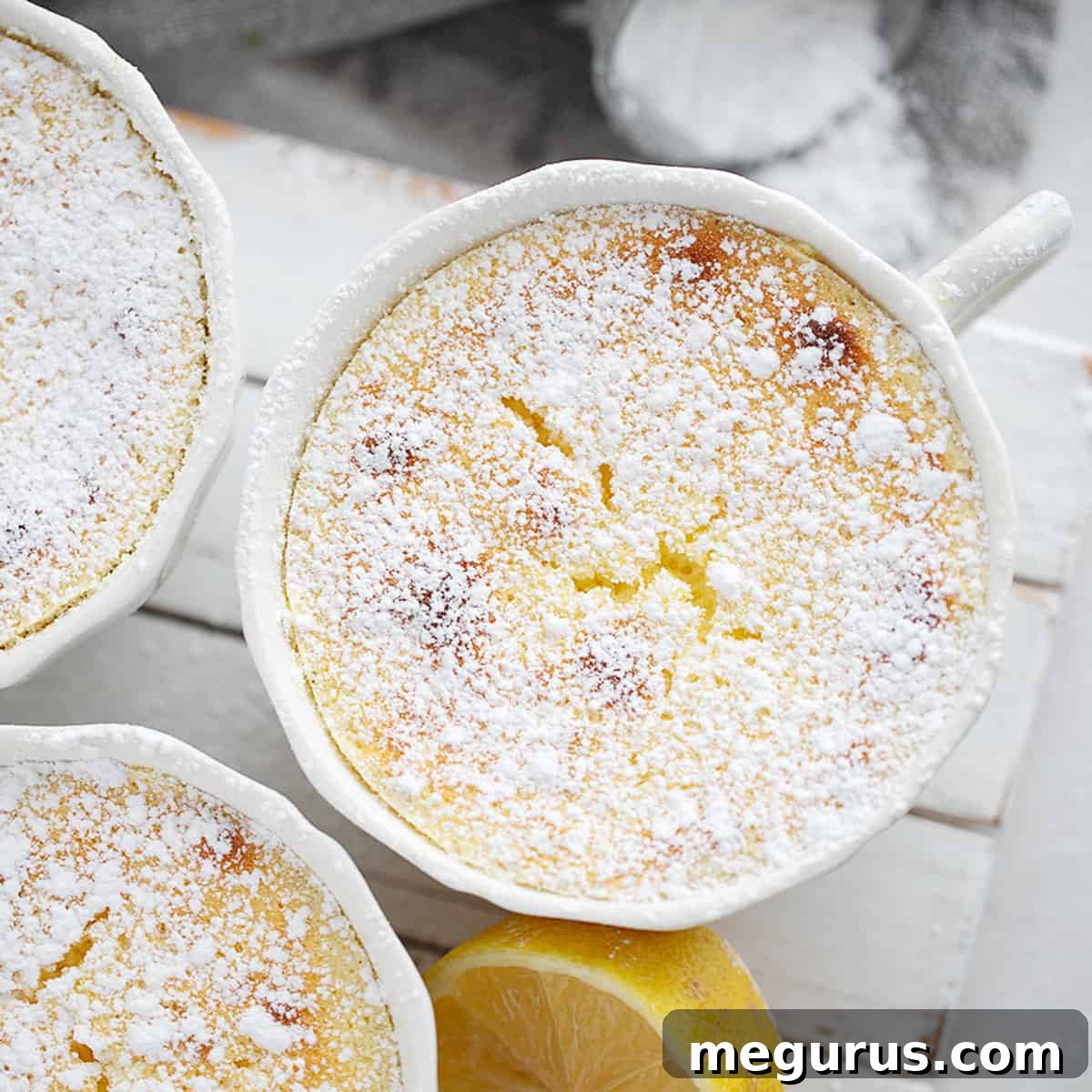
Magical Lemon Pudding Cakes: A Zesty Dessert with Two Delicious Layers
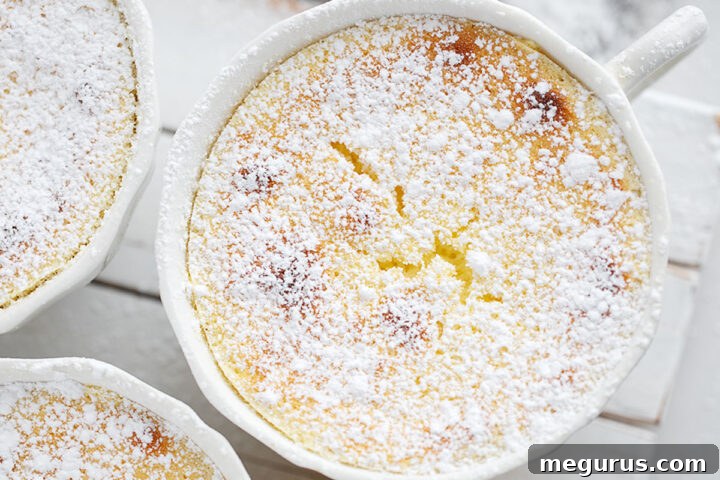
Discover the culinary magic of these delightful lemon pudding cakes, which effortlessly transform during baking into a luxurious, warm pudding layer at the bottom, crowned with a light-as-air, soufflé-like cake on top. Perfectly portioned for individual indulgence or baked as one impressive large pudding, this dessert promises an unforgettable citrus experience.
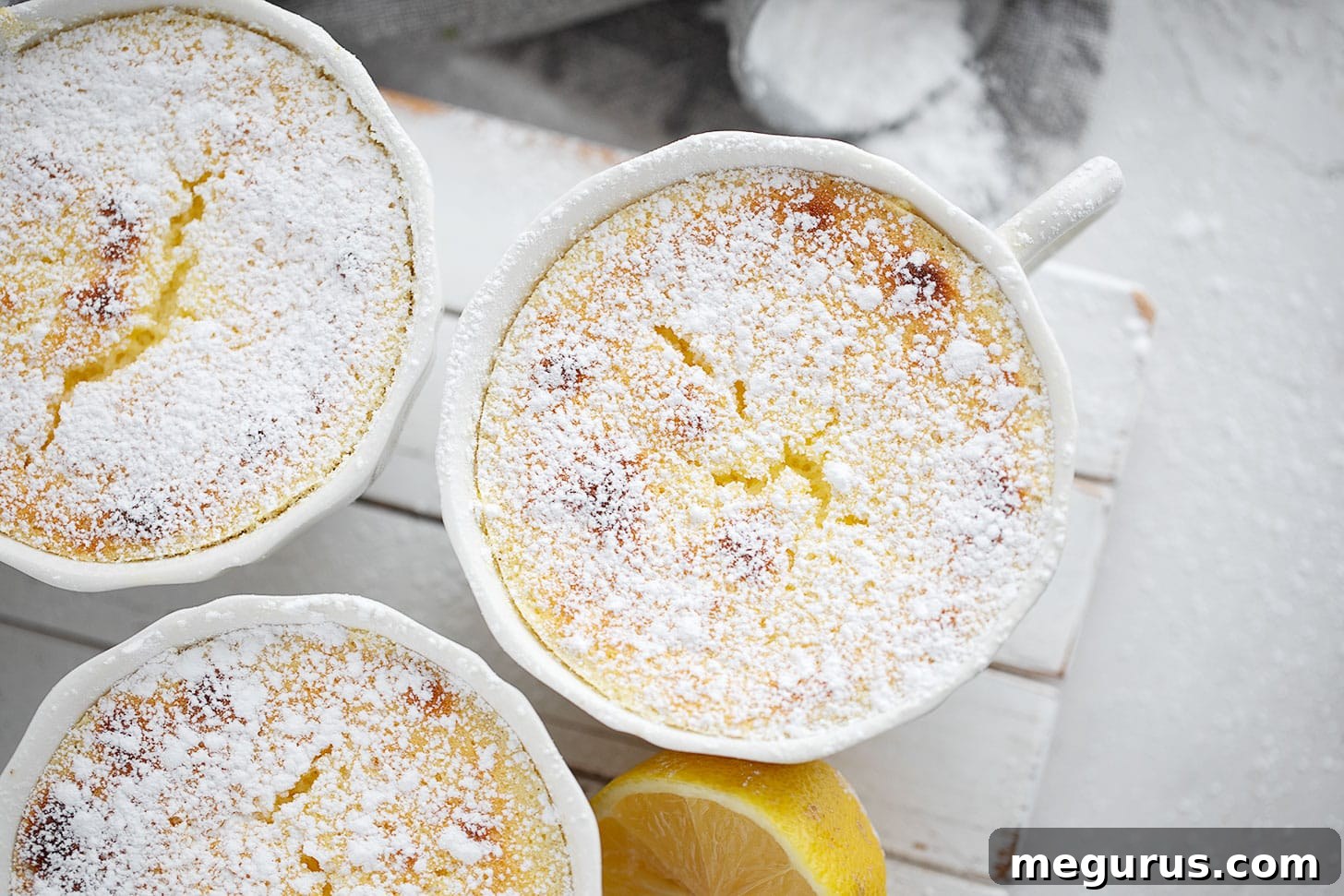
For those who cherish the bright, invigorating taste of lemon, these warm lemon pudding cakes are an absolute dream come true. They represent perhaps the most enchanting way to savor the vibrant essence of fresh lemons, offering a dessert that is both comforting and exquisitely refreshing. The preparation of these unique pudding cakes, while involving a few distinct steps, is incredibly rewarding and surprisingly simple for the impressive result it delivers.
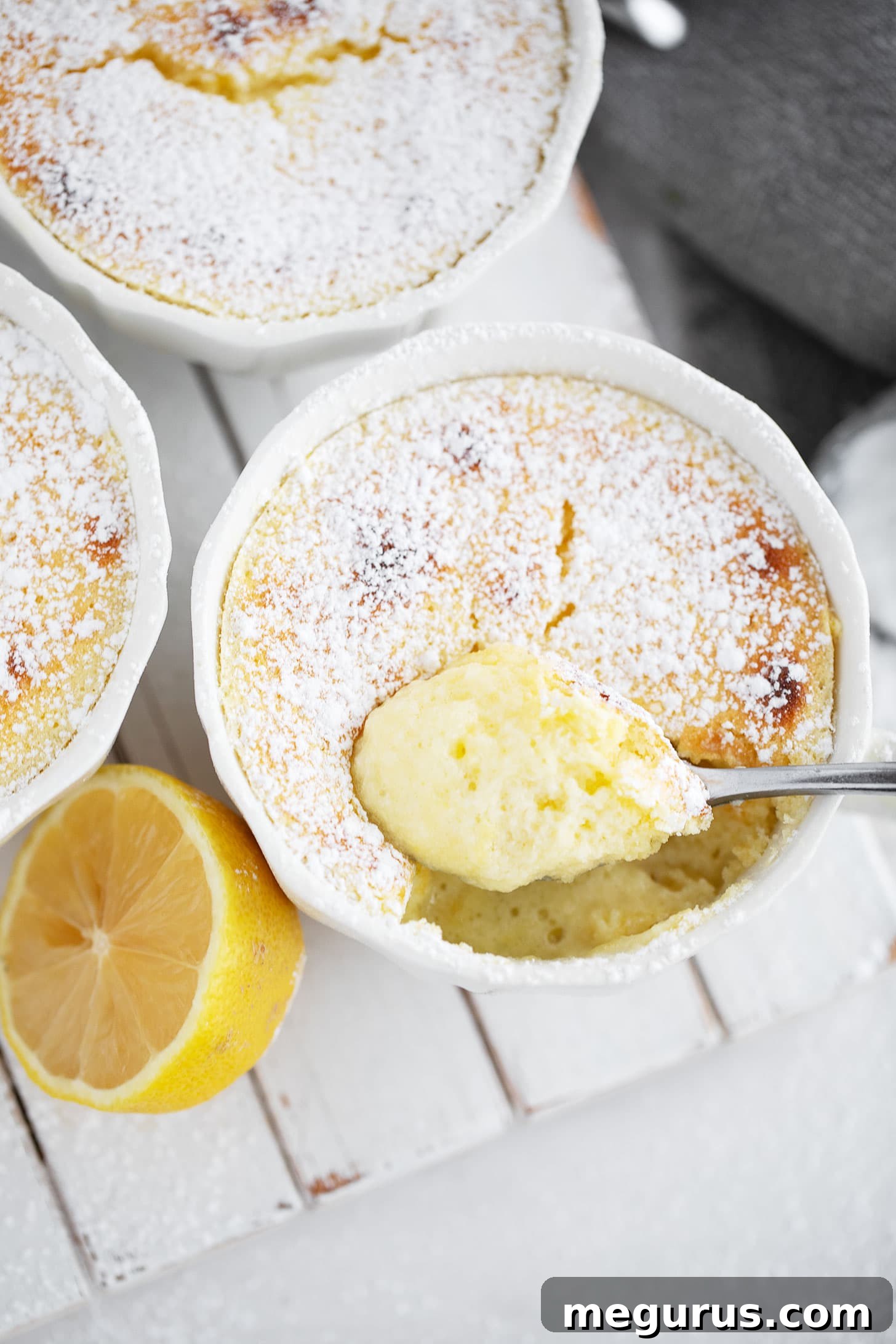
The culinary journey begins by crafting a rich, zesty lemon pudding base. This foundational layer is created using a harmonious blend of egg yolks, freshly squeezed lemon juice, fragrant lemon zest, and a touch of sugar. Concurrently, in a separate bowl, egg whites are whipped to fluffy perfection. The true artistry of this recipe unfolds as these two components are gently folded together. As the mixture bakes, a fascinating transformation occurs: the creamy, lemon-infused pudding sets beautifully at the base of your ramekins or baking dish, while the airy egg whites gracefully rise and bake into a delicate, soft meringue-like “cake” on top. It’s important to note that this top layer isn’t a traditional dense cake; rather, it possesses a wonderfully light, almost soufflé-like texture that melts in your mouth, providing a delightful contrast to the rich pudding below. We’ve included some invaluable tips on achieving this perfect dual texture later in the recipe guide!
If you’re seeking a dessert that is both light on the palate and perfectly balanced in sweetness, these lemon pudding cakes are an impeccable choice. Their fresh, bright flavor makes them an ideal conclusion to any special meal, providing a clean and invigorating finish without being overly heavy, even after a substantial dinner. Furthermore, this pudding boasts excellent make-ahead potential; it can be prepared a day in advance and stored in the refrigerator, covered with plastic wrap once cooled, without any loss of its magical texture or exquisite flavor. This convenience makes it a fantastic option for entertaining.
These versatile lemon pudding cakes can be enjoyed in various ways: served warm straight from the oven, at a pleasant room temperature, or chilled directly from the fridge for a refreshing treat. Each serving temperature offers a slightly different, yet equally delightful, experience of this extraordinary dessert.
Key Ingredients and Smart Substitutions for Perfect Lemon Pudding Cakes
To ensure your lemon pudding cakes are nothing short of spectacular, here are a few essential notes about the key ingredients and potential substitutions:
Lemons: The star of this dessert, fresh lemons are absolutely indispensable. Their vibrant zest and juice provide the signature bright and tangy flavor. You can opt for standard lemons, known for their classic tartness, or the slightly sweeter Meyer lemons, which offer a more subtle, aromatic citrus profile. If you choose Meyer lemons, you might consider using a tiny bit more lemon juice to achieve the desired zesty punch, as they are naturally less acidic.
Cream of Tartar: This ingredient plays a crucial role in stabilizing the whipped egg whites, helping them achieve maximum volume and a sturdy structure. While highly recommended for the best results, it is considered optional. If you don’t have cream of tartar on hand, you can certainly omit it; however, be mindful that your egg whites might require a little more attention during whipping to reach stiff peaks, and the top cake layer might be slightly less stable. Alternatively, a tiny pinch of salt or a few drops of white vinegar or lemon juice (acid) can also help stabilize egg whites.
Butter: Use unsalted butter at room temperature for optimal creaming with sugar, which forms the base of your pudding layer. If using salted butter, reduce the added salt in the recipe slightly.
Sugar: White granulated sugar provides sweetness and structure. It’s crucial to divide it as instructed for both the yolk mixture and the egg whites, as sugar aids in stabilizing the whipped whites.
Eggs: Fresh, large eggs are key. Separating them carefully is paramount, as even a speck of yolk can prevent egg whites from whipping properly. Room temperature egg whites whip to a higher volume.
All-Purpose Flour: Spooned and leveled, the flour provides just enough structure for the pudding layer without making it heavy. Do not pack the flour.
Milk: Whole milk is recommended for its richness, which contributes to the creamy texture of the pudding. You can use 2% milk, but avoid skim milk for the best results.
Vanilla Extract: A touch of vanilla enhances the overall flavor profile, adding a subtle warmth that beautifully complements the bright lemon.
How to Prepare Your Divine Lemon Pudding Cakes: A Visual Guide
Below is a visual summary designed to walk you through the key stages of creating this exceptional dessert. While these images offer a helpful overview, always refer to the comprehensive, step-by-step instructions provided in the full Recipe Card at the end of this article for complete details and best results.
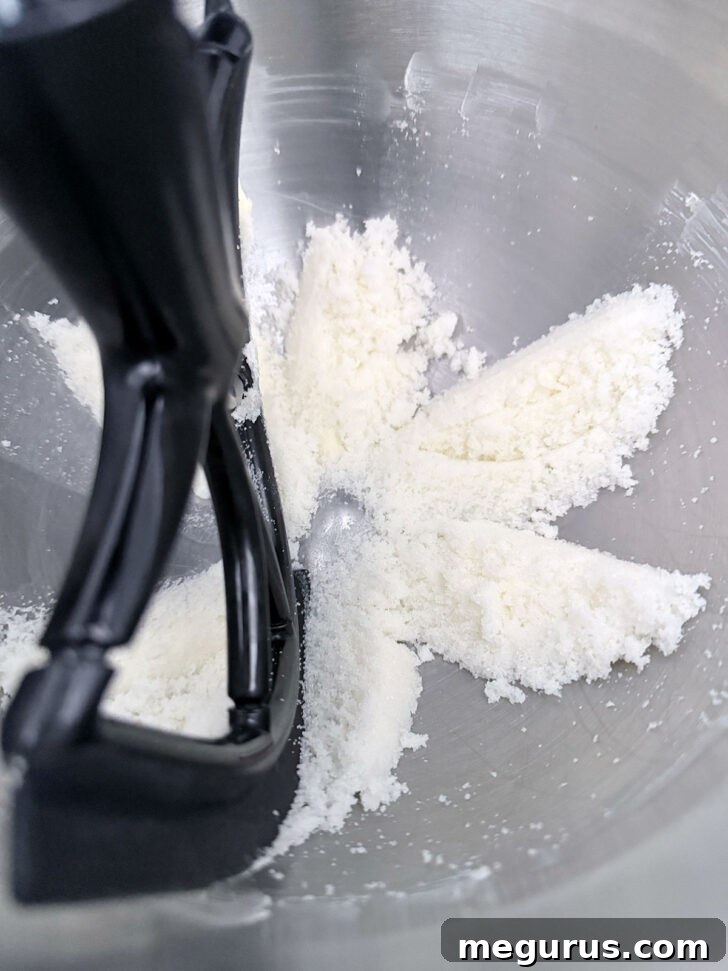
- **Cream Butter and Sugar:** Begin by setting aside 2 tablespoons of white sugar, which you’ll use later for the egg whites. In a large mixing bowl, or the bowl of your stand mixer, combine the remaining white sugar with the softened butter. Beat these two ingredients together thoroughly until the mixture becomes wonderfully sandy in texture and visibly lightened in color, indicating it’s well-creamed.
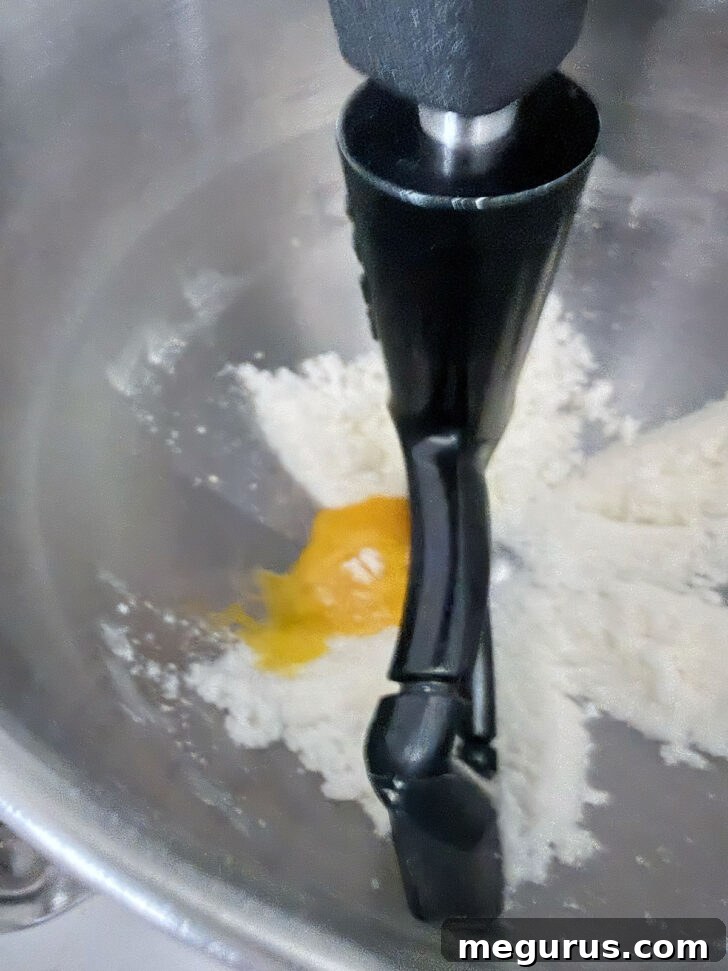
- **Incorporate Egg Yolks and Flavorings:** Next, gradually beat in the egg yolks, adding them one at a time. After each addition, ensure they are fully incorporated into the butter-sugar mixture. Once all yolks are in, stir in the vibrant lemon zest and fragrant vanilla extract, mixing until just combined.
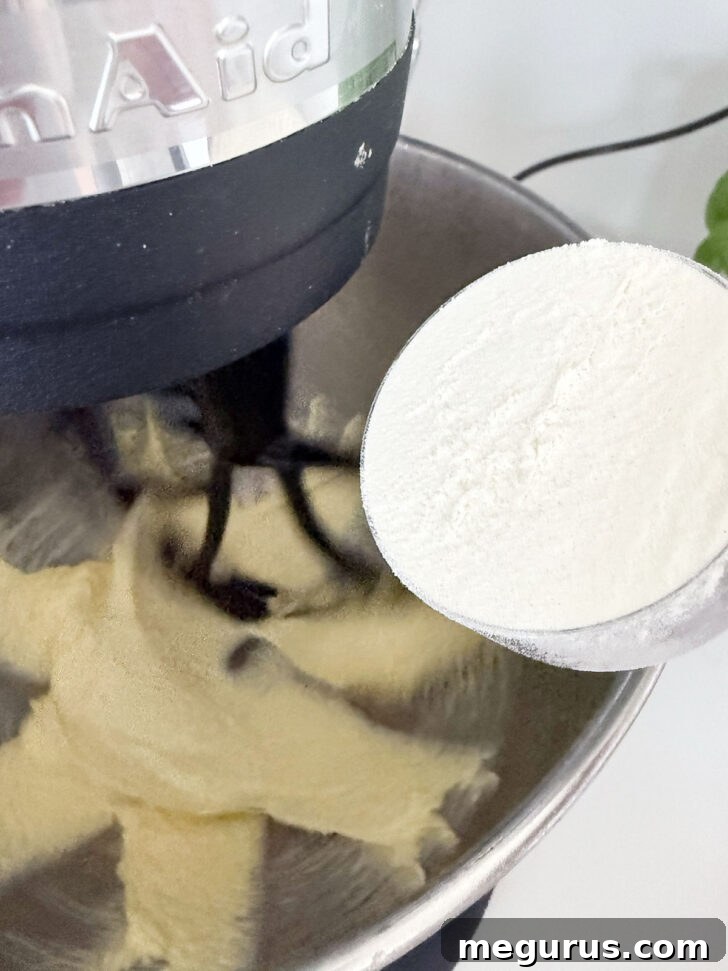
- **Add Dry Ingredients:** Gently fold in the all-purpose flour and salt. Mix on a low speed until the dry ingredients are fully incorporated into the wet mixture. Be careful not to overmix at this stage; just enough to combine is perfect.
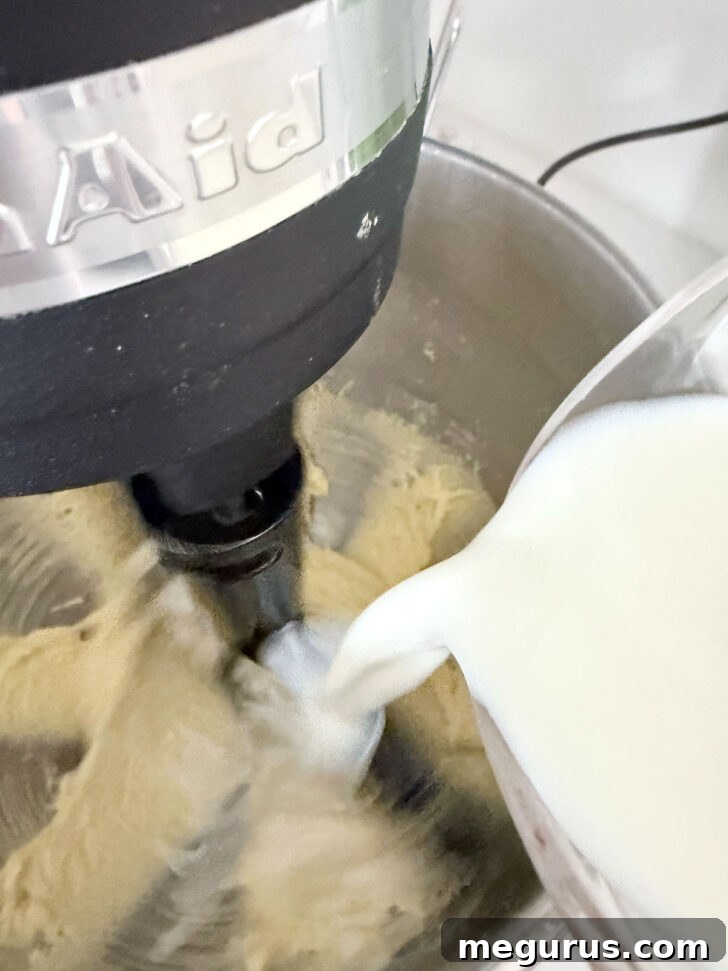
- **Incorporate Milk:** With the mixer running on its lowest speed, slowly pour in the milk. Mix until it is fully incorporated into the batter, ensuring a smooth consistency.
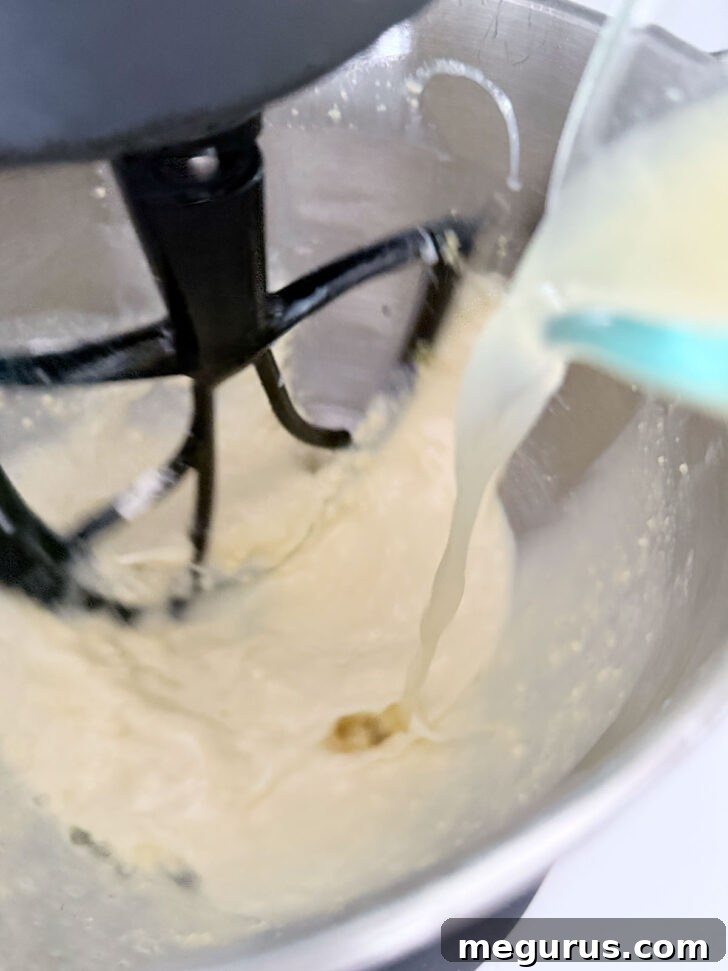
- **Add Lemon Juice:** Follow with the freshly squeezed lemon juice, again mixing on low speed until the liquid is fully absorbed and the batter is uniform.
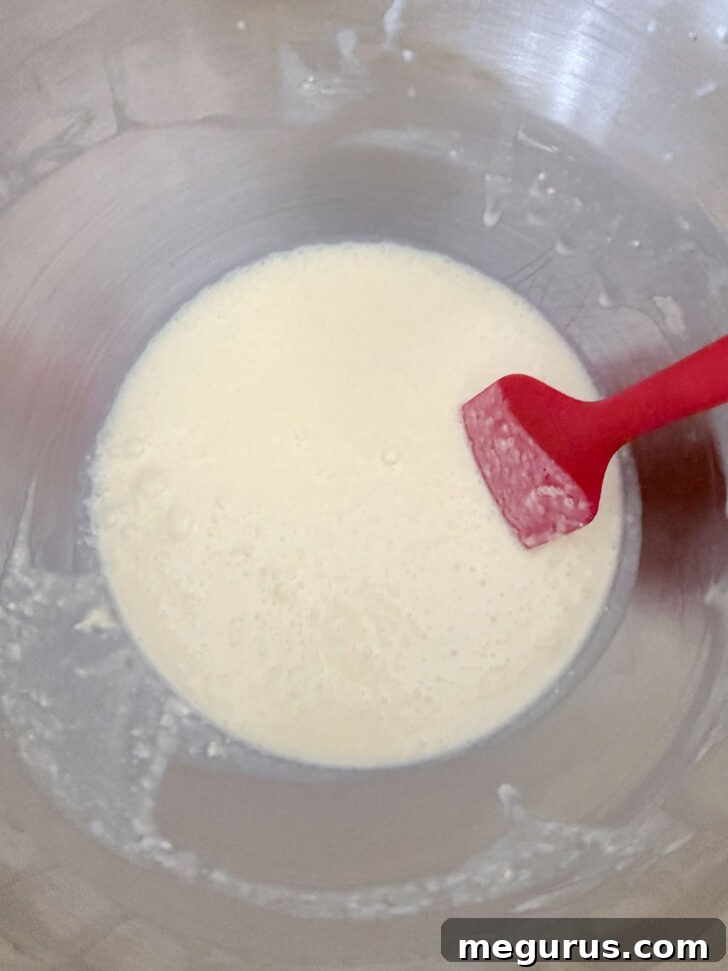
- **Achieve Smooth Batter:** The resulting batter should be noticeably smooth and quite thin. This consistency is crucial for the magical separation into two layers during baking. Once achieved, set this lemon base aside.
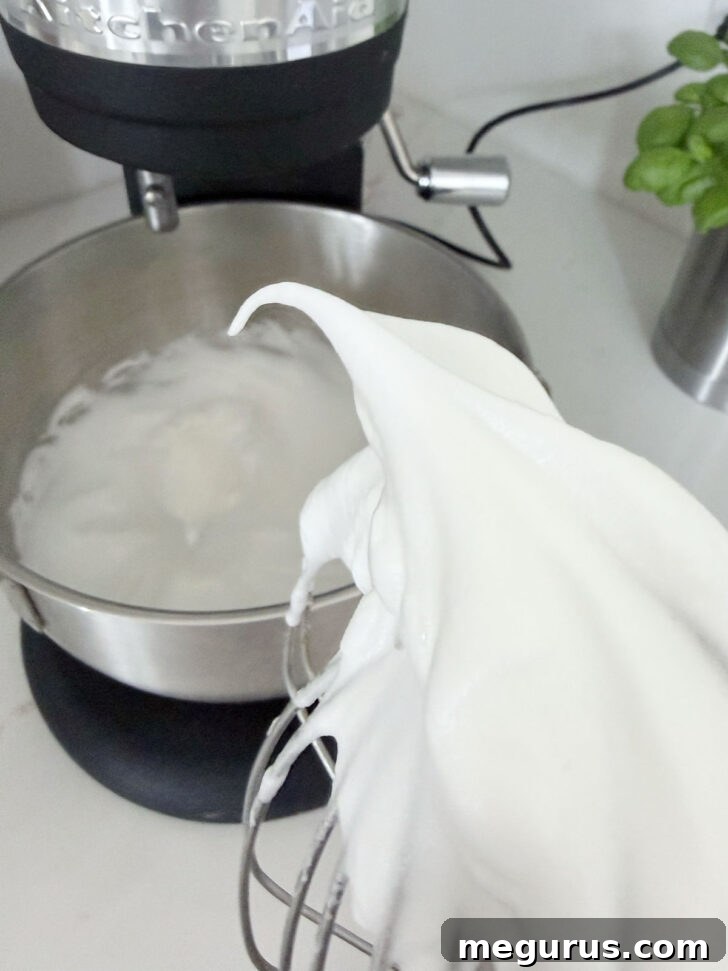
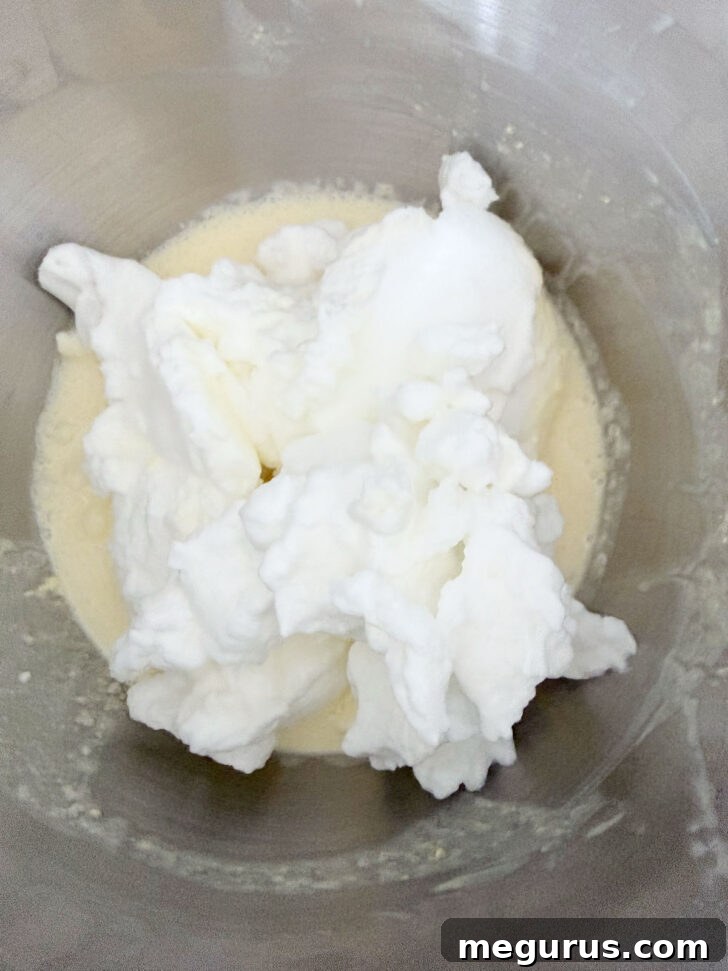
- **Whip Egg Whites to Stiff Peaks:** In a separate, impeccably clean bowl, beat the egg whites. Start on low speed until frothy, then gradually increase speed. Add the cream of tartar (if using) and continue beating until soft peaks form. Slowly sprinkle in the reserved 2 tablespoons of white sugar and continue beating until magnificent, stiff, glossy peaks are achieved. The whites should hold their shape firmly.
- **Gently Fold Egg Whites into Batter:** This step requires a delicate touch. Spoon the whipped egg whites over the thin lemon batter. Using a rubber spatula, gently fold the egg whites into the batter. The goal is to incorporate them without deflating the air you’ve worked so hard to whip in. Continue folding until no large streaks of white remain, and the mixture appears uniform in color and texture.
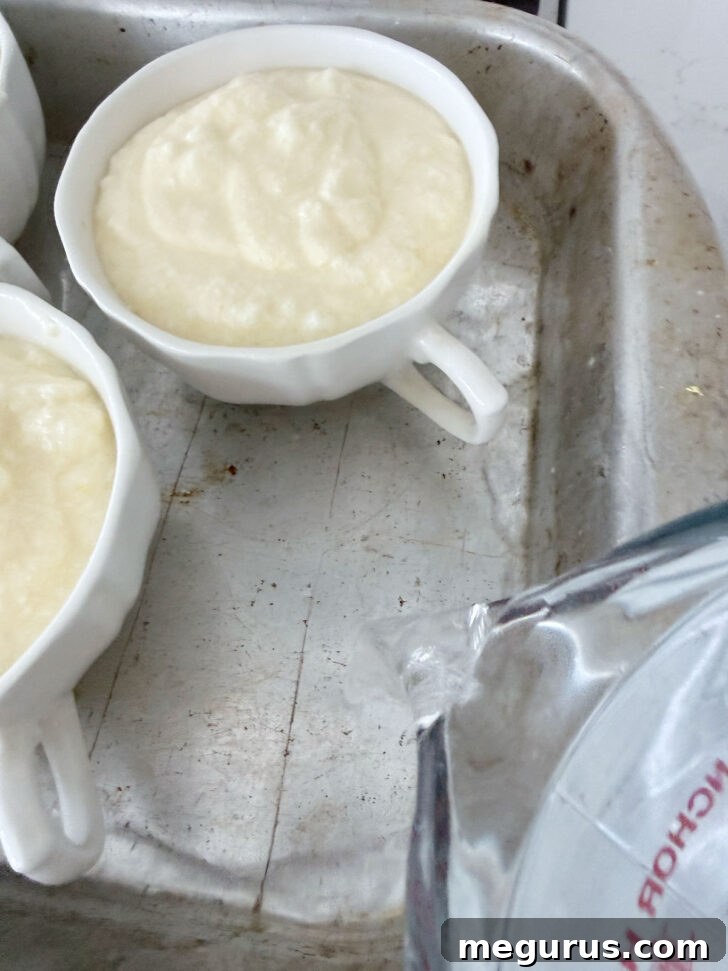
- **Prepare for Baking:** Carefully spoon the combined mixture into your prepared ramekins or chosen baking dish. Fill them almost to the top, as these puddings don’t rise significantly. Place these baking vessels into a high-sided roasting pan. Then, very carefully, pour hot water into the roasting pan until it reaches approximately halfway up the sides of your individual baking dishes. This water bath (bain-marie) is essential for gentle, even baking, promoting the distinct two-layer formation and preventing the pudding from curdling. Bake as directed in the recipe card.
Essential Recipe Tips for Flawless Lemon Pudding Cakes
To ensure your lemon pudding cakes turn out perfectly every time, keep these valuable tips in mind:
- **Careful Egg Separation:** This cannot be stressed enough! Even the smallest speck of egg yolk introduced into your egg whites will prevent them from whipping up properly. Separate eggs over a separate small bowl first, then transfer the clean white to your main mixing bowl, one at a time, to avoid contaminating the whole batch.
- **Temperature Matters:** Eggs are easiest to separate when they are cold, as the yolk is firmer and less likely to break. However, egg whites achieve the best volume and whip most effectively when they are at room temperature. For optimal results, separate your eggs when cold, then allow the whites to sit out on the counter for 20-30 minutes before you begin whipping them.
- **Immaculately Clean Bowls:** When whipping egg whites, absolute cleanliness is paramount. Any residue of grease, oil, or even water in your mixing bowl or on your beaters will inhibit the egg whites from whipping to their full potential. If you’re using the same bowl for both the cake batter and the egg whites, make sure to wash it thoroughly with hot, soapy water and dry it completely between uses. A neat trick is to wipe the inside of the bowl with a little white vinegar or lemon juice; the acid helps cut any invisible grease and ensures a perfect, squeaky-clean surface.
- **Choose Your Baking Vessel Wisely:** Using 1-cup ramekins is ideal for yielding 6 individual servings, offering a beautiful presentation. However, feel free to use larger ramekins, oven-safe cups, or even one single large baking dish. Adjust baking time accordingly for larger dishes – it will take longer.
- **Fill Ramekins Generously:** Unlike traditional cakes that rely on significant leavening, these puddings do not rise much. Don’t be shy about filling your ramekins almost to the top. This ensures a substantial and satisfying serving with both the pudding and soufflé layers.
- **Monitor Browning:** It’s always a good idea to check on your baking puddings a bit earlier than the specified time. If you notice the tops of your puddings browning too quickly before the center is set, you can loosely tent a sheet of aluminum foil over the roasting pan. This will help prevent further browning and allow the puddings to finish baking evenly.
- **Oven-Safe Cookware is Non-Negotiable:** Always use cups, ramekins, or baking dishes that are explicitly marked as oven-safe. Using non-oven-safe containers in a hot oven, especially in a water bath, can lead to breakage and a significant mess, which is certainly something we want to avoid!
- **Don’t Overbake:** The top cake layer should be golden brown and a tester inserted into it should come out clean. Be careful not to push the tester all the way down into the pudding layer, which will remain moist and pudding-like. Overbaking can dry out the delicate cake top.
Mastering the Art of Whipping Egg Whites
Whipping egg whites to perfection is a foundational skill for many delicate desserts, including these lemon pudding cakes. Follow these steps for consistently excellent results:
- **Start with a Spotless Bowl:** As mentioned, any trace of fat or moisture will sabotage your efforts. Begin with a mixing bowl (preferably metal or glass) and whisk attachment that are impeccably clean and completely dry. Wiping the inside of the bowl with a dash of white vinegar or lemon juice and then drying it can ensure it’s perfectly prepared.
- **Room Temperature is Best:** While cold eggs are easier to separate, room-temperature egg whites whip up with greater volume and stability. Allow your separated egg whites to sit at room temperature for at least 20-30 minutes before you begin.
- **Initial Foaming:** If using a stand mixer, attach the whisk attachment. Start mixing the egg whites on a low speed (typically Speed 4 on a KitchenAid mixer). Mix until the whites become very frothy and bubbly, resembling a luxurious bubble bath. This gentle start helps break down the protein structure evenly.
- **Soft Peaks Formation:** Increase the mixer speed to medium (around Speed 6 on a KitchenAid). Continue mixing until soft peaks form. To test for soft peaks, briefly stop the mixer, lift the whisk or beaters, and turn them upside down. Soft peaks will form but will gently droop or curl over at the tip. This is typically the stage when sugar is gradually added to the egg whites. Add the reserved sugar slowly, a tablespoon at a time, with the mixer still running, allowing it to dissolve properly.
- **Achieving Stiff, Glossy Peaks:** After adding the sugar, increase the mixer speed slightly (Speed 7 or 8) and continue beating. Test regularly. When you lift the beater and turn it upside down, the peaks should stand upright and firm without any drooping. They should also appear glossy and smooth. A fun, albeit risky, test for stiff peaks is to hold the bowl of whipped egg whites over your head – if they are truly stiff, they won’t budge!
The Gentle Art of Folding in Egg Whites
Once you’ve perfected your whipped egg whites, the next crucial step is incorporating them into your batter without sacrificing their precious volume and lightness. This delicate process is known as “folding,” and it involves careful technique to ensure the air you’ve whipped in contributes to the soufflé-like texture of your cake layer.
- **Preserve Lightness:** The primary goal of folding is to integrate the airy egg whites with the denser batter without deflating them. Remember, the batter is considerably heavier than the whipped whites, so this must be done slowly and lightly to maintain the desired aeration.
- **Master the Technique:** After gently spooning the whipped egg whites over your lemon batter, use a wide rubber spatula (or a balloon whisk for a lighter touch). Employ the following classic folding motion:
- **Slice Through:** Using the edge of your spatula like a blade, gently slice down through the center of the mixture, starting from the 12 o’clock position of the bowl and moving towards the 6 o’clock position.
- **Lift and Turn:** Once you reach the bottom of the bowl at the 6 o’clock position, twist the spatula blade at an angle. Use it to gently scoop and lift some of the heavier batter from the bottom of the bowl up and over the egg whites on top.
- **Rotate and Repeat:** Rotate the bowl slightly (about a quarter turn) and repeat this slicing, lifting, and turning motion. Continue this gentle process, rotating the bowl and folding, until the egg whites are evenly combined with the batter. You should see very few, if any, large streaks of white, but avoid overmixing, as this will deflate the whites and result in a denser cake layer. The mixture should retain a noticeable airy quality.
Get the Recipe: Lemon Pudding Cake
Pin This
Leave a Review
Ingredients
- 2 Tablespoons butter, at room temperature
- 1 cup white sugar, DIVIDED
- 3 large eggs, separated
- 1 teaspoon vanilla extract
- 1 Tablespoon lemon zest
- 1/3 cup all-purpose flour, spooned and leveled
- 1/4 teaspoon salt
- 1 cup milk, whole milk recommended
- 1/3 cup freshly squeezed lemon juice, from 3 or 4 fresh lemons
- 1/8 teaspoon cream of tartar, optional, but recommended for stability
For serving:
- 2 Tablespoons icing/confectioners sugar, for garnish
Instructions
-
**Prepare Your Oven and Dishes:** Preheat your oven to 325°F (160°C) using the regular bake setting (not convection/fan-assisted), with an oven rack positioned in the center. Lightly butter your chosen baking dishes: either one 1.5-quart (about 1.4 liters) baking dish or 4-6 individual small ramekins (1-cup capacity ramekins typically yield 6 puddings). Place the prepared dish(es) inside a high-sided roasting pan. Bring 8-10 cups of water to a gentle simmer in a kettle or saucepan; this hot water will be used for the water bath. Carefully separate your eggs, ensuring no yolk contaminates the whites, and have them ready.
-
**Create the Lemon Batter Base:** Set aside 2 tablespoons of the white sugar for later use with the egg whites. Add the remaining sugar to a large mixing bowl or the bowl of a stand mixer. Add the room temperature butter and beat with an electric mixer (or stand mixer) on medium speed until the mixture is visibly lightened in color and takes on a grainy, fluffy texture. Beat in the egg yolks one at a time, ensuring each is fully incorporated before adding the next. Stir in the vanilla extract and lemon zest. Finally, add the all-purpose flour and salt, mixing on low speed until just combined. With the mixer still on low, gradually pour in the milk and lemon juice, mixing until the batter is smooth and uniformly thin. If using a stand mixer, transfer this batter to a large bowl and thoroughly wash your mixer bowl and whisk attachment – it must be squeaky clean for whipping egg whites!
-
**Whip the Egg Whites:** In your impeccably clean mixing bowl, beat the egg whites until they become frothy. Add the cream of tartar (if using) and continue beating until soft peaks form. Gradually sprinkle in the reserved 2 tablespoons of white sugar, continuing to beat until magnificent, stiff, and glossy peaks are achieved. The egg whites should hold their shape firmly when the whisk is lifted.
-
**Gently Fold the Whites into the Batter:** Spoon the whipped egg whites on top of the prepared lemon egg yolk mixture. Using a rubber spatula, carefully fold the egg whites into the batter. This involves slicing the spatula down through the center, then lifting the heavier batter from the bottom up and over the whites, rotating the bowl as you go. Continue this gentle motion until the mixture is uniform in color and texture, with no large streaks of white remaining. Be careful not to overmix, as this will deflate the airy whites.
-
**Bake in a Water Bath:** Pour or ladle your combined batter into the prepared dish or dishes, filling them quite full, as the puddings do not rise significantly. Place the filled dishes back into the roasting pan. Carefully pour the simmering hot water into the roasting pan, ensuring it comes about halfway up the sides of your baking dish(es). Gently transfer the roasting pan (with the water bath and puddings) into your preheated 325°F oven. Bake for approximately 40-45 minutes for individual ramekins, or longer (50-60+ minutes) for one large pudding. The puddings are ready when the tops are beautifully golden brown and a tester inserted into the top cake portion comes out clean (be careful not to push it down into the moist pudding layer below).
-
**Cool and Serve:** Carefully remove the roasting pan from the oven and transfer the baking dish(es) to a wire cooling rack. Allow them to cool for at least 10 minutes before dusting generously with icing (confectioners’) sugar. Serve warm for the ultimate comforting experience, or let them cool completely and serve at room temperature. These puddings are also fantastic chilled directly from the refrigerator, offering a different, refreshing delight!
Notes
– **Egg Separation:** Always separate your eggs with extreme care. Even a tiny amount of yolk can prevent egg whites from whipping up properly. Use a clean third bowl to separate each egg before adding the white to your main whipping bowl.
– **Egg Temperature:** Eggs separate most easily when cold. However, for maximum volume, egg whites whip best when at room temperature. Separate eggs when cold, then let the whites sit for 20-30 minutes before beating.
– **Cleanliness of Equipment:** If you reuse a bowl for both batter and egg whites, wash it meticulously to remove any grease or oil residue, which will prevent egg whites from whipping. Wiping the bowl with a little white vinegar helps ensure it’s spotless.
– **Ramekin Size:** Using 1-cup ramekins will typically yield 6 perfect individual puddings. You can adjust to larger ramekins or one large baking dish; just be prepared to adjust baking times.
– **Filling Level:** These puddings don’t rise significantly, so you can fill your ramekins or baking dish quite full to ensure a good balance of both layers.
– **Preventing Over-Browning:** Keep an eye on the puddings as they bake. If the tops start to brown too quickly, loosely place a sheet of aluminum foil over the roasting pan to prevent further browning while they finish cooking through.
– **Oven-Safe Dishes Only:** Always use bakeware explicitly marked as oven-safe to prevent accidents in the oven, especially when using a water bath.
– **Additional Guidance:** For more in-depth advice, refer to the detailed sections above this Recipe Card on “How to whip egg whites” and “How to fold in egg whites” for extra confidence in mastering these techniques.
Recipe adapted from a beloved classic in the Joy of Cooking cookbook.