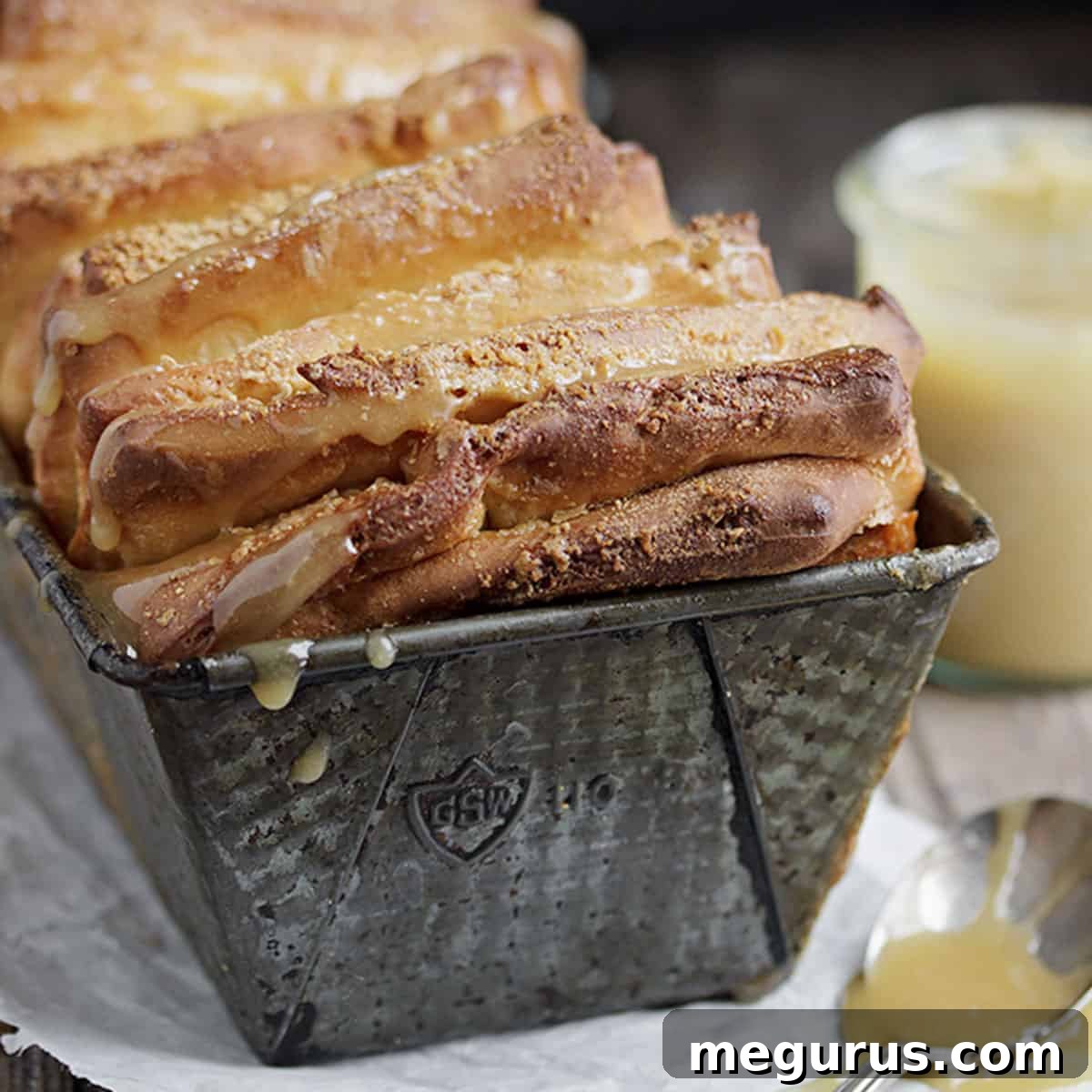
Indulge in a truly extraordinary treat: a warm, fragrant maple pull-apart bread, generously filled with smooth, rich homemade maple butter. Don’t let the “homemade” part intimidate you – crafting this exquisite maple butter is surprisingly simple and incredibly rewarding, transforming ordinary bread into a gourmet experience that captures the very essence of spring.
The Irresistible Charm of Maple Pull-Apart Bread
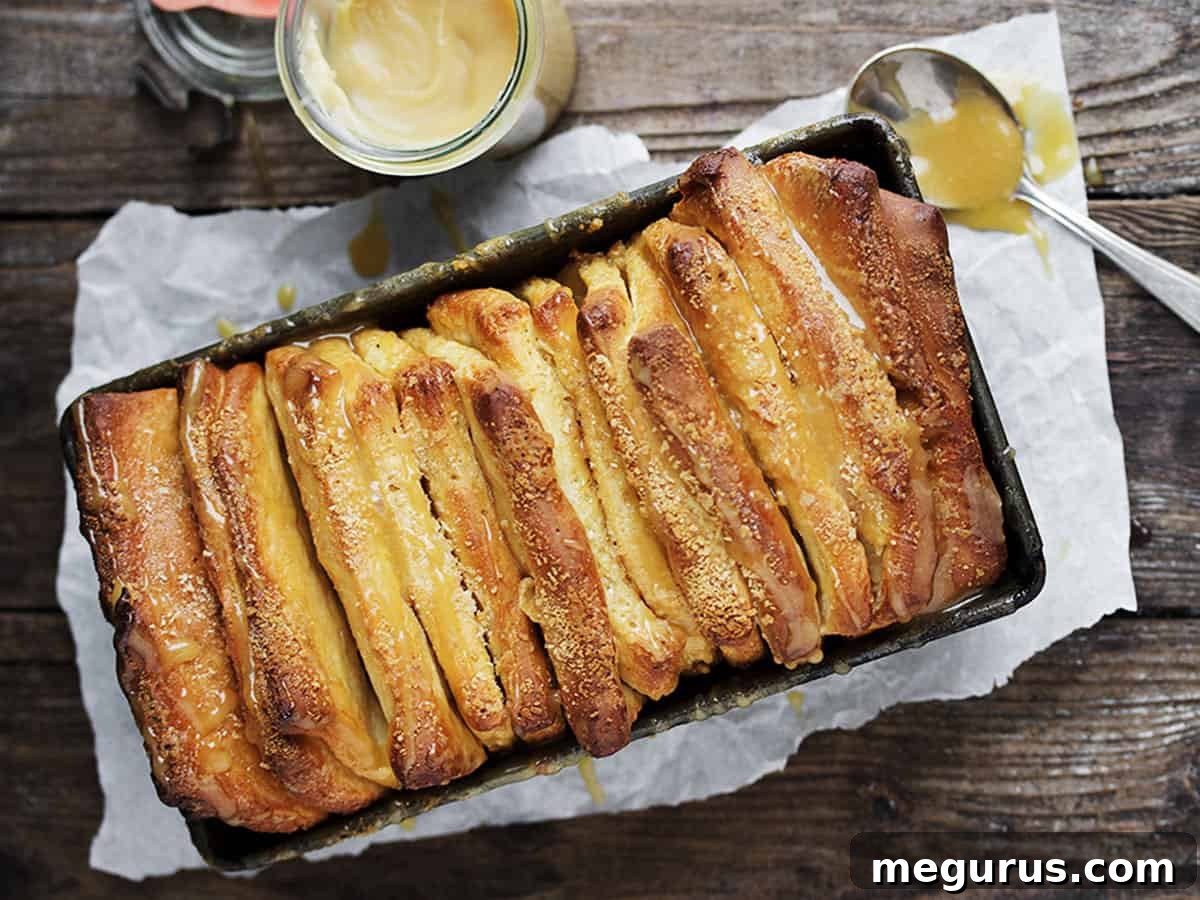
As the crisp air of spring gives way to warmer days, and maple syrup producers celebrate their annual harvest, there’s nothing quite like harnessing the natural sweetness of maple into comforting bakes. One of my absolute favorite traditions during this season is to craft a batch of fresh maple butter. Its delicate, creamy texture and distinct maple flavor are unparalleled, and it’s the undisputed star ingredient in this spectacular pull-apart bread.
This recipe transforms a simple yeast dough into a masterpiece of layered, maple-infused goodness. Imagine soft, fluffy bread segments, each lovingly coated with a generous spread of velvety maple butter, then dusted with a hint of maple sugar (or regular sugar) before baking. The aroma alone is enough to transport you to a cozy maple sugar bush. Once baked to golden perfection, a final drizzle of warmed maple butter elevates this bread to divine status. Served warm, perhaps with a cup of coffee or tea, it’s not just a dish; it’s a celebration of nature’s bounty and a perfect way to usher in the sweetness of spring, making it an ideal choice for breakfast, brunch, or a delightful dessert.
Why You’ll Fall in Love with This Maple Pull-Apart Bread
This isn’t just any bread; it’s an experience that awakens the senses and brings pure joy. Here’s why this maple pull-apart bread is destined to become a cherished recipe in your kitchen:
- Unforgettable Maple Flavor: The authentic, deep, and nuanced sweetness of real maple syrup permeates every single layer, creating a comforting and sophisticated taste profile that artificial maple flavorings can’t match.
- Delightfully Tender Texture: The pull-apart format isn’t just fun; it ensures each segment of bread is incredibly soft, tender, and moist. It’s wonderfully chewy on the inside with a subtle, golden-brown crust on the outside, making every bite a delight.
- Impressive Yet Approachable: While this bread looks incredibly impressive, as if it came straight from a gourmet bakery, the process for making it is surprisingly straightforward. Especially with our easy homemade maple butter recipe, you’ll find yourself effortlessly creating a show-stopping treat.
- Versatile for Any Occasion: This sweet yeast bread is wonderfully versatile. It’s perfect for a special breakfast or brunch gathering, a comforting afternoon snack alongside your favorite hot beverage, or even as a unique and memorable dessert to cap off a meal. It’s a crowd-pleaser that suits any occasion.
- Aromatic Bliss: As this maple pull-apart bread bakes, the intoxicating scent of warm maple and freshly baked bread will waft through your home, creating an inviting and cozy atmosphere that is simply irresistible. It’s an experience in itself, even before the first bite.
Key Ingredients and Essential Substitutions for Your Sweet Success
Crafting the perfect maple pull-apart bread starts with understanding your ingredients and how each contributes to the final masterpiece. Here’s a closer look at what you’ll need and how to handle potential substitutions to ensure your baking journey is a smooth one.
Maple Butter: The Heart and Soul of the Filling
The true star and flavor powerhouse of this bread is undoubtedly the maple butter. While you can certainly purchase pre-made maple butter from specialty stores, crafting it at home is incredibly simple, economical, and yields a fresher, more vibrant flavor that truly shines. Our dedicated easy recipe for Homemade Maple Butter requires just two ingredients: pure maple syrup and a touch of unsalted butter. These are whipped to creamy perfection, creating a luxurious spread that melts beautifully into the layers of your bread. It’s not just a game-changer for this recipe; it’s also fantastic on toast, pancakes, waffles, or even as a unique drizzle over warm desserts.
Substitution Tip for Maple Butter: If genuine maple butter is unavailable or you’re short on time, you can still achieve a delicious result. An alternative filling involves spreading the rolled-out dough with softened unsalted butter, then generously sprinkling it with pure maple sugar. Maple sugar, though sometimes harder to find than maple syrup, offers an intense, concentrated maple flavor. If maple sugar is also elusive, a mixture of light brown sugar, a hint of cinnamon, and a small amount of maple extract (if available) mixed with softened butter could serve as a last-resort substitute, though it won’t fully replicate the unique creaminess of true maple butter. Remember, any ingredient that brings the glorious taste of maple is bound to make this bread a hit!
Yeast: The Essential Ingredient for a Fluffy Rise
For this delightful pull-apart bread, you have flexibility with your choice of yeast. Both Active Dry Yeast and Instant Yeast will yield excellent results, providing the necessary lift for a light and airy texture. The most crucial aspect is ensuring your yeast is fresh and active – always check the expiration date on your yeast packaging for optimal rise and flavor development.
- Active Dry Yeast: This type of yeast typically requires “proofing” or activating first. You’ll dissolve it in a small amount of warm liquid (like the milk specified in the recipe) with a pinch of sugar for 5-10 minutes. It should become foamy, indicating it’s alive and ready to work.
- Instant Yeast: As its name suggests, instant yeast is designed to be mixed directly with your dry ingredients, saving you the proofing step. Its smaller granules dissolve more quickly, and it’s generally more robust.
Flour: The Foundation of Your Dough
All-purpose flour is the ideal choice for this recipe. It provides the perfect balance of gluten content, which is necessary to create a tender yet structured crumb that can withstand the layering process and still remain soft and chewy. When measuring your flour, always remember to spoon and level it into your measuring cup rather than scooping directly from the bag. Scooping can compact the flour, leading to an excess amount that results in a dense, dry, and potentially tough bread. Accuracy in flour measurement is key to a light, airy dough.
Milk, Maple Syrup & Butter: Enriching the Dough with Flavor and Moisture
Each of these liquid ingredients plays a vital role in the dough’s texture and taste:
- Whole Milk: Whole milk adds essential richness and moisture to the dough, contributing to its soft crumb. It also helps activate the yeast. It should be warmed to a lukewarm temperature, ideally between 105-115°F (40-46°C). This temperature is warm enough to activate the yeast effectively but not so hot that it kills the yeast, which would prevent your dough from rising.
- Maple Syrup: Beyond just sweetening the dough, the addition of maple syrup directly into the dough infuses it with a subtle yet distinct maple note throughout, complementing the maple butter filling beautifully.
- Melted Unsalted Butter: Unsalted butter enriches the dough, making it more tender and flavorful. It’s important to melt the butter and then allow it to cool slightly before adding it to the milk mixture. Adding hot butter could scorch the yeast or prematurely cook the egg, negatively impacting your dough.
Egg: For Structure, Color, and Richness
A single large egg is incorporated into the dough for several crucial reasons. It acts as a binding agent, helping to hold the dough together and providing structure. Furthermore, the egg adds richness to the dough, enhancing its flavor and contributing to the beautiful, golden-brown crust that develops during baking. For optimal incorporation into your dough, it’s best to use an egg that is at room temperature.
Essential Recipe Tips for Baking Perfection and Effortless Clean-Up
Even seasoned bakers can encounter unexpected challenges. These crucial tips will ensure your maple pull-apart bread bakes beautifully, delivers on flavor, and saves you from any unnecessary kitchen messes.
- The Foil-Lined Baking Sheet is Your Absolute Best Friend: This tip cannot be overstated! This delightful bread, with its generous and delicious maple butter filling, has a tendency to bubble up and over the sides of the loaf pan as it bakes. This can lead to a sticky, burnt sugar mess on the bottom of your oven – a tragedy I’ve personally experienced, leaving behind a not-so-pleasant aroma! To prevent this clean-up nightmare, always, without exception, place your loaf pan on a foil-lined baking sheet. This simple, preventative step will save you considerable scrubbing effort and ensure the only warm maple scent in your kitchen is from the perfectly baked bread itself.
- Patience is Key for the Rise: Yeast doughs are living entities that thrive on time and a warm environment. Do not rush the rising process. Allow the dough to rise fully in a warm, draft-free place until it has visibly doubled in size. This proper first rise (bulk fermentation) is crucial for developing flavor and ensuring a light, airy, and tender final texture. An under-risen dough will result in a dense, heavy bread.
- Handle the Dough Gently: Once your dough has completed its first rise, resist the urge to vigorously punch it down or overwork it. Gently deflate the dough to release the accumulated gases. Excessive handling at this stage can develop too much gluten, which can make your baked bread tough rather than tender.
- Optimal Maple Butter Consistency for Spreading: When it’s time to spread the maple butter onto your rolled-out dough, its consistency is important. You want it warm enough to spread easily and evenly, but crucially, not so warm that it’s completely liquid and runny. A quick 5-second burst in the microwave is usually sufficient to achieve the perfect spreadable texture. If it becomes too thin, simply allow it to cool for a moment or two until it firms up slightly. This prevents the filling from running out during assembly and creating a sticky situation.
- Verify Doneness with an Internal Temperature Check: While visual cues are helpful, the most accurate way to ensure your bread is perfectly baked through (and not raw in the center) is to use a digital instant-read thermometer. Insert the thermometer into the center of the bread; for perfectly baked yeast bread, it should register at least 195°F (90°C). This small investment will dramatically improve your baking consistency and confidence.
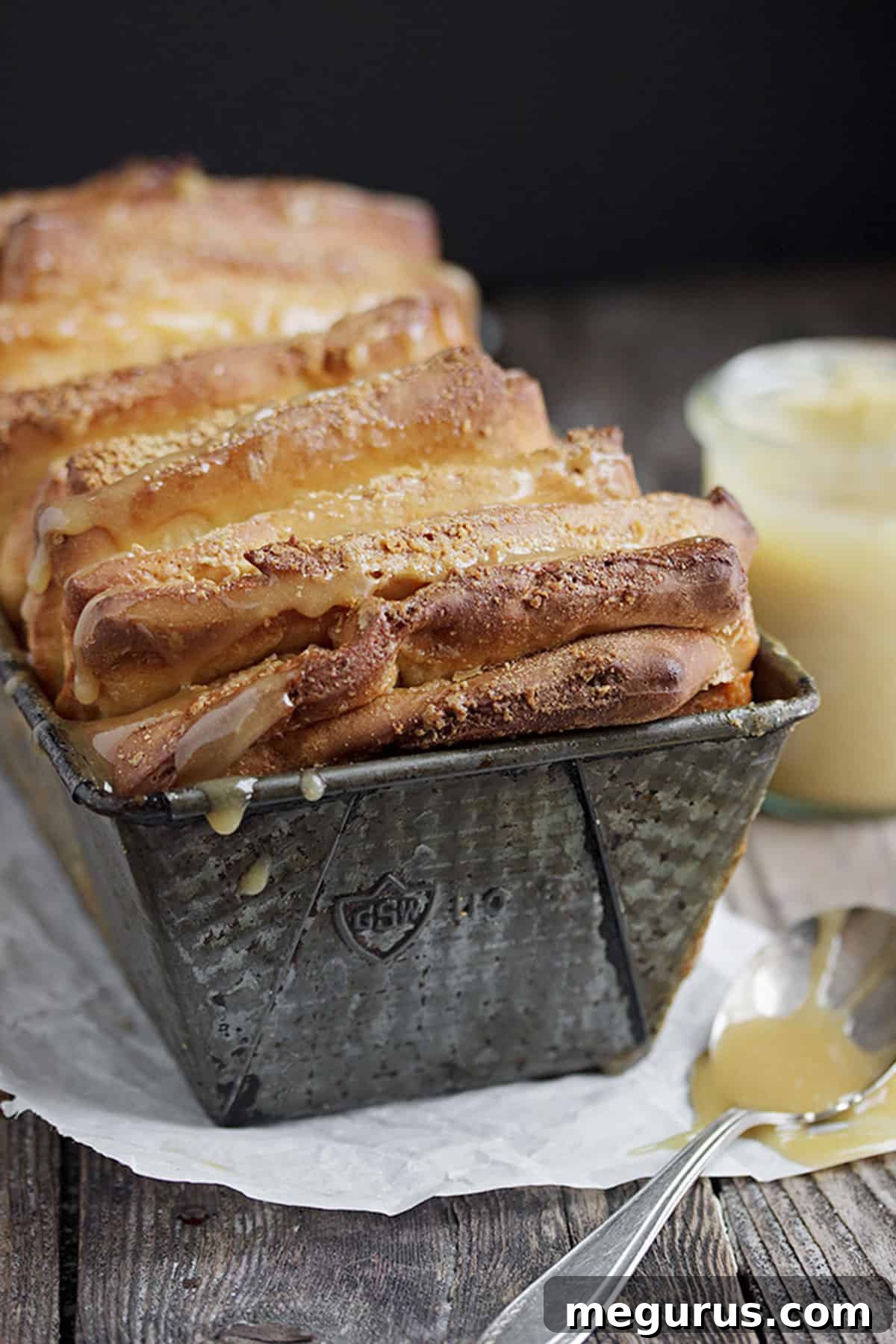
Maple Pull Apart Bread Recipe
A truly delicious warm maple pull-apart bread, generously filled with homemade maple butter. This recipe is a delightful way to enjoy the rich, unique flavor of maple, perfect for any occasion that calls for a sweet, comforting treat!
Prep Time: 2 hours 30 minutes
Cook Time: 40 minutes
Total Time: 3 hours 10 minutes
Yield: 10 servings
Cuisine: American, Canadian
Course: Bread, Breakfast, Dessert
Author: Jennifer Maloney
Ingredients
For the Bread:
- 3 cups all-purpose flour, spooned and levelled
- 2 1/4 teaspoons Instant yeast (or Active Dry Yeast, proofed separately)
- 1 teaspoon fine salt, use 3/4 tsp. if using salted butter
- 3/4 cup whole milk, warmed to lukewarm (105-115°F / 40-46°C)
- 2 Tablespoons pure maple syrup
- 1/4 cup unsalted butter, melted and cooled
- 1 large egg, at room temperature
- 1/2 cup homemade or store-bought maple butter (for filling) *alternately, you could use a maple sugar/butter filling
- 1 Tablespoon maple sugar, or regular white or light brown sugar, for topping before baking
For the Post-Baking Drizzle:
- 2 Tablespoons maple butter, warmed to thin and pourable, for drizzling after baking
For the Homemade Maple Butter (Yields approximately 1 cup – you’ll use about half for this bread):
- 1 cup pure maple syrup, preferably No. 2 Medium/Amber grade for best flavor
- 3/4 cup unsalted butter, cut into 1-inch cubes
- *Candy thermometer (essential for accurate temperature measurement)
Instructions
- To make the homemade maple butter (recommended the day before or several hours in advance): In a medium-large, heavy-bottomed saucepan, combine the pure maple syrup and a small pinch of salt. Heat the maple syrup over high heat, bringing it to a rolling boil. (*It is crucial to use a large-enough pan, as the syrup will vigorously boil up to double its volume or more, risking a boil-over if the pan is too small). Attach or insert a candy thermometer to the side of the pan, ensuring the tip does not touch the bottom. Continue to boil the syrup without stirring until it reaches precisely 240°F (115°C). Immediately remove the saucepan from the heat and stir in the cubed unsalted butter until it is completely melted and thoroughly incorporated into the syrup mixture.
- Carefully pour the warm maple mixture into the clean bowl of a stand mixer fitted with a whisk attachment. Alternatively, if using a hand mixer, pour the mixture into a large, sturdy mixing bowl. Begin beating on low speed and gradually increase the speed to high. Continue to beat vigorously on high until the mixture visibly lightens in color, becoming creamy, opaque, and resembles a thick, smooth caramel sauce in consistency. This process typically takes about 8-10 minutes. The resulting maple butter should be easily spreadable but not runny. Pour the finished maple butter into a clean jar or an airtight container, cover it securely, and refrigerate until firm. It will keep well in the refrigerator for several weeks.
- For the bread preparation: Lightly grease an 8 1/2 x 4-inch loaf pan (this is a standard loaf pan size). Place this prepared loaf pan on top of a larger, foil-lined baking sheet. This crucial step will act as a safeguard, catching any potential drips or overflows of the maple butter filling during baking, thus making oven clean-up significantly easier. Set the prepared pan aside.
- Prepare the dough: In a large mixing bowl or the bowl of a stand mixer fitted with a dough hook, combine 2 cups of the all-purpose flour, the instant yeast, and the fine salt. (*If you are using traditional active dry yeast, first proof it by dissolving it in your lukewarm milk with a pinch of sugar for 5-10 minutes until it becomes foamy, then proceed with adding it to the flour mixture.)
- In a separate small saucepan or microwave-safe bowl, gently warm the whole milk until it is lukewarm, registering between approximately 105-115°F (40-46°C). Stir in the 2 tablespoons of pure maple syrup and the cooled melted butter. Finally, whisk in the large egg. It is important to ensure the milk mixture isn’t too hot, as excessive heat could prematurely cook the egg or kill the yeast, which would hinder your dough’s ability to rise. Add this liquid mixture to the dry ingredients in your large bowl and mix on low speed until just combined and a shaggy dough forms.
- Gradually add the remaining flour, starting with 1/4 cup at a time, and then switching to 1 tablespoon increments as the dough comes together. Continue mixing and adding flour until you achieve a smooth, elastic dough that pulls away cleanly from the sides of the bowl and is no longer sticky to the touch. The total amount of flour required may vary slightly due to factors such as humidity and altitude, so add just enough until the dough reaches the correct consistency.
- Transfer the dough to a lightly floured surface and knead it gently for just a minute or two, until it forms a cohesive and smooth ball. Place the dough into a lightly greased clean bowl, turning it once to ensure the entire surface is coated with a thin layer of oil. Cover the bowl tightly with plastic wrap or a clean kitchen towel and allow the dough to rise in a warm, draft-free place until it has visibly doubled in size. This typically takes about 90 minutes, but the duration can vary based on the ambient temperature of your kitchen.
- Assemble the pull-apart bread: Once the dough has completed its first rise, gently punch it down to release the accumulated gases. Transfer the dough to a lightly floured surface and roll it out evenly into a large rectangle, approximately 15 x 16 inches.
- Retrieve your 1/2 cup of prepared maple butter for the filling. If it’s too firm to spread easily, warm it gently in the microwave for about 5 seconds at a time until it reaches a soft, spreadable consistency. Be careful not to make it too thin or runny. Spread an even and generous layer of the warmed maple butter over the entire surface of the rolled-out dough, leaving a small, clean border at the edges.
- Using a sharp knife or a pizza cutter, carefully cut the dough into 20 equal rectangular pieces, each measuring roughly 3 x 4 inches.
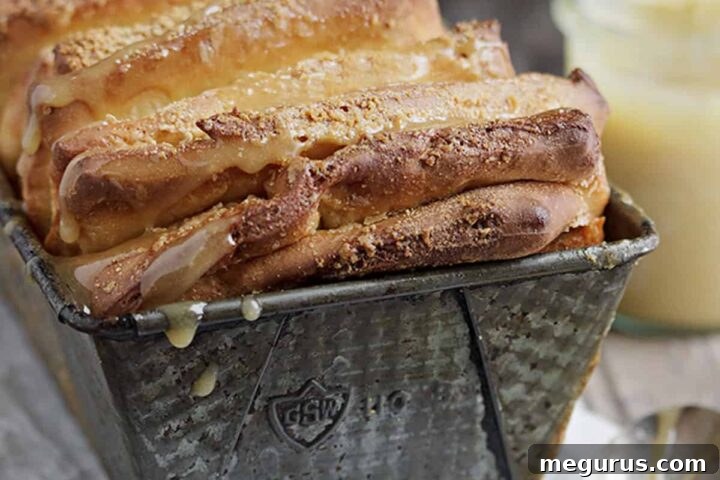
- To create the characteristic pull-apart layers, stack 5 of these individual dough pieces neatly on top of each other. Carefully transfer this stack into one end of your prepared loaf pan, standing the stack upright so the beautiful layers are clearly visible. Repeat this process with three more stacks of 5 dough pieces each, placing them snugly side-by-side in the loaf pan. Arrange the stacks as best you can, trying to keep them upright and evenly spaced to allow for proper rising and even baking.
- Cover the loaf pan loosely with a clean tea towel and allow the assembled bread to rise again in a warm place until the pieces are visibly puffy and have risen charmingly above the sides of the pan. This second rise (proof) usually takes about 30-45 minutes.
- Meanwhile, preheat your oven to 350°F (175°C).
- When the dough is ready to bake, and if desired for an extra touch of sweetness and texture, sprinkle the top generously with 1 tablespoon of maple sugar (or regular white or light brown sugar) for a caramelized crust. Place the loaf pan onto the foil-lined baking sheet you prepared earlier – do not skip this step!
- Bake the bread for 30 minutes, then carefully rotate the pan 180 degrees (front to back) for even baking and browning. If the top of the bread is already browning nicely, you may wish to loosely tent the bread with a piece of aluminum foil to prevent excessive browning while the interior finishes baking. Continue baking for an additional 10-15 minutes, or until the internal temperature of the bread reaches at least 195°F (90°C) when measured with a digital thermometer inserted into the center.
- Once baked to perfection, remove the bread from the oven and allow it to cool in the pan for about 10-15 minutes until it’s comfortably warm to the touch. Then, carefully remove it from the loaf pan and transfer it to a wire rack to finish cooling slightly.
- For the ultimate indulgence, warm the remaining 2 tablespoons of maple butter until it is thin and easily pourable. Drizzle this warm, liquid maple butter generously over the top of the still-warm pull-apart bread. Serve immediately and delight in pulling apart the sweet, maple-infused layers!
Notes on Serving, Storage, and Leftovers
- Leftover Maple Butter: You will only use about half of your homemade maple butter for this bread, leaving you with a wonderful bonus! This extra maple butter is incredibly versatile and utterly delicious. Enjoy it spread on toast, pancakes, waffles, stirred into oatmeal, or warmed slightly and drizzled over a scoop of vanilla ice cream for an exquisite dessert.
- Storing Leftover Bread: If you happen to have any leftover pull-apart bread, store it in an airtight container at room temperature for up to 2-3 days to maintain its freshness.
- Reheating: For the best experience, gently reheat individual slices or segments in the microwave for 10-15 seconds, or in a toaster oven until warm and soft again. This brings back that freshly baked texture and aroma.
- Freezing for Longer Storage: This bread also freezes beautifully for longer storage. Once completely cooled, wrap the bread tightly in plastic wrap, then encase it in a layer of aluminum foil, and freeze for up to 1 month. When ready to enjoy, thaw it overnight at room temperature and reheat as desired.
Nutritional Information (Approximate values based on 10 servings)
- Serving Size: 1 serving
- Calories: 422 kcal
- Carbohydrates: 55 g
- Protein: 5 g
- Fat: 19 g
- Saturated Fat: 12 g
- Cholesterol: 67 mg
- Sodium: 253 mg
- Potassium: 168 mg
- Fiber: 1 g
- Sugar: 23 g
- Vitamin A: 620 IU
- Calcium: 75 mg
- Iron: 1.9 mg
More Sweet Yeast Breads to Love!