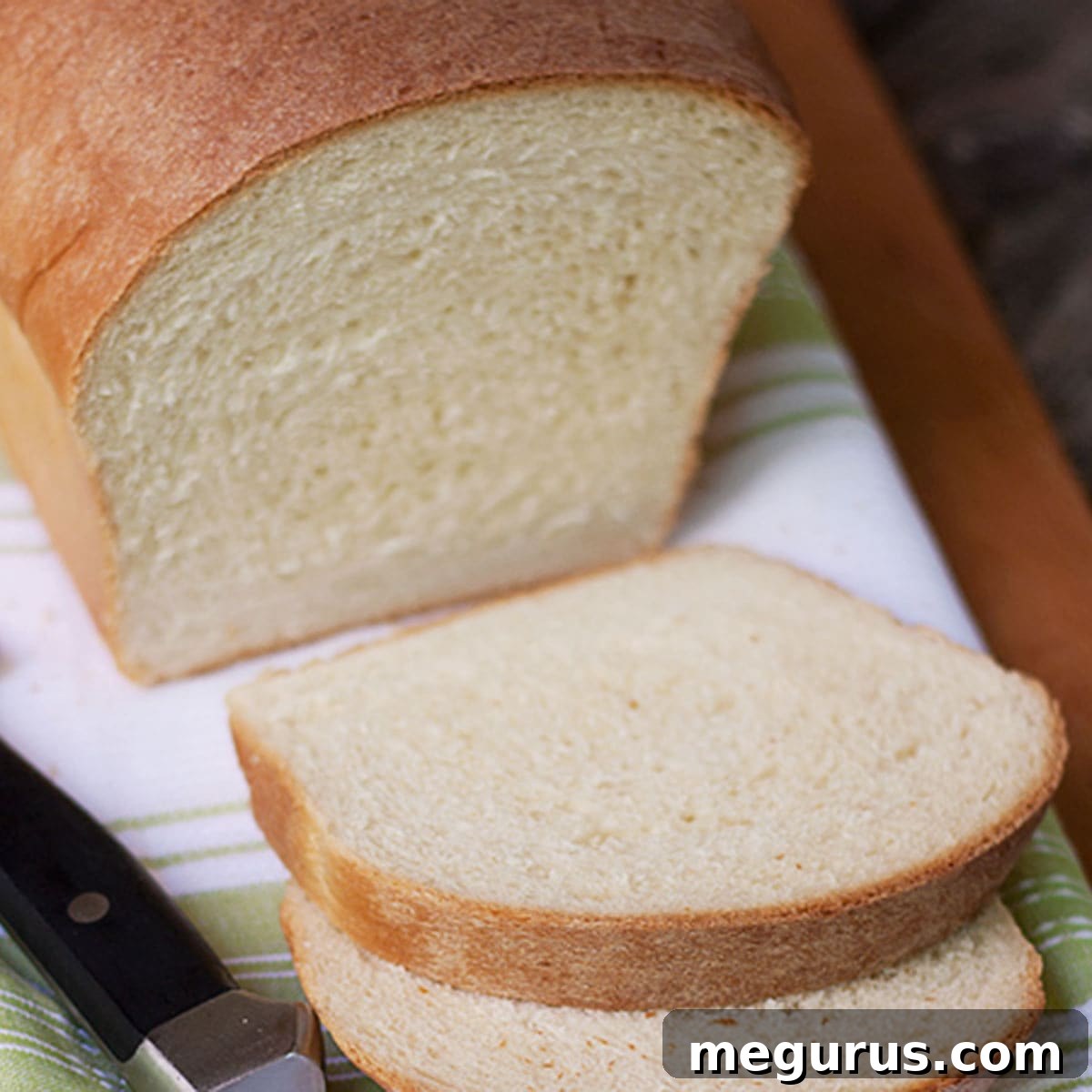
There’s a special kind of comfort that comes from baking homemade bread, and this Maple Yeast Bread delivers that warmth and more. It’s truly one of my all-time favorite white yeast breads, naturally sweetened with the rich, unmistakable flavor of pure maple syrup. The result is a wonderfully light, incredibly soft loaf with a tender crumb that makes it absolutely perfect for sandwiches and, especially, for outstanding toast. If you’re looking for a versatile, subtly sweet, and comforting bread recipe, you’ve found your new go-to.
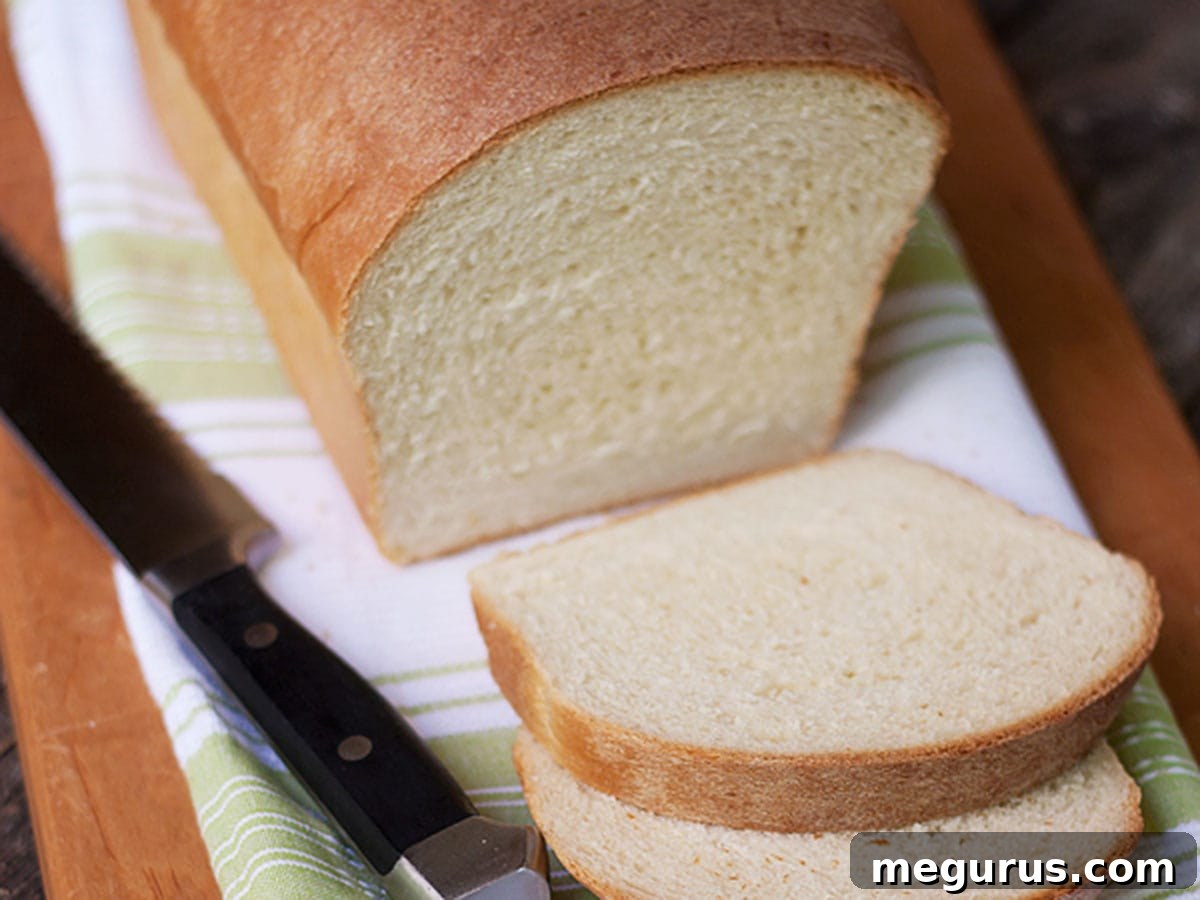
Maple Yeast Bread: Your New Favorite Naturally Sweetened Loaf
I’ve been perfecting this maple yeast bread recipe for several years now, and it consistently ranks as one of my top favorites for its ease and delicious results. Its subtle sweetness and inviting texture make it an excellent choice for everyday sandwiches, but where it truly shines is as toast. As spring awakens and I crave that perfect slice to pair with my Homemade Maple Butter, I felt compelled to share this delightful recipe with you. Get ready to experience the joy of baking a truly exceptional loaf of bread that will become a staple in your home.
Why You’ll Adore This Maple Yeast Bread
This isn’t just any ordinary white bread; it’s a celebration of natural sweetness and superior texture that sets it apart. Here’s why this Maple Yeast Bread deserves a prime spot in your baking repertoire:
- Naturally Sweetened: Pure maple syrup is the star here, providing a delicate, earthy sweetness that beautifully enhances the bread without overwhelming it. It’s a wonderful alternative to refined sugars.
- Incredibly Versatile: From serving as the foundation for hearty breakfast toast adorned with butter or jam, to crafting satisfying deli sandwiches for lunch, or even as a delightful side with dinner, this bread holds its own beautifully in various culinary applications.
- Perfect for Toasting: Its unique, tender texture crisps up marvelously when toasted, achieving an ideal golden exterior while maintaining a soft, fluffy interior. This makes it the ultimate canvas for your favorite spreads, allowing them to truly shine.
- Beautifully Sliced: You can bid farewell to crumbly or squashed slices. This homemade maple bread cuts cleanly and effortlessly, maintaining its structural integrity and presenting a lovely appearance, whether for daily use or special occasions.
- Aromatic and Inviting: The comforting aroma of fresh baking bread, infused with the subtle, warm notes of maple, will fill your kitchen with an irresistible scent, creating an inviting atmosphere that truly signals “home.”
- Simple and Rewarding: Despite its impressive qualities, this recipe is straightforward to follow, making the process of baking yeast bread enjoyable and highly rewarding for bakers of all skill levels.
Essential Ingredients and Smart Substitutions for the Perfect Maple Loaf
Crafting the perfect loaf of Maple Yeast Bread begins with understanding the role each ingredient plays. While the list is simple, each component is crucial for achieving the desired flavor, texture, and rise of this delightful bread.
Yeast: The Essential Leavening Agent
For this recipe, you have the flexibility to use either Active Dry Yeast or Instant Yeast. Both types are reliable leavening agents that will help your bread achieve a fantastic rise, leading to a light and airy crumb. However, there are slight differences in how they’re typically activated:
- Active Dry Yeast: This type of yeast usually requires proofing – dissolving it in warm water with a touch of sugar for 5-10 minutes until foamy – before being incorporated into the main dough mixture. This step confirms the yeast is alive and active, guaranteeing a successful rise.
- Instant Yeast: While instant yeast can often be mixed directly with dry ingredients, for optimal results and to ensure consistent activation, I still recommend dissolving it in the warm water as described in the instructions. This method offers peace of mind and kickstarts its activity.
Regardless of the type you choose, ensuring your yeast is fresh (always check the expiration date!) and properly activated is paramount for a beautifully risen, light, and airy loaf. Yeast is a living organism, and its vitality directly impacts your bread’s success.
Maple Syrup: The Signature Sweetener
The choice of sweetener in this recipe is not just for taste but for character – pure maple syrup is absolutely non-negotiable. Do not substitute with pancake syrup or other artificial sweeteners. While any pure maple syrup will work beautifully, for a more pronounced and rich maple flavor that truly sings in the finished bread, I highly recommend using Grade B or Amber maple syrup (these are often labeled as “Amber Color, Rich Taste” or “Dark Color, Robust Taste” in modern grading systems). These darker grades possess a stronger, more complex, and robust maple profile compared to lighter syrups.
The mere 1/4 cup of maple syrup used provides a subtle, balanced sweetness that isn’t cloying. This delicate sweetness permeates every slice and becomes even more apparent and utterly delicious when the bread is toasted, releasing its inherent warmth and depth. Using this natural sweetener also imparts a wholesome quality that aligns perfectly with the ethos of homemade baking.
Milk: For Unrivaled Tenderness and Flavor
The addition of milk is what gives this bread its incredibly tender crumb and a touch of richness that water alone cannot provide. I generally opt for 2% milk as it’s a common household staple, and it consistently yields excellent results. However, if you’re seeking to achieve an even richer, more luxurious, and melt-in-your-mouth tender crumb, whole milk (containing 3-3.5% butterfat) is an even superior choice. The higher fat content directly contributes to a softer texture and a more profound depth of flavor in the finished loaf.
I would strongly advise against using lower-fat milks, such as skim or 1%, as they can result in a drier, less tender, and less flavorful bread. For those who prefer non-dairy alternatives, unsweetened almond milk, oat milk, or soy milk should work as substitutes. However, please be aware that using non-dairy milk may subtly alter the final texture of the bread, making it potentially more akin to a loaf made predominantly with water rather than milk, thereby lacking some of the characteristic richness and tender quality that dairy milk imparts.
Other Key Components: The Supporting Cast
- Unsalted Butter: This essential ingredient contributes significantly to the bread’s tender crumb, adds a delicious richness, and helps achieve that beautiful golden-brown crust. If you only have salted butter on hand, remember to slightly reduce the amount of added salt in the recipe to maintain flavor balance.
- Salt: Far from just a seasoning, salt is a crucial ingredient in yeast breads. It not only balances the sweetness of the maple syrup and enhances all the other flavors but also plays a vital role in regulating yeast activity, preventing the dough from rising too quickly.
- Warm Water: This is indispensable for activating the yeast. The ideal temperature for the water is around 105°F (43°C). Water that is too hot will kill the delicate yeast organisms, preventing your dough from rising, while water that is too cold will inhibit yeast activation, leading to a sluggish or non-existent rise.
- Large Egg: A single beaten large egg adds a layer of richness, improves the bread’s overall structure, and contributes to the lovely golden color of the crust during baking. It also helps bind the ingredients together.
- Unbleached All-Purpose Flour: This is the primary structural component of your bread. Unbleached all-purpose flour typically has a slightly higher protein content than bleached flour, which aids in better gluten development – crucial for that desirable chewy yet tender texture. While the recipe calls for approximately 4 cups, it’s vital to remember that flour quantities are often approximate. The precise amount you need will vary based on factors like the humidity in your kitchen and the specific brand of flour. Always prioritize the dough’s feel and consistency over a strict measurement.
Expert Tips for Baking a Flawless Maple Yeast Loaf
Baking yeast bread is an incredibly rewarding culinary experience, and a few expert techniques can truly elevate your results from merely good to consistently exceptional. Incorporate these tips into your process to ensure your Maple Yeast Bread turns out perfectly light, fluffy, and delicious every single time.
The Art of the Perfect Toast
While it might seem self-evident that homemade bread makes good toast, I can assure you that not all homemade breads are created equal in their toasting capabilities. This Maple Yeast Bread, however, truly excels in this regard. There’s something inherent in its unique texture and balanced composition that allows it to achieve an unparalleled crispness on the exterior while retaining a wonderfully soft and yielding interior. This duality makes it the ultimate canvas for various spreads, allowing them to shine without becoming soggy or dense. Furthermore, the act of toasting subtly intensifies and brings out the nuanced maple flavor, making each bite even more delightful. Beyond its toasting prowess, this bread also slices beautifully, without any frustrating crumbling or tearing, which is a clear indicator of a well-made and properly structured loaf.
Mastering Dough Consistency: Flour is Your Guide
A critical aspect of successful yeast bread baking is understanding that flour absorption can vary significantly. Factors such as the humidity levels in your kitchen, the specific brand and type of flour you use, and even atmospheric pressure can influence how much liquid your flour absorbs. This means the exact amount of flour you’ll need will almost certainly differ slightly from the recipe’s stated approximation. The primary goal is to achieve a dough that is smooth, moist, and no longer sticky to the touch. Start by incorporating the initial two cups of flour as directed, then gradually add the remaining flour. Begin with half-cup increments, and as the dough starts to come together, switch to smaller additions (e.g., 1-2 tablespoons at a time). This gradual approach prevents you from adding too much flour too quickly, which is a common mistake that can lead to a dry, dense, and tough loaf. Trust your hands; the dough should feel pliable and elastic, effortlessly pulling away cleanly from the sides of the mixing bowl or your work surface. It should not adhere stubbornly to your fingers.
The Importance of Proper Kneading for Structure
Kneading is not merely a step; it’s an art that is crucial for developing the gluten structure within the dough. Gluten is the protein network that provides bread with its characteristic elasticity, chewiness, and ability to hold its shape. Whether you are using a stand mixer equipped with a dough hook or kneading by hand on a clean surface, aim for approximately eight minutes of continuous, rhythmic kneading. During this process, the dough will undergo a remarkable transformation, evolving from a shaggy, somewhat rough mass into a smooth, supple, and noticeably elastic ball. If the dough feels overly sticky at any point, add only a very small amount of additional flour – perhaps just a tablespoon – to prevent it from adhering to your hands or the surface, but be vigilant about not over-flouring. A well-kneaded dough should ultimately pass the “windowpane test,” meaning you can gently stretch a small piece of it thin enough to see light through it without it tearing.
Temperature and Time: The Perfect Rise (Proofing)
Given that kitchen temperatures can fluctuate significantly from one home to another, it’s essential to treat the rising times (also known as proofing times) provided in recipes as approximate guidelines rather than strict mandates. The most reliable indicator of a successful rise is the dough itself: allow it to rise only until it has visibly doubled in size. This could take a mere hour in a particularly warm kitchen, or it might extend to an hour and a half or even longer in a cooler environment. It’s crucial to avoid both under-proofing and over-proofing. Under-proofing will result in a dense, heavy loaf with a tight crumb, while over-proofing can lead to a bread with an undesirable yeasty flavor and a collapsed, sometimes crumbly, internal structure. To foster an ideal warm, draft-free environment for your dough to rise, you can place the covered bowl in a slightly warmed (but turned off) oven, a microwave with the door closed, or simply near a sunny window. Similarly, for the second rise in the loaf pan, carefully watch for the dough to proudly crest the pan by about an inch in the center, which signifies it’s perfectly proofed and ready for baking.
Shaping Your Loaf: The Jellyroll Technique
Proper shaping is key to achieving an aesthetically pleasing and uniformly structured loaf. After the first rise, gently turn the dough out onto a lightly floured board or counter. With a rolling pin, carefully roll the dough into a neat rectangle, aiming for dimensions of approximately nine inches by twelve inches. Next, starting from one of the narrow sides, tightly roll the dough up, much like you would roll a jellyroll. This technique is invaluable as it helps distribute air pockets evenly throughout the dough and establishes a good internal structure, preventing large, irregular air holes. Crucially, once rolled, firmly pinch the seam of the dough and seal both ends completely closed. This meticulous sealing prevents the loaf from unraveling or bursting open during its second rise and subsequent baking. Finally, place the shaped dough, with the sealed seam side facing down, into your greased 9-by-5-by-3-inch loaf pan.
Storing and Freezing Your Delicious Maple Yeast Bread
To ensure you get the most enjoyment and freshness from your homemade Maple Yeast Bread, follow these simple and effective storage guidelines:
- Room Temperature Storage: Once your freshly baked loaf has cooled completely to room temperature (this is very important to prevent sogginess), store it in an airtight container, a bread box, or a tightly sealed plastic bag. Stored this way, the bread will maintain its wonderful freshness and soft texture for approximately 3 days.
- Freezing for Longer Enjoyment: This bread is an excellent candidate for freezing, and it freezes beautifully for extended periods. For convenience, you can either slice the completely cooled loaf before freezing or keep it whole. Wrap the bread tightly in at least two layers of plastic wrap, then place it inside a freezer-safe bag or aluminum foil to prevent freezer burn. It will retain its quality and delightful flavor for up to 3 months. To enjoy, simply thaw individual slices or the entire loaf at room temperature as needed. For a quick and delicious treat, you can even toast slices directly from frozen.
Get the Recipe: Maple Yeast Bread
Pin This
Leave a Review
20 mins
45 mins
1 hr 30 mins
1 hr 5 mins
12 servings
Ingredients
- 1 cup milk
- 1/4 cup pure maple syrup
- 4 Tablespoons unsalted butter
- 1 teaspoon salt, reduce slightly if using salted butter
- 2 1/4 teaspoons active dry or instant yeast
- 1/4 cup warm water, about 110°F (43°C)
- 1 teaspoon sugar , or maple sugar, for yeast activation
- 1 large egg, beaten
- 4 cups unbleached all-purpose flour, approximately (you may need a bit more or less)
Instructions
-
Combine the milk, pure maple syrup, unsalted butter, and salt in a medium saucepan. Heat this mixture over medium heat until it just begins to scald – you’ll notice small bubbles forming around the edges of the pan and steam gently rising from the surface, but do not allow it to come to a full rolling boil. This scalding process helps to dissolve the butter and sugar thoroughly and also denatures proteins in the milk, which can otherwise interfere with gluten development. Once scalded, remove the saucepan from the heat and allow the mixture to cool until it reaches a lukewarm temperature, ideally around 105°F (43°C). It should feel comfortably warm to the touch.
-
In a small separate bowl, combine the active dry or instant yeast with the 1/4 cup of warm water (also about 105°F or 43°C) and the teaspoon of sugar (or maple sugar). Stir gently to dissolve the yeast. Set this mixture aside for approximately five to ten minutes. During this time, the yeast will activate, and you’ll observe the mixture becoming frothy and bubbly on the surface; this is a clear sign that your yeast is alive and ready to work its magic. Once the milk mixture has cooled to the correct lukewarm temperature, transfer it to a large mixing bowl or the bowl of a stand mixer fitted with a kneading hook. Stir in the activated yeast mixture, followed by the beaten large egg, ensuring all components are thoroughly combined.
-
Begin the flour incorporation by stirring in the first two cups of unbleached all-purpose flour into the wet ingredients until just combined. Next, gradually add the remaining flour. It’s best to start by adding in 1/2 cup increments, and then as the dough begins to form and thicken, switch to smaller additions of 1-2 tablespoons at a time. Continue adding flour until the dough comes together into a cohesive ball that visibly pulls away from the sides of your mixing bowl and is smooth, moist, but crucially, no longer sticky to the touch. *It is important to remember that the exact amount of flour can vary due to various environmental factors like humidity, so you may not need all 4 cups, or you might require a tiny bit more. The key indicator is the dough’s texture and feel, not strict adherence to the exact volume.
-
Turn the freshly formed dough out onto a lightly floured board or clean counter surface. Knead the dough vigorously for about eight minutes. During kneading, the gluten in the flour develops, transforming the dough into a smooth, supple, and elastic ball. If the dough starts to stick excessively to your hands or the counter, add very small amounts of additional flour as necessary – just a light dusting – to prevent sticking, but be careful not to over-flour the dough, which can lead to a dense, tough bread. A well-kneaded dough should feel soft and elastic, and when gently poked with a finger, it should slowly spring back.
-
Lightly oil a large, clean mixing bowl. Place the kneaded dough into the oiled bowl, then gently turn the dough over once or twice to ensure all sides are lightly coated with oil. This prevents the dough from sticking to the bowl and from drying out during its rise. Cover the bowl lightly with plastic wrap or a clean, damp kitchen towel to create a warm, moist environment. Set the bowl aside in a warm, draft-free place to rise until the dough has visibly doubled in size. This primary rise typically takes approximately one hour, but the exact time can vary depending on the ambient temperature of your kitchen.
-
Once the dough has successfully doubled, gently punch it down to release the accumulated air. Turn the dough out onto a lightly floured board or counter. With a rolling pin, roll the dough into a neat rectangle, aiming for approximate dimensions of nine inches by twelve inches. Next, starting from one of the narrow sides of the rectangle, tightly roll the dough up, much like you would prepare a jellyroll. This specific shaping technique helps to create even layers within the bread and contributes to a consistent internal structure.
-
After rolling, carefully pinch the long seam of the rolled dough closed securely. Additionally, pinch and seal the ends of the loaf to ensure no part of the dough separates during subsequent rising and baking. This meticulous sealing prevents the loaf from unraveling. Place the shaped dough, with its sealed seam facing down, into a thoroughly greased 9-by-5-by-3-inch loaf pan. Ensure the pan is adequately greased to prevent sticking after baking.
-
Cover the loaf pan lightly with plastic wrap or a clean kitchen towel and return it to a warm place for its second rise (also known as proofing). Allow it to rise until it has visibly doubled in size again, which typically takes about 45 minutes. A good visual cue for readiness is when the dough proudly crests the top of the loaf pan by approximately an inch in the center. This indicates it is perfectly proofed and ready to be transferred to the oven.
-
While your bread is undergoing its second rise, preheat your oven to 350°F (175°C). Once the oven is preheated and the loaf has finished its second rise, place the loaf pan into the preheated oven. Bake for approximately 45 minutes. The bread should develop a beautiful, deep golden-brown crust and sound hollow when gently tapped on the bottom. For precise confirmation of doneness, an internal temperature of 200-210°F (93-99°C) measured with an instant-read thermometer indicates that the bread is fully baked through.
-
Immediately upon removing the bread from the oven, carefully invert it from its loaf pan and transfer it to a wire cooling rack. This crucial step prevents the bottom crust from becoming soggy due to trapped steam. Allow the loaf to cool completely to room temperature before attempting to slice it. Slicing warm bread can compress its delicate, airy texture, leading to a gummy interior. Allowing it to cool ensures a perfect crumb and clean, beautiful cuts. Now, savor the fruits of your labor and enjoy your freshly baked Maple Yeast Bread!
American, Canadian
Bread
Jennifer Maloney
Tried this recipe?
If you enjoyed this recipe, please leave a star rating and comment. It helps others to find it!
Beyond the Loaf: Delicious Serving Suggestions
This versatile Maple Yeast Bread is not just for breakfast; it can be enjoyed in a multitude of delightful ways throughout the day:
- Classic Toast: As mentioned, this is arguably the best way to enjoy it! Slice it thick, toast until golden brown, and generously slather with salted butter, your favorite fruit jam, or for the ultimate indulgence, a dollop of homemade Maple Butter. The warmth truly brings out the maple notes.
- Gourmet Sandwiches: Its soft yet sturdy crumb makes it an excellent foundation for both sweet and savory sandwich fillings. Imagine a classic turkey and cheddar, a sophisticated ham and gruyere, or even a simple peanut butter and sliced banana sandwich for a wholesome and satisfying snack.
- Decadent French Toast: The subtle maple flavor already present in the bread makes it an outstanding base for French toast. Dip slices in a rich egg and milk mixture, cook until beautifully golden brown, and serve with extra pure maple syrup, fresh berries, or a dusting of powdered sugar.
- Comforting Bread Pudding: Transform day-old or slightly stale slices into a heartwarming bread pudding. The inherent maple notes in the bread will beautifully complement a creamy custard, creating a dessert that is both familiar and exquisite.
- Crispy Homemade Croutons: Don’t let any leftover bread go to waste! Cut any remaining slices into small cubes, toss them with olive oil, a pinch of salt, pepper, and your favorite herbs (like dried thyme or oregano), then bake until golden and crispy. These homemade croutons are perfect for enhancing salads or topping soups.
Bake Your Own Maple Yeast Bread Today!
There’s nothing quite as satisfying and comforting as the experience of pulling a warm, golden loaf of homemade bread from your oven. This Maple Yeast Bread offers a perfect and harmonious blend of natural sweetness, an incredibly tender texture, and remarkable versatility that will undoubtedly make it a cherished and frequently requested addition to your family’s recipe collection. Whether you’re preparing it for everyday breakfasts, quick and wholesome lunches, indulgent weekend toast, or a special brunch, this recipe promises consistent, delicious results that will fill your home with an irresistible aroma. Embrace the warmth, the inviting scent, and the exquisite flavor of truly homemade goodness. Happy baking, and enjoy every delightful slice!
More Yeast Bread Recipes to Love!