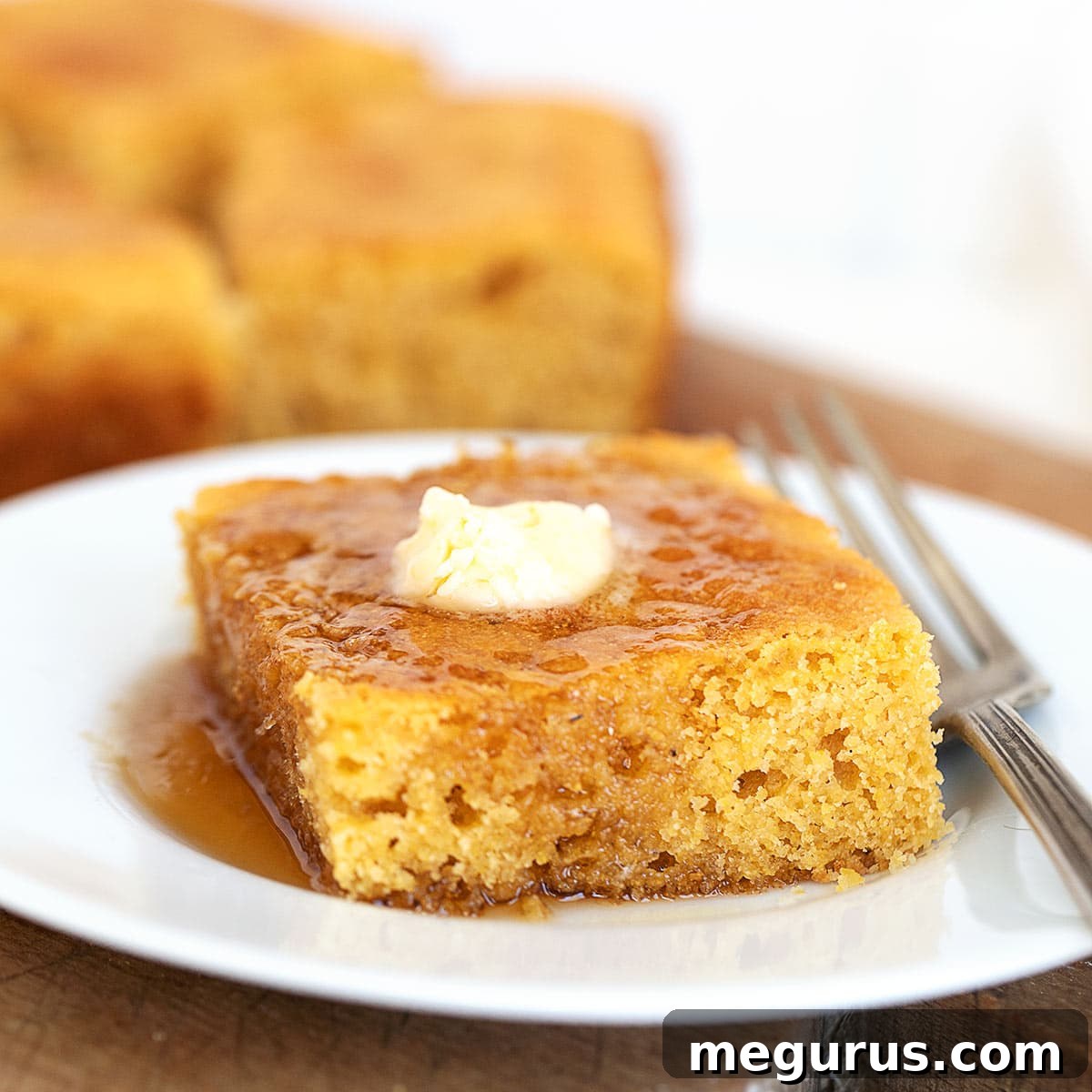
There’s a certain magic that awakens with the arrival of Spring, especially in regions blessed with abundant maple trees. As the maple sap runs and transforms into golden syrup, a timeless culinary tradition re-emerges: the creation of a classic Canadian-style Johnny Cake. This isn’t just any cornmeal cake; it’s a nostalgic favorite, designed to perfectly complement the fresh, rich flavors of newly harvested maple syrup. It’s a taste of heritage, a simple yet profoundly satisfying treat that brings warmth and comfort to any gathering.
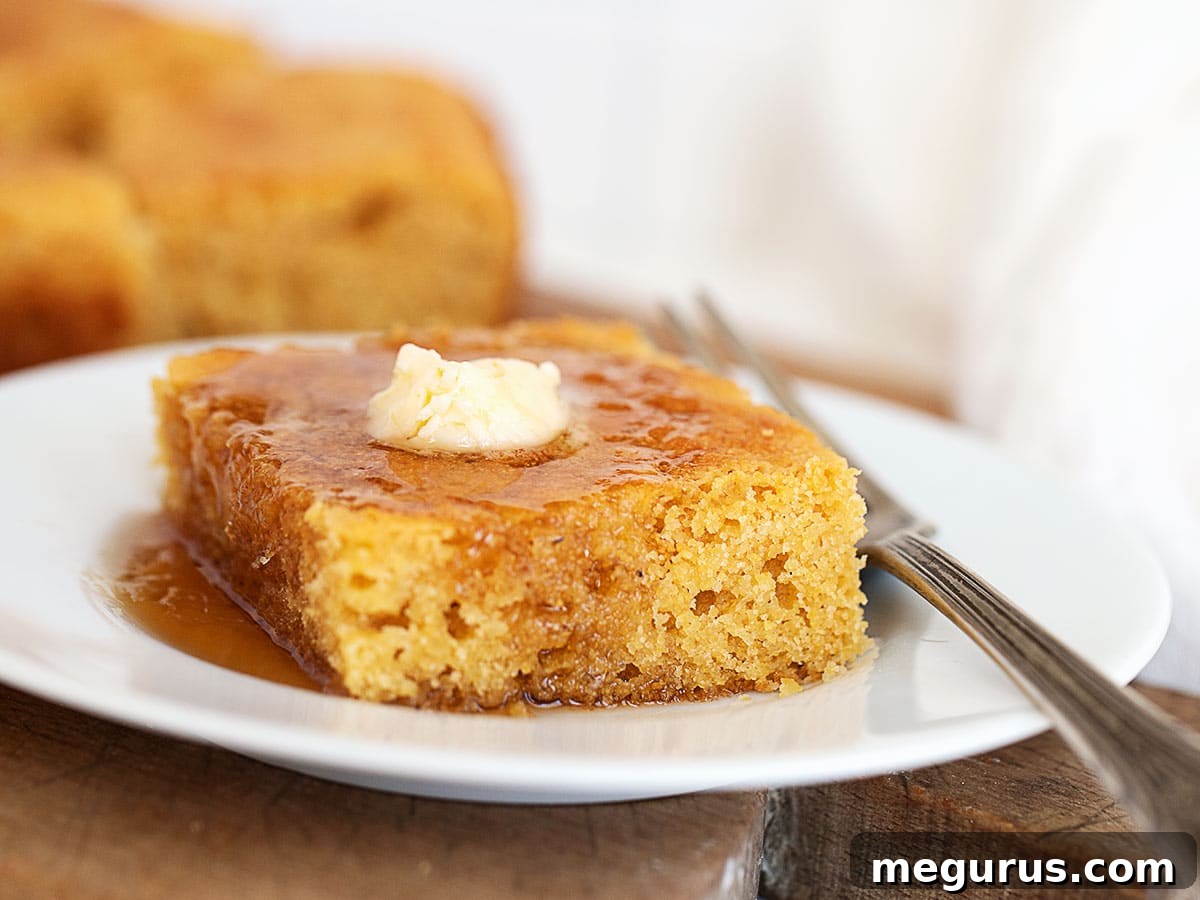
For many, the end of maple syrup production means a fresh, golden supply on hand, ready to be enjoyed. While the temptation to simply sip this liquid gold from a glass is strong, the true connoisseur knows that some pairings elevate the experience. One such perfect partner is the old-fashioned Johnny Cake. This beloved vintage recipe, often found in treasured cookbooks like Monarch Flour’s “Cooking Made Easy,” offers a rustic charm and robust flavor that beautifully enhances the delicate sweetness of maple syrup. It’s more than just a cake; it’s a canvas for culinary delight, inviting you to create a memorable breakfast, brunch, or dessert.
The Underrated Charm of Traditional Johnny Cake
Unlike many modern cakes designed to be fluffy and sweet on their own, Johnny Cake has a distinctive character. It’s not meant to be eaten plain, as its texture, when unsauced, can be pleasantly dry and hearty. Instead, think of this cornmeal creation as the ultimate sponge. Its sturdy yet porous structure is engineered to soak up generous dollops of butter and liberal drizzles of warm maple syrup, absorbing every drop of flavor without disintegrating. This unique quality makes it incredibly satisfying, ensuring each bite is infused with the rich, buttery sweetness of its toppings.
The inherent cornmeal flavor of Johnny Cake provides a delightful counterpoint to the maple. It introduces an earthy, slightly savory note that prevents the overall dish from becoming overly saccharine. This particular vintage Johnny Cake recipe leans more savory than many contemporary cake recipes, allowing the maple syrup to truly shine and deliver the primary sweetness. This subtle sweetness also grants Johnny Cake remarkable versatility; served on its own, it acts as a wonderful, less-sweet accompaniment to a hearty savory meal, offering a comforting warmth reminiscent of classic cornbread.
Embracing the Johnny Cake tradition means appreciating its role as a foundation. It’s not about an elaborate frosting or an overly intricate flavor profile within the cake itself. It’s about the joyous interplay of simple, high-quality ingredients – the wholesome cornmeal, the tender crumb from pastry flour, and the luxurious toppings that transform it into a truly indulgent experience. This simplicity is part of its enduring appeal, making it a reliable and cherished recipe for generations.
Essential Ingredients and Smart Substitutions
Crafting the perfect Johnny Cake begins with selecting the right ingredients. Each component plays a vital role in achieving that desirable texture and flavor profile. Below, we detail the key ingredients and offer practical substitutions to ensure you can enjoy this classic even if your pantry isn’t fully stocked.
- Pastry Flour: Often found labeled as “Cake and Pastry Flour,” this type of flour has a lower protein content compared to all-purpose flour. This lower protein is crucial for achieving the tender, delicate crumb that distinguishes a true Johnny Cake. If pastry flour isn’t available in your local grocery store, don’t fret! A simple homemade substitute using all-purpose flour and a touch of cornstarch can mimic its properties. This ensures your cake retains its signature tenderness without sacrificing texture.
- Cornmeal: The heart of Johnny Cake, cornmeal, imparts its characteristic golden hue and distinct flavor. Any yellow cornmeal will work beautifully for this recipe. While some recipes might call for white cornmeal, yellow cornmeal contributes to the traditional aesthetic and adds a slightly richer, more pronounced corn flavor. Ensure it’s not overly coarse, as a finer grind will result in a more tender cake.
- Shortening: This solid vegetable fat, commonly known by brands like Crisco™, is traditionally used in Johnny Cake for its ability to create a very tender crumb and a moist texture. You’ll need to melt the shortening and allow it to cool slightly before incorporating it into the batter. If you prefer not to use shortening, a neutral-flavored cooking oil, such as vegetable or canola oil, can be used in an equal amount. This substitution will yield a slightly different, though still delicious, texture.
- Brown Sugar: The choice between light or dark brown sugar for this recipe is entirely up to personal preference. While both work perfectly, dark brown sugar will introduce a subtle, richer molasses flavor, which can beautifully complement the cornmeal and anticipate the maple syrup topping. Light brown sugar will provide a milder sweetness. Remember to pack it lightly when measuring to ensure accuracy.
- You will also need: A few essential pantry staples complete this recipe. Milk provides moisture and helps create the batter’s consistency. A single egg binds the ingredients together and adds richness. Baking powder is the leavening agent, ensuring a light lift and tender texture. Salt is crucial for balancing the flavors and enhancing the sweetness of the brown sugar and future maple syrup. Finally, a touch of vanilla extract adds a warm, aromatic depth that elevates the overall taste.
Step-by-Step Visual Guide for Baking Success
To ensure your Johnny Cake turns out perfectly every time, we’ve provided a simple visual walk-through of the process. While these photos offer a helpful glimpse, always refer to the complete and detailed instructions in the dedicated recipe section below for precise measurements and timings. Baking is both an art and a science, and following each step carefully will guarantee a delicious outcome.
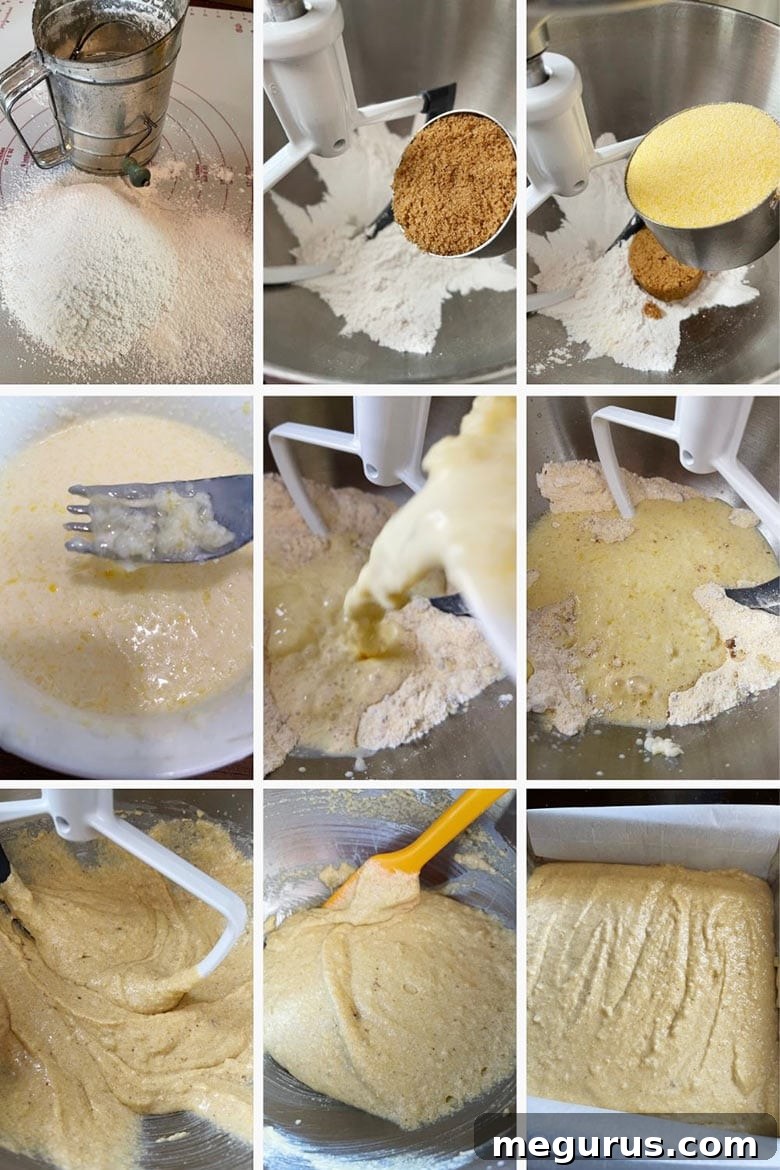
One common misconception is the need for specialized equipment for old-fashioned recipes. For this traditional Johnny Cake, you absolutely do not need an antique flour sifter. A simple fine-mesh strainer will perform the sifting job just as effectively, ensuring your flour is light and free of clumps, which contributes to a tender cake. A crucial tip for accuracy: always measure your flour *after* it has been sifted. Spoon the sifted flour into a dry measuring cup, over-fill it slightly, then level it off with the straight edge of a knife. This technique prevents over-packing the flour, which can lead to a dense, dry cake. Precision in measuring is a small step that makes a big difference in the final product.
Expert Tips for a Flawless Johnny Cake Experience
While the recipe is straightforward, a few expert tips can elevate your Johnny Cake from good to truly exceptional. These insights will help you master its unique characteristics and discover new ways to enjoy this versatile cornmeal delight.
- Sifting for Success: As mentioned, sifting your flour is key to a light, tender crumb. Even if your flour seems fine, a quick pass through a fine-mesh strainer ensures aeration and consistent mixing. Remember to measure after sifting for accuracy.
- Embrace its “Sponge” Nature: Many new to Johnny Cake might find it a bit plain or dry when eaten without toppings. This is by design! Its true purpose is to act as a robust vehicle for butter and a generous cascade of maple syrup. Don’t expect a fluffy, sugar-laden dessert cake; instead, appreciate its sturdy texture that eagerly absorbs all the deliciousness you heap upon it. This absorption prevents it from becoming soggy, maintaining its structural integrity while delivering maximum flavor.
- Beyond Maple: Unleash Your Creativity: While maple syrup and butter are the iconic pairing, Johnny Cake is incredibly adaptable. Don’t limit your imagination! Consider warm homemade berry compotes, such as blueberry or raspberry, for a burst of fruitiness. Apple butter, cinnamon-spiced peaches, or even a dollop of whipped cream can create delightful variations. For a more adventurous, savory twist, try serving it alongside a hearty chili, stew, or roasted chicken, allowing it to soak up savory juices like a sophisticated cornbread. Its mild sweetness makes it an excellent accompaniment to richer, more robust main courses.
- Storage Savvy: Properly stored, Johnny Cake remains delicious for several days. Once completely cooled, transfer any leftovers to an airtight container. This will protect it from drying out and keep it fresh on your countertop for up to 3-4 days. For longer storage, Johnny Cake freezes exceptionally well, making it a fantastic make-ahead option.
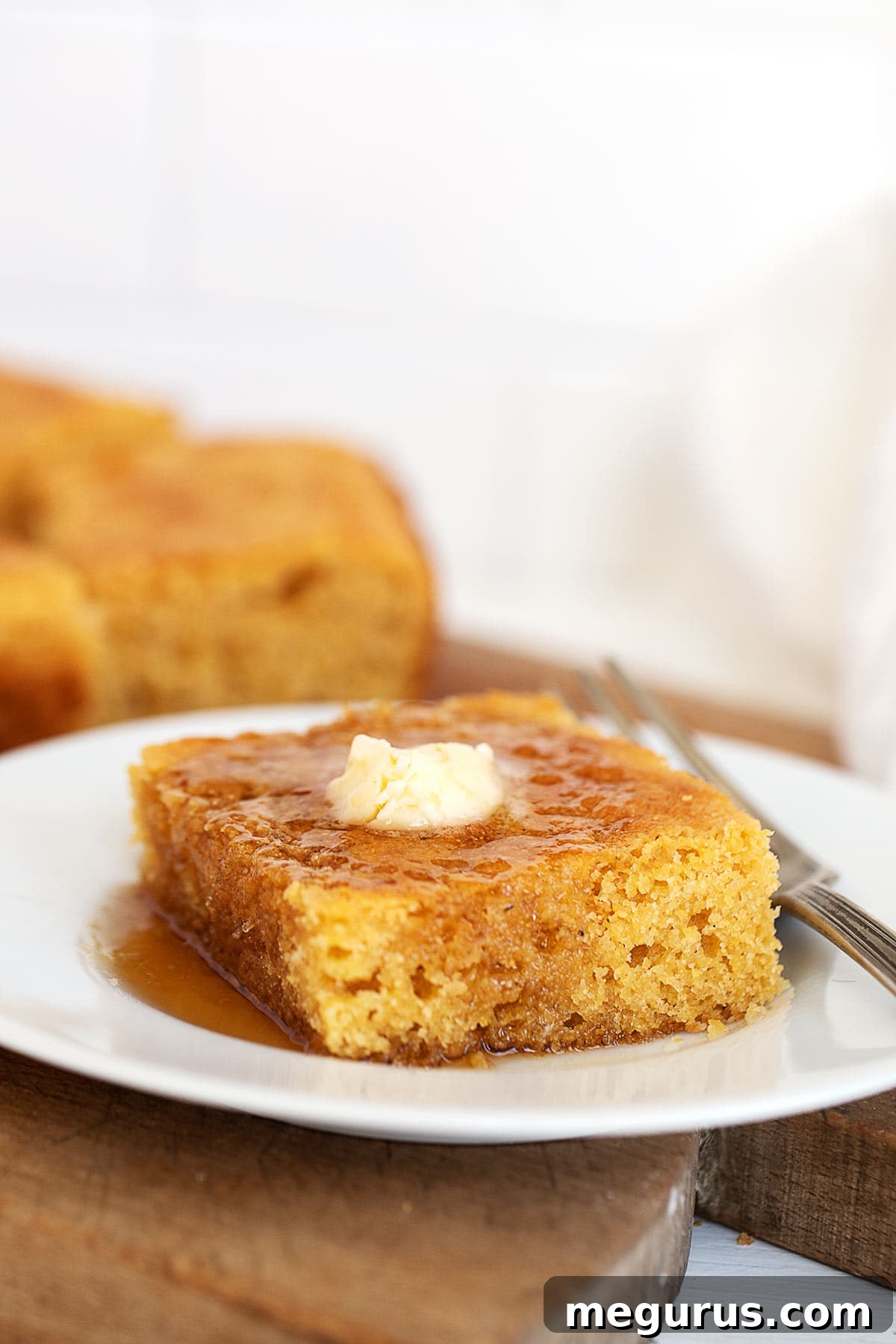
Making Ahead, Storing, and Freezing Your Johnny Cake
While Johnny Cake is undoubtedly at its best when enjoyed warm from the oven on the day it’s baked, its resilient nature means it can be prepared ahead of time or saved for later enjoyment. This makes it a convenient option for busy mornings or when you want to have a comforting treat on hand.
Storage: To store leftover Johnny Cake, allow it to cool completely at room temperature. Once cooled, transfer the squares to an airtight container. This prevents the cake from drying out and keeps it fresh. It will keep well on your kitchen counter for up to 3-4 days. For optimal freshness, you might also consider storing it in the refrigerator, especially in warmer climates, where it can last up to a week.
Reheating: When you’re ready to enjoy stored Johnny Cake, a quick reheat can bring back much of its original appeal. You can warm individual slices in a toaster oven or microwave until heated through. For a larger batch, place the squares on a baking sheet and warm them in a preheated oven at 300°F (150°C) for about 10-15 minutes, or until soft and warm. The warmth helps the cake become receptive to soaking up butter and syrup again.
Freezing: Johnny Cake is an excellent candidate for freezing. To freeze, ensure the cake is completely cool. You can freeze it as a whole slab or cut it into individual squares, which makes for easier portioning later. Wrap the cake tightly in plastic wrap, then an additional layer of aluminum foil, or place it in a freezer-safe bag or container. Properly wrapped, Johnny Cake can be frozen for up to 2 months without significant loss of quality. When ready to serve, thaw the cake overnight in the refrigerator or at room temperature. Once thawed, reheat as described above and serve with your favorite toppings.
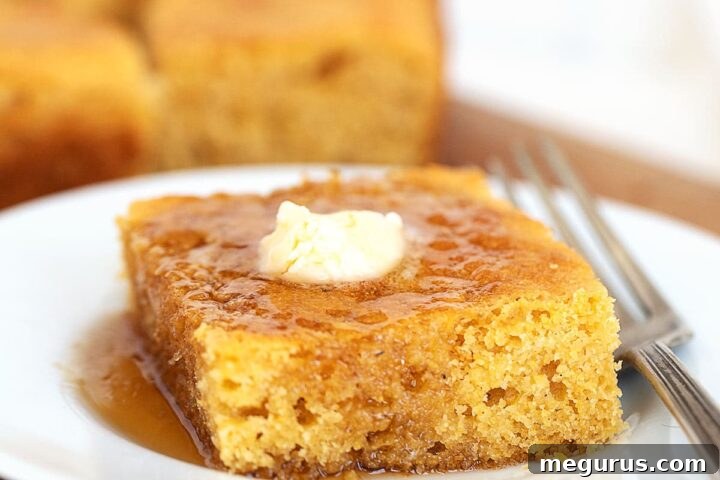
Old-Fashioned Johnny Cake Recipe
This classic Canadian Johnny Cake is a rustic cornmeal cake, perfect for serving warm with a generous drizzle of maple syrup and a dollop of butter. Its subtly sweet flavor also makes it an excellent accompaniment to savory dishes like chili.
Prep Time: 10 minutes
Cook Time: 25 minutes
Total Time: 35 minutes
Yield: 16 servings
Ingredients
- 1 cup cake and pastry flour, sifted first, then measured (see Note 1 for using all-purpose flour)
- 4 teaspoons baking powder
- 1/2 teaspoon fine salt
- 1/3 cup brown sugar, light or dark, lightly packed
- 1 cup yellow cornmeal
- 7/8 cup milk (3/4 cup + 2 Tbsp)
- 1 large egg
- 1/2 teaspoon vanilla extract
- 3 Tablespoons shortening, melted and slightly cooled (or same amount of vegetable/canola oil)
Instructions
- Preheat oven to 400°F (not convection bake). Grease an 8×8-inch baking pan and set aside.
- Sift the flour and then measure it. Sift together with the baking powder and salt into a large bowl. Mix in the brown sugar and cornmeal until well combined.
- In a small bowl, beat together the milk, egg, vanilla, and melted shortening. (The shortening may solidify a bit as it cools, but that’s perfectly fine). Add this wet mixture all at once to the flour mixture and mix just until well combined.
- Pour the batter into the prepared baking pan and bake in the preheated oven for 20-25 minutes, or until lightly golden and the edges have pulled away from the sides of the pan.
- Cut into squares and serve hot with maple syrup and butter.
Notes
1. Pastry flour is also sometimes labeled as “Cake and Pastry Flour”. It is a soft protein flour. If you don’t have pastry flour on hand, here is a simple substitute:
Homemade Pastry Flour: Add 2 teaspoons of cornstarch to a 1-cup dry measuring cup, then spoon fill and level with stirred all-purpose flour.
Nutritional information provided does not include topping with maple syrup and butter.
Cuisine: Canadian
Course: Dessert
Author: Jennifer Maloney
Nutrition Information (per serving, without toppings):
Serving: 1 serving, Calories: 114kcal, Carbohydrates: 18g, Protein: 3g, Fat: 4g, Saturated Fat: 1g, Trans Fat: 1g, Cholesterol: 12mg, Sodium: 86mg, Potassium: 190mg, Fiber: 2g, Sugar: 5g, Vitamin A: 43IU, Calcium: 68mg, Iron: 1mg