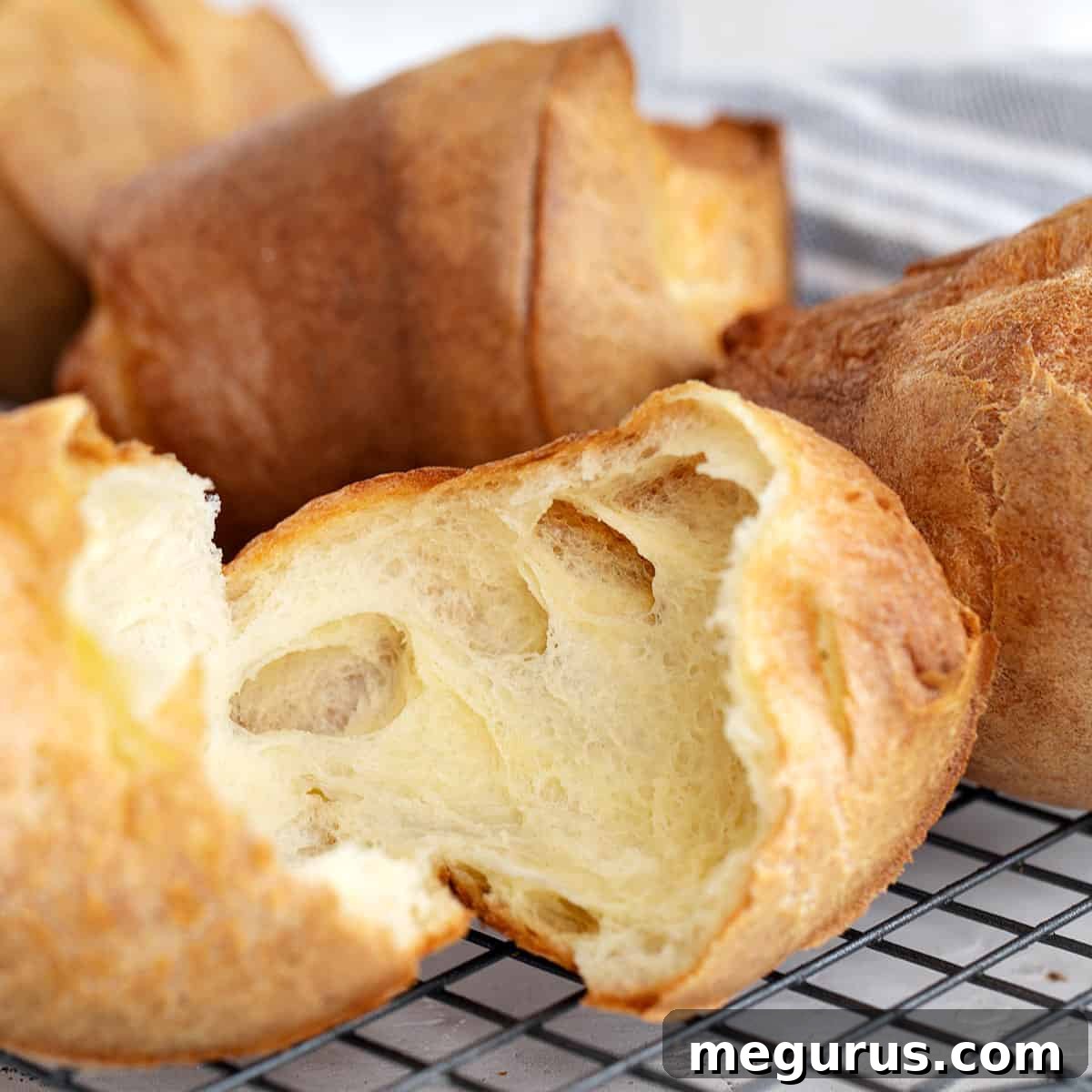
There are few culinary delights as satisfying and impressive as a perfectly baked popover. With their dramatically puffed golden crust and delightfully airy, hollow interior, popovers are a versatile treat that can elevate any meal. This isn’t just another popover recipe; it’s the definitive guide to creating irresistibly crispy popovers that are light, tender, and robust enough to stand up to any accompaniment. Whether you’re seeking a sophisticated side dish for a hearty soup or stew, or a charming addition to your breakfast table, these popovers are sure to become a cherished staple in your kitchen.
Why This Popover Recipe Stands Out
What makes a popover truly exceptional? It’s a combination of texture, resilience, and sheer deliciousness. This recipe has been meticulously crafted to ensure you achieve popover perfection every single time. Here’s why these aren’t just good popovers; they’re truly the best:
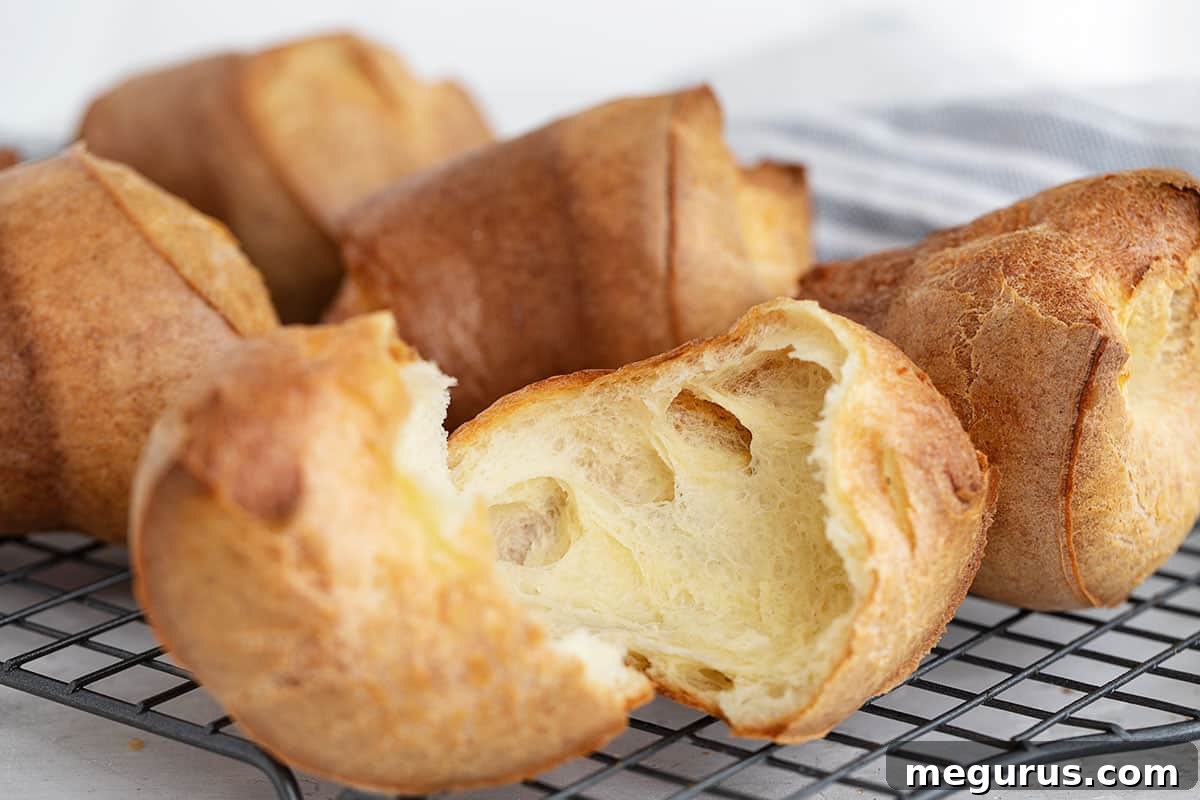
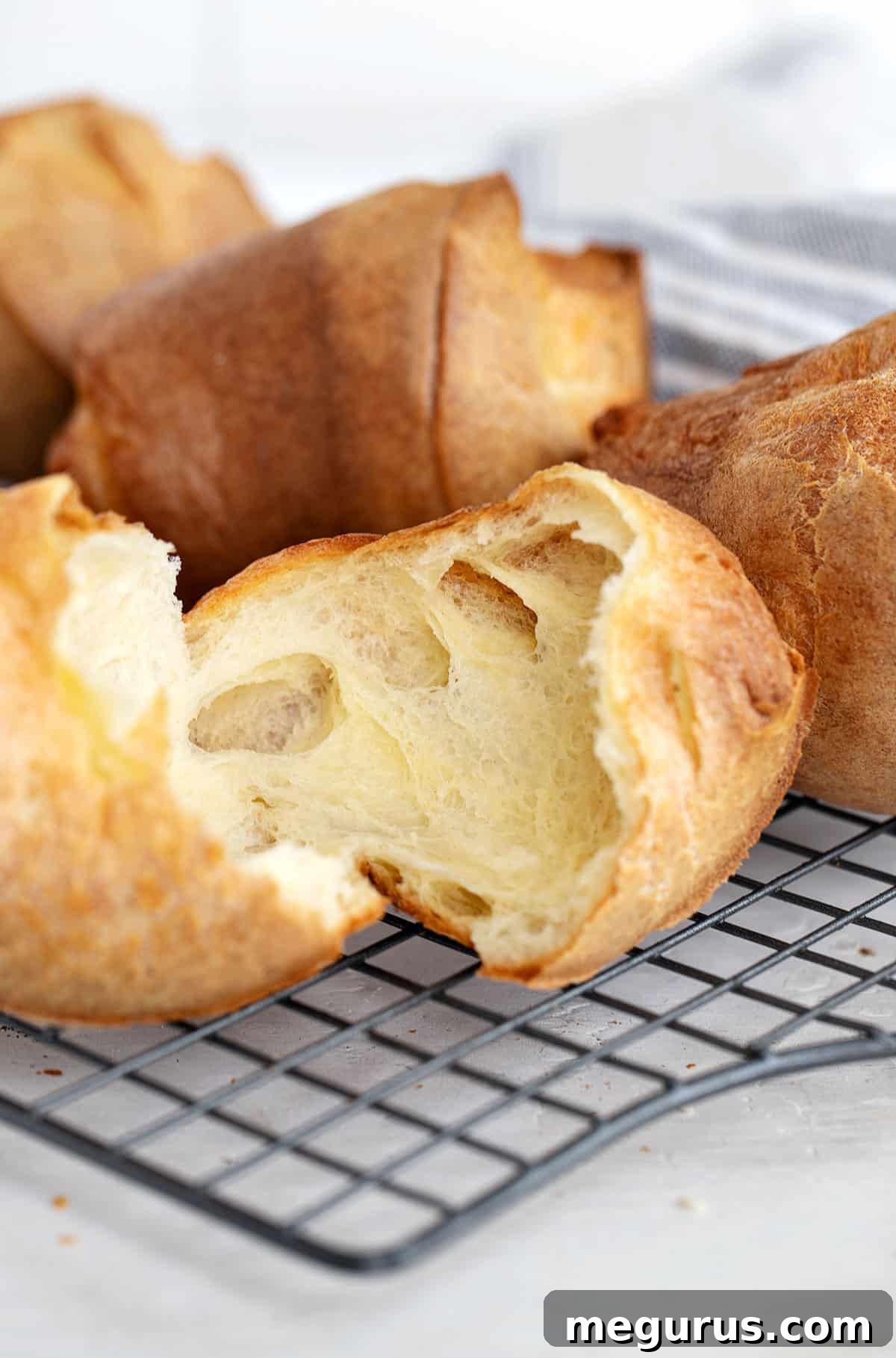
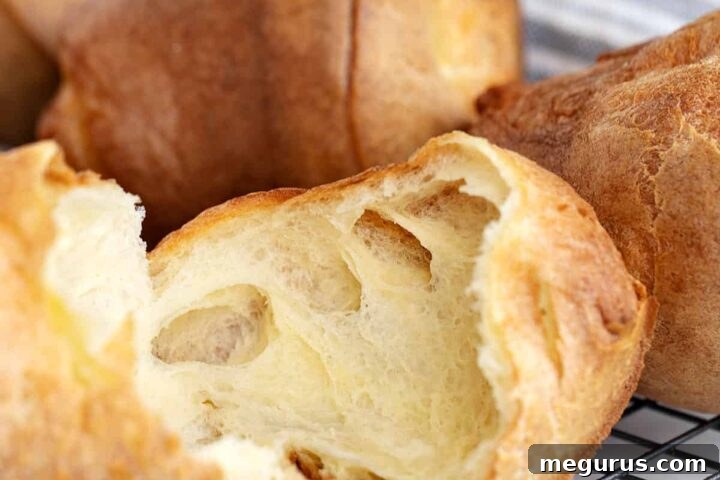
- Unmatched Texture: These popovers boast an incredible textural contrast. The exterior bakes to a beautiful golden crisp, offering a satisfying crunch with every bite. Meanwhile, the interior remains wonderfully soft and tender, never dense or gummy. It’s the ideal balance that defines a superior popover.
- Remarkable Sturdiness for Dipping: Many popovers can be delicate, but ours are designed to be sturdy enough for practical enjoyment. Their robust structure makes them perfect for hand-held eating and, crucially, for dipping into rich gravies, savory stews, or even a warm cup of coffee. No more crumbling frustration!
- Exceptional Make-Ahead and Reheating Qualities: Life is busy, and sometimes you need to prepare food in advance. These popovers are a dream come true for meal prep. They hold their magnificent shape and delightful texture beautifully, even after cooling. What’s more, they reheat wonderfully, tasting almost as fresh as when they first emerged from the oven. They also freeze exceptionally well, ensuring you always have a batch ready for a spontaneous craving or unexpected guests.
- Versatility at Its Best: From a savory companion to a sweet breakfast pastry, these popovers effortlessly transition between roles. Their neutral, slightly buttery flavor profile makes them a blank canvas for your culinary imagination.
Popover vs. Yorkshire Pudding: Understanding the Differences
Often, popovers are confused with Yorkshire pudding, and while they share a similar appearance and basic batter composition, there are distinct differences that set them apart. Understanding these nuances is key to appreciating each for its unique qualities.
Classically, Yorkshire pudding is intrinsically linked to a roast dinner, traditionally made with the beef drippings from a roasting pan. These drippings impart a rich, savory flavor that is the hallmark of an authentic Yorkshire. Popovers, on the other hand, are typically made without any meat drippings, making them a more neutral and versatile accompaniment suitable for a wider range of meals, both sweet and savory.
Beyond the drippings, the batter itself often differs. Yorkshire pudding batters tend to incorporate more fat directly into the mix, contributing to a slightly richer, often softer final product. While both rely on a hot oven and steam to “pop,” Yorkshire puddings are generally known for being softer and more pliable, designed to absorb gravy. Popovers, as perfected in this recipe, aim for a crispier exterior and a more pronounced, airy interior, making them ideal “cups” for fillings rather than just gravy sponges. The choice of pan also plays a role, with popover pans featuring deeper, narrower cups designed to encourage maximum vertical rise and the characteristic hollow shape.
Crafting the Perfect Popovers: A Step-by-Step Guide
Achieving those impressive, sky-high popovers is simpler than you might think, provided you follow a few key steps and tips. Precision and temperature control are your best friends here. Let’s walk through the process together, ensuring every popover is a triumph.
- Prepare Your Ingredients: Before you begin, ensure your eggs are at room temperature. This is crucial for a smooth batter and optimal rise. If you forget to take them out ahead of time, simply place them in a bowl of slightly warm (not hot) water for 5-10 minutes. While the eggs warm, preheat your oven to 375°F (190°C) with the oven rack positioned in the lower third (one position below the center). This helps ensure even baking and a good rise without burning the tops.
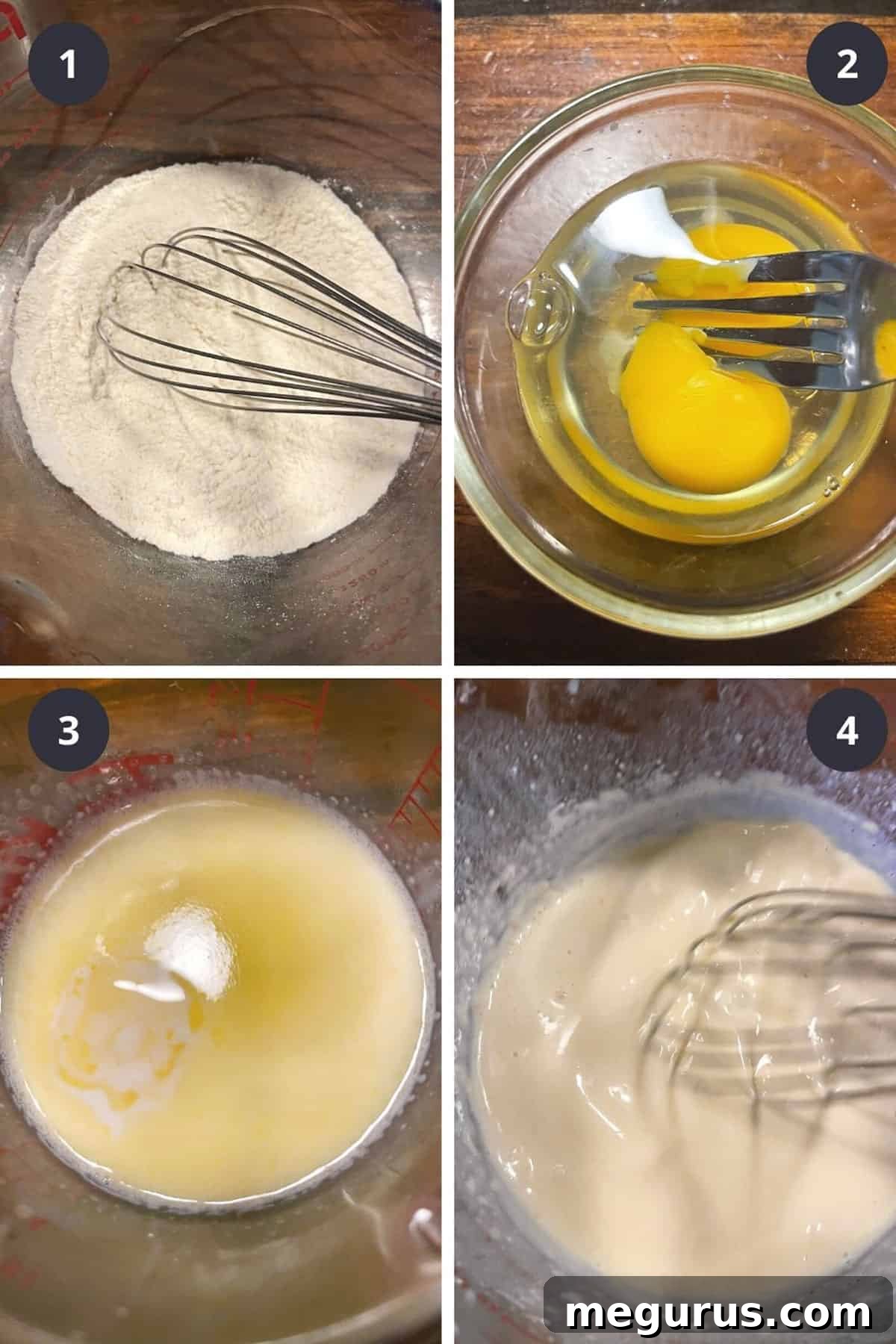
- Combine Dry Ingredients: In a medium-sized mixing bowl, whisk together the all-purpose flour and fine salt. Whisking ensures the salt is evenly distributed and aerates the flour, preventing lumps later.
- Beat the Eggs: Crack your room-temperature eggs into a small separate bowl and beat them lightly with a fork until just combined. Set these aside.
- Warm the Milk and Butter: In a microwave-safe container or a small saucepan, combine the milk and butter. Heat gently until the mixture is just warm to the touch (around 110°F or 43°C). It should feel comfortable, not hot, when you dip a finger in. Do NOT let it boil, as overheated milk can negatively impact the batter.
- Create the Batter (Tempering is Key): Make a small well in the center of your flour mixture. Pour the beaten eggs into this well. Now comes the most critical part: slowly incorporate the warm milk mixture. Begin by adding the warm milk very, very gradually, a few drops at a time initially, while continuously whisking the eggs in the well. As the eggs warm up, you can increase to a slow, steady stream. Continue whisking vigorously, gradually drawing in the surrounding flour until all the milk is added, no dry flour remains, and you have a smooth, lump-free batter. This slow addition (tempering) prevents the eggs from scrambling.
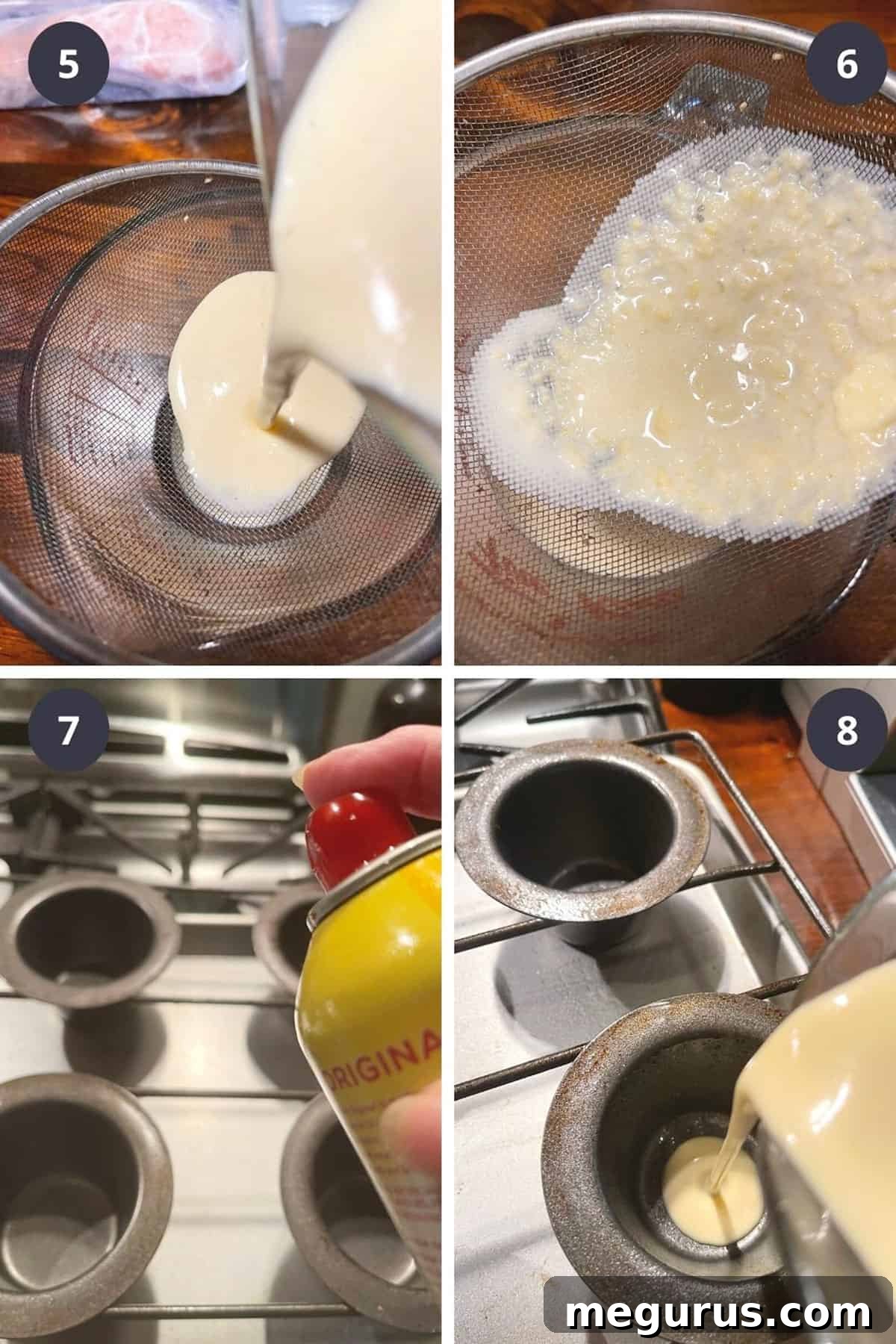
- Strain the Batter: To ensure an ultra-smooth batter and the most consistent rise, place a fine-mesh strainer over a container with a spout (like a large measuring cup). Pour the entire batter through the strainer, using a spatula to gently push it through if needed. Discard any small lumps or solids left in the strainer. This step is a small effort that yields significant results. Set the strained batter aside to rest while you prepare your pan.
- Preheat the Popover Pan: Place your 6-cup popover pan (or muffin tin) into the preheated oven for 10 minutes. This is a non-negotiable step! A scorching hot pan is essential for creating the immediate steam that causes popovers to dramatically puff up.
- Grease the Hot Pan: Carefully remove the preheated pan from the oven. Immediately and generously spray each cup with cooking spray. The hot pan will sizzle as you spray, indicating it’s ready for the batter.
- Fill and Bake: Pour the rested batter into the hot, greased popover cups, filling each approximately halfway. If using a muffin tin, you can fill the cups about two-thirds full. For any empty muffin cups in a 12-cup tin, fill them halfway with water to create more steam in the oven and promote even baking. Immediately return the filled pan to the oven.
- Bake Without Peeking: Bake for 25 minutes. During this crucial initial phase, RESIST THE URGE TO OPEN THE OVEN DOOR. Opening the door releases the trapped steam and heat, which will cause your popovers to deflate. After 25 minutes, gently rotate the pan front to back in the oven and continue baking for another 20-22 minutes, or until the popovers are deeply golden brown and look firm.
- Cool and Serve: Once baked to perfection, remove the popovers from the oven. Immediately and carefully transfer them to a wire cooling rack to prevent the bottoms from becoming soggy. Serve them warm. If desired, you can brush them with softened butter, garlic butter, or herb butter while they are still hot for an extra touch of flavor and richness.
Are Popovers Supposed to Be Hollow?
Absolutely, yes! The signature hollow interior is one of the most defining characteristics of a truly successful popover. It’s not a flaw, but rather a desired outcome of the baking process. When the batter hits the preheated pan in a hot oven, the moisture in the batter rapidly turns to steam. This steam, along with the leavening action of the eggs, forces the batter to expand rapidly and dramatically upwards and outwards, creating that iconic puffed shape and leaving a large, airy cavity inside.
Think of this hollow space as a perfectly engineered vessel. It’s designed to be a delightful little cup, ready to be filled with whatever sweet or savory topping your heart desires. Whether it’s a dollop of butter and jam, a spoonful of rich gravy, or a hearty stew, the hollow center of a popover is an invitation to culinary creativity.
Delicious Ways to Enjoy Your Popovers
The beauty of popovers lies in their incredible versatility. Their subtle flavor and impressive structure make them suitable for almost any occasion. Here are some of our favorite ways to enjoy these culinary marvels:
- Classic Savory Side: Serve them warm with a generous pat of butter alongside a comforting bowl of your favorite soup or a hearty stew. Their crisp exterior and tender interior provide a wonderful textural contrast to the liquid meal.
- Mini Serving Bowls: Get creative by splitting a popover open and spooning your stew, chili, or even a creamy mushroom sauce directly into its hollow center. It’s an elegant and delicious way to serve a meal, turning the popover into an edible bowl.
- Breakfast Delight: Transform them into a sweet breakfast treat. Serve them warm with a knob of butter that melts into the tender interior, then add a dollop of your favorite fruit jam, marmalade, or honey. They also pair wonderfully with a light dusting of powdered sugar.
- Dipping Perfection: Anytime a dish calls for something to soak up flavorful sauces or juices, a popover is an excellent choice. Think rich gravies from a roast, pan drippings, or even a flavorful olive oil for a simple, elegant appetizer.
- Creative Appetizers: For a more adventurous twist, fill them with savory fillings like scrambled eggs and cheese, creamed spinach, or even a mini chicken salad for unique appetizers or light lunch options.
Essential Tips for Popover Perfection
While the recipe itself is straightforward, incorporating these expert tips will significantly increase your chances of achieving consistently perfect, sky-high popovers:
- Temperature Matters (Eggs and Milk): Always use room-temperature eggs and warm (not hot) milk. Cold eggs can stiffen the batter and prevent proper rise. Warm milk helps create a smooth batter and initiates the gluten development more gently.
- Let the Batter Rest: After straining, let your popover batter rest for at least 15-30 minutes at room temperature. This allows the flour to fully hydrate, relaxes the gluten, and contributes to a more tender texture and better rise.
- Preheat the Pan Religiously: A scorching hot popover pan is the single most important factor for achieving that dramatic “pop.” The immediate intense heat creates steam, which is what propels the batter upwards. Don’t skip the 10-minute preheat in the oven!
- Don’t Peek! As tempting as it may be, resist the urge to open the oven door during the first 25 minutes of baking. Opening the door releases the crucial steam and drops the oven temperature, which can cause your popovers to deflate and not fully rise.
- Proper Filling: Never overfill your popover cups. Filling them about halfway is perfect for allowing enough room for the impressive expansion. Overfilling can lead to uneven baking or popovers that spill over the edges.
- Avoid Overmixing: Mix the batter until just combined and smooth. Overmixing can develop the gluten too much, leading to tough popovers.
- Use a Popover Pan if Possible: While muffin tins work (see below), a dedicated popover pan with its deep, narrow cups is designed for optimal air circulation and maximum vertical rise, yielding the most dramatic results.
Popover Pan vs. Muffin Tin: Do You Need Specialized Equipment?
The question of whether a dedicated popover pan is truly necessary is a common one. While I won’t sugarcoat it – a popover pan undeniably yields the most impressive and traditional results – you certainly aren’t out of luck if you only have a muffin tin. It simply requires a slight adjustment of expectations and technique.
A true popover pan features deep, individual cups with ample space between them. This design promotes superior air circulation and allows the batter to climb dramatically upwards without hindrance, resulting in those famously tall, hollow, and crispy-edged popovers. The high walls of the pan guide the batter’s ascent, encouraging maximum expansion.
If you opt for a muffin tin, your popovers will still be delicious, but they will naturally be shorter and a bit more dense due to the shallower cups and closer proximity, which limits vertical rise. However, they will still offer that delightful crispy exterior and tender interior. To adapt, place your muffin tin on a baking sheet to help conduct heat, and fill the cups about two-thirds full. If you have any empty cups, fill them halfway with water to create extra steam in the oven, aiding the rise of the others.
Ultimately, if you discover a love for these glorious pastries, I wholeheartedly recommend investing in a good quality popover pan. It’s a kitchen tool that pays dividends in perfectly puffed, impressive results.
Make Ahead, Store, and Reheat Popovers with Ease
While a freshly baked popover straight from the oven is an unparalleled experience, these particular popovers are remarkably resilient and maintain their charm even after being made ahead and reheated. This makes them an excellent choice for entertaining or simply having a delicious treat on hand.
Cooling and Initial Storage: Once your popovers are out of the oven, immediately transfer them to a wire cooling rack. This is vital to prevent steam from condensing on the bottom, which would lead to a soggy crust. Allow them to cool completely at room temperature. Once cooled, they can be stored in an airtight container at room temperature for up to 24 hours. For longer freshness, refrigeration is best.
Refrigeration: For storage beyond a day, place the completely cooled popovers in an airtight container and refrigerate for up to 2-3 days. This method helps maintain their texture better than leaving them at room temperature for extended periods.
Freezing for Long-Term: Popovers freeze beautifully! Once completely cooled, arrange them in a single layer on a baking sheet and flash freeze for about an hour until solid. This prevents them from sticking together. Then, transfer the frozen popovers to a freezer-safe airtight container or heavy-duty freezer bag. They will keep well in the freezer for up to 2 months.
Reheating Instructions: To bring refrigerated or frozen popovers back to their crispy glory, simply place them on a baking sheet (no need to thaw frozen ones first). Pop them into a preheated 350°F (175°C) oven for about 5-8 minutes if refrigerated, or 10-15 minutes if frozen, or until they are thoroughly warmed through and their crust has regained its crispness. Keep a close eye on them to prevent over-browning.
Delightful Popover Variations and Enhancements
While the classic popover is a marvel in itself, there’s always room for a little culinary creativity. Here are a few simple ways to customize your popovers and add an extra layer of flavor:
Buttery Brush-Ons: Immediately after taking the warm popovers out of the oven, brush them with melted butter for added richness. For a savory twist, prepare a garlic butter by melting butter with minced garlic, or an herb butter by adding finely chopped fresh herbs like rosemary, thyme, or chives to the melted butter. Be aware that brushing with butter will make the crust slightly softer than leaving them unbrushed, but it adds a wonderful depth of flavor.
Herbaceous Batter: For a subtle savory note, finely chop fresh herbs such as chives, parsley, or dill and fold them directly into the popover batter before filling the pans. Start with about 1-2 tablespoons of finely chopped herbs per batch. This adds a beautiful aroma and a hint of fresh flavor that pairs well with savory meals.
Cheese Infusion: For a cheesy delight, incorporate about ¼ cup of finely grated hard cheese like Parmesan or sharp cheddar into the batter. Alternatively, sprinkle a small amount of grated cheese into the bottom of each hot popover cup before pouring in the batter for a crispy, cheesy crust.
Sweet Surprises: While often savory, popovers can be delightful for sweet applications too. Consider folding in a tablespoon of sugar and a pinch of cinnamon into the dry ingredients for a slightly sweet popover. After baking, a dusting of powdered sugar, a drizzle of maple syrup, or a side of fruit compote can turn them into an elegant dessert or brunch item.
Get the Recipe: Simply Perfect Popovers
Ingredients
- 1 cup milk, whole (3 or 3.5%) or 2% milk recommended
- 1 Tablespoon butter, salted or unsalted
- 1 cup all-purpose flour, spooned and leveled
- 3/4 teaspoon fine salt, reduce slightly if using salted butter
- 2 large eggs, at room temperature, beaten
Instructions
- Take your eggs out of the fridge ahead of time to come to room temperature. (If you forget, you can place them in a bowl of slightly warm water for 5-10 minutes).
- Preheat oven to 375°F (190°C) (regular bake/not fan assisted), with rack in the lower third of the oven (1 rack position below center).
- In a medium bowl, whisk together the flour and salt.
- Crack the eggs into a small bowl and beat with a fork. Set aside.
- Add the butter to the milk and warm in the microwave or in a small saucepan until just warm (about 110°F/43°C) or to a temperature when you can put your finger in and it is not so hot you feel you need to take your finger out. Do not heat until hot and definitely do not let it boil.
- Tip! In the next step, you will be mixing warm milk with eggs. If you add the milk too quickly, it will cook the eggs. So the trick is to add the warm milk very, very slowly, to bring up the temperature of the eggs slowly, to prevent cooking (or lumpy eggs). Be sure to be stirring vigorously while you add the milk, which also helps the process. Do not worry if you get a few lumps; we will be straining the batter later.
- Make a well in the flour mixture and pour the beaten eggs into the well. Very, very slowly (a drop at a time to start, then increasing to a slow stream), begin adding the warm milk to the eggs while you continually whisk the mixture, bringing in the flour around the sides as you whisk, until you have added all the milk, no flour is visible, and you have a smooth-looking batter.
- Place a strainer over a container with a spout or a large measuring cup. Pour the batter through the strainer and into the measuring cup. Discard any solids left in the strainer and set batter aside to rest while you preheat the pan.
- Place a 6-cup popover pan into the preheated oven for 10 minutes.
- Note: You can also use a 6 or 12-cup muffin tin instead of a popover pan. Place the muffin tin on a baking sheet and preheat the muffin tin on top of the baking sheet. Divide the batter between the muffin cups, filling the muffin cups to the top. Fill any empty muffin cups half full with water. Baking time should be the same as for a popover pan, but check a few minutes early, just in case.
- When the pan is preheated after 10 minutes, remove from oven and spray with cooking spray. Pour batter into the hot popover cups, filling about 1/2 way full. For muffin tins, you could fill up to 2/3 full.
- Place into the oven and bake for 25 minutes. Do not open the oven until 25 minutes! Rotate the pan front to back in the oven and continue baking for an additional 20-22 minutes or until golden brown.
- Remove from oven and carefully transfer the popovers to a cooling rack while still hot. If you like, you can brush with softened butter while still hot, or with garlic and/or herb butter.
- Serve warm or allow to cool completely and transfer to an airtight container to serve later the same day or refrigerate for a couple of days. Popovers also freeze well for up to 2 months. To re-warm popovers (fresh or frozen), place on a baking sheet and pop into a 350°F (175°C) oven for 5-8 minutes, or until warmed through.
Notes
Nutrition Information (Estimated per Popover)
Serving: 1 popover | Calories: 133kcal | Carbohydrates: 18g | Protein: 6g | Fat: 4g | Saturated Fat: 2g | Polyunsaturated Fat: 0.5g | Monounsaturated Fat: 1g | Trans Fat: 0.1g | Cholesterol: 69mg | Sodium: 345mg | Potassium: 108mg | Fiber: 1g | Sugar: 2g | Vitamin A: 225IU | Calcium: 63mg | Iron: 1mg