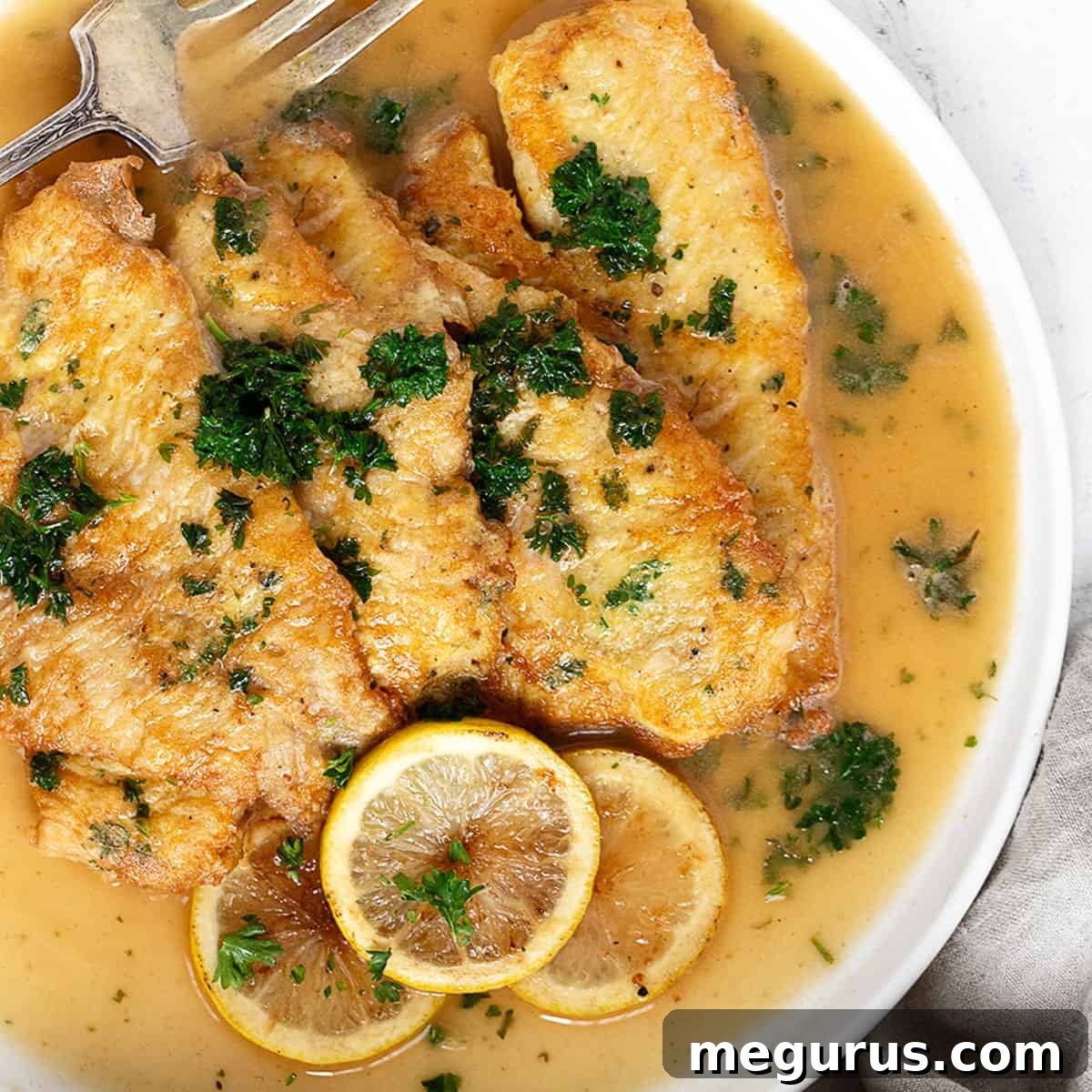
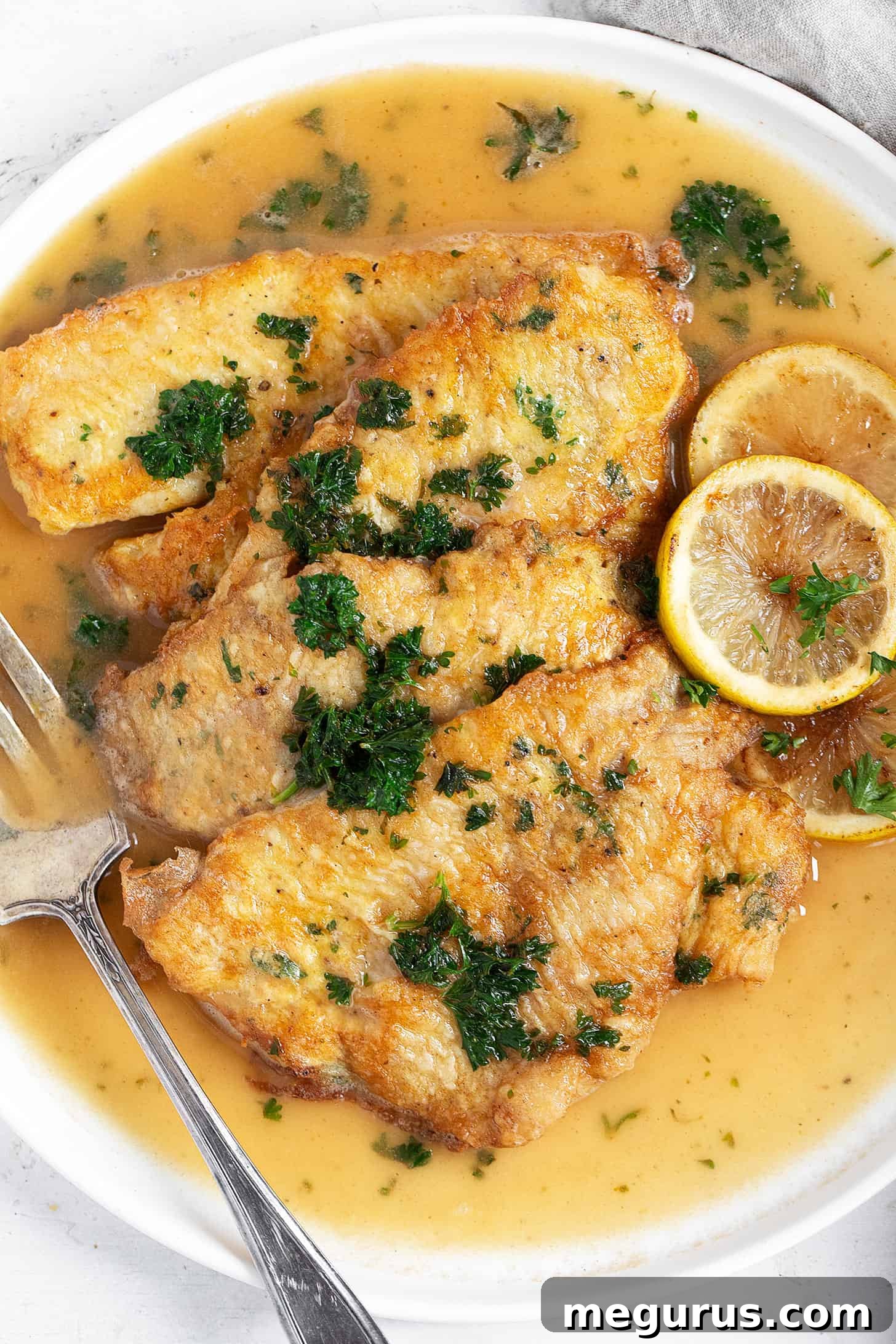
Welcome to the ultimate guide for preparing a truly exquisite seafood dish that promises to impress with its elegant simplicity and vibrant flavors: Sole Francese. Also known as Sole Française, this classic recipe features delicate sole fillets, lightly coated and pan-fried to a golden perfection, then bathed in a luxurious lemon and butter sauce with a hint of white wine. It’s a dish that masterfully balances richness with refreshing citrus notes, making it an ideal choice for a sophisticated dinner party or a surprisingly quick and easy weeknight meal. If you’re searching for a quick, delicious, and healthy fish dinner that brings a touch of gourmet to your table without hours in the kitchen, you’ve found your new favorite.
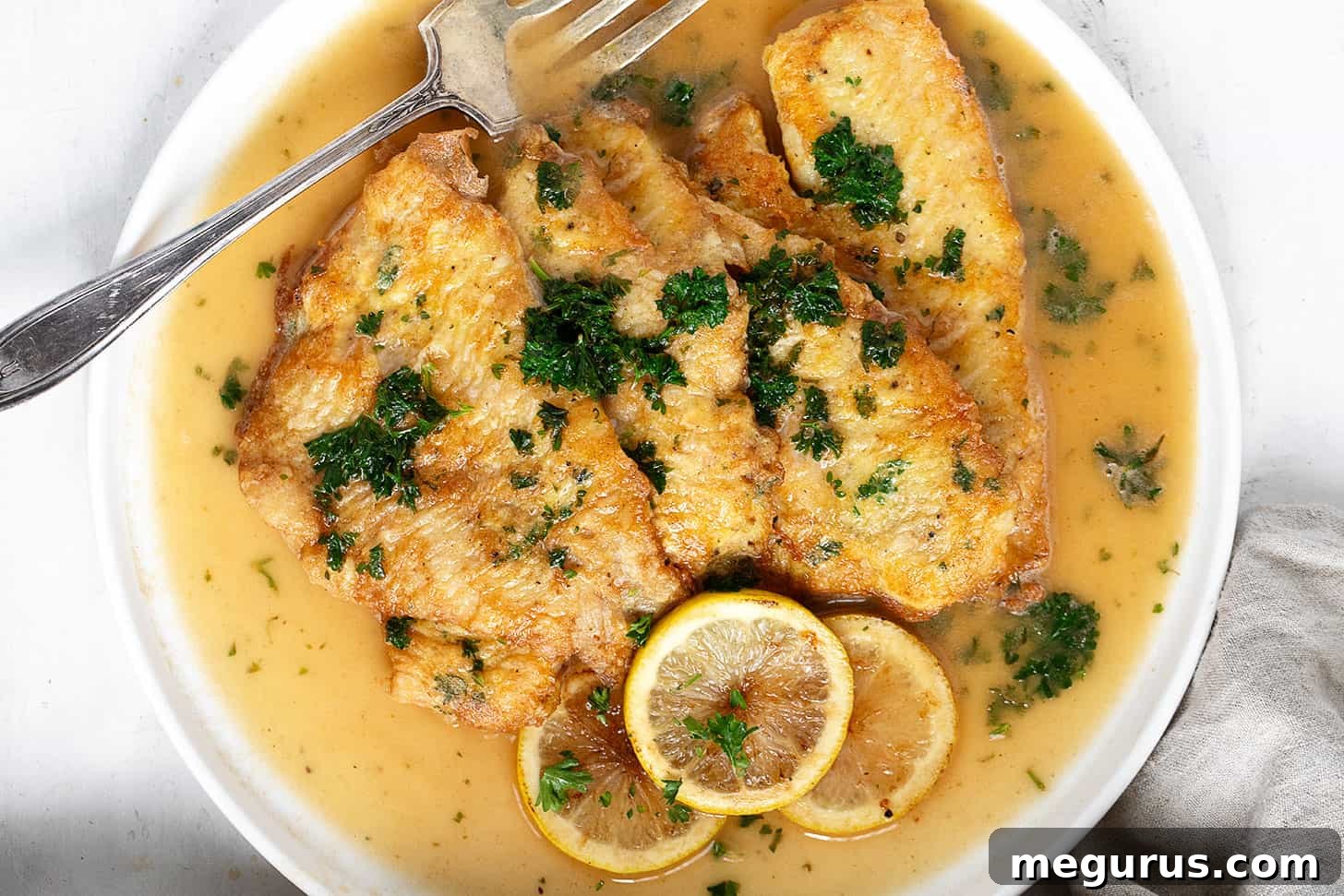
The timeless pairing of lemon and fish is a culinary triumph, and Sole Francese takes this combination to new heights. Each tender fillet offers a delightful contrast of textures: a subtly crispy exterior gives way to a flaky, moist interior, all harmonized by a bright, tangy, and utterly irresistible sauce. This recipe isn’t just about cooking; it’s about creating an experience that excites the palate and satisfies the soul. Let’s dive into the essential components and techniques that will help you achieve Francese perfection in your own kitchen.
Essential Ingredients and Thoughtful Substitutions for Sole Francese
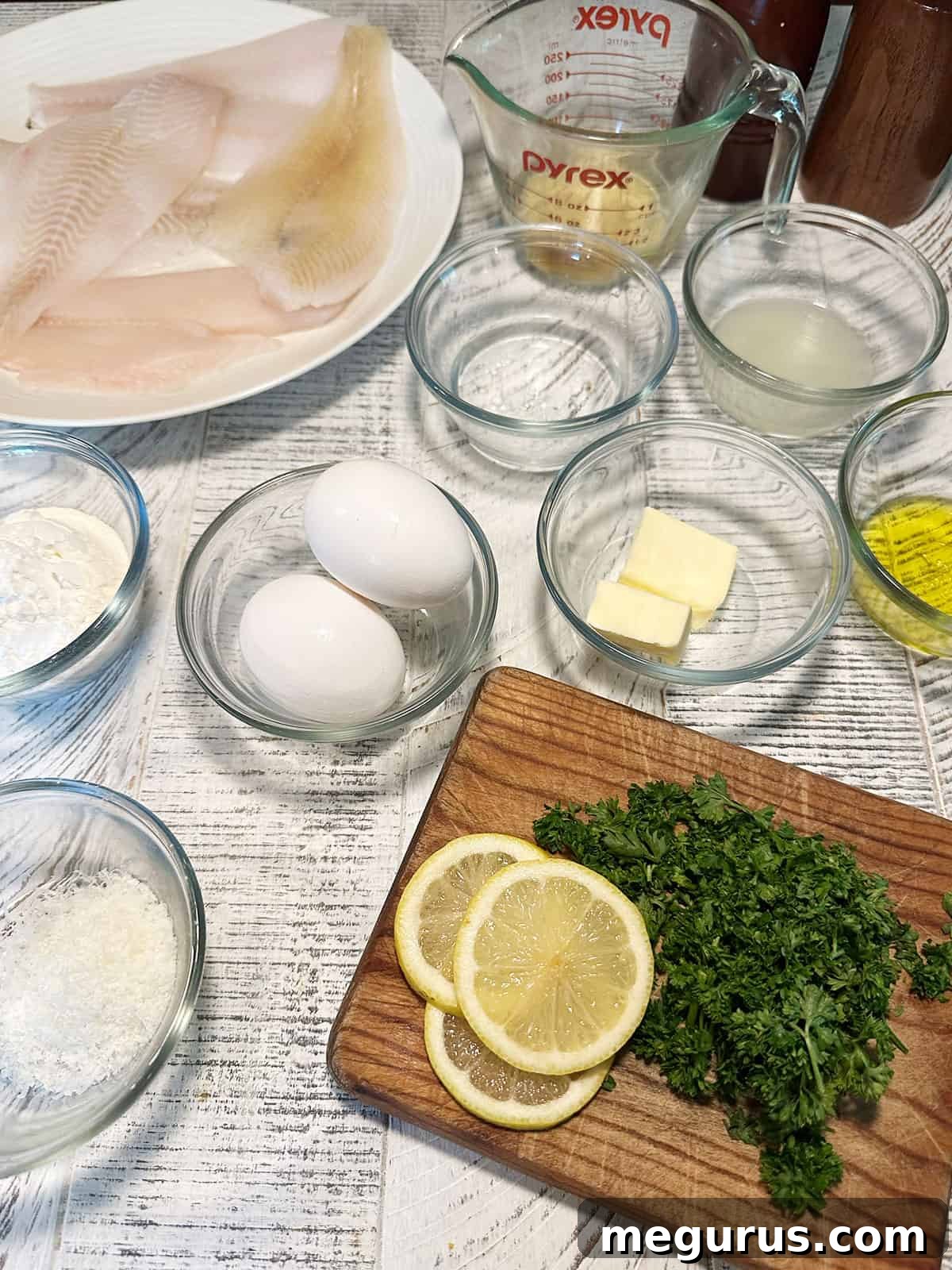
Crafting the perfect Sole Francese begins with selecting the right ingredients. While the recipe is relatively simple, the quality and freshness of each component significantly impact the final flavor. Here’s a deeper look at the key ingredients and how you can adapt them to your pantry or dietary needs.
- Sole Fillets: The Star of the Show
For this dish, we primarily use delicate sole fillets, which are known for their mild flavor and tender, flaky texture. You can use fresh sole fillets, or if fresh is unavailable, thoroughly thawed frozen fillets work wonderfully. When selecting fresh sole, look for fillets that are firm, shiny, and have a fresh, mild scent. If using frozen, ensure they are fully thawed and patted very dry with paper towels before coating; this is crucial for achieving that desirable crispy exterior. While sole is traditional, other thin, delicate white fish like flounder, tilapia, or even haddock can make excellent substitutes, offering a similar texture and mild flavor profile. The key is to choose fillets that are not too thick, ensuring they cook quickly and evenly. - Fresh Lemons: The Zesty Foundation
Fresh lemons are non-negotiable for Sole Francese. You’ll need about two large lemons: one for thin slices used for browning and garnish, and the rest for freshly squeezed juice for the luscious sauce. The brightness of fresh lemon juice cuts through the richness of the butter, creating a perfectly balanced flavor profile that defines this dish. Avoid bottled lemon juice if possible, as its flavor can be less vibrant and sometimes bitter compared to fresh. Zest from a lemon can also be a fantastic addition to the sauce or as a garnish for an extra aromatic lift. - Fresh Parsley: A Burst of Color and Freshness
Chopped fresh parsley adds a beautiful pop of color and a subtle herbaceous note that complements the fish and lemon perfectly. Flat-leaf (Italian) parsley is generally preferred for its robust flavor. While dried parsley can be used in a pinch, it won’t offer the same vibrant taste or aesthetic appeal. Consider fresh parsley an essential finishing touch that elevates the dish. - Dry White Wine: Adding Depth to the Sauce
A dry white wine, such as Sauvignon Blanc, Pinot Grigio, or Chardonnay (unoaked), is traditionally used to deglaze the pan and build a complex, aromatic sauce. The alcohol cooks off, leaving behind a wonderful depth of flavor. Choose a wine that you would enjoy drinking, as its quality will directly influence the taste of your sauce. If you prefer not to use alcohol, or don’t have any on hand, a good quality chicken or vegetable broth can be a suitable substitute. You might find you need to add a little more lemon juice to compensate for the wine’s acidity and brightness in this case, ensuring the sauce remains lively. - Eggs, Parmesan Cheese, and All-Purpose Flour: The Crispy Coating
These ingredients form the essential breading that gives the sole its delightful texture. Large eggs bind the coating, while grated Parmesan cheese adds a savory, nutty depth to the crust. All-purpose flour provides the initial dredge, helping the egg mixture adhere better and contributing to the golden-brown crispness when pan-fried. Seasoning the egg mixture generously with salt and freshly ground pepper is crucial for flavoring the fish from the start. - Butter and Olive Oil: For Frying and Sauce Richness
Combining extra virgin olive oil and butter for pan-frying the fish is a smart choice. Olive oil has a higher smoke point, preventing the butter from burning too quickly, while the butter adds an unparalleled richness and flavor to the fish. For the sauce, pure butter is key to achieving that creamy, velvety texture that coats each fillet beautifully.
Crafting Sole Francese: A Step-by-Step Culinary Journey
Creating this elegant fish dish is surprisingly straightforward, yet each step plays a vital role in achieving its signature flavor and texture. Follow these detailed instructions to prepare your perfect Sole Francese.
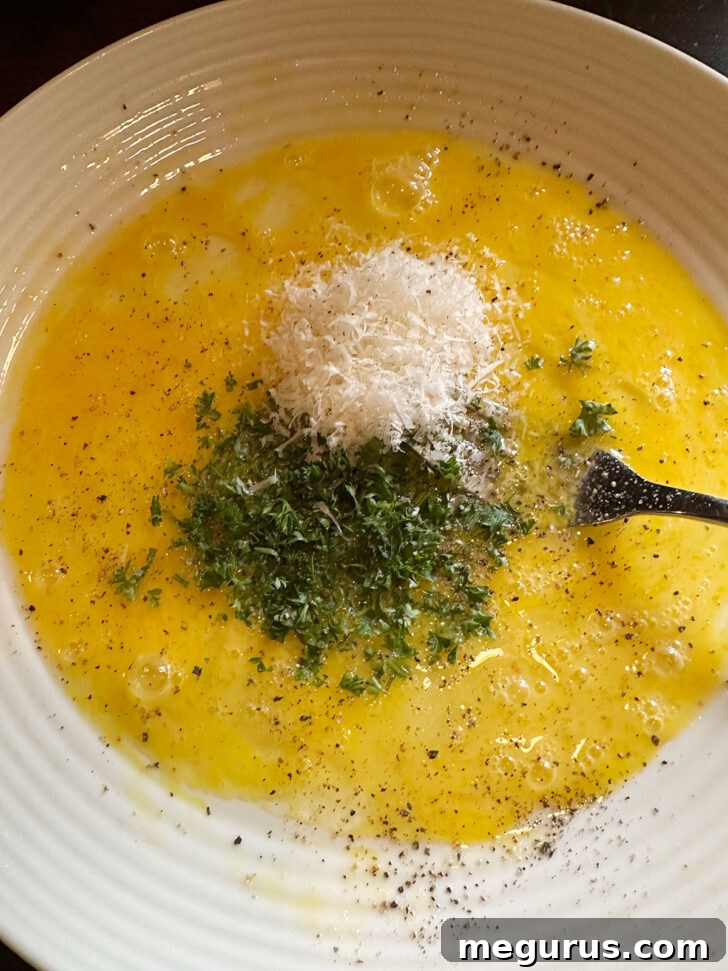
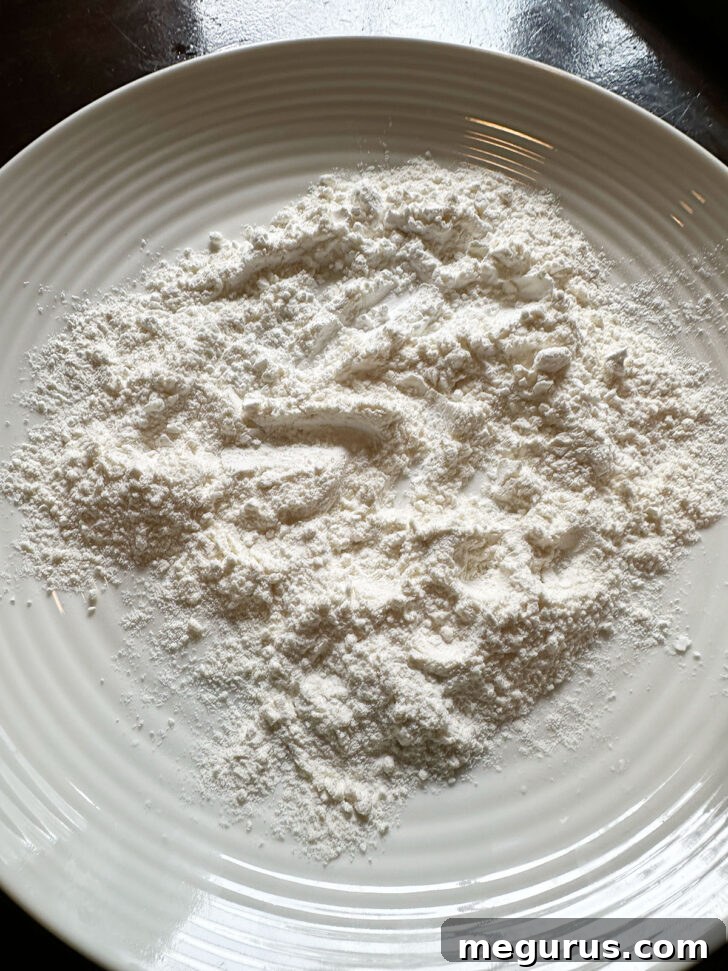
- Prepare the Coating Mixtures: In a shallow bowl, whisk together the large eggs, grated Parmesan cheese, a tablespoon of chopped fresh parsley, and a generous pinch of salt and freshly ground black pepper. Ensure the mixture is well combined. On a separate shallow plate, spread out the all-purpose flour. Having both stations ready before you start cooking streamlines the process.
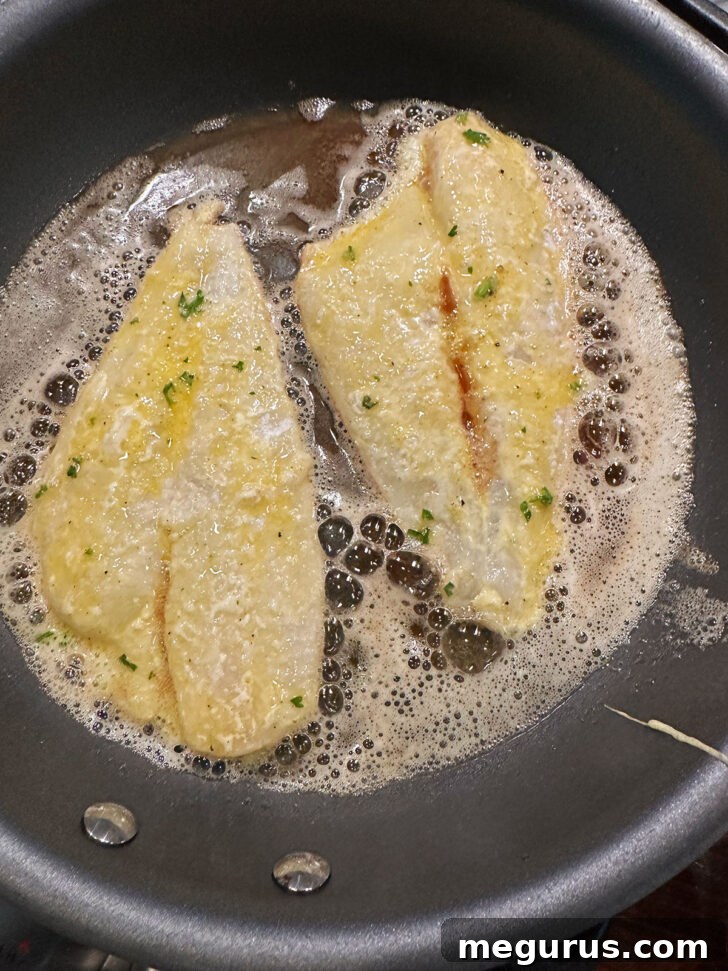
- Dredge the Sole: Pat your sole fillets thoroughly dry with paper towels. This is a crucial step to ensure a crispy crust and prevent steaming. First, lightly dredge each fillet in the flour, shaking off any excess. Then, dip the floured fillet into the egg and Parmesan mixture, ensuring both sides are fully coated. Immediately transfer the coated fish to your hot skillet.
- Pan-Fry the Fish: Heat a large non-stick skillet over medium-high heat. Add the extra virgin olive oil, then the butter, and allow it to melt and combine. Once the butter is sizzling gently, carefully place the coated sole fillets into the skillet in a single layer. Be mindful not to overcrowd the pan; cook in batches if necessary to maintain consistent heat and achieve proper browning.
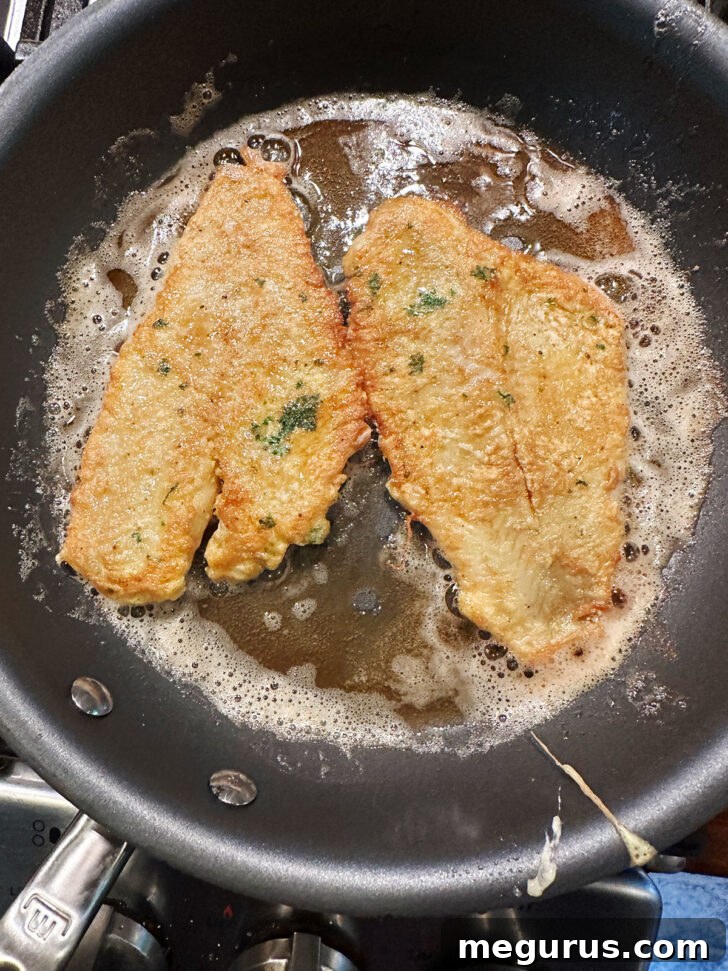
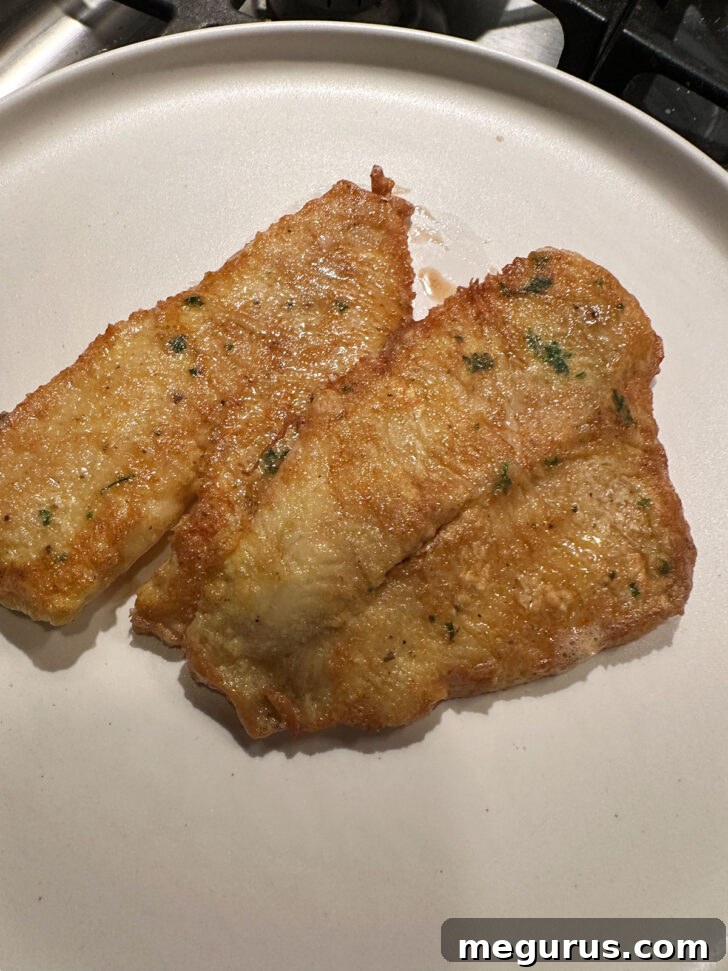
- Cook to Golden Perfection: Cook the fillets for about 1.5 to 2 minutes on each side, or until they are beautifully golden brown and cooked through. Sole is a delicate fish and cooks very quickly, so be careful not to overcook it, as it can become tough. The fish should flake easily with a fork when done.
- Rest the Fish: Once cooked, carefully remove the sole fillets from the skillet and transfer them to a warmed serving platter. Keeping the platter warm helps to retain the fish’s temperature and prevents it from cooling down while you prepare the sauce. You can warm a platter by running it under hot water for a minute or two and then drying it thoroughly.
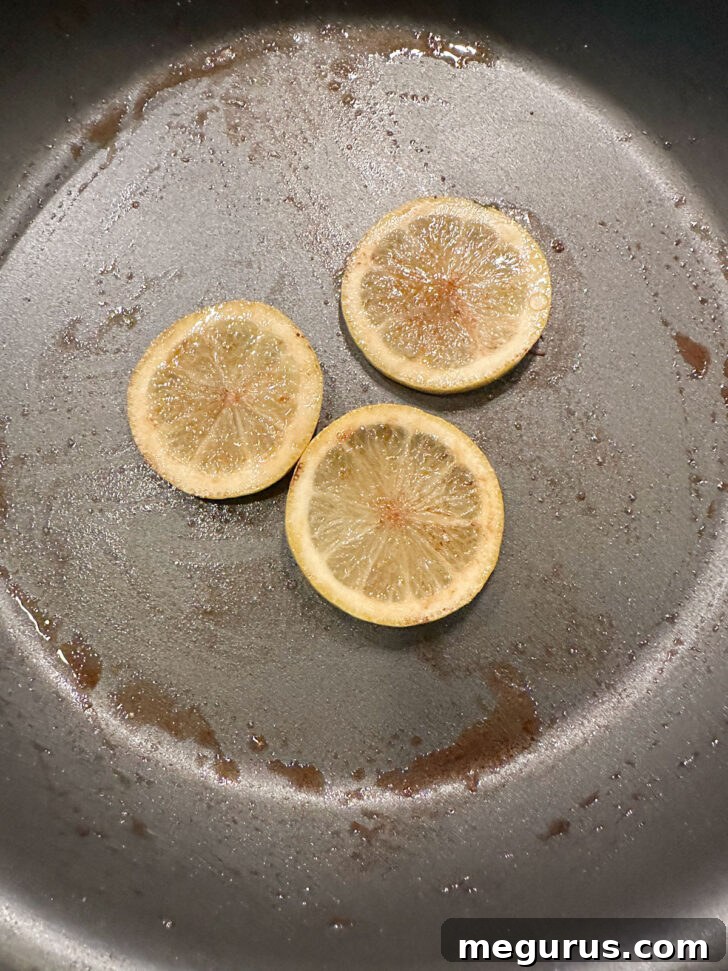
- Brown the Lemon Slices: Quickly wipe out the skillet with a paper towel to remove any residual bits from frying the fish. Add the fresh lemon slices to the skillet over medium-high heat and cook them briefly, for about 30 seconds to 1 minute per side, until they are lightly browned and caramelized. This step enhances their flavor and makes for an attractive garnish.
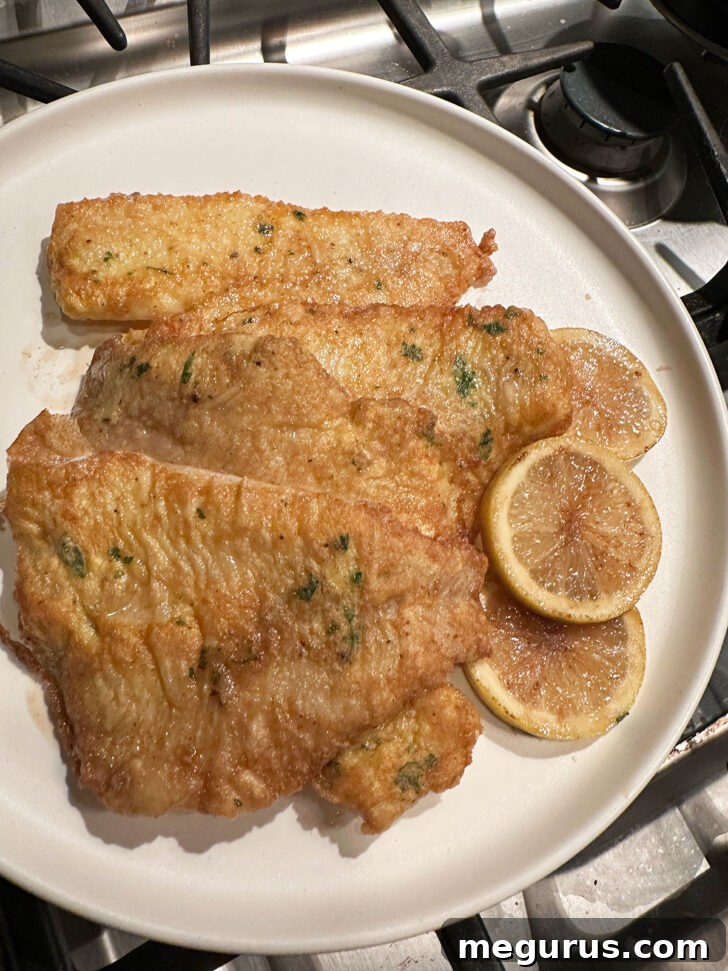
- Transfer Lemons: Remove the browned lemon slices from the skillet and place them alongside the cooked fish on the serving platter. They will be used for both presentation and an additional burst of flavor.
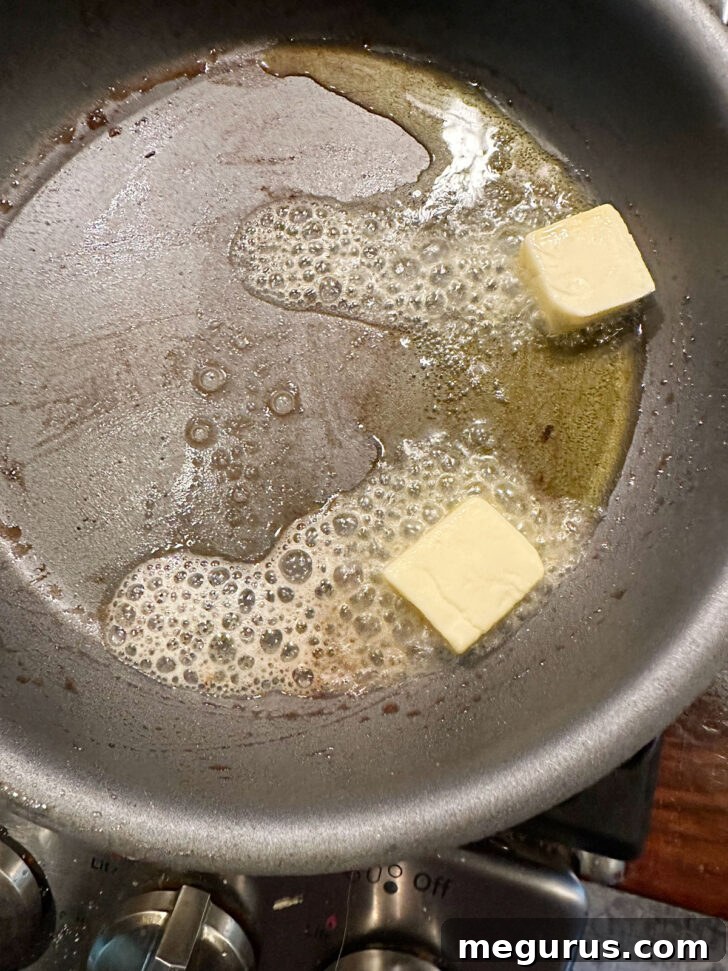
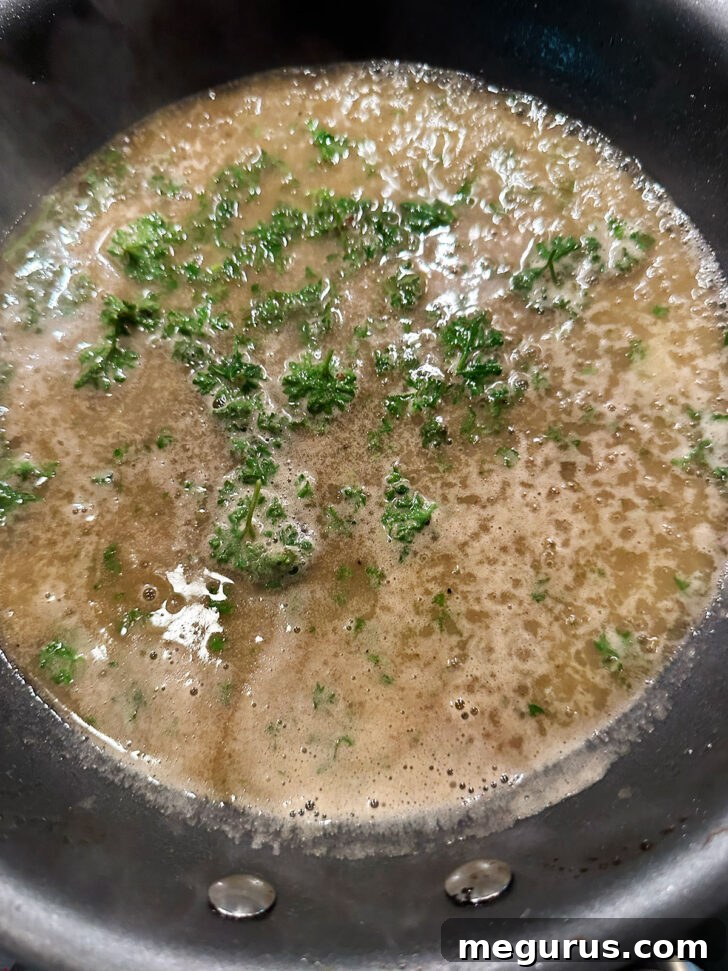
- Prepare the Luscious Sauce: With the skillet still hot, add the dry white wine (or broth). Let it cook for about one minute, scraping up any flavorful browned bits from the bottom of the pan – this is called deglazing and adds immense depth to your sauce. Then, add the remaining butter and the freshly squeezed lemon juice. Stir continuously until the butter is fully melted and emulsified with the wine and lemon juice, allowing the sauce to cook briefly until it thickens slightly. Taste and adjust seasoning with salt and pepper as needed.
- Finish and Serve: Stir in the remaining chopped fresh parsley into the sauce. Pour the warm, luscious lemon butter sauce generously over the pan-fried sole fillets on the serving platter. Garnish with additional fresh parsley or a few fresh lemon wedges if desired, and serve immediately. Sole Francese is best enjoyed fresh, allowing the delicate flavors to shine.
Recipe Tips and Tricks for Sole Francese Perfection
Achieving restaurant-quality Sole Francese at home is easier than you think, especially with a few expert tips:
- Adjusting Lemon Flavor: The beauty of this sauce lies in its adaptability. You can easily adjust the amount of lemon juice to suit your personal taste. For a brighter, more pronounced tang, add an extra splash of lemon juice at the end. For a milder flavor, start with less and add more if desired.
- Thickening the Sauce: If you prefer a slightly thicker sauce, a classic French technique involves using a Beurre Manié. This is simply equal parts softened butter and all-purpose flour kneaded together into a smooth paste. Add small pieces of the Beurre Manié to the simmering sauce at the very end of cooking, whisking constantly until it dissolves and thickens the sauce to your desired consistency. The fat in the butter prevents the flour from clumping, ensuring a smooth finish. Alternatively, a cornstarch slurry (1 tsp cornstarch mixed with 1 tsp cold water) can also be used, whisked into the simmering sauce until thickened.
- Don’t Overcrowd the Pan: When pan-frying the sole, resist the urge to put too many fillets in the skillet at once. Overcrowding lowers the pan’s temperature, leading to steamed rather than crispy fish. Cook in batches if necessary, ensuring each fillet has enough space to brown properly.
- Pat Dry for Crispiness: Always remember to thoroughly pat your sole fillets dry before dredging. Excess moisture is the enemy of crispiness. A dry surface ensures the flour and egg coating adheres well and fries beautifully.
- Freshness is Key: While substitutions are possible, the true magic of Sole Francese comes from fresh ingredients. Fresh sole, freshly squeezed lemon juice, and fresh parsley truly make a difference in the overall vibrancy and taste of the dish.
- Serve Immediately: Sole Francese is a dish best enjoyed right off the stove. The delicate fish and hot, emulsified sauce are at their peak freshness and texture when served without delay.
- What to Serve With: This elegant fish pairs wonderfully with simple sides that won’t overpower its delicate flavors. Consider serving it with fluffy white rice, a light pasta like angel hair or orzo, steamed asparagus, green beans almandine, or a simple green salad with a vinaigrette dressing. The bright sauce also complements roasted potatoes beautifully.
Making Ahead and Storing Sole Francese
While fish dishes, especially delicate ones like Sole Francese, are always best enjoyed immediately after cooking for optimal flavor and texture, sometimes leftovers happen. Here’s what you need to know about preparing ahead and storing this delicious meal:
Fish, particularly thin fillets like sole, can easily overcook when reheated. The delicate texture can become tough and dry, and the vibrant flavors of the lemon butter sauce may diminish. For the freshest and most enjoyable experience, we highly recommend cooking and serving Sole Francese on the same day.
Should you have any leftovers, store them promptly in an airtight container in the refrigerator for up to 2 days. To reheat, gently warm the fish and sauce in a skillet over low heat, or in a microwave on a low power setting, until just heated through. Be careful not to overheat. Adding a small splash of water or broth during reheating can help prevent the fish from drying out. While the texture may not be as pristine as freshly cooked, the flavors will still be delightful.
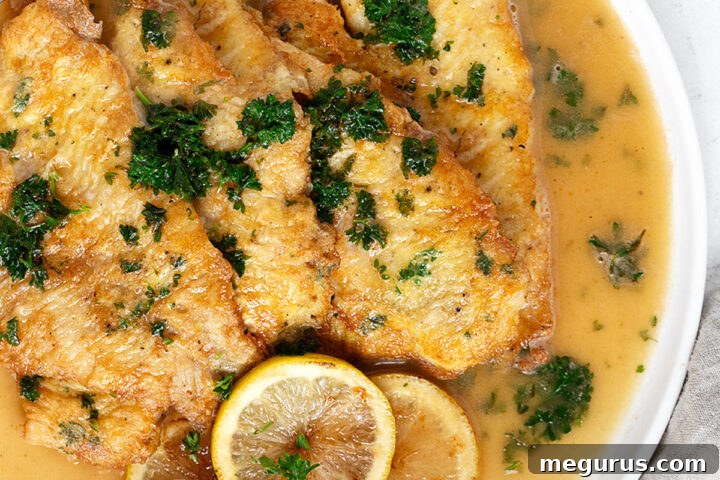
Sole Francese
Lovely sole fillets coated in egg and flour and then pan-fried until crispy and golden. Served with a luscious lemon and butter sauce. A quick, easy and delicious fish dinner.
Ingredients
- 1 lb sole fillets, fresh or thawed frozen fillets
- 2 large eggs
- 3 Tablespoons Parmesan cheese, grated
- 1 Tablespoon fresh parsley, chopped
- Salt and freshly ground pepper
- 1/3 cup all-purpose flour
- 2 Tablespoons extra virgin olive oil
- 2 Tablespoons butter
- 3-4 slices fresh lemon
For the sauce:
- 1/4 cup dry white wine
- 2 Tablespoons butter
- 2-3 Tablespoons lemon juice, freshly squeezed recommended
- 2 Tablespoons parsley, chopped, plus more for garnish
Instructions
- In a medium bowl, mix together the eggs, Parmesan cheese, parsley, and some salt and freshly ground pepper. Pour the mixture onto a rimmed or deep plate (for dipping).
- Add the flour to another rimmed or deep plate.
- In a large non-stick skillet, heat the olive oil on medium-high heat and then add the butter and melt. Stir the butter together with the oil.
- Pat the sole dry with a paper towel, dredge in the flour, then coat on both sides with the egg and cheese mixture. Immediately add the fish to the skillet.
- Tip! Warm the serving platter by running it under hot water and then drying off.
- Cook the fillets until browned underneath, then flip and brown the other side, about 1 1/2 minutes on each side. Remove the fish to a warmed serving platter.
- Wipe the skillet, then add the lemon slices to the skillet. Cook briefly on medium-high heat until browned on both sides, then remove them to the plate with the fish.
- Make the sauce by adding the wine to the skillet over medium-high heat and allow to cook off for about one minute. Add the butter to the skillet and melt, then add the lemon juice and stir in. Cook briefly together until the sauce is thickens slightly, then stir in the parsley and season with a bit of salt and freshly ground pepper. Taste the sauce and adjust the seasoning and/or add additional lemon juice, if desired.
- Pour the sauce over the fish and serve immediately garnished with additional chopped parsley.
- Tip! If you’d like a thicker sauce, mix/knead together 1 Tbsp of butter with 1 Tbsp of flour (Beurre Manié) and stir into the sauce at the end of cooking.
Notes
Be sure to read the notes above this Recipe Card for more tips on making this recipe. You’ll find ingredient and substitution notes as well as step-by-step photos, that you might find helpful.
Serving: 1 serving, Calories: 346 kcal, Carbohydrates: 10 g, Protein: 20 g, Fat: 24 g, Saturated Fat: 10 g, Polyunsaturated Fat: 2 g, Monounsaturated Fat: 10 g, Trans Fat: 0.5 g, Cholesterol: 177 mg, Sodium: 280 mg, Potassium: 273 mg, Fiber: 0.4 g, Sugar: 1 g, Vitamin A: 805 IU, Vitamin C: 8 mg, Calcium: 93 mg, Iron: 1 mg