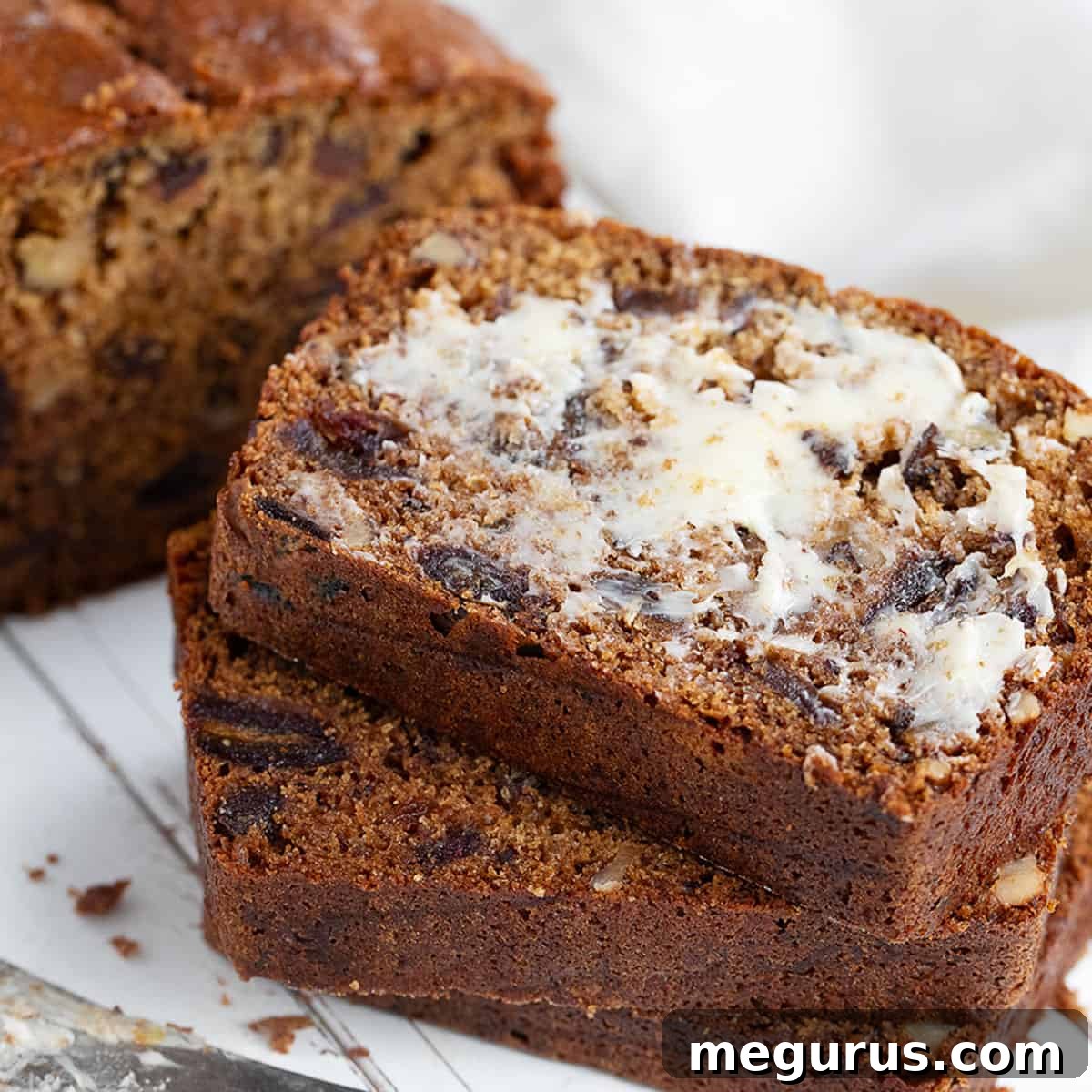
Classic Old-Fashioned Date Nut Bread Recipe with Molasses
Indulge in the timeless charm of a homemade classic with our exquisite old-fashioned date nut bread. This beloved recipe crafts a perfectly moist and tender loaf, enriched with a hint of molasses that deepens its flavor and adds a beautiful, rich hue. It’s the ultimate comfort food, ideal for a morning treat with coffee, an afternoon snack, or a delightful addition to any brunch spread. Prepare to fall in love with this deliciously simple, yet profoundly satisfying date nut loaf, guaranteed to become a cherished staple in your kitchen.
Why This Old-Fashioned Date Nut Bread Will Become Your New Favorite
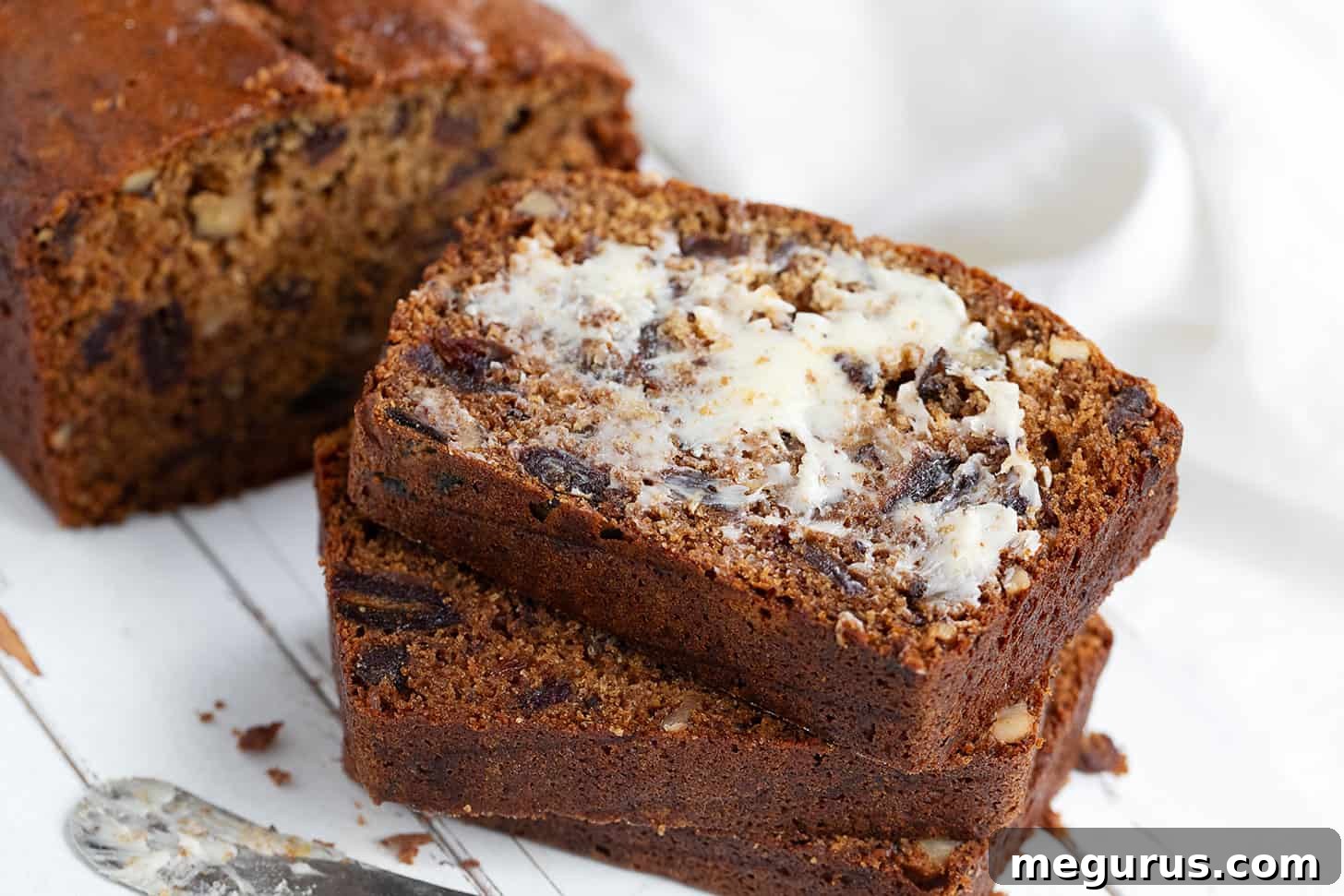
There are countless reasons why this particular date nut bread recipe stands out and quickly becomes a cherished staple in any home. It’s more than just a baked good; it’s an experience – a warm, inviting aroma filling your kitchen, followed by a slice of pure, comforting goodness.
- Unforgettable Flavor and Texture: This isn’t just any date bread. It boasts a perfectly balanced sweetness from the dates and brown sugar, complemented by the subtle, earthy richness of molasses. The texture is a dream – never dry or crumbly, yet never sticky or dense. Each bite offers a tender, moist crumb dotted with crunchy nuts, making it incredibly satisfying and truly unique.
- A True Old-Fashioned Classic: This recipe taps into nostalgic flavors, reminiscent of beloved family recipes. It’s a tried-and-true method that yields consistent, delicious results every time, ensuring that authentic old-fashioned taste and quality you crave.
- Perfectly Moist, Every Time: The unique combination of chopped dates, boiling water, and a touch of baking soda creates a naturally moist environment for the bread, ensuring it remains tender and delightful for days. You’ll achieve that ideal slicing texture that holds together beautifully, making it a joy to serve.
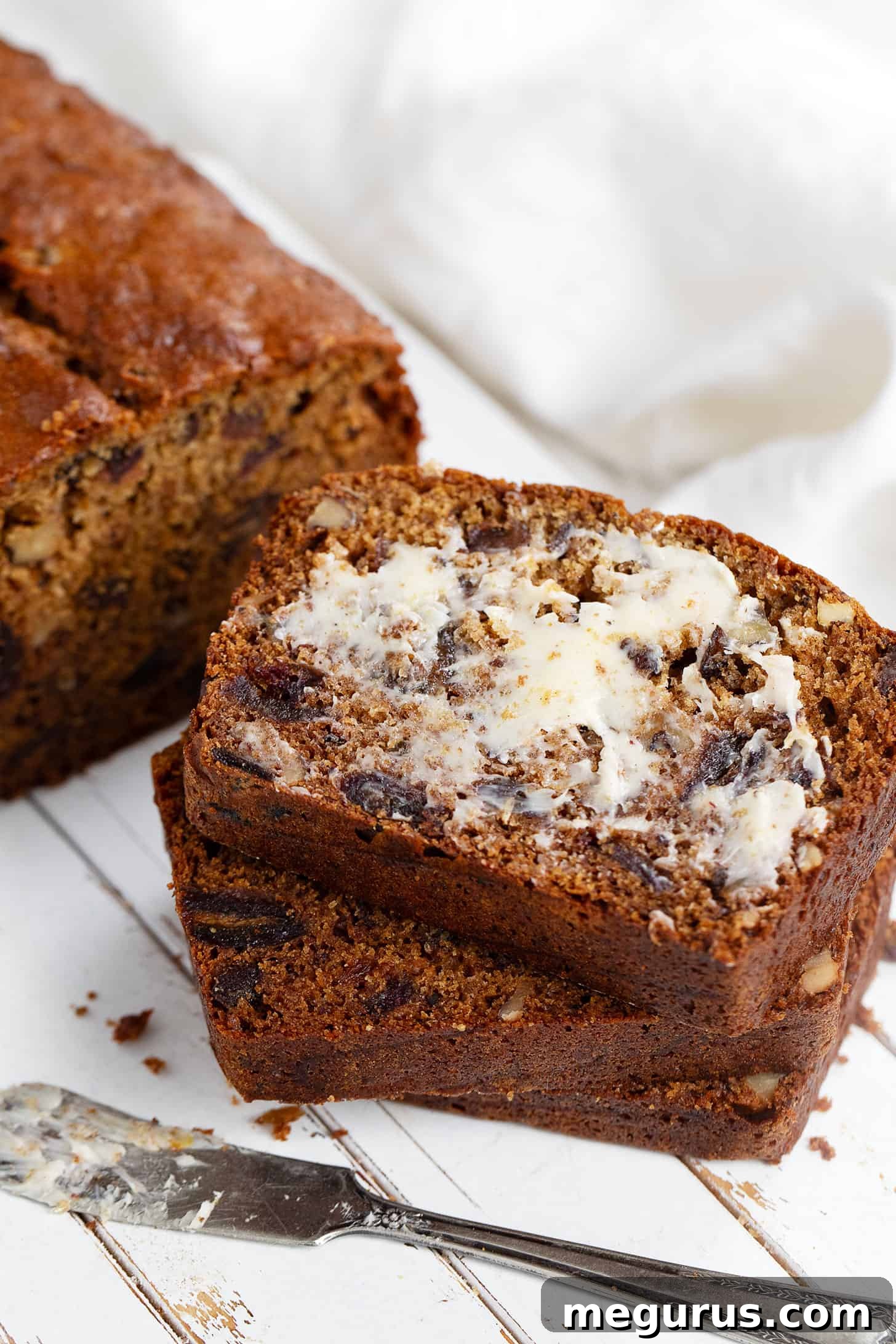
- Versatile Enjoyment: Whether you crave a wholesome breakfast, a quick and satisfying snack, or a light dessert, this date loaf fits the bill. It’s delicious on its own, but truly shines with a smear of butter, a dollop of cream cheese, or even a drizzle of honey. It’s perfect for any time of day.
- Excellent Keeping Qualities: One of the best aspects of this molasses date nut bread is how well it stores. It stays fresh and wonderfully moist on the counter for several days, making it perfect for meal prepping or enjoying throughout the week. It also freezes beautifully, allowing you to bake ahead and enjoy a slice of homemade goodness whenever the craving strikes.
Essential Ingredients for Your Moist Date Nut Bread
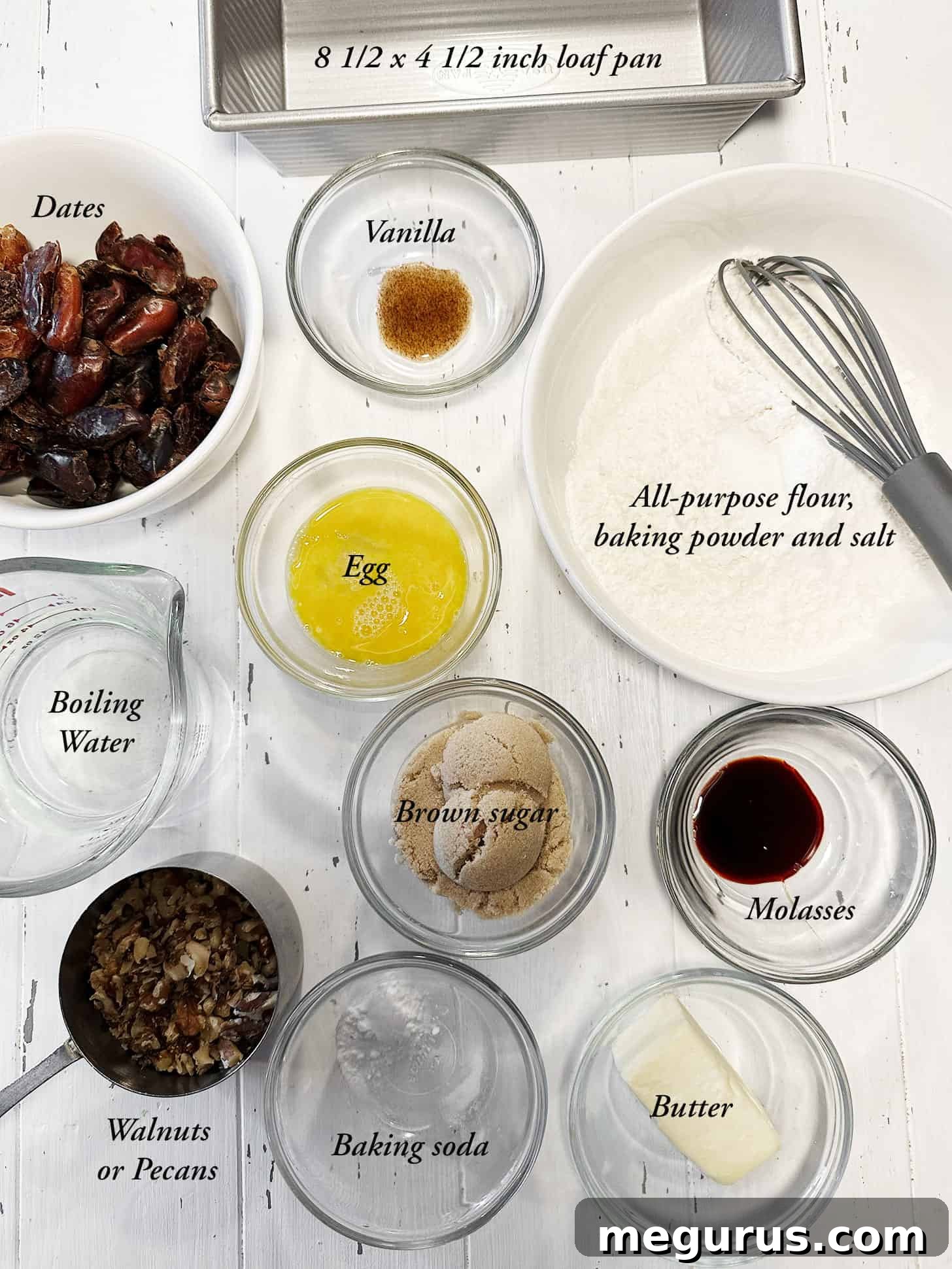
Crafting the perfect, moist date nut bread begins with selecting the right ingredients and understanding how each contributes to the final masterpiece. Here’s a closer look at what you’ll need and some valuable tips to ensure your homemade date loaf turns out exceptional.
Key Ingredient Notes for Best Results:
Dates: As the star of our date loaf, the quality and type of dates matter. You have flexibility here: economical dried cooking dates found in the baking aisle work wonderfully, as do plain loose dates, Honey dates, or the more luxurious Medjool dates. I often opt for bulk loose dates, which offer fantastic flavor and value. Ensure they are pitted before chopping. Finer chopping integrates them seamlessly, while coarser chunks provide more distinct bursts of sweet, chewy date flavor. Dates are also a great source of fiber and natural sweetness, contributing significantly to the bread’s moist texture.
Molasses: This ingredient is crucial for the bread’s signature rich flavor, its beautiful dark hue, and its incredibly moist texture. For optimal results and a balanced, delightful taste, I highly recommend using “Fancy” molasses. Its milder, sweeter profile beautifully complements the dates without overpowering them. While “Cooking” molasses can be used, be aware that it has a stronger, more assertive flavor that will be more prominent in the finished loaf. I do not recommend “Blackstrap” molasses for this recipe, as its robust and slightly bitter notes can easily dominate the delicate flavors of the bread. If molasses isn’t available or preferred, you can substitute it with an equal amount of honey, maple syrup, or golden syrup, though the flavor profile will subtly change.
Brown Sugar: Light brown sugar is my go-to choice for this date nut bread, contributing a tender crumb and a gentle caramel note that pairs wonderfully with the molasses. However, if you prefer a slightly darker loaf with a more intense, deeper flavor, dark brown sugar is an excellent alternative. Remember, sugar in baking does much more than just sweeten; it plays a crucial role in the bread’s structure, ensuring a wonderfully moist and tender outcome by attracting and retaining moisture.
Baking Tip for Sugar Adjustment! While you can slightly tweak the amount of sugar to suit your taste, exercise caution with significant reductions. Sugar is a critical component for the bread’s structure, moistness, and tenderness, not just its sweetness. Starting with small reductions, perhaps by a tablespoon or two, if you wish to lessen the sweetness, allows you to observe the effect on the final texture. This approach helps you find your preferred balance without compromising the loaf’s essential characteristics.
Pecans or Walnuts: Both pecans and walnuts are fantastic choices for this classic date nut bread, each adding its own distinct character, crunch, and healthy fats. Walnuts are traditionally the classic choice, and their slight bitterness creates a lovely contrast with the sweet dates, enhancing the overall flavor complexity. Pecans, on the other hand, offer a buttery, milder crunch. For an elevated flavor and aroma, consider lightly toasting your nuts before adding them to the batter. This simple step brings out their inherent oils and deepens their nutty taste. Just be sure to let them cool completely after toasting to prevent them from “melting” the butter in the batter and affecting the bread’s delicate texture.
Step-by-Step Guide: How to Bake Your Perfect Date Nut Bread Loaf
Making this delightful date nut bread is a straightforward process that yields incredibly rewarding results. Follow these detailed steps, complete with accompanying images, to ensure a flawless and delicious loaf every time.
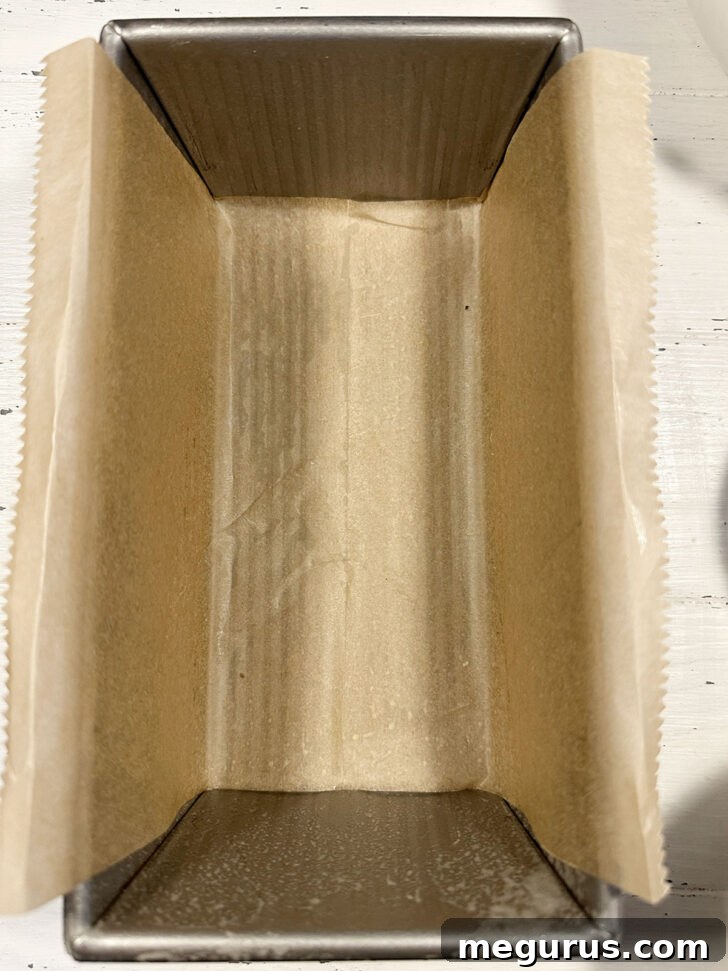
- Prepare the Pan: Preheat your oven to 350°F (175°C) using a regular bake setting (not fan-assisted). Lightly grease an 8 1/2 x 4 1/2 inch metal loaf pan. For effortless removal of your baked loaf, line the bottom and the two long sides with a sheet of parchment paper, allowing it to extend over the edges to create convenient “handles.”
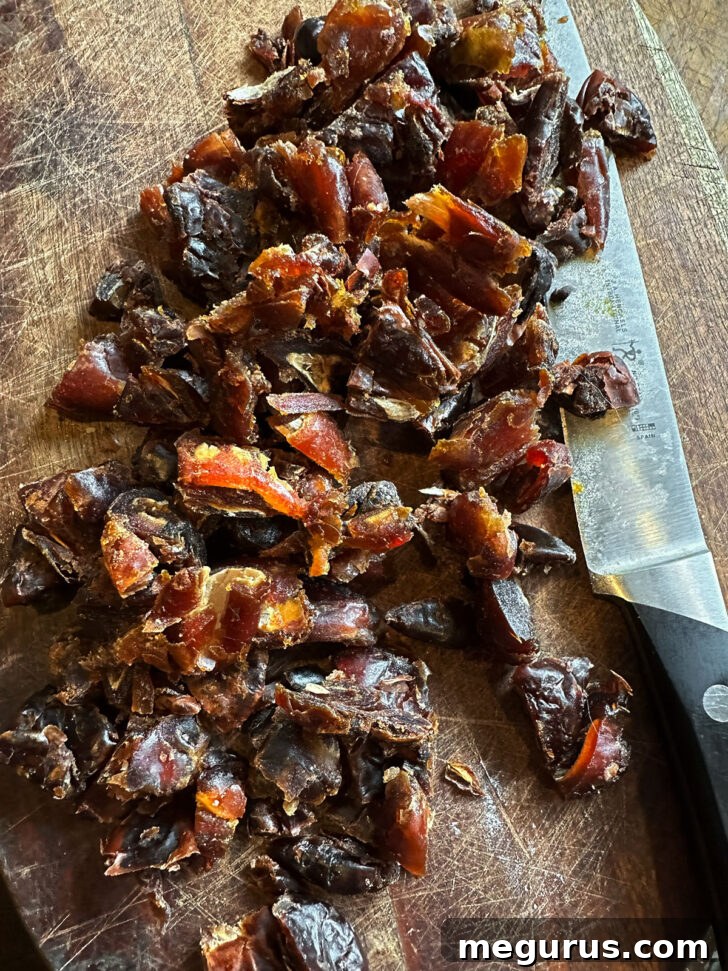
- Chop the Dates: Take your 1/2 pound of pitted dried dates and chop them. You can decide on the coarseness or fineness of the chop – finer pieces will integrate more seamlessly into the batter, while coarser chunks will offer more distinct bursts of date flavor and texture throughout the bread.
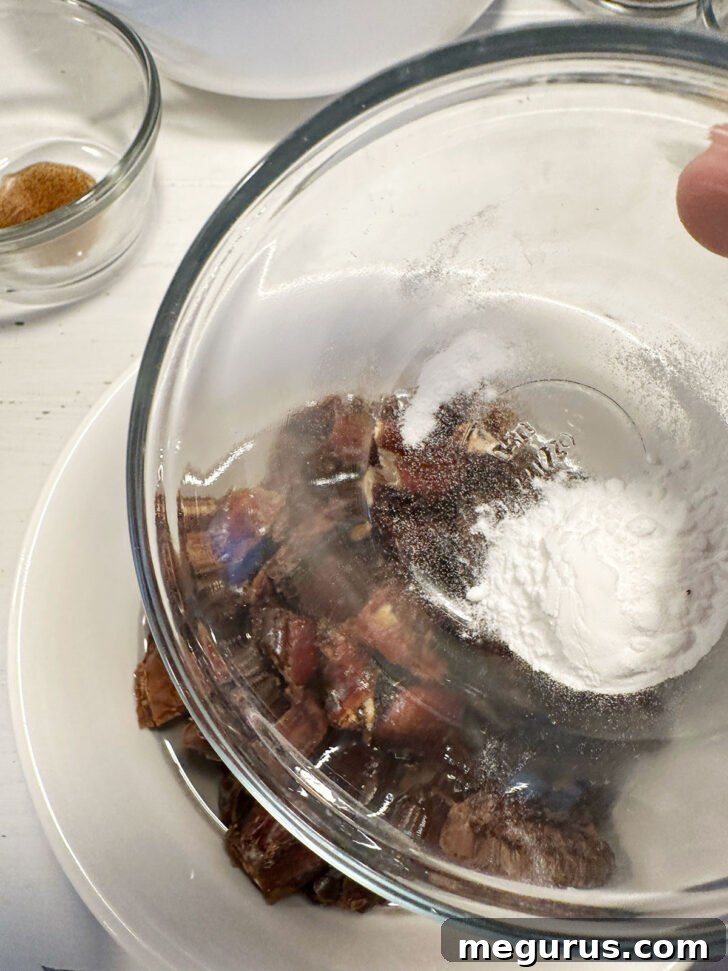
- Soak the Dates: Place the chopped dates into a small, heatproof bowl. Pour 3/4 cup of freshly boiled water over them, then stir in 1 teaspoon of baking soda. This mixture needs to sit for about 10-15 minutes. This step is crucial; the baking soda helps to further soften the dates and break them down, while the hot water plumps them up, contributing significantly to the bread’s ultimate moistness. It also allows the mixture to cool down before being added to the main batter.
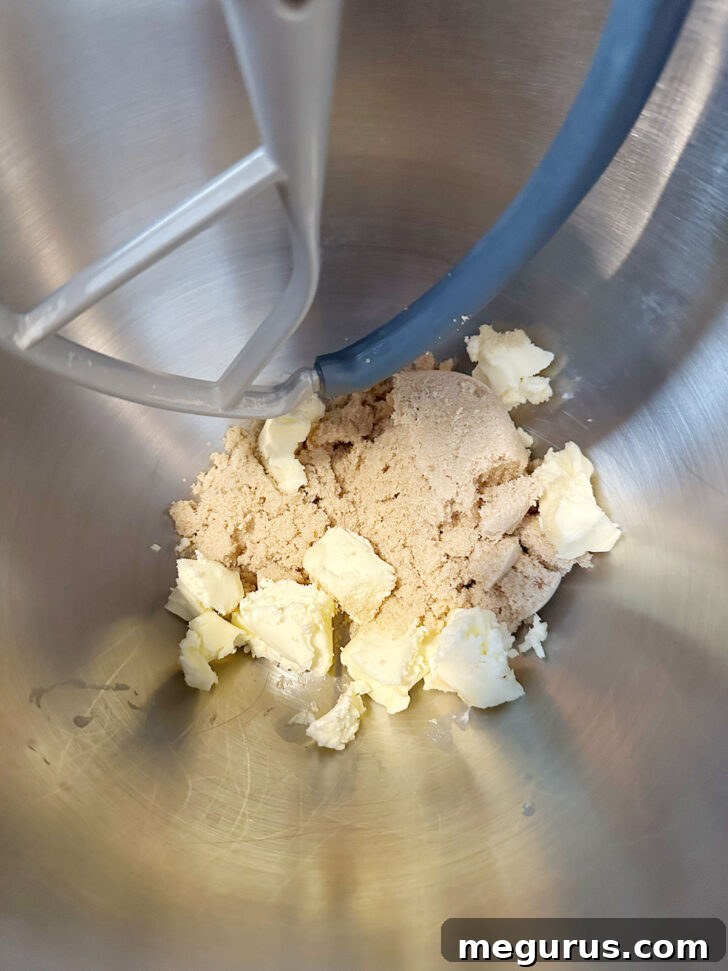
- Cream Butter and Sugar: In a large mixing bowl (or the bowl of a stand mixer fitted with the paddle attachment), combine 1/4 cup of room-temperature butter and 1/2 cup + 2 tablespoons of packed brown sugar. Cream them together on medium speed for about 2 minutes, until the mixture becomes light, fluffy, and noticeably pale in color. This creaming process incorporates air, which contributes to the bread’s tender and airy texture.
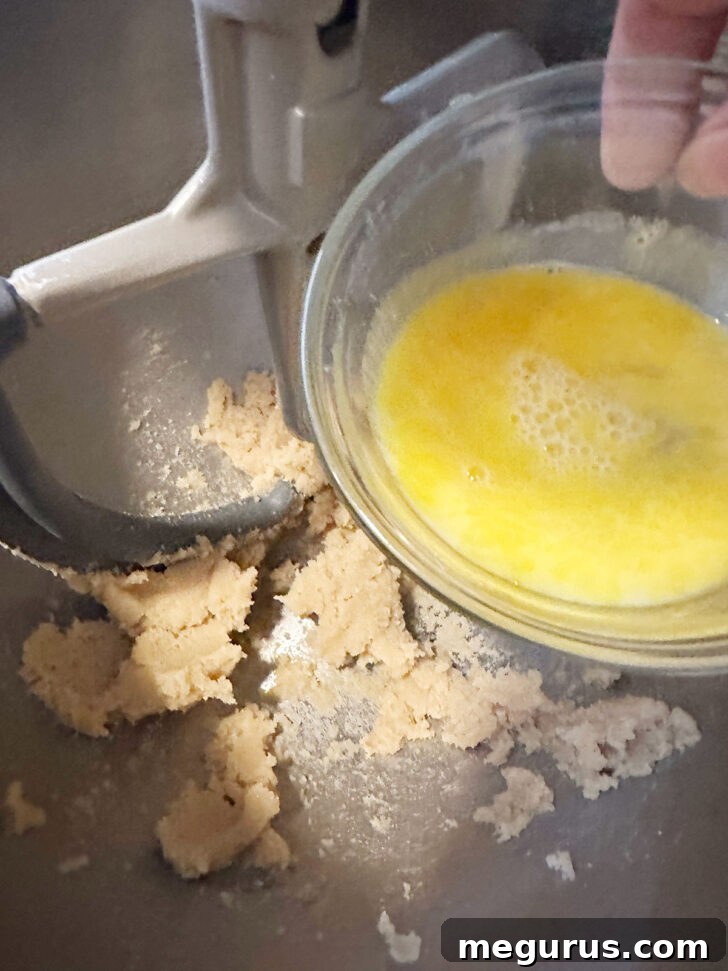
- Add Wet Ingredients: Mix in 1 large lightly beaten egg, ensuring it’s well incorporated. Then, add 1/2 teaspoon of vanilla extract (or vanilla bean paste) and 1 1/2 teaspoons of Fancy molasses. Beat everything together thoroughly, pausing to scrape down the sides and bottom of the bowl with a rubber spatula to ensure all ingredients are evenly combined. Make sure the date mixture is not hot, just lukewarm, before proceeding.
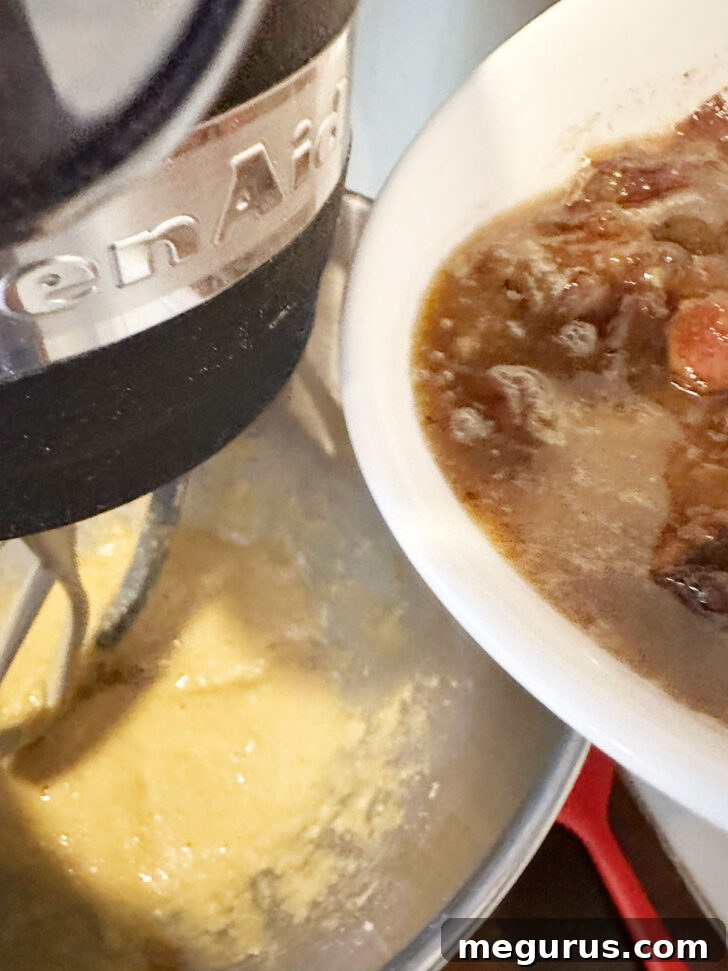
- Incorporate Dates: Double-check that your date mixture has cooled to at least lukewarm (not hot, as hot liquid can scramble the egg in the batter). Once cooled, add the entire date mixture, including all the soaking liquid, to the mixing bowl. Mix on low speed just until combined to avoid splashing. This liquid is essential for the bread’s incredible moisture.
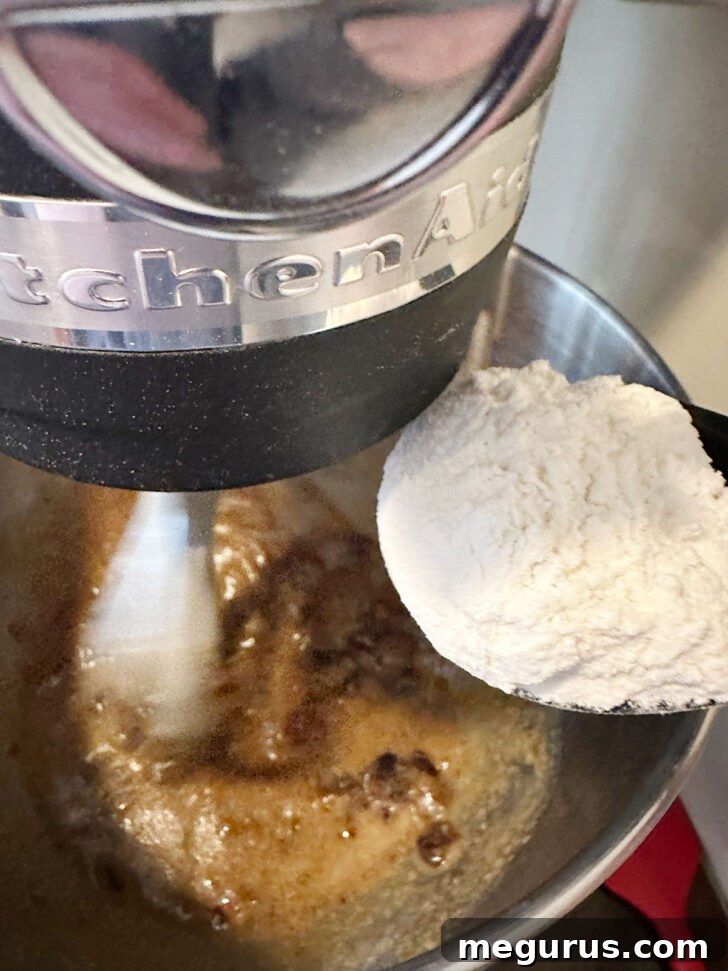
- Add Dry Ingredients: In a separate bowl, whisk together 1 1/2 cups of all-purpose flour, 1 teaspoon of baking powder, and 1/2 teaspoon of fine salt. Gradually add this dry mixture to the wet batter in the large bowl. Mix on a low speed, just until the flour is incorporated and no dry streaks remain. Be careful not to overmix, as this can develop the gluten too much and lead to a tough, dense loaf.
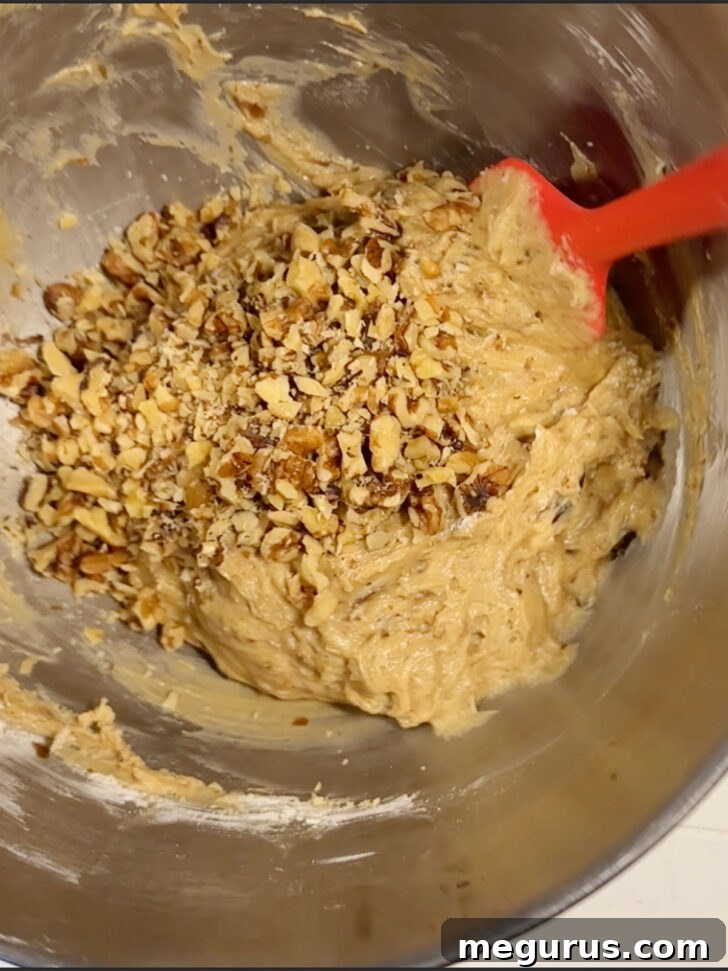
- Fold in Nuts: Gently fold in your 3/4 cup of chopped walnuts or pecans. Distribute them evenly throughout the batter using a spatula.
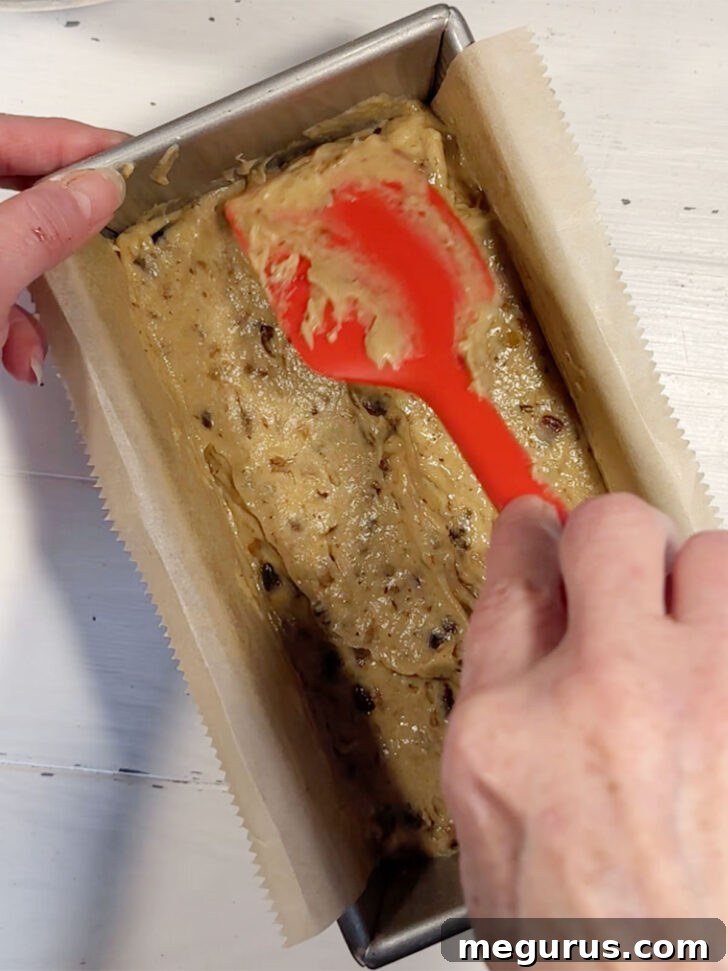
- Bake: Pour the prepared batter into your lined loaf pan. Smooth the top with a spatula if needed. Bake in the preheated 350°F (175°C) oven for 50-75 minutes. Begin checking for doneness at the earlier end of the baking window. The bread is ready when a wooden skewer or toothpick inserted into the center of the loaf comes out clean, with no wet batter attached. Allow to cool in the pan for 10 minutes before transferring to a wire rack to cool completely.
Expert Baking Tips for the Perfect Old-Fashioned Date Nut Loaf
Achieving a consistently perfect and moist date nut bread is easy with a few expert tips and a little attention to detail. These insights will help you avoid common baking pitfalls and ensure your homemade loaf is always delicious, tender, and perfectly baked.
- Understand Your Oven: Remember that baking times are always guidelines, not strict rules. Ovens vary significantly in temperature accuracy and performance, and even the color and material of your baking pan can affect baking time. Darker metal pans tend to bake faster and produce a darker crust than lighter pans or glass/ceramic. Always start checking for doneness at the earlier end of the suggested baking window. The bread is truly ready when a toothpick or cake tester inserted into the absolute center of the loaf comes out clean, with no wet batter attached.
- Accurate Flour Measurement: For consistent and optimal results, always measure your flour using the “spoon and level” method. This involves lightly spooning flour into a dry measuring cup (preferably metal, as plastic can sometimes hold static) until it overflows, then carefully leveling off the excess with the straight edge of a knife or a flat spatula. Scooping flour directly from the bag can compact it, leading to too much flour in your recipe, which results in a dry, dense, and potentially crumbly loaf.
- Scrape the Bowl Thoroughly: During the mixing process, especially when creaming butter and sugar or incorporating wet ingredients, bits of unmixed ingredients can cling stubbornly to the bottom and sides of the bowl. Make sure to frequently pause and scrape down the entire bowl with a rubber spatula, paying special attention to the bottom where butter or sugar might accumulate. This ensures a homogenous, evenly mixed batter and a consistent texture throughout your baked bread.
- Prevent Over-Browning: If you notice your date nut loaf is browning too quickly on top before it’s fully baked through in the center, a simple solution is to loosely tent it with a piece of aluminum foil. This makeshift shield will reflect heat away from the top, preventing further browning while allowing the inside of the loaf to continue baking to perfection without drying out.
- Room Temperature Ingredients Are Key: Ensure your butter and egg are at true room temperature (around 68-70°F or 20-21°C). This allows them to emulsify much better with other ingredients, creating a smoother, more uniform batter and ultimately contributing to a more tender and finely textured final product. Cold ingredients can cause the batter to curdle and affect the bread’s texture negatively.
- Don’t Overmix the Batter: After adding the dry ingredients to the wet, mix only until they are just combined and no dry streaks of flour are visible. Overmixing develops the gluten in the flour too much, which can lead to a tough, chewy, and less tender loaf. A few small, barely visible streaks of flour are preferable to overmixing, as the remaining mixing will occur when you fold in the nuts.
Creative Variations for Your Date Nut Bread
While this classic date nut bread recipe is perfect as is, it’s also wonderfully adaptable! Feel free to experiment with these creative variations to tailor it to your preferences or dietary needs, making it truly your own.
- For a Deeper, Darker Loaf: If you adore a richer, more intensely molasses-forward flavor and a darker crumb, simply double the amount of Fancy molasses in the recipe. No other adjustments are needed, and you’ll achieve a bread with a bolder profile that’s truly distinct and satisfying for molasses lovers.
- Nut-Free Option: Need to make this delicious loaf for someone with a nut allergy, or simply prefer it without the added crunch? No problem at all! You can easily omit the walnuts or pecans entirely without needing to make any other modifications to the recipe. The bread will still be wonderfully moist, sweet, and flavorful, focusing solely on the delightful dates.
- Double the Batch, Double the Delight: This recipe scales up beautifully. If you want two loaves – one for immediate enjoyment and one to freeze for later, or one to share with friends and family – simply double all the ingredients. Bake them in two separate 8 1/2 x 4 1/2 inch loaf pans. Keep a close eye on baking times, as ovens can sometimes behave differently with a fuller load, so individual testing is advised.
- Add Warming Spices: Enhance the comforting warmth of this bread by adding a teaspoon of ground cinnamon, a half teaspoon of ground nutmeg, or a pinch of ground cloves to your dry ingredients. These aromatic spices pair exceptionally well with the natural sweetness of dates and the richness of molasses, adding another layer of complex flavor.
- Citrus Zest for Brightness: For a bright, aromatic twist that cuts through the sweetness beautifully, incorporate 1-2 teaspoons of fresh orange or lemon zest into your wet ingredients along with the vanilla. The vibrant citrus notes will perfectly complement the rich flavors of the dates, creating a refreshing contrast.
Delightful Ways to Enjoy Your Homemade Date Nut Bread
This versatile date nut bread is a joy to eat in countless ways, making it a perfect addition to any meal or snack time. Here are some of our favorite suggestions for savoring every delicious slice:
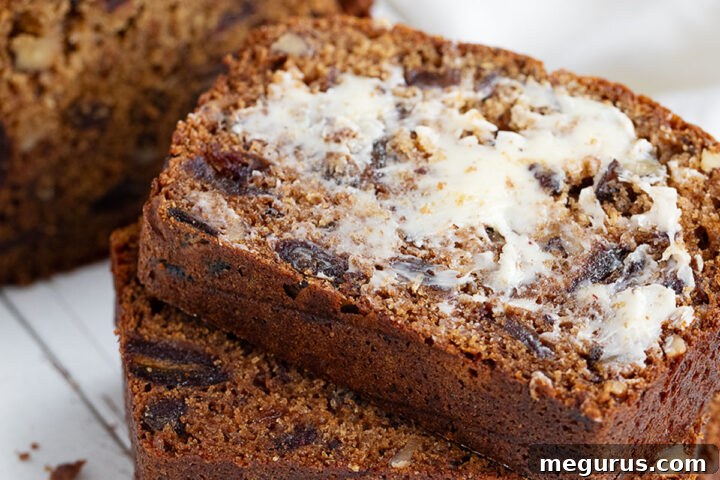
- Classic Butter Spread: The simplest and often most satisfying way to enjoy this bread is with a generous spread of softened, unsalted butter. The butter melts slightly into the warm slice, creating a heavenly combination of flavors and textures that highlights the bread’s richness.
- Cream Cheese Indulgence: For a slightly tangy and creamy contrast that’s utterly delicious, substitute butter with a thick layer of softened cream cheese. This pairing is especially popular and adds a touch of decadence, balancing the sweetness of the dates perfectly.
- Date Bread Sandwiches: Elevate your snack by creating a delightful mini sandwich! Cut thin slices of date nut bread, generously spread one half with butter or cream cheese, and then top with another slice. This is particularly good for on-the-go enjoyment, packed lunchboxes, or a quick, satisfying bite.
- Elegant Appetizer or Dessert Bites: For a more refined presentation, ideal for a tea party or a festive platter, slice the bread very thinly. Spread each slice with cream cheese (perhaps infused with a little orange zest for an extra pop of flavor), then cut them into elegant fingers or small triangles.
- Orange Zest Enhancement: A little secret to truly awaken the flavors of your date nut bread! Grate some fresh orange zest directly into your softened butter or cream cheese before spreading. The bright, citrusy aroma and taste perfectly complement the rich sweetness of the dates and molasses in the bread, creating an unforgettable combination.
- With Coffee or Tea: This comforting bread is an ideal companion for your morning coffee, afternoon tea, or even a glass of cold milk. Its rich, satisfying flavors and tender texture make it a perfect pairing for any warm or cold beverage.
- Toasted to Perfection: For an extra layer of warmth and a slightly crispy exterior, lightly toast a slice before adding your favorite spread. Toasting brings out even more of the nutty flavor of the pecans or walnuts and enhances the bread’s aroma.
Storage and Freezing Instructions for Date Nut Bread
One of the many advantages of this old-fashioned date nut bread is its excellent keeping quality. With proper storage, you can enjoy its fresh taste for days, or keep it frozen for an extended period, ensuring you always have a delicious homemade treat on hand.
- Room Temperature Storage: This date nut bread does not require refrigeration for short-term storage. To maintain its freshness and exceptional moistness, ensure the cooled loaf is wrapped tightly in plastic wrap, then placed it in an airtight container or a resealable plastic bag. Store it at room temperature, away from direct sunlight, for up to 3 days.
- Refrigeration: If you wish to extend its shelf life beyond a few days without freezing, you can refrigerate the well-wrapped date nut bread. It’s crucial that it’s tightly wrapped to prevent it from drying out or absorbing refrigerator odors. Stored in the refrigerator, it will stay fresh for about 1 week. For the best texture and flavor, bring slices to room temperature or lightly warm them before serving.
- Freezing for Longer Storage: Date nut bread freezes exceptionally well, making it perfect for baking ahead for future enjoyment or for keeping extra on hand for unexpected guests.
- Whole Loaf: Once the loaf has completely cooled to room temperature, wrap it tightly in a layer of plastic wrap, then an additional layer of heavy-duty aluminum foil. This double layer helps prevent freezer burn and maintains freshness. Place the securely wrapped loaf in a large freezer-safe bag.
- Individual Slices: For convenient grab-and-go portions, slice the completely cooled bread and layer the slices with small pieces of parchment paper to prevent them from sticking together. Wrap the stack tightly in plastic wrap and then foil, or place them in a freezer-safe container.
Frozen date nut bread can be stored for up to 3 months. To thaw, simply unwrap the desired amount and let it come to room temperature on the counter for a few hours, or gently warm in a microwave or toaster oven for a quicker treat.
Classic Date Nut Bread Recipe
A truly delicious, classic old-fashioned date nut bread, featuring a touch of molasses for a wonderfully rich flavour and moist texture. This easy-to-follow recipe yields a perfect loaf to enjoy with butter or cream cheese any time of day!
Rated 4.93 out of 5 stars by 14 readers.
Prep Time:
20 mins
Cook Time:
1 hr
Total Time:
1 hr 20 mins
Yield:
12 servings
Ingredients
- 1/2 lb. pitted dried dates, cut in half or chopped finer, if you prefer
- 1 teaspoon baking soda
- 3/4 cups boiling water
- 1 1/2 cups all-purpose flour, measured with the spoon and level method
- 1 teaspoons baking powder
- 1/2 teaspoon fine salt, use a bit less if using salted butter
- 1/4 cup unsalted butter, at room temperature
- 1/2 cup + 2 Tablespoons light brown sugar, packed, dark brown sugar also works for a richer flavor
- 1 large egg, at room temperature and lightly beaten with a fork
- 1/2 teaspoon vanilla extract, or vanilla bean paste
- 1 1/2 teaspoons Fancy molasses, recommended for best flavor (see Notes)
- 3/4 cups walnuts or pecans, chopped coarsely or finely as you prefer, optionally toasted
Instructions
- Prepare Pan: Preheat your oven to 350°F (175°C) using a regular bake setting (not fan-assisted). Lightly grease an 8 1/2 x 4 1/2 inch metal loaf pan. Line the bottom and long sides with parchment paper, leaving an overhang to use as handles for easy removal after baking. (If using a glass or ceramic pan, reduce oven temperature by 25°F).
- Soak Dates: In a medium bowl, combine the chopped dates with the boiling water and baking soda. Stir well. Let this mixture stand for 10-15 minutes to soften the dates and allow the liquid to cool down to lukewarm. This cooling is important to prevent cooking the egg in the next steps.
- Combine Dry Ingredients: In a separate medium bowl, whisk together the all-purpose flour, baking powder, and fine salt until thoroughly combined. Set aside.
- Cream Wet Ingredients: In a large mixing bowl, using an electric mixer or stand mixer with the paddle attachment, cream the room-temperature butter and brown sugar on medium speed for about 2 minutes, until the mixture is light, fluffy, and noticeably paler.
- Add Flavorings: Incorporate the lightly beaten room-temperature egg, vanilla extract, and Fancy molasses into the creamed mixture. Beat until all ingredients are well combined, making sure to scrape down the sides and bottom of the bowl as needed to ensure even mixing.
- Combine Date Mixture: Add the cooled date mixture, along with all its soaking liquid, to the wet ingredients. Mix on low speed until just combined.
- Fold in Dry Ingredients and Nuts: Gradually add the whisked dry ingredients to the batter. Mix on low speed just until no dry streaks of flour remain; avoid overmixing. Finally, gently fold in the chopped walnuts or pecans using a spatula until evenly distributed.
- Bake the Loaf: Pour the batter into your prepared loaf pan and smooth the top. Bake in the preheated 350°F (175°C) oven for 50-75 minutes. Begin checking for doneness around the 45-minute mark. The loaf is done when a wooden skewer or toothpick inserted into the center of the loaf comes out clean. If the top starts to brown too much before the center is cooked, loosely tent the loaf with aluminum foil.
- Cool and Serve: Once baked, remove the loaf from the oven and let it cool in the pan for about 10 minutes. Then, carefully lift it out of the pan using the parchment paper handles and transfer it to a wire rack. Gently remove the parchment paper and allow the loaf to cool almost completely before slicing. This helps the bread set and prevents it from crumbling.
Notes
- Molasses Choice: Fancy molasses is highly recommended for its balanced flavor. Cooking molasses will work but will result in a bolder, stronger molasses taste. Blackstrap molasses is generally too intense for this recipe. If you prefer a darker loaf with a more pronounced molasses flavor, you can double the amount of Fancy molasses without needing other adjustments.
- Pan Size: This recipe is specifically developed for an 8 1/2 x 4 1/2 inch metal loaf pan. Using a larger 9×5 inch pan may affect the loaf’s rise and overall texture, potentially leading to a flatter bread or altered baking times. For best results, adhere to the specified pan size.
- Storage: Store date nut bread tightly wrapped at room temperature for 2-3 days, or in the refrigerator for 5-7 days. For longer storage, freeze wrapped bread for up to 3 months.
Cuisine:
American, Canadian
Course:
Breakfast, Snack, Dessert
Author:
Jennifer Maloney
Nutrition (per serving):
248kcal,
40g Carbohydrates,
4g Protein,
9g Fat,
3g Saturated Fat,
26mg Cholesterol,
229mg Sodium,
243mg Potassium,
2g Fiber,
25g Sugar,
47mg Calcium,
1mg Iron
More Delicious Date Recipes to Love!
If you’re a fan of the rich, natural sweetness and wonderful texture of dates, you’ll adore these other delightful recipes perfect for any occasion. Explore more ways to incorporate this versatile fruit into your baking!