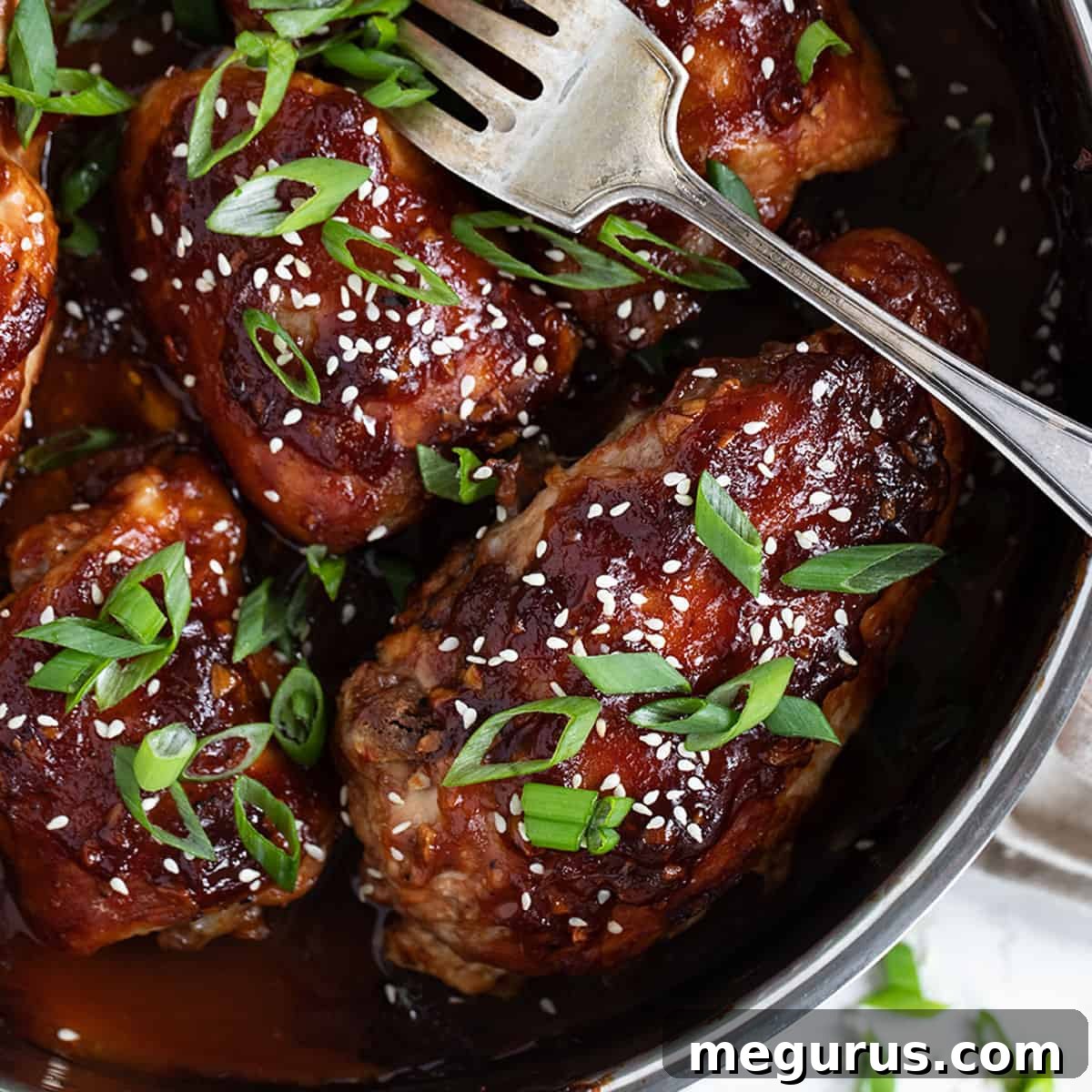
Welcome to the ultimate guide for creating incredibly delicious and effortlessly easy sticky chicken, a recipe designed to become a staple in your weeknight meal rotation. This oven-baked sticky chicken is a true marvel, marrying sweet, savory, and tangy flavors into a luscious glaze that clings perfectly to tender, juicy bone-in, skin-on chicken. Forget the fuss of pre-browning on the stovetop; this entire dish comes together in one pan, baking to sticky, golden perfection in your oven. Get ready to impress your family and friends with minimal effort and maximum flavor!
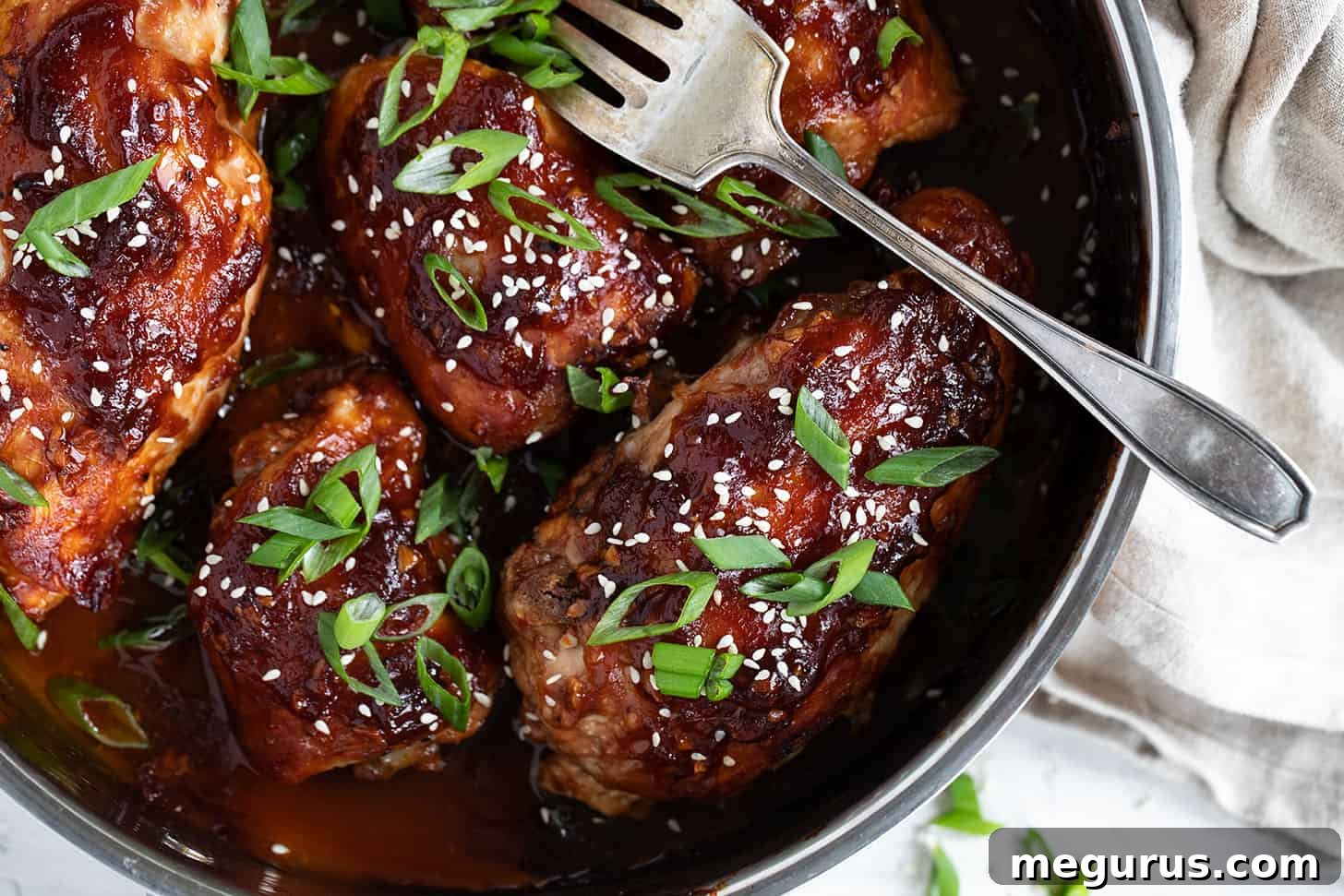
Why You’ll Fall in Love with This Sticky Chicken Recipe
There are countless reasons why this sticky chicken recipe stands out and is destined to become a firm favorite in your kitchen. From its simplicity to its incredible flavor profile, every aspect is designed for an enjoyable cooking and eating experience.
Unbeatable Ease & No Pre-Browning Needed: One of the biggest advantages of this recipe is its straightforward approach. Unlike many chicken recipes that demand a preliminary sear on the stovetop, this sticky chicken goes straight into the oven. This saves you time, reduces mess, and makes it an ideal choice for busy weeknights when you want maximum flavor with minimal effort. Simply arrange your chicken in a baking dish, pour over the glaze, and let your oven do all the hard work.
Effortless, Flavor-Packed Glaze: The heart of this sticky chicken lies in its captivating glaze. It’s incredibly simple to prepare – just stir together a handful of common pantry ingredients. But don’t let its simplicity fool you; this glaze delivers a complex, mouth-watering fusion of flavors. With notes reminiscent of classic BBQ sauce blended with vibrant Asian-inspired undertones, it’s a harmonious combination that’s both sweet and savory, with a delightful tang. It thickens beautifully as it bakes, creating that irresistible sticky coating everyone craves.
Perfectly Moist & Flavorful Every Time: Using bone-in, skin-on chicken is a game-changer for this recipe. The bone helps to conduct heat evenly and adds depth of flavor, while the skin provides a protective layer that locks in moisture. As the chicken slowly roasts, the fat from the skin renders down, basting the meat and ensuring every piece remains incredibly tender and juicy, never dry. The skin also helps the glaze adhere, caramelizing it into a glistening, sticky layer that’s utterly delicious.
A Versatile Crowd-Pleaser: This sticky chicken is a dish that appeals to almost everyone. Its balanced flavors are universally loved, making it perfect for family dinners, casual gatherings, or even a simple meal prep option. It’s hearty enough to satisfy, yet its vibrant glaze keeps it from feeling heavy. It’s the kind of comfort food that brings smiles to faces and quickly disappears from the serving dish.
Key Ingredients for Your Irresistible Sticky Chicken
Creating truly exceptional sticky chicken begins with understanding each ingredient’s role. Here’s a deeper look into the components that make this recipe shine, along with useful substitution tips.
Bone-in, Skin-on Chicken: The Foundation of Flavor & Moisture
This specific cut of chicken is absolutely essential for the success of this recipe. The prolonged baking time required for the glaze to caramelize and thicken demands the protection offered by both the bone and the skin. Boneless or skinless chicken pieces tend to dry out significantly during such a long cooking period. The bone helps to keep the meat moist and imparts a richer flavor, while the skin not only protects the chicken but also renders fat, contributing to the glaze’s luscious texture and preventing it from evaporating or burning in the pan. You have flexibility here: feel free to use bone-in chicken breasts, bone-in chicken thighs, or bone-in drumsticks. A mixture of several cuts works wonderfully too, offering a variety of textures and serving options. When selecting chicken, look for pieces with intact skin and a healthy, plump appearance. Patting the chicken thoroughly dry before adding the glaze is crucial for crispier skin and better glaze adhesion.
Ketchup: More Than Just a Condiment
Ketchup might seem like an unconventional ingredient for a gourmet glaze, but it plays a vital triple role here. It provides a foundational sweetness, a touch of acidity from the vinegar, and contributes significant body and color to the sauce. Its rich tomato base also helps to balance the other strong flavors. While ketchup is specified for its unique profile, you can substitute it with plain tomato sauce for a less sweet option. If using tomato sauce, I highly recommend adding a splash of white vinegar to compensate for the missing tang from the ketchup.
Fresh Orange Juice: A Brightening Touch
The orange juice in this recipe isn’t just for flavor; it provides a crucial acidic and fruity brightness that cuts through the richness of the chicken and the sweetness of the glaze. Freshly squeezed orange juice is always preferred for its vibrant flavor, but good quality store-bought orange juice will also work perfectly well. Ensure it’s not from concentrate if possible, and opt for one with no added sugars to maintain control over the glaze’s sweetness.
Honey: The Sweet Heart of Stickiness
Honey is key to achieving that signature sticky, glossy finish. It’s a natural sweetener that also contributes to the beautiful caramelization of the glaze. Its unique flavor complements the other ingredients beautifully. If you don’t have honey, maple syrup or brown sugar can be used as alternatives, though they may slightly alter the final flavor and stickiness. Be mindful of their sweetness levels and adjust accordingly.
Soy Sauce: Umami Depth
Soy sauce adds a critical layer of umami, saltiness, and savory depth to the glaze, balancing the sweetness and tang. Low sodium soy sauce is highly recommended to prevent the dish from becoming overly salty, allowing you to control the seasoning precisely. For those following a gluten-free diet, tamari is an excellent gluten-free alternative that offers a very similar flavor profile. Coconut aminos can also be used for a soy-free option, though it will be slightly sweeter and less intensely savory.
Cornstarch: The Secret to a Thick, Clingy Glaze
Cornstarch is our secret weapon for achieving that perfectly thick, clingy, and glossy glaze. It acts as a thickening agent, ensuring the sauce adheres beautifully to every piece of chicken rather than simply running off. When mixing the glaze, ensure the cornstarch is thoroughly dissolved to prevent lumps. A slurry of cornstarch and a small amount of cold water can also be made separately and added to the warm sauce if you prefer to thicken it on the stovetop at the end, but for this oven-baked method, mixing it in from the start works wonders.
Garlic & Ginger: Aromatic Powerhouses
Freshly minced garlic and ginger are indispensable for building the aromatic foundation of this glaze. They provide a pungent, warm, and spicy depth that elevates the entire dish. Finely mincing them ensures their flavors are well distributed throughout the sauce. While fresh is always best, 1 teaspoon of ginger paste can be used as a convenient alternative to fresh ginger. If using garlic powder or ground ginger as a last resort, remember that their flavor is more concentrated, so use about half the amount and taste as you go.
Salt & Freshly Ground Pepper: Basic Seasoning
Essential for enhancing all the other flavors. Season the chicken lightly before adding the glaze, and remember that soy sauce also contributes saltiness, so adjust to taste.
Step-by-Step Guide: Crafting Your Sticky Chicken Perfection
Follow these detailed steps to create a truly unforgettable sticky chicken dinner. The key to success lies in proper preparation and patient baking.
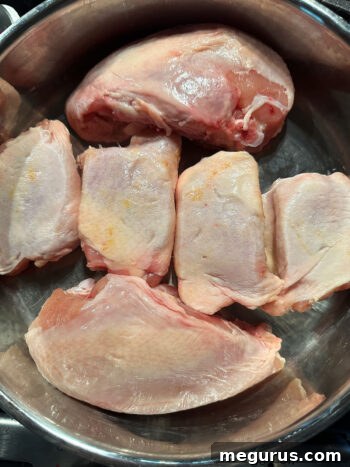
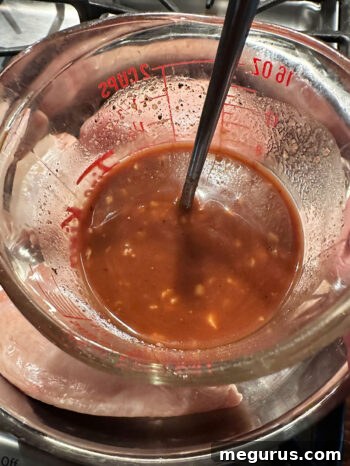
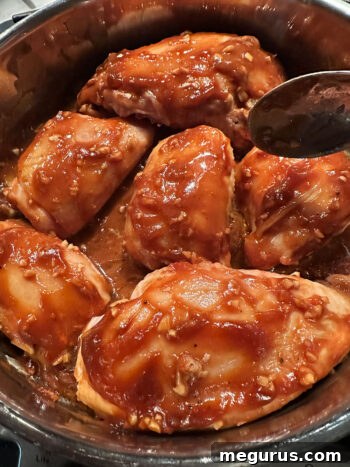
- Prepare for Marinating (Optional, but Recommended): For an even deeper flavor, consider marinating the chicken. Place your bone-in, skin-on chicken pieces (approximately 2.5-3 lbs) into a large, sturdy plastic zipper bag. Combine all the sauce ingredients in a bowl, whisking until smooth and well-combined. Pour this glorious sauce over the chicken in the bag, ensuring every piece is thoroughly coated. Seal the bag, pressing out as much air as possible, and refrigerate to marinate for up to 8 hours. This step allows the flavors to penetrate the chicken, resulting in a more tender and aromatic final dish. If you’re short on time, skipping this step is fine, but marinating truly enhances the experience.
- Preheat Your Oven: Before you begin, preheat your oven to 350°F (175°C). Ensure you’re using the regular bake setting, not a fan-assisted or convection mode, which can sometimes dry out the chicken or cook the glaze too quickly. A consistent, even heat is ideal for this slow-roasted sticky chicken.
- Prepare the Chicken: If you didn’t marinate, or if you’re ready to cook after marinating, it’s time to prepare the chicken for baking. Pat each piece of bone-in, skin-on chicken dry with paper towels. This crucial step helps promote crispier skin and allows the glaze to adhere better. Season the chicken lightly with salt and freshly ground black pepper. Arrange the chicken in a single layer in an oven-safe baking pan or dish. Avoid overcrowding the pan, as this can steam the chicken instead of allowing it to roast and crisp up. For reference, I typically use 2 bone-in, skin-on chicken breasts and 4 bone-in, skin-on chicken thighs to yield about 6 servings.
- Whisk and Pour the Glaze: In a medium bowl, combine all the sticky sauce ingredients: ketchup, orange juice, honey, low-sodium soy sauce, cornstarch, finely minced garlic, finely minced fresh ginger (or ginger paste), and a pinch of salt and pepper. Whisk vigorously until the cornstarch is fully dissolved and the mixture is smooth and uniform. Now, pour this delicious glaze evenly over all the chicken pieces in the baking dish, ensuring they are well coated.
- Bake to Sticky Perfection: Place the uncovered baking dish into your preheated oven. Bake for a total of 90 minutes. During this cooking time, basting is key to developing that incredible sticky texture and rich flavor. After the first 30 minutes of cooking, carefully remove the dish from the oven and baste the chicken generously with the pan juices and glaze that have collected at the bottom. Return to the oven. Repeat this basting process again after another 30 minutes (at the 60-minute mark of total cooking time). This regular basting helps to build up layers of glaze, ensuring an even coating and promoting caramelization.
- Optional Broiling for Crispy Skin: Towards the end of the 90-minute baking time, if you desire an extra crispy skin and a deeper caramelization, you can switch your oven to the broil setting for 1-2 minutes. Ensure the oven rack is not too close to the broiler element to prevent burning. Keep a very close eye on it, as broiling can quickly go from perfect to burnt. This step is entirely optional but adds a wonderful textural contrast.
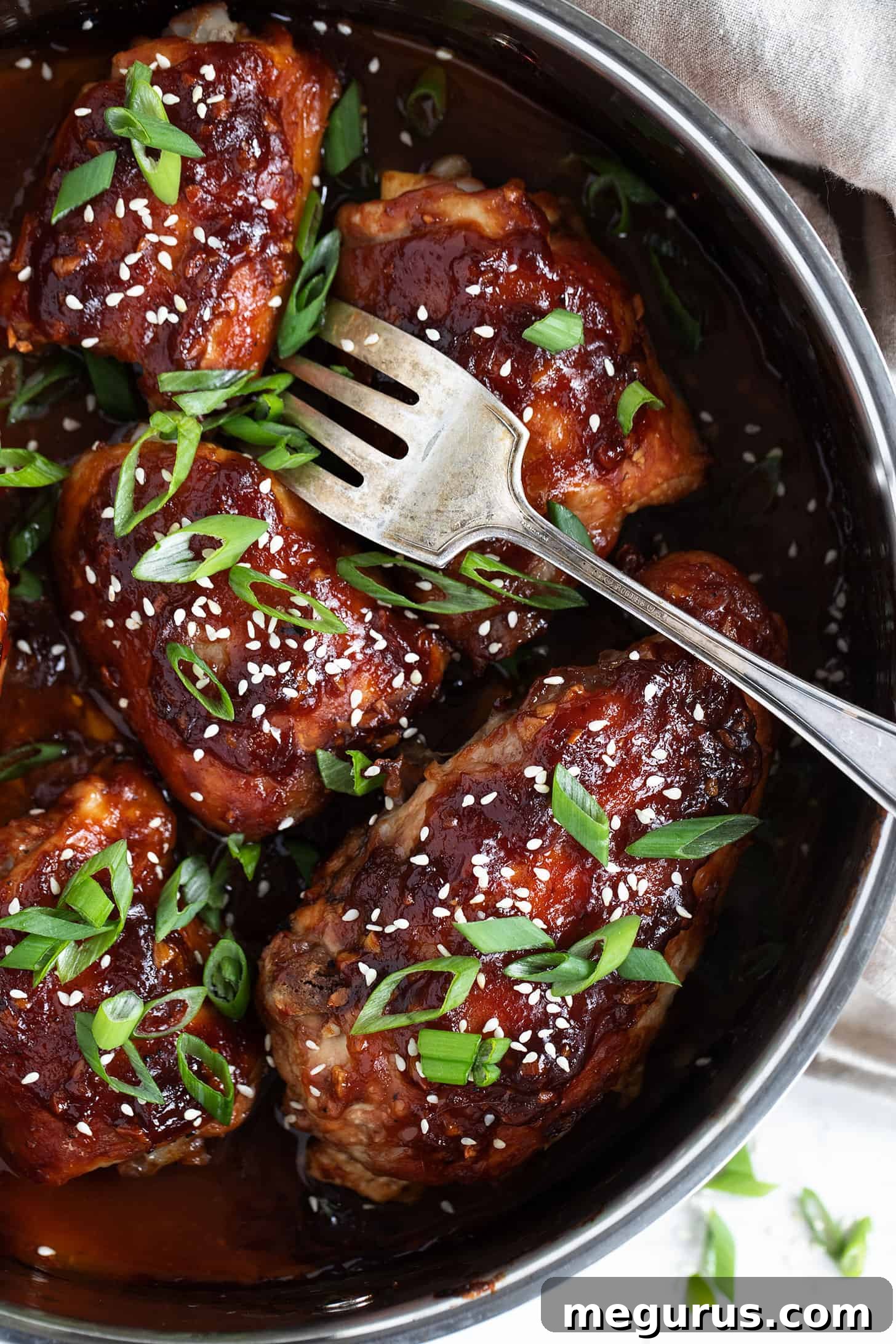
- Serve and Garnish: Once cooked, remove the sticky chicken from the oven. Let it rest for a few minutes before serving. Garnish generously with sesame seeds and freshly sliced green onions (scallions) for added visual appeal and a burst of fresh flavor. Serve hot and enjoy!
Serving Suggestions: What Pairs Best with Sticky Chicken?
The delightful fusion flavors of this sticky chicken make it incredibly versatile when it comes to side dishes. Whether you prefer something hearty, light, or distinctly Asian-inspired, there’s a perfect accompaniment to complete your meal.
Classic Rice Companions: Rice is a natural partner for sticky chicken, perfect for soaking up every drop of that luscious glaze. White rice, such as jasmine or basmati, offers a neutral base that lets the chicken shine. Brown rice provides a nuttier flavor and additional fiber, while wild rice offers a unique texture. Consider cooking your rice with a touch of garlic or ginger for an extra layer of flavor that complements the chicken.
Healthy & Low-Carb Options: For those looking for lighter or lower-carb alternatives, this sticky chicken is still a fantastic choice. Cauliflower rice is an excellent substitute for traditional rice, offering a similar texture without the carbs. Simply sauté riced cauliflower with a little oil, salt, and pepper until tender. Alternatively, a simple green vegetable works beautifully. Steamed broccoli, roasted asparagus, tender green beans, or sautéed spinach provide a fresh contrast and healthy addition to your plate.
Hearty Potato Dishes: If you’re craving something more substantial, potatoes are a wonderful pairing. Roasted potatoes, with their crispy exterior and fluffy interior, are always a hit. Mashed potatoes, particularly a creamy garlic mash, would be fantastic with the savory glaze. Even crispy potato wedges or sweet potato fries could add a delicious dimension to the meal, offering a different kind of sweet and savory balance.
Fresh & Vibrant Salads: To add a refreshing element, consider serving your sticky chicken with a vibrant salad. An Asian-inspired salad featuring crisp greens, shredded carrots, bell peppers, and a light sesame-ginger dressing would echo the flavors of the chicken. Alternatively, a simple green salad with a vinaigrette dressing provides a palate-cleansing contrast.
Garnishes for a Finishing Touch: Don’t underestimate the power of garnishes! A sprinkle of toasted sesame seeds adds a lovely nutty crunch and visual appeal. Freshly sliced green onions (scallions) provide a mild oniony bite and a pop of bright green color, enhancing both the flavor and presentation of your sticky chicken.
Make-Ahead & Meal Prep Tips for Busy Cooks
This sticky chicken recipe is fantastic for meal planning, allowing you to enjoy delicious, home-cooked flavor even on your busiest days. Here’s how to make it work for you:
Marinating for Maximum Flavor (Make-Ahead): The brilliance of this recipe extends to its make-ahead potential. You can prepare the chicken and sauce up to 8 hours in advance, allowing the flavors to meld beautifully. Simply place your bone-in, skin-on chicken pieces into a plastic zipper bag. In a separate bowl, stir together all the glaze ingredients until smooth, then pour it over the chicken in the bag. Seal the bag tightly, ensuring the chicken is fully coated, and refrigerate. When you’re ready to cook, just transfer the chicken and sauce to your baking dish and proceed with the baking instructions. This is a great way to cut down on prep time right before dinner.
Storing Leftovers & Reheating: Cooked sticky chicken makes for fantastic leftovers. Once the chicken has cooled completely, transfer it and any remaining glaze into an airtight container. It can be stored in the refrigerator for up to 3-4 days. To reheat, you can gently warm it in the microwave, but for the best results, reheat it in the oven at 300°F (150°C) until warmed through, about 15-20 minutes. This helps to maintain some of the crispiness of the skin and prevents the chicken from drying out. A little extra drizzle of the sauce or a splash of water can help keep it moist if it seems too dry.
Freezing Options: For longer storage, cooked sticky chicken can also be frozen. Place individual portions of chicken and sauce in freezer-safe containers or heavy-duty freezer bags. It will keep well in the freezer for up to 2-3 months. Thaw frozen chicken overnight in the refrigerator before reheating as described above. The texture might be slightly softer after freezing and thawing, but the flavor will still be outstanding.
Expert Tips for the Most Delicious Sticky Chicken
To ensure your sticky chicken turns out perfectly every single time, keep these expert tips in mind:
Don’t Overcrowd the Pan: For truly crispy skin and even cooking, it’s crucial to arrange your chicken pieces in a single layer in the baking dish, leaving a little space between each piece. Overcrowding can lead to steaming instead of roasting, resulting in less crispy skin and a less caramelized glaze. If you’re cooking a large batch, use two baking dishes instead of trying to cram everything into one.
Achieve Crispy Skin: While the basting helps to caramelize the glaze, if you desire truly crispy skin, don’t skip the optional broiling step at the very end. Just 1-2 minutes under the broiler can transform the skin from tender to delightfully crisp. Always keep a close eye on it, as broiler heat can be intense and can burn quickly. Ensure your oven rack is not too high.
Check for Doneness: The safest way to ensure your chicken is fully cooked and juicy is to use an instant-read meat thermometer. Insert the thermometer into the thickest part of the chicken, avoiding the bone. Chicken is safely cooked when it reaches an internal temperature of 165°F (74°C). The long cooking time for this recipe usually ensures doneness, but a quick check provides peace of mind.
Adjusting Glaze Thickness: If, for any reason, your glaze seems too thin after the chicken is cooked, you can carefully pour the pan juices into a small saucepan. Bring to a simmer over medium heat and cook for a few minutes, stirring occasionally, until it reduces and thickens to your desired consistency. If it’s too thick, you can thin it out slightly with a tablespoon of hot water or chicken broth.
Flavor Variations to Customize Your Sticky Chicken
While this recipe is fantastic as written, feel free to get creative and customize the flavors to your liking:
Spicy Kick: For those who love a bit of heat, add 1-2 teaspoons of sriracha or a pinch of red pepper flakes to the glaze mixture. You can also add a few drops of sesame oil for an extra layer of nutty flavor, but use sparingly as it’s potent.
Lemon Herb Twist: Instead of orange juice, try lemon juice and add a teaspoon of dried herbs like thyme or rosemary to the glaze. This will create a brighter, more Mediterranean-inspired flavor profile.
Sweet and Sour Fusion: Introduce a tablespoon of pineapple juice along with the orange juice for a more pronounced sweet and sour note. A dash of rice vinegar can also enhance this profile.
Smoky BBQ Vibes: A teaspoon of smoked paprika added to the glaze can give it a lovely smoky depth, leaning more towards a classic BBQ flavor while retaining the sticky Asian influences.
Full Recipe: Oven-Baked Sticky Chicken
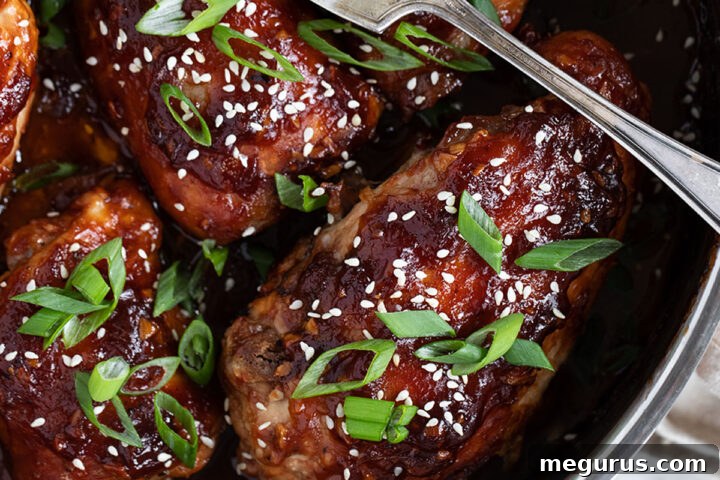
Bone-in Chicken Sticky Chicken
This easy and delicious sticky chicken recipe is perfect for any bone-in, skin-on chicken, cooking entirely in the oven with a simple stir-together glaze.
Prep Time: 10 mins
Cook Time: 1 hr 30 mins
Total Time: 1 hr 40 mins
Yield: 6 servings
Ingredients
- 2 1/2-3 lbs. bone-in, skin-on chicken pieces (see Note 1 below)
Sticky Sauce:
- 5 Tablespoons ketchup
- 4 Tablespoons orange juice
- 4 Tablespoons honey
- 3 Tablespoons soy sauce, low sodium recommended
- 2 Tablespoons cornstarch
- 2 Tablespoons garlic, finely minced
- 1 teaspoon fresh ginger, finely minced or 1 teaspoon ginger paste
- Salt and freshly ground pepper, to taste
For serving:
- Sesame seeds
- Green onion, sliced
Instructions
- Optional Marinating: For deeper flavor, place chicken pieces in a plastic zipper bag. Pour the prepared sauce into the bag and shake to coat thoroughly. Refrigerate to marinate for up to 8 hours before cooking.
- Preheat oven to 350°F (175°C) using the regular bake setting (not fan assisted).
- Pat chicken pieces dry with paper towel and season lightly with salt and freshly ground pepper. Place into an oven-safe baking dish in a single layer.
- Prepare the sticky sauce by stirring together all the sauce ingredients until smooth and well combined. Pour this sauce evenly over the chicken pieces to coat them.
- Place the uncovered baking dish into the preheated oven and cook for 1 1/2 hours. Baste the chicken generously with the pan juices and glaze twice during cooking: once after 30 minutes, and again after 60 minutes. At the end of cooking, if desired, switch the oven to Broil (without raising the rack) and broil for 1-2 minutes to lightly brown and crisp up the skin. Watch carefully to prevent burning.
- Serve immediately, garnished with sesame seeds and sliced green onion, if desired.
Notes
Note 1: Bone-in, skin-on chicken is specified and highly recommended as the long oven time may dry out boneless or skinless chicken. The fat from the skin also prevents the glaze from cooking off in the pan and contributes to a richer flavor. You can use a combination of bone-in chicken breasts, bone-in chicken thighs, or bone-in drumsticks.
For additional tips on making this recipe, including how to achieve crispy skin and adjust glaze thickness, please refer to the sections above this recipe card. You will also find step-by-step photos that may be useful.
Cuisine: American, Canadian | Course: Main Course | Author: Jennifer Maloney
Nutrition Information (per serving):
Serving: 1 serving, Calories: 404kcal, Carbohydrates: 20g, Protein: 41g, Fat: 18g, Saturated Fat: 5g, Polyunsaturated Fat: 4g, Monounsaturated Fat: 7g, Trans Fat: 0.2g, Cholesterol: 121mg, Sodium: 522mg, Potassium: 521mg, Fiber: 0.2g, Sugar: 15g, Vitamin A: 244IU, Vitamin C: 7mg, Calcium: 32mg, Iron: 2mg