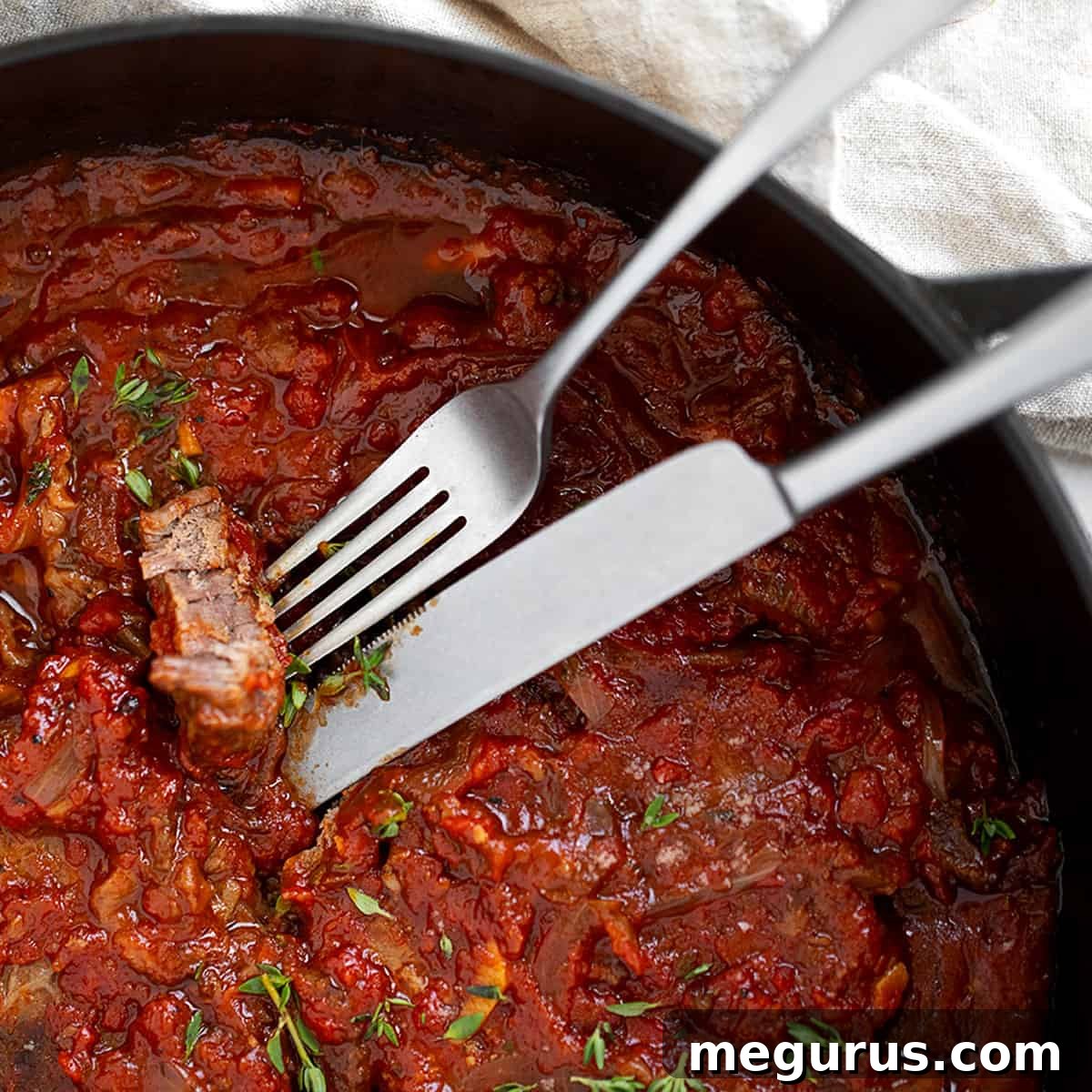
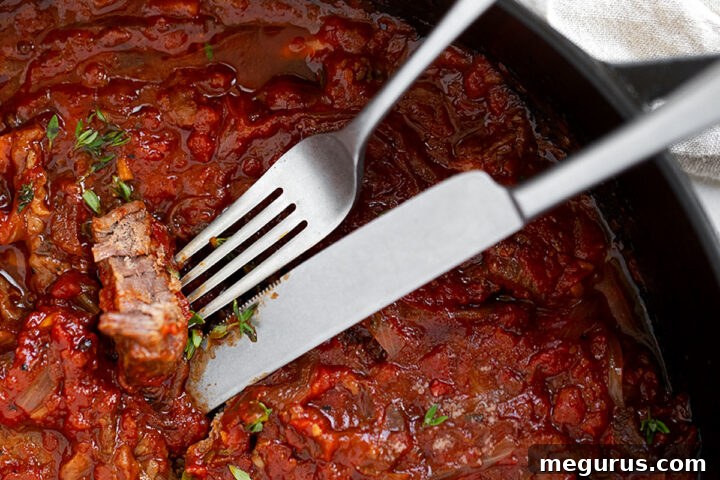
Delve into the comforting embrace of Swiss Steak, a timeless culinary classic that promises melt-in-your-mouth tenderness and a rich, savory tomato-based sauce. This heartwarming dish is a testament to the magic of slow cooking, transforming more economical cuts of beef into an extraordinarily flavorful and satisfying meal. If you’re seeking a hearty, budget-friendly dinner that consistently delivers on taste and texture, Swiss Steak is your ideal choice.
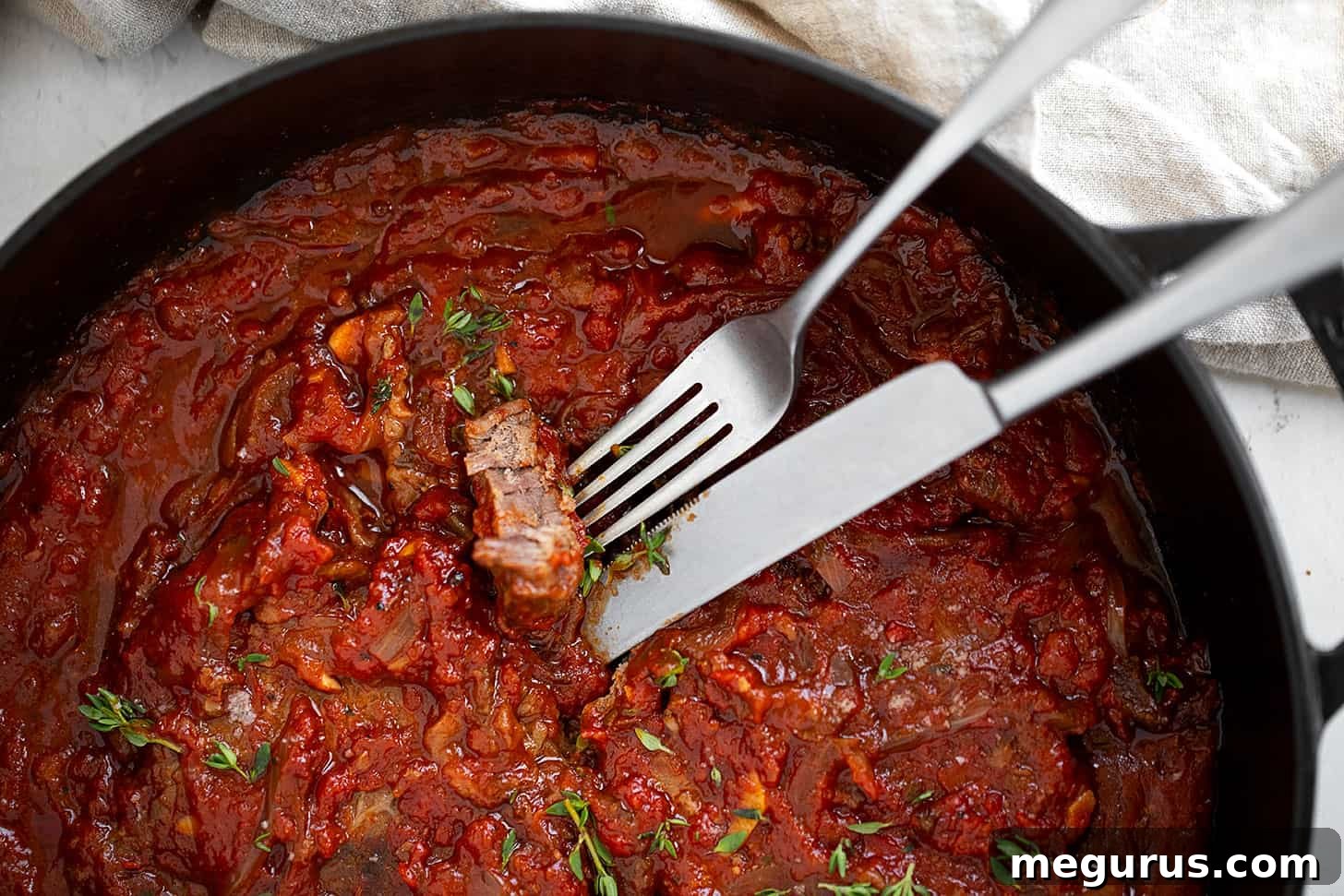
For many, Swiss Steak evokes nostalgic memories of home-cooked meals, a staple on dinner tables for generations. Its enduring popularity stems from its simplicity, affordability, and the deeply satisfying experience it offers. Unlike a quick pan-seared steak, Swiss Steak celebrates patience, allowing tough fibers to break down over hours, resulting in beef so tender it can be cut with a fork. This humble dish proves that incredible flavor doesn’t have to come with an extravagant price tag.
Is Swiss Steak Actually Swiss? Understanding the Name
Despite its name, Swiss Steak has no geographical connection to Switzerland. The term “Swiss” in this context refers to a traditional cooking technique known as “swissing” or “swissing down.” This process involves pounding or tenderizing meat, often with a meat mallet, to flatten and break down its tough fibers before cooking. This crucial step, combined with low and slow braising in liquid, is what renders even the most stubborn cuts of beef incredibly tender and succulent, making Swiss Steak a masterclass in culinary transformation.
Why You’ll Love This Classic Swiss Steak Recipe
There are countless reasons why Swiss Steak has remained a beloved family favorite:
- Budget-Friendly: It makes brilliant use of tougher, less expensive cuts of beef, turning them into a gourmet experience.
- Incredibly Tender: The combination of tenderizing the meat and slow braising ensures every bite is fork-tender.
- Rich & Flavorful: A robust tomato-based gravy infused with aromatic vegetables and savory spices creates a deeply satisfying taste profile.
- Hearty & Comforting: Perfect for cooler weather or whenever you crave a soulful, filling meal that warms you from the inside out.
- Easy to Make: While it requires some cooking time, the hands-on preparation is straightforward, making it accessible for cooks of all skill levels.
- Versatile Serving: It pairs wonderfully with a variety of classic sides, soaking up all that delicious gravy.
Key Ingredients for Perfect Swiss Steak
Crafting the perfect Swiss Steak starts with selecting the right ingredients. Here’s a closer look at what you’ll need and some helpful substitution tips:
- Beef Steaks: The star of the show. Swiss Steak truly shines when made with economical, tougher cuts that benefit from long, slow cooking. Boneless round steak (also known as top round or bottom round) is an excellent choice, as is chuck steak, eye of round, or even flank steak. These cuts become incredibly tender and flavorful when braised, unlike prime cuts which are better suited for quick searing.
- All-Purpose Flour: Used for dredging the beef. This step helps create a lovely golden-brown crust when searing, which in turn contributes rich flavor to the finished sauce. It also helps to slightly thicken the gravy.
- Salt and Freshly Ground Pepper: Essential for seasoning the beef and the sauce. Remember to taste and adjust at the end of cooking, especially since beef broth and Worcestershire sauce already contain sodium.
- Vegetable Oil: For browning the beef and sautéing the aromatics. Any neutral-flavored high-heat cooking oil will work.
- Onion (Red or Yellow): Adds a foundational layer of sweetness and savory depth to the sauce. Red onions offer a slightly milder, sweeter flavor when cooked, but yellow cooking onions are a perfectly good substitute.
- Garlic: A must-have aromatic that provides pungent, earthy notes to the rich tomato sauce. Freshly chopped garlic is always best for maximum flavor.
- Celery: Contributes a subtle, earthy, and slightly peppery flavor, forming part of the classic “mirepoix” base when combined with onion and carrots (though carrots are optional here, celery is a great addition).
- Tomato Paste: This concentrated tomato flavor powerhouse is crucial. Sautéing it briefly before adding liquids helps to deepen its flavor and create a rich, umami backbone for the sauce.
- Canned Chopped or Diced Tomatoes: Unlike many recipes that call for large 28oz cans, this recipe often uses a smaller 14-15oz can. Finely chopped tomatoes like Mutti Polpa are excellent for their texture, but crushed or hand-crushed whole peeled tomatoes also work beautifully. The key is a good quality tomato for the best flavor.
- Paprika (Regular or Smoked): Adds warmth, color, and a subtle sweetness. Smoked paprika can introduce a wonderful smoky depth to the dish.
- Dried Oregano Leaves: A classic herb for tomato-based sauces, oregano lends an aromatic, slightly peppery, and earthy Mediterranean touch.
- Worcestershire Sauce: A secret weapon for adding a complex savory, umami punch to the sauce without overwhelming it.
- Beef Broth: The preferred liquid for braising, as it complements and enhances the beef’s flavor. In a pinch, chicken broth can be used, but beef broth offers a richer result.
Step-by-Step Guide: How to Make Tender Swiss Steak
Creating this comforting dish is a rewarding experience. Follow these detailed steps for a perfect Swiss Steak every time:
- Prepare and Tenderize the Steaks: Begin by preheating your oven to 325°F (160°C). Place the flour on a wide plate or shallow dish and generously season it with salt and freshly ground black pepper. Take each piece of trimmed beef steak and dredge it thoroughly on both sides in the seasoned flour. Next, use a meat tenderizer (the spiky side if it has one, or a heavy mallet/rolling pin) to pound the floured steaks until they are visibly thinner. This breaks down connective tissue and ensures tenderness. Dredge the pounded steaks in the flour mixture one more time to ensure a good coating. Set the prepared steaks aside.
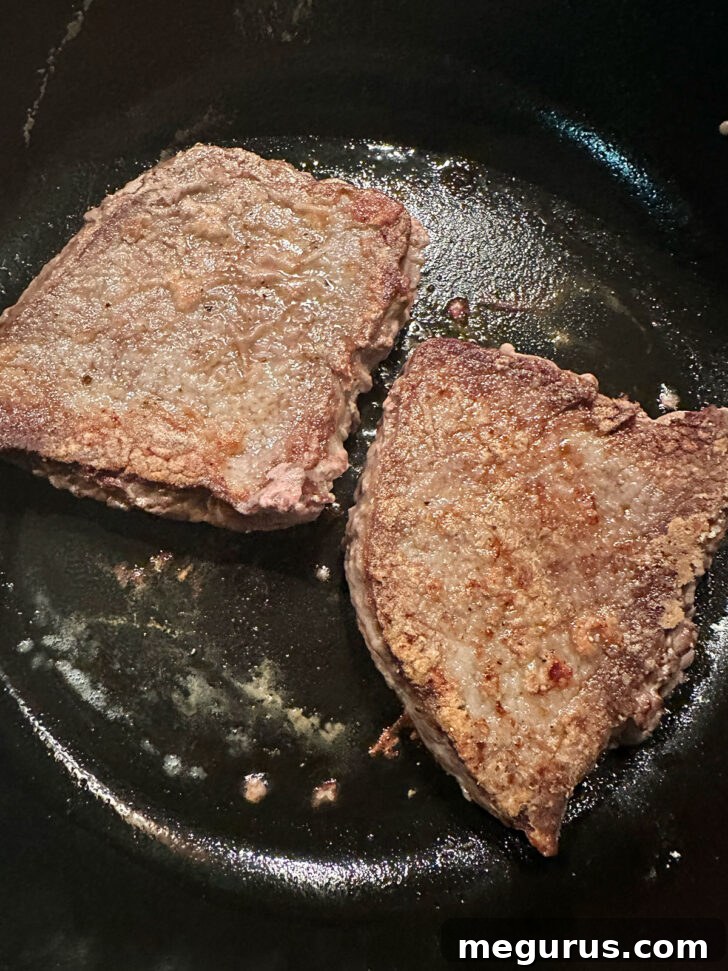
- Brown the Steaks for Flavor: Heat 2-3 tablespoons of vegetable oil in a large oven-safe skillet, shallow Dutch oven, or braiser over medium-high heat until shimmering. Carefully add the floured steak pieces to the hot pan. Be sure not to overcrowd the pan; if necessary, brown the steaks in batches to ensure they achieve a beautiful golden-brown crust. Browning is crucial for developing deep, rich flavor (the Maillard reaction). Once browned on both sides, remove the steak pieces to a clean plate and set aside.
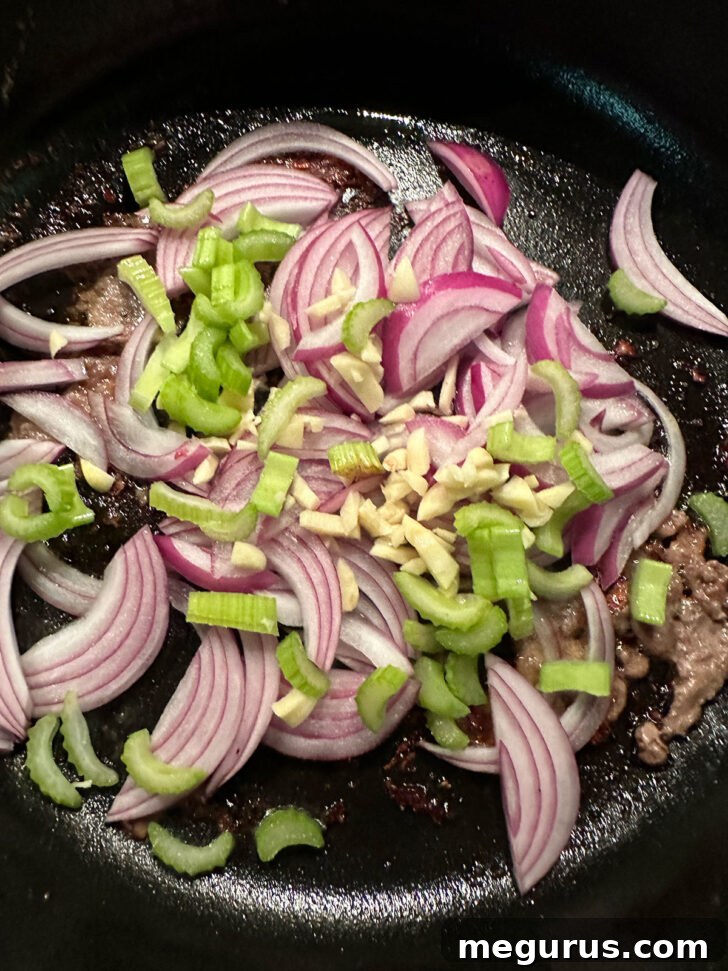
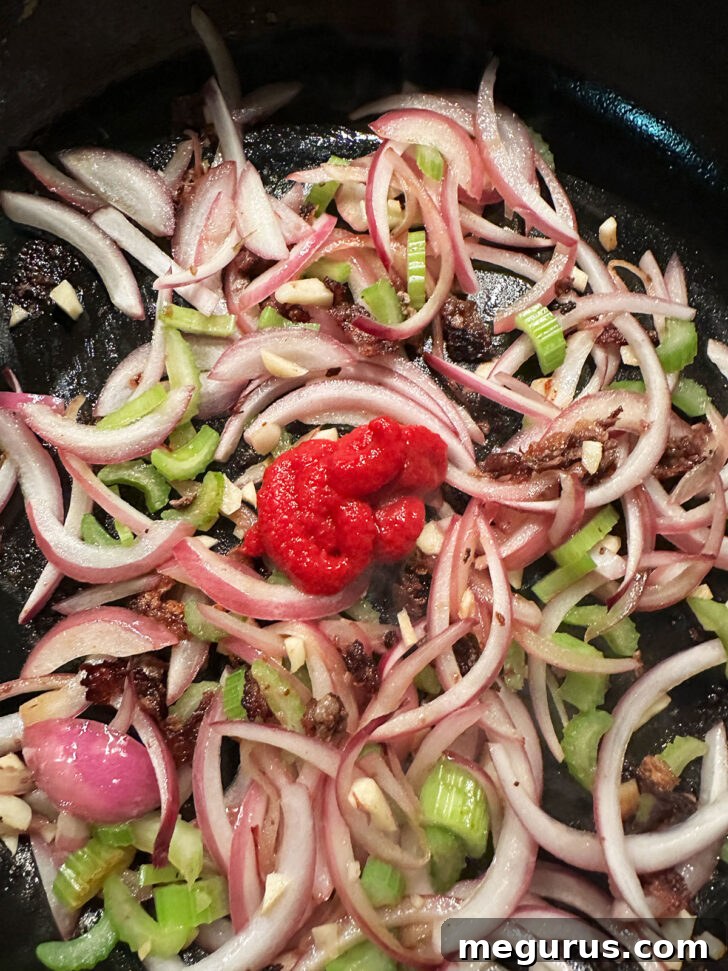
- Sauté the Aromatics: Reduce the heat to medium. To the same skillet (don’t wipe it clean – those browned bits add flavor!), add the thinly sliced onion, chopped garlic, and chopped celery. Cook these vegetables, stirring occasionally, for about 3-5 minutes, or until they have softened and become fragrant.
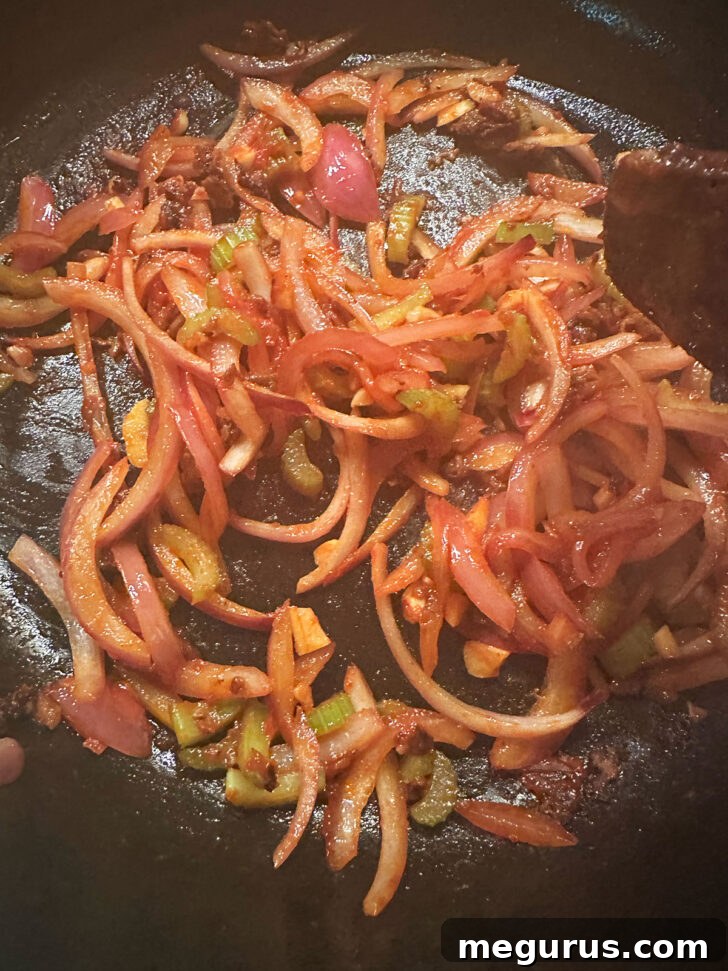
- Build the Sauce Base: Add the tomato paste to the softened vegetables in the skillet. Stir it in well, cooking for another minute or two. This step is important as it toasts the tomato paste, intensifying its flavor and adding depth to the sauce.
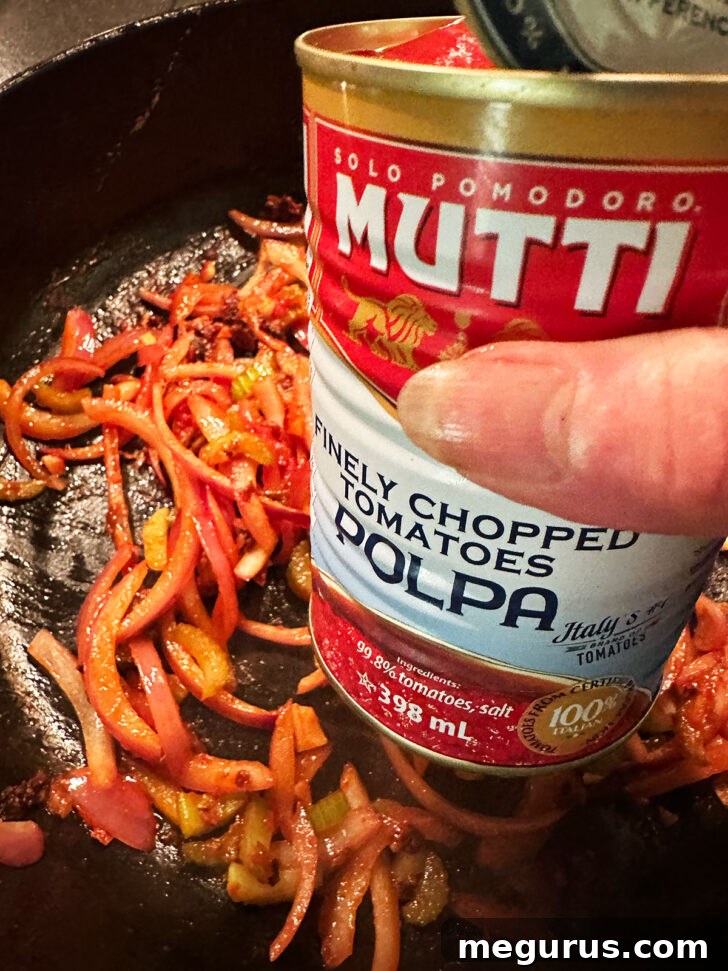
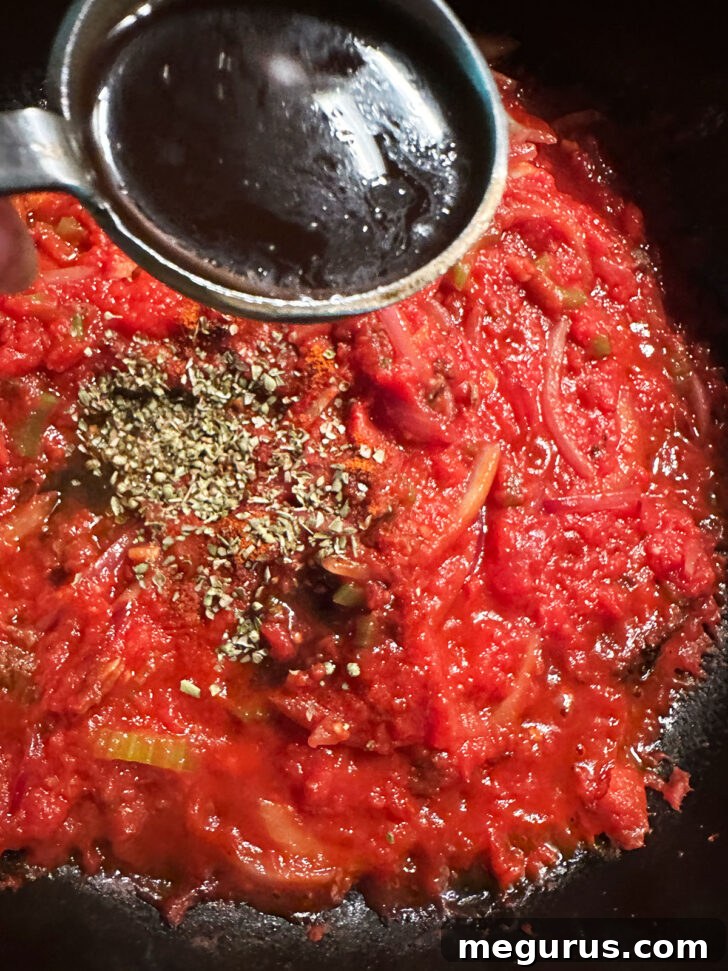
- Incorporate Tomatoes and Seasonings: Pour in the canned chopped or diced tomatoes, paprika (regular or smoked), dried oregano leaves, and Worcestershire sauce. Stir everything together well, ensuring all the flavors are thoroughly combined.
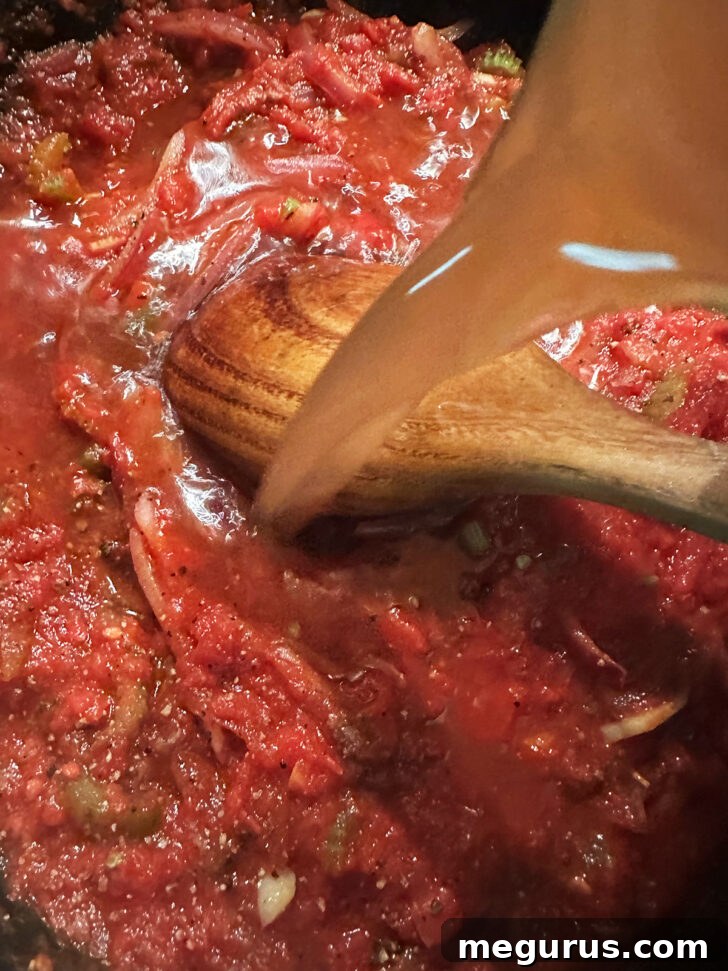
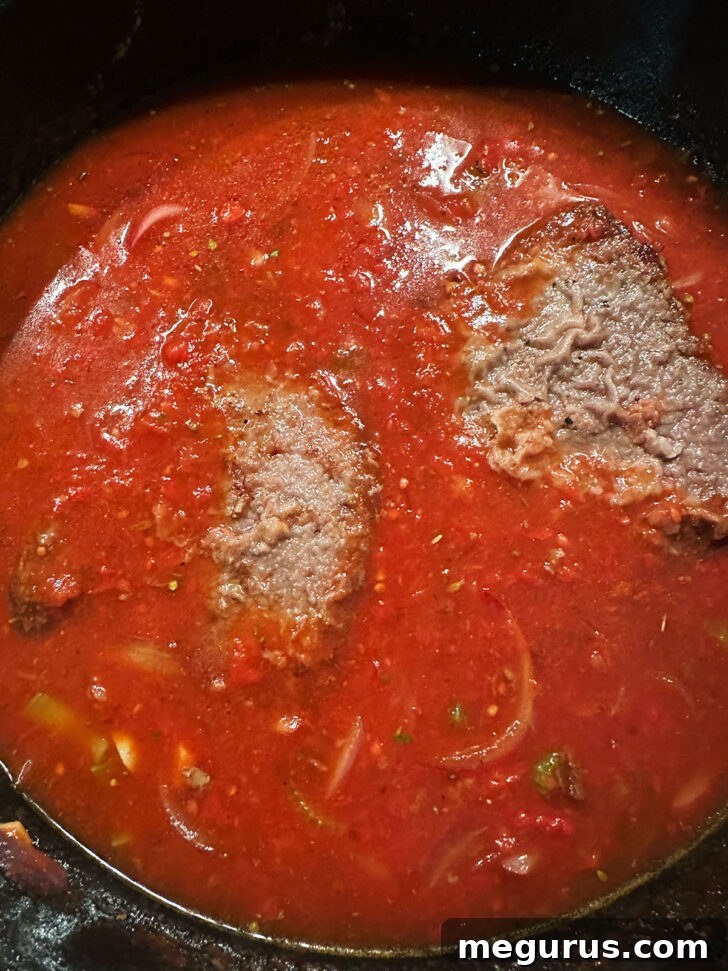
- Add Broth and Braise: Pour in the beef broth and stir everything one last time. Return the browned steak pieces to the skillet, submerging them completely in the rich tomato sauce. Bring the sauce to a gentle simmer.
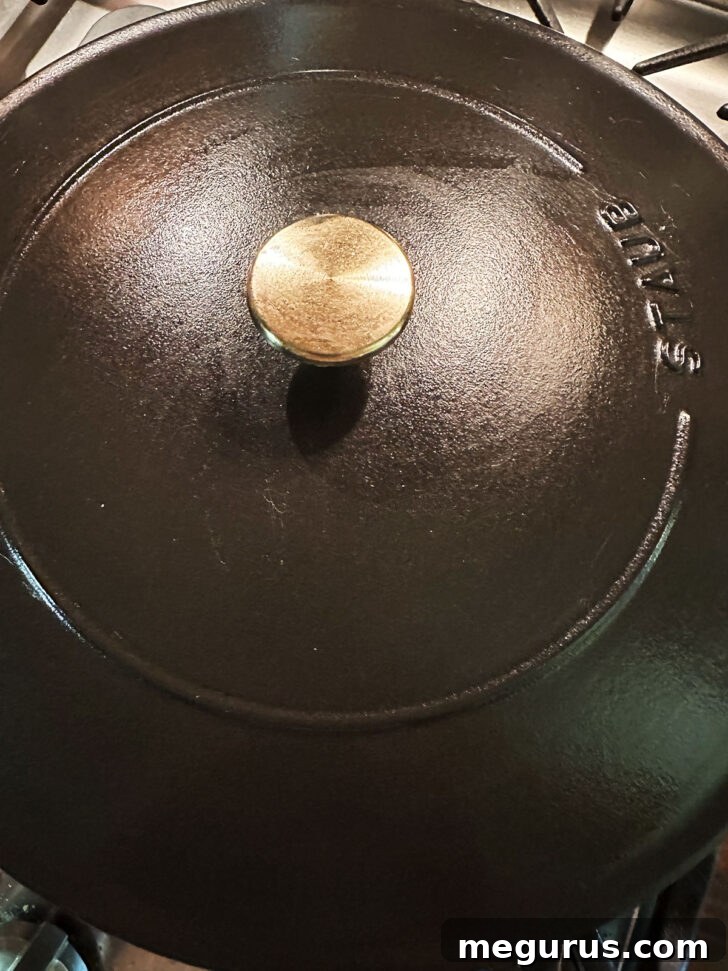
- Slow Cook to Perfection: Cover the skillet tightly with its lid (or use aluminum foil if your dish doesn’t have a lid). Transfer the covered skillet to your preheated oven and cook for 1 1/2 to 2 hours, or until the beef is incredibly tender and easily pulls apart with a fork. The exact time will depend on the thickness and cut of your beef.
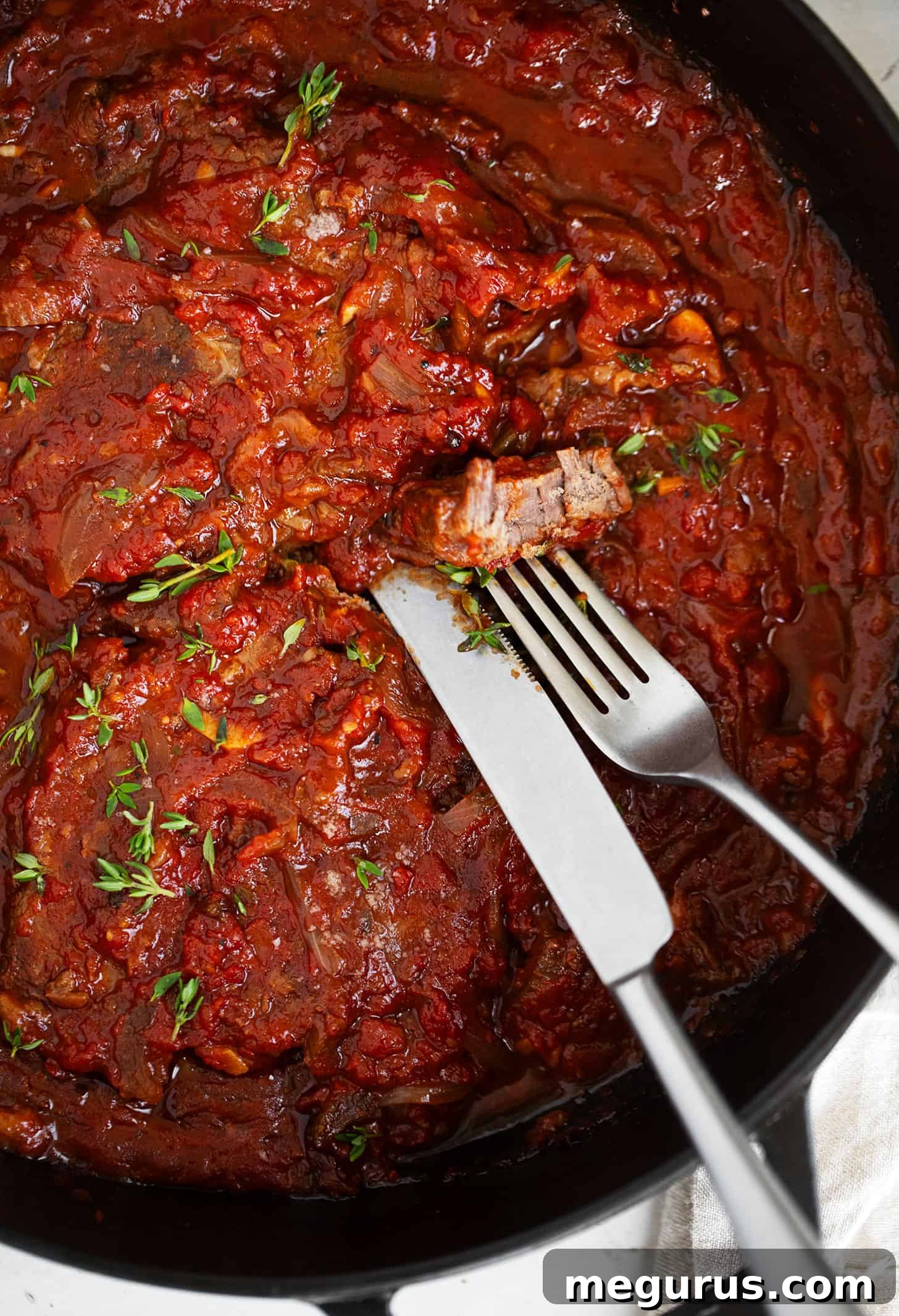
- Finish and Serve: Once the beef is tender, carefully remove the skillet from the oven and remove the lid. Taste the sauce and adjust seasonings as needed, adding more salt or freshly ground pepper to your preference. Serve hot and enjoy!
Expert Tips for the Best Swiss Steak
- Tenderizing Tools: Don’t have a dedicated meat tenderizer? No problem! A heavy kitchen mallet, a rolling pin, or even the bottom of a sturdy cast-iron skillet can be used to pound and flatten the meat effectively. If your meat tenderizer has both flat and spiky sides, always opt for the spiky side to break down fibers more efficiently.
- Pre-Portioning: For easier handling and even cooking, cut your beef steaks into individual serving-sized pieces (typically 4-6 pieces depending on the initial weight) before you begin the tenderizing and flouring process.
- Don’t Crowd the Pan: When browning the steaks, ensure there’s enough space between pieces. Overcrowding the pan lowers the temperature, steaming the meat instead of searing it, which prevents a proper brown crust from forming. Work in batches if necessary.
- Lid Alternatives: If your chosen oven-safe dish lacks a lid, simply cover it tightly with a double layer of aluminum foil. This will effectively trap the moisture and heat, creating the perfect braising environment.
- Seasoning Smart: Beef broth and Worcestershire sauce contribute a significant amount of sodium. It’s best to be conservative with added salt initially. The long, slow cooking process can concentrate flavors, including saltiness. Always taste the sauce at the end of cooking and add additional salt and pepper as needed to truly elevate the flavors.
- Deglaze for Extra Flavor: After browning the beef, if there are any browned bits stuck to the bottom of the pan, you can deglaze it before adding the vegetables. Add a splash of beef broth, wine, or water and scrape up those flavorful bits with a wooden spoon. This adds another layer of depth to your sauce.
- Check for Tenderness: The cooking time is an estimate. The true indicator of readiness is when the meat is incredibly tender. Test a piece with a fork; it should easily pull apart without resistance.
What to Serve with Swiss Steak
The rich, hearty tomato gravy of Swiss Steak is practically begging for something to soak it all up. Here are some classic and delicious pairing ideas to complete your meal:
- Creamy Mashed Potatoes: The ultimate classic pairing. Fluffy mashed potatoes are perfect for absorbing every drop of that savory gravy.
- Rice: White rice, brown rice, or even wild rice blend provides a neutral base that lets the flavors of the Swiss Steak shine.
- Noodles: Egg noodles or wide pasta are excellent choices for a comforting, belly-filling meal.
- Polenta: Creamy polenta offers a sophisticated twist and a delightful texture contrast.
- Crusty Bread: Don’t underestimate the simple pleasure of dipping a piece of crusty baguette or sourdough into the rich sauce.
- Green Vegetables: To balance the richness, add a fresh green vegetable. Steamed green beans, roasted broccoli, sautéed asparagus, or sweet peas are all wonderful complements. A crisp side salad also works beautifully.
Making Ahead, Storing, and Freezing Swiss Steak
Swiss Steak is one of those dishes that tastes even better the next day as the flavors meld and deepen. It’s also freezer-friendly, making it a great option for meal prep!
- Making Ahead: While best enjoyed freshly cooked, Swiss Steak can certainly be made a day in advance. Simply cool it completely, then store it covered in the refrigerator. Gently reheat on the stovetop over low heat, adding a splash of beef broth or water if the sauce has thickened too much.
- Storing Leftovers: Any leftover Swiss Steak can be stored in an airtight container in the refrigerator for up to 3-4 days.
- Freezing: Swiss Steak freezes exceptionally well. Once completely cooled, transfer it to freezer-safe containers or heavy-duty freezer bags. It can be frozen for up to 2-3 months. Thaw overnight in the refrigerator before reheating on the stovetop or in the oven until heated through.
Frequently Asked Questions About Swiss Steak
Here are answers to some common questions about this classic dish:
Q: What kind of beef is best for Swiss steak?
A: Tougher, more economical cuts that benefit from slow cooking are ideal. Boneless round steak (top round, bottom round), chuck steak, and eye of round are excellent choices. These cuts contain collagen that breaks down during braising, resulting in incredibly tender meat.
Q: Can I make Swiss steak in a slow cooker?
A: Absolutely! After browning the steak and sautéing the aromatics (steps 1-6 in the recipe), transfer everything to your slow cooker. Cook on low for 6-8 hours or on high for 3-4 hours, until the meat is fork-tender. This is a fantastic option for hands-off cooking.
Q: How do I thicken the sauce if it’s too thin?
A: If your sauce is too thin after cooking, you have a few options:
- Simmer Uncovered: Remove the lid and let the sauce simmer gently on the stovetop for 10-15 minutes, allowing excess liquid to evaporate.
- Cornstarch Slurry: Whisk together 1 tablespoon of cornstarch with 1 tablespoon of cold water until smooth. Stir this slurry into the simmering sauce and cook for another minute or two until thickened.
- Flour Slurry (Roux): Before adding broth, if you feel it’s too thin, you could make a quick roux with some butter and flour, then add your liquids. However, the flour from dredging usually provides sufficient thickening.
Q: Can I add other vegetables to Swiss steak?
A: Yes, you can certainly customize your Swiss Steak with other vegetables. Diced carrots, mushrooms, or bell peppers are popular additions that can be sautéed with the onions and celery. Add them at the same time as the other aromatics.
Q: Is Swiss steak gluten-free?
A: Traditional Swiss steak uses all-purpose flour for dredging, so it is not gluten-free. To make it gluten-free, you would need to use a gluten-free flour blend for dredging and ensure your beef broth and Worcestershire sauce are also gluten-free.
Swiss Steak: A Hearty & Tender Classic
Economical round steak cooked slowly in a rich, savory tomato sauce until exceptionally tender and bursting with flavor. A truly comforting and satisfying meal for any occasion.
Prep Time: 15 mins
Cook Time: 2 hrs
Total Time: 2 hrs 15 mins
Yield: 4 servings
Ingredients
- 2 lb boneless round steak, trimmed of fat and cut into 4 serving-sized pieces
- ¾ cup all-purpose flour
- Salt and freshly ground pepper, to taste
- 2-3 Tablespoons vegetable oil
- 1 large onion, red or yellow, thinly sliced
- 2 cloves garlic, chopped
- 1 stalk celery, chopped
- 2 Tablespoons tomato paste
- 14 oz can chopped or diced tomatoes
- 1 teaspoon paprika, regular or smoked
- 1 teaspoon dried oregano leaves
- 1 Tablespoon Worcestershire sauce
- 1 ½ cups beef broth
Instructions
- Preheat oven to 325°F (160°C).
- Add the flour to a plate and season generously with salt and pepper. Dredge the steak pieces on both sides in the flour mixture. Using a meat tenderizer (the spiky side if available, or a mallet/rolling pin), pound the floured steaks on both sides until thinned. Dredge in the flour mixture again. Set aside.
- Add enough oil to an oven-safe dish, braiser, or Dutch oven (large enough to lay the steak pieces flat) to cover the bottom of the pan. Heat over medium-high heat. Add the steaks to the pan and cook until golden brown on each side. Remove to a plate. (Don’t overcrowd the pan; brown in batches if necessary.)
- To the same skillet, add the onions, garlic, and celery. Cook together, stirring regularly, for about 3-5 minutes until softened.
- Add the tomato paste to the vegetables and stir in, cooking for 1 minute to deepen the flavor.
- Add the canned tomatoes, paprika, oregano, Worcestershire sauce, and beef broth to the skillet and stir to combine.
- Return the browned steaks to the pan, submerging them in the sauce.
- Cover the pot with a lid (or tightly with aluminum foil). Place into the preheated oven and cook for 1 ½ – 2 hours, or until the meat is tender.
- Remove from the oven and remove the lid. Taste the sauce and add additional salt and freshly ground pepper, as needed. Serve warm.
Cuisine: American, Canadian
Course: Main Course
Author: Jennifer Maloney
Nutrition Information (Approximate Per Serving)
- Serving: 1 serving
- Calories: 532 kcal
- Carbohydrates: 32 g
- Protein: 58 g
- Fat: 19 g
- Saturated Fat: 5 g
- Polyunsaturated Fat: 5 g
- Monounsaturated Fat: 6 g
- Trans Fat: 0.04 g
- Cholesterol: 143 mg
- Sodium: 724 mg
- Potassium: 1382 mg
- Fiber: 4 g
- Sugar: 8 g
- Vitamin A: 639 IU
- Vitamin C: 15 mg
- Calcium: 120 mg
- Iron: 8 mg