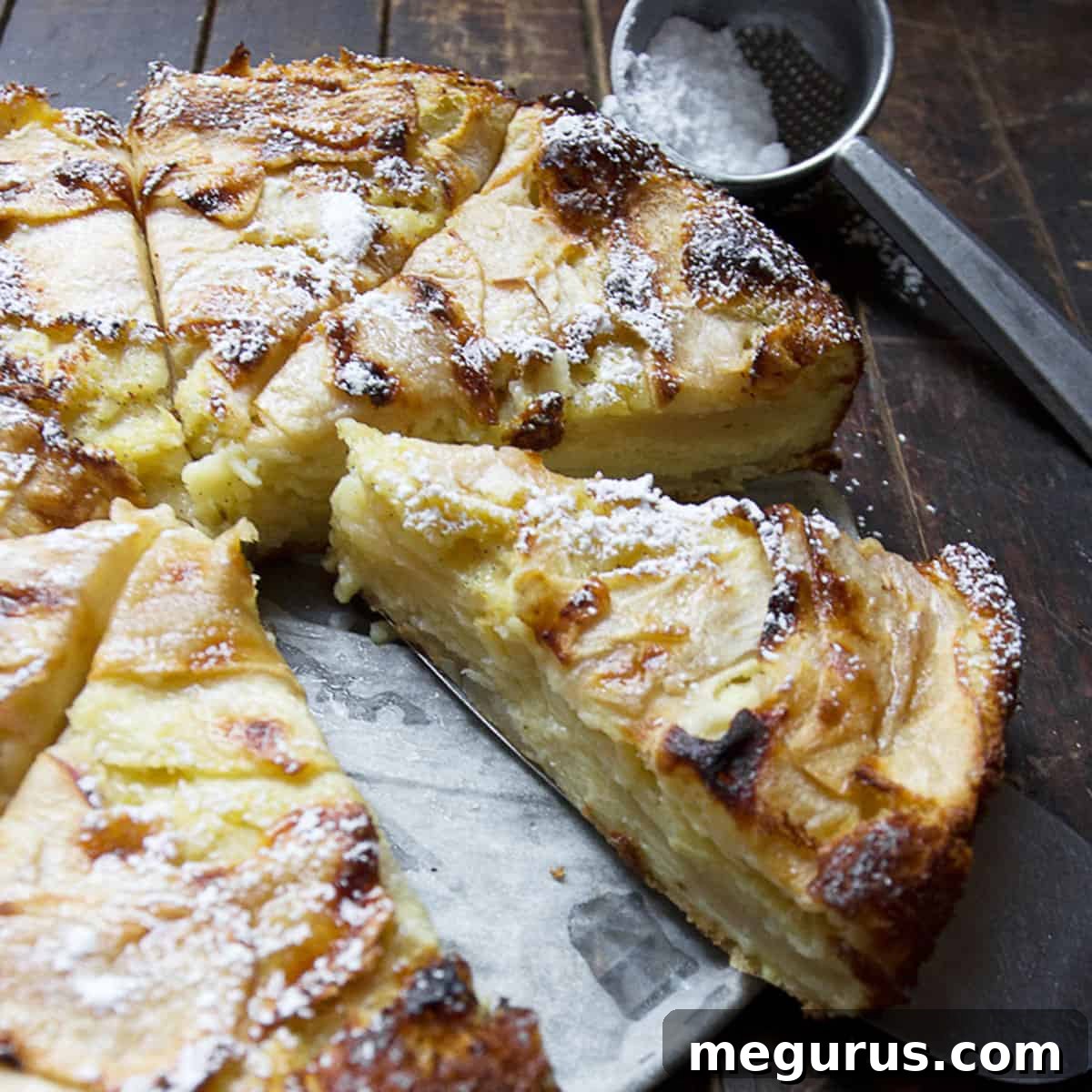
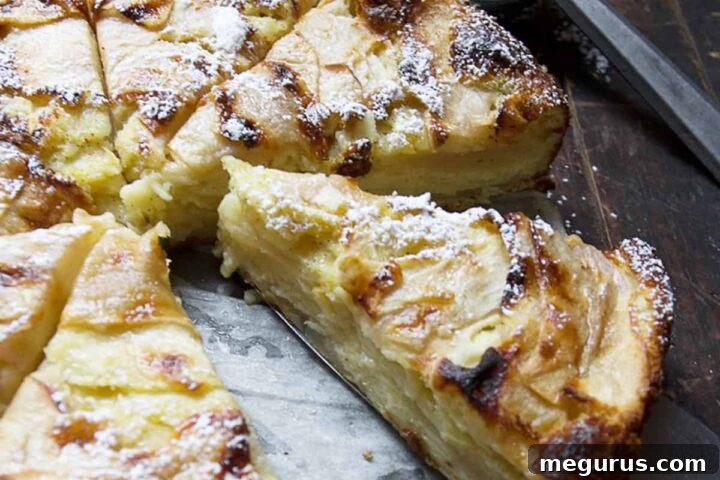
Discover the magic of Invisible Apple Cake – an effortlessly elegant dessert that captivates with its delicate flavors and seemingly vanished apple slices. This quick and easy recipe transforms thinly sliced apples into a tender, custardy masterpiece, perfect for any occasion, from a leisurely breakfast to a sophisticated afternoon tea or a comforting dessert.
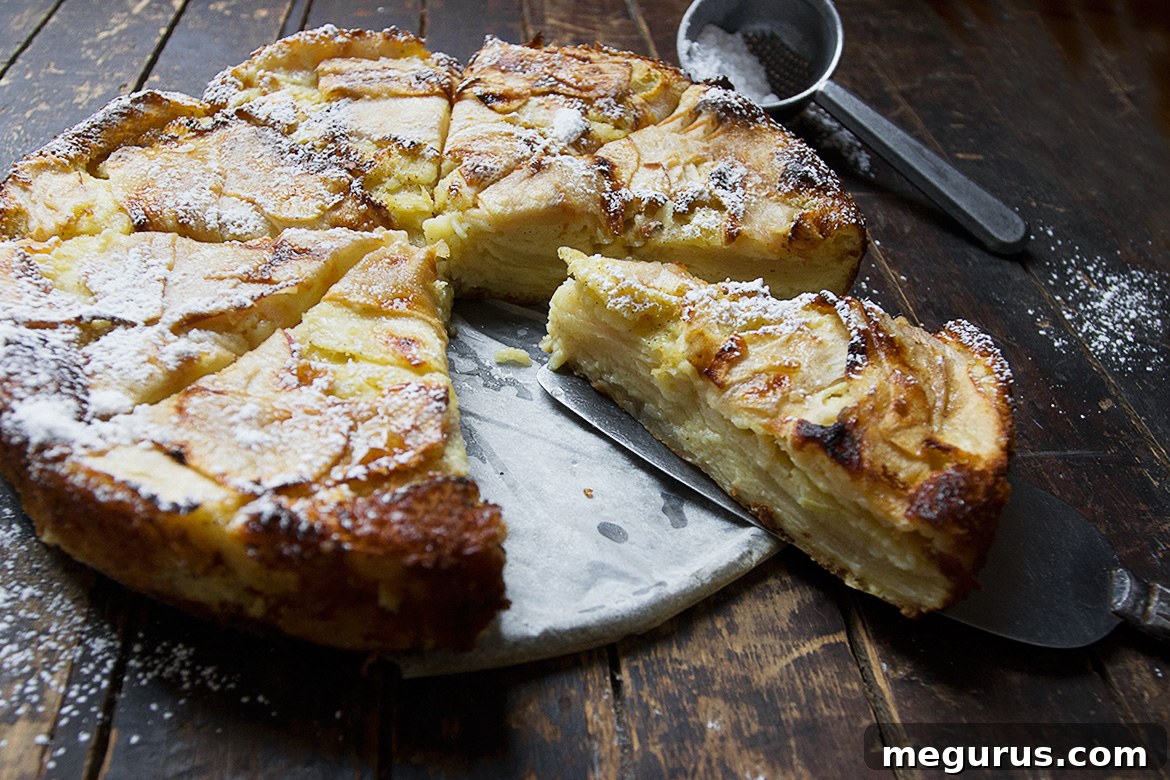
Invisible Apple Cake: A Culinary Illusion of Deliciousness
There’s something uniquely enchanting about an Invisible Apple Cake. It’s a versatile dessert that effortlessly transitions from a delightful breakfast treat to an elegant brunch centerpiece, a cozy afternoon snack, or a refined after-dinner indulgence. Imagine a cake where apples, sliced to an ethereal thinness, meld seamlessly into a rich, custard-like batter, almost disappearing from view yet leaving behind an intense, sweet apple flavor in every bite. This recipe isn’t just about baking; it’s about creating a subtle culinary illusion that promises an always delicious and satisfying experience.
Whether you prefer it chilled from the refrigerator, at a comfortable room temperature, or gently warmed, this cake is a delight. Enjoy it plain, allowing its nuanced flavors to shine, or elevate it further with a dollop of crème fraîche, a cloud of freshly whipped cream, or a scoop of your favorite vanilla bean ice cream. For a surprisingly delightful twist, try a slice with a sharp cheddar cheese on top – a classic pairing that highlights the apple’s sweetness.
The Mystery Unveiled: Why “Invisible”?
The name “Invisible Apple Cake” isn’t just a clever marketing ploy; it perfectly describes the cake’s most captivating characteristic. The secret lies in the ultra-thin slices of apple, which, when baked into the delicate custard base, become so tender and integrated that they almost seem to vanish into the cake’s structure. The result is a uniformly moist and flavorful cake, infused with apple goodness without any distinct, chunky apple pieces dominating the texture.
Achieving the Perfect Thinness: Your Mandolin Guide
To truly achieve the “invisible” effect, consistent, super-thin apple slices are crucial. The absolute best tool for this is a mandolin slicer. Don’t be intimidated by this kitchen gadget; with a few safety precautions, it can be your best friend for precision slicing. Aim for slices that are almost translucent – think paper-thin. While slightly thicker slices will still yield a delicious cake, the apples won’t quite achieve their signature disappearing act.
For years, many home cooks, myself included, have approached mandolins with a healthy dose of caution due to their razor-sharp blades. The key to confident and safe use is proper protection. Investing in a pair of cut-resistant gloves, used in conjunction with the mandolin’s food guard, provides invaluable peace of mind. This combination allows you to slice with precision and speed, transforming what might seem like a daunting task into an efficient part of your baking process.
If a mandolin isn’t an option, fear not! You can still achieve good results with a sharp chef’s knife and steady hand. Focus on creating slices as uniformly thin as possible. Alternatively, for those seeking another method, carefully using the wide slot of a box grater can also produce suitably thin apple pieces, though this method requires extra care to avoid injury.
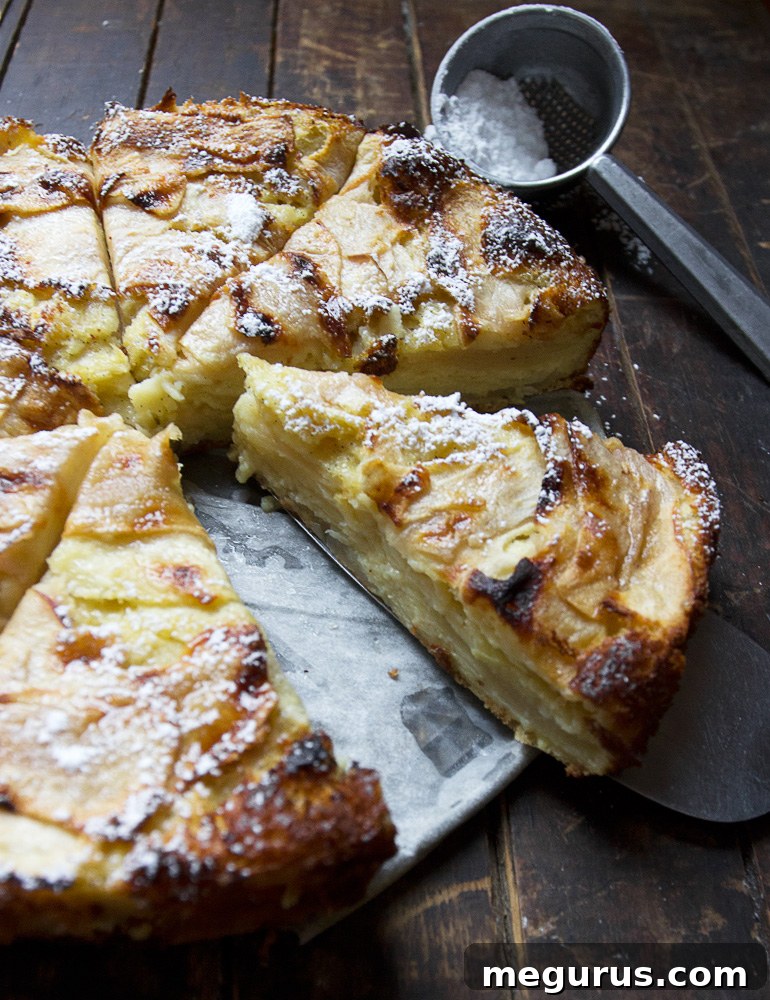
Essential Ingredients and Thoughtful Substitutions
Crafting the perfect Invisible Apple Cake begins with understanding the role of each ingredient. Here’s a detailed look at what you’ll need and how to make smart substitutions if necessary:
- Apples: The Heart of the Cake
Golden Delicious apples are the star here, and for good reason. Their sweet, slightly tart flavor and firm texture ensure they soften beautifully without disintegrating during baking, maintaining their subtle presence in the cake. They are also widely available throughout the year. If Golden Delicious aren’t on hand, opt for other excellent cooking apples known for holding their shape, such as Jonagold. These apples offer a similar balance of sweetness and firmness. While Granny Smith apples bake well, they are considerably more tart, resulting in a cake with a brighter, tangier profile – which some may prefer, but it will be a departure from the intended sweeter character of this recipe. For the most authentic Invisible Apple Cake experience, stick with the sweeter, less acidic varieties. - Brown Sugar: For Depth and Moisture
This recipe calls for light brown sugar, often labeled “Golden” sugar. Its fine crystals and molasses content impart a lovely caramel note and contribute to the cake’s moist texture. If you don’t have brown sugar, you can certainly substitute it with white granulated sugar. While the flavor will be slightly less complex, and the cake a little less moist, it will still be delicious. - Milk: The Custardy Foundation
For the richest, most tender crumb, a full-fat whole milk (3%) is highly recommended. The higher fat content contributes significantly to the cake’s luscious, custard-like texture. If whole milk isn’t available, 2% milk will also work, though the cake might be marginally less rich. I advise against using milk with a lower fat percentage, as it can affect the overall texture and mouthfeel. This recipe has not been tested with non-dairy milks, so results may vary if you choose to experiment. - Eggs: The Binding and Leavening Agents
Large eggs provide structure, richness, and help with the cake’s rise. They are integral to the custard base, creating a tender, cohesive crumb. - Vanilla Extract: Aromatic Enhancement
A good quality vanilla extract, or even vanilla bean paste, enhances the sweetness of the apples and adds a warm, inviting aroma to the cake. It’s a key flavor component that shouldn’t be omitted. - Butter: Richness and Flavor
Whether you use salted or unsalted, butter adds an unparalleled richness and a delicious, subtle nutty flavor that complements the apples beautifully. Ensuring it’s melted and cooled before adding to the batter is crucial for the cake’s texture. - All-Purpose Flour: Structure and Body
The right amount of all-purpose flour provides the necessary structure to hold the cake together, allowing the thinly sliced apples to meld into the batter without sinking or becoming too dense. - Baking Powder: The Gentle Lift
Baking powder acts as a leavening agent, giving the cake a light, airy quality that prevents it from becoming too heavy despite its rich texture. - Pinch of Salt: Flavor Balancer
A small amount of salt might seem insignificant, but it plays a vital role in balancing the sweetness and enhancing all the other flavors in the cake.
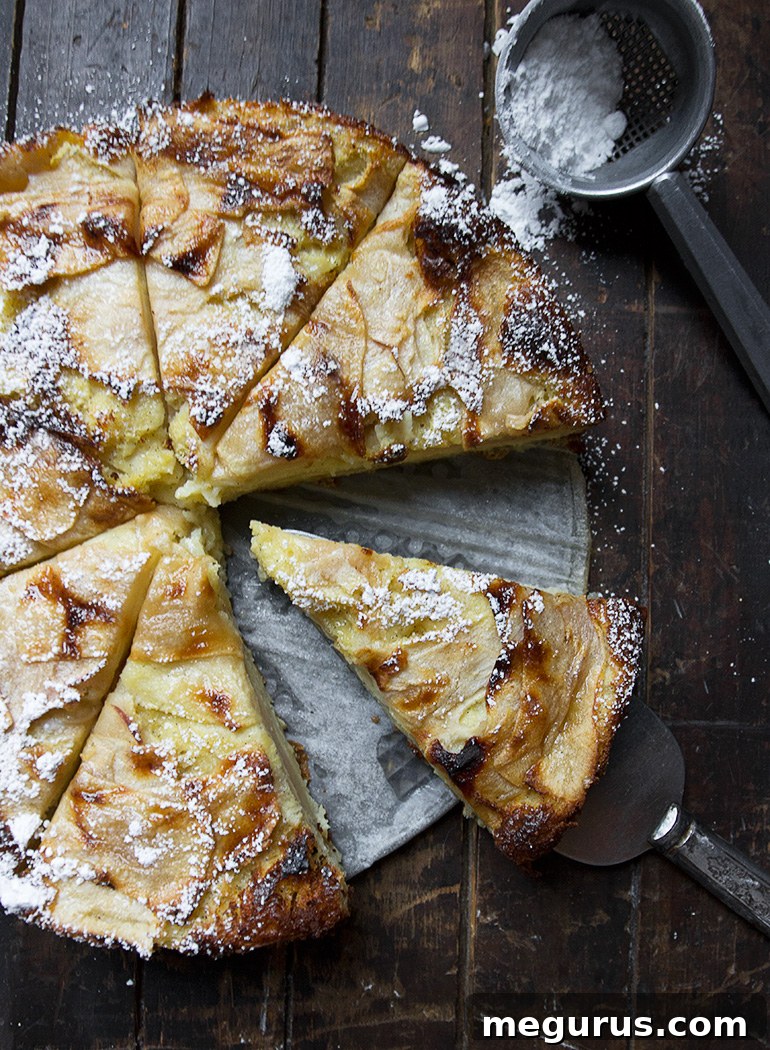
Expert Tips for a Flawless Invisible Apple Cake
Achieving baking perfection often comes down to a few key techniques and considerations. Here are some invaluable tips to ensure your Invisible Apple Cake turns out wonderfully every time:
- Mandolin Safety First: As previously mentioned, a mandolin is your best tool for achieving truly invisible apple slices. To conquer any apprehension, invest in cut-resistant gloves and always use the food guard. These two items provide a critical layer of protection, allowing you to slice with confidence and achieve consistent, paper-thin results without fear of injury. Practice with a less precious vegetable if you’re new to the mandolin.
- Preventing Leaks in Springform Pans: The batter for this cake is quite thin, making springform pans a potential hazard if they don’t form a perfectly tight seal. To avoid any unfortunate leaks (and a messy oven), it’s highly recommended to tightly wrap the outside bottom of your 8-inch springform pan with a layer or two of heavy-duty aluminum foil. Even if your pan seems reliable, this extra step acts as cheap insurance. Additionally, always bake the cake on a sturdy baking sheet; this not only catches any potential drips but also makes it much easier to transfer the cake safely in and out of the oven.
- Optimizing Apple Placement for Even Browning: When arranging the reserved apple slices on top of the batter, try to lay them as flat as possible. Any pieces that stick up too high are more exposed to the oven’s heat and will brown (or even burn) more quickly than the rest of the cake. If you notice the top browning too rapidly during baking, loosely drape a sheet of aluminum foil over the cake for the remaining baking time. This will shield the surface, allowing the cake to cook through without over-browning.
- Cooling is Key: While tempting to dive in immediately, allowing the cake to cool in the pan after baking is crucial. This step helps the cake set properly and prevents it from crumbling when you remove the springform ring. Run a thin knife around the edges of the cake once it’s completely cooled to ensure a clean release from the pan.
- Temperature of Melted Butter: When adding the melted butter to the egg mixture, ensure it has cooled sufficiently. Hot butter can “cook” the eggs, leading to a lumpy, undesirable batter. If your butter is still warm, you can quickly cool it down by whisking it together with the cold milk before incorporating it into the egg mixture.
Making Ahead, Storing, and Freezing
While this cake is truly at its peak when enjoyed on the day it’s baked, it also stores remarkably well, allowing you to savor its delights over a few days. For optimal freshness and to preserve its delicate texture, I generally recommend storing any uneaten portions in an airtight container in the refrigerator. However, for serving, many find the cake’s flavors and texture most appealing when it has come to room temperature, or even when gently warmed. The subtle aromas and tender crumb truly shine when not chilled.
If you find yourself with leftovers that you wish to preserve for a longer period, this Invisible Apple Cake can be frozen. While freezing is a viable option to prevent waste, it’s important to note that the texture may undergo a slight change upon thawing. The delicate custardy interior might become a little softer, and the apple slices a touch less crisp. To freeze, ensure the cake is completely cooled, then wrap individual slices or the whole cake tightly in plastic wrap, followed by a layer of aluminum foil. This double wrapping helps prevent freezer burn. Thaw in the refrigerator overnight, then bring to room temperature or gently warm before serving for the best results after freezing.
Get the Recipe: Invisible Apple Cake
Ingredients
- 6 large Golden Delicious apples, peeled *see Note 1
- 2 large eggs
- 1/4 cup brown sugar, or can substitute white granulated sugar if brown sugar is unavailable
- 1 teaspoon vanilla extract, or vanilla bean paste
- 1 1/2 Tablespoons butter, salted or unsalted
- 6 1/2 Tablespoons milk, whole (3%) or 2% recommended
- 1/2 cup + 1 Tablespoon all-purpose flour
- 1 teaspoon baking powder
- Pinch of salt
Instructions
-
Line the bottom of an 8-inch springform pan with parchment paper and spray generously with cooking spray. Preheat your oven to 400°F (200°C) using a regular bake setting (not fan-assisted). **Important: If your springform pan tends to leak (which can happen if the seal isn’t perfectly tight), or if you simply want to be extra cautious with the thin batter, wrap the outside bottom of the pan securely with aluminum foil. Baking the pan on a baking sheet is also a good idea as a further precaution against any potential leaks.
-
Before you begin preparing the batter, melt the butter in a small saucepan over low heat or in a microwave-safe bowl until just liquid. Set it aside to cool completely while you continue with the next steps for the batter.
-
In a large mixing bowl, using an electric mixer, or in the bowl of a stand mixer fitted with the paddle attachment, combine the eggs, brown sugar, and vanilla extract. Beat the mixture on medium-high speed until it becomes very light, fluffy, and significantly increased in volume, typically about 3 minutes. This aeration is key to the cake’s light texture. Once the egg mixture is light and fluffy, gradually add the cooled, melted butter and the milk. Mix well until all ingredients are thoroughly combined. **Crucial Note: Ensure the melted butter is not hot when it’s added to the egg mixture, as hot butter can inadvertently scramble the eggs, leading to an undesirable lumpy batter. If the butter feels too warm, you can quickly cool it down by mixing it with the cold milk before adding it to the egg mixture.
-
In a separate medium-sized bowl, sift together (or whisk thoroughly) the all-purpose flour, baking powder, and pinch of salt. This ensures all dry ingredients are evenly distributed and free of lumps. Gently sprinkle this flour mixture over the wet egg mixture in the large bowl. Mix on low speed or fold by hand just until the dry ingredients are fully incorporated and no streaks of flour remain. Be careful not to overmix, as this can develop the gluten in the flour and result in a tougher cake.
-
Prepare your apples by quartering them and carefully removing the core from each piece. Using a mandolin slicer, slice each apple quarter into very thin, almost translucent pieces. As you slice, immediately add the thin apple slices directly into the prepared batter. Do not wait until all apples are sliced, as they will begin to oxidize and brown. Gently push the apple slices into the batter as you add them to ensure they are coated and submerged. Reserve a small handful of the thinnest apple slices to artfully scatter on top of the cake before baking.
-
Once all the main apple slices are in the batter, gently stir the mixture to ensure every apple piece is thoroughly coated. This helps prevent them from clumping together and ensures even distribution throughout the cake. Pour the apple-rich batter into your prepared springform pan. Then, artfully scatter the reserved handful of apple slices randomly over the top surface of the batter. Take a moment to adjust any apple slices that might be sticking up, gently pressing them down to create a relatively flat surface. Apples that protrude too much tend to brown excessively during baking.
-
Place the springform pan (preferably on a baking sheet to catch any potential drips) into the preheated 400°F (200°C) oven. Bake for approximately 30-35 minutes, or until the cake is golden brown, set in the center, and a toothpick inserted into the middle comes out with moist crumbs but no wet batter. If you desire a deeper golden finish on the top, you may turn on the broiler for about a minute during the last stages of baking, but watch it very closely to prevent burning.
-
Carefully remove the cake from the oven and allow it to cool completely in the springform pan on a wire rack. Cooling fully in the pan helps the cake firm up and prevents it from breaking when unmolded. Once cooled, run a thin knife around the edges of the cake to loosen it, then carefully remove the outer ring of the springform pan. Enjoy your cake immediately, or cover it well and refrigerate to enjoy later. This cake is delightful served cold from the fridge, at room temperature, or even slightly re-warmed in the microwave for a comforting treat.
-
Serve your Invisible Apple Cake slightly warm, at room temperature, or chilled from the fridge. For an extra touch of elegance and sweetness, you can dust the top with a light coating of icing sugar (powdered sugar). Enhance the experience further with a dollop of crème fraîche, a generous swirl of whipped cream, or a scoop of your favorite ice cream. A unique and highly recommended pairing is a slice of sharp cheddar cheese on top for a delightful sweet-savory contrast.
Notes
- Golden Delicious apples are specifically recommended for this recipe because their inherent sweetness and firm texture ensure they soften beautifully without breaking down excessively during baking. This helps achieve the cake’s signature “invisible” quality. If Golden Delicious are unavailable, seek out other good cooking apples that are known to hold their shape in pies and baked goods. Jonagold is an excellent alternative. While Granny Smith apples can be used, be aware that their high acidity will result in a significantly more tart cake, which may not align with the intended sweeter profile of this recipe.
Tried this recipe?
If you enjoyed this recipe, consider sharing your feedback!