
Discover the art of baking truly **traditional Irish scones** with this authentic recipe. Each scone is a perfect symphony of textures and flavors: wonderfully crispy on the outside, incredibly tender and flaky within, boasting a rich buttery taste, subtle sweetness, and a hint of salt. Generously studded with plump currants and brightened by a whisper of fresh orange zest, these scones offer an unforgettable bite that transports you straight to the heart of Ireland.
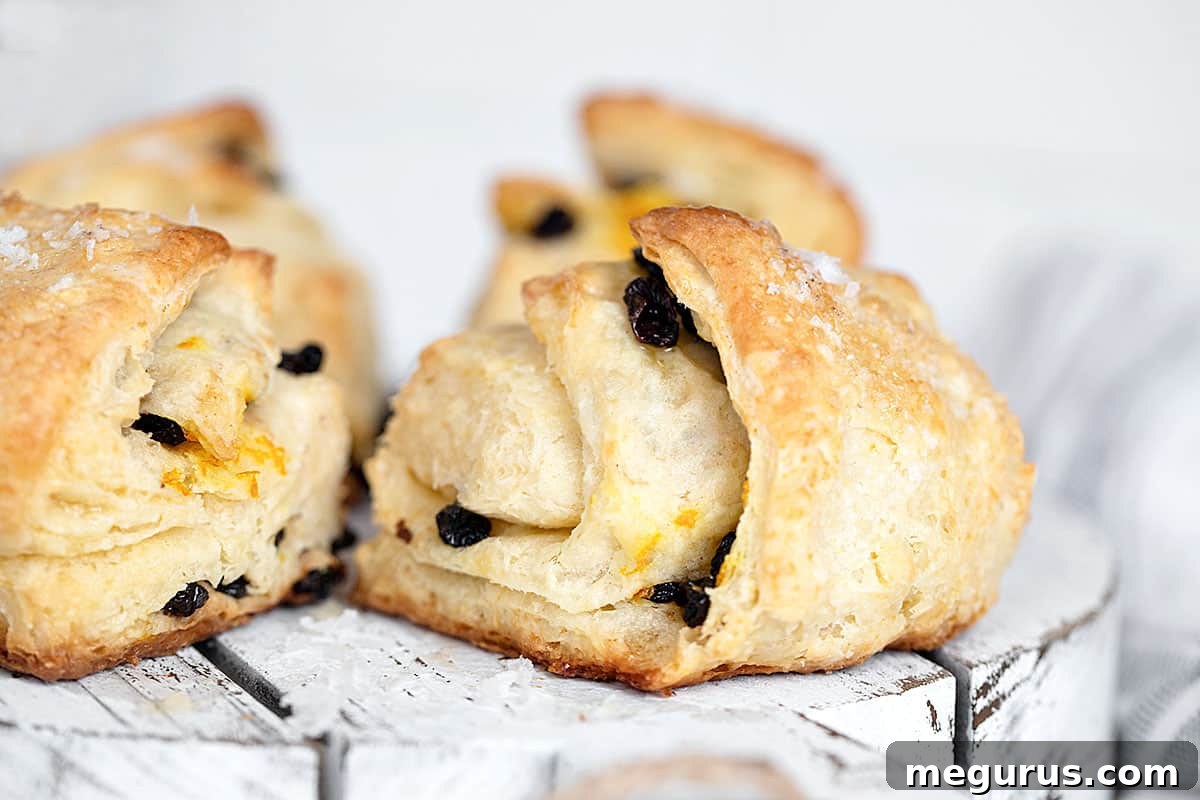
If you’ve been on the hunt for a scone recipe that ticks every box for a perfect homemade treat, then look no further! These **classic Irish scones** are a dream come true for any baker. They embody rustic charm, rising with a beautiful individuality, meaning no two scones will ever be exactly alike – and that’s precisely their appeal. Their ‘perfectly imperfect’ nature means you can skip the fuss of biscuit cutters and re-rolling scraps, making this a delightfully straightforward baking project. Simply slice, bake, and enjoy the magic!
What sets these particular Irish scones apart is their remarkable textural contrast. They feature an irresistibly **crispy bottom**, a delightful outcome of the butter melting and caramelizing slightly against the baking sheet. The top achieves a beautiful golden crispness with a distinctly **flaky texture**, promising layers of buttery goodness. Once you break through that crisp exterior, you’re met with an exceptionally **tender, buttery crumb**. The sweet tang of plump currants and the aromatic brightness of orange zest are woven throughout, creating a harmonious flavor profile that is both comforting and sophisticated. A final sprinkle of both sugar and flaky salt provides that exquisite sweet and salty contrast, elevating these scones beyond the ordinary. This classic combination of currants and orange is, simply put, always a winner.
This recipe is specifically designed for a **small batch of scones**, yielding four perfectly sized, fresh bakes. Scones are truly at their peak when enjoyed warm from the oven, and making them in smaller quantities ensures you always get to savor them at their very best. The ease and speed with which these come together make small-batch baking not just convenient but highly recommended for optimal flavor and texture. Embrace the simple joy of warm, homemade scones any day of the week!
Unlocking the Perfect Irish Scone: Key Ingredients and Smart Substitutions
Understanding the role of each ingredient is vital for achieving that quintessential Irish scone perfection. Here’s a detailed look at what you’ll need and how to make thoughtful substitutions:
- All-Purpose Flour: The Foundation of Flakiness
For these scones, standard all-purpose (or plain) flour is your best friend and highly recommended. Its balanced protein content is ideal for creating a tender yet structured crumb. While it might be tempting to experiment with other flours like bread flour (which has higher protein and can make scones tougher) or cake flour (lower protein, potentially too delicate), these require specific adjustments to liquid ratios and will significantly alter the final texture and density. Unless you’re an experienced baker comfortable with such modifications, sticking to all-purpose flour will ensure consistently excellent results. - Milk: For Richness and Tenderness
Whole milk (with 3-3.5% butterfat) is the secret to the best possible texture and flavor in these scones. The higher fat content contributes to a richer taste and a more tender crumb. While lower-fat milk or even cream can be used, understand that they will impact the final product. Higher fat cream will yield an even richer scone, while lower-fat milk might result in a slightly less decadent, though still delicious, outcome. For an intriguing twist, buttermilk can be used, but it’s crucial to make specific alterations to the leavening agent. Refer to the ‘Recipe Notes’ for precise instructions on how to swap milk for buttermilk, which involves replacing baking powder with baking soda to react with the acidity of the buttermilk. While non-dairy milks haven’t been extensively tested with this specific recipe, they would likely work, albeit with some minor variations in flavor and texture. - Currants: The Traditional Sweet Burst
Currants are a hallmark of authentic Irish scones, offering a petite burst of natural sweetness without overwhelming the dough. Their small size is perfect, distributing evenly and adding just the right amount of fruit without too much bulk. If currants are unavailable, dark raisins, such as Thompson raisins, make an excellent substitute. For the best textural match, consider roughly chopping larger raisins to mimic the smaller size of currants. This attention to detail ensures a harmonious distribution throughout your scone. - Orange Zest: A Bright, Aromatic Accent
The combination of dried fruit (like currants or raisins) and orange is a time-honored pairing that adds a wonderful aromatic lift to baked goods. The fresh zest of an orange infuses these scones with a bright, citrusy note that beautifully complements the currants. While I personally adore this addition, it is entirely optional. If you prefer a simpler, more classic scone flavor, feel free to omit it. However, I highly recommend trying it for that extra layer of complexity and freshness. - Salt: The Crucial Flavor Enhancer and Topping
Salt plays a dual role in this recipe: balancing the flavors within the dough and providing an essential finishing touch. For the topping, a flaky salt like Maldon’s sea salt or Fleur de Sel is ideal. These salts not only add a pleasant textural crunch but also offer a burst of mineral flavor that beautifully contrasts with the scone’s sweetness. If flaky salt isn’t available, coarse Kosher salt is a good alternative, though use it with a lighter hand to avoid over-salting. As a last resort, fine table salt can be used very sparingly. Remember that a pinch of salt can transform a scone from merely sweet to perfectly balanced and utterly delicious.
Mastering the Bake: A Step-by-Step Guide to Irish Scones
Baking perfect Irish scones is a straightforward process once you understand the key techniques. Follow these steps, always referring to the detailed ingredient list and precise instructions in the recipe section below for exact measurements and timing.
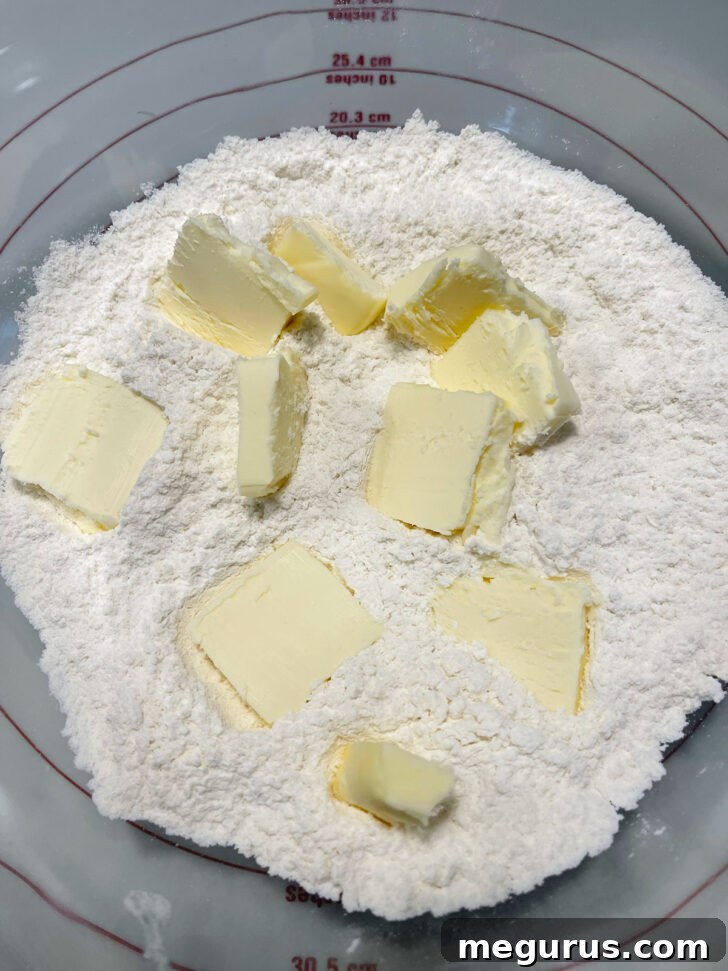
- Begin by whisking together the dry ingredients – the all-purpose flour and baking powder – in a large bowl. This ensures the leavening agent is evenly distributed. Next, add the crucial cold butter, cut into small cubes.
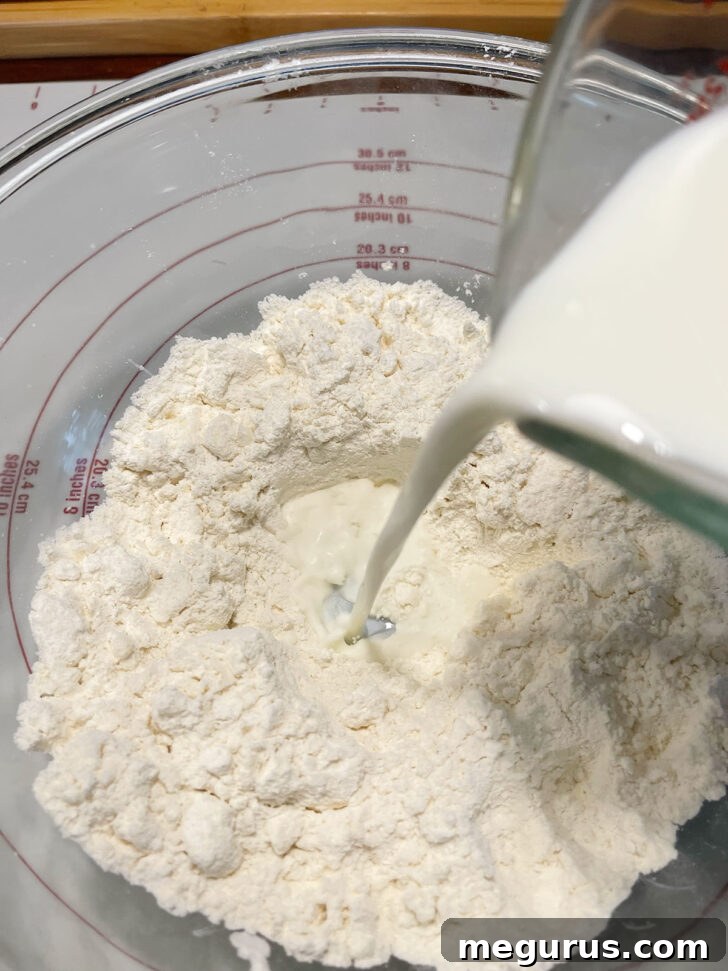
- Using a pastry cutter, or even your fingertips, quickly work the cold butter into the flour mixture until it resembles coarse crumbs with some pea-sized pieces of butter remaining. This step is key for flakiness. Then, pour in the prepared milk mixture (milk, sugar, and salt).
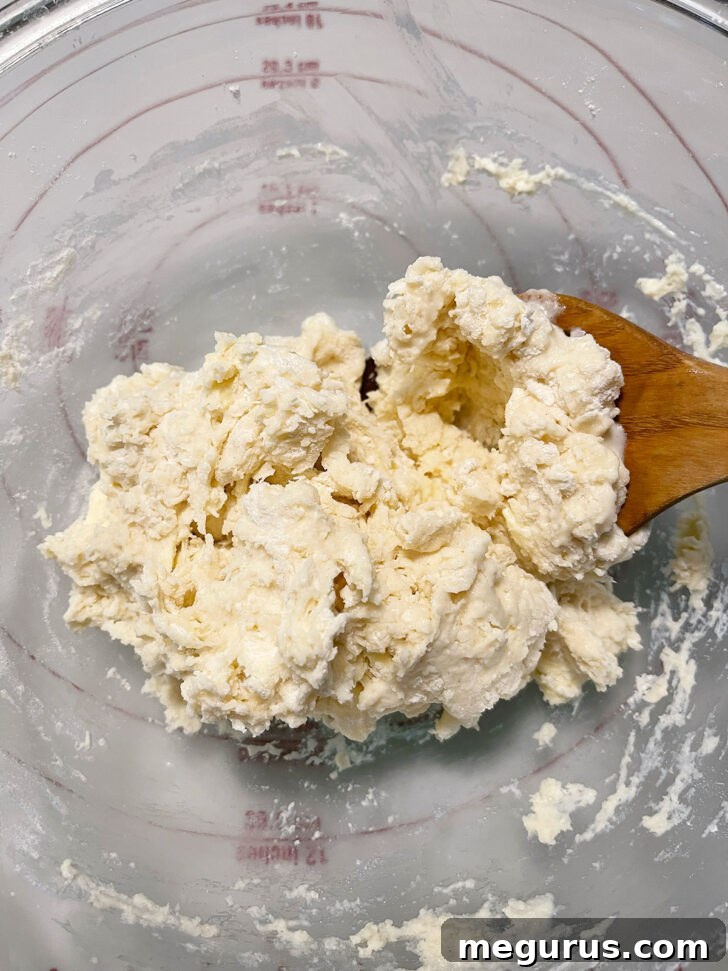
- Gently stir with a fork until the flour is just moistened and a cohesive dough forms. Be careful not to overmix; a slightly shaggy, moist dough is exactly what you’re aiming for. It should be moist enough to hold together but not overly sticky or wet.
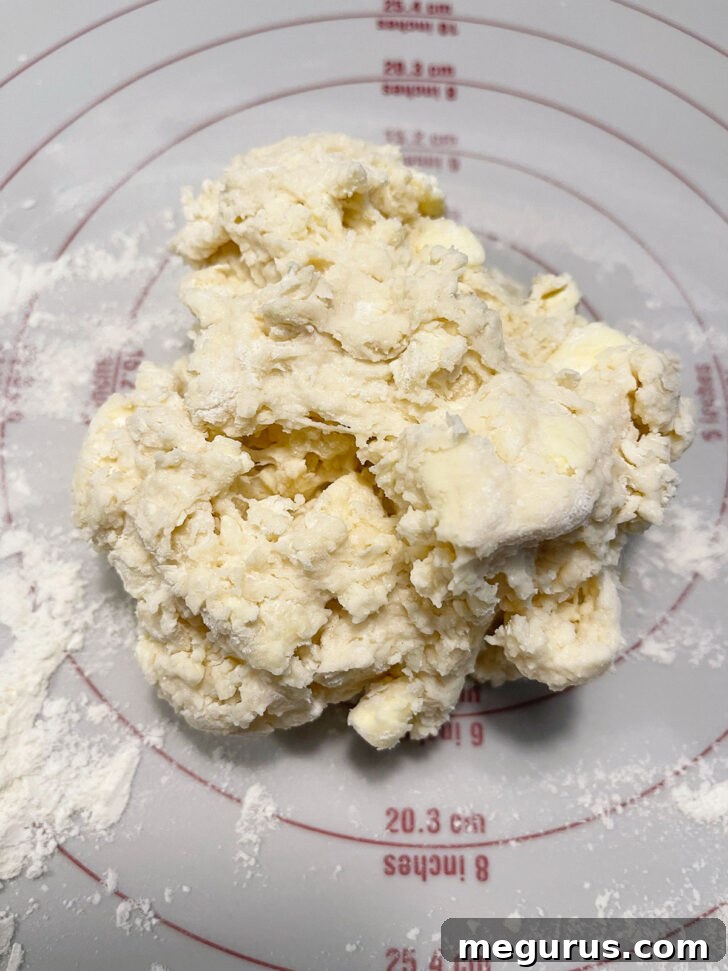
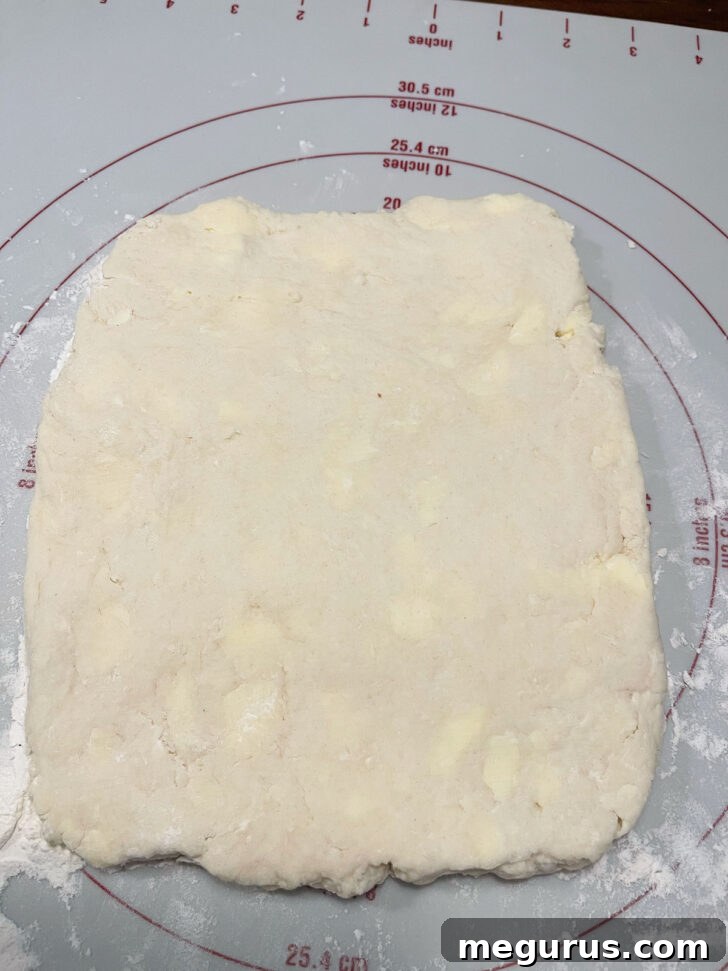
- Carefully transfer the slightly moist dough onto a lightly floured work surface. If the dough feels a bit sticky, a light dusting of flour on your hands and the surface will help.
- Using a rolling pin or simply pressing with your hands, gently shape the dough into a rectangular form. Aim for an even thickness across the rectangle, preparing it for the delicious fillings.
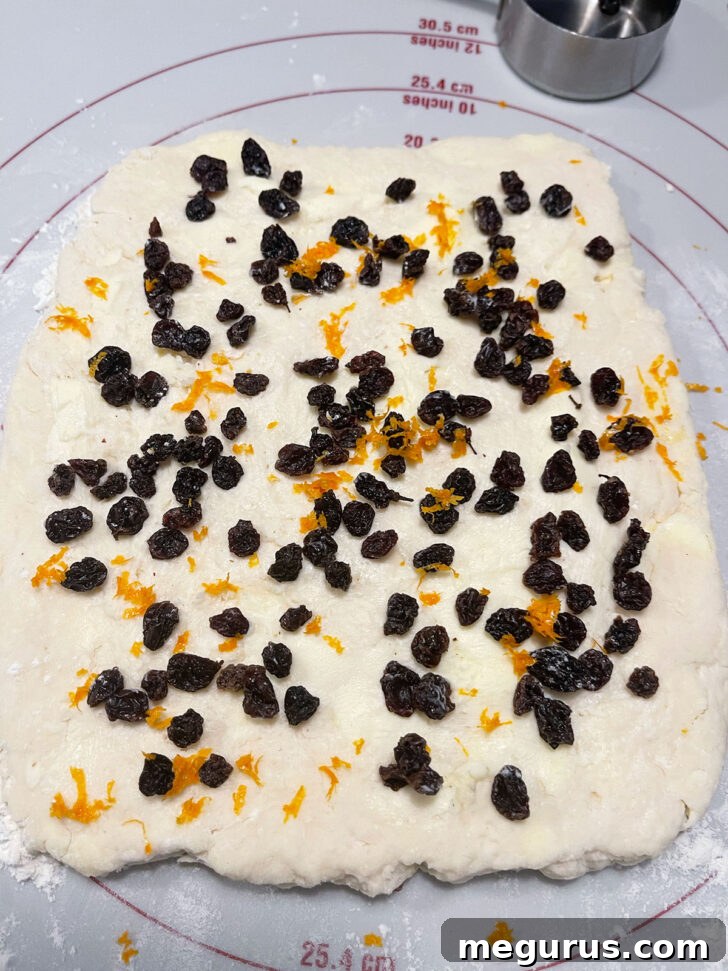
- Now comes the flavorful part! Spread a thin layer of softened butter over the surface of the dough. Evenly scatter the plump currants and the aromatic orange zest over the butter, pressing them gently into the dough to ensure they adhere.
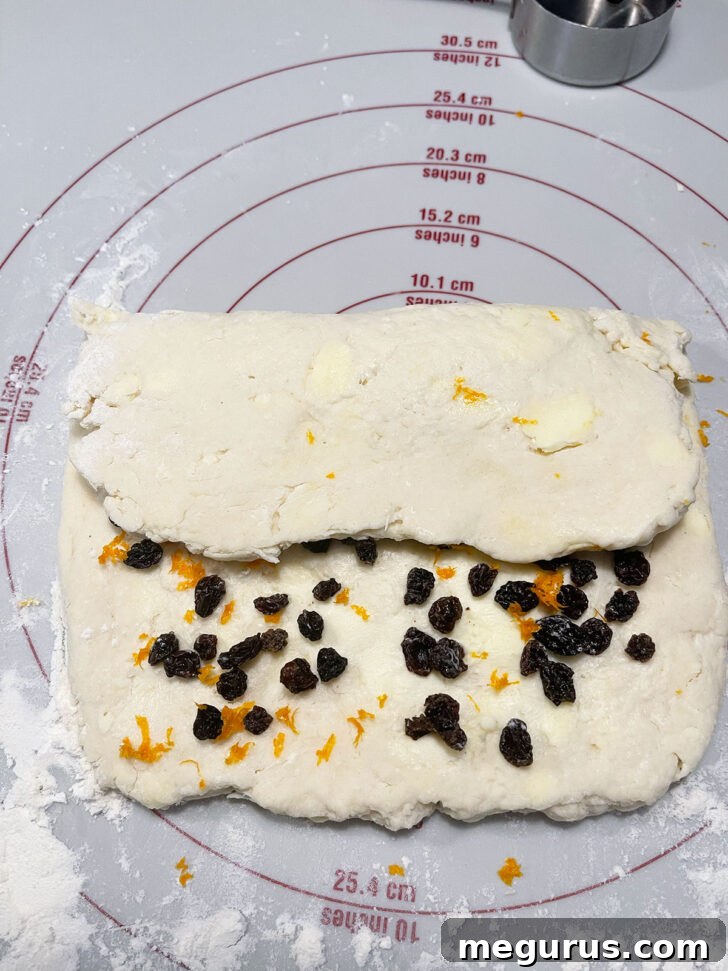
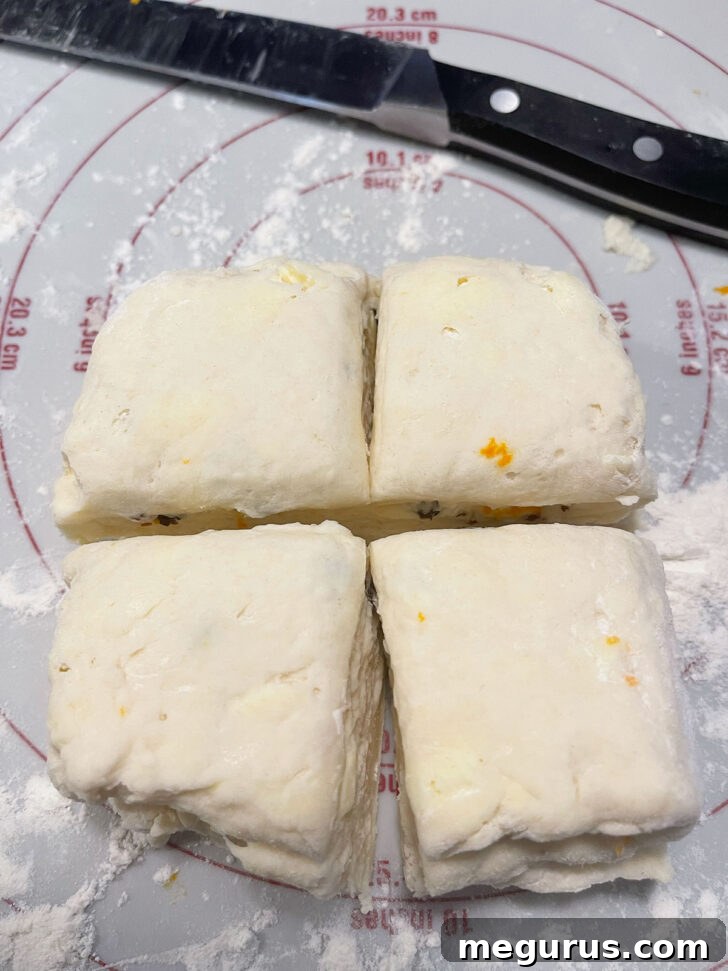
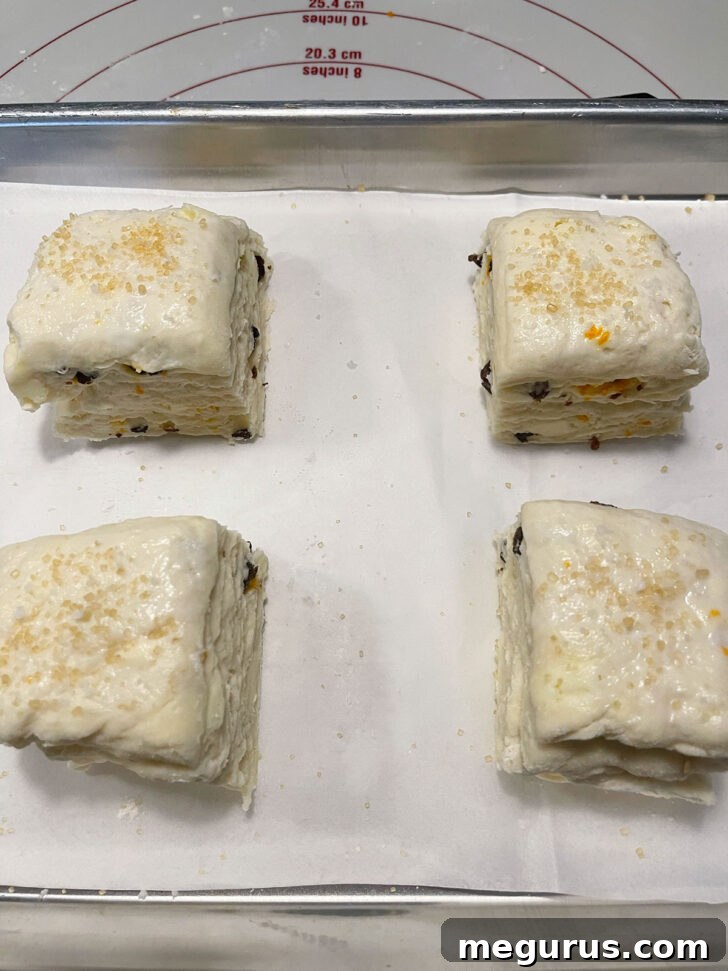
- Now, create those wonderful layers! Fold the dough like a letter: first, fold the top third down over the center, then fold the bottom third up to cover the first fold. Finally, fold the dough in half crosswise, bringing the right side over the left. This layering technique is crucial for developing a flaky texture. Refer to the detailed recipe instructions and step-by-step photos above for visual guidance.
- Gently press or roll the folded dough block into a square. With a very sharp knife, make one swift, confident stroke to cut the dough into four even square pieces. Avoid sawing motions, as this can seal the edges and inhibit rise.
- Carefully transfer the square scones onto a parchment-lined baking sheet, ensuring they are several inches apart to allow for even baking. Brush the tops with a little milk to encourage a golden crust, and then generously sprinkle with coarse or regular sugar for a beautiful sugary crunch. Bake immediately in a preheated oven until golden brown and gloriously puffed up.
Insider Secrets for Baking Perfect Scones Every Time
Baking delicious scones isn’t just about the ingredients; it’s about mastering a few key techniques. These tips will help you achieve light, fluffy, and perfectly flaky Irish scones consistently:
- The Goldilocks Principle: Dough Consistency is Key
The ideal scone dough is neither too wet nor too dry – it should be just moistened. If your dough feels slightly sticky in the mixing bowl, don’t panic. A light dusting of flour on your work surface and hands will easily resolve this without needing to add more flour to the dough itself. Conversely, if the dough appears too dry or crumbly in the bowl, add a very small amount of liquid (milk or cream) incrementally, stirring gently until it just comes together. Overly dry dough results in tough, crumbly scones, while overly wet dough can make them dense and hard to handle. Aim for a dough that is cohesive but still soft and slightly shaggy. - Handle with Care: Avoid Overworking the Dough
This is perhaps the most crucial rule for tender scones. The less you handle or knead the dough, the better. Overworking develops the gluten in the flour, leading to tough, chewy scones rather than light and tender ones. Work quickly and efficiently, mixing just until the ingredients are combined and handling the dough only as much as necessary when shaping and cutting. A light touch is paramount. - Keep it Cool: The Magic of Cold Butter
Cold butter is the cornerstone of flaky scones. When cold butter hits the hot oven, the water within it quickly turns to steam, creating pockets that separate the layers of dough, resulting in that irresistible flakiness. If your butter gets too warm and soft during the mixing or shaping process, those flaky layers won’t form. Work swiftly to keep the butter as cold as possible. If you suspect your dough has warmed up, place the baking sheet with the shaped scones into the freezer for 5-10 minutes before baking. This re-chilling step can salvage your scones and enhance their texture. - Precision Cutting: The Art of a Clean Slice
Whether you’re using a sharp knife for squares or a round cutter, a swift, confident, straight-down cut is essential. Avoid twisting the cutter or sawing with the knife. Twisting can seal the edges of the dough, preventing the steam from escaping during baking and inhibiting the formation of beautiful, airy layers. A clean, decisive cut allows the scones to rise freely and develop their signature flaky texture. - Brush Wisely: Top-Coating for Golden Perfection
When brushing the tops of your scones with milk or egg wash before baking, be meticulous. Apply the liquid only to the very top surface, taking care not to let any drip down the sides. Any moisture on the sides can seal the edges of the dough, similar to twisting a cutter. This sealing prevents the crucial steam from escaping, which is necessary for the scones to puff up and create those wonderful, distinct layers. A perfectly brushed top ensures a lovely golden-brown finish without compromising the interior texture.
Pro Baking Tip!
While many love the delightfully crispy bottom that comes from butter caramelizing on the baking sheet, if you prefer a softer bottom for your scones, simply use a double layer of baking sheets. Placing one baking sheet directly on top of another will insulate the bottom of the scones, reducing direct heat and lessening the browning.

Making Ahead, Storing, and Freezing Your Irish Scones
Scones, like many baked goods, are undeniably at their absolute best when enjoyed fresh from the oven, ideally still warm. However, understanding proper storage and freezing techniques means you can extend their delicious life and even prepare them in advance for future enjoyment.
- Short-Term Storage: Keeping Them Fresh for a Couple of Days
Once completely cooled, store your baked Irish scones in an airtight container at room temperature. They will retain their freshness and soft texture for approximately 48 hours. It’s important to note that while they will remain delicious, they will naturally lose some of their initial crispiness as they sit. For a quick refresh, a short zap in the microwave or a few minutes in a warm oven can bring back some of their warmth and tenderness. - Freezing Baked Scones: A Taste of Freshness Later
Baked scones freeze beautifully, allowing you to enjoy homemade treats with minimal effort weeks later. Once the scones are completely cooled, place them in a single layer on a baking sheet and freeze until solid (this prevents them from sticking together). Then, transfer the frozen scones to a freezer-safe bag or airtight container. They can be stored in the freezer for up to 2 months. To reheat, simply thaw them at room temperature or warm them directly from frozen in a moderate oven (around 300°F/150°C) for about 10-15 minutes, or until heated through. - Freezing Unbaked Scones: Bake Fresh Whenever You Crave Them
For the ultimate fresh-baked experience without the immediate prep work, you can freeze unbaked scones. After cutting the dough into squares, place them on a parchment-lined baking sheet and freeze until firm. Once solid, transfer them to a freezer-safe bag, separating layers with parchment paper if necessary. When you’re ready to bake, place the frozen scones directly onto a prepared baking sheet (no need to thaw) and bake in a preheated oven. You will need to add an extra 5-10 minutes to the usual baking time, or until they are golden brown and cooked through. This method is perfect for having fresh, warm scones on demand!

Get the Recipe: Irish Scones
Rated 5 out of 5 stars by 2 home bakers.
Pin This
Leave a Review
15 mins
25 mins
40 mins
4 scones
Ingredients
- 1/2 cup (125 ml) whole milk, cold (see Recipe Notes for using Buttermilk instead of milk)
- 2 Tablespoons granulated white sugar
- 1/2 teaspoon Kosher salt, reduce to 1/4 tsp if using salted butter
- 1 1/2 cups (180 g) all-purpose flour
- 1 1/4 teaspoon baking powder
- 5 Tablespoon (70 g) unsalted butter, cold and cut into 5-6 pieces
For filling:
- 1 Tablespoon unsalted butter, at room temperature
- 1/4 cup currants
- Orange zest, about 1 tsp or to taste
For topping before baking:
- Milk, for brushing tops
- Coarse or regular sugar, such as turbinado or demerera
For topping after baking:
- 2 Tablespoon (28 g) unsalted butter, melted
- Flaky salt, such as Maldon’s or Fleur de Sel
Instructions
- You will need 8 Tablespoons (1/2 cup, 1 stick or 113g) of butter total to make a single batch. Note that 5 Tbsp will be used cold, 1 Tbsp will be used at room temperature and the final 2 Tbsp will be melted. So remember to set aside the 1 Tbsp of butter to soften ahead a bit. If you forget, you can microwave it very, very briefly to soften it enough to spread. Try not to melt it though.
- Preheat oven to 375F (regular bake/not fan assisted). Line a rimmed baking sheet with parchment paper and set aside. (Make sure to use a rimmed baking sheet, as there will be butter in the pan that needs to be contained.)
- In a medium bowl or a 2-cup measuring cup, stir together the milk, sugar and salt until the sugar and salt is dissolved. Set aside.
- In a large bowl, whisk together the flour and baking powder. Add the pieces of cold butter and use your fingertips to rub the butter into the flour mixture, until you have an even crumb with butter pieces no larger than pea-sized. Add the milk mixture to the bowl and use a fork to stir together until all the flour is moistened. The dough should be fairly moist and maybe a tiny bit sticky, but not overly sticky or wet.
- Remove the dough to a lightly floured surface. If the dough is sticking to your surface or your hands, add a dusting of flour to the dough. Using a rolling pin, roll the dough into a 7×8-inch rectangle. Spread the dough with the piece of softened butter. Scatter with the currants press them down into the dough a bit with the palm of your hand. Sprinkle with orange zest, if using. Fold the dough from the 7-inch end, folding like a letter by folding the top down over the centre and then folding the bottom up to cover the first fold. Finally, fold the dough in half crosswise, folding the right side over the left. *Refer to the Step-by-Step photos above this Recipe Card if the folding instructions aren’t clear to you.
- Using a rolling pin, gently roll the dough block into a 4×4-inch square and use a knife to lightly score the top into four even pieces. (Again, refer to the Step-by-Step photos if needed). Using a very sharp knife, make one swift, confident stroke to cut the scones into 4 pieces. Place the pieces onto a parchment-lined baking sheet, several inches apart. Brush the top of the scones with milk and sprinkle with coarse or regular sugar.
- Bake scones in preheated oven for 25-30 minutes, or until golden brown and puffy.
- Once out of the oven, drizzle with a bit of melted butter and sprinkle with coarse salt flakes. Remove scones to a wire rack to cool to just warm or to room temperature. The texture of scones is better once they are allowed to cool.
Notes
Milk vs Buttermilk – When it comes to scones, you shouldn’t just swap regular milk for buttermilk without adjustment! While you can certainly use buttermilk in this recipe, you will need to change the leavening agent. To successfully use buttermilk here, completely omit the baking powder and replace it with 1/2 teaspoon of baking soda. The acidity in the buttermilk will react with the baking soda to create the necessary lift.
I personally love the crispy bottom on these scones. However, if you prefer a softer bottom, bake them with doubled-up baking sheets to lessen the direct heat and prevent excessive browning on the base.
For all my best scone-making tips, substitution suggestions, and helpful step-by-step photos, be sure to read the comprehensive notes and sections above this Recipe Card. They offer valuable insights to help you achieve perfect results every time!
Irish
Snack
Jennifer Maloney
Serving:
1
serving
,
Calories:
390
kcal
,
Carbohydrates:
51
g
,
Protein:
6
g
,
Fat:
19
g
,
Saturated Fat:
11
g
,
Polyunsaturated Fat:
1
g
,
Monounsaturated Fat:
5
g
,
Trans Fat:
1
g
,
Cholesterol:
49
mg
,
Sodium:
311
mg
,
Potassium:
297
mg
,
Fiber:
2
g
,
Sugar:
13
g
,
Vitamin A:
581
IU
,
Vitamin C:
1
mg
,
Calcium:
112
mg
,
Iron:
2
mg