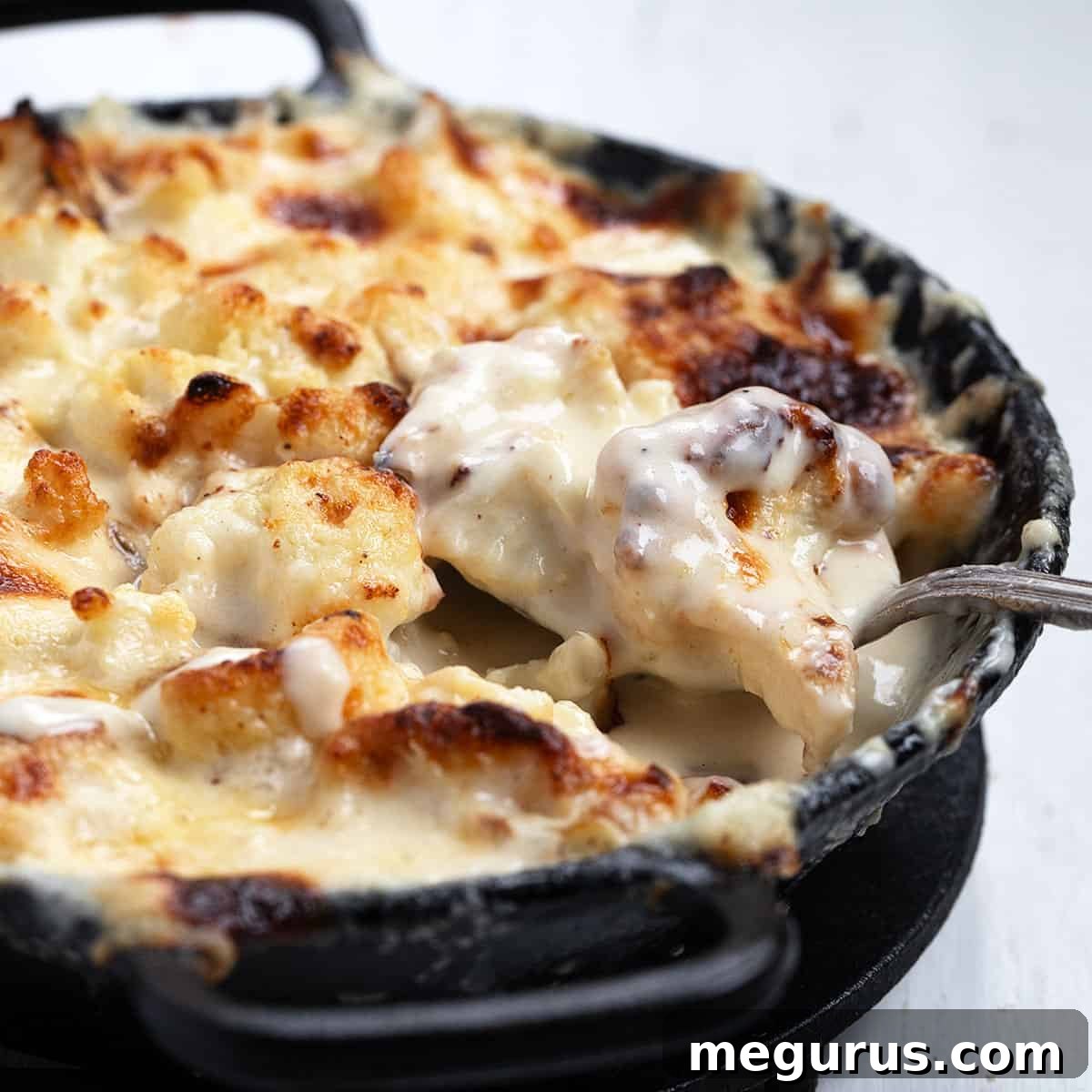
Discover the ultimate comfort food with this classic cauliflower cheese recipe, enhanced by the simple yet profound step of roasting the cauliflower first. This method deepens its flavor and ensures a perfectly textured foundation for a velvety, easy-to-make cheese sauce. A brief visit to the oven transforms these humble ingredients into a bubbly, browned, and utterly luscious side dish that promises to impress.
This timeless cauliflower cheese bake is not only irresistibly delicious but also incredibly make-ahead friendly. It serves as an ideal accompaniment to a variety of main courses, from succulent grilled or roast chicken to a juicy grilled steak, hearty sausages, or tender pork chops. For a lighter meal, pair it with a crisp green salad and some crusty artisan bread, making it a versatile addition to any dining table.
The Timeless Appeal of Classic Cauliflower Cheese
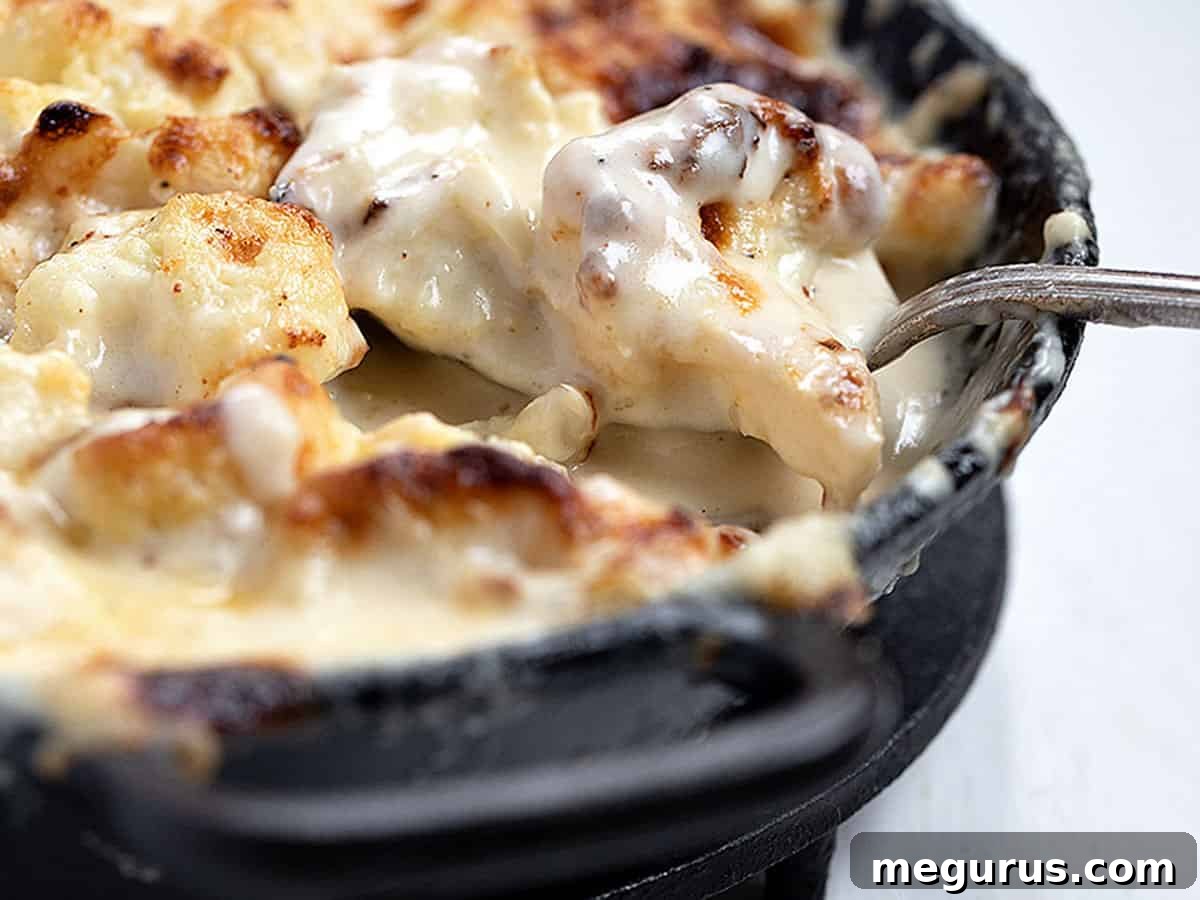
Long before the advent of cauliflower “rice” or trendy cauliflower “wings,” there was, and always will be, the undisputed classic: cauliflower cheese. In this iconic dish, cauliflower proudly shines in its true form, not attempting to imitate anything else. It’s simply cauliflower, celebrated for its natural goodness, harmoniously united with a rich, creamy, and irresistibly cheesy sauce. For many, it represents the epitome of comfort food, a culinary embrace that brings warmth and satisfaction. If you’re searching for the perfect cheesy cauliflower side dish that embodies both tradition and unparalleled flavor, look no further – this recipe is designed to bring that nostalgic perfection right to your kitchen.
What truly sets this baked cauliflower cheese recipe apart is the initial step of roasting the cauliflower. Unlike boiling, which can leave cauliflower watery and dilute the sauce, roasting unlocks a deeper, more concentrated flavor profile through caramelization. This process also ingeniously removes excess moisture from the florets, preventing the dreaded watery cheese sauce and ensuring every bite is rich, thick, and utterly delightful. This crucial technique transforms an already beloved dish into the best cauliflower cheese you’ll ever taste, boasting superior texture and an intensified, nutty sweetness from the roasted vegetable.
Beyond its incredible flavor, roasted cauliflower cheese offers a comforting and hearty side that appeals to all ages. It’s a testament to how simple ingredients, when prepared with a thoughtful technique, can create something truly extraordinary. Whether you’re serving it for a family dinner, a holiday gathering, or simply craving a delicious and wholesome meal, this recipe guarantees a side dish that’s both deeply satisfying and incredibly easy to love.
Essential Ingredients for Perfect Cauliflower Cheese
Crafting the perfect cauliflower cheese begins with understanding the role of each ingredient. Here’s a detailed look at what you’ll need and the best choices for a truly exceptional dish:
- Cauliflower: The Star of the Show
For optimal results, select a fresh, medium to large head of cauliflower. Its robust texture and ample size will hold up beautifully during roasting and baking, ensuring a satisfying bite. While a smaller cauliflower can be used, be aware that it might result in a higher sauce-to-cauliflower ratio, making the dish feel heavier on the sauce. It’s crucial to avoid frozen cauliflower for this recipe. Frozen varieties tend to become mushy and release too much water during roasting and baking, compromising both the texture of the cauliflower and the consistency of your rich cheese sauce. Fresh is definitely best here for that ideal tender-crisp texture and concentrated flavor. - Cheese: The Heart of the Sauce
The choice of cheese significantly impacts the final flavor. I highly recommend an aged, mature white cheddar for its sharp, complex notes that truly elevate the cheese sauce. A nice sharp yellow cheddar also works wonderfully, providing a classic, robust flavor. While technically any cheese you enjoy or have on hand can be used, for the creamiest and most flavorful sauce, always grate your cheese fresh. Pre-shredded, bagged cheeses often contain anti-caking agents like cellulose, which can prevent smooth melting and lead to an unpleasantly grainy or clumpy cheese sauce. Freshly grated cheese melts seamlessly, creating a luxurious, velvety texture that is the hallmark of a great cauliflower cheese. Consider experimenting with a blend of cheeses, such as a sharp cheddar combined with a touch of Gruyère or Parmesan, for added depth and sophistication. - Heavy Cream: For Unrivaled Creaminess
Heavy whipping cream (35% butterfat) is the ultimate choice for achieving an absolutely luscious, silken cheese sauce. Its high fat content contributes to an incredibly rich mouthfeel and prevents the sauce from splitting. If you don’t have heavy cream, or prefer a slightly lighter sauce, you can substitute with a lighter cream such as half-and-half (10% butterfat) or even whole milk. However, be prepared for a noticeable difference in creaminess and thickness. In a pinch, using all milk in the same quantity is possible, but the sauce will be thinner and less decadent. For that truly indulgent, restaurant-quality cauliflower cheese, heavy cream is irreplaceable. - Milk: Supporting the Sauce Base
When it comes to milk, whole milk (3-3.5% butterfat) is recommended for the best results, working in tandem with the cream to create a robust base for the sauce. Its fat content contributes to the overall richness and helps create a stable emulsion. While 2% milk will work, I generally advise against using anything below 2% fat, as a very low-fat milk can result in a thinner, less flavorful sauce with a higher risk of splitting. The fat in the milk plays a crucial role in binding the sauce and achieving that desired silky smooth consistency. - All-Purpose Flour: The Thickening Agent
All-purpose flour is essential for creating a roux, the foundation of our béchamel-style cheese sauce. The recipe provides a range for the amount of flour (3-4 tablespoons), allowing you to precisely control the thickness of your cheese sauce. If you’re using a lighter cream or milk, or simply prefer a thicker, more substantial sauce, lean towards using 4 tablespoons of flour. For a slightly looser sauce, 3 tablespoons will suffice. The flour, when cooked with butter, forms a paste that then thickens the liquid, creating a stable and smooth sauce. Refer to the “Recipe Card Notes” section for more detailed guidance on adjusting flour quantities based on your dairy choices. - Nutmeg: The Secret Flavor Enhancer
A mere pinch of freshly grated or powdered nutmeg can work wonders in a cheese sauce. This aromatic spice, often overlooked, adds a subtle warmth and a sophisticated depth that complements the richness of the cheese beautifully. It’s a classic pairing in many French-inspired cream sauces, including béchamel, and truly elevates the entire dish. If you have whole nutmeg and a microplane grater, fresh grating offers the most potent and fragrant results. Otherwise, a good quality powdered nutmeg will still impart that essential hint of spice. Don’t skip this small but impactful addition! - Olive Oil, Salt & Pepper: Basic Seasoning
These fundamental ingredients are vital for seasoning the cauliflower before roasting, enhancing its natural flavor and encouraging golden-brown caramelization. A good drizzle of olive oil, along with a generous sprinkle of salt and freshly ground black pepper, prepares the cauliflower perfectly for its journey in the oven. Remember, proper seasoning at each stage of cooking is key to a well-balanced and delicious dish.
Expert Tips for a Flawless Cauliflower Cheese
Achieving the perfect cauliflower cheese involves a few key techniques. Follow these expert tips for an incredibly flavorful and silky-smooth result every time:
- Roast Cauliflower to Perfection: The goal is to roast the cauliflower until it’s just tender and exhibits a few lovely golden-brown spots. This caramelization develops a deeper flavor without overcooking. Use a sharp knife to test for tenderness – it should easily pierce the florets. Avoid roasting until it’s deeply browned or shrunken, as this indicates too much moisture has cooked out, resulting in dry and potentially tough cauliflower in the final dish. The slight residual moisture is necessary for it to meld beautifully with the sauce during the final bake.
- Build a Smooth Cheese Sauce Gradually: When incorporating the milk and cream mixture into the flour and butter roux, patience is paramount. Add the dairy in small increments (roughly a scant 1/4 cup at a time), whisking vigorously after each addition until a smooth paste forms before adding more. This gradual approach prevents lumps and ensures a silky, velvety sauce. Rushing this step can lead to a grainy or clumpy texture that’s difficult to salvage.
- Season Thoughtfully at Every Stage: Don’t underestimate the power of seasoning! Start by generously seasoning the cauliflower with salt and pepper before it goes into the oven. This initial seasoning enhances its flavor as it roasts. Later, after the cheese sauce has come together on the stovetop and the cheese has melted, taste it. Adjust with additional salt and freshly ground black pepper as needed. Properly seasoned layers contribute to an overall incredibly flavorful and balanced dish.
- Master the Art of Melting Cheese: For the ultimate smooth and creamy cheese sauce, always remove the pot from the heat (or turn off the burner if you have an electric stovetop) immediately after adding the freshly grated cheese. Stir the cheese in gently just 2-3 times, then allow it to stand undisturbed for about two minutes. The residual heat in the sauce will gently and slowly melt the cheese, preventing it from seizing or becoming grainy. Once melted, stir everything together until completely smooth. If, by chance, a few stubborn pieces remain, you can return the pot to very low heat for a moment, stirring continuously, until fully melted. Rapidly melting cheese over high heat is a common culprit for a grainy sauce.
Delicious Variations to Customize Your Cauliflower Cheese
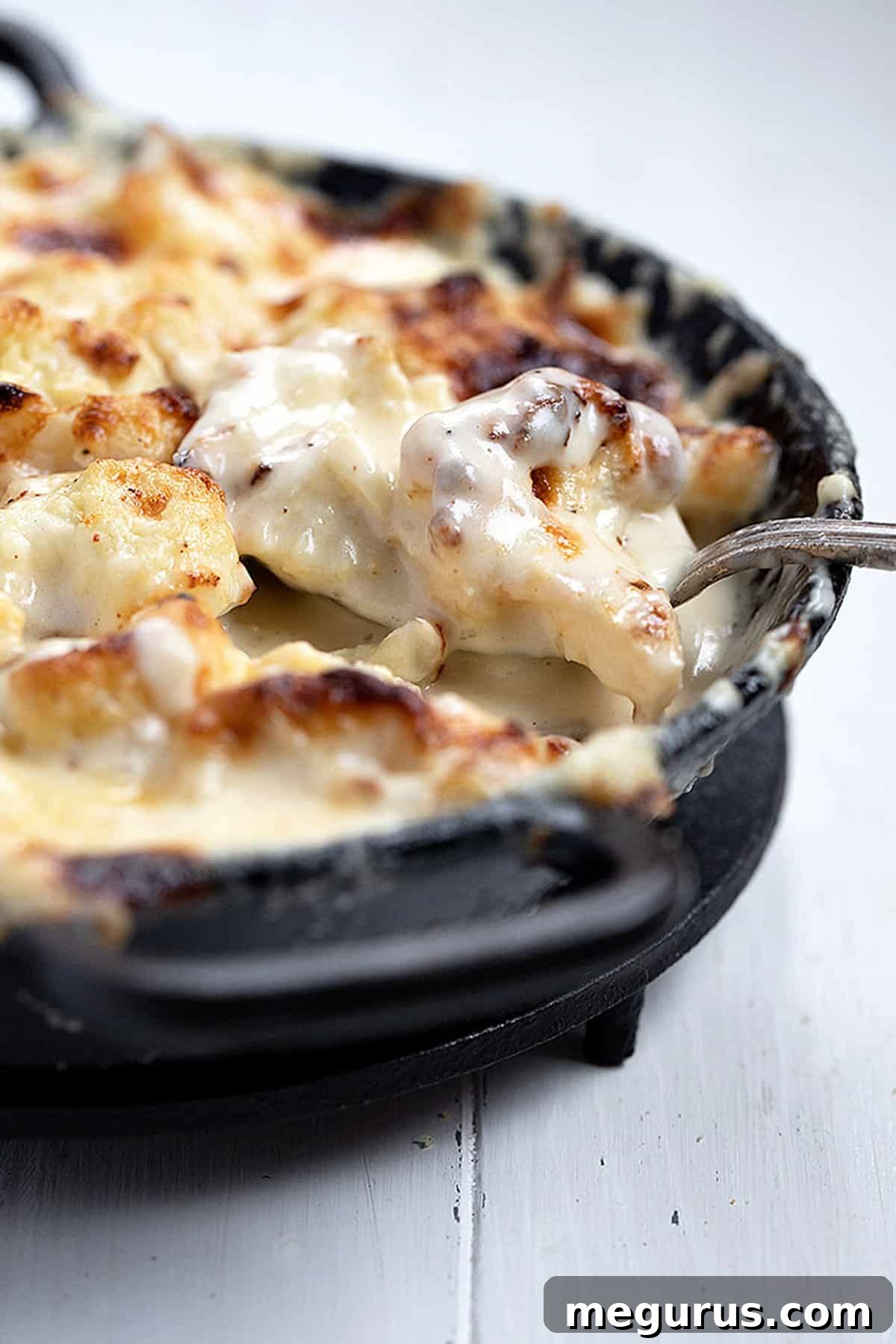
While the classic cauliflower cheese is perfect on its own, it also provides a fantastic canvas for culinary creativity. Here are several tempting variations to experiment with, allowing you to tailor this beloved dish to your taste and occasion:
- Explore Different Cheese Combinations: Don’t limit yourself to just cheddar! A delightful combination of Gruyère and Parmesan cheese creates an incredibly sophisticated and nutty flavor profile that’s always a winning alternative. You could also try adding a touch of smoked cheddar for a deeper, more robust taste, or a creamy Monterey Jack for extra meltiness. A blend of three cheeses – say, sharp cheddar, a hint of Gruyère, and a sprinkle of Parmesan – offers a complex and wonderfully balanced flavor.
- Introduce a Hint of Mustard: For an extra layer of piquant flavor that beautifully complements cheese, whisk a bit of dry mustard powder into your cheese sauce. Approximately 1/4 to 1/2 teaspoon, depending on your preference for mustard’s sharpness, will add a subtle warmth and depth without overpowering the dish. This is a classic secret ingredient in many traditional cheese sauces, enhancing their savory notes.
- Add a Crunchy Breadcrumb Topping: For an irresistible textural contrast, consider adding a buttery breadcrumb topping before the final bake. Simply sauté fresh breadcrumbs in a little butter until golden, then sprinkle generously over the cauliflower cheese mixture in the baking dish. This creates a beautifully crisp, golden crust that adds another dimension of flavor and texture to the creamy interior. You can also mix in some grated Parmesan cheese or fresh herbs like parsley or thyme with the breadcrumbs for extra flavor.
- Consider Alternative Cooking Methods for Cauliflower: While roasting is highly recommended for superior flavor and texture, if time is of the essence or you prefer, you can certainly boil or steam the cauliflower. If boiling, ensure you cook it only until tender-crisp, not mushy, and drain it exceptionally well to prevent a watery sauce. Patting the cooked florets dry with paper towels can help. Similarly, leftover cooked cauliflower, if not overly soft, can be a convenient option to skip the initial roasting step altogether, though you might miss some of that developed roasted flavor.
- Infuse with Aromatics: Before making your roux, sauté finely minced garlic or shallots in the butter until fragrant. This adds a wonderful aromatic base to your cheese sauce, providing an extra layer of depth. Just be careful not to brown them too much.
- Spice it Up: For those who enjoy a little heat, a tiny pinch of cayenne pepper or a dash of hot sauce (like Tabasco) can add a pleasant kick to the cheese sauce without making it overtly spicy. It enhances the savoriness and warmth of the dish.
- Incorporate Other Vegetables: While cauliflower is the star, don’t hesitate to add other quick-cooking vegetables to the mix. Steamed broccoli florets, peas, or even thinly sliced cooked leeks can be folded into the sauce along with the cauliflower for added color, nutrition, and flavor.
Making Ahead, Storing, and Freezing Cauliflower Cheese
Cauliflower cheese is a wonderfully versatile dish that lends itself well to meal planning. Here’s how to prepare it in advance, store leftovers, and even freeze it for future enjoyment:
- Making Ahead: Convenient Preparation
This recipe is perfectly suited for preparing ahead of time. Once you’ve roasted the cauliflower and prepared the creamy cheese sauce, combine them in your baking dish. Cover the dish tightly with plastic wrap or foil and refrigerate for up to 2-3 days. When you’re ready to bake, simply place it directly into a preheated oven as directed. Allow for a bit of extra baking time—typically an additional 5-10 minutes—since the dish will be going into the oven chilled straight from the fridge. This makes it an ideal option for entertaining or busy weeknights. - Storing Leftovers: Simple and Safe
Any leftover cauliflower cheese can be stored safely in an airtight container in the refrigerator for 2-3 days. To reheat, you have a couple of options: for a quick warm-up, use the microwave until heated through. Alternatively, for best results, loosely cover the dish with foil and reheat in a 350°F (175°C) oven until it’s thoroughly warmed and bubbly. This method helps maintain its creamy texture and prevents it from drying out. - Freezing: A Future Feast
Yes, cauliflower cheese freezes beautifully, either before or after baking. To freeze, ensure you use a freezer-to-oven safe container, such as an aluminum foil pan or an oven-safe glass dish. If freezing unbaked, assemble the dish completely, cover tightly, and freeze. When you’re ready to enjoy, bake from frozen in a 400°F (200°C) oven until it’s bubbly and golden brown on top. Be sure to allow additional oven time, typically 30-45 minutes or more, compared to baking from fresh, as it needs to thaw and heat through completely. Freezing baked cauliflower cheese works similarly; just ensure it cools completely before freezing, then reheat from frozen until hot and bubbly. This makes it an excellent option for batch cooking or having a delicious comfort food meal ready at a moment’s notice.
Get the Recipe: Cauliflower Cheese
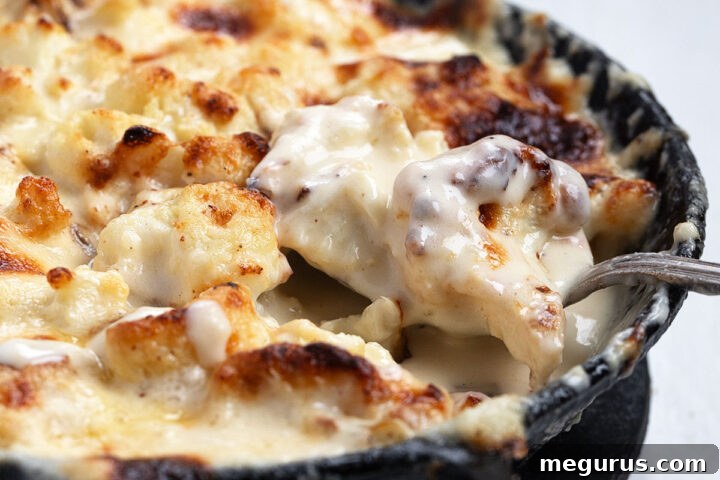
A true classic! My version elevates this beloved dish by roasting the cauliflower first, which brings out an incredible depth of flavor and reduces excess moisture. It’s then enveloped in a luscious, creamy cheese sauce and baked to golden, bubbly perfection. The result is a comforting side dish that’s rich in flavor and wonderfully satisfying.
Pin This
Leave a Review
Ingredients
- 1 medium to large head cauliflower
- Olive oil
- Salt and Pepper
Cheese Sauce:
- 4 Tablespoons (57 g) butter, salted or unsalted
- 3-4 Tablespoons (45-60 g) all-purpose flour, *see Note 1 below for adjustment
- 1 cup (240 ml) milk, at least 2% butterfat
- 1 cup (240 ml) whipping cream, 35% butterfat *see Note 2 below for substitutions
- 2 cups (480 ml) aged cheddar cheese, freshly grated, well packed
- 1/4 teaspoon salt
- Pinch nutmeg, grated or powdered
- Additional salt and freshly ground pepper, as needed
Instructions
- Preheat oven to 400°F (200°C) (for non-convection/not fan-assisted ovens).
- Prepare and roast the cauliflower: Remove the leaves and core from the cauliflower. Break the head into large florets. You can trim most of the stalks, focusing on the florets, or include them if preferred. Cut the florets into equal-sized, bite-sized pieces, ensuring they are not too small to prevent overcooking during roasting and baking.
- Place the cauliflower in a large bowl. Drizzle generously with olive oil and season with salt and pepper. Toss to coat evenly. Spread the cauliflower onto a baking sheet in a single, even layer. Roast in the pre-heated oven for approximately 15-18 minutes, or until the cauliflower is just tender (test with a knife) and lightly golden in spots. Remove from the oven and set aside. Keep the oven on at 400°F (200°C).
- Tip! Always use freshly grated cheese for cheese sauces. Pre-shredded, bagged cheeses contain anti-caking agents that can cause a grainy or clumpy texture in your sauce.
- Prepare the cheese sauce: Measure out your milk and cream into a 2-cup measuring cup and set aside. Grate your cheese and have it ready to use, as you’ll add it quickly later.
- In a large saucepan (choose one large enough to comfortably hold the cauliflower later), melt the butter over medium heat. Add the all-purpose flour and cook, stirring constantly with a whisk for about 2 minutes, creating a roux. Ensure it doesn’t scorch. Reduce the heat under the pan to medium-low. Pour in a small amount (about 1/4 cup) of the milk/cream mixture and whisk vigorously until a smooth paste forms. Continue adding the dairy mixture in small increments, whisking until smooth after each addition, until all the milk and cream have been incorporated. Cook the sauce over medium-low heat, whisking regularly, for about 5 minutes, until the sauce noticeably thickens to your desired consistency.
- Remove the pot from the heat. Add all of the freshly grated cheese to the pot at once. Stir the cheese gently with just 2 or 3 stirs, then let it stand without stirring for about 2 minutes. This allows the residual heat to slowly melt the cheese without seizing. After 2 minutes, stir everything together until the cheese has completely melted into a smooth, creamy sauce. If a few bits of cheese haven’t melted, you can return the pot to very low heat briefly, stirring constantly, until fully melted. Stir in the pinch of nutmeg. Taste the sauce and add additional salt and freshly ground black pepper as needed. (You’ll likely find you need to add another 1/4 teaspoon or so of salt.)
- Add the roasted cauliflower florets to the pot with the cheese sauce and gently stir to completely coat all the cauliflower. Spoon the cauliflower cheese mixture into a baking dish large enough to hold it all comfortably. For easy cleanup and to catch any potential bubbling over, place the baking dish on top of a larger baking sheet.
- Place the baking dish into the preheated 400°F (200°C) oven and bake for about 15-20 minutes, or until the sauce is bubbly around the edges and the top is deep golden brown. If you desire even more browning, you can carefully switch the oven to broil (grill) for 1-2 minutes, watching it closely to prevent burning. Remove from the oven and let it stand for a few minutes before serving. This allows the sauce to set slightly, creating a more cohesive dish.
- Refrigerate any leftover cauliflower cheese, tightly covered, for 3-4 days. You can also freeze cauliflower cheese both before or after baking. If freezing, use a freezer-to-oven safe container (such as foil or glass). When ready to enjoy, bake from frozen in a 400°F (200°C) oven, allowing additional baking time (approximately 30-45 minutes or more) until it is bubbly and golden.
Notes
Note 1: Flour Quantity Adjustment: If you are using heavy cream (35% butterfat), 3 Tablespoons (45g) of all-purpose flour should be sufficient to achieve a nicely thickened sauce. If you opt for a lighter cream (like table cream or half-and-half) or whole milk, or if you simply prefer a thicker cheese sauce, increase the flour to 4 Tablespoons (60g). This adjustment ensures your sauce maintains the desired consistency regardless of the dairy fat content.
Note 2: Dairy Substitutions: While heavy whipping cream will yield the richest and creamiest results, you can certainly use lighter creams for a less indulgent sauce. Options include table cream (18% butterfat) or half-and-half (10% butterfat). For the lightest version, you can even use all whole milk. Remember to adjust the flour quantity as detailed in Note 1 above to account for the lower fat content and prevent a thin sauce.
Additional Tips for Success:
- Perfectly Roasted Cauliflower: Ensure your cauliflower is roasted just until tender with only light golden spots. Testing with a knife will confirm tenderness. Over-roasting can dry out the cauliflower and diminish its texture when combined with the sauce.
- Smooth Sauce Technique: When making the cheese sauce, add the milk/cream mixture very gradually, about 1/4 cup at a time. Whisk thoroughly after each addition until completely smooth before adding more. This method is key to preventing lumps and achieving a consistently silky sauce.
- Layered Seasoning: Proper seasoning enhances every element of the dish. Season the cauliflower with salt and pepper before roasting. Crucially, taste and adjust the seasoning of the cheese sauce at the very end of cooking on the stovetop. This ensures the flavors are perfectly balanced and vibrant.
- Preventing Grainy Cheese Sauce: To guarantee a smooth and creamy cheese sauce, remove the pot from the heat (or turn off an electric burner) immediately after adding the cheese. Allow the cheese to melt slowly from the residual heat, stirring occasionally. Rapid, high-heat melting can cause the cheese to separate and become grainy.
- Explore Variations: Don’t forget to check out the detailed Variations section above the recipe card! It offers fantastic ideas to change up this recipe, whether you want to try different cheeses, add a hint of spice, or include a crunchy topping.
Calories: 386kcal,
Carbohydrates: 6g,
Protein: 12g,
Fat: 35g,
Saturated Fat: 22g,
Cholesterol: 116mg,
Sodium: 333mg,
Potassium: 126mg,
Fiber: 1g,
Sugar: 2g,
Vitamin A: 1271IU,
Vitamin C: 1mg,
Calcium: 349mg,
Iron: 1mg
Tried this recipe?
If you enjoyed this recipe, please leave a star rating and comment. It helps others to find it!
More Cauliflower Recipes to Love!
If you’ve fallen in love with the versatility and deliciousness of cauliflower, you’re in luck! This incredible vegetable is a star in many other comforting and flavorful dishes. From hearty curries to creamy soups, cauliflower truly shines in a variety of culinary applications. Explore these additional recipes to discover new ways to enjoy this nutritious and adaptable vegetable: