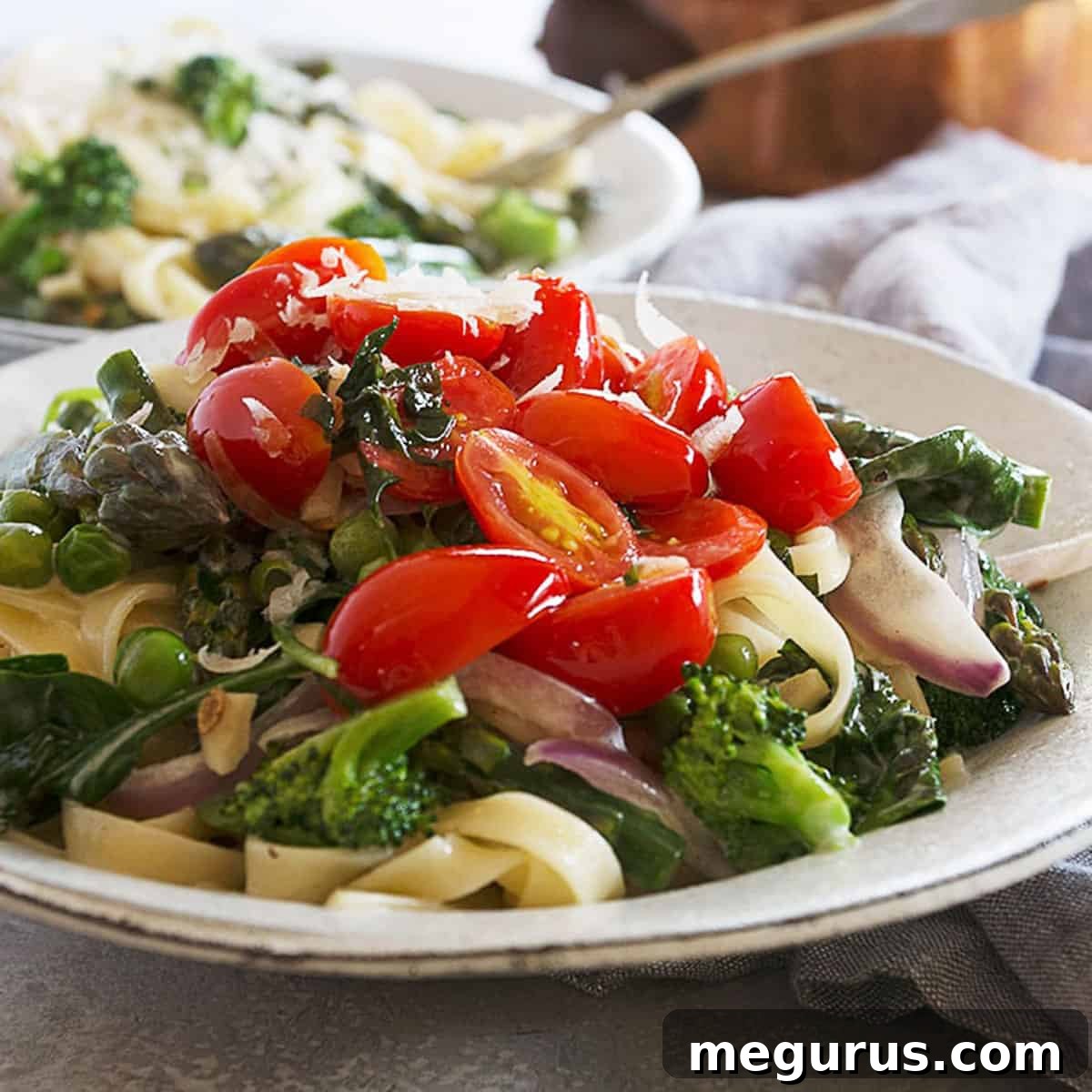
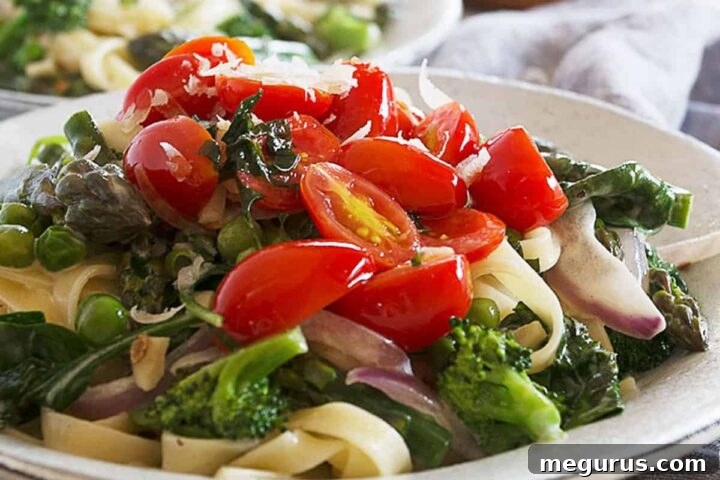
Welcome to the delightful world of Classic Pasta Primavera, a dish that epitomizes the freshness and vibrancy of spring and summer. Overflowing with an abundance of crisp, seasonal vegetables, tossed in a rich, creamy Parmesan sauce, and optionally crowned with a warm, aromatic garlic, olive oil, and cherry tomato topping, this recipe is a celebration of flavor and wholesome goodness. It’s more than just a meal; it’s an experience designed to please every palate, whether you’re a devout vegetarian, a fervent tomato fan, or someone who prefers their pasta without them.
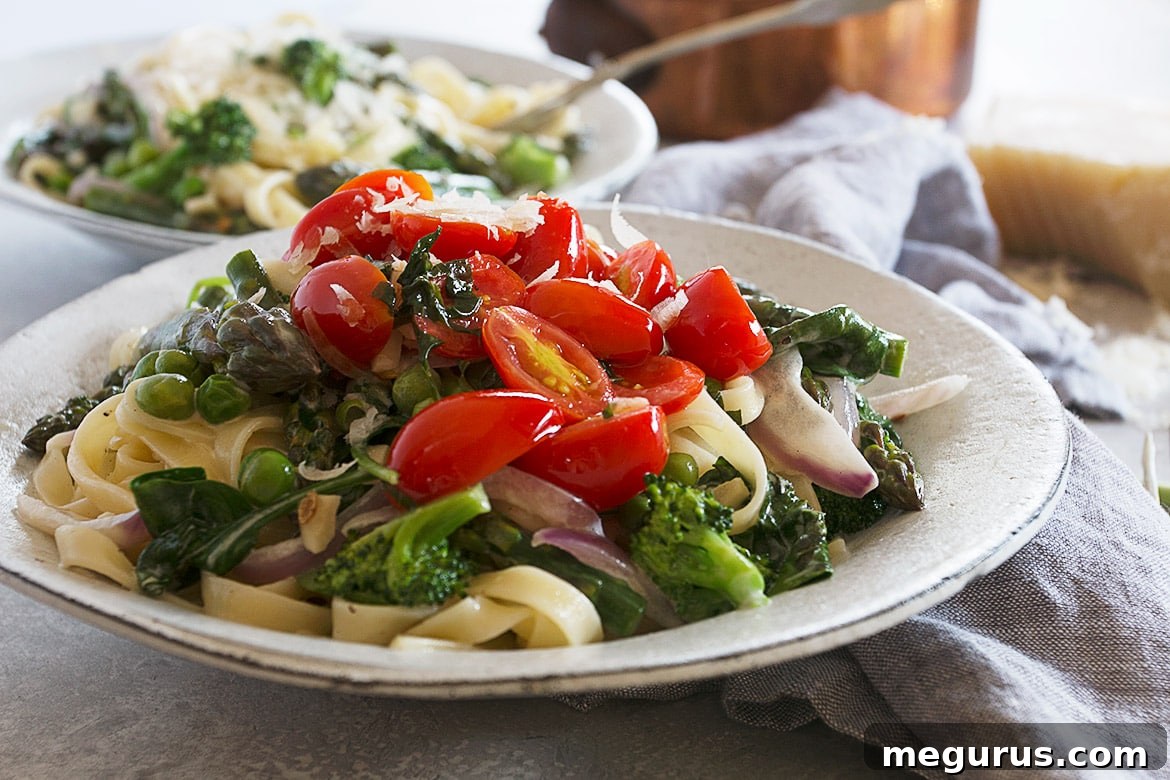
The Versatility of Vegetable Pasta: A Family Favorite
One of the greatest joys of home cooking is discovering dishes that effortlessly cater to diverse tastes and dietary preferences within a single household. This Classic Pasta Primavera recipe truly shines in its adaptability. For me, it’s an irresistible symphony of flavors, especially with the sweet burst of warmed tomatoes. Yet, it’s equally cherished by my son, who prefers his pasta without tomatoes, and my vegetarian daughter, who revels in its rich vegetable content. This dish proves that satisfying everyone at the dinner table can be both simple and incredibly delicious.
The beauty of “Primavera,” meaning “spring” in Italian, lies precisely in its embrace of fresh, seasonal produce. It’s a concept, not a rigid set of ingredients, inviting you to create a vibrant tapestry of flavors and textures with whatever fresh vegetables catch your eye at the market. My journey for the perfect ingredients often begins at my local grocery store, where I can always find a wide array of high-quality, often locally sourced, produce. The key is to select what’s fresh, colorful, and abundant in the season.
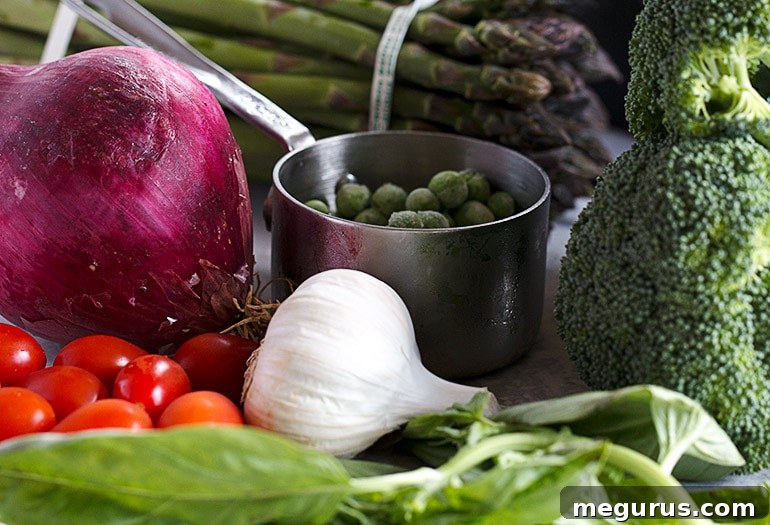
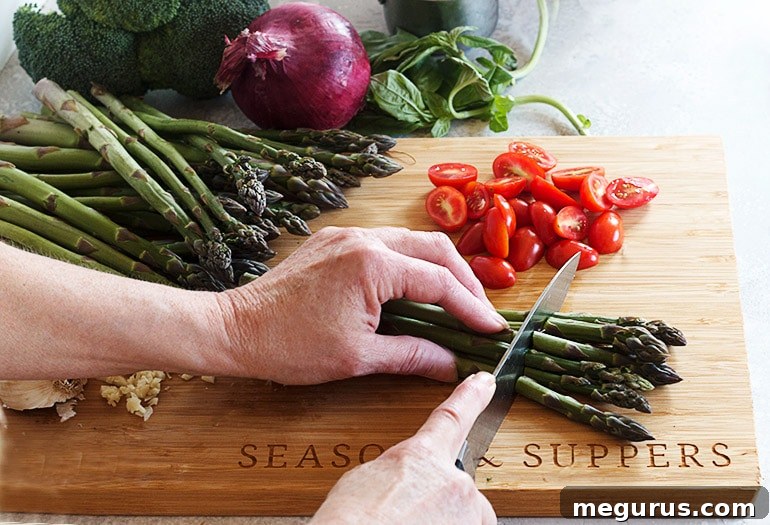
Elevating Flavors: The Signature Tomato Topping
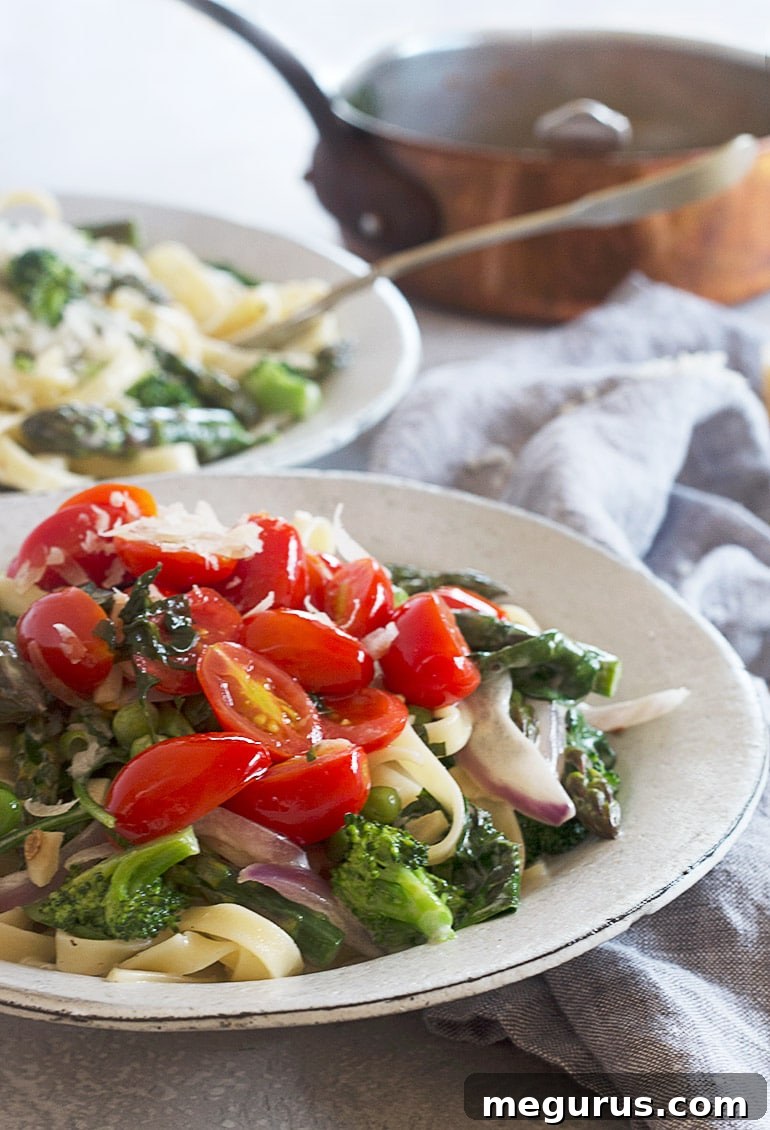
While the creamy pasta and tender-crisp vegetables form the heart of this dish, the optional warm garlic, olive oil, and cherry tomato topping adds an extraordinary layer of depth and aroma. Halved grape tomatoes are gently warmed with fragrant olive oil, fresh basil, and minced garlic in a small saucepan. This simple step transforms them into a succulent, intensely flavorful garnish that not only imparts the natural sweetness of tomatoes but also infuses the entire dish with the irresistible essences of garlic and basil-infused oil. It’s a burst of Mediterranean sunshine in every spoonful, and it’s what sets this Pasta Primavera apart.
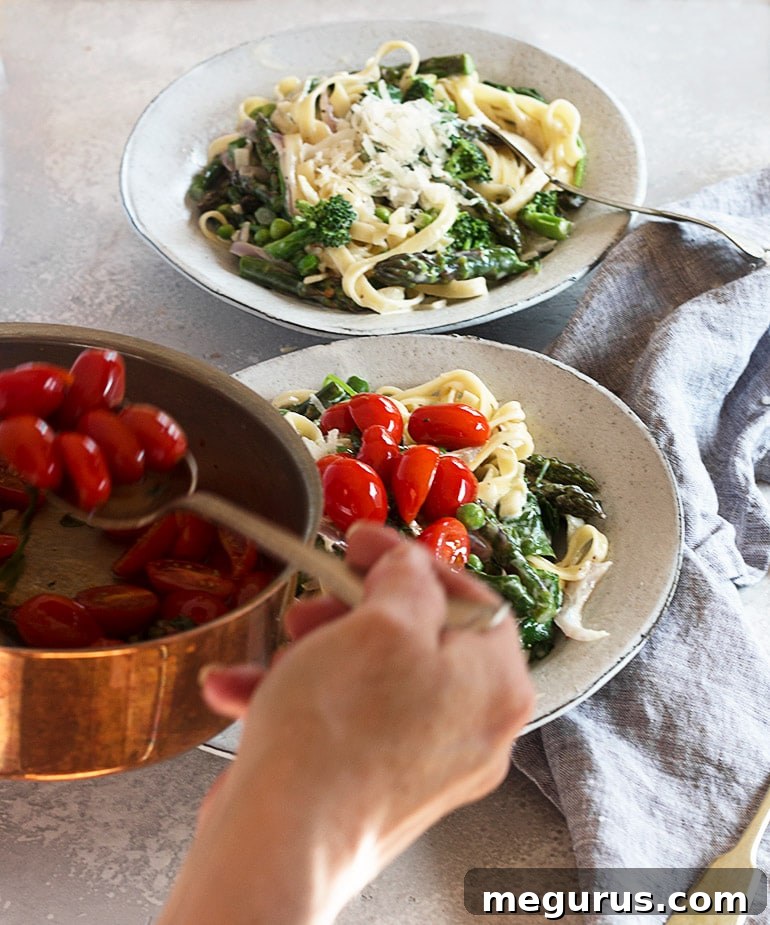
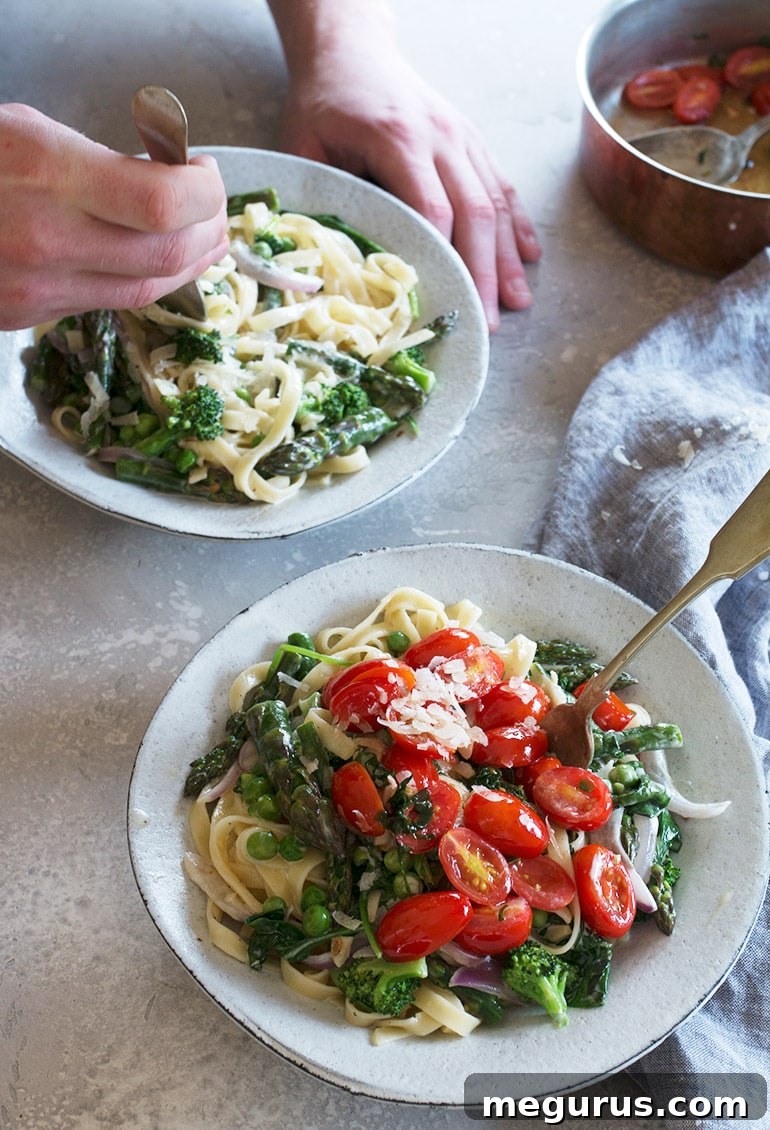
Not a fan of tomatoes? No problem at all! This Pasta Primavera is wonderfully satisfying even without the tomato topping. My son, for instance, enjoys his bowl tomato-free, appreciating the delicate balance of the creamy sauce and crisp vegetables. This adaptability is a testament to the dish’s fundamental deliciousness and why it so easily becomes a regular on the family dinner rotation.
Choosing Your Primavera Vegetables: Endless Possibilities
The true spirit of Pasta Primavera lies in its incredible flexibility when it comes to vegetables. Think of your farmers’ market haul or your grocery store’s seasonal aisle as your canvas. While our recipe highlights a fantastic combination, feel free to substitute or add whatever fresh produce you love. Asparagus, broccoli, zucchini, sweet bell peppers (red, yellow, orange), red onion, green peas, green beans, carrots, and a variety of leafy greens like spinach, arugula, or Swiss chard are all excellent choices. The goal is a colorful, nutritious medley that celebrates the bounty of the season.
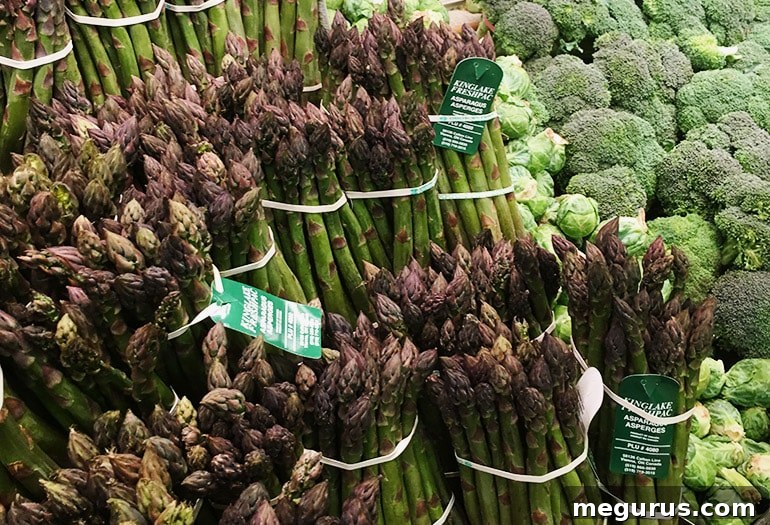
- Asparagus: The recipe specifically calls for the tender tips, roughly the top 2 inches. Don’t discard the remaining stalks! They are perfect for making flavorful vegetable broths, adding to stir-fries, or pureeing into a creamy asparagus soup. This mindful use of ingredients minimizes waste and maximizes flavor.
- Broccoli: To ensure even cooking and delightful bite-sized pieces, it’s crucial to cut your broccoli into small, uniform florets. This allows them to cook quickly and perfectly tender-crisp during the blanching process.
- Peas: Frozen peas are a convenient and perfectly acceptable option here, offering a sweet burst of green. However, if you have access to fresh, local shelling peas, they will undoubtedly elevate the dish with their unparalleled sweetness and texture.
- Other Additions: Consider adding thinly sliced mushrooms, tender sugar snap peas, or even some corn kernels for an extra pop of sweetness. For a heartier meal, grilled chicken, sautéed shrimp, or even cannellini beans can be folded in at the end.
Mastering Pasta Primavera: Essential Recipe Tips
Crafting the perfect Pasta Primavera is about more than just combining ingredients; it’s about technique and timing. These tips will help you achieve a restaurant-quality dish every time:
- Prep First (Mise en Place): Before you even begin cooking, ensure all your vegetables are washed, chopped, and measured. This “mise en place” approach makes the cooking process smooth and stress-free, especially since many elements cook quickly.
- The Tomato Topping Strategy: Prepare the cherry tomatoes, garlic, basil, and olive oil in their designated small saucepan right at the start. This allows them to be ready to gently warm and infuse their flavors as the pasta nears completion, ensuring they are perfectly fragrant when spooned over the finished dish.
- Organize Your Veggies: Chop all your core vegetables (onions, garlic, basil, spinach, etc.). Segregate the vegetables that require blanching (like asparagus, broccoli, peas) into one bowl. Keep the quicker-cooking or non-blanching vegetables (like sliced red onion, spinach) near your large skillet, ready to be added at the appropriate time.
- The Art of Blanching: Vegetables such as asparagus, broccoli, carrots, peas, and green beans benefit from a quick blanching before being added to the main pasta dish. This pre-cooking step ensures they are tender-crisp without being overcooked or mushy when combined with the pasta. Simply add these harder vegetables to your generously salted boiling pasta water for about 3-4 minutes. Immediately scoop them out with a slotted spoon into a colander and rinse them under cold running water. This “shocks” them, stopping the cooking process and preserving their vibrant color and crisp texture. Set them aside until it’s time to incorporate them into your sauce.
- Reserve Pasta Water: This is a crucial chef’s secret! Before draining your cooked pasta, always reserve about a cup of the starchy cooking water. This liquid is your secret weapon for emulsifying the sauce, making it silky smooth, and adjusting its consistency to perfection without diluting the flavor.
- Season Generously and Taste Often: Don’t be shy with salt and freshly ground pepper throughout the cooking process. Season your pasta water liberally – this is your first opportunity to flavor the pasta itself. Add pinches of salt and pepper to your sautéing vegetables and to the creamy sauce. Most importantly, taste your finished dish before serving and adjust the seasoning as needed. Proper seasoning brings all the wonderful individual flavors into harmonious balance.
Get the Recipe: Classic Pasta Primavera
Pin This
Leave a Review
Ingredients
- 9 oz dried pasta, such as spaghetti, tagliatelle, fettuccine or linguine
Vegetables:
- 15-20 asparagus tips
- 1 stalk broccoli, cut into small florets
- 1/2 cup frozen peas
- 1/2 small red onion, thinly sliced
- 2-3 handfuls baby spinach
- 3 Tablespoons fresh basil, chopped
For cooking vegetables:
- 3 Tablespoons olive oil
- 2 cloves garlic, minced
- Pinch red pepper flakes
- Salt and freshly ground pepper
Sauce:
- 1 cup whipping cream
- 2/3 cup Parmesan, freshly grated
- 2 Tablespoons butter
- Salt and freshly ground pepper
Warm Tomatoes:
- 1 1/2 cups grape tomatoes, halved
- 1 cloves garlic, minced
- 3 Tablespoons fresh basil, chopped
- 1/4 cup olive oil
- Salt and freshly ground pepper
For serving:
- Additional freshly grated Parmesan
- Freshly ground pepper
Instructions
-
Start a large pot of water boiling on the stove-top for the pasta (and blanching the vegetables). Add a generous sprinkling of salt.
-
Meanwhile, gather all your vegetables and chop. Add the tomatoes, 1 clove minced garlic, 3 Tbsp basil and 1/4 cup olive oil to a small saucepan. Set aside. Collect the vegetables that will need blanching (asparagus, broccoli and peas) and place in a medium bowl. Set aside. Place the remaining ingredients (red onion, 2 cloves minced garlic and baby spinach next to the stove. Grate the Parmesan and measure out the cream and have handy to the stove as well.
-
When pasta water is boiling, add the vegetables that need blanching into the boiling water and allow to cook for 3-4 minutes (depending on how tender-crisp or tender you want them). Using a slotted spoon, remove vegetables from the boiling water to a colander. Rinse under cold water to stop the vegetables from cooking further. Set aside.
-
Add the pasta to the still boiling water. Allow pasta to cook to al dente, per package instructions.
-
While pasta is cooking, heat 3 Tbsp olive oil in a large skillet over medium heat. Add the pinch of red pepper flakes, then add the red onion and cook, stirring, until the onion is just starting to soften. Add the garlic and cook, stirring, another 45 seconds or so. Add the cream, butter and Parmesan and cook, stirring, until combined. Add the reserved, blanched vegetables and cook, stirring, until warmed. (Turn off heat under skillet or remove from heat until pasta is ready, if necessary, to avoid over-cooking the vegetables).
-
When pasta is ready, scoop out and reserve 1 cup of the pasta cooking water and set aside.
-
Turn heat on under saucepan with tomatoes to medium. Allow to come to a simmer, then reduce heat to low to keep warm.
-
Drain pasta and add to the skillet with the sauce and vegetables. Heat over medium heat, tossing with tongs, for about 1 minute. Scatter baby spinach and basil over-top and toss, until spinach is wilted. Season with salt and pepper as needed. If the mixture seems thick, add a bit of the reserved pasta cooking water as needed, to loosen it.
-
Spoon pasta into serving bowls. Spoon warm tomatoes overtop. Garnish with additional Parmesan and some freshly ground pepper.
Notes
Why You’ll Love Classic Pasta Primavera
This Classic Pasta Primavera isn’t just a recipe; it’s an invitation to savor the freshest ingredients of the season in a comforting, wholesome, and incredibly satisfying way. It’s the perfect solution for busy weeknights, special occasions, or simply when you crave a burst of garden-fresh flavor. Its inherent versatility means you can adapt it to whatever vegetables are in season, making it a sustainable and ever-changing staple in your culinary repertoire.
From its vibrant colors to its harmonious blend of textures and the irresistible creaminess of its Parmesan sauce, every element of this dish is designed to delight. The optional warm tomato topping adds a gourmet touch, transforming a simple meal into something truly memorable. Whether you’re feeding a family with varied preferences or simply looking for a healthy and delicious vegetarian option, Classic Pasta Primavera delivers on all fronts.
We encourage you to experiment with your favorite vegetables, adjust the seasoning to your liking, and make this recipe truly your own. It’s a dish that embodies the joy of cooking with fresh, real ingredients and the pleasure of sharing a beautiful meal with loved ones. Dive in and discover your new favorite way to enjoy pasta!