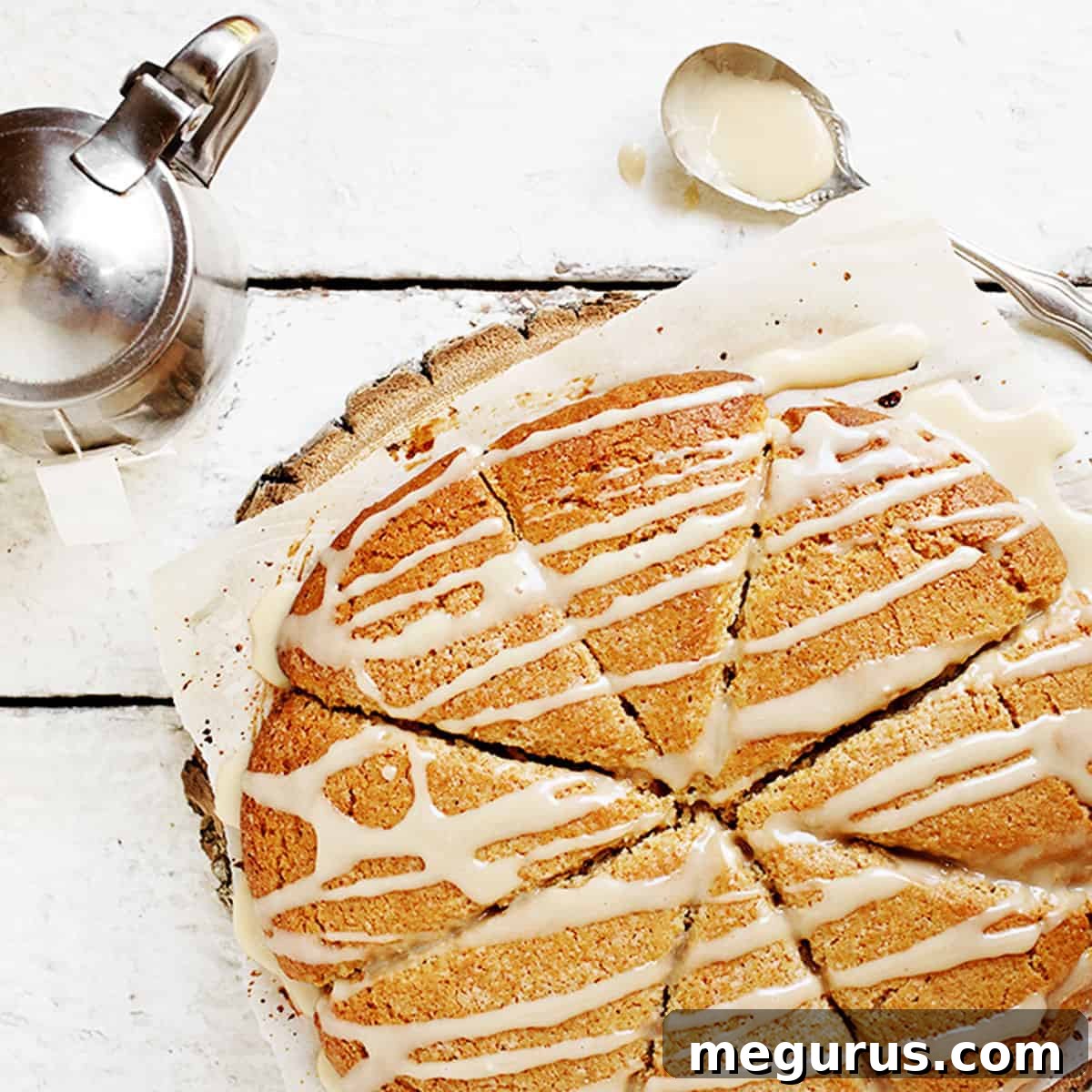
Discover the ultimate breakfast fusion with these delightful French Toast Scones. Combining the comforting flavors of classic French toast with the tender, crumbly texture of a perfect scone, this recipe offers a unique and irresistible sweet treat that’s surprisingly quick to prepare, making it ideal for any time of day, whether for a special brunch or a simple morning indulgence.
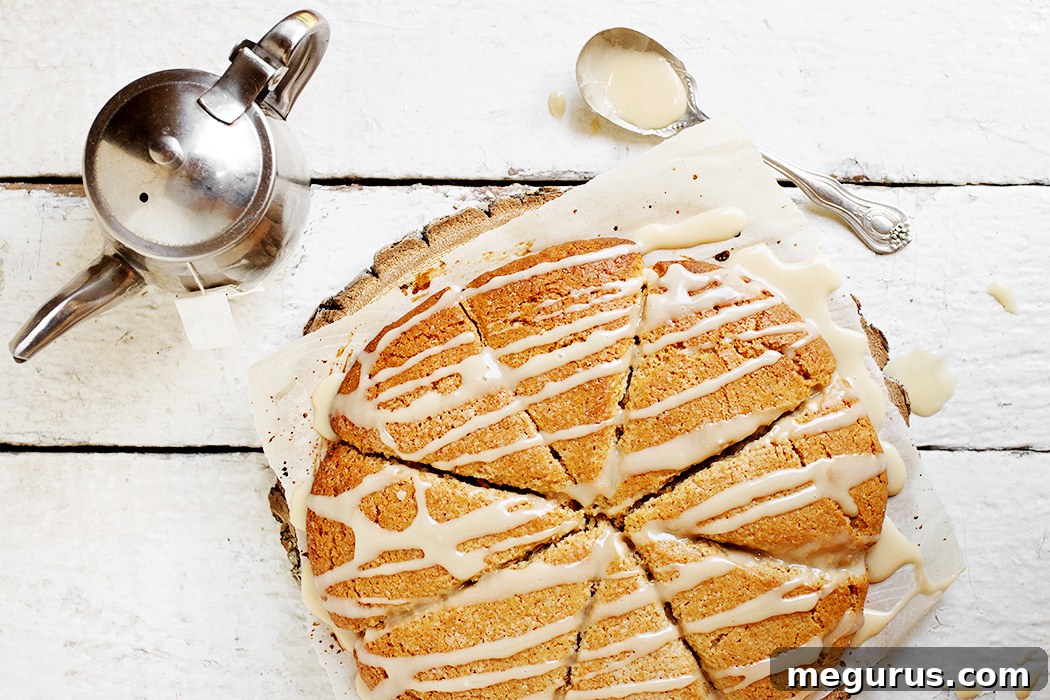
Imagine waking up to the aroma of warm cinnamon, sweet maple, and freshly baked goods. These French Toast Scones deliver just that! They capture all the beloved elements of a hearty French toast breakfast – the rich sweetness, the hint of spice, and a beautifully golden exterior – all encapsulated in a convenient, handheld scone. This recipe is designed to be quick, easy, and utterly delicious, transforming your mornings into a moment of pure bliss. With a simple maple glaze drizzled generously over each warm scone, you’ll find these to be a perfect companion to your coffee or tea, setting a wonderful tone for a relaxed weekend or a much-needed midweek treat.
Why You’ll Fall in Love with French Toast Scones
There’s something inherently comforting about French toast, and the scone format makes it even more accessible and portable. These French Toast Scones aren’t just another breakfast pastry; they’re an experience. Here’s why this recipe will become a cherished part of your baking repertoire:
- **Effortless Elegance:** Despite their sophisticated flavor profile, these scones come together with surprising ease, requiring minimal fuss and simple ingredients. They’re perfect for both seasoned bakers and beginners alike.
- **Speedy Satisfaction:** From mixing bowl to oven, these scones are ready to bake in under 15 minutes, with a total time of just 30 minutes. You won’t have to wait long to enjoy their irresistible warmth and flavor.
- **Flavor Fusion at its Finest:** The unique blend of cinnamon, brown sugar, and a generous maple glaze truly mimics the essence of French toast, but in a delightful scone form. It’s a harmonious marriage of two breakfast favorites.
- **Versatile for Any Occasion:** While they make an incredible breakfast or brunch item, these scones are equally wonderful as an afternoon snack with coffee, a delightful dessert, or a sweet addition to any gathering.
- **Customizable Texture:** Whether you prefer a scone with a crispy exterior all around or a soft, cake-like texture with tender sides, this recipe offers options to achieve your desired consistency.
Essential Ingredients and Smart Substitutions
Crafting the perfect French Toast Scone begins with high-quality ingredients. Each component plays a crucial role in achieving that signature flavor and texture. Here’s a closer look at what you’ll need and how you can adapt the recipe to your pantry and preferences:
For the Scones:
- All-Purpose Flour: The foundation of our scones. For best results, spoon and level your flour to ensure accuracy; too much flour can lead to dry scones. While all-purpose is standard, you can experiment with a pastry flour for a slightly more tender crumb, though it might affect the overall structure slightly.
- Brown Sugar: This is key to achieving the “French toast” sweetness and adds a lovely depth of flavor that granulated sugar alone cannot provide. Always pack your brown sugar when measuring for consistency. Dark brown sugar will lend a richer, more molasses-like flavor, while light brown sugar offers a milder sweetness.
- Baking Powder & Baking Soda: These leavening agents work in harmony to give the scones their characteristic rise and light, airy texture. Ensure yours are fresh for optimal results. If you only have baking powder, you might increase the amount slightly, but the combination helps create a balanced lift.
- Cinnamon: The quintessential spice for French toast, cinnamon infuses these scones with warmth and aromatic sweetness. Feel free to adjust the amount to your liking, or even add a pinch of nutmeg or allspice for extra complexity.
- Salt: A crucial ingredient that balances the sweetness and enhances all the other flavors. Don’t skip it!
- Unsalted Butter: Cold and cut into chunks. This is perhaps the most critical ingredient for tender, flaky scones. Cold butter creates pockets of steam as it melts during baking, resulting in those desirable layers. If using salted butter, reduce the added salt in the recipe. Freezing the butter for 15-20 minutes before cutting can make it easier to work with, especially on a warm day.
- Whole Milk or Half-and-Half (10%) Cream: The liquid binds the dough together. Whole milk provides richness, while half-and-half or even heavy cream will yield an even more tender and decadent scone. The fat content contributes to both flavor and texture. Start with the suggested amount and add more only if the dough is too dry, as over-wet dough can be sticky and hard to work with.
For the Maple Glaze:
- Icing Sugar (Powdered Sugar): Forms the base of our smooth, drippy glaze. Sift it if clumpy to ensure a silky consistency.
- Real Maple Syrup: This is where the true “maple” in French Toast Scones shines. Real maple syrup offers a depth of flavor that imitation syrups simply cannot match. While imitation maple-flavored syrup will work in a pinch, it won’t deliver the same nuanced, rich taste. For the best flavor, invest in pure maple syrup.
- Milk or Cream: Used to thin the glaze to the perfect drizzling consistency. Start with a small amount and add more gradually until you reach your desired thickness.
Mastering Your Scones: Essential Recipe Tips for Success
Baking scones might seem intimidating, but with a few key techniques, you can achieve perfect results every time. These tips will guide you to light, flaky, and delicious French Toast Scones:
The Butter is Key: Keep it Cold!
The secret to tender, flaky scones lies in the cold butter. Whether you’re using a food processor or working by hand, ensuring your butter remains as cold as possible is paramount. As the cold butter melts in the oven, it releases steam, creating pockets that result in a light, airy texture. If your butter gets too warm, it will incorporate too fully into the flour, leading to a denser, tougher scone. You can even freeze your butter and grate it into the flour for even distribution and maximum coldness.
Food Processor vs. Hand Mixing: Choose Your Method
A food processor undeniably makes scone preparation incredibly easy and quick, reducing the risk of overworking the dough. Simply pulse the dry ingredients, then add the cold butter and pulse until it resembles coarse meal. Finally, drizzle in the milk until the dough just comes together. The key is to avoid over-processing, as this can warm the butter and develop the gluten too much. If you don’t have a food processor, fret not! These scones still come together quickly by hand. Use two knives or a pastry cutter to cut the cold butter into the dry ingredients until the mixture resembles coarse crumbs. Then, gently fold in the milk until a slightly sticky dough forms. The less you handle the dough, the more tender your scones will be.
Achieving Your Preferred Scone Texture: Crispy or Soft?
One of the beauties of this recipe is its adaptability to your preferred scone texture. You have the power to decide if you’d like crunchy, well-browned sides or softer, more cake-like edges:
- For Crispy-Sided Scones: If you enjoy a scone with a delightfully crispy crust all around, once you’ve cut your dough into wedges, gently separate each wedge on the baking sheet. Move them about 1.5 to 2 inches apart from the center, ensuring there’s space for air to circulate and for each side to brown evenly. This yields individual scones with a satisfying crunch.
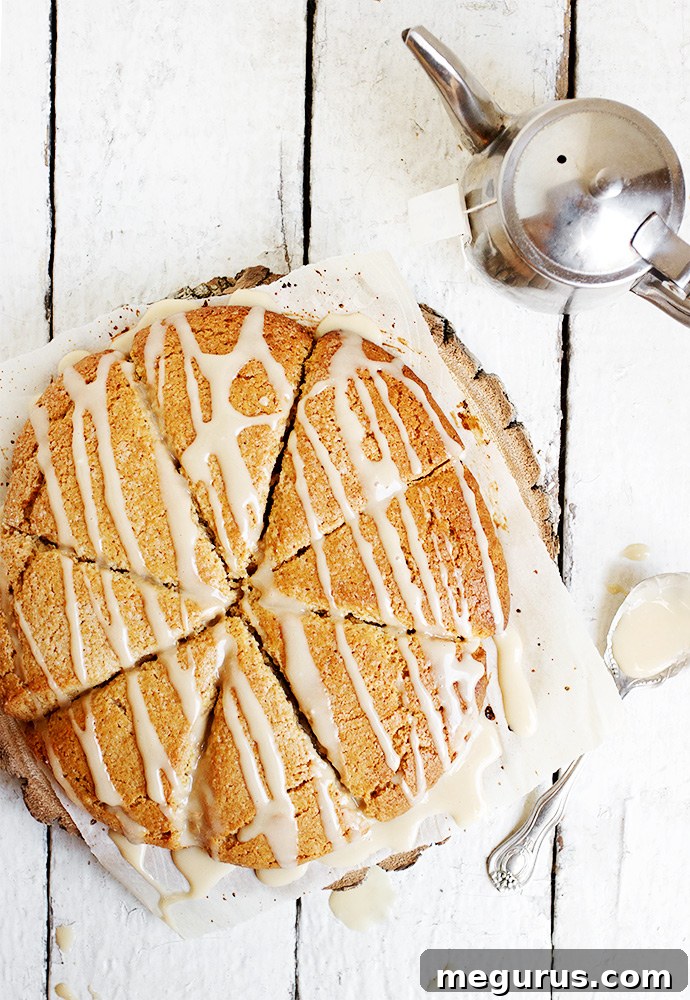
- For Soft-Sided, Cake-Like Scones: If you prefer a more tender, cake-like scone with soft sides, simply leave the cut dough in its original round formation. The scones will bake pressed against each other, creating softer edges as they steam slightly, resulting in a wonderfully moist interior. Score the dough deeply before baking so you can easily separate the scones after they’re baked.
Don’t Overwork the Dough
Whether mixing by hand or with a food processor, overworking the dough is the enemy of tender scones. Excessive kneading or mixing develops the gluten in the flour, which leads to tough, chewy scones. Mix just until the ingredients are combined and the dough comes together. It should be slightly sticky and shaggy, not smooth and elastic.
The Perfect Glaze Consistency
The maple glaze is the crowning glory of these French Toast Scones. When combining the icing sugar, maple syrup, and milk/cream, aim for a consistency that is thick enough to coat the back of a spoon but still thin enough to drizzle beautifully. If your glaze is too thick, add a tiny bit more milk, a quarter teaspoon at a time. If it’s too thin, whisk in a little more icing sugar until it reaches the desired consistency. Drizzle the glaze over warm, but not piping hot, scones for the best absorption and slightly melted finish.
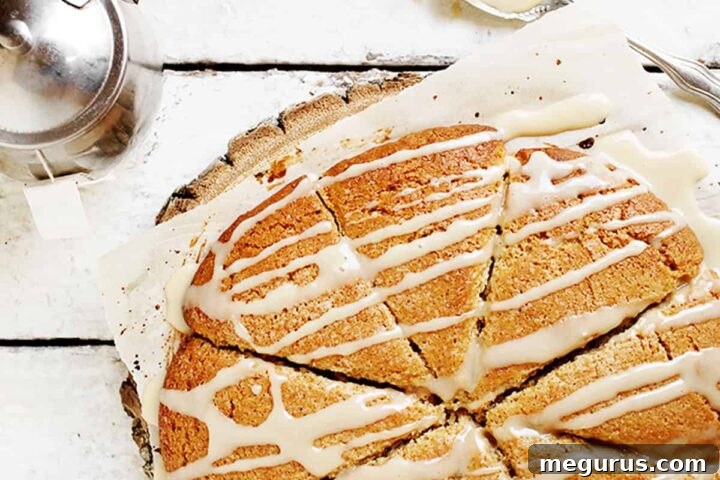
Get the Recipe: French Toast Scones
★
★
★
★
Pin This
Leave a Review
10 minutes
20 minutes
30 minutes
8
people
Ingredients
Scones:
- 1 1/2 cups all purpose flour, spooned and levelled
- 1/2 cup brown sugar, packed
- 1 1/2 teaspoons baking powder
- 1/4 teaspoon baking soda
- 1/2 teaspoon cinnamon
- 1/4 teaspoon salt
- 1/2 cup butter, cold and cut into chunks
- 1/2 cup whole milk, or half and half (10%) cream
Glaze:
- 1/4 cup icing sugar
- 1 1/2 Tablespoons maple syrup
- 1 Tablespoon milk or cream
Instructions
-
Preheat oven to 400° F (200°C) and line a baking sheet with parchment paper. This prevents sticking and makes for easy cleanup.
-
In the bowl of a food processor (or in a large mixing bowl if doing by hand), add the dry ingredients: all-purpose flour, brown sugar, baking powder, baking soda, cinnamon, and salt. Pulse several times to combine them well and ensure an even distribution. If working by hand, whisk them together thoroughly. With the food processor on low, add the cold butter chunks and process until the mixture resembles coarse meal with pea-sized pieces of butter. (If cutting by hand, use two knives or a pastry cutter to cut the butter into the dry ingredients until coarse crumbs form). Gradually add just enough milk to the mixture until the dough comes together into a slightly sticky, shaggy ball. Avoid overmixing; you may not need all the milk. Remove the dough to a lightly floured surface and knead gently a few times, just enough to bring it together, then form it into a ball. Over-kneading will make the scones tough.
-
Transfer the dough to your parchment-lined baking sheet and gently pat it into a 1-inch thick circle. Using a sharp knife, cut the circle into 8 equal wedges, similar to slicing a pizza. If you prefer crunchy-sided scones, carefully separate each wedge, moving them about 1.5 to 2 inches out from the center, so there is space around each piece. For softer, more cake-like scones, leave the wedges as is, touching each other.
-
Lightly brush the top of the scones with a little milk. This helps them brown beautifully. Then, sprinkle lightly with some granulated sugar for an extra hint of sweetness and sparkle on the crust.
-
Bake in the preheated oven for 15-18 minutes, or until the scones are golden brown on top and cooked through. The exact baking time may vary depending on your oven and whether you separated the wedges. Once baked, transfer the scones to a wire cooling rack to cool slightly while you prepare the glaze.
-
For the glaze: In a small bowl, combine the icing sugar, maple syrup, and 1 tablespoon of milk or cream. Stir vigorously until smooth and all lumps are gone. If the glaze is too thick, add a tiny bit more milk (1/4 teaspoon at a time) until it reaches a drizzling consistency. If it’s too thin, add a bit more icing sugar. Drizzle the finished glaze generously over the warm scones. Serve immediately and enjoy!
American, Canadian
Snack, Breakfast, Brunch
Jennifer Maloney
Serving: 1serving
,
Calories: 274kcal
,
Carbohydrates: 38g
,
Protein: 3g
,
Fat: 12g
,
Saturated Fat: 7g
,
Cholesterol: 32mg
,
Sodium: 225mg
,
Potassium: 166mg
,
Sugar: 20g
,
Vitamin A: 380IU
,
Calcium: 82mg
,
Iron: 1.3mg
Making Ahead, Storing, and Freezing French Toast Scones
These French Toast Scones are so delicious, you’ll want to have them on hand all the time! Luckily, they are incredibly versatile when it comes to preparation and storage, making them perfect for meal prepping or enjoying fresh whenever a craving strikes.
Making Ahead (Unbaked Dough)
Preparing the scone dough in advance is a fantastic time-saver. You can mix the dry ingredients and cut in the cold butter ahead of time, storing this mixture in an airtight container in the refrigerator for up to 3 days. When you’re ready to bake, simply add the cold milk, form the dough, cut into wedges, and bake as directed. You can also form and cut the scones, then arrange them on a baking sheet and freeze for about 30 minutes until firm. Once firm, transfer the unbaked frozen scones to an airtight freezer bag or container. They can be stored for up to 1 month. When baking from frozen, increase the baking time by about 5-8 minutes, or until golden brown and cooked through, without thawing first.
Storing Baked French Toast Scones
Once baked, these scones are best enjoyed fresh and warm. However, if you have leftovers, they can be stored to maintain their deliciousness:
- Room Temperature: Store cooled scones in an airtight container at room temperature for 2-3 days. To revive their freshness, gently warm them in the microwave for 15-20 seconds or in a preheated oven at 300°F (150°C) for 5-7 minutes.
- Refrigeration: While not strictly necessary, if your kitchen is particularly warm or humid, you can store them in an airtight container in the refrigerator for up to 4-5 days. Be aware that refrigeration can sometimes slightly alter the texture of baked goods, making them a bit drier. Reheat as suggested above.
Freezing Baked French Toast Scones
These scones freeze beautifully, which is excellent news if you like to bake in batches or want to savor them over a longer period. This also means you can always have a quick, comforting treat ready to go!
- To Freeze: Allow the baked scones to cool completely to room temperature. This is crucial to prevent ice crystals from forming. Once fully cooled, transfer them to an airtight freezer-safe bag or container. You can wrap individual scones in plastic wrap first for added protection against freezer burn. They will keep well in the freezer for up to 3 months.
- To Reheat from Frozen: There’s no need to thaw! Simply place the frozen scones directly into a preheated oven at 300-325°F (150-160°C) for about 10-15 minutes, or until they are warmed through and tender. If you prefer, a quick zap in the microwave (30-60 seconds per scone) can also work, but the oven will restore a crispier exterior.
Serving Suggestions for Your Perfect Scones
While French Toast Scones are utterly delicious on their own, especially when fresh from the oven and drizzled with that sweet maple glaze, here are some ideas to elevate your serving experience:
- Classic Companions: Pair them with a hot cup of coffee, a steaming mug of tea, or a glass of cold milk.
- Fresh Fruit Medley: Serve alongside a bowl of fresh berries (strawberries, blueberries, raspberries) or sliced bananas for a burst of freshness that complements the rich scone.
- Creamy Additions: A dollop of whipped cream, a spoonful of crème fraîche, or even a side of plain Greek yogurt can add a lovely creamy contrast.
- Breakfast Spread: Make them part of a larger breakfast or brunch spread, alongside scrambled eggs, crispy bacon, or a fruit salad.
- Nutty Crunch: Sprinkle with chopped toasted pecans or walnuts over the glaze for added texture.
Frequently Asked Questions About French Toast Scones
Here are some common questions you might have about making these delectable French Toast Scones:
Q: Can I use different types of flour?
A: While all-purpose flour is recommended for its balance of structure and tenderness, you can experiment. Pastry flour will yield an even more delicate scone, but might be slightly less sturdy. Whole wheat pastry flour could be used for a healthier twist, but it might result in a denser texture and slightly different flavor profile. For gluten-free, use a 1:1 gluten-free baking blend that contains xanthan gum, though results may vary slightly.
Q: What if I don’t have brown sugar?
A: Brown sugar contributes significantly to the French toast flavor and moistness. If you absolutely don’t have it, you can substitute granulated sugar, but the flavor will be less deep and the texture might be slightly different. You could try adding a tiny bit of molasses (about 1/2 teaspoon) to granulated sugar to mimic brown sugar, but be mindful of the liquid content.
Q: Can I add mix-ins to the scone dough?
A: Absolutely! Feel free to customize. Chocolate chips, dried cranberries, chopped nuts, or even a sprinkle of toasted shredded coconut would be delicious additions. Just be sure not to add too many, as it can affect the dough’s consistency. About 1/2 cup of total mix-ins should be perfect.
Q: My scones came out tough. What went wrong?
A: The most common culprit for tough scones is overworking the dough. When you over-mix or over-knead, you develop the gluten in the flour, which leads to a chewy rather than tender scone. Ensure your butter is very cold and handle the dough as little as possible, mixing just until it comes together.
Q: Can I make these dairy-free?
A: Yes, with some substitutions. Use a plant-based milk (like almond, soy, or oat milk) for both the scones and the glaze. For the butter, use a good quality dairy-free butter substitute that is specifically designed for baking. Ensure it is very cold when you incorporate it into the flour.
Q: How can I tell when the scones are fully baked?
A: Scones are fully baked when they are golden brown on top and feel firm to the touch. If you tap the bottom of a scone, it should sound hollow. You can also insert a wooden skewer or toothpick into the center; if it comes out clean, they are done.