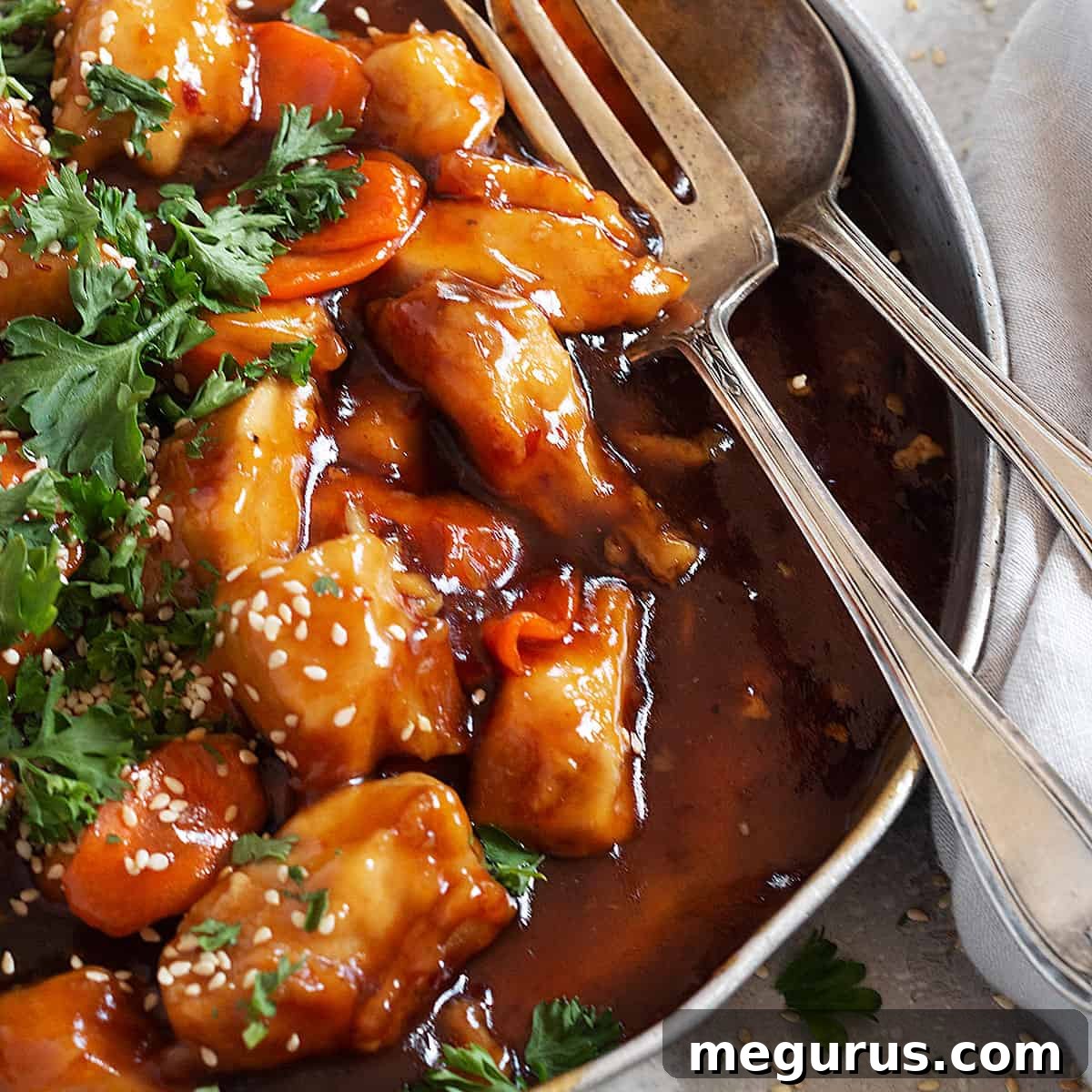
Discover the ultimate homemade General Tso’s Chicken recipe – a delightful balance of sweet, sour, and spicy flavors that rivals your favorite takeout. This recipe offers versatility, allowing you to choose between crispy, battered and fried chicken or a lighter, quicker un-breaded version, all bathed in an incredibly flavorful sauce.
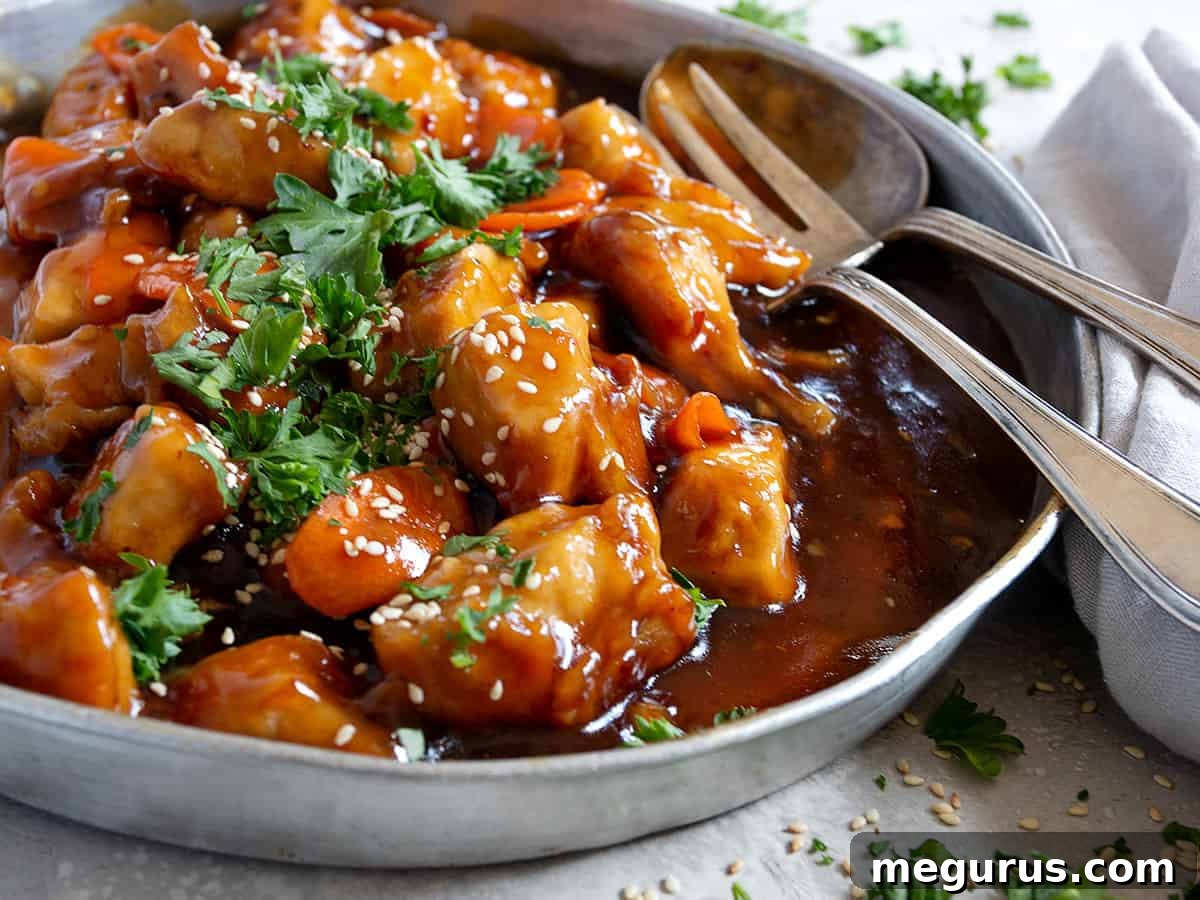
Mastering Homemade General Tso’s Chicken: A Sweet & Spicy Delight
General Tso’s Chicken holds a special place in the hearts of many, a beloved staple of North American Chinese cuisine renowned for its irresistible blend of sweet, tangy, and spicy notes. While the quest for an “authentic” General Tso recipe often leads down a winding path of culinary debate, my version focuses on delivering the vibrant flavors and satisfying textures that make this dish so popular. This isn’t just another General Tso recipe; it’s a testament to countless kitchen experiments, perfecting a sauce that’s wonderfully saucy, deeply flavorful, and precisely as spicy as you desire.
My culinary journey with General Tso’s Chicken began years ago, driven by a desire to recreate that distinctive takeout experience at home. I sampled numerous recipes, many incorporating ingredients like hoisin sauce, which, while delicious, never quite matched the profile I associated with classic General Tso. I continually gravitated back to a simpler, more direct approach – a harmonious symphony of sweet, sour, and spicy elements that define this dish for me. The result is a delightfully sticky, robust sauce that coats succulent pieces of chicken, offering a consistently delicious meal that has been cherished in my kitchen for many years.
This recipe provides you with the flexibility to choose your chicken preparation method: go for the traditional battered and fried chicken for that satisfying crispy exterior, or opt for a lighter, quicker, and easier un-breaded pan-sautéed version. Both methods yield fantastic results, ensuring a delicious and adaptable meal for any occasion. Serve this culinary masterpiece with fluffy white rice, and get ready to enjoy a takeout-quality meal crafted right in your own home.
Essential Ingredients for Your Perfect General Tso’s Chicken
The secret to an outstanding General Tso’s Chicken lies in understanding each ingredient’s role and how they harmoniously come together. Here’s a comprehensive guide to the key components:
The Chicken: Foundation of Flavor and Texture
- For the best results, you’ll need boneless and skinless chicken. Both boneless chicken breasts and boneless chicken thighs are excellent choices, each offering slightly different characteristics:
- Chicken Breasts: Lean and quick-cooking, chicken breasts should be cut into uniform 1-inch bite-sized pieces. This ensures every piece cooks evenly and gets perfectly coated in the rich sauce. Be mindful not to overcook chicken breasts, as they can dry out easily.
- Chicken Thighs: A fantastic alternative, chicken thighs are inherently juicier and more flavorful. They are also more forgiving if cooked slightly longer and tend to remain tender. Like breasts, cut them into consistent bite-sized pieces.
The Sweetness: Achieving the Perfect Balance
- White Sugar: Sugar is indispensable for balancing the intense savory, sour, and spicy flavors of General Tso’s sauce. When I first developed this recipe, I used ¾ cup of white sugar. However, over time, my family’s preferences, and likely broader culinary trends, led me to gradually reduce this amount.
- Today, I find that somewhere between ⅓ to ½ cup of white sugar hits the perfect “sweet spot” – pun absolutely intended! This range provides a delightful sweetness without making the sauce overly cloying. I highly recommend starting within this range and adjusting to your personal taste. You might even find you can go a little lower, depending on your preference for sweetness. Remember, you can always add more at the end if desired, but you can’t take it away!
The Tang: Essential Acidity for Brightness
- Vinegar: The right vinegar provides the necessary acidity to cut through the richness of the sauce and brighten the overall flavor profile.
- Rice Vinegar (or Rice Wine Vinegar): This is the premier choice for Asian cooking. It offers a mild, slightly sweet, and clean tang that complements the other ingredients beautifully without being overly aggressive.
- White Wine Vinegar: If rice vinegar isn’t accessible, white wine vinegar makes a respectable substitution. It offers a similar tartness but can be a bit more assertive, so be prepared for a slightly different nuance.
- White Distilled Vinegar: As a last resort, white distilled vinegar can be used. However, it is much stronger and sharper than rice or white wine vinegar. If opting for white distilled vinegar, I suggest reducing the amount by about a quarter to prevent it from overpowering the sauce.
The Heat: Signature Spice and Depth
- Asian Chili Garlic Sauce: This ingredient is crucial for delivering General Tso’s characteristic spiciness and a layer of savory garlic flavor. It’s widely available in the international aisle of most grocery stores.
- The beauty of chili garlic sauce is its adjustability. Start with 1 to 2 tablespoons, tasting as you go. For those who prefer a milder heat, stick to the lower end. If you love a fiery kick, don’t hesitate to add more to achieve your ideal level of spice. It adds a dynamic heat that is far more complex than just simple chili flakes.
The Liquid Base: Broth for Richness
- Chicken Broth: This forms the flavorful liquid base of the sauce, imparting depth and a savory foundation. Using hot chicken broth helps in dissolving the cornstarch more effectively, leading to a smoother sauce.
- Vegetable Broth: A suitable alternative if you prefer, offering a similar liquid base though with a slightly different flavor profile.
- Hot Water: In a pinch, hot water can be used, but be aware that this substitution will result in a less flavorful sauce as you’ll miss the savory notes provided by the broth. If using water, consider adding a touch more soy sauce or a pinch of chicken bouillon to compensate for the lost depth.
Supporting Cast: Thickeners, Aromatics & Coatings
- Soy Sauce: A fundamental ingredient in Asian cuisine, providing crucial umami and saltiness to the sauce. Ensure you use a good quality soy sauce.
- Sesame Oil (Optional): A few drops of toasted sesame oil added at the end provides a distinctive nutty aroma and deepens the overall flavor. It’s highly recommended for an authentic touch.
- Cornstarch: A dual-purpose ingredient. It’s used to create a light, crispy batter for the chicken (if frying) and is essential for thickening the sauce to that perfect glossy, clingy consistency.
- Egg (if battering the chicken): A large egg acts as a binder, helping the cornstarch adhere to the chicken pieces, forming a crisp crust when fried.
- Cooking Oil (if frying): A neutral-flavored oil with a high smoke point, such as canola, vegetable, or peanut oil, is necessary for frying the chicken to a golden crisp.
The Finishing Touches: Garnishes
Garnishes not only add visual appeal but also introduce fresh textures and flavors that elevate the dish:
- Sesame Seeds: Toasted sesame seeds provide a delicate crunch and nutty flavor.
- Sliced Green Onion or Chopped Parsley: Freshly sliced green onions offer a mild, crisp onion flavor and a vibrant splash of green. While parsley is less traditional, it can provide a fresh herbaceous contrast.
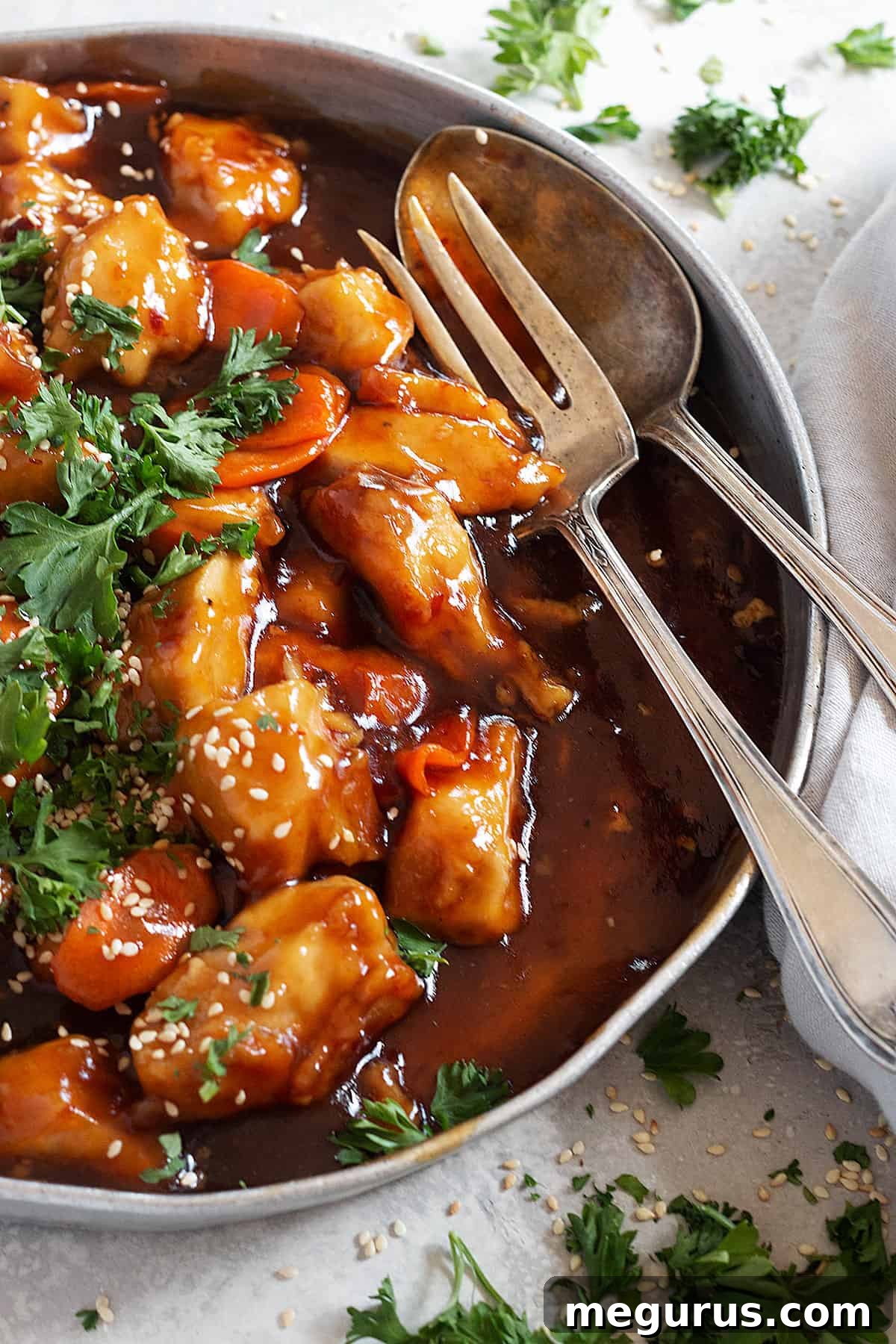
Pro Tips for Perfecting Your General Tso’s Chicken
Whether you’re a seasoned chef or a home cook, these tips and techniques will help you achieve restaurant-quality General Tso’s Chicken every time. From preparing the chicken to perfecting the sauce, attention to detail makes all the difference.
Your Choice: Crispy Fried or Lightly Sautéed
One of the most appealing aspects of this recipe is its flexibility in chicken preparation. You have two excellent methods to choose from, depending on your preference and time constraints:
- The Traditional Way: Battered and Fried Chicken
This method is for those who crave the classic General Tso’s experience, featuring tender chicken encased in a golden, crispy shell. The chicken pieces are coated in a cornstarch and egg batter, then quickly deep-fried until perfectly crisp. This creates a wonderful textural contrast with the thick, glossy sauce. While it requires a bit more effort, the results are undeniably satisfying. - The Lighter Option: Un-Breaded Pan-Sautéed Chicken
For a quicker, easier, and lighter meal, skip the battering and frying entirely. Simply pan-sauté the chicken pieces in a small amount of oil until they are cooked through and lightly browned. This method significantly reduces prep time and calories, and the chicken still absorbs all the fantastic flavors of the General Tso sauce as it simmers. It’s a fantastic weeknight solution without sacrificing taste.
Tips for Achieving Perfectly Crispy Fried Chicken
- Uniform Chicken Pieces: Ensure your chicken is cut into roughly 1-inch pieces. This allows for even cooking and consistent crispness.
- Proper Battering: When coating the chicken with the cornstarch and egg mixture, make sure each piece is thoroughly and evenly covered. This ensures a consistent, crunchy crust.
- Optimal Oil Temperature: Heat your cooking oil to the correct temperature, ideally between 350-375°F (175-190°C). If the oil isn’t hot enough, the chicken will absorb too much oil and become greasy. If it’s too hot, the exterior will brown too quickly, leaving the inside undercooked. Use a kitchen thermometer if possible.
- Don’t Overcrowd the Pan: Fry the chicken in batches. Adding too many pieces at once will drastically lower the oil temperature, leading to steamed rather than fried chicken, resulting in a soggy texture. Give each piece ample space in the pan.
- Drain Thoroughly: Once fried to a golden crisp, immediately transfer the chicken to a wire rack placed over a baking sheet. This allows excess oil to drip away and prevents the bottom of the chicken from becoming soggy, preserving its crispiness.
- Keep Sauce and Chicken Separate Until Serving: This is perhaps the most critical tip for maintaining that desirable crunch. Only combine the fried chicken with the hot General Tso sauce right before you’re ready to serve. The sauce’s heat will warm the chicken quickly without diminishing its crisp texture.
Perfecting the General Tso Sauce and Vegetables
- Paper-Thin Carrots: This detail cannot be overstated. Carrots absolutely must be sliced paper-thin, preferably on a diagonal. This ensures they cook quickly to a tender-crisp texture in the sauce. Thicker slices will remain hard and detract from the dish. A mandoline slicer can be very helpful here.
- Dissolve Cornstarch Completely: When preparing the sauce, ensure the cornstarch is thoroughly whisked with the hot water until no lumps remain before adding it to the rest of the sauce ingredients. This prevents a lumpy or unevenly thickened sauce.
- Constant Stirring for Sauce: Once you add the sauce mixture to the hot skillet, stir continuously. The cornstarch will cause the sauce to thicken rapidly once it comes to a boil. Stirring prevents it from sticking or forming clumps.
- Adjusting Flavors: Always taste the sauce before you add the chicken. This is your opportunity to fine-tune the balance of sweet, sour, and spicy. Add a little more sugar for sweetness, a dash more vinegar for tang, or extra chili garlic sauce for heat, according to your preference.
Frequently Asked Questions About General Tso’s Chicken
What exactly is General Tso’s Chicken?
General Tso’s Chicken is a popular deep-fried chicken dish frequently found on the menus of North American Chinese restaurants. It features succulent pieces of chicken, typically boneless, coated in a sweet, savory, and moderately spicy sauce. Its exact origins are debated, with many food historians suggesting it’s more of an American-Chinese culinary invention rather than a traditional dish from mainland China, though it does draw inspiration from Hunanese cuisine.
Is this homemade General Tso’s Chicken recipe authentic?
The concept of “authentic” General Tso’s Chicken is a bit fluid, given its complex history and regional variations. This recipe aims to recreate the beloved flavors and textures that have made the dish a popular favorite in Western countries. It focuses on achieving a delicious balance of sweet, sour, and spicy notes that align with what most people expect from a high-quality General Tso’s Chicken, made with readily available ingredients for the home cook.
Can I make this recipe gluten-free?
Absolutely! To convert this recipe to be gluten-free, simply substitute traditional soy sauce with tamari, which is a gluten-free alternative. Additionally, always check the labels of your chicken broth and Asian chili garlic sauce to ensure they are certified gluten-free, as some brands might contain hidden gluten-containing ingredients.
Can the General Tso sauce be prepared in advance?
Yes, the sauce is excellent for meal prepping! You can prepare the General Tso sauce mixture a day or two ahead of time. Store it in an airtight container in the refrigerator. Before you’re ready to cook, give it a good shake or whisk to ensure the cornstarch is fully re-suspended and dissolved for smooth thickening.
What are the best accompaniments for General Tso’s Chicken?
The classic pairing for General Tso’s Chicken is steamed white rice, which is perfect for soaking up the rich, flavorful sauce. Other wonderful accompaniments include brown rice, egg fried rice, lo mein noodles, or a side of steamed or stir-fried vegetables such as broccoli florets, snap peas, or bell peppers, which add freshness and color to your meal.
The General Tso Chicken Recipe
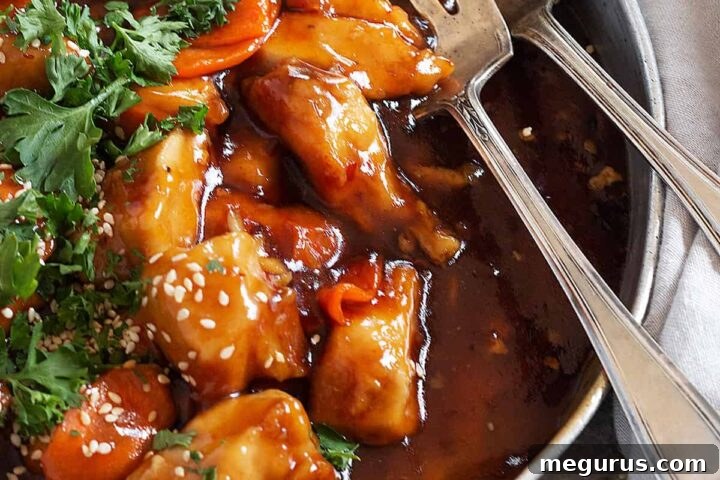
General Tso Chicken
Delicious bites of chicken in a homemade General Tso sauce. Enjoy the chicken battered and fried for classic crispiness or opt for the lighter, quicker un-breaded version.
Ingredients
General Tso’s Sauce:
- 1/3 – 1/2 cup white sugar (adjust to taste)
- 1/4 cup soy sauce
- 1/4 cup unseasoned rice vinegar
- 1/2 teaspoon sesame oil
- 1/2 cup hot chicken broth
- 1 – 2 Tablespoons Asian Chili Garlic Sauce (adjust to taste, for spiciness)
- 2 Tablespoons cornstarch
- 1/4 cup hot water
Chicken Batter (if frying):
- 2 large skinless boneless chicken breasts (or 4-5 boneless chicken thighs, cut into bite size pieces)
- 1 Tablespoons soy sauce
- 1/4 teaspoon black pepper
- 1 large egg
- 1/4 cup cornstarch
For frying (if frying):
- 1 cup canola or vegetable oil (for frying)
For finishing:
- 1 cup carrots (very thinly sliced into diagonal slices)
For garnish:
- Sesame seeds
- Sliced green onion or chopped parsley
Instructions
- Prepare the Sauce: In a small bowl, combine white sugar, 1/4 cup soy sauce, and rice vinegar. Add the hot chicken broth, 2 Tablespoons cornstarch, and hot water, then stir until the sugar and cornstarch completely dissolve. Set aside.
- For a Lighter Dish (Un-Breaded Chicken): Skip the battering and frying steps. Simply sauté the chicken pieces in a skillet with a bit of oil until cooked through. Then add the thinly sliced carrots and cook with the chicken for a couple of minutes until tender-crisp. Proceed to step 5 (adding the sauce).
- To Prepare Chicken (if Frying): In a separate bowl, combine the cut chicken pieces, 1 Tablespoon soy sauce, and black pepper. Stir well. Add the large egg and mix thoroughly. Finally, add 1/4 cup cornstarch and stir until each piece of chicken is evenly coated.
- Heat 1 cup of canola or vegetable oil in a large skillet over medium-high heat. Carefully place the battered chicken pieces into the skillet, ensuring not to overcrowd the pan. Let any excess coating drip off before adding. Cook until the chicken is golden brown and crispy on all sides, then remove to a wire rack set over a baking sheet to drain excess oil. Cook in batches if necessary.
- Carefully remove most of the oil from the skillet, leaving just about a tablespoon or two. Return the skillet to the stove over medium-high heat. Add the very thinly sliced carrots and cook for one minute, stirring constantly, until they begin to soften slightly.
- Pour the prepared sauce (stir it again quickly before adding to ensure cornstarch is suspended) into the skillet with the carrots. Cook, stirring constantly, until the sauce comes to a boil and thickens to a glossy consistency.
- Return the fried chicken (or sautéed chicken from step 2) to the skillet with the sauce. Toss gently to coat all the chicken pieces evenly. Cook briefly, just until the chicken is thoroughly re-warmed and coated.
- Transfer the General Tso’s Chicken to a serving plate. Garnish generously with sesame seeds and sliced green onions (or chopped parsley). Serve immediately with steamed rice.
Notes
For more detailed tips, ingredient substitution ideas, and advanced cooking notes, please refer to the sections above this recipe card. These insights will help you perfect your General Tso’s Chicken.
Nutrition Information (per serving):
- Serving: 1 serving
- Calories: 337kcal
- Carbohydrates: 60g
- Protein: 16g
- Fat: 3g
- Saturated Fat: 1g
- Trans Fat: 1g
- Cholesterol: 83mg
- Sodium: 1268mg
- Potassium: 396mg
- Fiber: 1g
- Sugar: 44g
- Vitamin A: 5433IU
- Vitamin C: 5mg
- Calcium: 29mg
- Iron: 1mg
Tried this recipe?
If you enjoyed this delicious homemade General Tso’s Chicken, we’d love to hear from you! Please consider leaving a star rating and comment below. Your feedback helps others discover and enjoy this recipe too!