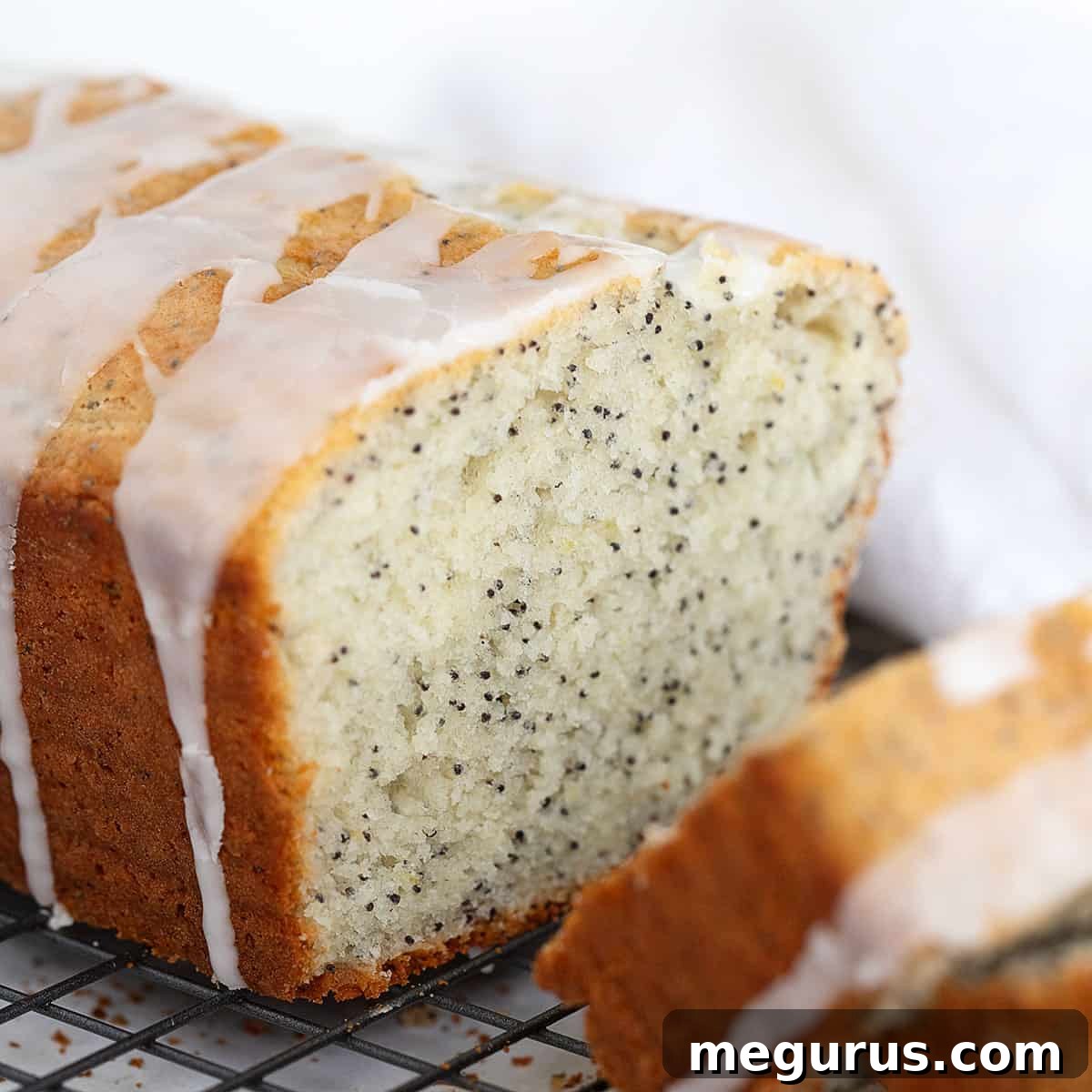
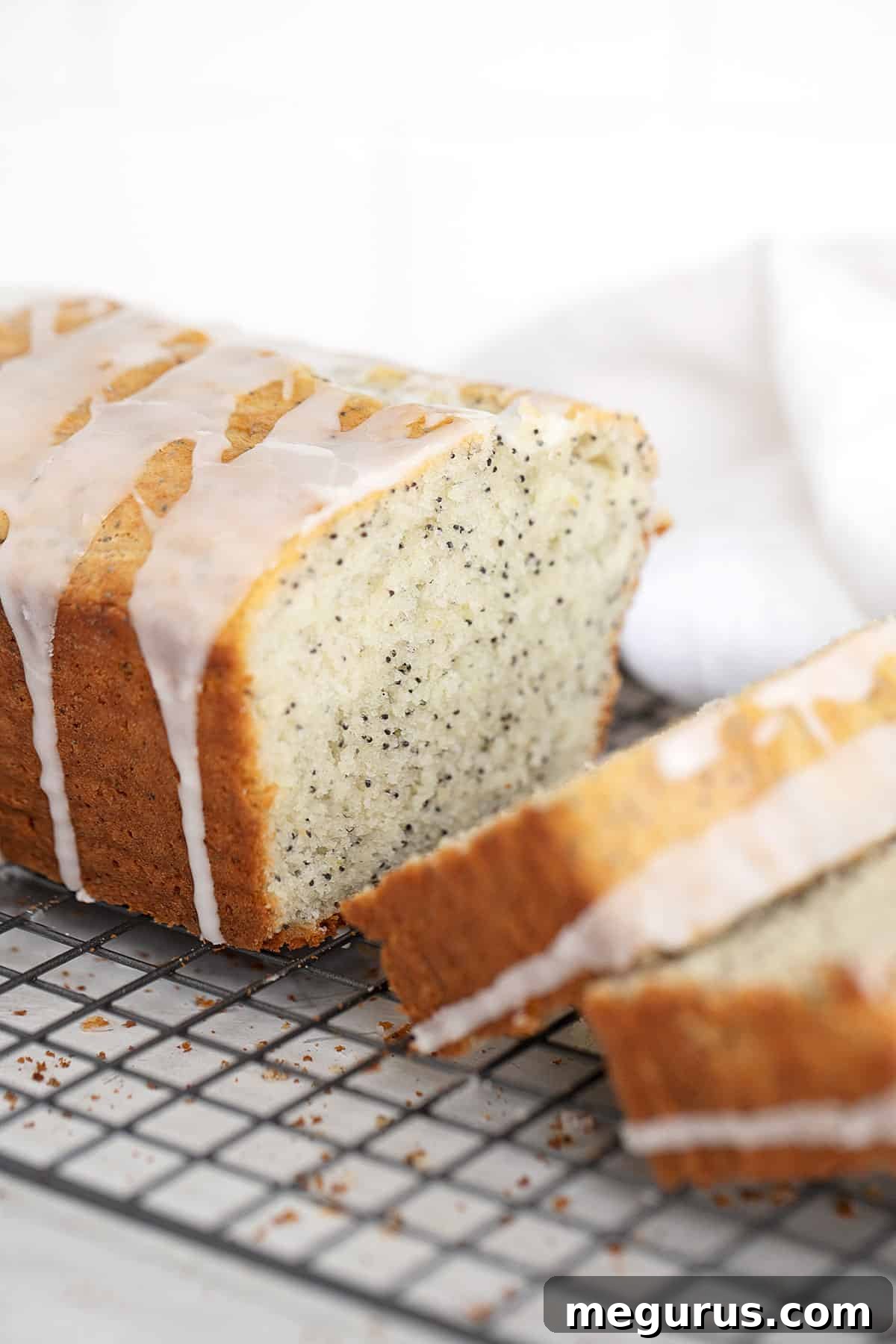
Welcome to the ultimate guide for baking a truly delightful Lemon Poppy Seed Loaf. This recipe promises a light, incredibly moist, and wonderfully tender loaf, enriched with the bright zest of fresh lemons and the subtle, delightful crunch of poppy seeds. Made with creamy Greek yogurt, it boasts a tender, muffin-like texture that’s less dense than a traditional pound cake, making it absolutely perfect for snacking any time of day. Crowned with a vibrant, sweet-tart lemon glaze, this loaf is a burst of sunshine in every bite, ideal for breakfast, brunch, or a comforting afternoon treat with a cup of coffee or tea.
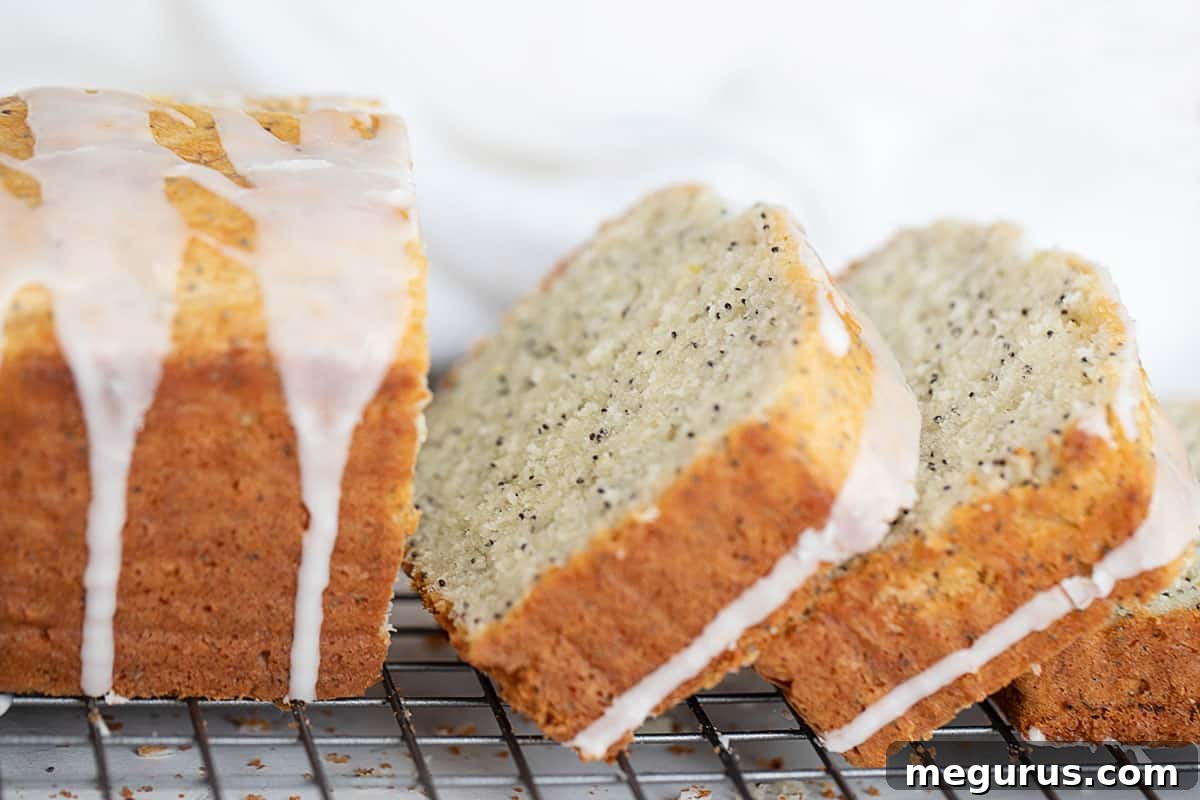
The Ultimate Moist and Zesty Lemon Poppy Seed Loaf with Lemon Glaze
Why This Lemon Poppy Seed Loaf Will Become Your New Favorite
Prepare to be completely enchanted by this lemon poppy seed loaf, a recipe meticulously crafted to deliver the perfect balance of vibrant lemon flavor and an exquisitely light, tender texture. The secret to its remarkable moistness and delicate crumb lies in the thoughtful inclusion of Greek yogurt. Unlike heavier, denser pound cakes, this loaf offers a wonderfully soft, muffin-like consistency that makes it an absolute joy to eat, whether you’re starting your day or indulging in a mid-afternoon pick-me-up. Its appealing texture and bright flavor make it an excellent choice for a satisfying snack that feels both wholesome and indulgent.
Beyond its delightful texture, the loaf offers an exceptional depth of lemon taste, further amplified by an optional yet highly recommended sweet-tart lemon glaze. This simple glaze adds an extra layer of zesty brightness and a beautiful sheen that truly elevates the entire experience, making each slice a delightful treat for the senses. However, if you prefer a simpler, less sweet option, this loaf is equally delicious unglazed, allowing the natural lemon and poppy seed flavors to shine through. One of its many charms is its incredible versatility and convenience; it keeps beautifully at room temperature for several days, allowing you to enjoy fresh slices over an extended period. For longer storage, it freezes wonderfully for up to two months, ready to be thawed and savored whenever a craving strikes, ensuring you always have a taste of sunshine on hand.
Essential Ingredients for Your Perfect Lemon Poppy Seed Loaf
Crafting this exquisite lemon poppy seed loaf begins with selecting the right ingredients and understanding their role. Here’s a closer look at what you’ll need and some valuable tips for substitutions to ensure your loaf turns out perfectly moist and flavorful every time.
Fresh Lemons: The Heartbeat of Bright Citrus Flavor
- Uncompromising Freshness: For an unparalleled burst of authentic citrus, fresh lemons are absolutely essential for this recipe. You will need both the finely grated zest and freshly squeezed juice to infuse the loaf with its signature bright and tangy flavor. The zest contains concentrated oils that deliver intense lemon essence without adding excessive liquid.
- Quantity Guidance: Plan on using approximately two medium-sized, ripe lemons if you intend to prepare both the loaf and the delightful lemon glaze. If you choose to opt out of the glaze, one good-sized lemon should be sufficient for the loaf batter.
- Flavor Amplification: The lemon glaze significantly boosts the overall lemon profile of the loaf. If you decide to skip the glaze, I highly recommend increasing the amount of lemon zest in the loaf batter from one teaspoon to two teaspoons to ensure a pronounced and satisfying lemon presence in every bite.
- Zesting Technique: Always zest your lemons before you cut and juice them. It’s much easier to extract the fragrant zest from a whole lemon. Use a microplane or a fine grater, being careful to only remove the yellow part of the peel, avoiding the bitter white pith underneath.
The Secret to Unrivaled Moisture: Greek Yogurt or Sour Cream
- Premium Greek Yogurt: This recipe truly thrives on the richness and creamy texture of whole milk (ideally 3% fat or higher) thick Greek yogurt. Its inherent acidity and creamy consistency contribute immensely to the loaf’s incredibly moist crumb, tender texture, and a subtle tang that perfectly complements the lemon. Higher fat Greek yogurt varieties will consistently yield the most luscious and desirable results.
- Considerations for Lower Fat Options: While I haven’t extensively tested this recipe with lower or no-fat Greek yogurt, it’s important to be aware that these products often contain a higher water content. This increased moisture can potentially affect the delicate balance of the batter, possibly resulting in a slightly less tender loaf or an altered consistency. If you must use a lower fat option, keep a close eye on your batter and adjust if needed.
- Excellent Sour Cream Substitute: Sour cream is an exceptional and readily available alternative to Greek yogurt and can be substituted on a one-to-one basis in this recipe. Both “light” (5% fat) and full-fat sour cream varieties should perform beautifully. For the richest texture and maximum moisture, I always recommend using full-fat sour cream when possible, and similar to yogurt, I have not specifically tested with no-fat sour cream.
Reliable Pantry Staples: Flour, Sugar, Butter, Eggs, Leavening Agents
- Unsalted Butter: Ensure your unsalted butter is at a true room temperature (soft but not melted) for optimal creaming with the sugar. This crucial step incorporates air, which is fundamental for achieving a light and airy texture in your finished loaf.
- Granulated White Sugar: Provides essential sweetness and, when creamed with butter, helps create that coveted light and fluffy structure within the batter.
- Whole Milk: Whole milk is recommended for its richness and should also be brought to room temperature. This ensures it incorporates smoothly into the batter without chilling the butter and causing it to seize.
- Large Egg: A large egg, also at room temperature, emulsifies far better with the other ingredients, contributing to a cohesive, smooth, and well-bound batter.
- Vanilla Extract: A splash of pure vanilla extract provides a warm, aromatic backdrop that beautifully complements the vibrant lemon, adding a layer of depth and complexity to the flavor profile.
- All-Purpose Flour: The structural foundation of our loaf. Accurate measurement is critical; always use the spoon-and-level method to avoid adding too much flour, which is a common culprit for dense, dry baked goods.
- Baking Soda & Baking Powder: These two chemical leavening agents work synergistically with the acidic components (lemon juice and yogurt) in the recipe to provide the necessary lift and contribute to the loaf’s tender, open crumb.
- Salt: A small amount of salt is indispensable for balancing the sweetness, enhancing all the other flavors, and ensuring the loaf tastes perfectly seasoned. If you opt to use salted butter, remember to reduce the added salt to just a pinch.
The Distinctive Touch: Poppy Seeds
- Poppy Seeds: These tiny, dark seeds offer a delightful visual appeal, creating speckles throughout the loaf, and provide a subtle, nutty flavor with a characteristic mild crunch. They are a signature ingredient of this classic loaf and are added towards the end of the mixing process to ensure even distribution without being crushed.
Step-by-Step Guide to Baking Your Delicious Lemon Poppy Seed Loaf
Follow these detailed instructions to ensure your lemon poppy seed loaf turns out perfectly moist, flavorful, beautifully risen, and golden brown every single time.
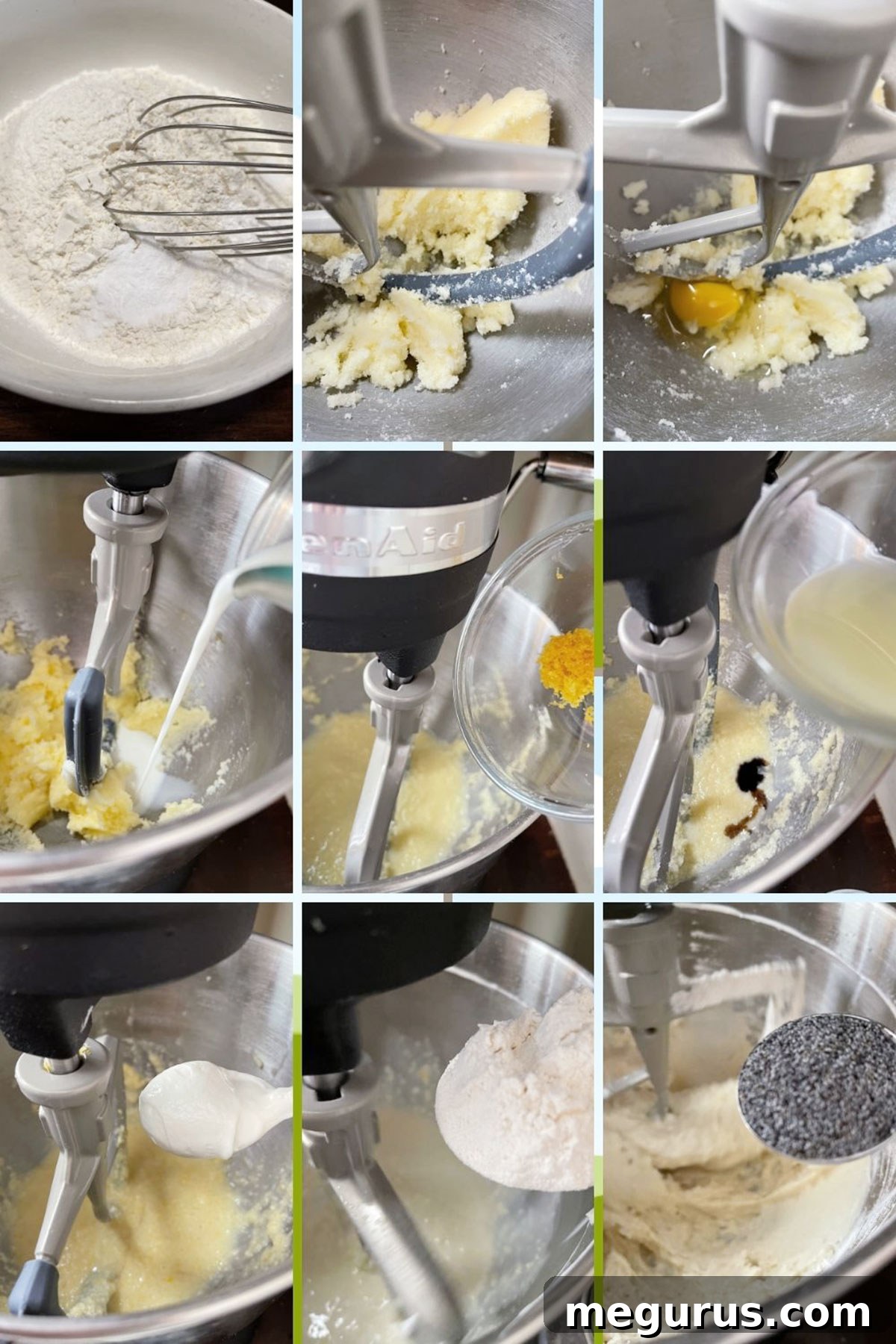
1. Thoroughly Prepare Your Ingredients and Pan
- Achieving Room Temperature: Begin by removing the butter, egg, and milk from the refrigerator well in advance of starting your baking, allowing them ample time to reach a consistent room temperature (ideally between 65-68°F or 18-20°C). This crucial step ensures that all ingredients emulsify smoothly and uniformly when combined, leading to a much more consistent and tender batter. It is important never to melt the butter or attempt to soften it in a microwave, as this will alter its structure and negatively impact the final texture of the loaf.
- Preheat Your Oven: Position an oven rack in the center of your oven and preheat it to 375°F (190°C). Make sure you are using a regular bake setting, not a fan-assisted or convection setting, unless your specific oven or recipe adjustments call for it.
- Prepare the Loaf Pan Meticulously: Generously grease either a standard 9×5-inch loaf pan or a 4×11-inch “Tea Loaf Pan” with cooking spray or baking spray. For effortless removal of the baked loaf, line the bottom and the two longer sides of the pan with a strip of parchment paper, ensuring that the parchment overhangs the edges by about 1 inch. These overhangs will serve as convenient “handles” to lift the finished loaf out of the pan. While an 8×4-inch loaf pan might be an option, it may be too small to accommodate all the batter. If this is your only choice, ensure you fill the pan only about two-thirds full to prevent any overflow during baking.
- Whisk Dry Ingredients: In a medium-sized mixing bowl, combine the all-purpose flour, baking soda, baking powder, salt, and the poppy seeds. Whisk them together thoroughly for about 30 seconds to ensure that all the leavening agents and poppy seeds are evenly distributed throughout the flour mixture. Set this bowl aside for later use.
2. Expertly Crafting the Perfect Batter
- Cream Butter and Sugar: In a large mixing bowl, using an electric mixer or the bowl of a stand mixer fitted with the paddle attachment, cream together the softened room temperature unsalted butter and the white sugar. Beat at medium speed for approximately 2-3 minutes, or until the mixture becomes visibly lightened in color, fluffy, and airy. This process incorporates air, which is fundamental for achieving a light and tender texture in your baked loaf. Remember to frequently scrape down the sides of the bowl with a rubber spatula to ensure all ingredients are thoroughly combined and no pockets of uncreamed butter or sugar remain.
- Incorporate Wet Ingredients: Add the large room temperature egg to the creamed mixture and beat it in well until fully incorporated. Next, add the room temperature milk, vanilla extract, fresh lemon zest, and lemon juice. Mix gently until these liquid ingredients are just combined. Finally, add the Greek yogurt (or sour cream) and mix on low speed until the mixture is smooth and evenly blended. Avoid overmixing at this stage.
- Gently Fold in Dry Ingredients: With your mixer set to the lowest speed, gradually add the reserved flour mixture (from Step 1) to the wet ingredients in the bowl. Mix only until the dry ingredients are just combined and no streaks of dry flour are visible. It is crucial not to overmix the batter once the flour has been added, as overworking the gluten can result in a tough, dense, and chewy loaf rather than the desired light and tender one. A few small lumps in the batter are perfectly acceptable and often indicate that the batter has been mixed just right.
3. Baking to Golden Perfection and Initial Cooling
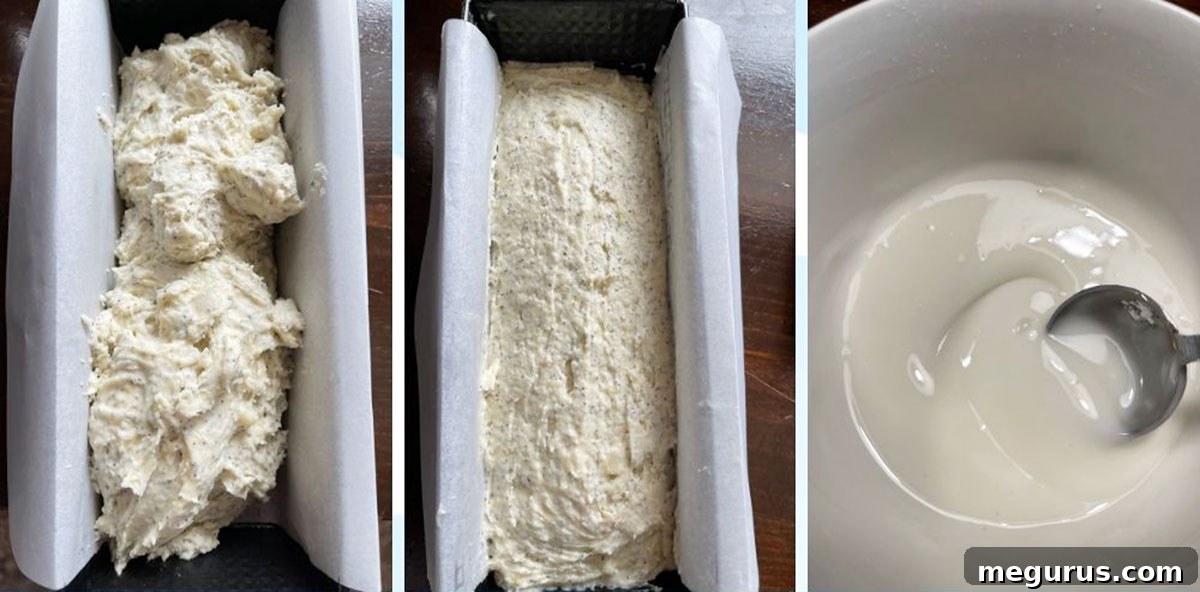
- Fill the Pan and Shape: Carefully spoon the prepared batter evenly into your greased and lined loaf pan. Gently level the top of the batter with a spatula. For a loaf that develops a beautifully mounded, domed top during baking, you can create a slight mound in the center of the batter by running your spatula around the outside edges, pushing the batter subtly towards the middle. Refer to the provided step-by-step photos for a helpful visual guide on achieving this shape.
- Bake Until Done: Transfer the filled loaf pan to the preheated oven. Bake for approximately 40-50 minutes. The loaf is perfectly done when it develops a beautiful golden-brown crust, the edges pull slightly away from the pan, and a wooden skewer or toothpick inserted into the very center of the loaf comes out clean, with no wet batter clinging to it.
- Crucial Cooling Process: Once baked, carefully remove the loaf from the oven and allow it to cool in the pan for exactly 10 minutes. This essential resting period allows the loaf to firm up and set, making it much less prone to crumbling or breaking when removed. After 10 minutes, use the parchment paper handles to gently lift the loaf out of the pan and transfer it to a wire cooling rack. Fold down the parchment paper sides (or remove it entirely if you prefer) and allow the loaf to cool completely on the rack before proceeding with the glaze. Cooling completely is paramount; if glazed while warm, the glaze will simply melt and absorb into the cake, rather than setting into a firm, appealing coating.
4. Preparing and Applying the Zesty Lemon Glaze
- Whip Up the Glaze: In a small mixing bowl, combine the icing sugar (also known as confectioners’ sugar or powdered sugar) with fresh lemon juice. Begin by adding 2 tablespoons of lemon juice and whisking thoroughly. Continue to add more lemon juice, one tablespoon at a time, stirring well after each addition, until you achieve a thin, smooth, and pourable glaze consistency that is not too watery. The ideal consistency should be thick enough to coat the back of a spoon but still drizzle easily.
- Drizzle and Serve: Once the loaf has cooled completely to room temperature, generously drizzle the prepared lemon glaze evenly over the entire top surface. You can use a spoon or a whisk to create attractive patterns. Allow the glaze to set for about 15-20 minutes at room temperature before slicing into thick, delicious pieces and serving. The sweet-tart glaze adds a beautiful, glossy finish and an extra vibrant punch of lemon flavor, making each bite truly irresistible.
Expert Baking Tips & Tricks for a Flawless Loaf Every Time
Achieving a perfect lemon poppy seed loaf is made easier with a few key baking insights and professional tricks. These tips will help you navigate common baking challenges and ensure your loaf is always moist, tender, and bursting with delightful flavor.
The Importance of Room Temperature Ingredients
- The Scientific Advantage: Using room temperature butter, eggs, and milk is not merely a suggestion; it’s a critical step for successful baking. When all ingredients are at the same temperature, they combine much more smoothly and efficiently. This creates a homogeneous, well-emulsified batter that can trap air effectively during the creaming process. Cold ingredients, particularly butter straight from the fridge, will resist blending, resulting in a lumpy, inconsistent batter and ultimately a denser, less tender loaf.
- Efficient Preparation: To ensure your ingredients are properly tempered, plan ahead! Take your butter, eggs, and milk out of the refrigerator at least 30-60 minutes before you intend to start baking. If you’re short on time, you can cut the butter into smaller cubes to speed up softening, or place eggs (still in their shell) in a bowl of warm (not hot) water for 5-10 minutes.
Selecting the Right Loaf Pan Size
- Recommended Dimensions: This recipe is optimally designed for a standard 9×5-inch loaf pan, or a “Tea Loaf Pan,” which typically measures around 4×11-inches. Both sizes work wonderfully, with the latter yielding a slightly longer, narrower loaf.
- Adjusting for Smaller Pans: If an 8×4-inch loaf pan is the only option you have, exercise caution. This size might be too small to accommodate the entire volume of batter. To prevent any overflow and to ensure even baking, it’s best to fill the pan only about two-thirds full. You might have a small amount of leftover batter, which can be baked into a couple of delightful muffins or a mini individual loaf.
- Pan Material Matters: The material and color of your loaf pan can influence baking. Light-colored metal pans tend to bake more evenly and prevent excessive browning compared to dark-colored pans, which can sometimes cause the outside of the loaf to overcook before the interior is fully baked.
Expertly Preventing a Curdled Batter
- Understanding the Phenomenon: Occasionally, when you add an egg to the creamed butter and sugar mixture, the batter can appear to curdle or separate into a slightly lumpy consistency. This common occurrence is most often attributed to a significant temperature disparity between the butter mixture and the egg.
- Simple Solutions: The easiest and most effective way to prevent curdling is by strictly adhering to the “room temperature ingredients” rule for your eggs. However, if curdling still happens, there’s no need to worry! It’s easily fixable. Simply add a tablespoon or two of your dry flour mixture (from the whisked dry ingredients) to the bowl and mix it in briefly. The flour acts as a stabilizer, helping to re-emulsify the mixture and bring your batter back to a smooth, cohesive state before you proceed with adding the remaining dry ingredients.
The Critical Rule: Do Not Overmix!
- The Golden Principle of Baking: Once you introduce the dry ingredients to the wet mixture, the golden rule is to mix only until they are just combined and no visible streaks of flour remain. Overmixing is one of the most common mistakes in baking and rapidly develops the gluten in the flour. This excessive gluten development can result in a tough, dense, and unpleasantly chewy loaf, completely sacrificing the light and tender texture we aim for. A few small lumps in the batter are perfectly acceptable and are often a sign of a properly mixed batter.
- Strategic Poppy Seed Addition: To ensure the poppy seeds are evenly distributed without overworking the delicate batter, add them towards the very end of the mixing process, giving them just a brief and gentle mix (no more than 5-10 seconds on medium speed) to incorporate.
Accurately Testing for Doneness
- Key Visual Indicators: A perfectly baked loaf will have a beautiful, uniform golden-brown crust. The top should appear set and slightly mounded, and the edges of the loaf will often begin to pull away slightly from the sides of the pan.
- The Reliable Toothpick Test: The most dependable method to confirm your loaf is fully baked through is the toothpick or wooden skewer test. Insert a clean wooden skewer or toothpick into the very center of the loaf. If it comes out completely clean or with only a few moist crumbs clinging to it, your loaf is done. If the toothpick comes out with wet batter, return the loaf to the oven and continue baking in 5-minute increments, checking each time, until it passes the test.
Making Ahead, Storing, and Freezing Your Lemon Poppy Seed Loaf
This lemon poppy seed loaf is not only incredibly delicious but also exceptionally convenient for make-ahead preparations and storage, ensuring you can enjoy its fresh, zesty taste whenever the mood strikes.
- Optimal Room Temperature Storage: For immediate enjoyment and to maintain its peak freshness, this loaf keeps exceptionally well when stored at room temperature for 2-3 days. To best preserve its moisture and tender crumb, ensure you wrap the cut end tightly with plastic wrap after each serving, or place the entire cooled loaf in an airtight container. This protective barrier is crucial in preventing the loaf from drying out and helps retain its delightful texture.
- Effortless Freezing for Future Enjoyment: This loaf freezes beautifully, making it an excellent option for proactive meal preparation, unexpected guests, or simply for satisfying sudden cravings. For the absolute best results and aesthetic appeal, I highly recommend waiting to apply the vibrant lemon glaze until after you have fully thawed the frozen loaf. The delicate glaze can sometimes become damp, sticky, or slightly less attractive during the freeze-thaw process, affecting its pristine appearance and texture.
- Detailed Freezing Instructions:
- Ensure the loaf is completely cooled to room temperature before any attempt to freeze it. This prevents condensation and ice crystals from forming.
- Wrap the unglazed loaf meticulously in several layers of plastic wrap, ensuring it is sealed tightly. Follow this with an additional layer of heavy-duty aluminum foil. This dual-layer protection is vital in preventing freezer burn and preserving the loaf’s flavor and texture.
- Carefully place the well-wrapped loaf in a freezer-safe bag or an airtight container to offer an extra layer of protection from freezer odors.
- The loaf can be stored in the freezer for up to 2 months, maintaining excellent quality.
- Seamless Thawing and Re-glazing:
- To thaw the loaf, simply remove it from the freezer and transfer it to your countertop. Let it sit at room temperature for several hours or preferably overnight, still wrapped in its plastic and foil, until it is completely defrosted.
- Once fully thawed, unwrap the loaf. If desired, prepare a fresh batch of the bright lemon glaze (as per the recipe instructions) and drizzle it generously over the top for that signature sweet-tart finish. This step will restore its fresh-baked appeal and flavor.
Frequently Asked Questions About Lemon Poppy Seed Loaf
Here are answers to some common questions you might have when baking this delightful and popular lemon poppy seed loaf, ensuring your baking experience is smooth and successful.
- Can I use bottled lemon juice instead of fresh lemons? While fresh lemon juice and zest undoubtedly provide the most vibrant, authentic, and superior flavor for both the loaf and the glaze, bottled lemon juice can be used as a convenient alternative for the loaf batter if absolutely necessary. However, for the crucial lemon glaze, fresh lemon juice is highly recommended to achieve that desired bright, tangy, and fresh taste.
- Why is my lemon poppy seed loaf turning out dry? A dry loaf is a common issue often indicative of either overmixing the batter or overbaking the loaf. To prevent this, ensure you mix the dry and wet ingredients only until they are just combined, and never beyond that point. Always rely on the toothpick test for doneness rather than strictly adhering to the suggested baking time, as oven temperatures can vary. Additionally, measuring flour correctly (using the spoon-and-level method) is critical to avoid adding too much, which leads to a dry texture.
- Is it possible to add other fruits to this loaf? Absolutely! This lemon poppy seed loaf recipe serves as a fantastic base for incorporating other delicious fruits. Fresh or frozen blueberries, raspberries, or even finely chopped cranberries would make wonderful additions. Gently fold approximately 1/2 to 1 cup of your chosen fruit into the batter during the very last mixing stage to ensure they are evenly distributed without sinking to the bottom.
- What kind of poppy seeds are best for baking? Standard blue or oriental poppy seeds are the most commonly used variety for baking and will work perfectly in this recipe. To ensure the best flavor and texture, always use fresh poppy seeds. Old or stale poppy seeds can sometimes impart a slightly bitter taste.
- Can this recipe be adapted to make muffins instead of a loaf? Yes, the versatile batter from this recipe can easily be adapted to make delicious muffins. Simply line a standard muffin tin with paper liners, fill each liner about two-thirds full with batter, and bake at 375°F (190°C) for approximately 18-25 minutes, or until a toothpick inserted into the center of a muffin comes out clean.
- What if I don’t have Greek yogurt on hand? Sour cream is an excellent and readily available 1:1 substitute for Greek yogurt in this recipe. Both ingredients provide similar levels of moisture, tenderness, and a slight tangy note that enhances the flavor. For the best texture and moistness, using full-fat options for both Greek yogurt or sour cream is always recommended.
Delicious Variations & Creative Serving Suggestions
While this classic lemon poppy seed loaf is utterly perfect in its original form, its delightful base also serves as a fantastic canvas for creative variations and can be enjoyed in a multitude of ways for various occasions.
Exciting Loaf Variations:
- Orange Poppy Seed Loaf: For a different citrus twist, substitute all the lemon zest and juice with fresh orange zest and freshly squeezed orange juice. This will yield a slightly sweeter, equally delightful loaf with a vibrant orange aroma and flavor.
- Almond Poppy Seed Loaf: Enhance the nutty notes by adding 1/2 teaspoon of pure almond extract to the batter along with the vanilla extract. For an extra layer of texture and visual appeal, sprinkle a handful of sliced almonds on top of the loaf before baking.
- Berry Lemon Poppy Seed Loaf: Introduce a burst of fruitiness by gently folding in 1/2 to 1 cup of fresh or frozen berries (such as blueberries, raspberries, or huckleberries) into the batter just before pouring it into the prepared pan. If using frozen berries, do not thaw them first.
- Cream Cheese Glaze Alternative: For an even richer and tangier topping, consider a decadent cream cheese glaze instead of the simple lemon glaze. To make it, whisk together softened cream cheese, powdered sugar, a touch of milk (or lemon juice for more tang), and a hint of vanilla or lemon extract until smooth.
Versatile Serving Suggestions:
- The Perfect Breakfast or Brunch Item: A thick slice of this exquisite loaf is absolutely magnificent when paired with your morning coffee, a soothing cup of tea, or a refreshing glass of juice, making for a cheerful and flavorful start to any day.
- Ideal Afternoon Snack: This loaf is the quintessential pick-me-up, offering a satisfying and delicious treat for an afternoon break, whether you’re working or simply relaxing.
- A Simple Yet Elegant Dessert: Serve a slice of the lemon poppy seed loaf slightly warmed, accompanied by a dollop of freshly whipped cream, a scoop of premium vanilla ice cream, or a side of fresh berries for a deceptively simple yet elegant dessert option.
- Thoughtful Homemade Gifts: This beautifully baked loaf makes a truly wonderful and heartfelt homemade gift for friends, neighbors, teachers, or hosts. Wrap it charmingly in cellophane with a festive ribbon for a thoughtful and much-appreciated present.
- Elevate Your Tea Time: Enhance your traditional tea party spread or a casual afternoon tea gathering with the delicate flavors and appealing texture of this delightful loaf.
Lemon Poppy Seed Loaf Recipe
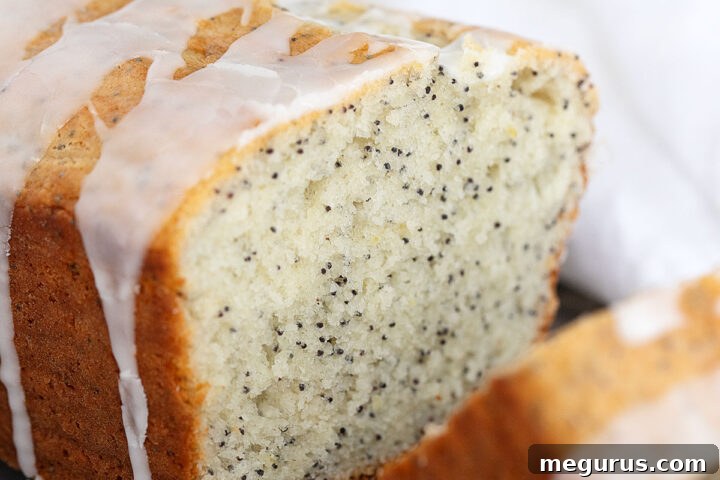
A lovely, lemon poppy seed loaf, made with yogurt and topped with a sweet-tart lemon glaze. This is a light, moist and muffin-like loaf, perfect for snacking.
Prep Time: 15 mins
Cook Time: 45 mins
Total Time: 1 hr
Yield: 12 servings
Ingredients
- 1/2 cup (113g) unsalted butter, at room temperature
- 1 cup (200g) white sugar
- 1/3 cup (80ml) milk, whole milk recommended, at room temperature
- 1 large egg, at room temperature
- 1 teaspoon vanilla extract
- 1 teaspoon lemon zest (you can increase to 2 tsp if not using the glaze)
- 3 Tablespoons (45ml) lemon juice (from about 1 large lemon)
- 1 cup (240g) plain thick Greek Yogurt, whole milk yogurt recommended, or sour cream
- 2 1/4 cups (270g) all-purpose flour, measured with the spoon and level method
- 1/2 teaspoon baking soda
- 2 teaspoons baking powder
- 1/4 teaspoon salt (*reduce to a pinch if using salted butter)
- 2 Tablespoons poppy seeds
Optional Lemon Glaze:
- 1 cup (120g) icing sugar (confectioners’ sugar)
- 2-3 Tablespoons (30-45ml) fresh lemon juice, or as needed to thin
Instructions
- Before beginning, ensure butter, egg, and milk are at room temperature (about 65-68°F/18-20°C). Do not melt butter or soften in a microwave.
- Preheat oven to 375°F (190°C) (regular bake setting, not fan-assisted) with the oven rack positioned in the center.
- Grease a 9×5-inch or 4×11-inch loaf pan with cooking spray or baking spray. Line the bottom and long sides with parchment paper, allowing a 1-inch overhang on the long sides for easy lifting. If using an 8×4-inch pan, only fill it about 2/3 full to prevent overflow.
- In a medium bowl, whisk together the flour, baking soda, baking powder, salt, and poppy seeds until well combined. Set aside.
- In a large bowl, using an electric mixer or a stand mixer with the paddle attachment, cream the room temperature butter and white sugar at medium speed for 2-3 minutes until light and fluffy. Scrape down the bowl.
- Add the egg and beat in well. Then, add the milk, vanilla extract, lemon zest, and lemon juice; mix until just combined. Finally, add the Greek yogurt and mix until smooth.
- With the mixer on low speed, gradually add the flour mixture to the wet ingredients. Mix only until just combined and no streaks of dry flour remain. Do not overmix.
- Spoon the batter evenly into the prepared loaf pan. Level the batter and, if desired, create a slight mound in the center by pushing the batter gently towards the middle with a spatula (refer to step-by-step photos above).
- Bake in the preheated oven for 40-50 minutes, or until golden brown and a wooden skewer inserted into the center comes out clean.
- Remove the loaf from the oven and let it cool in the pan for 10 minutes. Then, use the parchment paper handles to lift the loaf out and transfer it to a wire cooling rack. Allow the loaf to cool completely on the rack before glazing.
- To make the glaze, combine the icing sugar in a small bowl with 2-3 tablespoons of fresh lemon juice, adding it one tablespoon at a time and stirring well after each addition, until you achieve a thin, pourable consistency. Drizzle the glaze evenly over the completely cooled loaf.
Notes
Please refer to the detailed sections above for valuable ingredient substitution suggestions, visual step-by-step photos, and additional expert baker’s tips that will help ensure your loaf is perfect every time.
Cuisine: American, Canadian
Course: Dessert, Snack, Breakfast
Author: Jennifer Maloney
Estimated Nutrition Information (Per Serving, based on 12 servings, without optional glaze)
- Calories: 286kcal
- Carbohydrates: 47g
- Protein: 5g
- Fat: 9g
- Saturated Fat: 5g
- Polyunsaturated Fat: 1g
- Monounsaturated Fat: 2g
- Trans Fat: 1g
- Cholesterol: 37mg
- Sodium: 111mg
- Potassium: 153mg
- Fiber: 1g
- Sugar: 28g
- Vitamin A: 273IU
- Vitamin C: 3mg
- Calcium: 86mg
- Iron: 1mg
More Delicious Loaf Recipes to Love!