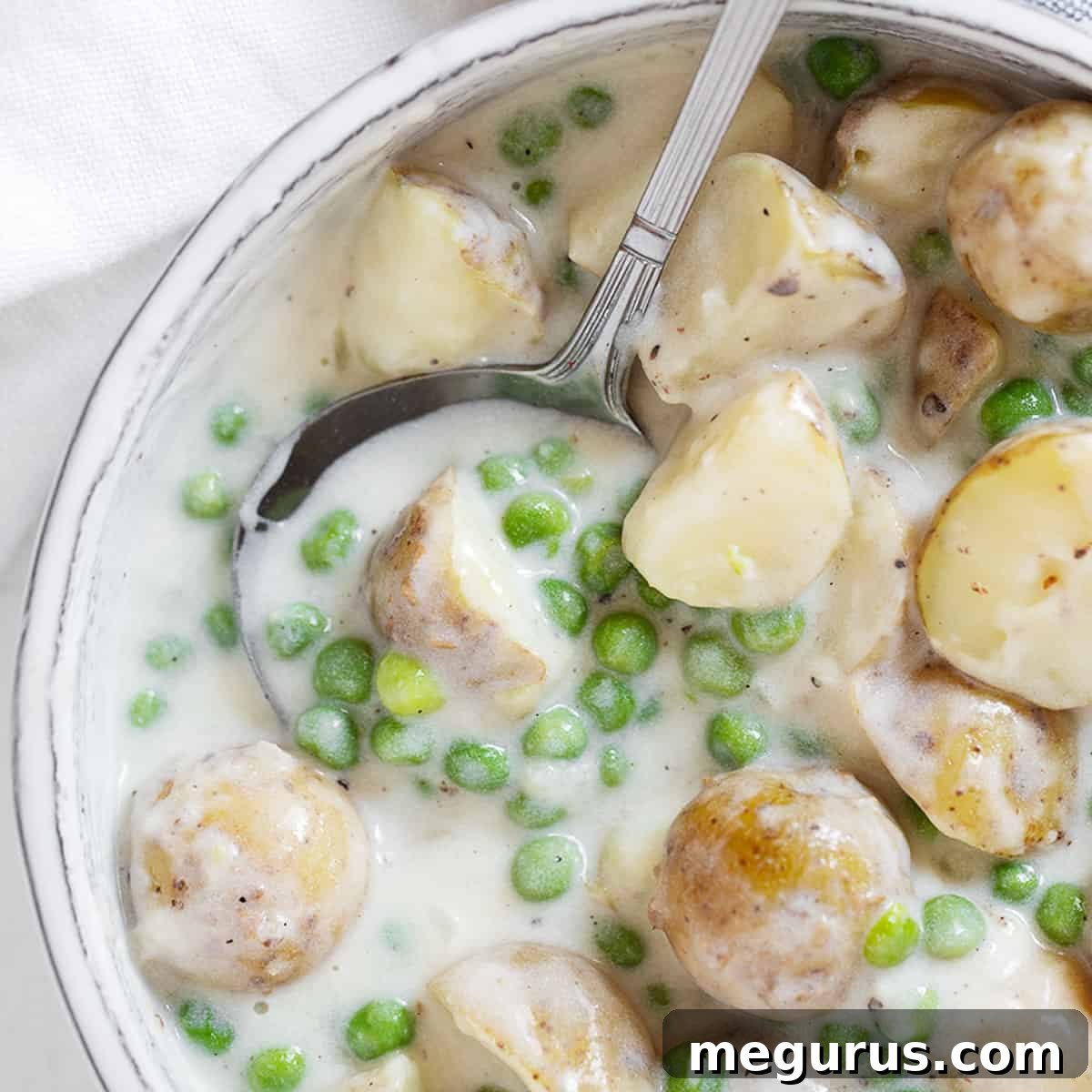
Delight in the quintessential taste of Spring with this classic Creamed Peas and Potatoes recipe, a timeless easy side dish that brings pure comfort to any meal. Whether you’re harvesting fresh garden peas and tender new potatoes from your backyard in the vibrant spring months or seeking warmth with convenient frozen peas and mini potatoes year-round, this dish offers a deliciously creamy texture without a drop of heavy cream. It’s a testament to simple ingredients coming together to create something truly special and deeply satisfying.
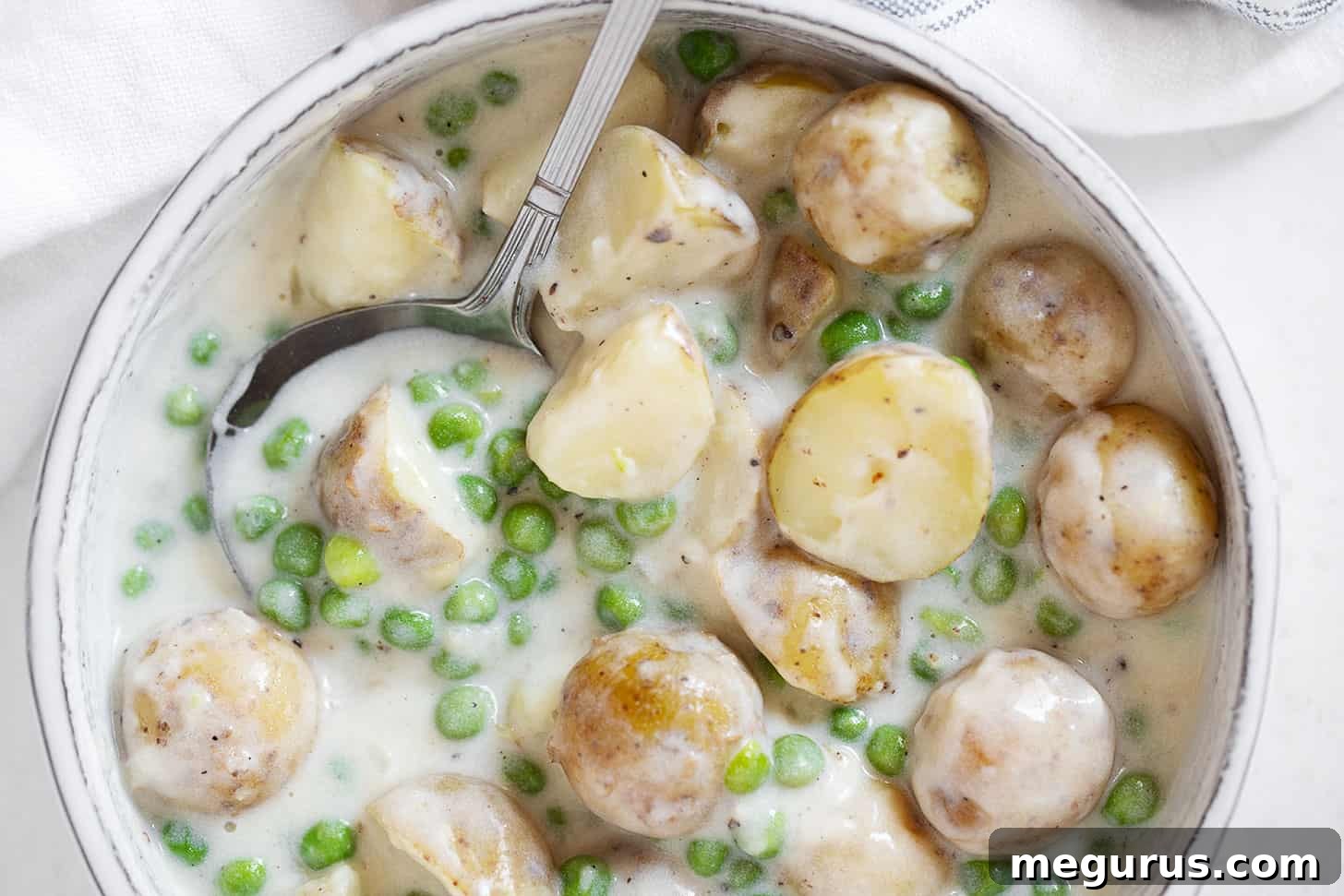
Discover the Enduring Charm of Creamed Peas and Potatoes
While not an everyday vegetable dish, Creamed Peas and Potatoes holds a special place in culinary history, particularly amongst those who appreciate the bounty of a fresh harvest. This comforting side dish was once a staple, especially for farmers and home gardeners who found their new potatoes and sweet garden peas ripening simultaneously. Its popularity waned somewhat in recent years, perhaps due to the “creamed” moniker suggesting a heavy, indulgent preparation. However, we’re here to unveil the delightful truth: this creamy peas and potatoes recipe achieves its luxurious texture using only a tablespoon of butter, a touch of flour for thickening, and a cup of milk – absolutely no actual cream required!
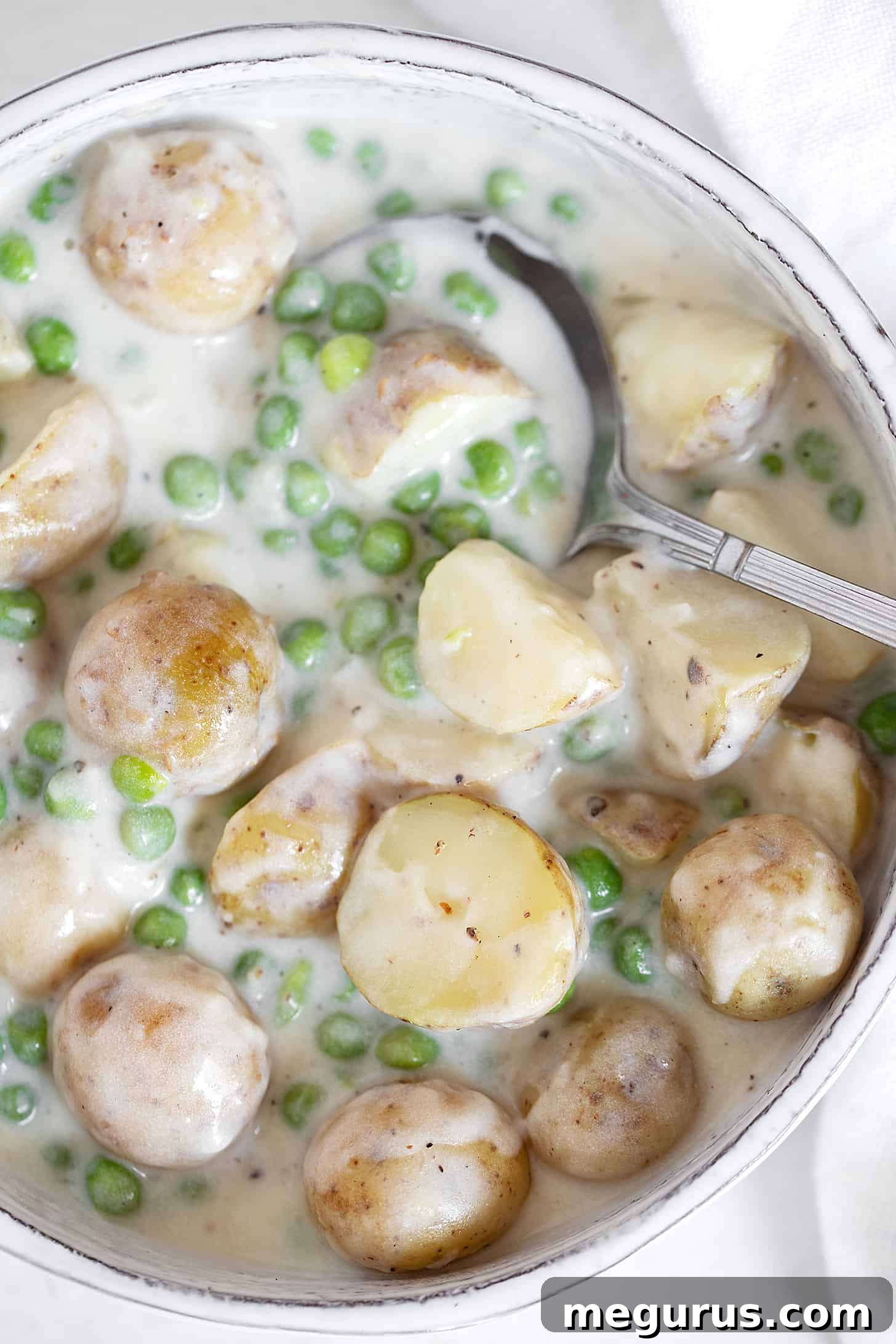
This dish masterfully transforms humble vegetables into a rich, satisfying experience. It’s the kind of homemade creamy sauce that clings perfectly to each pea and potato, offering a velvety mouthfeel that’s more about the comforting texture than an overpowering richness. It’s a beautifully simple way to celebrate the fresh flavors of the season, and it makes an exceptional addition to holiday spreads, like Thanksgiving, or any family dinner seeking a heartwarming touch.
The Secret to Irresistible Flavor: Perfect Seasoning
The true magic in this seemingly simple dish lies in generous and judicious seasoning. Salt and freshly ground black pepper are not merely additions; they are paramount to the success of Creamed Peas and Potatoes. Without them, the dish can taste flat or bland, failing to showcase the natural sweetness of the peas and the earthiness of the potatoes. Remember that many of the core ingredients don’t contribute much salt on their own, making your seasoning efforts crucial. We recommend boiling your potatoes in well-salted water from the start to infuse flavor deep within. As you build your sauce and combine the ingredients, taste frequently and adjust the seasoning as needed. Don’t be shy; a generous hand with salt will awaken every note and elevate this dish from good to absolutely unforgettable.
Key Ingredients and Smart Substitutions for Your Creamed Peas and Potatoes
Crafting the perfect Creamed Peas and Potatoes begins with selecting the right ingredients. Here’s a detailed look at what you’ll need and how to make smart substitutions:
New Potatoes: The Star of the Show
Ideally, this new potato recipe shines brightest when made with authentic new potatoes. These are simply potatoes harvested young from the garden, before they’ve had time to develop a thick skin or store for long periods. Characterized by their small size and delicate, paper-thin skin that easily rubs off, new potatoes are prized for their higher moisture content and sweeter flavor compared to mature, stored potatoes. They offer a tender bite and a subtle sweetness that truly complements the dish.
However, if genuine new potatoes are unavailable, don’t despair! You can still achieve fantastic results. Excellent alternatives include:
- Mini Red or Yellow Potatoes: These small, waxy varieties hold their shape well and offer a creamy texture when cooked. Their thin skins are often left on, adding a rustic charm and additional nutrients.
- Small Yukon Gold Potatoes: Known for their naturally buttery flavor and creamy texture, these are an excellent choice if mini potatoes aren’t available. They don’t need to be peeled for this recipe.
- Canned Whole Potatoes (in a pinch): While fresh or mini potatoes are always preferred for superior taste and texture, canned whole potatoes can be a surprisingly good option if you’re in a hurry. Ensure you drain and rinse them thoroughly to remove excess sodium and any canning liquid flavor. Their pre-cooked nature means they require less cooking time in the recipe, so add them towards the end.
Peas: Freshness or Convenience
When it comes to peas, garden-fresh peas that you’ve shelled yourself are unparalleled. Their vibrant color, crisp texture, and natural sweetness are truly a seasonal treat. If you have access to them, they will elevate this dish to an extraordinary level. Enjoying these peas is one of the ultimate joys of spring and early summer cooking.
For year-round enjoyment, or when fresh peas are out of season, high-quality frozen peas are an excellent and highly recommended alternative. Modern freezing techniques lock in their flavor and nutrients, making them a convenient and delicious choice. Simply thaw them slightly or add them directly to boiling water for a quick cook.
While canned peas exist, their texture and flavor profile are generally less appealing for this recipe compared to fresh or frozen options. If you must use them, drain and rinse them thoroughly and add them at the very end of cooking, as they are already very soft.
Milk: The Creaminess Factor (Without the Cream!)
The magic of the “creamed” texture in this dish comes from milk, not heavy cream. We recommend using 2% or 3% (whole) milk for the best balance of flavor and richness. These milk fat percentages contribute to a lovely, velvety sauce that feels indulgent without being overly heavy. You can use 1% milk for a slightly lighter version, but it may result in a thinner sauce and a less pronounced creamy taste.
For those exploring dairy-free options, unsweetened almond milk or oat milk can be used. Be aware that these alternatives may alter the flavor profile and the final sauce consistency. They generally require a bit more flour to achieve the desired thickness and will impart their own subtle nutty or earthy notes, which can still be quite delicious in a different way.
Butter and Flour: The Foundation of Flavor and Texture
A single tablespoon of salted butter serves as the starting point, not just for sautéing the onion but also for forming the roux. The flour, when cooked with the butter, creates this foundational roux, which is essential for thickening the milk into a smooth, velvety creamy sauce. This simple technique ensures a lump-free, perfectly textured sauce that coats the vegetables beautifully. Using salted butter also contributes a foundational layer of seasoning.
Onion: Aromatic Depth
Finely diced yellow or red onion is sautéed until softened, adding a subtle aromatic depth and a hint of sweetness that rounds out the savory profile of the dish. The small dice ensures that the onion melts into the sauce, enhancing the overall flavor without being overtly textural.
How to Make Creamed Peas and New Potatoes: A Step-by-Step Guide
Creating this delicious comfort food recipe is simpler than you might think. Follow these steps for a perfect batch:
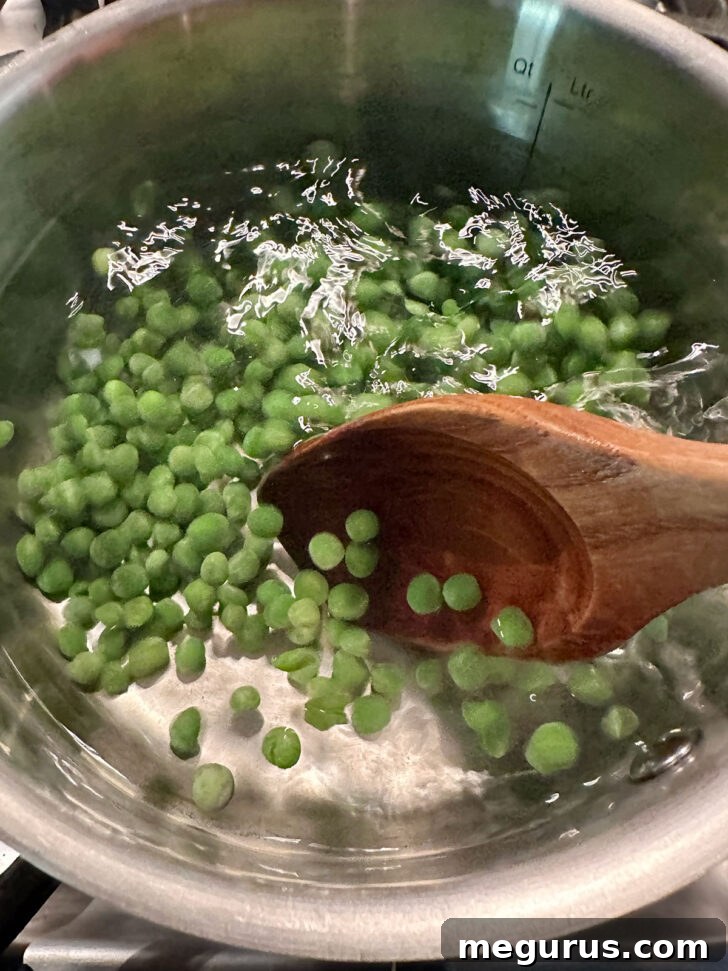
- Prepare the Peas: In a small saucepan, bring water to a rolling boil. Add your fresh or frozen peas. Cook until they are just tender and bright green, typically 3-5 minutes for fresh peas, or follow package instructions for frozen. For fresh peas, a pinch of sugar in the water can enhance their natural sweetness. Drain the peas thoroughly and set them aside. Do not overcook, as you want them to retain a slight bite.
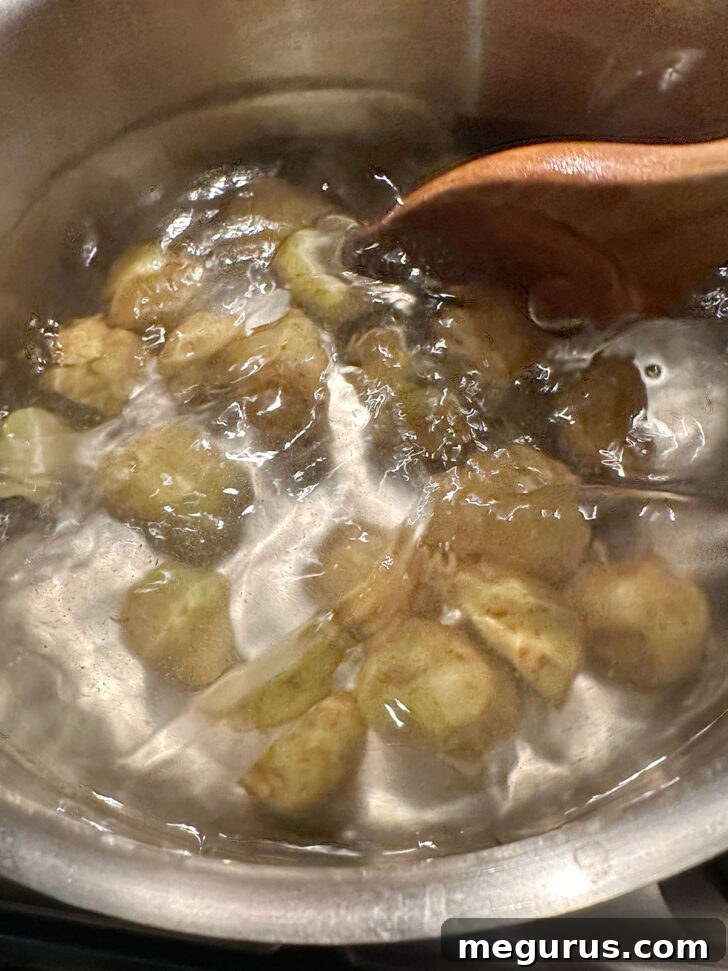
- Cook the Potatoes: Simultaneously, in a medium saucepan, bring another pot of water to a boil. Generously salt the water – this is crucial for flavoring the potatoes from within. If using new potatoes, you likely won’t need to peel them; simply scrub them clean. If your new potatoes are larger than bite-sized, cut them in half or quarter them for even cooking. Add the potatoes to the salted boiling water and cook until they are fork-tender, usually about 10-15 minutes, depending on their size. Test with a knife to ensure they are cooked through but not mushy. Drain well and set aside.
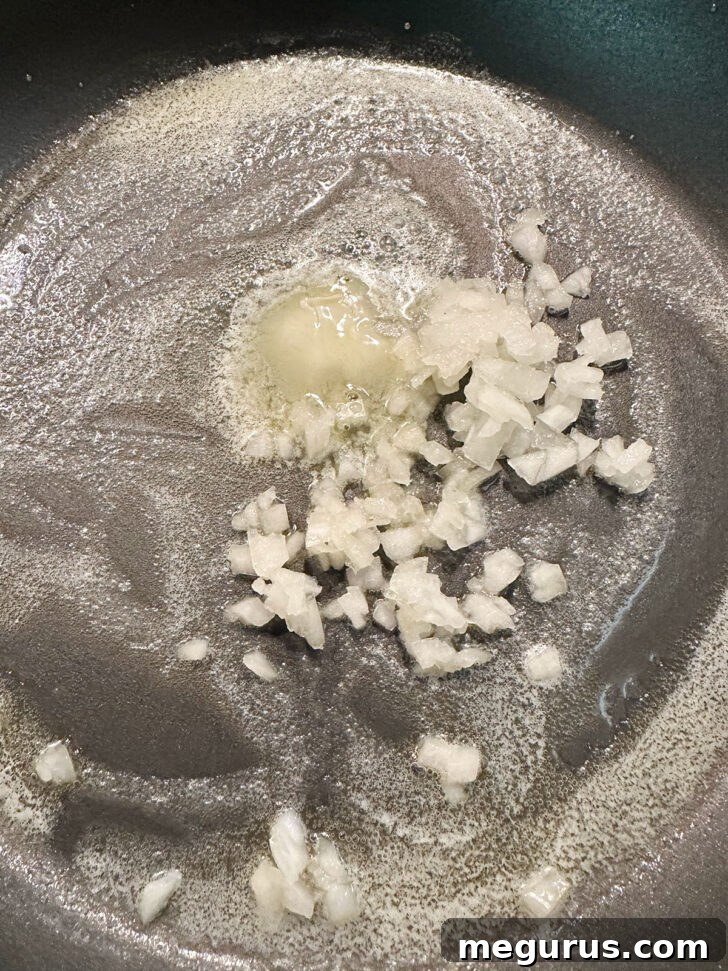
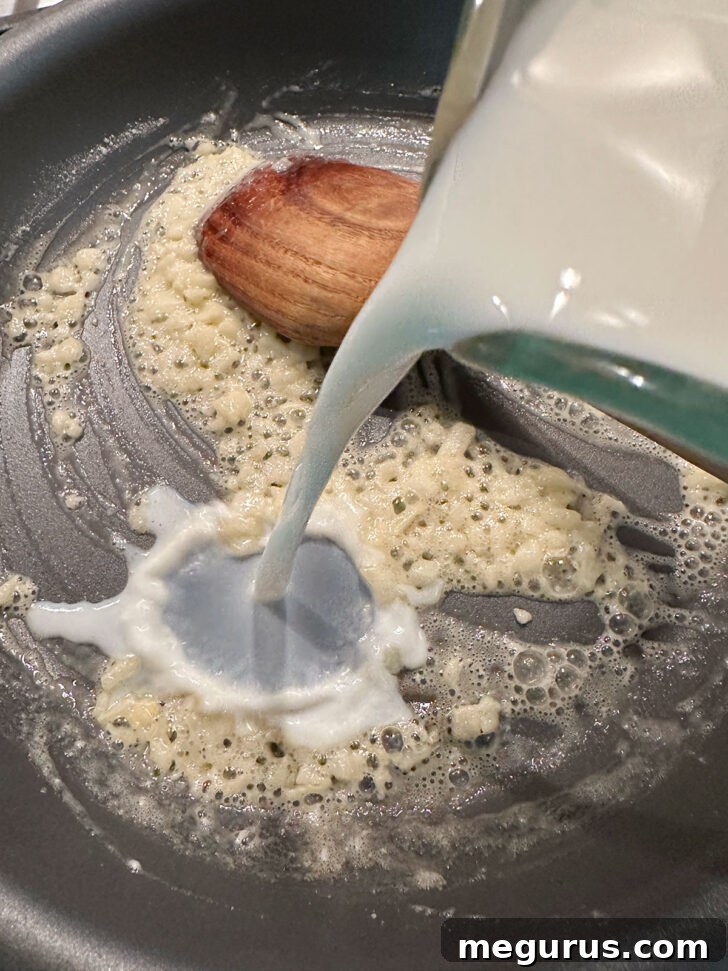
- Sauté the Onion and Form the Roux: In a large skillet or frying pan over medium heat, melt the tablespoon of salted butter. Add the finely diced onion and cook, stirring occasionally, until it has softened and turned translucent, about 3-5 minutes. Be careful not to brown the onion.
- Build the Creamy Sauce: Sprinkle the all-purpose flour over the softened onions and butter. Cook, stirring constantly, for about 1 minute. This step cooks out the raw flour taste and creates the roux. Gradually begin to pour in the milk, a little at a time, while continuously whisking or stirring. This is crucial to prevent lumps. Continue stirring until the sauce is smooth and starts to thicken. Bring the sauce to a gentle simmer.
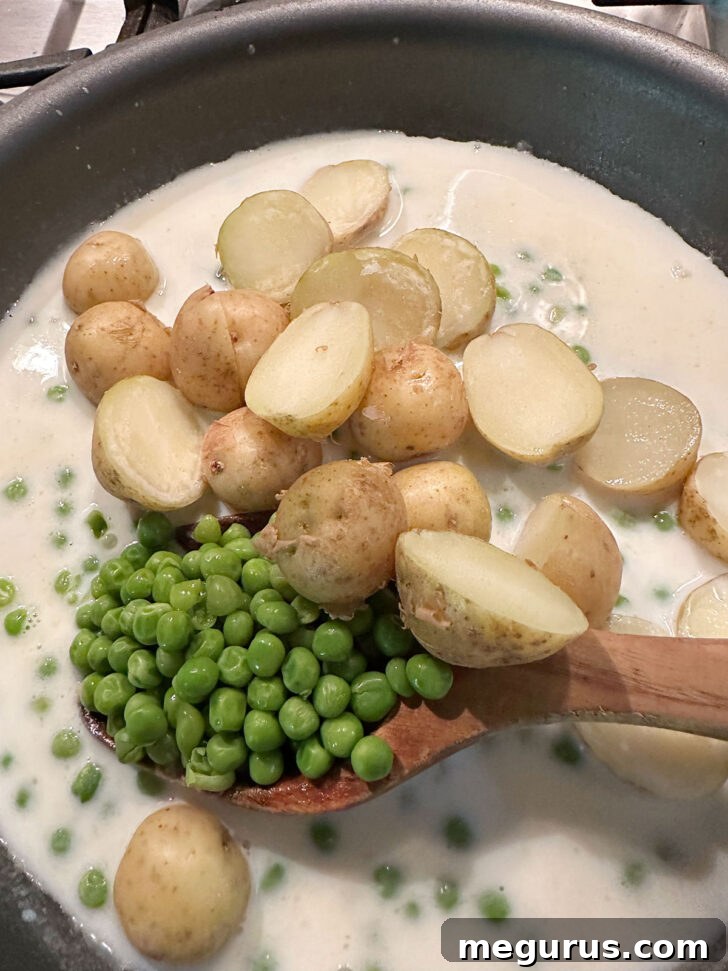
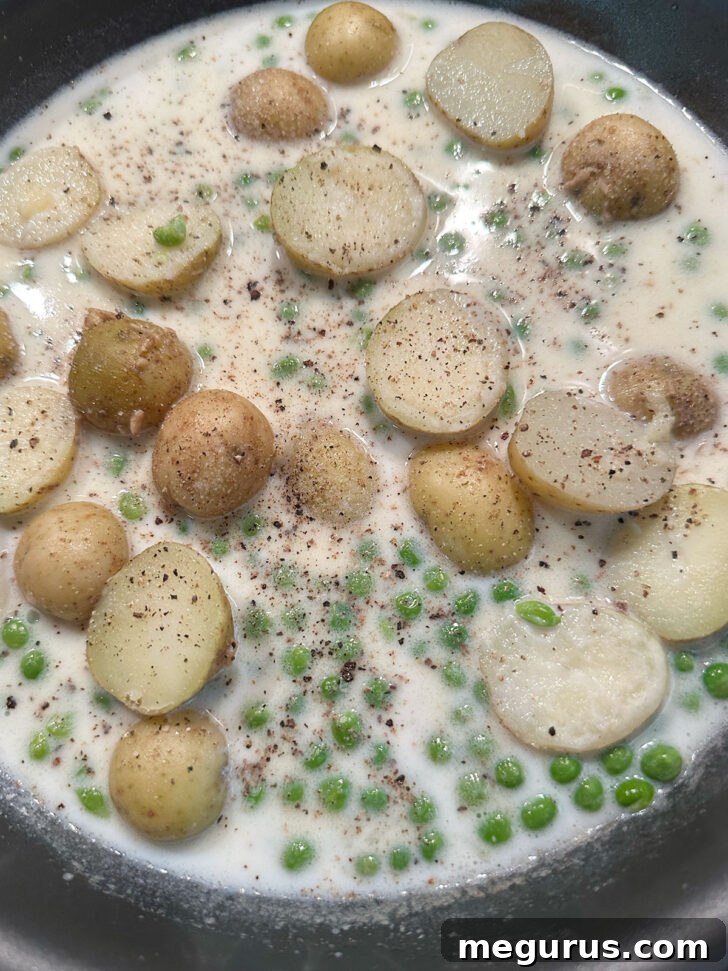
- Combine and Thicken: Gently return the drained, cooked potatoes and peas to the skillet with the creamy sauce. Stir everything together until the vegetables are well coated and heated through. Reduce the heat slightly and allow the mixture to simmer for a few more minutes, stirring, until the sauce has thickened nicely to your desired consistency. It should be rich and velvety, clinging to the vegetables.
- Final Seasoning and Serve: Taste the dish and season generously with salt and freshly ground black pepper. This is your final chance to adjust the flavor. If it tastes bland, add more salt until the flavors truly pop. Serve immediately in a warm serving dish.
Recipe Tip for Perfect Flavor!
- Don’t Underestimate Salt and Pepper: This cannot be stressed enough. Creamed Peas and Potatoes relies heavily on proper seasoning to prevent it from tasting flat. Beyond the butter, most ingredients are quite mild, so you are responsible for building the flavor. Start by salting the potato boiling water generously. Once your white sauce is made and the peas and potatoes are combined, taste frequently. If the dish tastes dull or lacks vibrancy, a little more salt is usually the answer. Use a generous hand, seasoning in small increments until the flavors are perfectly balanced and bright. Freshly ground pepper adds a wonderful aromatic kick, so don’t skip it!
Serving Suggestions and Delicious Variations
Creamed Peas and Potatoes is incredibly versatile, making it a perfect accompaniment to a wide array of main courses. Its comforting nature pairs beautifully with:
- Roasted Meats: Serve alongside a succulent roast chicken, turkey, beef, or pork loin. The creamy sauce complements rich meats perfectly.
- Simple Proteins: It’s a wonderful side for pan-seared fish, grilled chicken breasts, or even vegetarian main dishes.
- Holiday Feasts: Its classic appeal makes it an ideal addition to your Thanksgiving or Christmas dinner table, offering a lighter yet equally satisfying alternative to heavier sides.
- Hearty Weeknight Meals: Elevate a simple meatloaf or a pot roast with this easy-to-make vegetable side.
Flavorful Variations to Try:
- Fresh Herbs: Stir in finely chopped fresh parsley, chives, or dill just before serving for an extra layer of freshness and color.
- A Touch of Nutmeg: A tiny pinch of freshly grated nutmeg can enhance the creamy notes of the sauce, adding a subtle warmth.
- Crispy Bacon Bits: For a more decadent treat, sprinkle some crispy cooked bacon bits over the top before serving.
- Garlic Infusion: Add a minced garlic clove along with the onion for an aromatic boost.
- Dijon Delight: A teaspoon of Dijon mustard stirred into the sauce can add a delightful tang and depth of flavor.
Making Ahead, Storing, and Freezing
This dish is truly at its peak when served fresh, immediately after preparation, when the potatoes are tender, the peas are vibrant, and the sauce is perfectly warm and creamy. However, leftovers are still quite delicious and can be managed effectively:
- Refrigeration: Any leftover Creamed Peas and Potatoes should be stored in an airtight container in the refrigerator for up to 3-4 days.
- Reheating: To reheat, gently warm the dish on the stovetop over low to medium heat, or in the microwave. Milk-based sauces can sometimes thicken considerably upon cooling. If the sauce appears too thick or clumpy, simply stir in a splash of milk (1-2 tablespoons at a time) while reheating until it reaches your desired consistency. Be careful not to overheat, which can cause the milk to separate.
- Freezing: Unfortunately, milk-based sauces, especially those thickened with a roux, do not tend to freeze well. They often separate or become grainy upon thawing and reheating. Therefore, freezing this dish is not recommended if you want to maintain its optimal creamy texture. It’s best enjoyed fresh or from the refrigerator within a few days.
Get the Recipe: Creamed Peas and New Potatoes
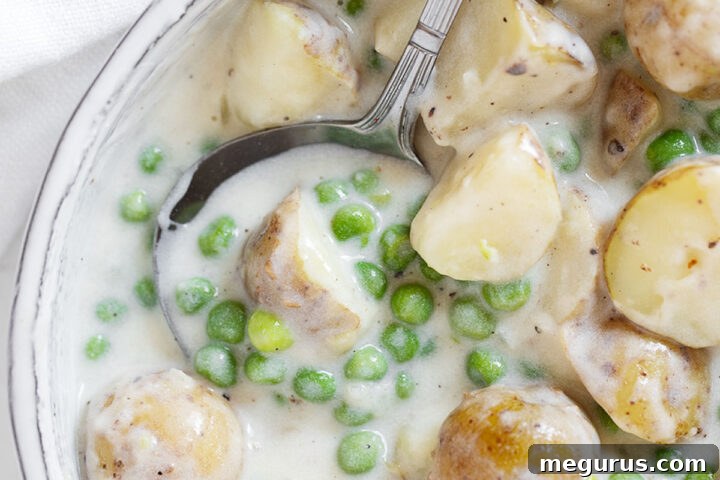
Creamed Peas and New Potatoes is a delicious, comforting vegetable side dish, perfect for celebrating fresh produce or enjoying a classic easy comfort food recipe any time of year!
Pin This
Leave a Review
Prep Time: 15 mins
Cook Time: 10 mins
Total Time: 25 mins
Yield: 4 servings
Ingredients
- 12-14 small new potatoes, or mini potatoes
- 1 cup peas, fresh or frozen
- 1 Tablespoon salted butter
- 2 Tablespoons yellow or red onion, finely diced
- 1 Tablespoon all-purpose flour
- 1 cup milk, 2 or 3% b.f. recommended
- 1/4 teaspoon salt, plus more, as needed
- Freshly ground pepper
Instructions
- Start water boiling in two medium-large saucepans on your stovetop. Add peas to boiling water. Don’t salt, but add a pinch of sugar to the water. Cook until just tender, 3-5 minutes. Drain and set aside. Unless potatoes are really tiny, cut in half or in quarters. Cook in salted boiling water until tender, about 10 minutes (Test with a knife to be sure they are cooked through). Drain and set aside.
- In a large skillet over medium heat, melt butter. Add the onion and cook, stirring, until the onion is softened. Add the flour and cook, stirring constantly, for about 1 minute. Slowly begin adding milk, stirring continuously, until well combined. Add the cooked peas and potatoes and salt and pepper. Reduce heat slightly and allow the sauce to simmer until thickened to a creamy sauce. Taste the sauce and add more salt and pepper, if needed (It should not taste flat or bland. I find I almost always need to add a bit more salt). Remove to a serving dish and serve immediately.
Notes
Be sure to read the notes above this Recipe Card for more tips on making this recipe. You’ll also find step-by-step photos that you may find helpful.
Cuisine: American, Canadian
Course: Side Dish
Author: Jennifer Maloney
Nutrition Information:
- Serving: 1 serving
- Calories: 270 kcal
- Carbohydrates: 51g
- Protein: 8g
- Fat: 3g
- Saturated Fat: 2g
- Cholesterol: 10mg
- Sodium: 545mg
- Potassium: 1134mg
- Fiber: 7g
- Sugar: 7g
- Vitamin A: 485IU
- Vitamin C: 59.4mg
- Calcium: 110mg
- Iron: 2.5mg
If you enjoyed this recipe, please leave a star rating and comment. It helps others to find it!