Prepare to fall in love with this incredible creamy vodka tomato ricotta pasta, a dish that masterfully blends the rich, tangy notes of classic vodka sauce with the unparalleled creaminess of fresh ricotta cheese. It’s truly the best of all pasta worlds, offering a sophisticated flavor profile in a remarkably short time. This isn’t just another pasta recipe; it’s a culinary experience designed for those busy weeknights when you crave something extraordinary without spending hours in the kitchen.
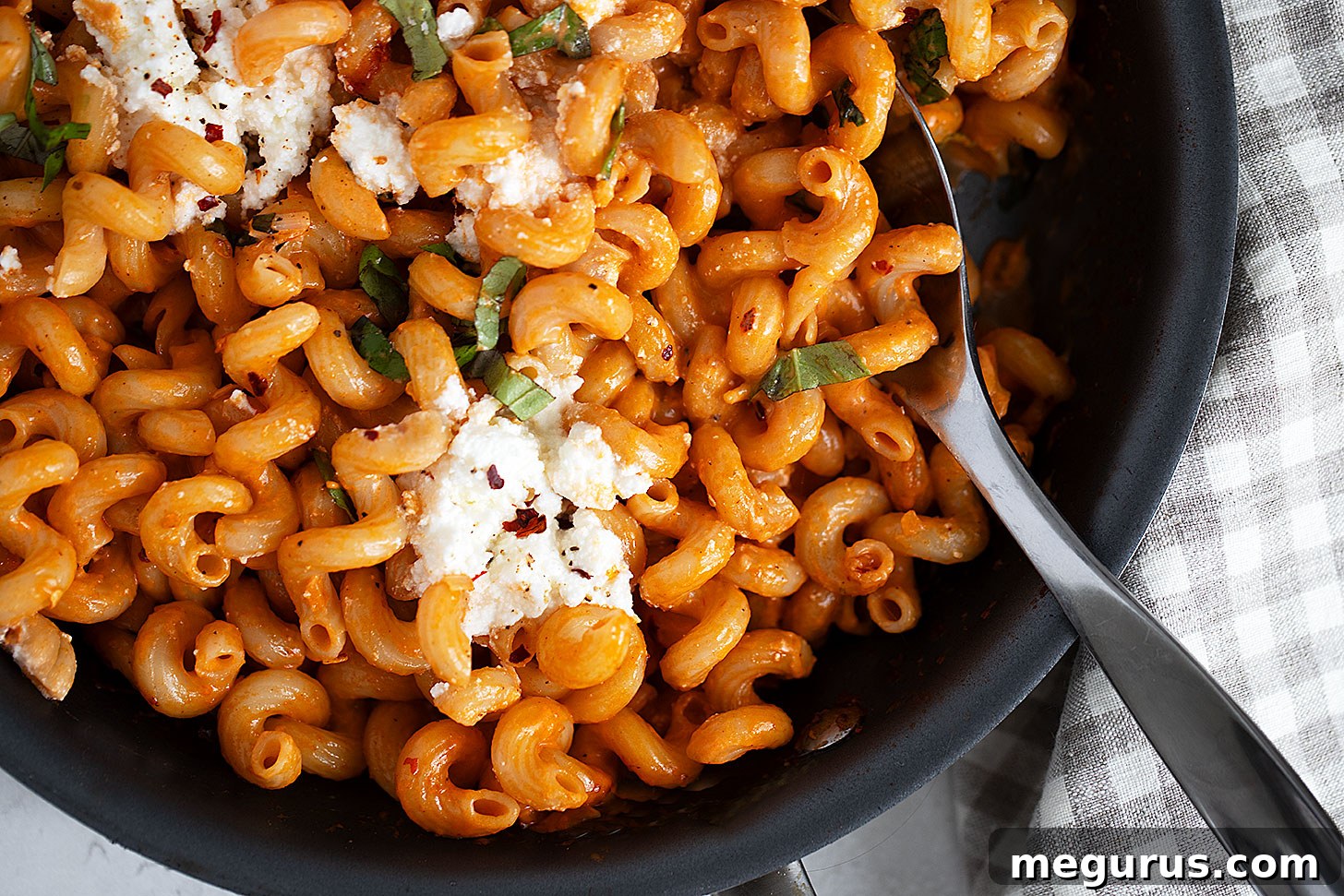
Imagine a dish that’s ready to grace your table in less than 30 minutes, yet tastes like it simmered all day. Our vodka tomato ricotta pasta delivers just that. It’s an elevated twist on traditional vodka pasta, infused with a cheesy richness from ricotta that adds an extra layer of indulgence and makes every bite irresistibly smooth. Whether you’re hosting a small dinner party or simply seeking a satisfying meal for your family, this recipe promises to become a cherished favorite.
Essential Ingredients for Your Creamy Vodka Ricotta Pasta
Crafting a truly exceptional pasta dish begins with selecting the right ingredients. For this creamy vodka tomato ricotta pasta, each component plays a vital role in building depth, texture, and flavor. Here’s a detailed look at what you’ll need to create this culinary masterpiece:
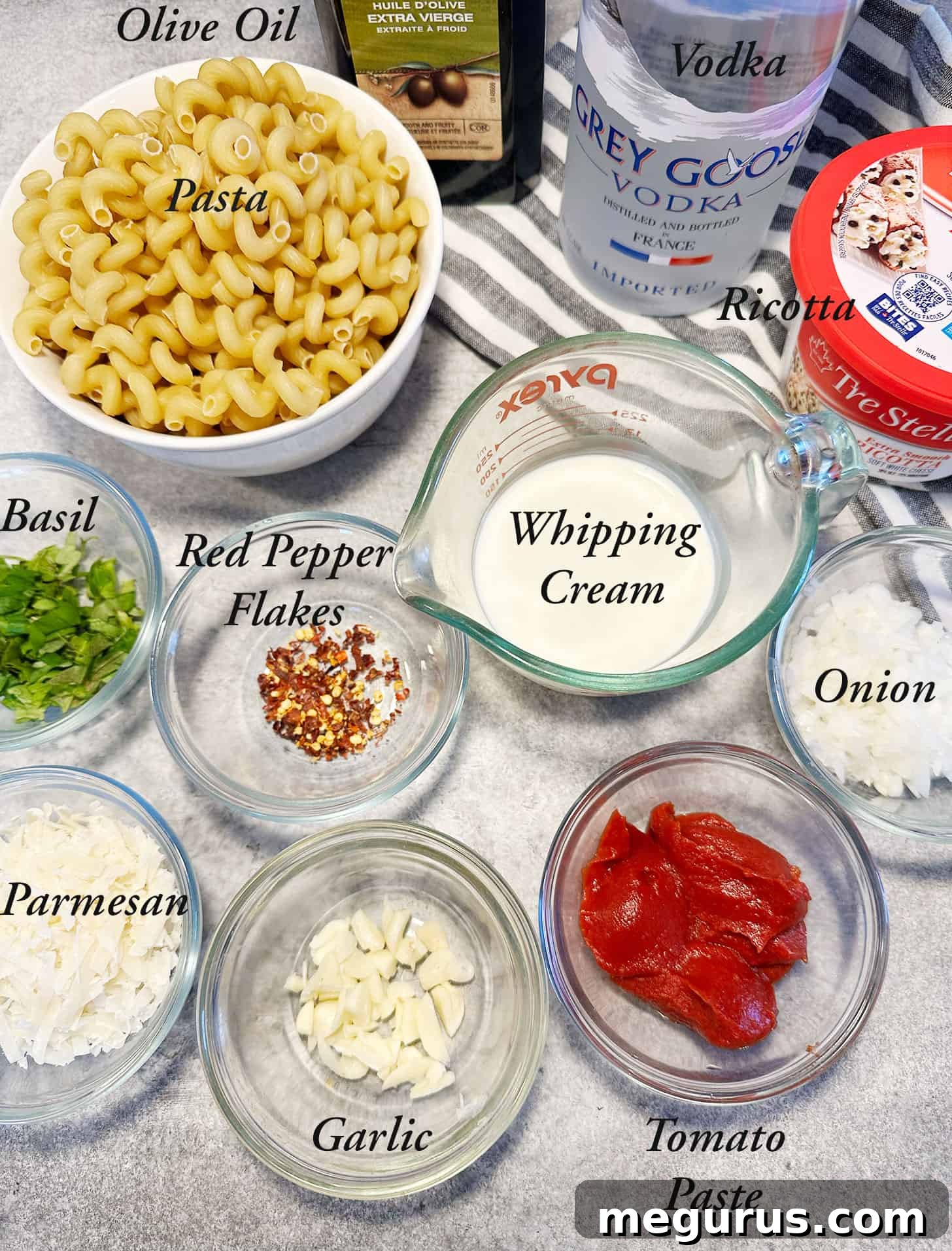
Pasta – The beauty of this recipe lies in its versatility with pasta shapes. While I’ve personally found Cavatappi to be an excellent choice due to its corkscrew shape that perfectly cradles the rich sauce, other short pasta varieties like penne, rigatoni, or even fusilli work beautifully. The key is to choose a shape with ridges or hollows that can capture every bit of the creamy, cheesy sauce, ensuring a delightful texture in every mouthful. Feel free to experiment with your favorite short pasta.
Vodka – Far from merely adding an alcoholic kick, vodka serves a crucial role in enhancing the tomato flavor in this sauce. It acts as an emulsifier, helping to bind the oil and water-based components of the sauce, resulting in a silkier, more cohesive texture. More importantly, it extracts and intensifies the inherent sweetness and umami from the tomatoes, leading to a more complex and vibrant flavor profile. While highly recommended for its unique contribution, if vodka isn’t available or preferred, you can substitute it with an equal amount of dry white wine for a similar depth, chicken broth for a savory base, or even water if you prefer to keep it entirely alcohol-free. The sauce will still be delicious, though with a slightly different nuance.
Tomato Paste – The quality and concentration of your tomato paste are paramount to the success of this dish. This humble ingredient provides the foundational tomato flavor and a beautiful deep red hue. For the absolute best results, I highly recommend using double-concentrated tomato paste, typically found in tubes. Its intense flavor means a little goes a long way, delivering a profound tomato essence to your sauce. Regular concentrated tomato paste in tubes is a good second option. In a pinch, a small can of tomato paste will suffice, but be aware that the finished sauce may have a less robust tomato flavor. Investing in a good quality tomato paste will truly elevate this dish.
Whipping Cream – To achieve that lusciously thick and undeniably creamy texture that defines a great vodka sauce, using whipping cream (typically 35% b.f. or heavy cream) is highly recommended. Its higher fat content provides exceptional richness and body, ensuring the sauce clings beautifully to the pasta. While lower-fat creams, such as 10% half-and-half cream, can be used, expect the sauce to be noticeably thinner and less decadent. For that authentic, indulgent creamy vodka pasta experience, heavy cream is the way to go.
Ricotta Cheese – The star of this particular twist on vodka pasta, ricotta cheese introduces an incredible creaminess and a delicate, milky flavor that balances the tang of the tomatoes. Any good quality ricotta cheese will work wonders here. To further enhance its flavor and prevent it from being bland, I like to season the ricotta cheese with a pinch of salt and freshly ground black pepper before adding it to the pasta. For an even richer texture, consider using whole-milk ricotta.
Fresh Basil – There’s simply no substitute for the bright, aromatic, and slightly peppery notes of fresh basil in pasta dishes. It provides a burst of freshness that beautifully complements the rich sauce. If fresh basil is available, it’s always the preferred choice for garnish and integration into the final dish. However, if fresh isn’t an option, a smaller amount of dried basil (typically one-third the amount of fresh) can be used during the cooking process to infuse a subtle herbaceous background.
Red Pepper Flakes – Also known as crushed chili flakes, these are responsible for imparting a delightful, subtle warmth and a gentle spicy kick to the dish. The amount you add is entirely customizable to your personal preference. Start with a smaller quantity and add more if you desire a spicier pasta. They add an exciting dimension to the overall flavor profile without overpowering the other delicate ingredients.
Other Essentials – Don’t forget the foundational elements! You’ll need high-quality olive oil for sautéing, a medium yellow onion for sweetness, several cloves of garlic for aromatic depth, and, of course, salt and freshly ground black pepper to season every layer of the dish. A good helping of grated Parmesan cheese will also be stirred into the sauce for an extra layer of savory, salty goodness.
Crafting Your Delicious Vodka Tomato Ricotta Pasta: Step-by-Step Instructions
Follow these detailed steps to create a show-stopping creamy vodka tomato ricotta pasta that will impress everyone at your table. We’ve included visual cues to guide you through each stage of the cooking process.
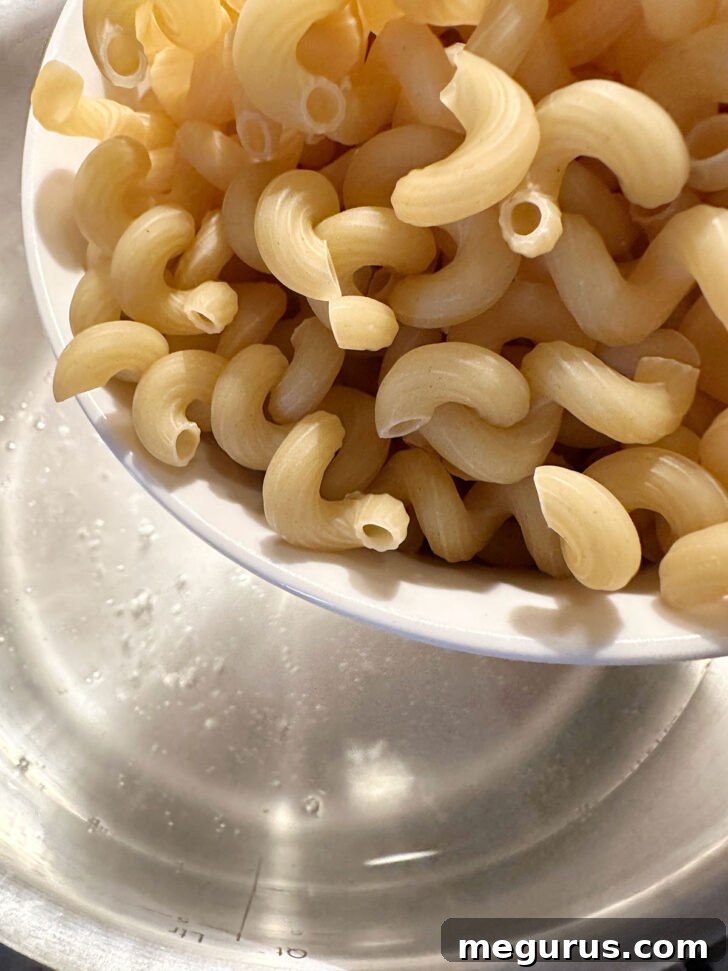
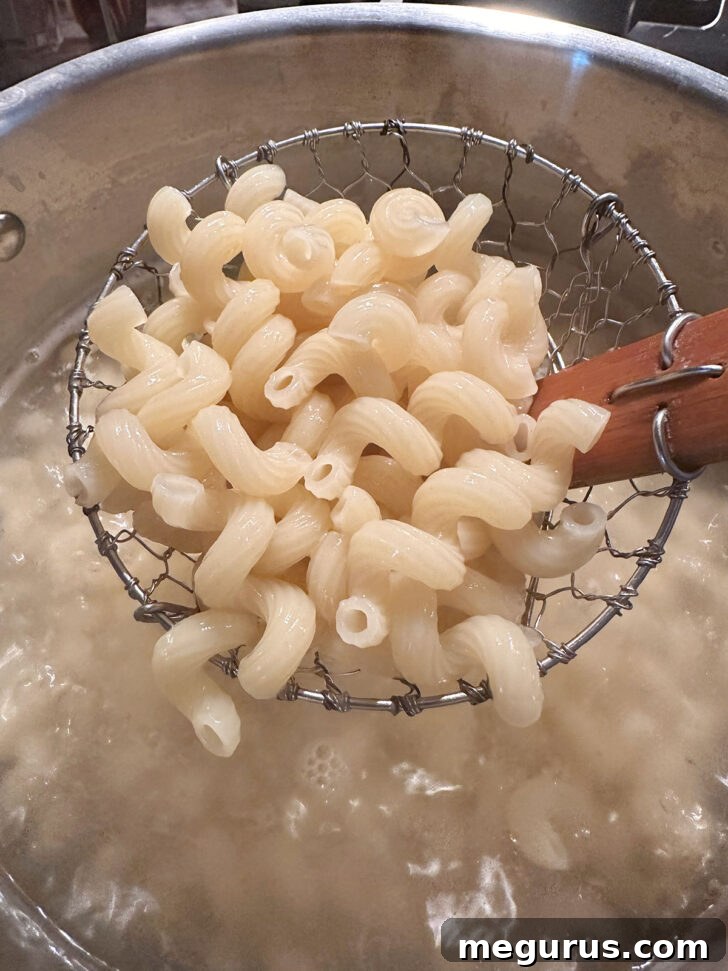
- Begin by bringing a large pot of water to a rolling boil. Once boiling, generously salt the water until it tastes like the sea – this is crucial for flavoring your pasta from within. Add your chosen short pasta to the boiling water and cook according to the package instructions, aiming for a perfect al dente texture.
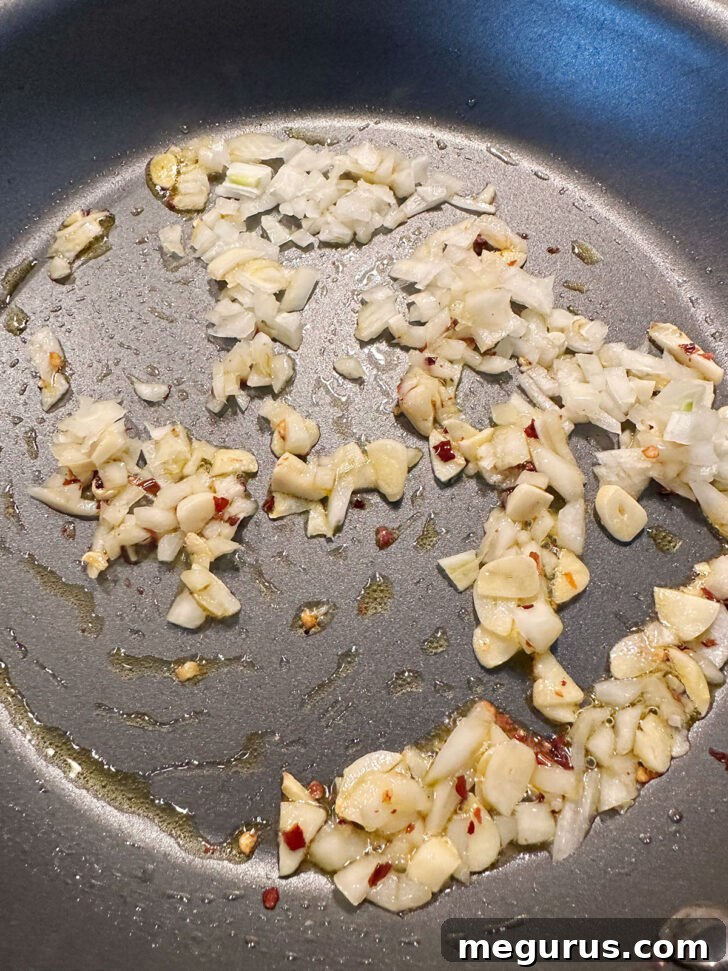
- While the pasta cooks, heat a tablespoon of olive oil in a large skillet or Dutch oven over medium heat. Stir in the red pepper flakes and chopped garlic, cooking briefly for about 30 seconds until fragrant, being careful not to burn the garlic. Add the finely chopped yellow onion, season generously with salt and black pepper, and cook, stirring occasionally, until the onion becomes translucent and softened, which usually takes around 5 minutes. If the pan appears dry, add a touch more olive oil.
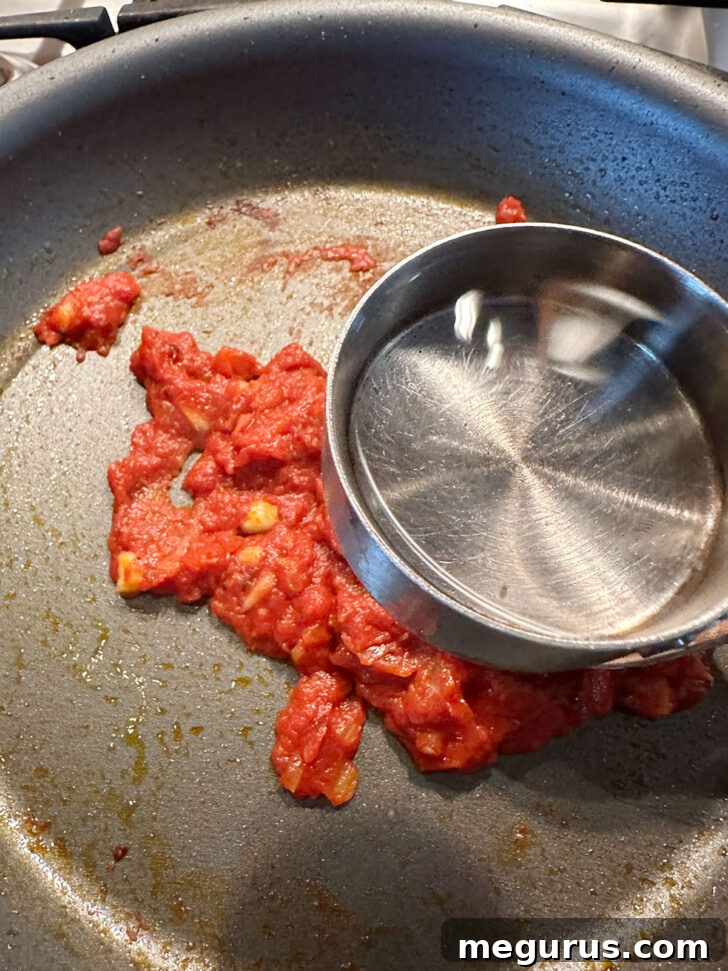
- Next, add the tomato paste to the skillet. Cook, stirring constantly for about 3 minutes, until the paste deepens in color slightly, becoming a rich, brick-red hue. This step, known as “cooking out” the tomato paste, develops its sweetness and complex flavors. Increase the heat to medium-high, then pour in the vodka. Allow it to cook off for approximately 1 minute, stirring continuously to deglaze the pan and ensure the alcohol evaporates, leaving behind only its flavor-enhancing qualities. Reduce the heat slightly and continue to stir until the sauce begins to reduce and thicken, about 2 more minutes.
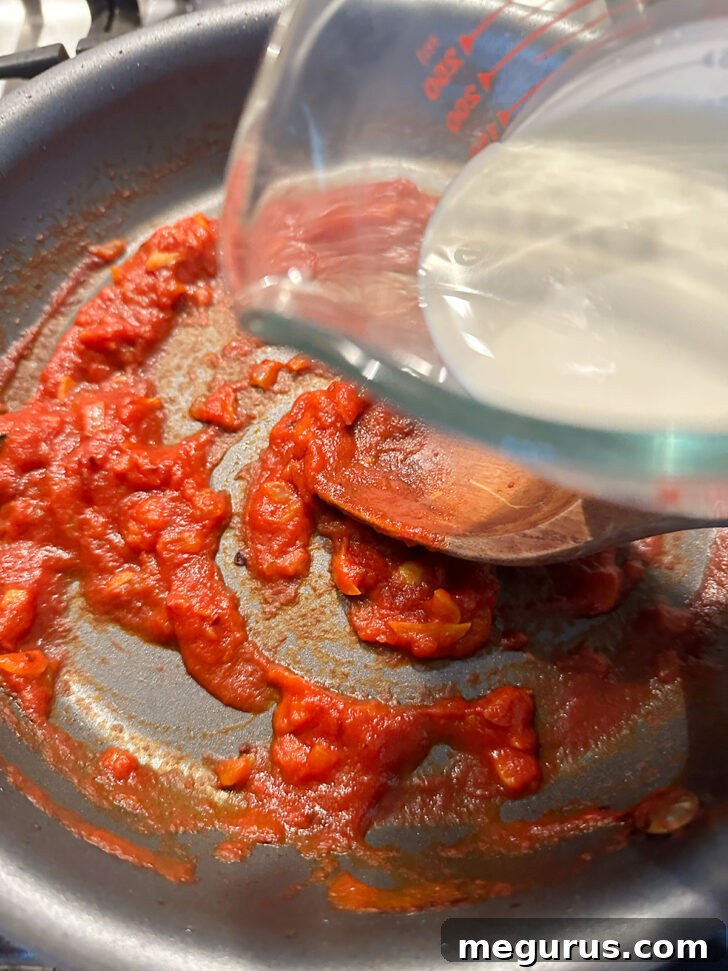
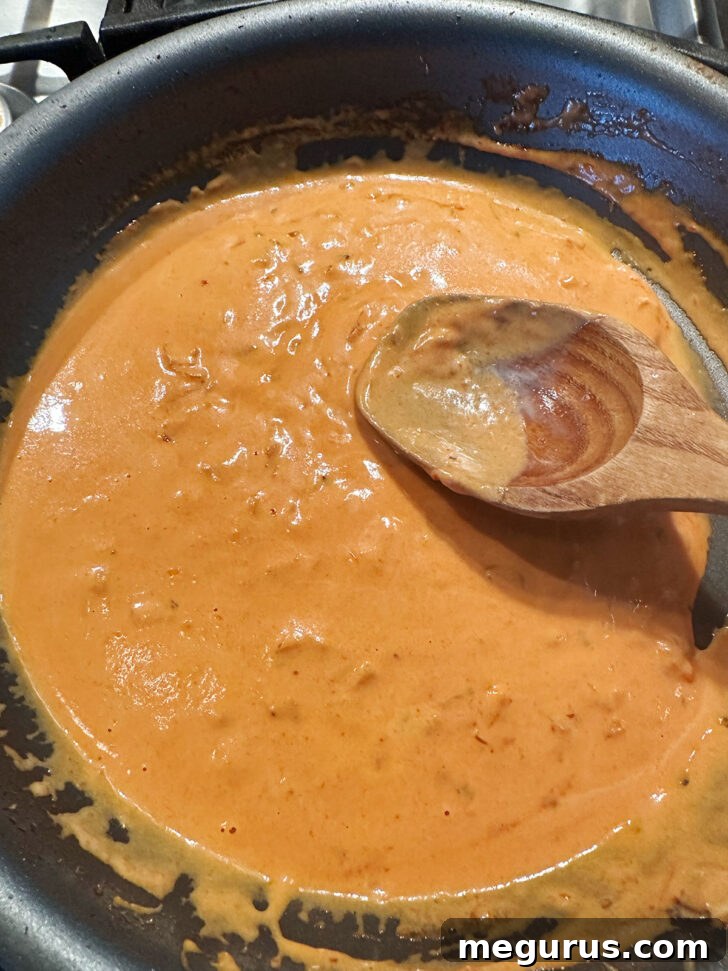
- Pour the heavy whipping cream into the skillet with the tomato mixture. Stir well to combine, bringing the sauce to a gentle simmer. Once simmering, reduce the heat to low and keep the sauce warm while you await the pasta’s readiness.
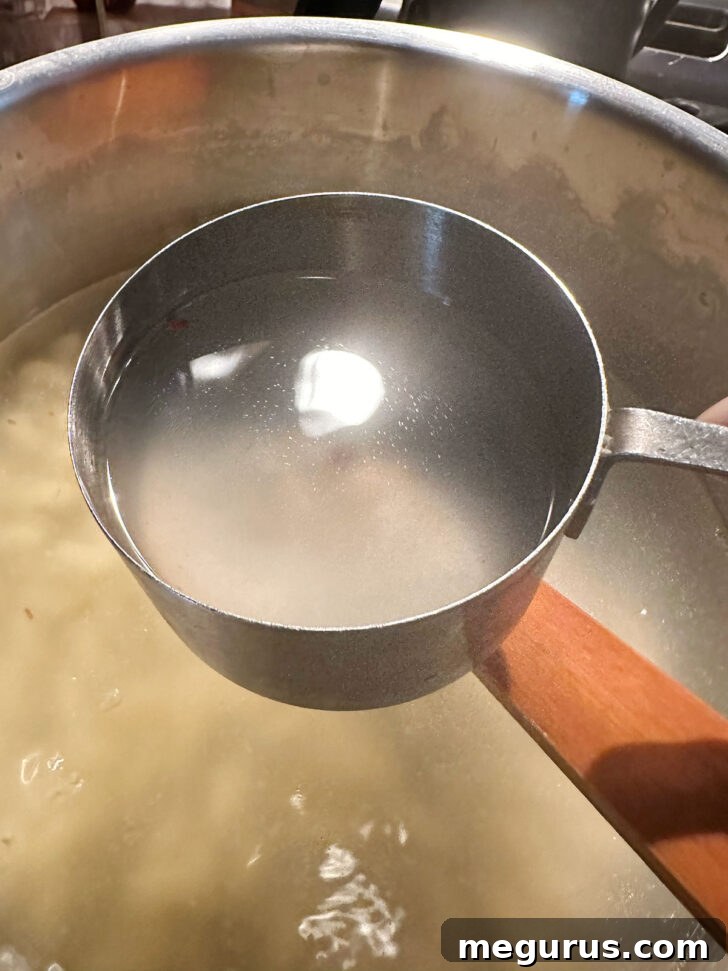
- Just before draining your pasta, remember to scoop out at least 2 cups of the starchy pasta cooking water. This liquid is a secret weapon, rich in starch that will help emulsify and bind the sauce to your pasta, creating an incredibly creamy and cohesive dish. Use a spider strainer or large slotted spoon to transfer the cooked pasta directly from the boiling water into the skillet with the prepared sauce. Don’t worry if a little pasta water comes along for the ride; it will only contribute to the sauce’s texture.
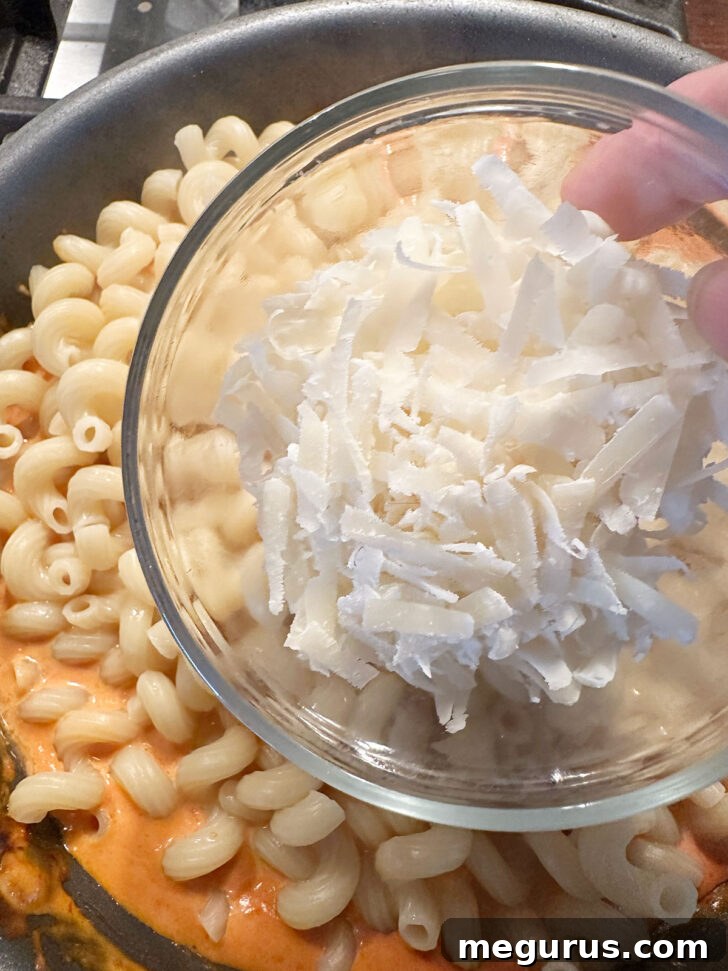
- Add 1 cup of the reserved pasta cooking water and the shredded Parmesan cheese to the skillet with the pasta and sauce.
- Cook over medium-high heat, stirring continuously, for about 3 minutes. This allows the pasta to finish cooking in the flavorful sauce and absorb its deliciousness, while the sauce thickens and beautifully coats each noodle. If the sauce appears too thick or dry, gradually add more of the reserved pasta water until it reaches your desired consistency.
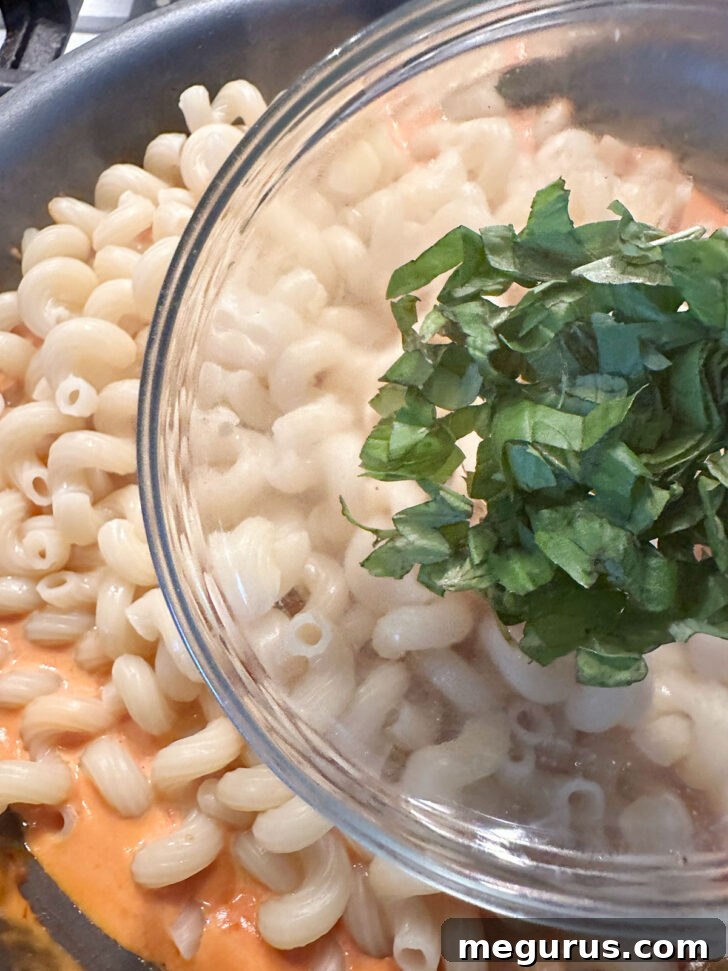
- Stir in a generous amount of freshly chopped basil. Taste the pasta and sauce, then adjust seasoning with additional salt and freshly ground black pepper as needed. The final seasoning is key to balancing all the flavors.
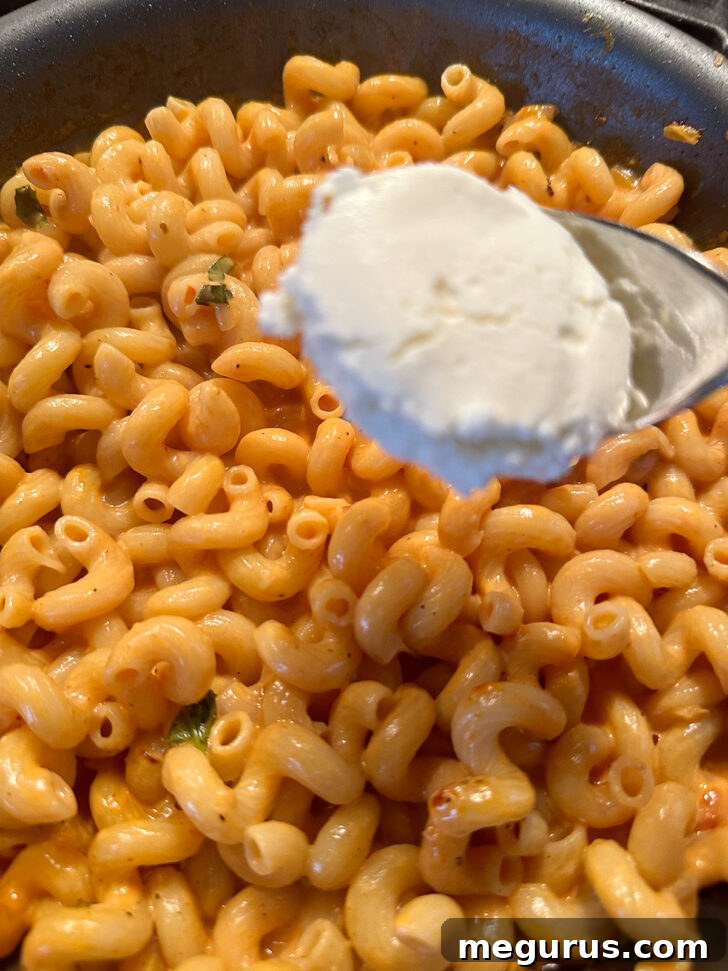
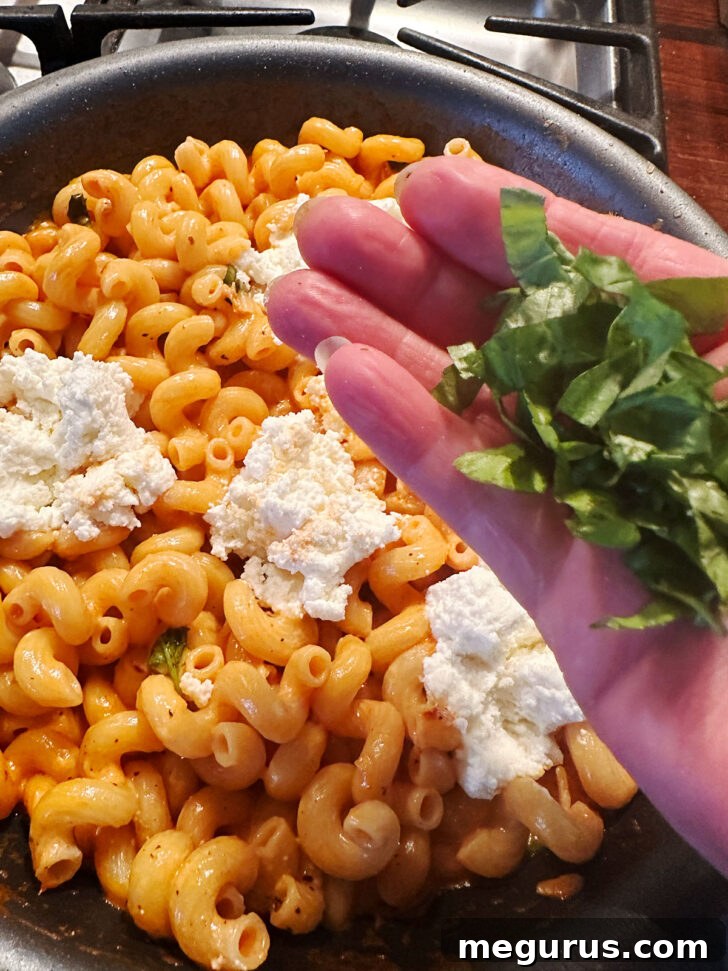
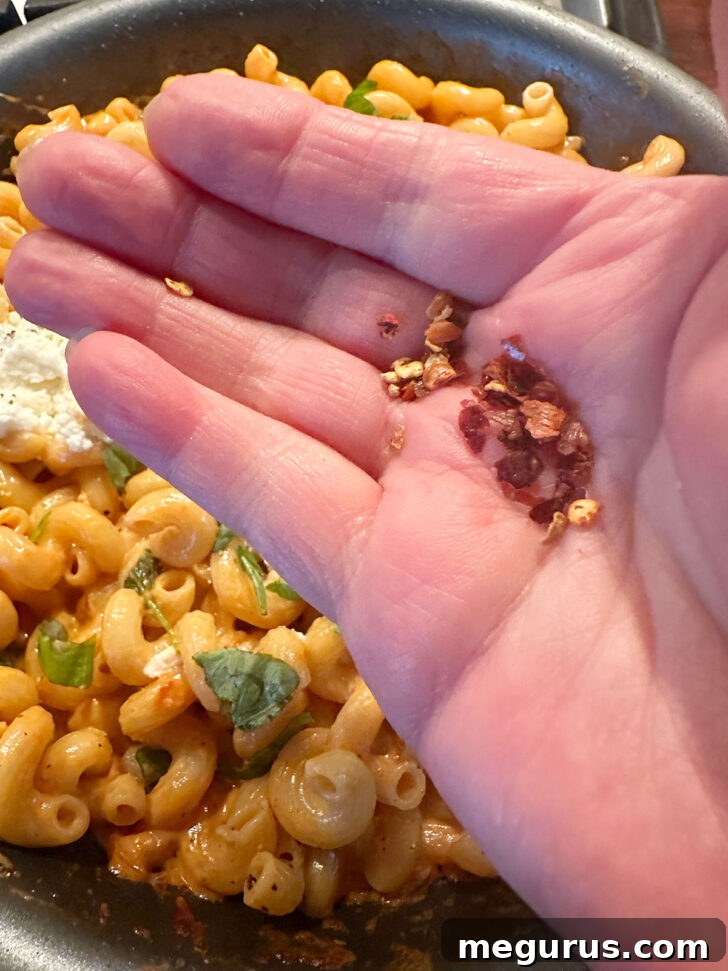
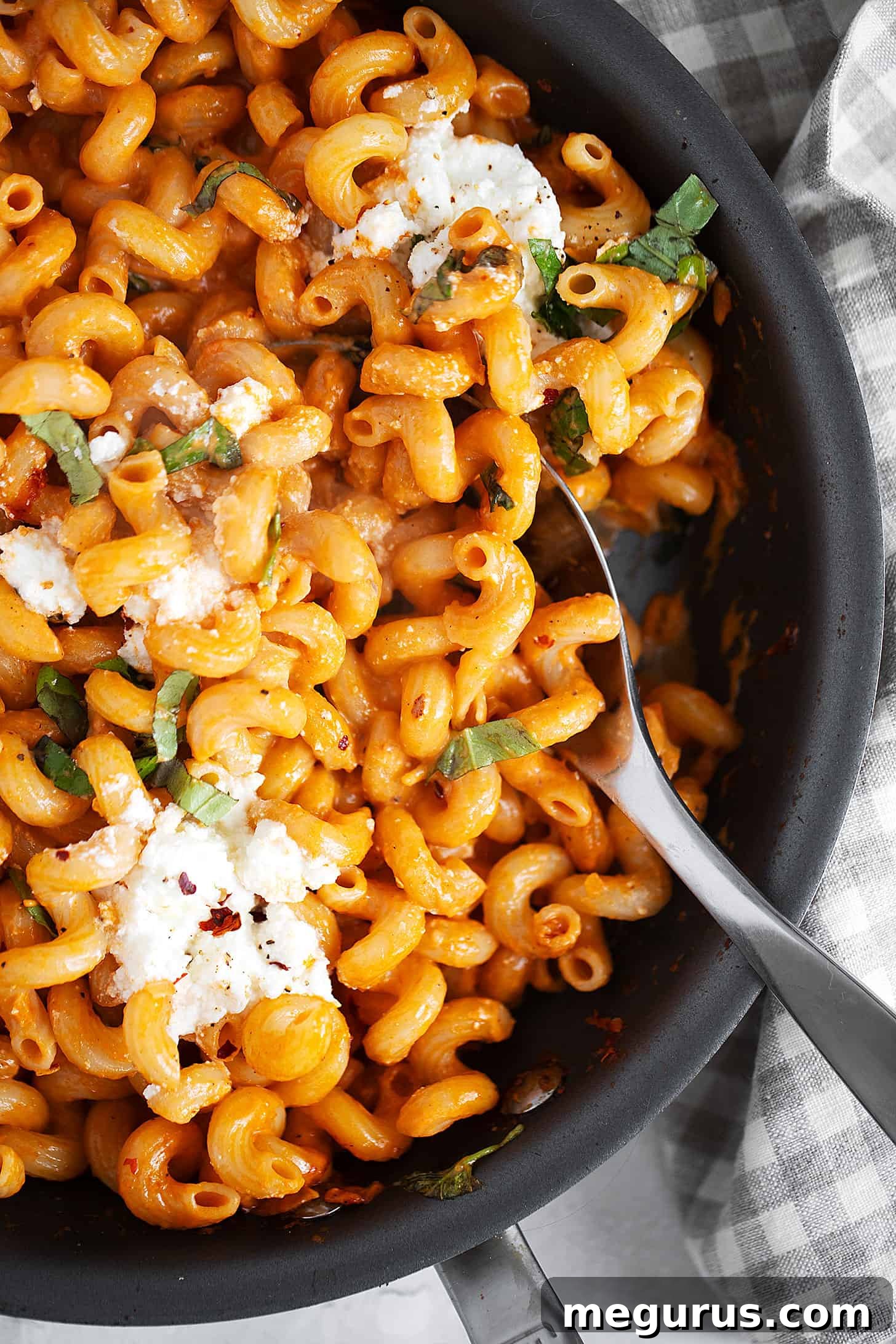
- To serve, spoon generous dollops of the seasoned ricotta cheese directly onto the hot pasta in the skillet. The heat from the pasta will gently warm the ricotta, allowing its creamy texture to slightly melt into the dish.
- Finish by sprinkling with some more freshly chopped basil for extra vibrancy and aroma.
- For a final touch, add a light dusting of additional red pepper flakes, if you enjoy an extra layer of warmth, and serve immediately with extra Parmesan cheese on the side.
Top Tips for Perfecting Your Vodka Tomato Ricotta Pasta
Achieving restaurant-quality pasta at home is easier than you think with these expert tips:
- Embrace the Pasta Water: One of the most crucial tips is to transfer your pasta directly from the boiling water into the sauce using a spider strainer or large slotted spoon. This method is superior to fully draining the pasta in a colander because the small amount of starchy water clinging to the noodles helps to emulsify the sauce. It binds the sauce to the pasta, creating an incredibly rich, cohesive, and glossy finish. Plus, it’s perfectly fine if some extra pasta water makes its way into the skillet, as we’ll be adding more anyway! This technique also conveniently preserves all your precious pasta-cooking water for later adjustments and saves you from the struggle of carrying a heavy, hot pot to the sink.
- Always Reserve Pasta Water: Even if you prefer to drain your pasta completely, never forget to reserve at least 2 cups of the starchy cooking water before doing so. This liquid is your best friend for adjusting the sauce’s consistency.
- Adjust Sauce Consistency to Perfection: The ideal sauce should be creamy and luxuriant, coating every strand of pasta beautifully without being too thick or too watery. Use the reserved pasta-cooking water judiciously to achieve this. Gradually add it, a splash at a time, while stirring the pasta and sauce over medium heat until you reach your desired consistency. I typically find myself adding between 1 to 1½ cups of pasta-cooking water, but this can vary based on your pasta’s starchiness and how much it absorbs.
- Taste, Taste, Taste: Seasoning is vital. Taste the sauce at various stages of cooking and especially before serving. Adjust salt, pepper, and red pepper flakes to ensure a perfectly balanced flavor profile that suits your palate.
- Fresh Herbs Make a Difference: While dried basil can be used in the sauce, fresh basil as a final garnish adds an unparalleled burst of freshness and aroma that truly elevates the dish.
- Don’t Rinse Your Pasta: Never rinse cooked pasta with cold water unless you’re making a cold pasta salad. Rinsing removes the starches that help the sauce adhere to the noodles, leading to a less flavorful and poorly coated dish.
Storing and Freezing Your Leftovers
One of the many delights of this vodka tomato ricotta pasta is how wonderfully it holds up as leftovers, making it an excellent choice for meal prepping. The inherent moisture and creaminess from the ricotta cheese help prevent the pasta from drying out in the refrigerator. To store, transfer any cooled leftovers into an airtight container and refrigerate for up to 3 days. For longer preservation, this pasta freezes exceptionally well. Simply place the cooled pasta in a freezer-safe, airtight container or a heavy-duty freezer bag, ensuring as much air as possible is removed. It can be stored in the freezer for up to 2 months. When ready to enjoy, thaw overnight in the refrigerator and gently reheat on the stovetop over low heat, adding a splash of milk or broth if needed to restore its creamy consistency.
Vodka Tomato Ricotta Pasta Recipe
Experience the ultimate comfort food with this classic vodka pasta, elevated with the luxurious addition of creamy ricotta cheese. This quick and easy recipe is perfect for weeknight dinners, offering a rich, savory, and slightly spicy sauce that beautifully coats your favorite short pasta.
Prep Time: 5 minutes
Cook Time: 25 minutes
Total Time: 30 minutes
Yield: 4 servings
Cuisine: American, Canadian
Course: Pasta, Main Dish
Author: Jennifer Maloney
Ingredients
- 1 Tablespoon olive oil
- ¼ – ½ teaspoon red chili flakes (adjust to taste)
- 4 cloves garlic, chopped
- ½ medium yellow onion, finely chopped
- Salt and freshly ground black pepper, to taste
- 5 Tablespoons tomato paste, preferably double-concentrated
- ⅓ cup vodka
- ½ lb fusilli, penne, rigatoni, or similar short pasta
- ½ cup heavy whipping cream (35% b.f.)
- ½ cup Parmesan cheese, shredded, plus more for serving
- 1 cup ricotta cheese, seasoned with salt and pepper
- Finely chopped fresh basil, for serving and garnish
- Additional red pepper flakes, for garnish
Instructions
- Boil a large pot of water. Once boiling, generously salt the water, then add the pasta and cook according to package instructions until just al dente.
- Meanwhile, heat the olive oil in a large skillet over medium heat. Stir in the red pepper flakes and garlic; cook briefly for about 30 seconds until fragrant. Add the onion, season generously with salt and pepper, and cook, stirring, until the onion is translucent, approximately 5 minutes. Add a bit more olive oil if the pan becomes too dry.
- Add the tomato paste to the skillet and cook, stirring constantly, until it slightly darkens in color, about 3 minutes. Increase the heat to medium-high. Pour in the vodka and allow it to cook off for about 1 minute. Reduce the heat slightly and cook the sauce, stirring constantly, until it reduces slightly, about 2 minutes.
- Stir in the heavy cream and bring the sauce to a gentle simmer. Reduce heat to low and keep warm until the pasta is ready.
- Before draining the pasta, scoop out 2 cups of the pasta cooking water. Then, using a spider strainer or large slotted spoon, transfer the cooked pasta directly from the boiling water into the skillet with the sauce.
- Add 1 cup of the reserved pasta cooking water and the shredded Parmesan cheese to the skillet. Cook over medium-high heat, stirring continuously, until the sauce beautifully coats the noodles and thickens to your desired consistency, about 3 minutes. Add more pasta water if the sauce appears too dry.
- Stir in a generous amount of finely chopped basil. Taste the pasta and sauce, then adjust seasoning with more salt and pepper as needed.
- To serve, place dollops of the seasoned ricotta cheese on top of the pasta. Sprinkle with additional chopped basil and a touch more red pepper flakes for garnish. Serve immediately with extra Parmesan cheese on the side.
Nutrition Information (Approximate per serving)
Serving Size: 1 serving
Calories: 572 kcal
Carbohydrates: 52g
Protein: 21g
Fat: 27g
Saturated Fat: 15g
Polyunsaturated Fat: 2g
Monounsaturated Fat: 9g
Cholesterol: 74mg
Sodium: 425mg
Potassium: 469mg
Fiber: 3g
Sugar: 6g
Vitamin A: 1153 IU
Vitamin C: 7mg
Calcium: 324mg
Iron: 2mg
This recipe was inspired by a delightful creation by Erik Kim, featured in the New York Times.
More Irresistible Pasta Recipes You’ll Adore!
If you’ve fallen in love with this creamy vodka tomato ricotta pasta, you’ll be thrilled to explore more of our comforting and flavorful pasta dishes. Each recipe is designed to bring joy to your table with minimal effort and maximum taste.