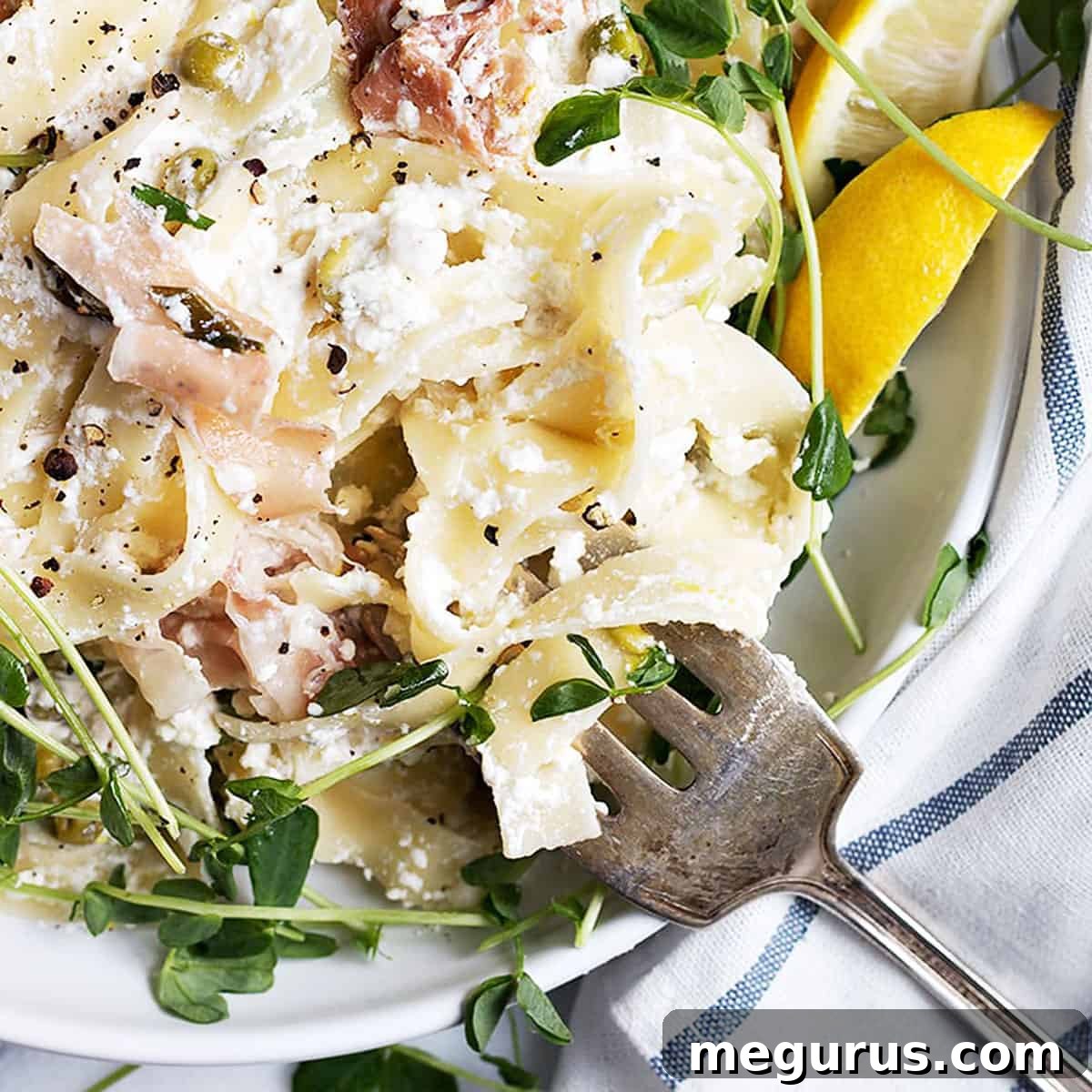
Bright and Fresh Lemon Ricotta Pasta with Crispy Prosciutto and Zesty Pea Shoots
Discover the perfect harmony of creamy, zesty, and savory in this delightful Lemon Ricotta Pasta. Featuring a luscious, bright lemon ricotta sauce, savory bits of crispy prosciutto, and a fresh burst of green pea shoots, this dish is a true celebration of vibrant flavors. It’s an effortlessly elegant meal that comes together in less than 30 minutes, making it ideal for busy weeknights or a quick, impressive lunch.
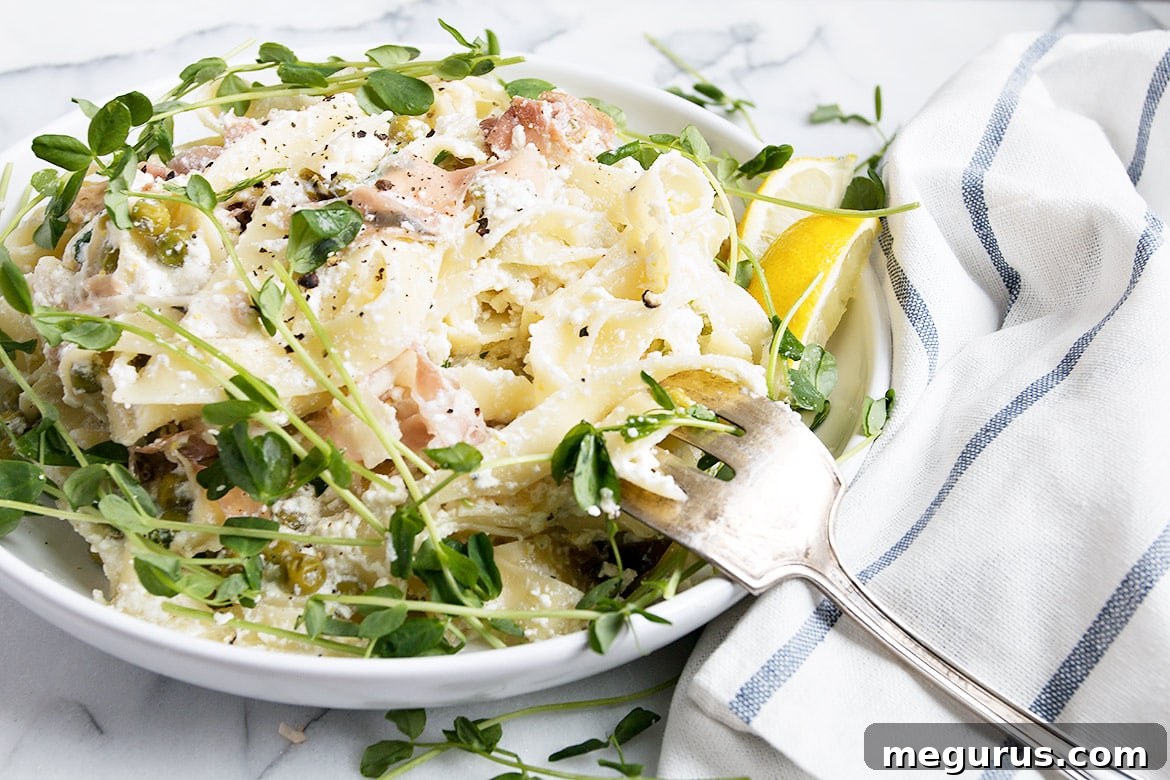
The Irresistible Charm of Lemon Ricotta Pasta
There’s something uniquely satisfying about a pasta dish that feels both incredibly comforting and refreshingly light. This Lemon Ricotta Pasta perfectly embodies that balance. It’s a recipe that has earned its place as a perennial favorite in my kitchen, captivating palates with its vibrant notes and creamy texture. The magic truly happens when rich ricotta meets the bright, tangy essence of fresh lemon – a combination that elevates a simple pasta into a culinary experience.
What makes this dish truly special, beyond its exceptional flavor profile, is its remarkable speed. In today’s fast-paced world, finding a recipe that delivers gourmet taste without demanding hours in the kitchen is a treasure. This pasta promises to be on your table in under half an hour, making it an absolute lifesaver for those evenings when you crave something extraordinary but are short on time.
Every forkful offers a delightful journey: the comforting embrace of al dente pasta, coated in a velvety, lemon-infused ricotta sauce, punctuated by the irresistible crunch and salty punch of prosciutto. The finishing touch of delicate pea shoots not only adds a beautiful pop of color but also a crisp, fresh counterpoint that brightens the entire dish. It’s a symphony of textures and tastes, designed to delight and satisfy.
Why This Lemon Ricotta Pasta Recipe Will Be Your New Favorite
Beyond its quick preparation, there are several compelling reasons why this lemon ricotta pasta is destined to become a staple in your meal rotation:
- Effortless Elegance: Despite its simple construction, this dish presents beautifully, making it perfect for both casual family dinners and more special occasions. It looks and tastes like something you’d enjoy at a high-end restaurant, but it’s incredibly easy to achieve at home.
- Bursting with Freshness: The abundant use of fresh lemon juice and zest, combined with verdant pea shoots, ensures a bright, clean flavor that truly sings, especially during spring and summer months.
- Creamy Indulgence, Lighter Feel: Ricotta provides a wonderful creaminess without the heavy richness often associated with cream-based sauces. It creates a satisfyingly smooth coating for the pasta that feels wholesome and comforting.
- Perfect Flavor Balance: The tanginess of the lemon cuts through the richness of the ricotta and the saltiness of the prosciutto, creating a perfectly balanced flavor profile that keeps you coming back for more.
- Highly Adaptable: While the recipe is fantastic as written, it’s also incredibly versatile. You can easily adapt it to suit your preferences or what you have on hand, from adding more vegetables to trying different protein options.
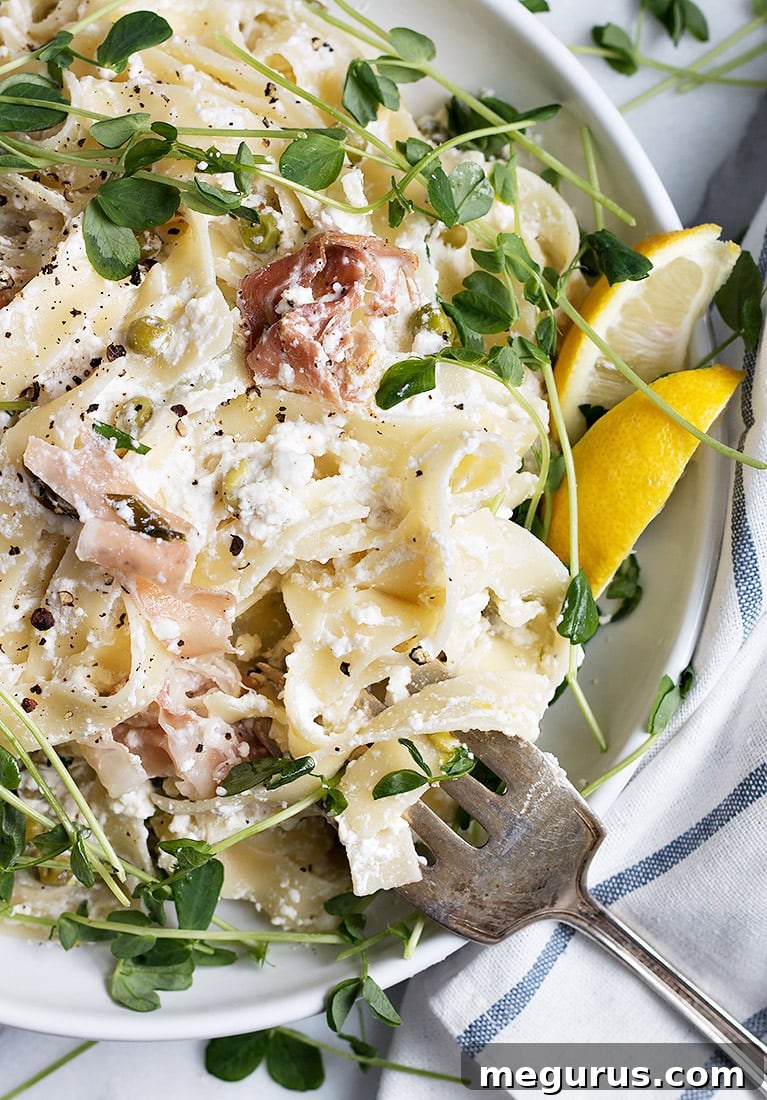
Unpacking the Star Ingredients for the Perfect Lemon Ricotta Pasta
The beauty of this dish lies in its relatively few, high-quality ingredients. Each component plays a crucial role in building the vibrant and harmonious flavors. Let’s take a closer look at what makes each ingredient so important and how to make the best choices.
Lemon: The Zesty Heart of the Dish
The lemon is undoubtedly the star of this pasta. Its bright, acidic profile is what truly elevates the dish from good to extraordinary. For the best possible flavor, there’s no substitute for fresh lemons.
- Fresh Lemon Juice: Provides a sharp, tangy kick that wakes up the palate and cuts through the richness of the ricotta. Always squeeze your own juice – bottled lemon juice simply doesn’t compare in terms of flavor or aroma.
- Lemon Zest: This is where the true essence of lemon flavor resides. The oils in the zest provide a fragrant, complex lemon note that the juice alone cannot deliver. When zesting, be sure to only grate the bright yellow outer layer, avoiding the bitter white pith underneath. A microplane zester is your best friend for this task.
- Choosing Lemons: Look for firm, heavy lemons with smooth, unblemished skin. Organic lemons are often preferred since you’ll be using the zest.
Ricotta: Achieving Creamy Perfection
Ricotta cheese is the foundation of our creamy sauce, providing a light yet luxurious texture and a mild, milky flavor that perfectly complements the lemon and prosciutto.
- Type of Ricotta: For the most indulgent and satisfying result, opt for full-fat, whole milk ricotta. Its higher fat content contributes to a silkier, richer sauce. While lower-fat versions can be used, they may result in a slightly grainier texture after cooking and reheating.
- Flavor Profile: Ricotta offers a delicate sweetness and a wonderfully soft, curd-like texture. It acts as an excellent canvas for the brighter flavors, absorbing and harmonizing them beautifully.
- Sauce Texture: When combined with warm pasta water and butter, the ricotta melts into a velvety, clinging sauce that coats every strand of pasta without being overly heavy.
Prosciutto (or Speck): Salty, Savory Delight
The salty, savory notes of thinly sliced prosciutto provide a delightful contrast to the bright lemon and creamy ricotta. Its delicate texture and intense flavor are essential to the dish.
- Prosciutto: This Italian dry-cured ham is readily available in most grocery stores. Look for thinly sliced varieties, often found in the deli section or pre-packaged alongside other specialty meats. Tearing it into thin pieces rather than dicing allows for a more rustic texture and better distribution throughout the pasta.
- Speck as an Alternative: If you’re looking for a slightly different, yet equally delicious, flavor profile, try Speck. Speck is a type of smoked, cured ham from Alto Adige, Italy. It shares similarities with prosciutto but boasts a distinctive smoky flavor that adds another layer of complexity to the dish. You’ll typically find it near prosciutto in well-stocked delis. Its unique taste makes it a fantastic, gourmet alternative.
- Other Substitutions: If prosciutto or Speck aren’t available, crispy pancetta or even regular bacon can be used, though they will impart a different flavor. For a vegetarian option, consider toasted pine nuts or a sprinkle of capers for a briny pop.
Pea Shoots: A Burst of Freshness
Pea shoots are not just a garnish; they bring a wonderfully fresh, slightly sweet, and vibrant green element to the pasta, both visually and texturally.
- Flavor and Texture: Pea shoots offer a delicate, sweet pea flavor and a crisp, tender texture that provides a refreshing contrast to the rich pasta. They add a touch of gourmet elegance.
- Shoots vs. Sprouts: While often used interchangeably in stores, pea shoots are typically grown longer than sprouts, resulting in slightly larger leaves and more developed stems. For eating, the distinction isn’t critical, and both will work beautifully in this recipe.
- Where to Find Them: Look for pea shoots in the produce section of your grocery store, often near other specialty greens or herbs. Farmers’ markets are also an excellent source.
- No Access to Pea Shoots? Don’t despair! Several alternatives can provide a similar fresh, green element:
- Watercress: Offers a peppery, slightly bitter note and a crisp texture.
- Baby Greens: Baby spinach or baby arugula are excellent choices. Baby spinach is mild, while arugula adds a pleasant peppery bite.
- Fresh Herbs: Chopped fresh dill, mint, or chives can offer a lovely herbal freshness.
- Frozen Green Peas: For an increased veggie quotient and a burst of green, stir in a cup of cooked frozen green peas during the final tossing.
Pasta Choice: The Foundation
The type of pasta you choose can significantly impact the overall experience of the dish. While many shapes work, some are particularly well-suited to creamy sauces.
- Pappardelle: The wide, flat ribbons of pappardelle are excellent for clinging to creamy sauces, ensuring every bite is rich with flavor. Its substantial texture holds up well to the other ingredients.
- Other Long Pasta: Fettuccine, tagliatelle, or linguine are also fantastic choices due to their similar ability to capture and hold creamy sauces.
- Short Pasta Options: If you prefer short pasta, penne, rigatoni, or orecchiette would also work, especially those with ridges or cups to catch the sauce.
- Cooking to Al Dente: Regardless of the shape, always cook your pasta according to package directions until it’s al dente – firm to the bite. This ensures it retains some texture and doesn’t become mushy when tossed with the sauce.
Mastering Your Lemon Ricotta Pasta: Expert Tips and Tricks
While this recipe is straightforward, a few expert tips can elevate your Lemon Ricotta Pasta from simply good to absolutely unforgettable.
- The Magic of Pasta Water: Never forget to reserve some of your pasta cooking water! This starchy, salty water is your secret weapon for creating a silky-smooth sauce that beautifully emulsifies and clings to the pasta. It helps to loosen the ricotta mixture to the perfect consistency, ensuring it’s not too thick or clumpy.
- Quality Matters: Since this dish features relatively few ingredients, the quality of each one truly shines through. Opt for fresh, vibrant lemons, good quality ricotta (preferably whole milk), and a flavorful prosciutto. These small choices make a big difference in the final taste.
- Gentle Heat for Ricotta: When adding the ricotta mixture to the skillet, keep the heat on medium-low and avoid overheating. Ricotta can sometimes curdle if exposed to very high heat, resulting in a less smooth sauce. The residual heat from the cooked pasta and the warmth from the butter and green onions will be enough to gently warm the ricotta.
- Taste and Adjust: Always taste your sauce before combining it with the pasta and again just before serving. Lemon juice and zest can vary in intensity, so you might need a little more salt, a grind of fresh black pepper, or an extra squeeze of lemon juice to achieve your desired balance.
- Don’t Overcook the Pea Shoots: Pea shoots are delicate. Add them at the very end, usually as a garnish or just a quick toss with the warm pasta. Their flavor and crisp texture are best preserved when they are barely cooked.
- Boost the Veggie Power: If you want to increase the vegetable content, stir in a cup of cooked green peas along with the prosciutto and parsley. Blanched asparagus tips, halved cherry tomatoes, or even some sautéed zucchini would also be delicious additions.
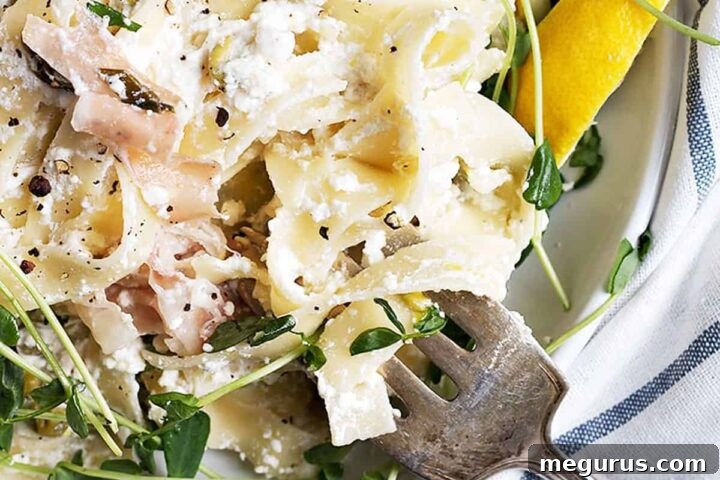
Get the Recipe: Lemon Ricotta Pasta
Pin This
Leave a Review
5 mins
20 mins
25 mins
4 servings
Ingredients
- 9 oz pappardelle pasta, or other long pasta
- 1/2 cup green onion, diced (reserve 1/3 for garnish)
- 1 1/2 cups ricotta cheese (full-fat recommended)
- 1 1/2 teaspoons salt
- 1/2 teaspoon freshly ground black pepper
- 2 Tablespoons lemon zest (from 1-2 lemons)
- 1/4 cup fresh lemon juice
- 2 Tablespoons unsalted butter
- 4 slices prosciutto, thinly sliced and torn into pieces
- 1/4 cup fresh parsley, finely chopped
For garnish:
- Reserved green onion
- Handful of fresh pea shoots
- Shaved or grated Parmesan cheese (optional)
Instructions
- Bring a large pot of generously salted water to a rolling boil. Add the pappardelle (or chosen pasta) and cook according to package directions until al dente. Before draining, make sure to RESERVE 1 CUP OF THE PASTA BOILING WATER. Drain the pasta thoroughly.
- While the pasta cooks, prepare the ricotta mixture. In a medium bowl, combine the ricotta cheese, salt, freshly ground black pepper, lemon zest, and fresh lemon juice. Stir well until all ingredients are evenly incorporated and smooth. Set this mixture aside.
- In a large skillet or deep pan, melt the butter over medium heat. Add approximately two-thirds of the diced green onion (reserving the rest for garnish). Cook, stirring frequently, for about 1 minute until fragrant. Reduce the heat to low, then add the prepared ricotta mixture to the skillet. Stir gently to combine it with the green onions and butter. Turn off the heat and keep warm until the pasta is ready.
- Once the pasta is cooked and drained, add it directly to the skillet with the ricotta mixture. Return the skillet to medium-low heat. Toss the pasta and sauce together, using tongs, until the pasta is fully coated and warmed through. Gradually add some of the reserved pasta water, a tablespoon at a time, as needed to loosen the sauce and achieve a creamy, flowing consistency. The starch in the pasta water helps the sauce emulsify and cling beautifully to the noodles.
- Stir in the torn prosciutto pieces and the chopped fresh parsley. Toss again to ensure everything is well combined and warmed through.
- Serve the pasta immediately in individual bowls. Garnish each serving generously with fresh pea shoots, the reserved diced green onion, and a shaving or grating of Parmesan cheese, if desired. Enjoy this bright and satisfying meal!
Notes
Serving Suggestions and Perfect Pairings
This Lemon Ricotta Pasta is a complete meal on its own, but it also pairs beautifully with a variety of side dishes and drinks to create a more elaborate dining experience.
- Fresh Green Salad: A simple mixed green salad with a light vinaigrette would be a perfect companion, offering a refreshing contrast to the creamy pasta.
- Crusty Bread: Don’t forget a loaf of crusty Italian bread or garlic bread to soak up every last drop of the delicious sauce.
- Roasted Vegetables: Lightly roasted asparagus, broccoli, or cherry tomatoes could add more depth and nutrition to your meal.
- Wine Pairing: A crisp, dry white wine would be an excellent choice. Consider a Sauvignon Blanc, Pinot Grigio, or a Vermentino to complement the lemon notes.
- Protein Boost: While prosciutto adds its own protein, you could easily serve this pasta alongside grilled chicken breast, baked salmon, or seared scallops for an even heartier meal.
Variations and Customizations for Your Ricotta Pasta
One of the joys of cooking is the ability to adapt recipes to your taste or what you have on hand. This Lemon Ricotta Pasta is wonderfully versatile:
- Vegetarian Delight: Easily make this dish vegetarian by simply omitting the prosciutto. For added flavor and texture, consider toasting some pine nuts or adding sun-dried tomatoes.
- A Touch of Heat: For those who love a little spice, a pinch of red pepper flakes stirred into the sauce or sprinkled on top adds a pleasant kick.
- Herb Garden Freshness: Beyond parsley, experiment with other fresh herbs. Chives, a touch of fresh mint, or even a hint of basil could bring new dimensions to the flavor.
- Seasonal Vegetable Boost: Incorporate other seasonal vegetables. Sautéed spinach, blanched asparagus tips, green beans, or even roasted bell peppers would be delicious additions. Add them in the last few minutes of cooking with the pasta.
- Alternative Proteins: Instead of prosciutto, consider pan-seared shrimp, grilled chicken, or even crumbled Italian sausage (cooked separately) for different protein options.
- Cheesy Enhancements: While Parmesan is a classic garnish, a sprinkle of grated Pecorino Romano could add a sharper, saltier kick, or a dollop of fresh burrata could make it even more decadent.
Making Ahead, Storing, and Freezing Your Pasta
While this Lemon Ricotta Pasta is undeniably at its best when enjoyed freshly made, you can certainly manage leftovers or plan for some meal prep with a few considerations.
- Best When Fresh: The creamy texture of the ricotta sauce and the crispness of the pea shoots are most enjoyable immediately after preparation. The sauce has the perfect consistency, and the flavors are at their peak brightness.
- Storing Leftovers: Any leftover pasta should be stored promptly in an airtight container in the refrigerator. It will keep well for 2-3 days. The pasta may absorb more of the sauce over time, making it thicker.
- Reheating Leftovers: To reheat, gently warm the pasta in a skillet over low to medium heat, adding a splash of chicken or vegetable broth, or even just water, to loosen the sauce and bring it back to a creamy consistency. Stir frequently to prevent sticking and ensure even heating. You can also reheat it in the microwave, adding a bit of liquid and stirring halfway through.
- Freezing is Not Recommended: Unfortunately, freezing this dish is generally not advised. Ricotta cheese has a tendency to change texture significantly when frozen and thawed. It can become grainy, watery, or separate, compromising the smooth, creamy consistency of the sauce. For the best culinary experience, enjoy this pasta fresh or as refrigerated leftovers.
Frequently Asked Questions About Lemon Ricotta Pasta
Here are answers to some common questions you might have about making this delicious lemon ricotta pasta:
- Q: Can I use low-fat ricotta?
- A: While you can, full-fat, whole milk ricotta is highly recommended for its superior creamy texture and richer flavor. Low-fat ricotta may result in a slightly grainier sauce and can sometimes separate more easily when heated.
- Q: What if I don’t have fresh lemons?
- A: Fresh lemons are crucial for this recipe’s vibrant flavor. Bottled lemon juice lacks the brightness and complexity, and you won’t get any zest. It’s worth a trip to the store for fresh lemons!
- Q: Can I use different pasta shapes?
- A: Absolutely! While pappardelle is fantastic for its ability to hold the sauce, other long pastas like fettuccine or linguine work equally well. Shorter, sturdy shapes like penne, rigatoni, or orecchiette also make good substitutes.
- Q: Is this dish kid-friendly?
- A: Many children enjoy the creamy, mild flavors of lemon ricotta pasta. You might consider reducing the amount of prosciutto or serving it on the side for picky eaters. You can also omit the pea shoots or substitute with baby spinach.
- Q: How can I prevent the sauce from being too thick or too thin?
- A: The reserved pasta water is key! If your sauce seems too thick, gradually add small amounts of the hot pasta water, stirring until it reaches your desired consistency. If it’s too thin, you can try tossing the pasta over low heat for a minute or two to allow some liquid to evaporate and the sauce to thicken slightly. A tiny pinch of grated Parmesan can also help thicken a thin sauce.
- Q: Can I make this dish gluten-free?
- A: Yes! Simply substitute the regular pasta with your favorite gluten-free pasta variety. Ensure it’s cooked according to package directions to achieve an al dente texture.
Conclusion: A Dish to Brighten Any Meal
This Lemon Ricotta Pasta with Prosciutto and Pea Shoots is more than just a meal; it’s an experience. It proves that incredibly delicious and visually appealing food doesn’t have to be complicated or time-consuming. With its bright, creamy, and savory notes, it offers a sophisticated taste that belies its simple preparation.
Whether you’re looking for a quick weeknight dinner, a charming dish for entertaining, or simply a way to incorporate more fresh, vibrant flavors into your cooking, this recipe delivers. Its delightful combination of textures and tastes is sure to become a cherished addition to your culinary repertoire. So gather your fresh ingredients, set aside a mere 30 minutes, and prepare to fall in love with this spectacular pasta dish!