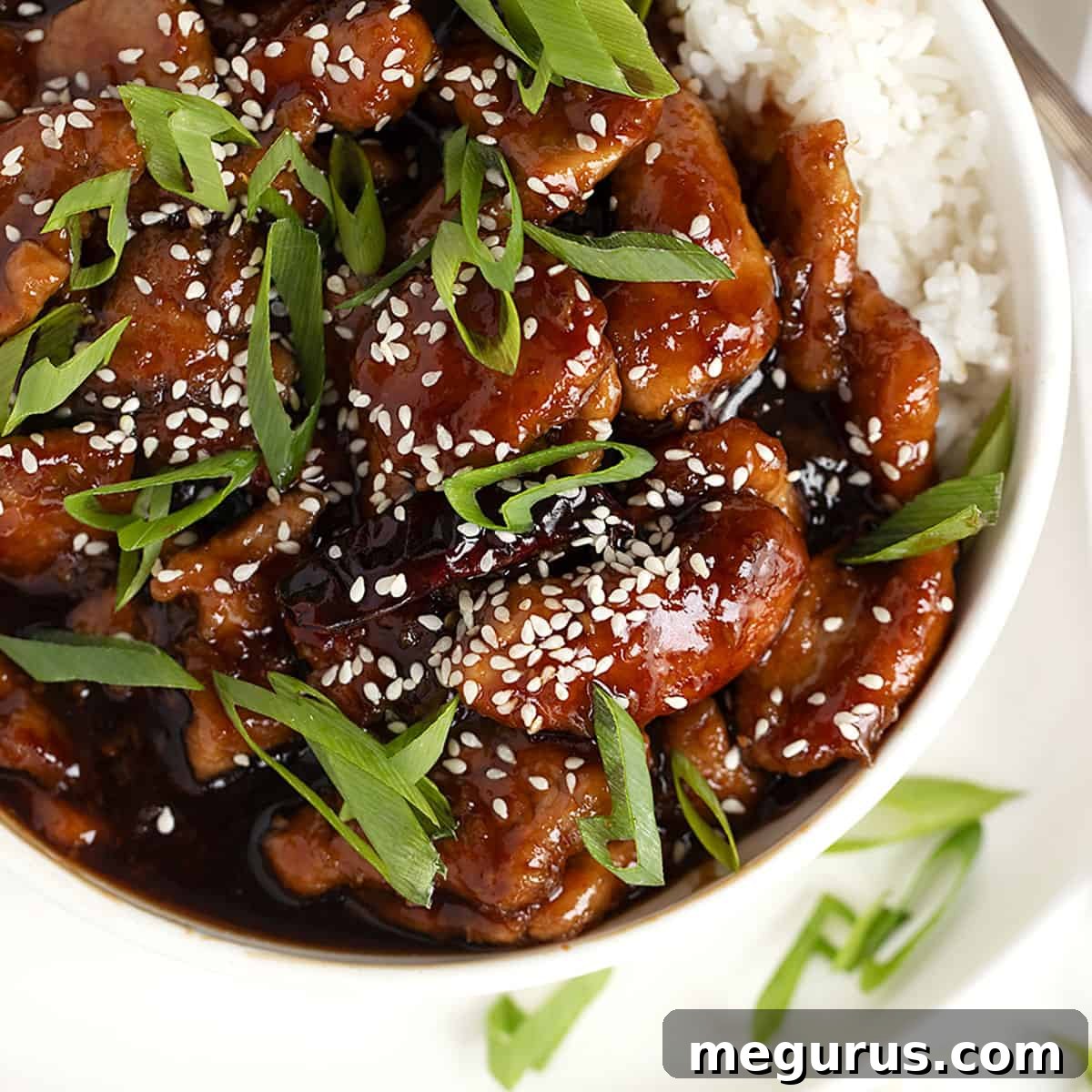
Delicious Homemade Mongolian Pork: A Quick and Flavorful Weeknight Meal
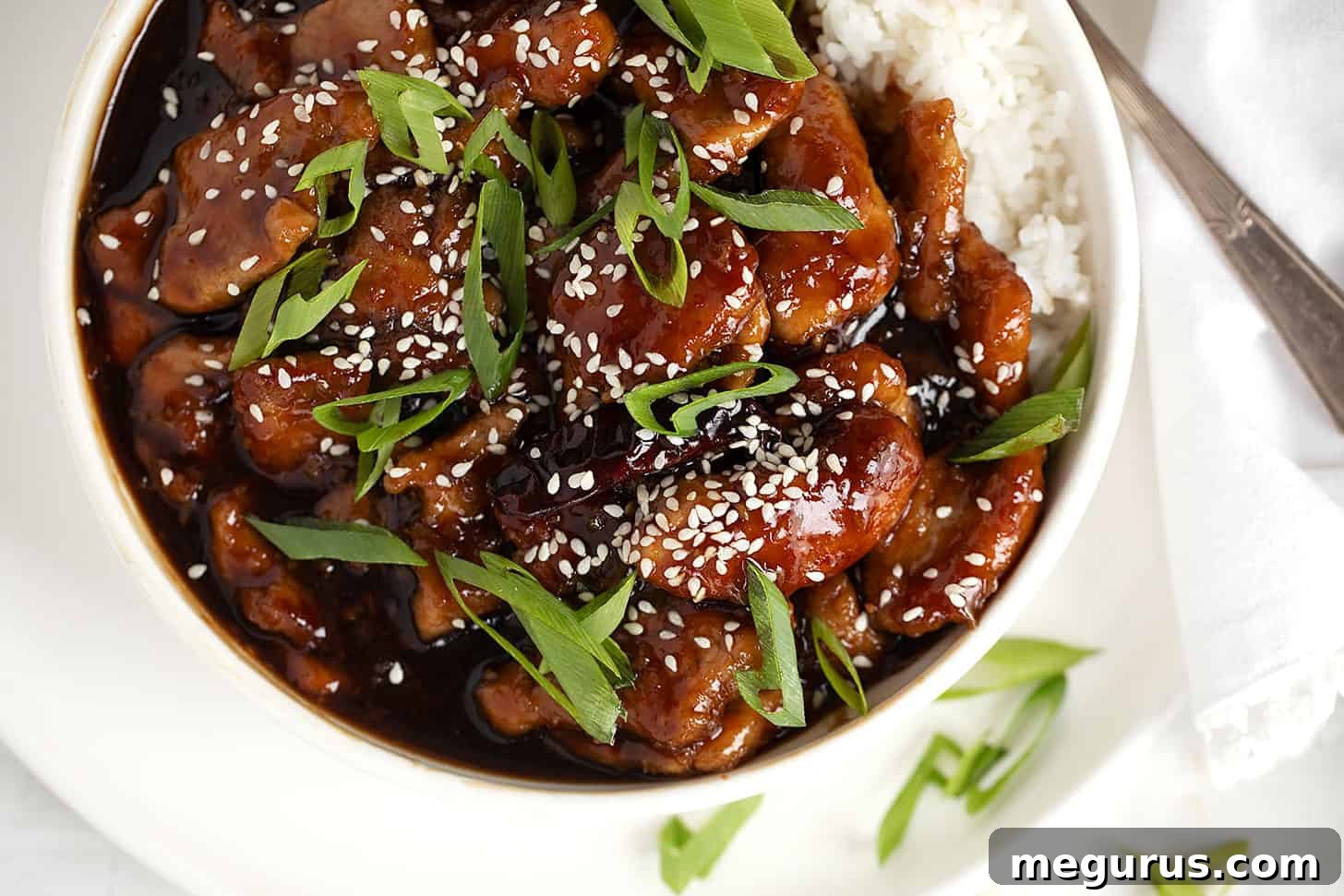
Craving the vibrant, sweet, and savory flavors of your favorite Chinese takeout? Look no further! This incredible homemade Mongolian Pork recipe brings restaurant-quality taste right to your kitchen in a fraction of the time. Say goodbye to greasy delivery and hello to tender chunks of pork tenderloin bathed in a rich, glossy sauce made from soy sauce and brown sugar. It’s an unforgettable meal that’s both quick and easy to prepare, making it the perfect solution for a busy weeknight. Simply pair it with some fluffy rice and a crisp green vegetable, and you have a complete, satisfying dinner that the whole family will adore.
Why You’ll Fall in Love with This Mongolian Pork Recipe!
- Effortlessly Quick & Flavorful: This is truly a “back-pocket” recipe – one you can whip up in minutes when hunger strikes. The unique balance of sweet and salty notes in the sauce creates an explosion of flavor that always hits the spot, satisfying even the most intense takeout cravings. It’s proof that a quick meal doesn’t mean sacrificing taste.
- Flexible Meal Prep: Life is busy, and this recipe understands that. You have the flexibility to marinate the pork for as little as 30 minutes, or you can plan ahead and let it marinate in the refrigerator for up to 8 hours. This means you can prep in the morning and have a head start on dinner when you get home, making your evening stress-free.
- Complete Dinner Solution: No need to plan multiple complicated side dishes. This Mongolian Pork is a hero on its own. A simple bowl of steamed white or brown rice and a quick green vegetable is all it takes to complete this hearty and wholesome meal. It’s a full-flavor dinner without the fuss.
- Healthier Than Takeout: By making Mongolian pork at home, you have full control over the ingredients. You can opt for low-sodium soy sauce, adjust sugar levels to your preference, and use lean cuts of pork tenderloin, resulting in a dish that’s often lighter and fresher than its restaurant counterpart.
- Crowd-Pleaser: The irresistible combination of tender meat and a luscious, savory-sweet sauce makes this dish a universal favorite. It’s perfect for family dinners, entertaining guests, or simply treating yourself to a delicious and comforting meal.
Key Ingredients and Smart Substitutions
Crafting the perfect Mongolian Pork requires a few essential ingredients, but don’t worry, there’s always room for flexibility to suit your pantry and dietary needs.
Pork Tenderloin: This recipe shines with a single, lean pork tenderloin. Its inherent tenderness ensures a succulent result that cooks quickly. Before slicing, be sure to meticulously remove the “silverskin”—a tough, silvery membrane—and any visible excess fat to ensure every bite is perfectly tender. While pork tenderloin is ideal, you can easily adapt this recipe using thinly sliced chicken breast or thighs, or even beef strips (such as flank steak or sirloin) for a delicious Mongolian chicken or beef version.
Soy Sauce: The cornerstone of our savory sauce. For optimal flavor control and to prevent your dish from becoming overly salty, I highly recommend using a low-sodium soy sauce. If you’re looking for a gluten-free option, tamari is an excellent substitute that delivers a similar depth of flavor without the wheat.
Brown Sugar: This provides the signature sweetness and helps create that beautiful, caramelized glaze. Both dark and light brown sugar work wonderfully. Dark brown sugar, with its higher molasses content, will lend a slightly richer, more complex depth to the sauce, while light brown sugar offers a classic, sweeter profile. Choose based on your preference; either will yield fantastic results.
Ginger and Garlic: Freshly minced ginger and garlic are vital for that aromatic, authentic Asian flavor. Their pungent warmth adds significant complexity to the sauce. If fresh isn’t an option or you’re short on time, an equal total amount of ginger garlic paste (a common ingredient in many Asian markets) can be a convenient substitute. You could also combine fresh garlic with jarred ginger paste, or vice versa, using whatever you have readily available.
Dried Red Chilis or Chili Flakes: For those who appreciate a touch of warmth and subtle heat, a couple of dried red chili peppers or a pinch of red chili flakes are a welcome addition. They infuse the sauce with a mild, delightful kick. If you prefer a completely mild dish, feel free to omit them entirely. For a more pronounced heat, you could increase the amount or add a dash of sriracha.
Cornstarch: This unassuming ingredient plays a triple role in our recipe. It’s used in the pork marinade to tenderize the meat and help the subsequent dredging cornstarch adhere. It also coats the pork before frying, creating a crispy exterior, and finally, it’s mixed with cold water to form a slurry that thickens the Mongolian sauce to a perfect, luscious consistency.
Vegetable Oil or Canola Oil: A neutral-flavored oil with a high smoke point is essential for pan-frying the pork to a beautiful golden brown without imparting unwanted flavors. Both vegetable and canola oil are excellent choices.
Water: Used in the sauce to balance the flavors and create the right consistency, and also for the cornstarch slurry.
Step-by-Step Photos: Visual Guide to Perfect Mongolian Pork
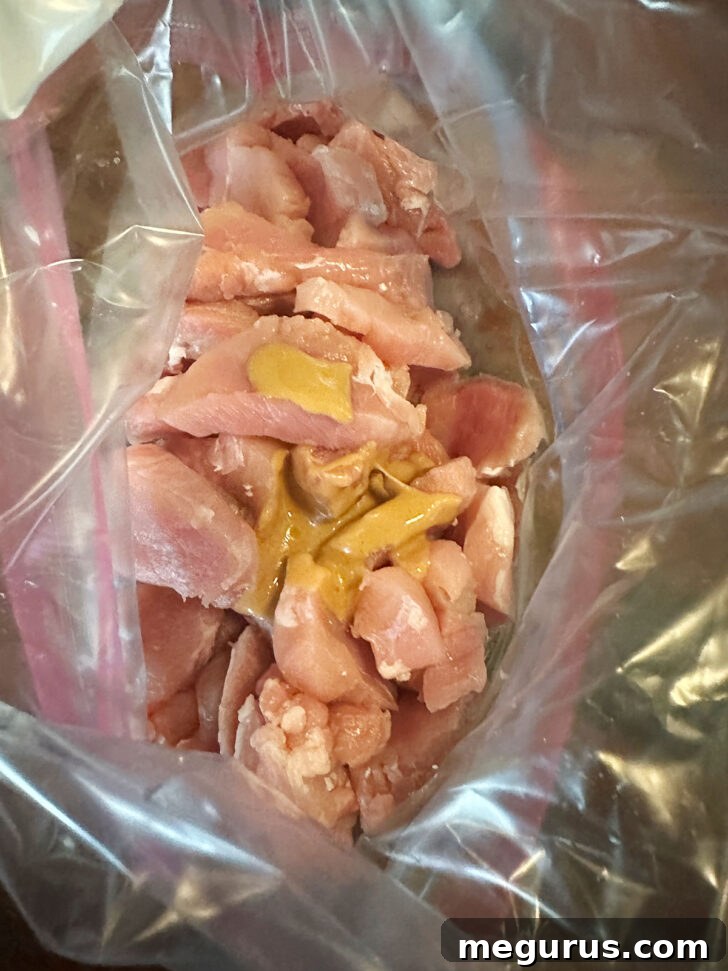
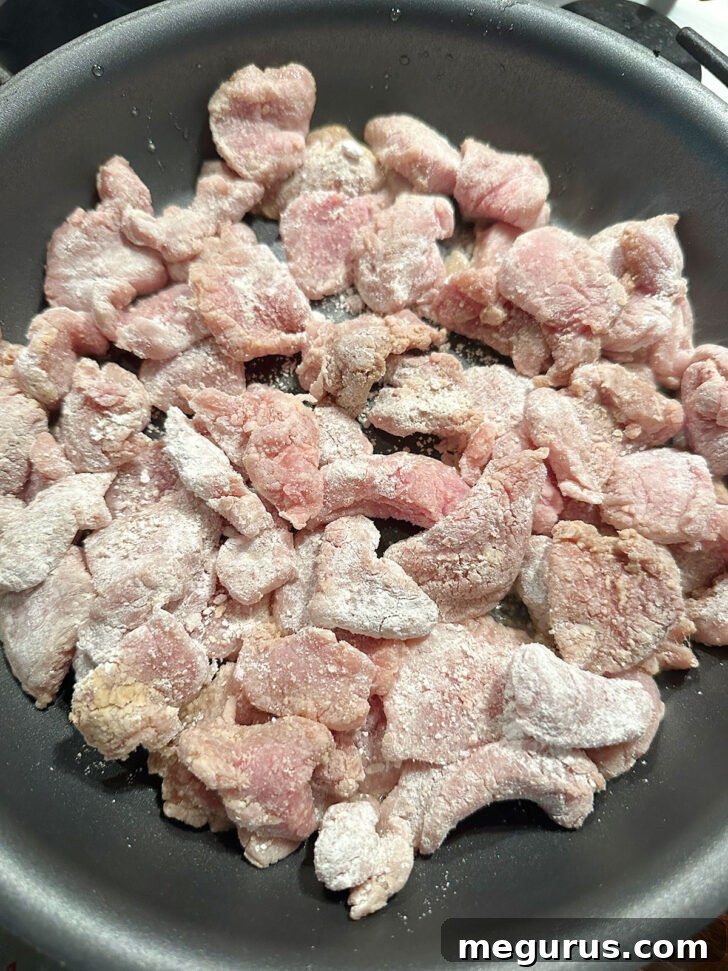
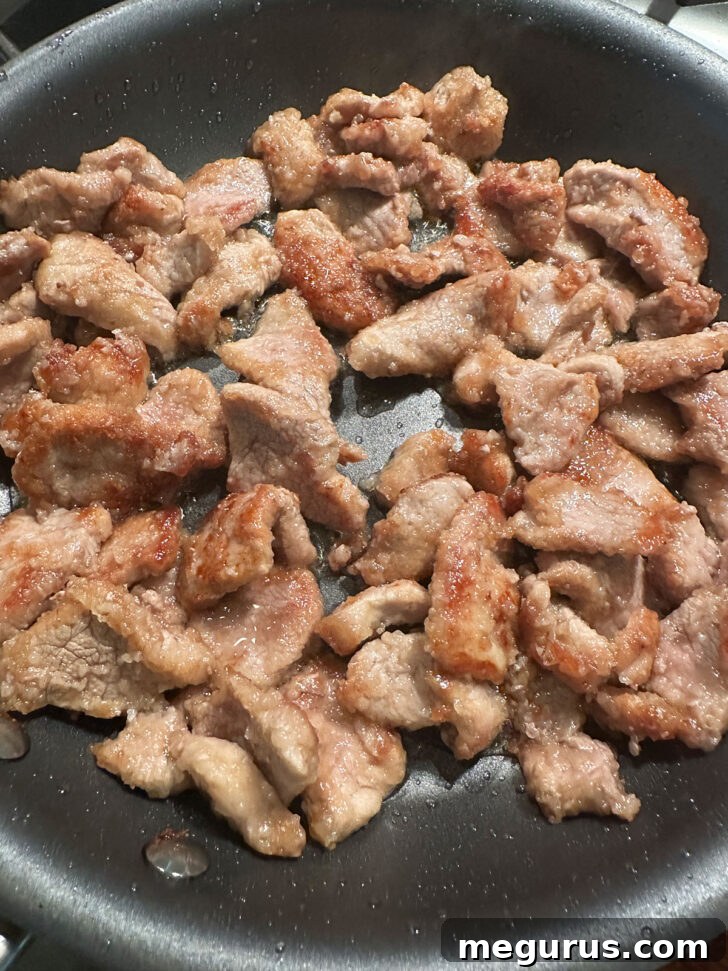
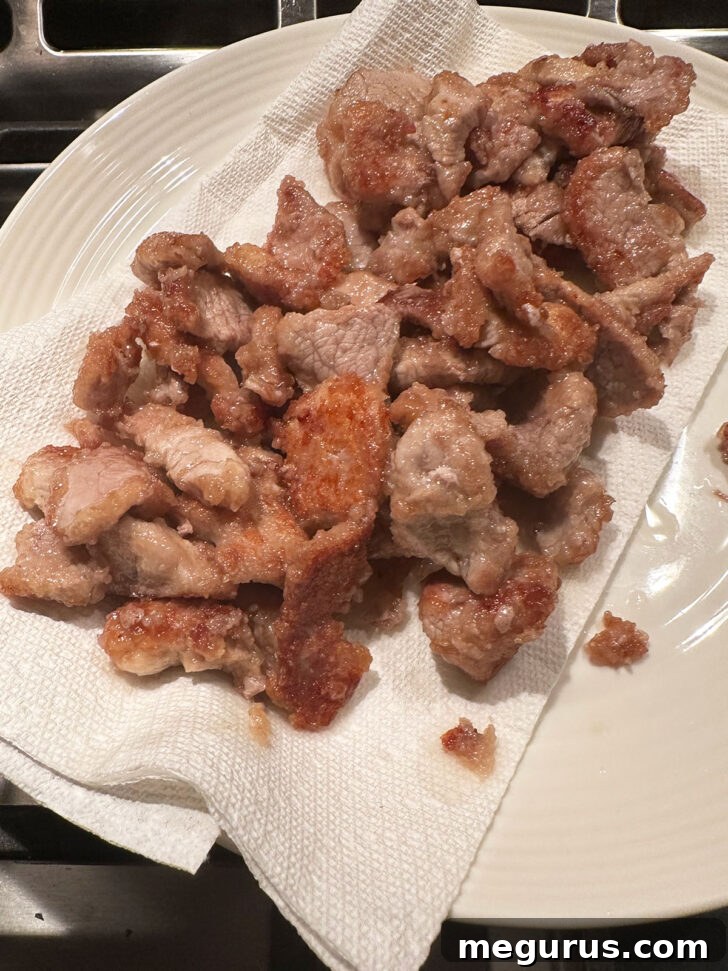
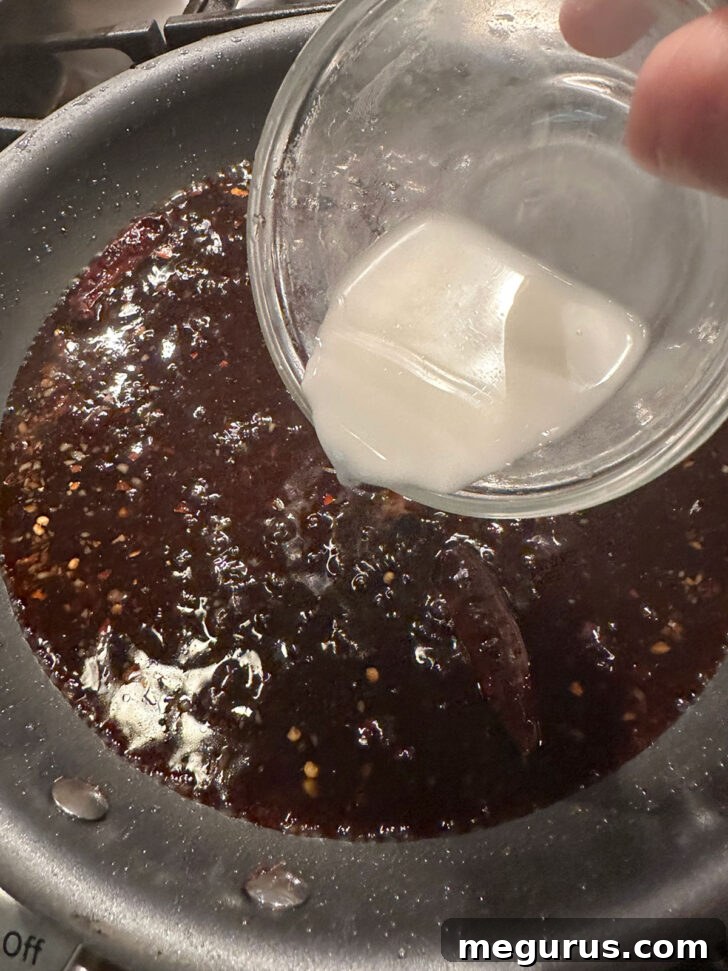
- Marinate the Pork: Place the precisely cut pork pieces into a sealable plastic bag or a shallow bowl. Drizzle generously with the prepared marinade. Ensure every piece is thoroughly coated. Marinate for a minimum of 30 minutes to allow flavors to penetrate, or up to 8 hours for deeper flavor infusion. Always refrigerate during marination.
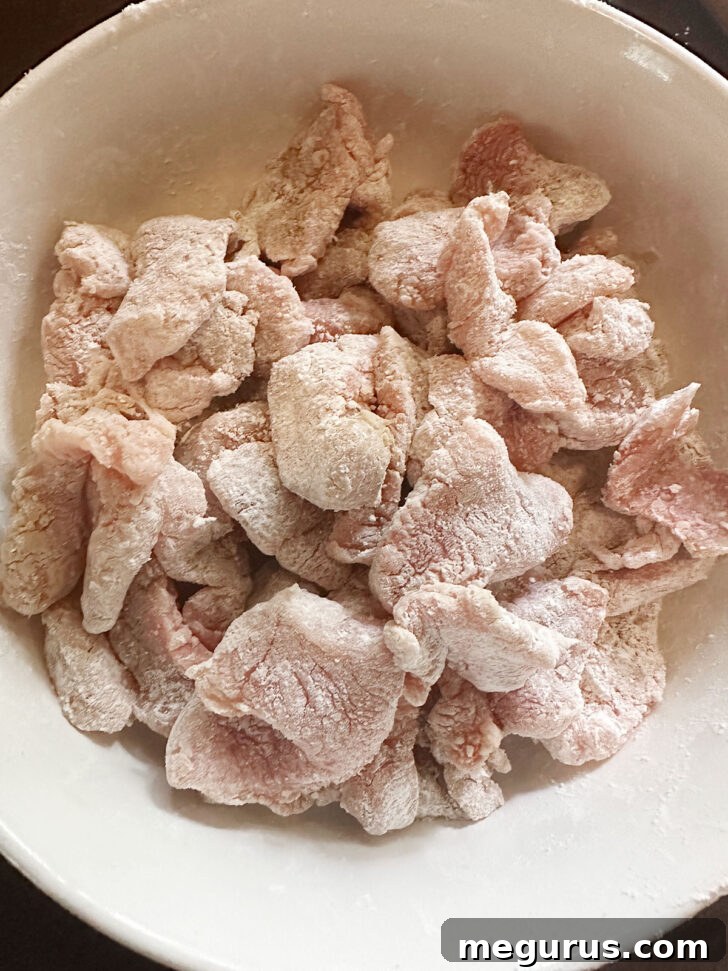
- Dredge the Pork: Once marinated, remove the pork from the bag/bowl and transfer it to a separate clean bowl. Sprinkle evenly with the additional cornstarch. Toss gently until each strip is fully coated. This coating is crucial for achieving that desirable crispy texture when fried.
- Prepare for Frying: Heat your chosen cooking oil in a large, heavy-bottomed skillet or wok over medium-high heat until it shimmers and is hot but not smoking. A large skillet prevents overcrowding.
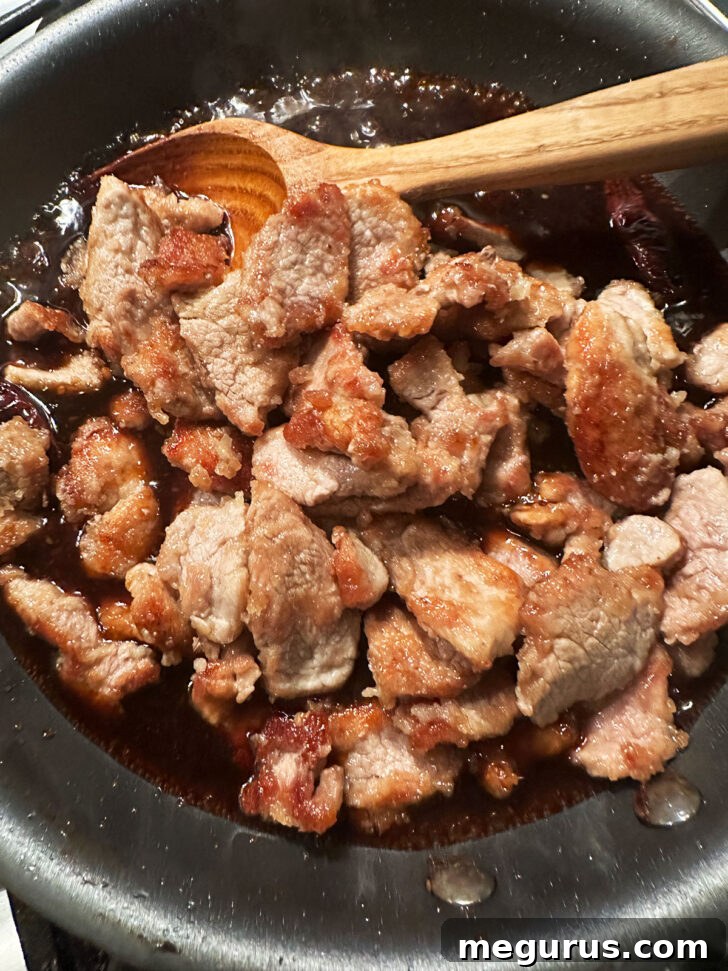
- Cook the Pork: Carefully add the dredged pork pieces to the hot oil in a single layer. Avoid overcrowding the pan; if necessary, cook in batches to allow the pork to brown properly rather than steam. Cook, turning occasionally, until the pork is beautifully golden brown on all sides and cooked through. This usually takes only a few minutes per batch.
- Remove the Pork: Once cooked, use tongs or a slotted spoon to remove the browned pork from the skillet. Transfer it to a plate lined with paper towels to drain any excess oil. Set aside while you prepare the sauce.
- Prepare the Sauce: In the same skillet (no need to clean it, those bits add flavor!), reduce the heat to medium. Add all the prepared Mongolian sauce ingredients and bring the mixture to a gentle boil, stirring constantly.
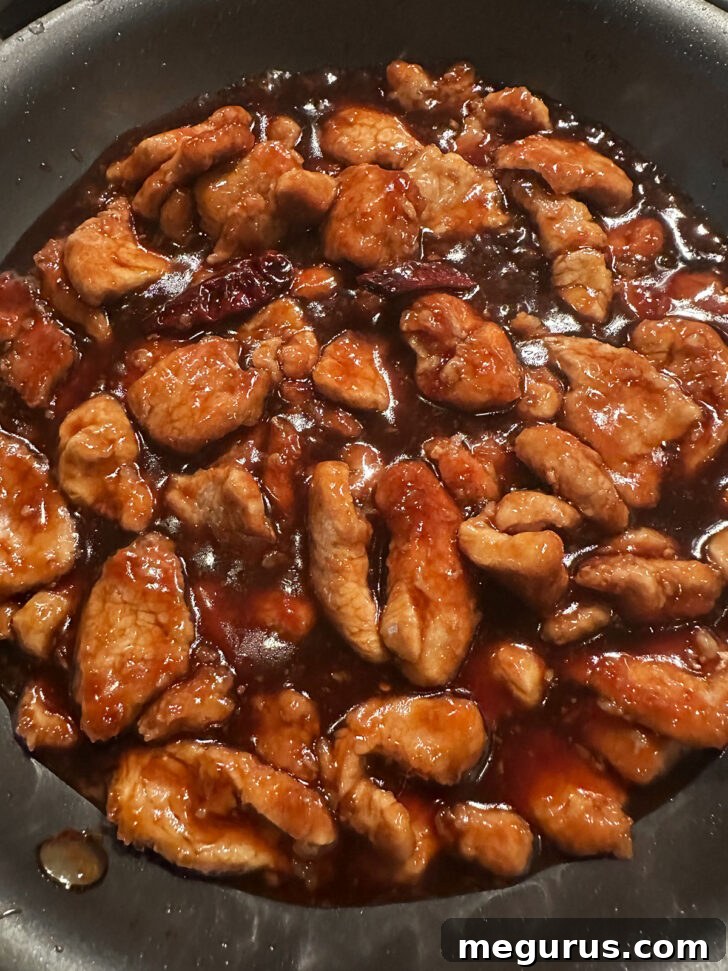
- Thicken the Sauce: In a small separate bowl, whisk together the cornstarch and cold water until a smooth slurry forms. Slowly pour this cornstarch mixture into the simmering sauce in the skillet, stirring continuously. Continue to cook and stir until the sauce thickens to a rich, glossy consistency that coats the back of a spoon.
- Combine Pork and Sauce: Return the cooked, browned pork pieces to the skillet with the thickened sauce. Toss gently to ensure all the pork is thoroughly coated in the luscious sauce. Cook together for another minute or two, just until the pork is re-warmed and perfectly integrated with the sauce.
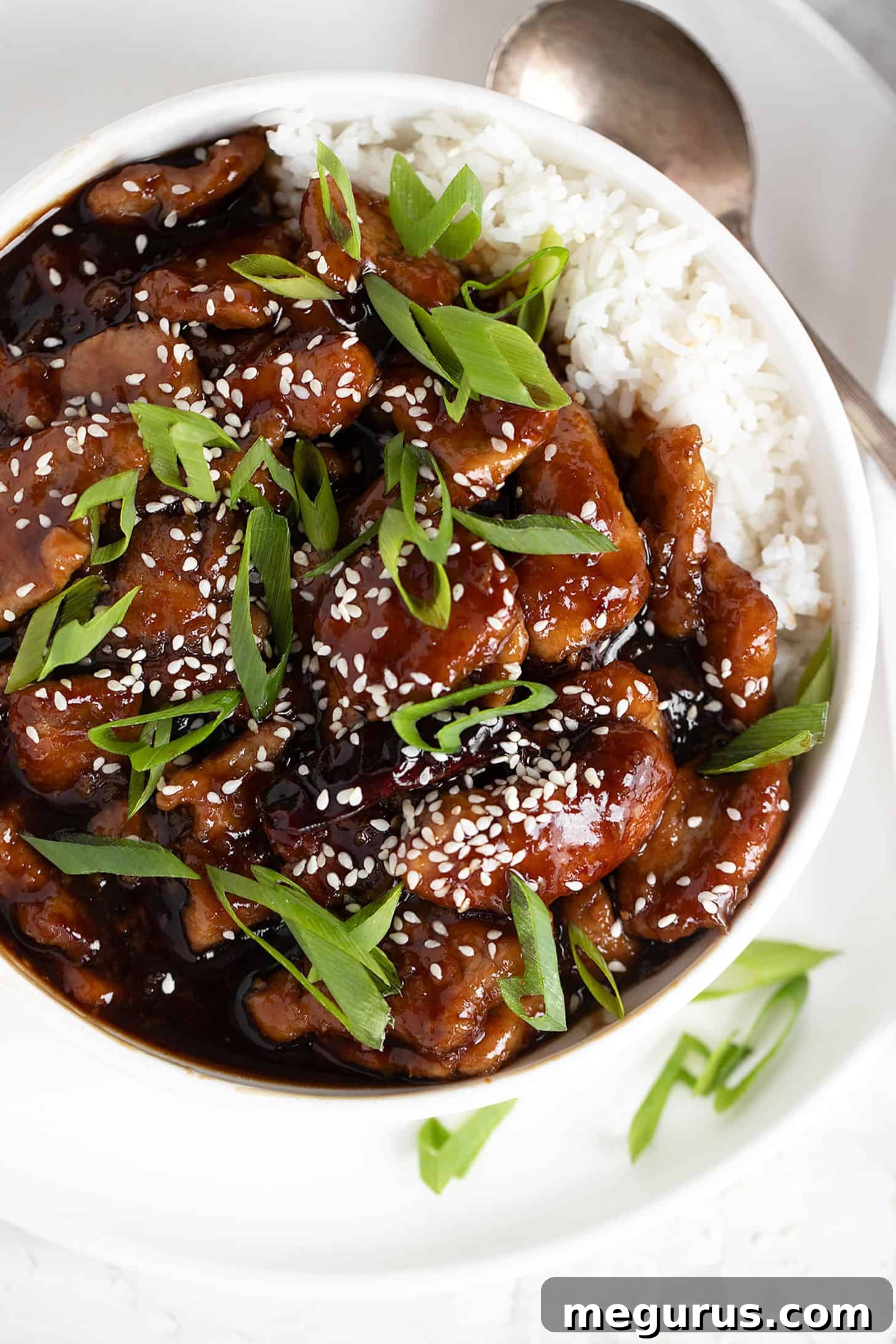
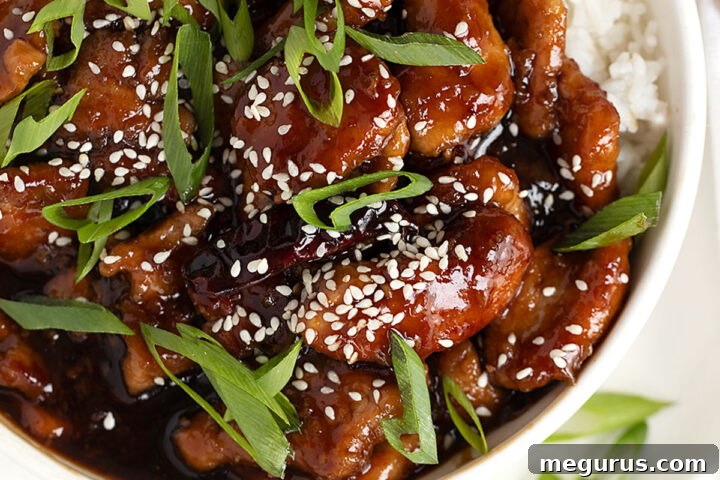
- Serve: Dish out your magnificent Mongolian Pork immediately, garnished with fresh green onions and a sprinkle of sesame seeds. Enjoy!
Expert Recipe Tips for Mongolian Pork Success
- Marination Matters (But is Flexible!): As noted above, the beauty of this recipe lies in its adaptability. While a 30-minute marinade will infuse sufficient flavor, allowing the pork to marinate for 8-10 hours in the refrigerator can significantly deepen the taste and tenderize the meat further. This is a fantastic strategy for morning prep, letting dinner come together even faster in the evening. Just ensure the pork remains chilled.
- Don’t Crowd the Pan: This is a golden rule for stir-frying. When you’re browning the pork, use a large enough skillet or wok to ensure the pieces are in a single layer with some space around them. Overcrowding the pan lowers the oil temperature and causes the pork to steam rather than sear and brown. Steamed pork will be pale and less flavorful, lacking that delightful crisp exterior. Cook in batches if necessary, removing each batch to a plate as it browns.
- Adjust Sauce Flavor: Taste is personal! Once your sauce has thickened, give it a quick taste test. If you find the flavor too intense or overly salty, simply add a splash more water, a tiny bit at a time, until it reaches your preferred balance. Conversely, if it seems a little bland, a tiny dash more soy sauce or brown sugar can perk it up.
- Proper Pork Slicing: For optimal tenderness and quick cooking, slice your pork tenderloin against the grain into uniform 1/4-inch thick strips. Slicing against the grain shortens the muscle fibers, resulting in a more tender chew. Uniform pieces ensure even cooking.
- Ensure Even Coating: When dredging the marinated pork in cornstarch, make sure each piece is thoroughly coated. This layer of cornstarch is what gives the pork its desirable crispy texture and helps the sauce cling beautifully.
- Serving Temperature: Mongolian pork is best served immediately, when the pork is hot and the sauce is glossy and warm. If you need to prepare it slightly ahead, you can keep the cooked pork and sauce separate and combine them just before serving, warming gently in the skillet until heated through.
What to Serve with Your Mongolian Pork
This saucy Mongolian Pork dish practically begs for something to soak up its incredible flavors. Here are some perfect accompaniments to complete your meal:
- Rice: A classic and natural pairing. Steamed white rice, such as jasmine or basmati, provides a soft, neutral canvas for the rich sauce. Brown rice is an excellent, wholesome alternative, adding a nutty flavor and more fiber.
- Noodles: If you prefer noodles over rice, you have many delicious options. Delicate rice noodles, hearty udon noodles, thin ramen noodles, or even stir-fried egg noodles would all be fantastic choices. Toss them directly with the saucy pork or serve the pork over a bed of plain noodles.
- Green Vegetables: To balance the richness of the pork and sauce, a fresh green vegetable is a must. Simple steamed or lightly stir-fried options include tender broccoli florets, elegant broccolini, vibrant bok choy (halved or quartered), crisp green beans, or even snow peas. They add color, texture, and essential nutrients to your plate.
- Quick Vegetable Stir-fry: Elevate your side dish with a simple vegetable stir-fry. A mix of thinly sliced onions, colorful bell peppers (red, yellow, or orange), and matchstick carrots quickly stir-fried with a touch of soy sauce and sesame oil makes a fantastic, flavorful companion.
- Spring Rolls or Dumplings: For an appetizer or a more indulgent meal, serve alongside some crispy spring rolls or savory steamed dumplings.
Making Ahead, Storing, and Freezing
This recipe is incredibly convenient for meal planning and enjoying delicious leftovers.
- Making Ahead: As mentioned, you can cut and marinate the pork pieces up to 8-10 hours in advance, keeping them refrigerated. This significantly streamlines dinner preparation on a busy day. You can also prepare the Mongolian sauce ingredients in a separate bowl ahead of time and store it in the refrigerator, ready to be heated and thickened when needed.
- Storing Leftovers: Any leftover Mongolian Pork should be stored promptly in an airtight container in the refrigerator. It will remain fresh and delicious for 2-3 days. Reheat gently on the stovetop over medium-low heat or in the microwave until warmed through. You may need a splash of water to loosen the sauce if it has thickened too much in the fridge.
- Freezing: For longer storage, Mongolian Pork freezes remarkably well. Allow the cooked dish to cool completely before transferring it to a freezer-safe airtight container or heavy-duty freezer bag. It can be frozen for up to 3 months. To reheat, thaw overnight in the refrigerator, then warm gently on the stovetop or in the microwave. Again, a little water or broth might be needed to revive the sauce’s consistency.
Get the Recipe: Mongolian Pork
Pin This
Leave a Review
Ingredients
- 1 lb. pork tenderloin, silver skin and visible fat removed
Pork Marinade:
- 1 Tablespoon vegetable oil or canola oil
- 1 Tablespoon soy sauce, low sodium recommended
- 2 Tablespoons cornstarch
For pan frying:
- 1/4 cup Cornstarch
- 2 Tablespoons vegetable oil or canola oil, for frying
Mongolian Sauce:
- 1/2 cup soy sauce, low sodium recommended
- 1/4 cup water, plus more, if needed
- 1/2 cup light or dark brown sugar, packed (I like to use dark brown sugar)
- 1 Tablespoon fresh ginger, minced or ginger paste
- 1 Tablespoon fresh garlic , minced (or use 2 Tbsp Ginger Garlic paste to replace both the ginger and garlic)
- 2 dried red chili peppers, or 1/8 tsp red pepper flakes, optional
To thicken sauce:
- 1 Tablespoon cornstarch
- 1 Tablespoon cold water
Garnish:
- Green onion, sliced
- sesame seeds
Instructions
-
Prepare the pork tenderloin: With a sharp knife, cut the pork tenderloin in half lengthwise, into two pieces. Slice each piece crosswise into 1/4-inch wide strips. Place the pork into a sealable clean plastic bag or a shallow bowl.
-
Prepare the marinade: In a small bowl, mix together the oil, soy sauce and cornstarch as detailed in the marinade ingredients. Mix until smooth, then pour over the pork in the bag or bowl. *Note: marinade will be thick. It is intended to be more of a coating for the meat so that when it is dredged in the cornstarch in the next step, it will have something to stick to. Shake or toss to coat well. Seal bag (or cover bowl) and refrigerate for at least 30 minutes or up to 8 hours.
-
Dredge: Remove marinated pork to a bowl and sprinkle with the 1/4 cup of cornstarch until well coated.
-
Fry: Heat the cooking oil in a large skillet over medium-high heat until hot. Add the dredged pork pieces to the hot oil and cook the pork, turning regularly, until golden brown and cooked through. Remove the pork to a paper towel covered plate.
-
Make the Sauce: Mix the sauce ingredients together in a small bowl. Add to the same skillet over medium heat. Heat the sauce until it comes to a boil.
-
In a small bowl, mix together the cornstarch and water to thicken the sauce. Add to the simmering sauce and cook, stirring, until the sauce thickens.
-
Return the pork to the skillet with the thickened sauce and cook together until well coated and re-warmed.
-
Serve garnished with sliced green onion and sprinkled with sesame seeds.
Notes
-
- You can marinate the pork anywhere from 30 minutes to 8-10 hours, so you can get a head start on dinner in the morning, if you like. Be sure to marinate the pork in the refrigerator.
- Use a large skillet so the pork isn’t crowded as it browns. Otherwise, the moisture from the pork will steam the pork instead of browning it.Adjust the amount of added water as needed.
- If the sauce tastes a bit strong for your taste, add a splash more water to the sauce.
Be sure to read the notes above this Recipe Card, for more tips on making this recipe. You’ll also find step-by-step photos there, that you might find helpful.