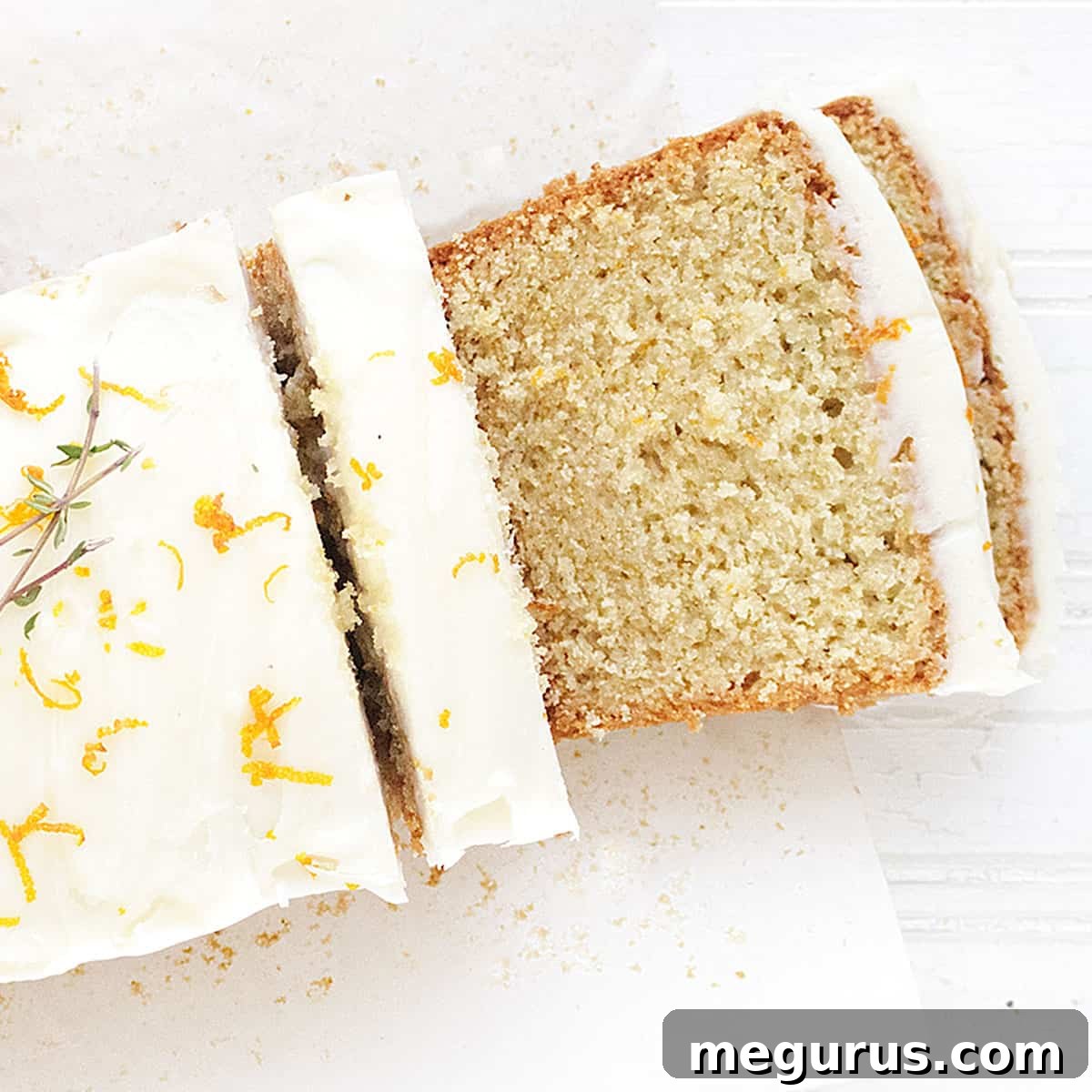
There’s something truly special about a homemade loaf cake, and this Whole Orange Loaf Cake transcends the ordinary. Imagine a cake that captures the vibrant essence of citrus, from its fragrant zest to its juicy pulp, all in one perfectly balanced bite. This recipe does just that, starting with a whole orange—peel and all—to infuse every crumb with an unparalleled depth of flavor. It’s a delightful treat that boasts just the right amount of orange zestiness and a gentle sweetness, making it an ideal companion for your morning coffee, afternoon tea, or as a simple yet elegant dessert.
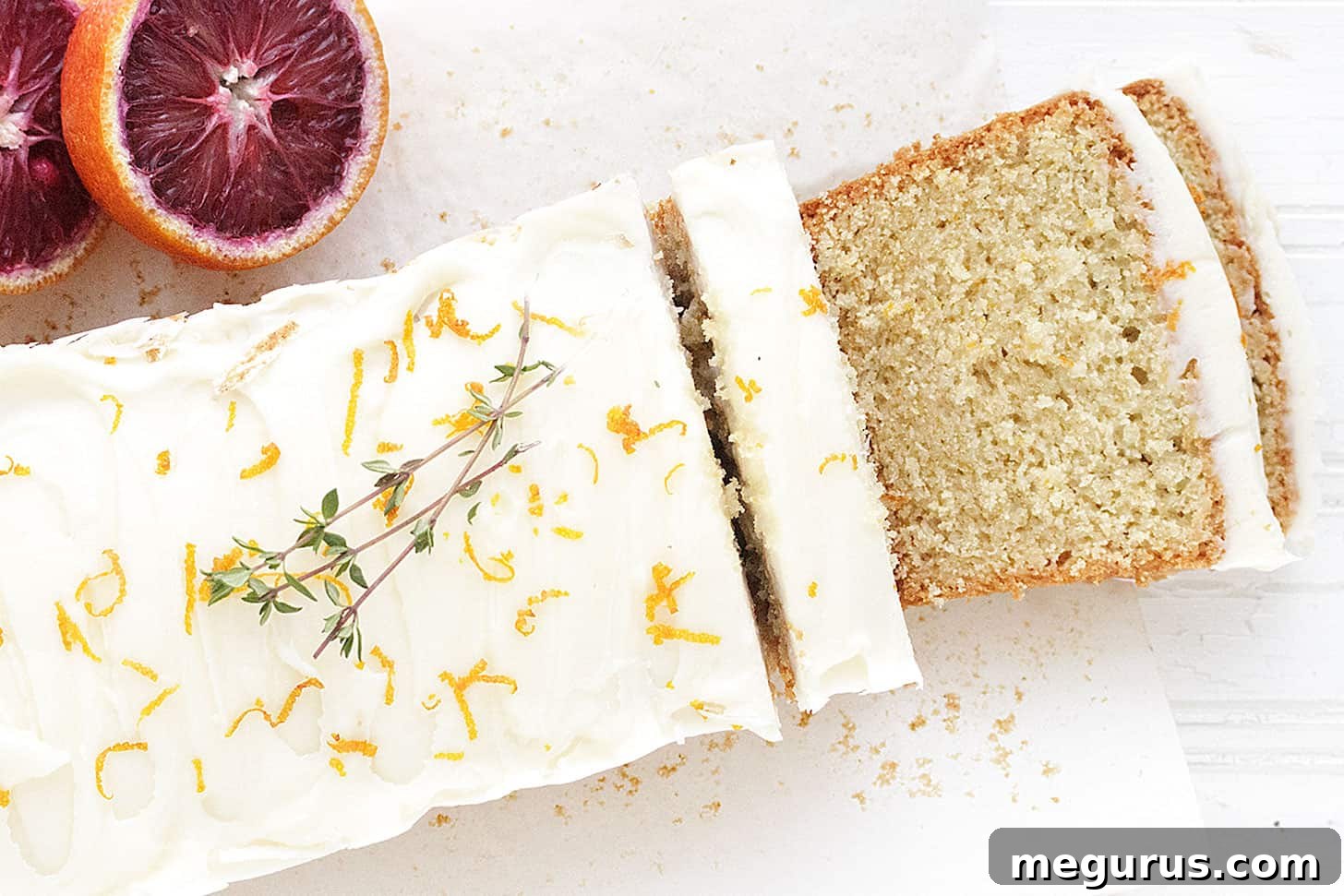
What sets this easy orange loaf cake apart is its unique preparation method. Instead of just using orange juice or zest, we incorporate an entire orange, finely blended to unlock its full aromatic potential. This clever technique ensures a moist and wonderfully fragrant cake that’s bursting with natural citrus oils. The blended orange then forms the heart of our batter, mixed with egg yolks, sugar, and flour. The final touch involves carefully folding in stiffly beaten egg whites, which contribute to the cake’s light yet sturdy texture, perfect for clean slices.
While the cake itself is a star, the generous layer of creamy cream cheese icing elevates it to new heights. Although not part of the original recipe, this rich and tangy frosting perfectly complements the sweet and citrusy notes of the cake, adding an irresistible touch of indulgence. If you prefer a lighter finish, a warm citrus glaze made with icing sugar and orange juice can also be drizzled over the loaf just before serving, offering a bright and zesty alternative that’s equally delicious.
Unlocking the Magic of the Whole Orange: Flavor & Technique
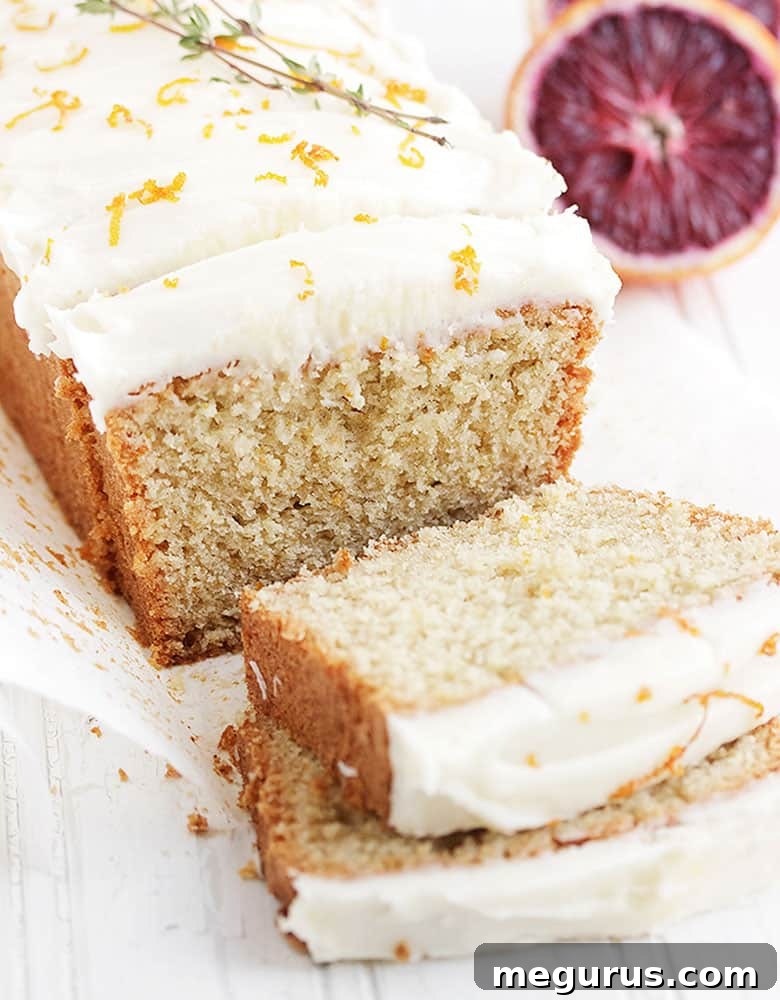
The secret to this loaf cake’s exceptional flavor lies in its star ingredient: the whole orange. By blending the entire fruit, including the peel, we harness all the aromatic oils and natural bitterness from the zest, the sweetness from the pulp, and the moisture from the juice. This comprehensive approach results in a complex, multi-layered orange flavor that simply cannot be achieved by using only juice or extract. It’s a game-changer for any citrus-based bake, creating a truly authentic and vibrant taste experience.
When selecting your orange, consider the peel thickness. A thinner-skinned orange will generally yield a sweeter cake, while a thicker-skinned variety might impart a slightly more tart and intensely citrusy note. Whichever you choose, ensure it’s well-washed to remove any residues. The blending process is crucial; aim for a creamy, almost liquid consistency. This ensures the orange is fully integrated into the batter, distributing its flavor evenly and contributing to the cake’s tender crumb.
The batter assembly is a meticulous dance of ingredients. Separating the eggs allows for the yolks to be incorporated into the main orange mixture, adding richness and emulsification, while the whites are beaten to stiff peaks. These airy whites are then gently folded into the batter, a technique that introduces air and contributes to the cake’s structure without making it overly delicate. This balance results in a sturdy yet wonderfully moist homemade orange cake that holds its shape beautifully when sliced.
Essential Baking Tips for a Perfect Loaf Cake
Baking is a science, and a few key tips can transform your results from good to exceptional. This particular orange cake recipe was originally developed using gram measurements, which are inherently more accurate than cup measurements. While cup conversions are provided for convenience, we highly recommend using a kitchen scale for the best and most consistent results. Precision in baking, especially with flour and sugar, can significantly impact the final texture and rise of your loaf.
Choosing Your Pan and Adjusting Bake Time: I typically bake this loaf in a long, narrow tea loaf pan (approximately 4×12 inches), which requires about 50 minutes of baking time. A standard 9×5-inch loaf pan will also work perfectly. Regardless of your pan choice, the batter should fill the pan roughly a bit over halfway. It’s crucial to understand that baking times vary significantly depending on the size, shape, and material of your baking pan, as well as your oven’s calibration. Always keep a close eye on your cake and test for doneness regularly using a cake tester or a wooden skewer. When inserted into the center, it should come out clean, indicating that your loaf is perfectly baked through.
Pan Preparation: To ensure easy removal and a beautiful finish, always prepare your loaf pan properly. A light spray with cooking spray followed by lining with parchment paper is an excellent method. Allow the parchment to hang over the sides slightly to create “handles” for lifting the cooled cake out effortlessly.
Oven Temperature: The recommended oven temperature of 300°F (not fan-assisted) is important for a slow, even bake that allows the cake to cook thoroughly without over-browning the exterior. If your oven has a fan, you might need to adjust the temperature slightly lower or bake for a shorter duration, so rely on your cake tester.
Making Ahead, Storing, and Freezing Your Orange Loaf
This whole orange loaf cake is truly at its peak within 24 hours of baking, when its flavors are most vibrant and its texture most tender. For short-term storage, any leftovers should be placed in an airtight container and kept at room temperature for another day or two. This helps maintain its freshness and prevents it from drying out.
For longer preservation, this cake freezes beautifully. Once completely cooled, wrap the loaf tightly in plastic wrap, followed by a layer of aluminum foil. This double-layer protection prevents freezer burn and helps maintain its moisture. It can be frozen for up to 3 months. When you’re ready to enjoy it, simply thaw the cake overnight in the refrigerator, or at room temperature for a few hours. If it was frosted, let it come to room temperature before serving for the best texture.
Cream Cheese Frosting vs. Simple Orange Glaze: Your Choice
The decision between a luscious cream cheese frosting and a delicate citrus glaze is a matter of personal preference, and both offer wonderful ways to finish this loaf cake. My personal addition of cream cheese frosting stemmed from having ingredients on hand, and it proved to be a delightful pairing, adding a rich, tangy counterpoint to the sweet orange flavor. It creates a more decadent and celebratory feel, making the cake perfect for special occasions or when you simply crave a richer dessert.
If you opt for the cream cheese frosting, ensure your butter and cream cheese are at room temperature for a smooth, lump-free consistency. Beat them together until light and fluffy before gradually adding the milk and confectioners’ sugar. Adjust the amount of milk or sugar to achieve your desired spreading consistency. Garnish with a sprinkle of fresh orange zest or a few sprigs of thyme for an elegant touch.
Alternatively, the original recipe suggested a warm glaze of icing sugar melted with orange juice. This simpler glaze offers a lighter, brighter finish that allows the pure orange flavor of the cake to shine through. It’s quick to prepare and ideal when you want a less indulgent topping or are serving the cake as part of a breakfast or brunch spread. To make it, simply whisk powdered sugar with enough fresh orange juice until you reach a pourable consistency. Drizzle it over the warm or cooled cake for a beautiful sheen and an extra burst of citrus.
Serving Suggestions & Variations
This versatile citrus loaf cake is perfect for a myriad of occasions. Serve it alongside your morning coffee or tea for a comforting start to the day. It also makes a fantastic addition to any brunch spread, perhaps with some fresh berries or a dollop of whipped cream. For dessert, a slice warmed slightly and paired with a scoop of vanilla ice cream or a berry compote is simply divine.
Feeling adventurous? Consider these variations:
- Nutty Twist: Fold in a half cup of chopped walnuts or pecans into the batter for added crunch and flavor.
- Spiced Orange: Add a pinch of cinnamon or cardamom to the flour mixture for a subtle warmth that complements the orange beautifully.
- Chocolate Orange: Incorporate mini chocolate chips into the batter for a classic flavor combination.
- Fruit Medley: Mix in dried cranberries or chopped dates for a chewy texture and additional sweetness.
No matter how you choose to enjoy it, this whole orange loaf cake is destined to become a staple in your baking repertoire. Its straightforward approach and profound flavor make it a truly rewarding bake for any home chef.
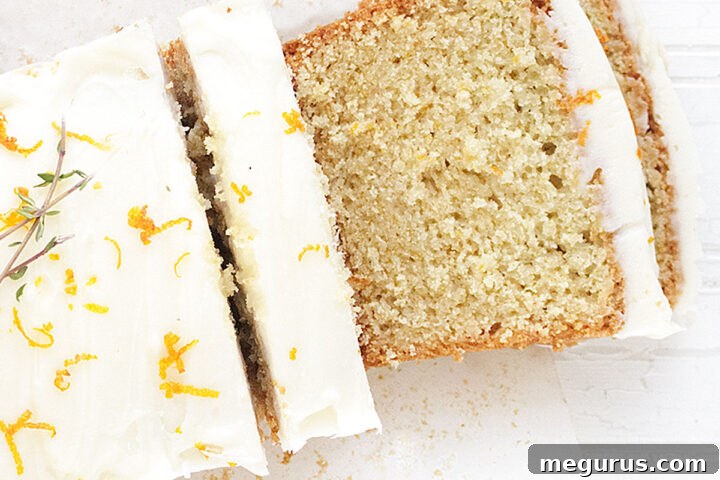
Get the Recipe: Whole Orange Loaf Cake
This lovely orange loaf cake starts with a whole orange – peel and all! The cake is perfectly balanced with just enough orange flavor and lightly sweet. You’ll love the generous layer of cream cheese icing, too!
5 stars from 3 ratings
Pin This
Leave a Review
15 mins
50 mins
1 hr 5 mins
14 servings
Ingredients
For the cake:
- 1 medium whole orange (any variety, but one with thinner peel will be sweeter or thicker peel a bit more tart)
- 3 large eggs, separated
- 1 1/2 cups (300 g) white granulated sugar
- 1 cup (220 ml) vegetable oil, or similar neutral-tasting cooking oil
- 1 teaspoon vanilla extract
- 2 1/2 cups (315 g) all-purpose flour, spooned and leveled
- 1 Tablespoon baking powder
For the cream cheese icing (optional):
- 1/4 cup (57 g) butter, at room temperature
- 1/4 cup (44 g) cream cheese, at room temperature
- 3 Tablespoons milk
- 2 cups (260 g) icing/confectioners’ sugar
Instructions
- Preheat oven to 300°F (not fan-assisted). Prepare a 4×12 or 9×5 loaf pan by spraying it with cooking spray and lining it with parchment paper (for easy removal).
- Wash the orange well and cut it into chunks (including the peel). Place the orange in a blender or food processor and blend until creamy and smooth. Add the egg yolks, sugar, vegetable oil, and vanilla extract. Continue blending for a few minutes until well combined.
- In a medium bowl, whisk together the all-purpose flour and baking powder. Set aside.
- Pour the orange mixture into a large mixing bowl. Gradually and slowly incorporate the flour and baking powder mixture into the wet ingredients, mixing until just combined and no dry streaks remain. Be careful not to overmix.
- In a separate clean bowl (preferably the bowl of a stand mixer with a whisk attachment), beat the egg whites with a pinch of salt until stiff peaks form. The egg whites should be firm and hold their shape when the whisk is lifted. Gently incorporate the beaten egg whites into the batter. (*Note: The batter is fairly stiff, so folding in the egg whites requires a delicate touch to maintain their airiness. Using a spatula, slice down the center of the batter from 12 o’clock to 6 o’clock, then turn the spatula blade at an angle and scrape underneath towards 7 o’clock, lifting the batter up and over the top. Rotate the bowl slightly and repeat until all the egg white has been thoroughly and gently incorporated, ensuring no white streaks remain.)
- Pour the completed batter into your prepared loaf pan. Bake at 300°F for 40-55 minutes, or until a cake tester inserted into the center comes out clean. The exact baking time will depend on your oven and pan size.
- For the icing: While the cake cools, combine all the cream cheese icing ingredients (butter, cream cheese, milk, confectioners’ sugar) in a bowl. Beat with an electric mixer until smooth and creamy. Add more icing sugar if necessary to achieve a thick, spreadable consistency. Once the cake has cooled completely, spread the icing generously over the top. Garnish with fresh orange zest or small sprigs of thyme, if desired, for an appealing presentation.
Notes
Be sure to read the comprehensive tips and explanations above this recipe card for additional guidance on making this delicious loaf cake, including ingredient choices and pan adjustments.
Nutrition Information (per serving):
- Serving: 1 serving
- Calories: 296 kcal
- Carbohydrates: 57g
- Protein: 4g
- Fat: 6g
- Saturated Fat: 3g
- Polyunsaturated Fat: 0.5g
- Monounsaturated Fat: 2g
- Trans Fat: 0.1g
- Cholesterol: 53mg
- Sodium: 57mg
- Potassium: 155mg
- Fiber: 1g
- Sugar: 39g
- Vitamin A: 241IU
- Vitamin C: 5mg
- Calcium: 60mg
- Iron: 1mg
Tried this recipe? If you enjoyed this recipe, please consider leaving a star rating and comment. It helps others to find it!