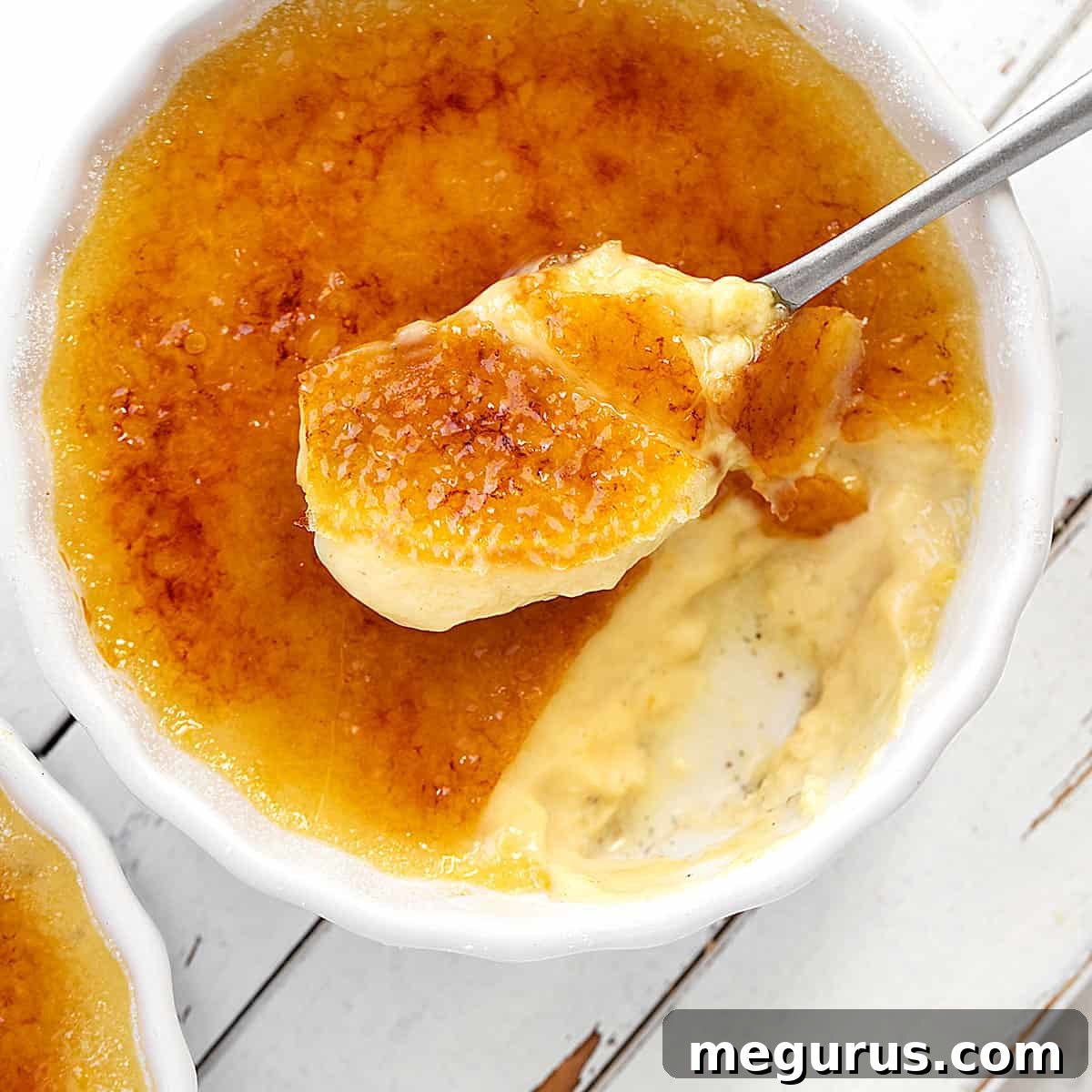
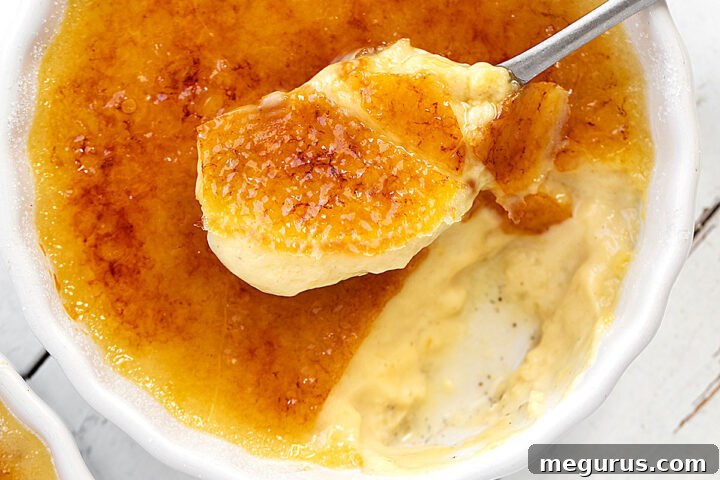
Indulge in the exquisite pleasure of a perfectly crafted Maple Crème Brûlée, a dessert that effortlessly combines classic French elegance with the rich, comforting sweetness of pure maple syrup. Each spoonful promises a silky-smooth custard infused with an authentic maple flavor, culminating in that iconic, satisfying crack of caramelized sugar on top. This recipe elevates the beloved Crème Brûlée, transforming it into a unique, sophisticated treat that’s surprisingly simple to achieve in your own kitchen. Whether you’re a seasoned baker or a curious novice, prepare to impress with this delightful twist on a timeless classic.
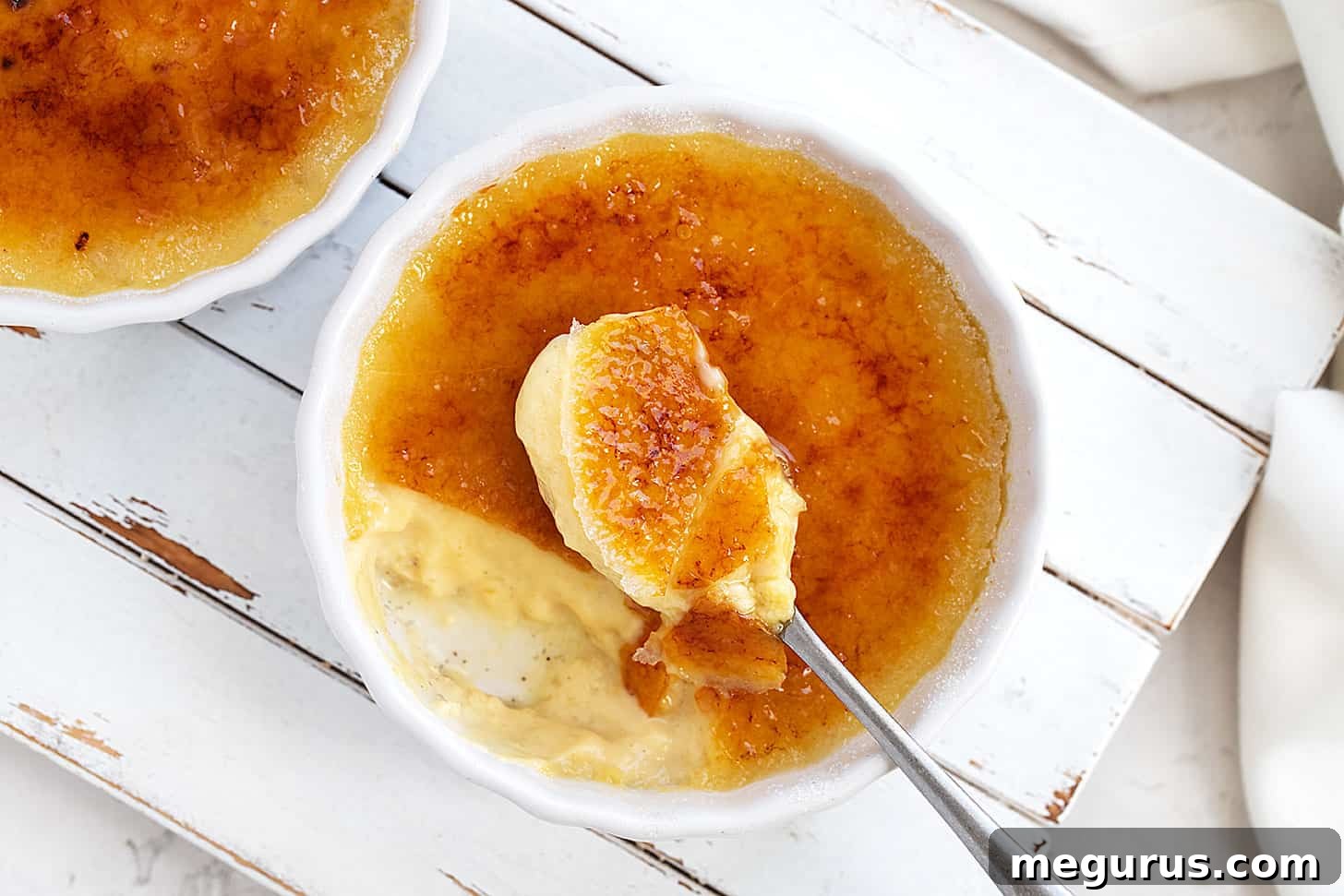
Why This Maple Crème Brûlée Recipe Shines
There’s a reason Crème Brûlée holds a special place in the hearts of dessert lovers worldwide. This maple-infused version, however, takes that adoration to a whole new level:
- Irresistible Flavor Profile: While the traditional vanilla Crème Brûlée is undeniably delicious, introducing real maple syrup adds a depth and warmth that is truly unparalleled. The sweet, earthy notes of maple beautifully complement the creamy, rich custard, creating a flavor experience that is both familiar and excitingly new. It’s a comforting yet refined taste that will have everyone asking for the recipe.
- Surprisingly Simple to Master: Don’t let the elegant appearance fool you; Crème Brûlée is far from intimidating. With a few key techniques and a little patience, even beginner bakers can achieve professional-quality results. We’ll guide you through each step, ensuring a smooth process and a perfect custard every time. This recipe proves that gourmet desserts don’t have to be complicated.
- The Ultimate Make-Ahead Dessert: Planning a dinner party or a special meal? Crème Brûlée is your best friend. The custards require several hours of chilling, making them an ideal dessert to prepare a day in advance. This frees up your precious time on the day of your event, allowing you to focus on other preparations. The final touch of torching the sugar topping is done just before serving, adding a dramatic flair with minimal effort.
- Seasonal Versatility: A Springtime Delight and Beyond: While maple syrup is often associated with autumn, its harvest in late winter and early spring makes it a true harbinger of the season. This Maple Crème Brûlée is perfect for a festive Easter dessert or any spring gathering. Its sophisticated yet comforting profile also makes it a fantastic choice year-round, adding a touch of rustic elegance to any occasion.
The Heart of the Dessert: Five Key Ingredients
Crafting the perfect Crème Brûlée starts with understanding the role of each high-quality ingredient. Here’s what you’ll need and why:
Heavy Whipping Cream (35% Fat): This is the non-negotiable star of any rich custard. The high-fat content (typically 35% butterfat) is essential for achieving the incredibly creamy, luxurious texture that defines Crème Brûlée. There truly is no substitute here; lower-fat creams will result in a less decadent and potentially watery custard.
Pure Maple Syrup: Forget imitation maple-flavored syrups; for this recipe, authenticity is key. Real maple syrup delivers complex, natural sweetness and a distinct flavor that cannot be replicated. I highly recommend using Amber (formerly Grade A Dark, Robust Taste) or Grade B (now known as Grade A Very Dark, Strong Taste) maple syrup. These darker grades possess a more pronounced, richer maple flavor that will shine through the custard beautifully, making the maple truly the star of the show.
Vanilla: Vanilla adds a subtle yet indispensable layer of aromatic sweetness that complements the maple. My personal preference is vanilla bean paste, as I adore the visible specks of vanilla bean it leaves in the custard, a hallmark of gourmet quality. Scraping seeds directly from a vanilla bean is another excellent option for intense flavor. If these are unavailable, pure vanilla extract is perfectly fine, just ensure it’s high quality for the best results.
Large Egg Yolks: Eggs are the binder and structure of the custard, and specifically, the yolks provide richness and emulsification. Using only yolks (rather than whole eggs) results in a silkier, more tender custard. Opt for the freshest large eggs you can find, as their quality directly impacts the final texture and flavor of your Crème Brûlée.
Sugar for the Iconic Topping: The caramelized sugar crust is what makes Crème Brûlée instantly recognizable. While granulated white sugar is the classic choice for that unmistakable “crack-with-a-spoon” experience, you have options. Brown sugar offers a slightly softer, chewier topping with a hint of molasses flavor, often melting more evenly under a broiler. Turbinado sugar provides larger crystals and a deeper caramel note but may require more torching. If you’re feeling adventurous, maple sugar creates an incredible, intensified maple crust. Experiment to discover your favorite!
Essential Tools for Crème Brûlée Success
Having the right equipment on hand will make the Crème Brûlée making process smoother and more enjoyable:
- Ramekins: Shallow, wide ramekins (typically 4-6 oz capacity) are ideal for classic Crème Brûlée, promoting even cooking and a good surface area for the sugar topping. Ensure they are oven-safe.
- Heavy-Bottomed Saucepan: For heating the cream and maple syrup, a saucepan with a heavy bottom will prevent scorching.
- Whisk and Spatula: Essential for combining ingredients and stirring.
- Fine-Mesh Strainer: A crucial tool for ensuring a perfectly smooth custard, catching any cooked egg bits or vanilla bean remnants.
- Large Roasting or Baking Pan: You’ll need this for the water bath (bain-marie) during baking. It should be deep enough to hold the ramekins and hot water.
- Kitchen Torch (or Oven Broiler): For caramelizing the sugar topping. A kitchen torch offers the most control and the classic restaurant-style finish. If you don’t have one, your oven’s broiler can be a good alternative.
- Heat-Proof Measuring Cup with a Spout: Makes pouring hot cream slowly into the egg mixture much easier and safer.
Mastering Maple Crème Brûlée: A Step-by-Step Guide
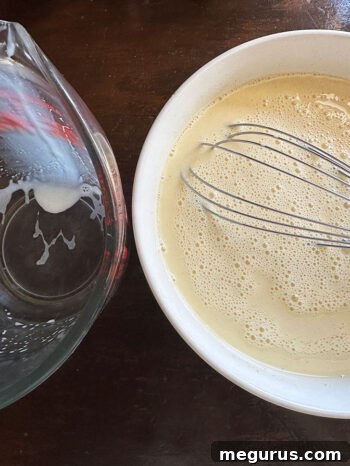
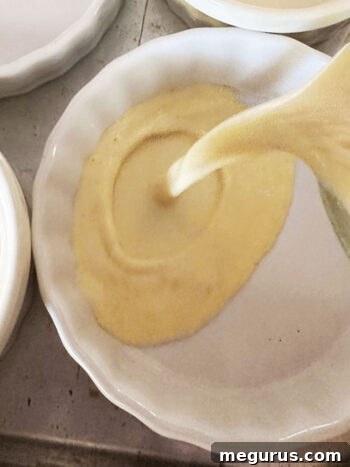
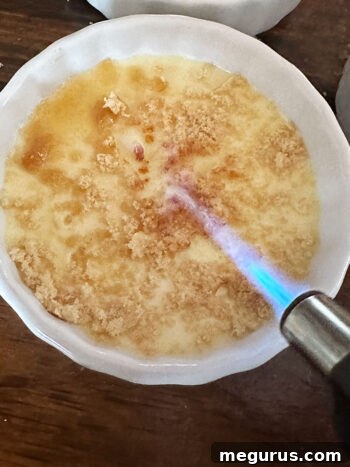
- Preparation is Key: Begin by preheating your oven to 350°F (175°C) using a regular bake setting, not fan-assisted. Arrange your ramekins in a deep roasting or baking pan. For consistent cooking, use ramekins of the same size and fill them to an equal depth.
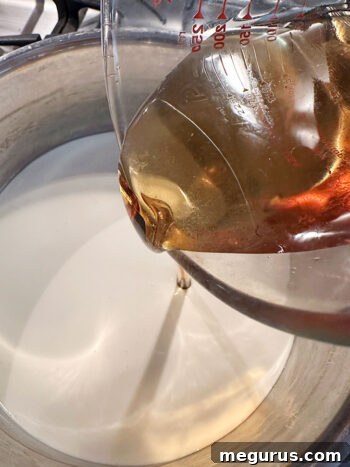
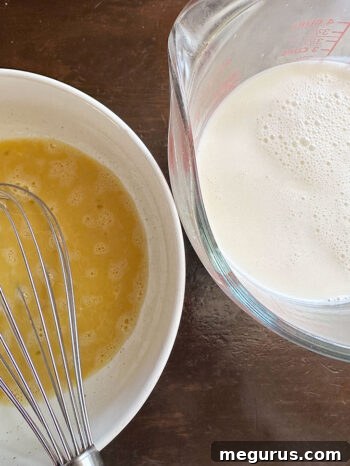
- Warm the Cream and Maple Syrup: In a medium saucepan, combine the heavy cream and pure maple syrup. Heat this mixture over medium heat, stirring occasionally, until small bubbles just begin to appear around the edges of the pan. This indicates it’s hot but not boiling. Immediately remove from heat and carefully pour the mixture into a large measuring cup or a pitcher with a spout for easier pouring.
- Prepare the Egg Yolks and Vanilla: In a separate medium bowl, gently whisk together the egg yolks and vanilla (paste, scraped bean, or extract). Be careful not to whisk too vigorously, as you want to avoid incorporating excessive air, which can lead to a foamy or bubbly custard.
- The Art of Tempering (Crucial Step!): This is the most vital step for a silky-smooth custard. You need to gradually raise the temperature of the egg yolks without scrambling them. Very, very slowly—start with just a few drops at a time—add the hot cream mixture to the egg yolk mixture while continuously stirring with a whisk or fork. Once a small amount of hot cream has been incorporated and the egg yolks are warmed, you can increase to a slow, steady stream, continuing to stir constantly, until all the cream mixture has been added. This gradual process, known as tempering, prevents the eggs from cooking prematurely. If you accidentally went too fast and notice small lumps of cooked egg in your mixture, don’t despair! Pass the custard through a fine-mesh strainer to remove them. While not ideal, it’s a good fix.
- Fill Ramekins and Bake in a Water Bath: Carefully divide the smooth custard mixture among your prepared ramekins. Now, fill a large pitcher or measuring cup with hot tap water. Gently pour the hot water into the roasting pan around the ramekins, ensuring the water level reaches about halfway up their sides. This water bath (bain-marie) creates a moist, even cooking environment, preventing the custards from curdling, cracking, or overcooking around the edges, resulting in a beautifully smooth texture.
- Bake to Perfection: Carefully transfer the pan with the water bath and ramekins to your preheated oven. Bake for approximately 25-30 minutes. Begin checking after about 20 minutes. To test for doneness, gently jiggle the baking pan. The custards are ready when the edges are just set, but the center still has a slight, very gentle jiggle. They should not look liquidy. Remember, they will continue to set as they cool and chill. Overcooking can lead to a rubbery texture. (For reference, the ramekins shown in our photos took about 27 minutes.)
- Cool and Chill: Once baked, carefully remove the roasting pan from the oven. Allow the custards to remain in the hot water bath for about 5 minutes. Then, using oven mitts, carefully lift the ramekins out of the water and place them on a wire rack to cool completely at room temperature. Once cooled, cover each ramekin tightly with plastic wrap and transfer them to the refrigerator to chill for a minimum of 3 hours, or ideally, up to 24 hours. Chilling is essential for the custard to fully set and achieve its perfect consistency.
The Grand Finale: Crafting the Perfect Caramelized Sugar Topping
The signature crisp sugar topping is what truly completes Crème Brûlée. Here’s how to achieve that satisfying crack, whether you have a torch or not:
Using a Kitchen Torch for the Classic Finish:
For that authentic, glassy, crackable topping, a kitchen torch is your best friend. Remove the chilled custards from the refrigerator just before serving. Sprinkle a thin, even layer of your chosen sugar (granulated white sugar works best for the classic crack) over the top of each custard. Hold the kitchen torch about 1 inch away from the sugar and move it continuously in a circular motion. As the sugar melts and bubbles, you’ll see it transform into a clear liquid. Add another thin layer of sugar and repeat the process. You may need 2-4 thin layers to build up enough sugar for a substantial crack. Continue torching the melted sugar until it reaches a beautiful golden or amber color. Be careful not to burn it, as this will result in a bitter taste.
Broiler Method (No Torch? No Problem!):
If you don’t have a kitchen torch, your oven broiler can work wonders. Place the chilled ramekins on a baking sheet. Sprinkle a thin layer of sugar over each custard. Position the baking sheet on an oven rack about 4 to 6 inches away from the broiler element. Broil for 5 to 6 minutes, or until the sugar melts and caramelizes into a golden glaze. Keep a very close eye on them, as sugar can burn quickly under the broiler. Using brown sugar often works well with this method, as it tends to melt more evenly.
The Post-Torch Chill:
After torching or broiling the sugar topping, it’s crucial to return the custards to the refrigerator for at least 10-15 minutes. This allows the caramelized sugar to cool and harden, creating that perfect crisp texture. While you can leave them in the fridge for up to 2 hours after brûléeing, avoid longer periods, as the moisture from the custard can eventually cause the hard sugar topping to soften and melt, losing its iconic crunch.
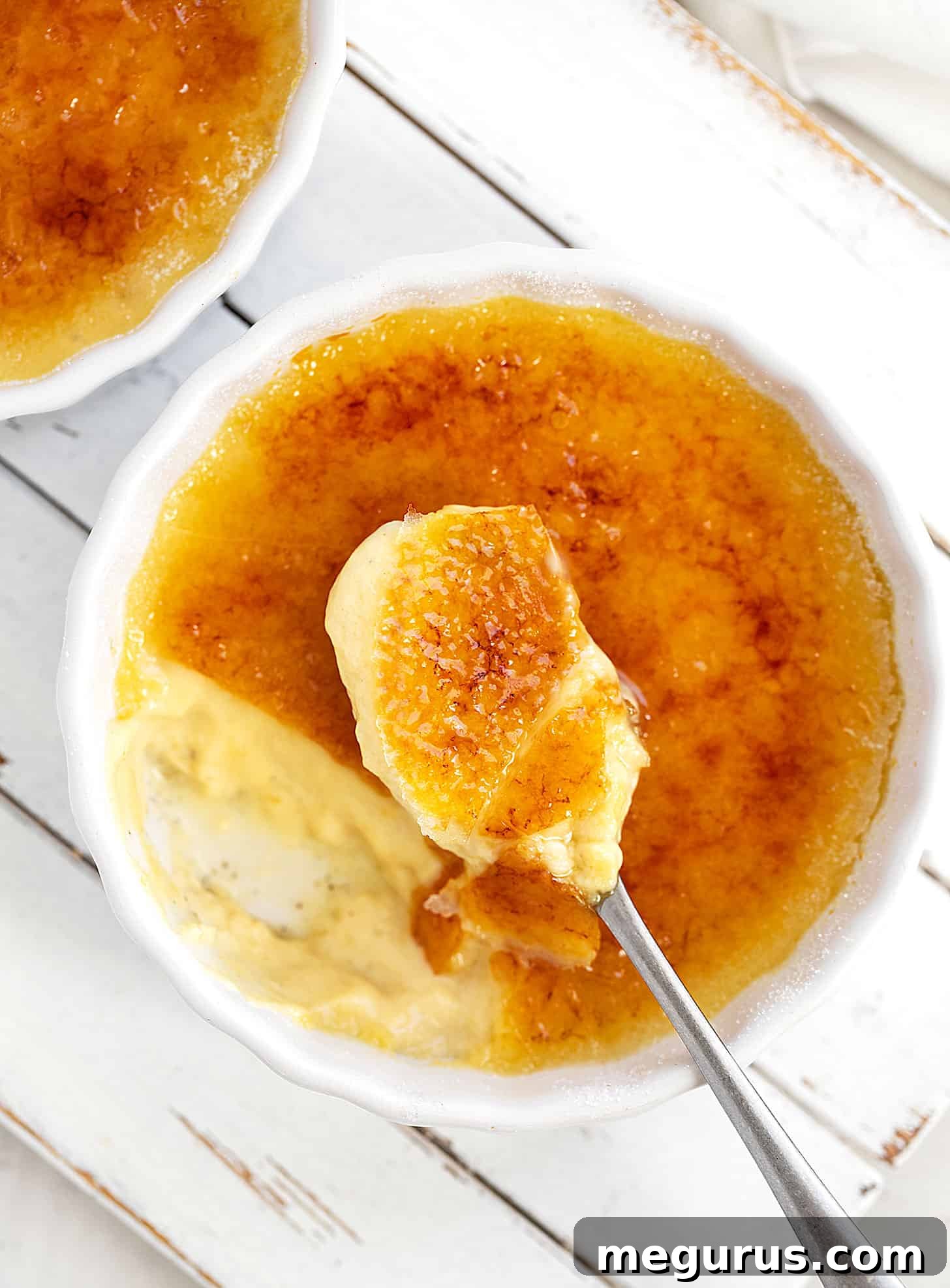
Recipe: Decadent Maple Crème Brûlée
Get the Recipe: Maple Crème Brûlée
Silky smooth maple Crème Brûlée, infused with real maple syrup for fabulous maple flavor. Topped with a classic torched sugar topping.
Prep Time: 15 mins
Cook Time: 25 mins
Chilling Time: 3 hrs
Total Time: 3 hrs 40 mins
Yield: 5 servings
Ingredients
For the Custard:
- 2 cups heavy whipping cream (35% b.f.)
- 1/2 cup pure maple syrup (Grade B or Amber recommended)
- 4 large egg yolks
- 1 Tablespoon pure vanilla extract (or vanilla bean paste)
For the Topping:
- White granulated sugar, brown sugar, turbinado sugar or maple sugar (see Note 1 below)
Instructions
- Preheat oven to 350°F (175°C) (regular bake setting/not fan-assisted).
- Place ramekins into a high-sided baking or large roasting pan large enough to hold them all flat. For best results, use all the same size ramekins and fill them to the same level for consistent cooking.
- In a medium bowl, gently mix together the egg yolks and vanilla with a fork or slowly with a whisk (avoid vigorous whisking to prevent incorporating too much air). Set aside.
- In a saucepan, combine the heavy cream and maple syrup. Heat over medium heat until small bubbles appear around the edge of the pan. Remove from heat and transfer to a large measuring cup or something with a spout for easy pouring.
- Very, very slowly (a drop at a time to start), add the hot cream mixture to the egg yolk mixture, continuously stirring while adding. Gradually increase to a slow, steady stream, stirring continuously, until all the cream mixture is added. If lumps appear, it indicates the cream was added too quickly and some egg cooked. If this happens, run the mixture through a fine-mesh strainer to remove the lumps.
- Divide the mixture evenly between the ramekins. Fill a large container with a spout with hot tap water. Pour hot water into the baking pan until it reaches halfway up the sides of the ramekins.
- Carefully transfer the pan to the oven and bake custards for 25-30 minutes, checking regularly after about 20 minutes. Test custards by gently jiggling the baking pan. They are done when the edges are just barely set and the center is still quite jiggly (they will firm up more as they cool and chill).
- Remove from the oven. Allow the custards to sit in the water bath for 5 minutes, then use oven mitts to carefully transfer the ramekins to a cooling rack to cool completely. Cover with plastic wrap and transfer to the refrigerator to chill for at least 3 hours or up to 24 hours.
- When close to ready to serve, brûlée the custards. Remove from the fridge and sprinkle with a thin layer of sugar. Use a kitchen torch to melt the sugar by moving the torch around the top, about 1 inch away from the sugar. Once melted, add another thin layer of sugar and repeat. Continue adding another layer or two until you have a nice layer of melted sugar. Continue torching the melted sugar until it becomes golden/amber colored. Return the custards to the fridge for 10-15 minutes before serving so the topping will harden. Once brûléed, they can be kept in the fridge for about 2 hours before serving; longer chilling may cause the topping to soften.
- If you don’t have a kitchen torch, you can use your oven broiler. Sprinkle sugar on top of each custard. Place ramekins onto a baking sheet. Position on a rack about 4-6 inches from the heat source. Broil for about 5-6 minutes, watching closely, or until golden and melted. Transfer to the fridge for 10-15 minutes to set the topping. Similar to the torch method, keep in the fridge no longer than 2 hours after topping to prevent softening.
Notes
Note 1: For the topping, granulated white sugar will produce the classic, crack-with-a-spoon topping. Brown sugar produces a slightly softer topping but has a nice flavor and tends to melt more evenly under the broiler. Turbinado sugar requires more torching to melt well. If you have maple sugar, it would be a delightful choice for an intensified maple flavor.
Cuisine: French
Course: Dessert
Author: Jennifer Maloney
Nutrition Information (per serving):
Serving: 1 serving, Calories: 462kcal, Carbohydrates: 25g, Protein: 5g, Fat: 38g, Saturated Fat: 23g, Polyunsaturated Fat: 2g, Monounsaturated Fat: 10g, Cholesterol: 254mg, Sodium: 35mg, Potassium: 182mg, Sugar: 22g, Vitamin A: 1596IU, Vitamin C: 1mg, Calcium: 116mg, Iron: 1mg
Make-Ahead Tips, Storage, and Freezing Advice
Crème Brûlée is an excellent dessert for advanced preparation, which actually improves its texture and simplifies serving. Here’s what you need to know:
- Making Ahead: The custard base *must* be made ahead of time, as it requires at least 3 hours (and ideally up to 24 hours) of refrigeration to fully set and achieve its perfect creamy consistency. This allows you to prepare the bulk of the dessert well in advance, leaving only the exciting task of caramelizing the topping for just before serving.
- Storage: Leftover Maple Crème Brûlée can be stored in the refrigerator for 1-2 days. However, it’s important to note that the signature hard sugar topping will not maintain its crispness for long. The moisture from the custard will gradually cause the sugar to soften and melt, so it’s always best to caramelize the topping just before you plan to serve. If storing leftovers, you might find the topping has become soft, but the custard itself will still be delicious.
- Freezing: Unfortunately, freezing is not a suitable option for Crème Brûlée. The delicate emulsion of the custard will break down during the freezing and thawing process, resulting in a grainy, watery, and unappetizing texture. It’s best enjoyed fresh from the refrigerator after its proper chilling.
Frequently Asked Questions About Maple Crème Brûlée
Here are some common questions and helpful answers to ensure your Maple Crème Brûlée turns out perfectly every time:
Q: Can I use whole eggs instead of just egg yolks?
A: While some custards use whole eggs, Crème Brûlée traditionally relies on egg yolks for its exceptionally rich, silky, and dense texture. Using whole eggs would result in a lighter, more gelatinous custard, altering the classic Crème Brûlée experience.
Q: What if my custard has lumps after mixing?
A: Lumps usually indicate that the hot cream was added too quickly to the egg yolks, causing them to scramble. Don’t worry, it’s fixable! Simply pour the custard mixture through a fine-mesh strainer before dividing it into ramekins. This will catch any cooked egg bits and leave you with a smooth custard base.
Q: Why is a water bath (bain-marie) necessary for baking Crème Brûlée?
A: A water bath is crucial for gently and evenly cooking the delicate custard. The hot water surrounding the ramekins insulates the custards, preventing them from baking too quickly, curdling, or cracking on the surface. It ensures a consistent, creamy texture throughout.
Q: How do I know when the custard is perfectly set?
A: The “jiggle test” is your best indicator. Gently shake the baking pan (not the individual ramekins). The custards should appear mostly set around the edges but still have a slight, very tender jiggle in the center. They will continue to firm up as they cool and chill in the refrigerator. Overcooked custard will be firm and rubbery.
Q: What kind of maple syrup is best for this recipe?
A: For the most pronounced maple flavor, I recommend using Amber (formerly Grade A Dark, Robust Taste) or Grade B (now Grade A Very Dark, Strong Taste) pure maple syrup. These grades have a stronger, richer maple taste that truly shines in the custard. Lighter grades will still be delicious but may offer a more subtle maple presence.