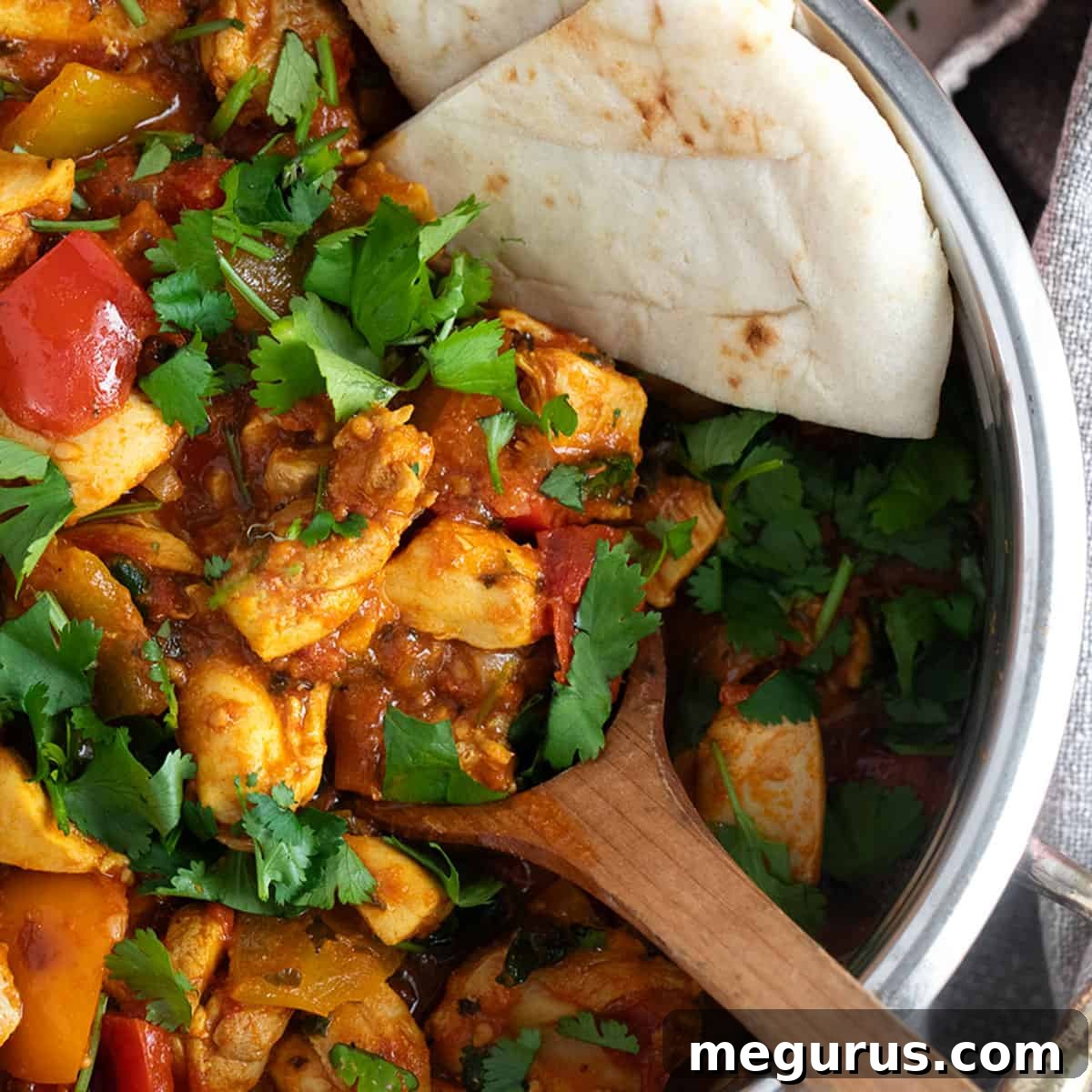
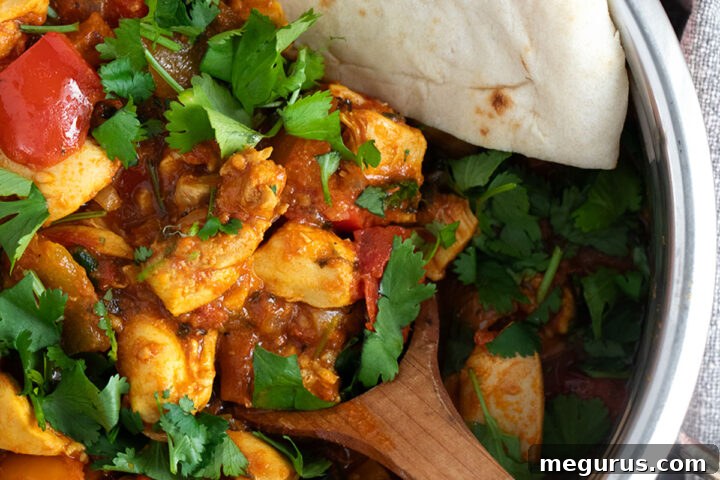
Welcome to the ultimate guide for creating an authentic and incredibly delicious Chicken Jalfrezi right in your own kitchen! This popular Indian chicken curry is renowned for its vibrant flavors, tender chicken, and the delightful crunch of stir-fried bell peppers and onions. Often described as a “spicy hot stir-fry,” Jalfrezi strikes a perfect balance between aromatic spices and fresh ingredients, making it a standout dish that’s both comforting and exciting.
Whether you’re new to Indian cuisine or a seasoned home chef, this recipe simplifies the process without compromising on taste. We’ll guide you through each step to ensure you achieve a restaurant-quality meal that’s sure to impress. Get ready to embark on a culinary journey that brings the rich, complex flavors of India straight to your dinner table!
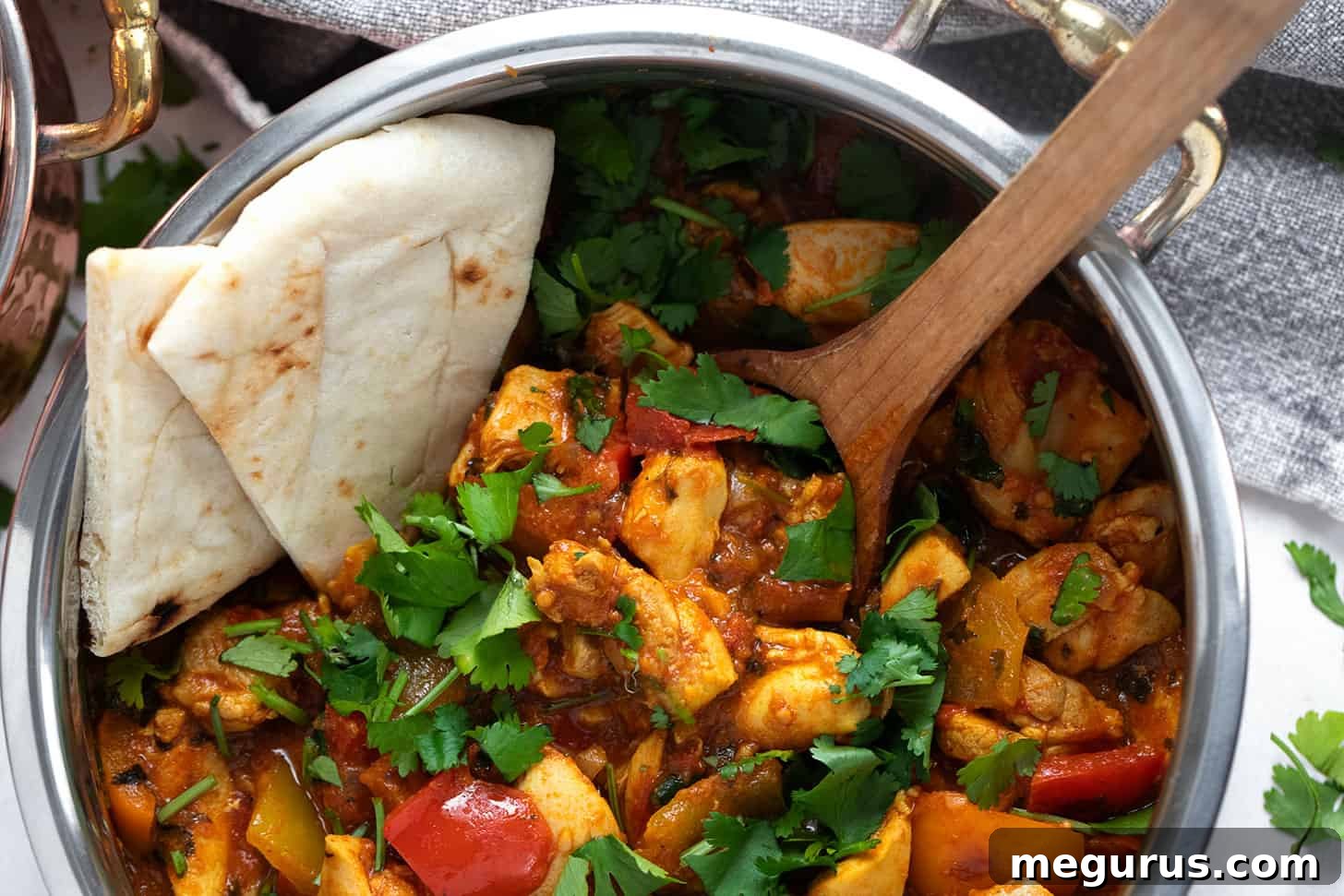
What is Chicken Jalfrezi?
Chicken Jalfrezi is a classic Indian curry dish originating from the Indian subcontinent, specifically a popular Anglo-Indian creation. The name “Jalfrezi” itself loosely translates to “spicy hot stir-fry,” which perfectly encapsulates its cooking style and flavor profile. Unlike many traditional curries that might simmer for hours, Jalfrezi is characterized by its quick stir-frying of key ingredients – particularly bell peppers and onions – which are added towards the end to maintain their vibrant color and crisp-tender texture. This technique gives the curry a unique freshness and bite.
Typically, Jalfrezi features succulent pieces of chicken (or other meats/vegetables) cooked in a rich, tomato-based gravy infused with a medley of aromatic Indian spices like cumin, coriander, turmeric, and chili powder. While it’s known for its spicy kick, the beauty of making Jalfrezi at home is the complete control you have over the heat level. You can easily adjust the amount of chili to suit your palate, from mild to fiery hot.
The addition of the stir-fried vegetables at the finish line not only adds texture and freshness but also makes Chicken Jalfrezi a truly wholesome and satisfying one-dish meal. It’s a fantastic choice for a weeknight dinner, yet elegant enough for entertaining guests.
Essential Ingredients & Smart Substitutions
Crafting the perfect Chicken Jalfrezi starts with selecting the right ingredients. Here’s a closer look at the key components and how you can adapt them to your pantry or preferences:
Chicken: For the most succulent and flavorful curry, boneless chicken thighs are highly recommended. Their higher fat content keeps them moist and tender even after simmering, absorbing the spices beautifully. However, boneless chicken breasts are also a popular choice if you prefer a leaner meat; just be mindful not to overcook them to prevent dryness. Cut your chicken into bite-sized cubes for even cooking and easy serving.
Ginger Garlic Paste: This is a cornerstone of Indian cooking, providing a foundational layer of aromatic flavor. Pre-made bottled ginger garlic paste is widely available in the Asian section of most supermarkets and keeps well in the refrigerator, making it a convenient option. For an even fresher taste, you can easily prepare your own by mincing fresh ginger and garlic or grating them into a paste. The ratio is typically equal parts ginger and garlic.
Tomatoes: Fresh tomatoes are truly the star for the curry’s rich, tangy base. They offer a brighter, more vibrant flavor. Opt for ripe, juicy tomatoes and puree them for a smooth sauce. If fresh tomatoes aren’t in season or readily available, good quality canned whole or diced tomatoes (drained and pureed) can be an excellent substitute, providing a similar depth of flavor.
Bell Peppers: The signature “jalfrezi” crunch comes from the bell peppers. Red, orange, or yellow bell peppers are ideal choices, offering sweetness and beautiful color contrast. While green bell peppers can be used, their slightly bitter taste might alter the overall flavor profile; however, if you enjoy them, feel free to include them.
Kashmiri Chili Powder: This special chili powder is a secret weapon in Indian cuisine. It imparts a beautiful deep red color to the curry without adding excessive heat. Its mild to moderate spiciness allows for a rich chili flavor to develop. While not as common as other spices, it’s worth seeking out in specialty Indian grocery stores. If you can’t find it, a combination of sweet paprika and a small pinch of cayenne pepper makes a decent substitute. Remember to adjust the cayenne carefully, as it’s much hotter than Kashmiri chili powder.
Kasuri Methi (Dried Fenugreek Leaves): Often overlooked, kasuri methi is a game-changer for authentic Indian flavors. These dried fenugreek leaves add a unique, slightly bitter, yet aromatic depth that is hard to replicate. They are typically crushed between your palms before being added to the curry to release their full fragrance. While you can omit them if unavailable, they truly elevate the dish. Kasuri methi keeps indefinitely in a cool, dry place, making it a worthwhile addition to your spice rack if you enjoy cooking Indian food.
Other Spices: This recipe uses a traditional blend of ground cumin, coriander, turmeric, and garam masala. These spices are fundamental to the classic Indian curry taste. Ensure your spices are fresh for the best flavor; older spices tend to lose their potency.
Vinegar: A touch of white vinegar at the end brightens the flavors and adds a slight tanginess that cuts through the richness of the curry, enhancing the overall profile.
Cilantro: Fresh chopped cilantro is used both in the curry and as a garnish. It provides a refreshing, herbaceous finish that complements the robust spices.
How to Master Chicken Jalfrezi: Step-by-Step Guide
Creating this flavorful Chicken Jalfrezi is a straightforward process when broken down into manageable steps. This summary provides an overview; for precise measurements and full instructions, please refer to the complete recipe details provided further below.
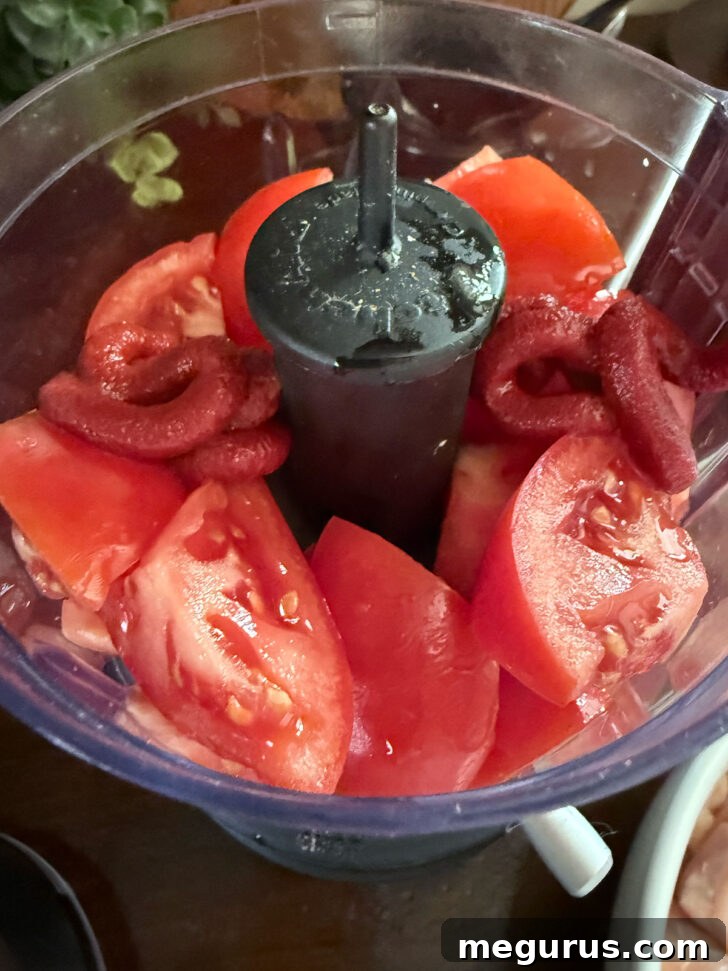
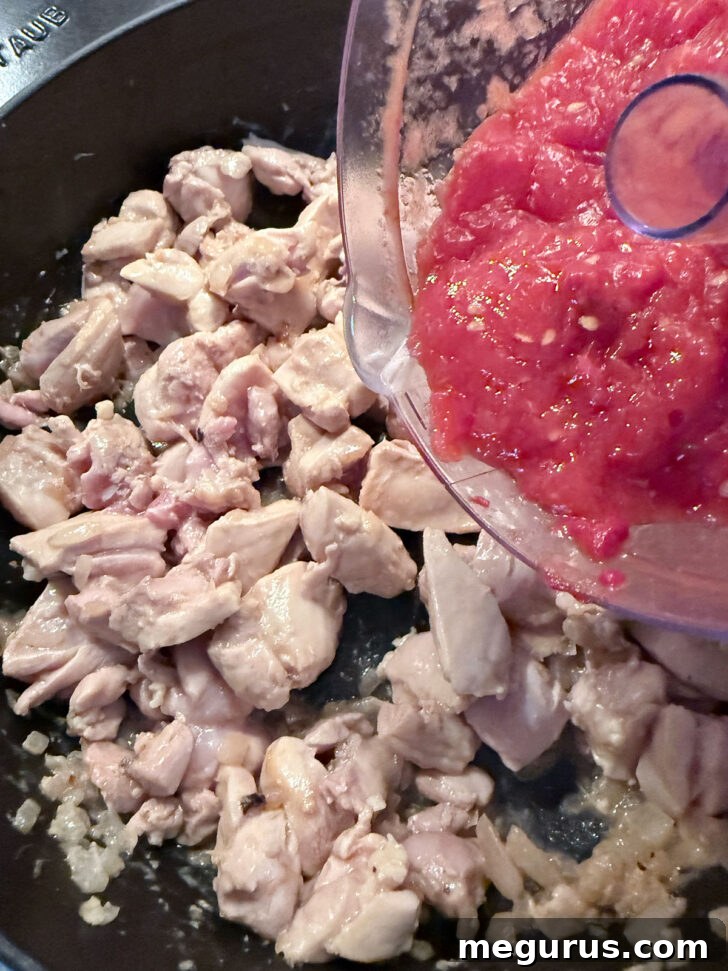
- Prepare the Tomato Base: Combine chopped fresh tomatoes and tomato paste in a food processor (or blender/immersion blender). Process until you achieve a smooth puree. Set this vibrant mixture aside. This forms the essential tangy base of your jalfrezi.
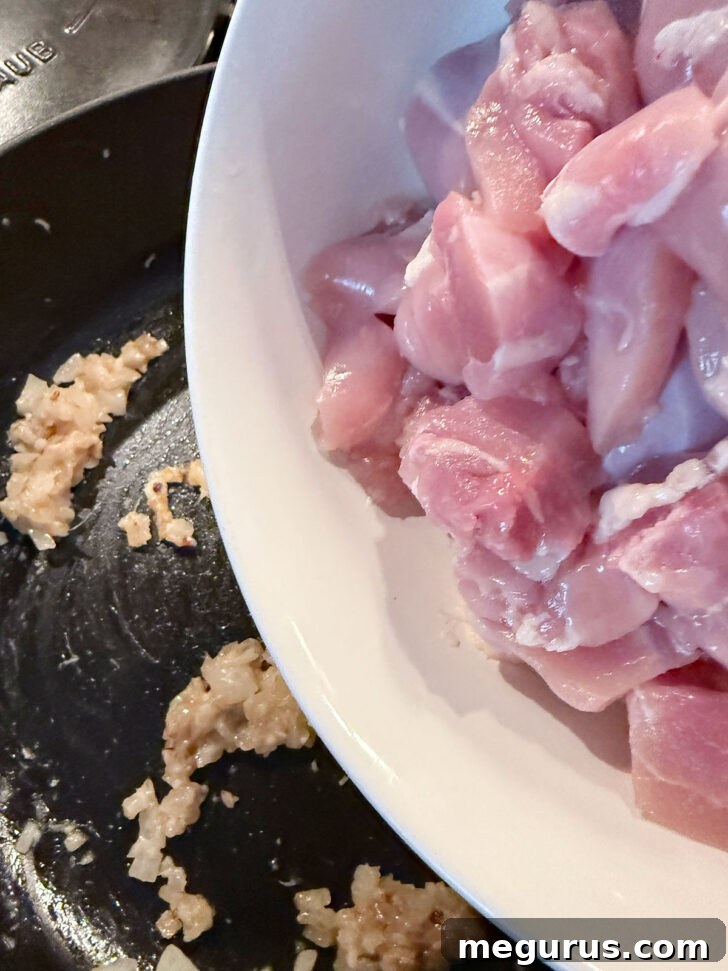
- Sauté Aromatics and Chicken: Heat a bit of cooking oil in a large skillet or deep pan over medium heat. Add the diced onions and cook until they are softened and lightly golden, becoming translucent. Stir in the ginger garlic paste and cook for about one minute until fragrant, being careful not to burn it. Next, add the cubed chicken pieces to the skillet. Cook, stirring frequently, until the chicken is no longer pink on the outside, which usually takes about 3-4 minutes.
- Build the Curry Base: Pour the prepared tomato puree into the skillet with the chicken and onions. Stir it in thoroughly, ensuring everything is well combined.
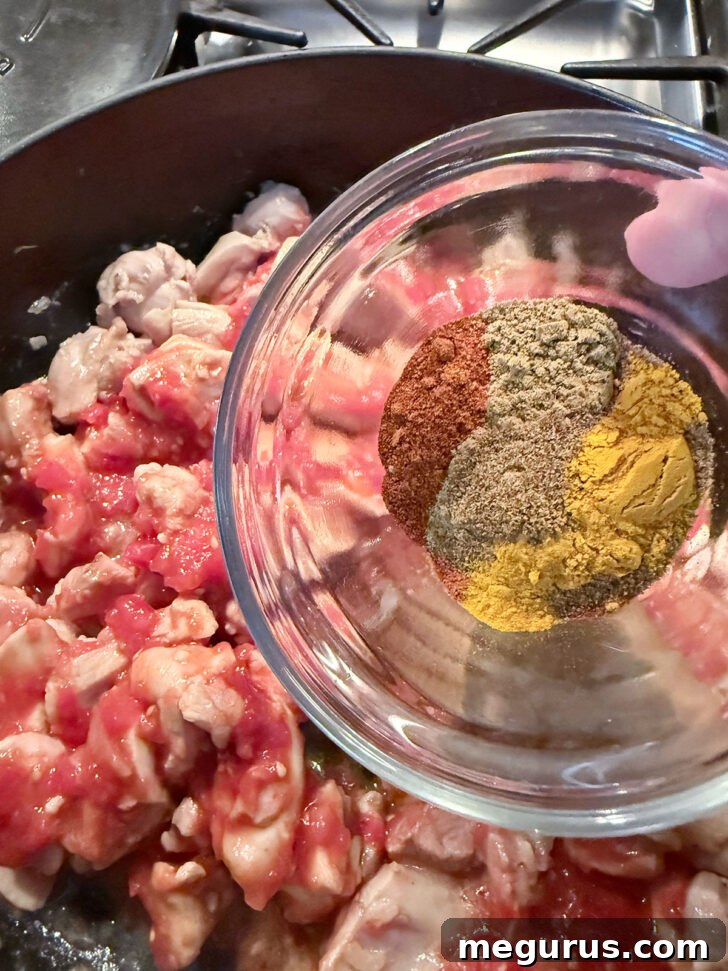
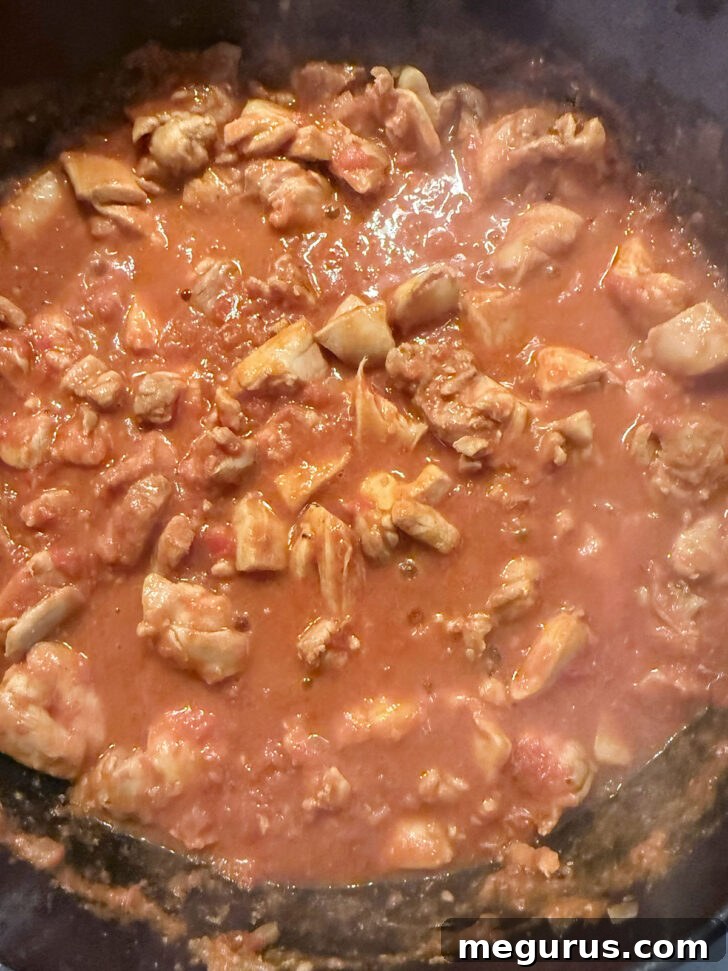
- Infuse with Spices: Now, add all the ground spices (cumin, coriander, turmeric, paprika, garam masala, and Kashmiri chili powder) to the skillet. If using a dried red Kashmiri chili pepper for an extra kick, add it now. Stir well to ensure the spices are evenly distributed and coat the chicken and tomato base. Bring the mixture to a gentle simmer, cook for a few minutes, then reduce the heat to medium-low, cover the skillet partially, and let it simmer for 6-8 minutes. This allows the flavors to deepen and the chicken to cook through.
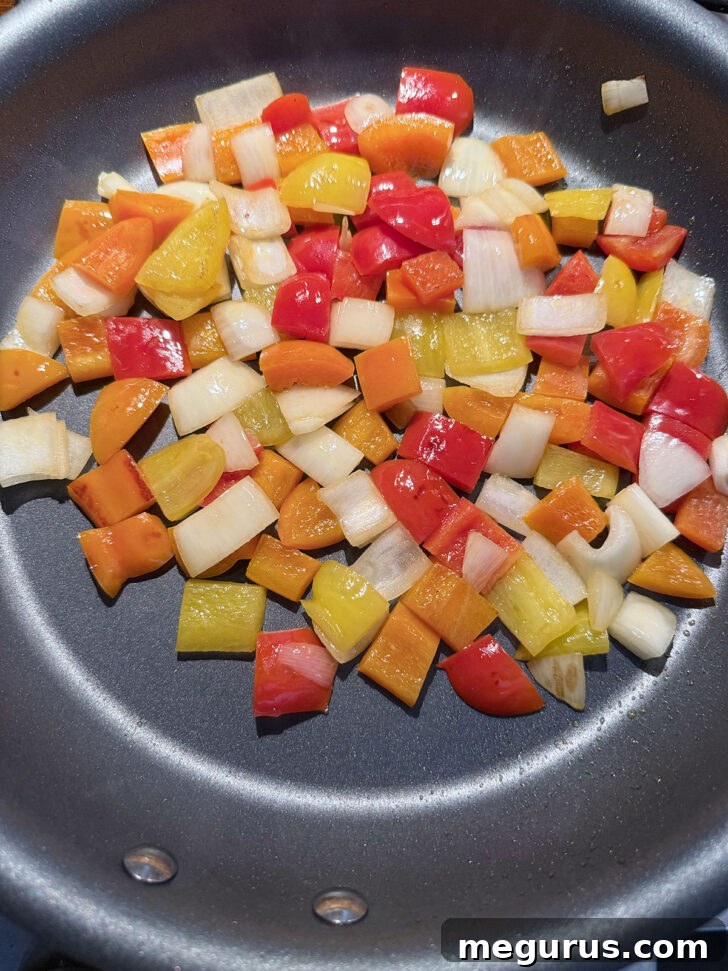
- Prepare the Stir-fried Vegetables: While the curry simmers, heat another tablespoon of oil in a separate non-stick skillet over medium-high heat. Add the chopped bell peppers and the remaining diced onion. Stir-fry constantly until they are softened and begin to develop some browned spots, usually taking about 5-7 minutes. The goal is crisp-tender vegetables, not mushy ones.
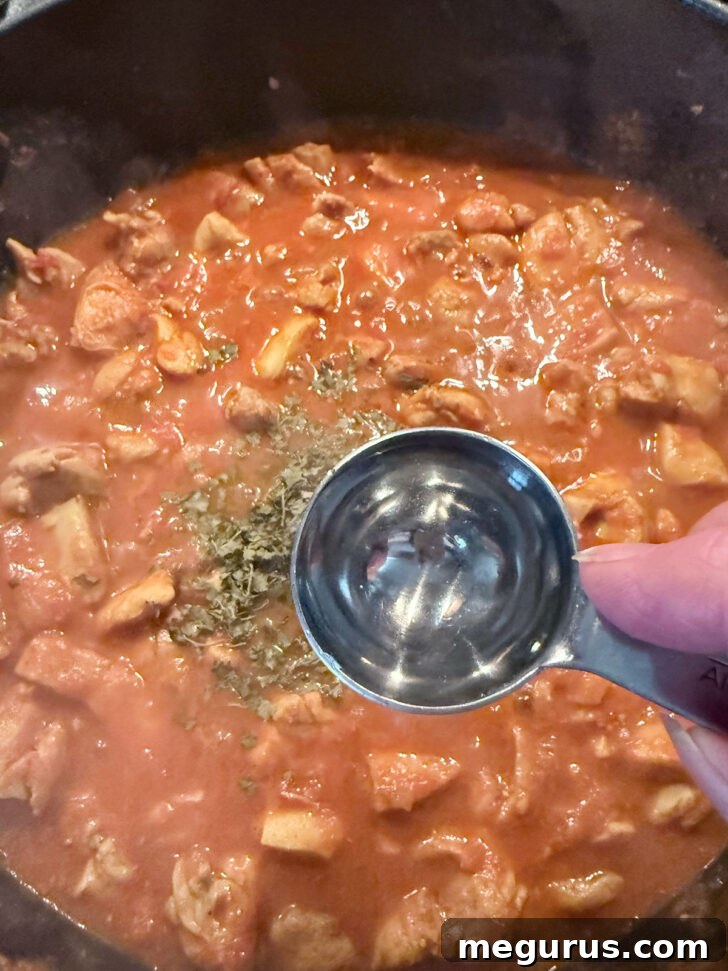
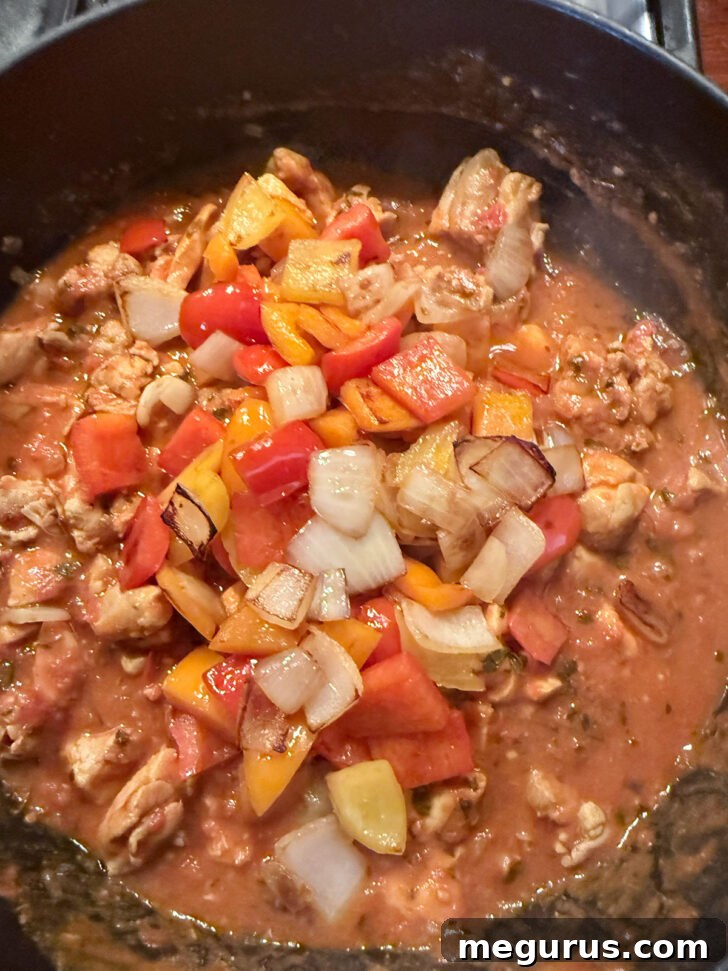
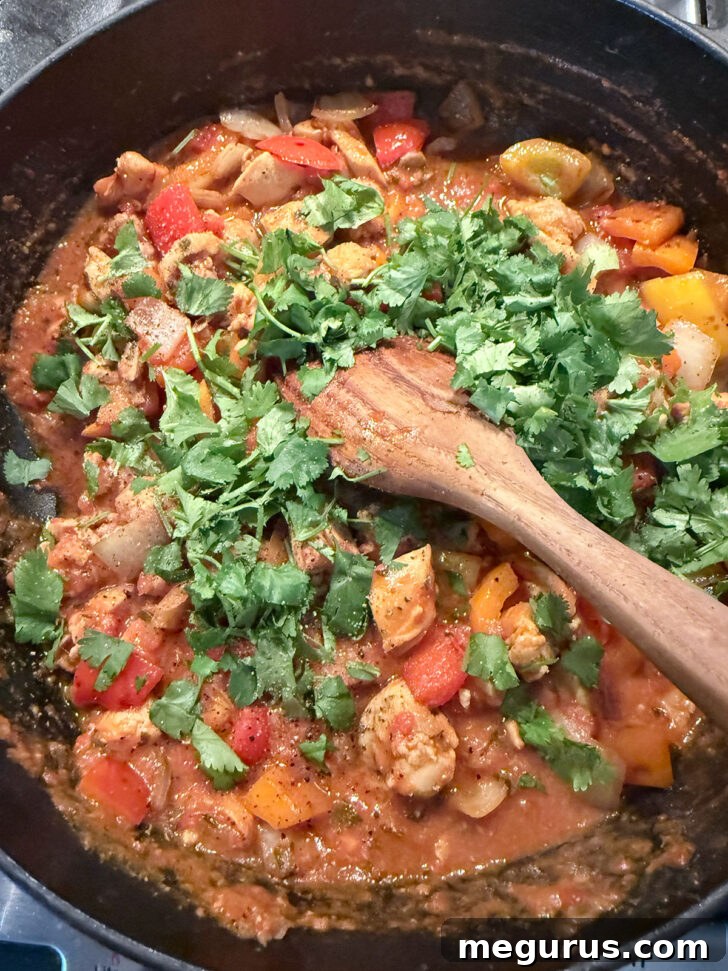
- Final Flavor Adjustments: Remove the lid from the curry. Stir in the kasuri methi (crushing it between your palms first) and the white vinegar. Taste the curry and season generously with salt as needed. Salt is crucial for bringing out all the layered flavors. If the curry seems too thick, you can thin it out with up to 1/4 cup of hot water until it reaches your desired consistency.
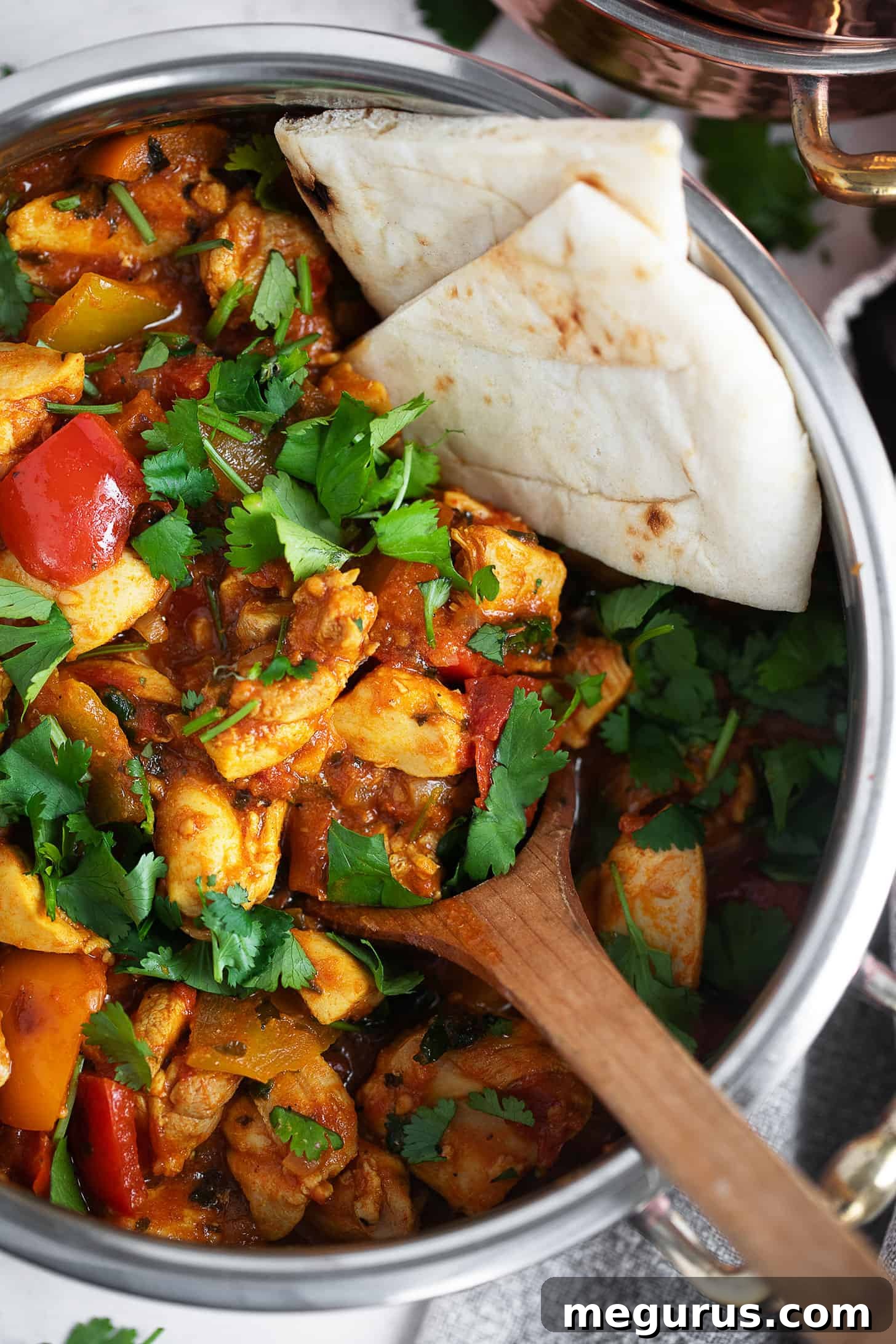
- Combine & Serve: Add the stir-fried bell peppers and onions to the skillet with the curry and gently stir to combine. Finally, stir in the fresh chopped cilantro. Serve your exquisite Chicken Jalfrezi immediately with fluffy basmati rice and warm naan bread for a complete and satisfying Indian feast. Garnish with extra cilantro, if desired.
Recipe Video (Coming Soon!)
A comprehensive video guide demonstrating each step of this delicious Chicken Jalfrezi recipe will be available here shortly to help you visualize the process and ensure perfect results every time!
Chef’s Secret Tip for Perfect Curry!
One of the most crucial, yet often underestimated, steps in making an incredible Indian curry is proper seasoning with salt. It’s easy to assume that with all the wonderful spices going into the pot, salt will take a back seat. However, salt is the ultimate flavor enhancer that marries all those complex spices and ingredients together. Always taste your curry at the end of the simmering process and add salt incrementally until the flavors truly pop and harmonize. Don’t be shy – a well-salted curry is a flavorful curry!
Make Ahead, Storage & Freezing Tips
Chicken Jalfrezi is a fantastic dish for meal prepping and makes for delicious leftovers. Indian curries tend to taste even better the next day as the flavors have more time to meld and deepen.
Making Ahead: You can prepare the main curry base (chicken and sauce) a day or two in advance. For the best texture and vibrant appearance, we recommend stir-frying the bell peppers and onions fresh just before serving. This ensures they retain their delightful crispness and bright color. Simply reheat the curry gently on the stovetop, then quickly stir-fry and fold in the fresh vegetables.
Storage: Leftover Chicken Jalfrezi should be stored in an airtight container in the refrigerator for up to 3-4 days. Ensure it cools completely before refrigerating. Reheat gently on the stovetop or in the microwave until thoroughly hot.
Freezing: This curry freezes exceptionally well for up to 3 months. To freeze, allow the cooked curry to cool completely. Transfer it to freezer-safe containers or heavy-duty freezer bags, removing as much air as possible to prevent freezer burn. Thaw overnight in the refrigerator before reheating. Please note that while the curry itself freezes beautifully, the stir-fried bell peppers and onions may lose some of their crispness and become softer after freezing, thawing, and reheating. For optimal texture, consider adding freshly stir-fried vegetables when serving a frozen and reheated batch.
Get the Recipe: Chicken Jalfrezi
Pin This
Leave a Review
Ingredients
- 3 fresh tomatoes, chopped *see Note 1 below
- 2 Tablespoons tomato paste
- 1/2 Tablespoon cooking oil
- 1/2 cup onion, diced
- 1 Tablespoon ginger garlic paste, or 1/2 Tablespoon grated ginger and garlic
- 6 boneless chicken thighs, cubed, about 1 1/2 lbs.
- 1 teaspoon cumin
- 1 teaspoon coriander
- 1 teaspoon turmeric
- 1 teaspoon paprika
- 1/2 teaspoon garam masala
- 1/2-1 teaspoon kashmiri chili powder, to taste *see Note 2 below
- 1/2 Tablespoon cooking oil
- 1 large bell pepper, chopped
- 1/2 medium onion, chopped
- 2 Tablespoons white vinegar
- 1 Tablespoon kasuri methi, optional
- 1/4 cup fresh cilantro, chopped, plus more for garnish
- 1 dried red Kashmiri chili pepper, optional
Instructions
-
Add the chopped tomatoes and tomato paste to a food processor. Process until pureed and set aside. (You could also use a blender or an immersion blender.)
-
Add 1/2 Tablespoon of oil to a large skillet and heat over medium heat. Add the diced onion and cook, stirring, until softened and golden. Add the ginger garlic paste and cook with the onions, stirring, for about 1 minute until fragrant.
-
Add the cubed chicken to the skillet and cook, stirring regularly, until no longer pink, about 3-4 minutes.
-
Add the pureed tomatoes to the skillet and stir in. Then, add all the spices (cumin, coriander, turmeric, paprika, garam masala, Kashmiri chili powder) to the skillet, along with the dried Kashmiri chili if using. Stir to combine thoroughly and bring to a simmer. Allow to cook for a few minutes, then lower the heat to medium-low (or a bit lower for a gentle simmer) and cover the skillet partially. Let it simmer covered for 6-8 minutes.
-
Meanwhile, heat the remaining 1/2 Tablespoon of oil in a non-stick skillet over medium-high heat. Add the chopped onion and bell peppers and cook, stirring regularly, until softened and starting to brown in spots (crisp-tender), typically 5-7 minutes.
-
Tip! Curries need generous seasoning with salt to bring out all the great flavors. Taste at the end of simmering and add salt as needed. If the flavors seem “flat” or lack depth, it often needs more salt!
-
Remove the lid from the curry. Add the kasuri methi (crushed between your palms) and white vinegar to the skillet and stir in. Taste and season generously with salt as needed to enhance all the flavors. Add the sautéed bell peppers and onion to the skillet along with the fresh cilantro. Stir to combine. If the curry is too thick, you can add up to a 1/4 cup of hot water as needed to reach your desired consistency.
-
Serve your homemade Chicken Jalfrezi immediately with cooked basmati rice and/or warm naan bread. Garnish with additional fresh cilantro for a final flourish.
Notes
Note 2: Adjusting Spice Level: The amount of Kashmiri chili powder can be adjusted to your personal preference for spiciness. If substituting with cayenne pepper, use a significantly smaller amount (e.g., a quarter or half of what’s specified) as cayenne is much hotter, and taste as you go.
For detailed ingredient insights and visual guidance, please refer to the ingredient notes and step-by-step photos provided above this recipe card.