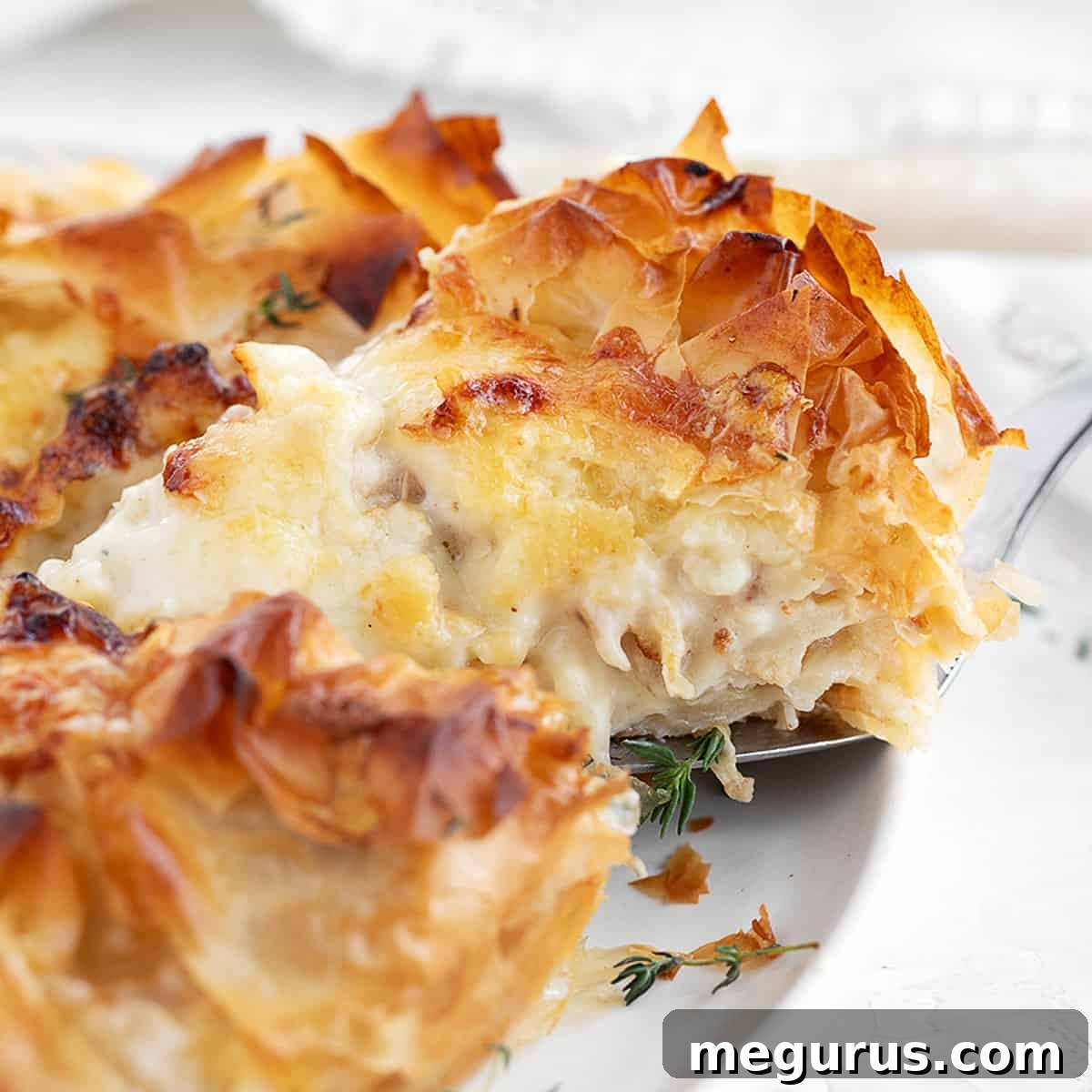
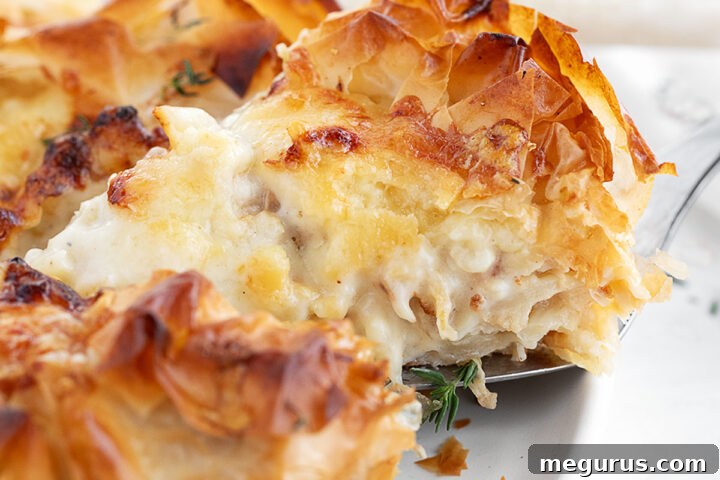
Prepare to be amazed by this Cauliflower and Cheese Phyllo Pie – a truly impressive and utterly delicious dish that’s surprisingly easy to master. With just a little extra effort, you can create a show-stopping meal that looks as good as it tastes, guaranteed to receive rave reviews from everyone at the table. This elegant pie combines tender roasted cauliflower with a rich, creamy cheese sauce, all encased in a golden, crisp phyllo pastry shell, delivering a delightful texture contrast in every bite. It’s the perfect centerpiece for a special dinner or a comforting side dish for any occasion.
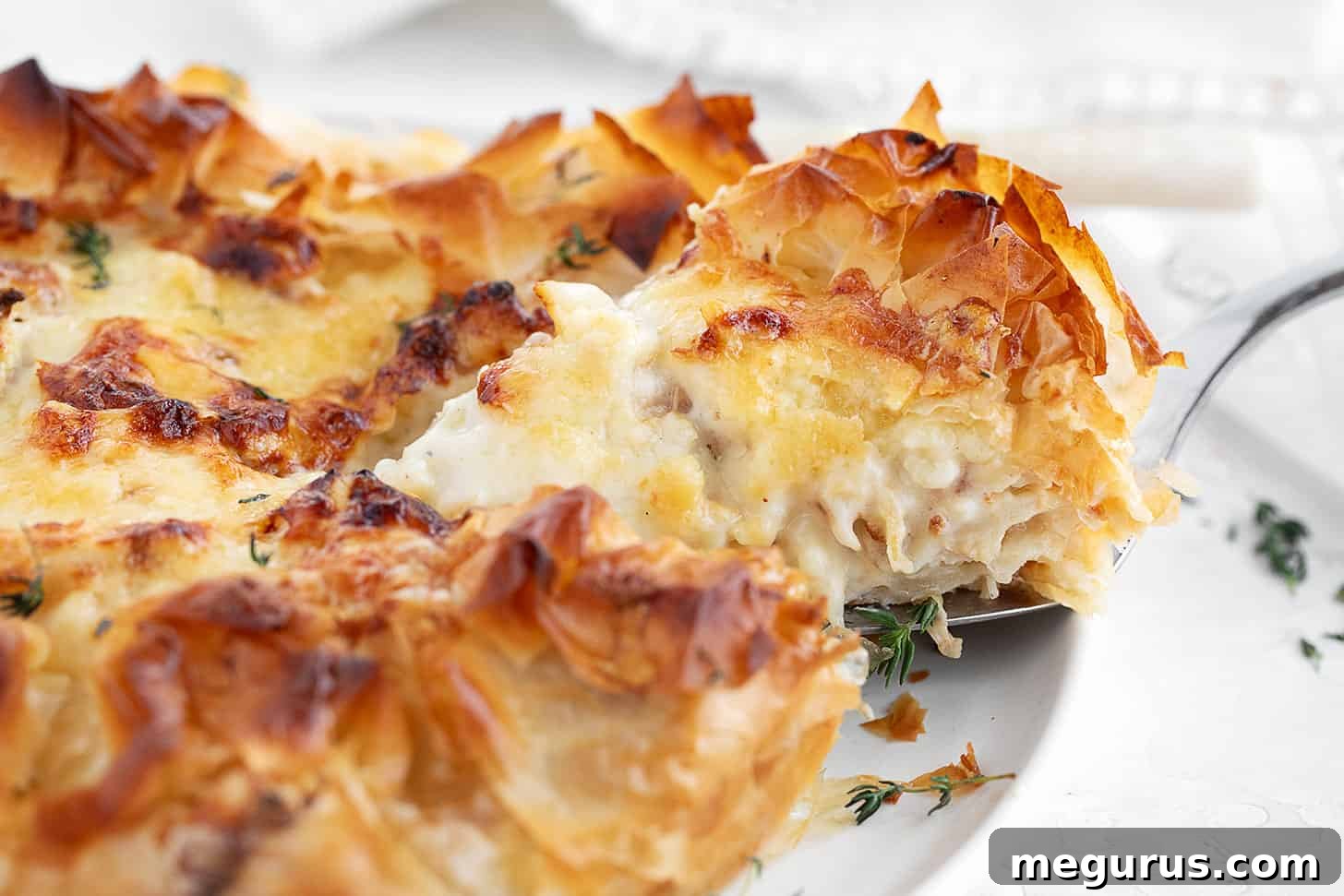
What truly sets this cauliflower pie apart is the ingenious use of the entire cauliflower, including its often-discarded core and leaves. Not only does this minimize food waste, but it also adds a unique depth of flavor and texture. When roasted, the cauliflower core and leaves transform, taking on a delightful cabbage-like sweetness that complements the florets perfectly. This approach ensures every part of the vegetable contributes to the pie’s overall deliciousness, making it a sustainable and flavorful choice.
Why You’ll Love This Cauliflower and Cheese Phyllo Pie
This isn’t just another cauliflower recipe; it’s a culinary experience designed to impress with minimal fuss. Here’s why this Cauliflower and Cheese Phyllo Pie will become a staple in your kitchen:
- Effortlessly Elegant: The ruffled, golden phyllo crust gives this pie an incredibly sophisticated appearance, making it ideal for dinner parties or holiday gatherings. Despite its gourmet look, the assembly is straightforward and forgiving.
- Irresistibly Delicious: A harmonious blend of tender, caramelized roasted cauliflower and a rich, velvety cheddar cheese sauce creates a comforting and deeply satisfying flavor profile that even the most discerning palates will appreciate.
- Smart & Sustainable Cooking: By utilizing the whole cauliflower – florets, core, and leaves – this recipe champions zero-waste cooking. The often-overlooked parts of the cauliflower offer a surprising texture and a subtle, sweet cabbage-like flavor when roasted.
- Versatile Comfort Food: Whether served as a hearty vegetarian main course or a substantial side dish, this pie fits perfectly into various meal plans. It’s hearty enough for chilly evenings and impressive enough for celebratory occasions.
- Customizable to Your Taste: While the recipe provides a fantastic base, it’s also highly adaptable. Experiment with different cheeses, herbs, or even add other vegetables to make it uniquely yours.
Essential Ingredients & Smart Substitutions
Crafting the perfect Cauliflower and Cheese Phyllo Pie begins with selecting high-quality ingredients. Here are some notes on the key components and how you can adapt them to your pantry or preferences.
The Star: Cauliflower
For this recipe, opt for a large, fresh head of cauliflower. Don’t be shy about using the entire vegetable – florets, core, and all the leaves. Roasting them brings out their natural sweetness and gives them a wonderful tender-crisp texture. If you find yourself with extra roasted cauliflower, don’t fret! It’s delicious on its own as a side dish, added to salads, or incorporated into other meals throughout the week. This recipe is a fantastic way to make the most of your produce, contributing to a no-waste kitchen.
The Heart: Cheese
The cheese sauce is truly the heart of this pie, and a good quality cheddar makes all the difference. We highly recommend using a mature, aged white cheddar for its robust and complex flavor profile. Look for varieties aged 2 to 3 years, which offer a sharp, tangy taste that beautifully cuts through the richness of the sauce. Brands like Balderson (in Canada) or British/Irish varieties such as Cathedral City, Coastal Cheddar, Dubliner, or Wexford are excellent choices. If white cheddar isn’t available, a sharp yellow cheddar will work, but the flavor will be slightly different. For an extra layer of flavor, a sprinkle of grated Parmesan over the cauliflower before roasting adds a delightful salty, umami note.
The Wrapper: Phyllo Pastry
Phyllo dough provides that irresistible golden, flaky crust that gives this pie its signature “wow” factor. You’ll typically find it in the freezer aisle near puff pastry. Proper handling of phyllo is crucial for success:
- Thawing: Always thaw the phyllo overnight in the refrigerator. This slow thawing process prevents the sheets from sticking together or tearing easily.
- Bringing to Room Temperature: About an hour before you plan to assemble the pie, remove the box from the refrigerator. This allows the delicate sheets to become more pliable and less prone to cracking.
- Keep Covered: Phyllo dries out incredibly quickly when exposed to air. Keep the unused sheets covered with a barely-damp tea towel while you work. This maintains their moisture and elasticity.
- Re-freezing: Unused phyllo sheets can be carefully re-wrapped and re-frozen for future use. Ensure they are airtight to prevent freezer burn.
Don’t be intimidated if a sheet tears – phyllo is remarkably forgiving! Simply patch any tears with another piece or overlap them slightly. The layers of butter will meld everything together during baking, creating a seamless, crispy crust.
Step-by-Step Guide: Crafting Your Cauliflower and Cheese Phyllo Pie
Creating this magnificent pie is a delightful process. Follow these detailed steps to achieve a perfect, golden-brown crust and a creamy, flavorful filling.
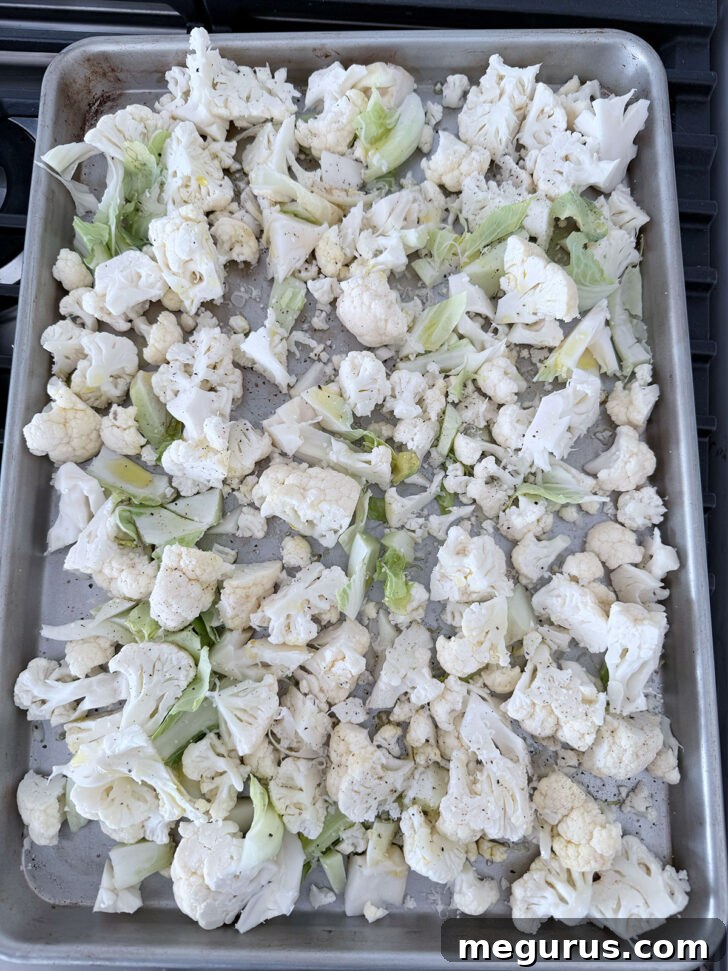
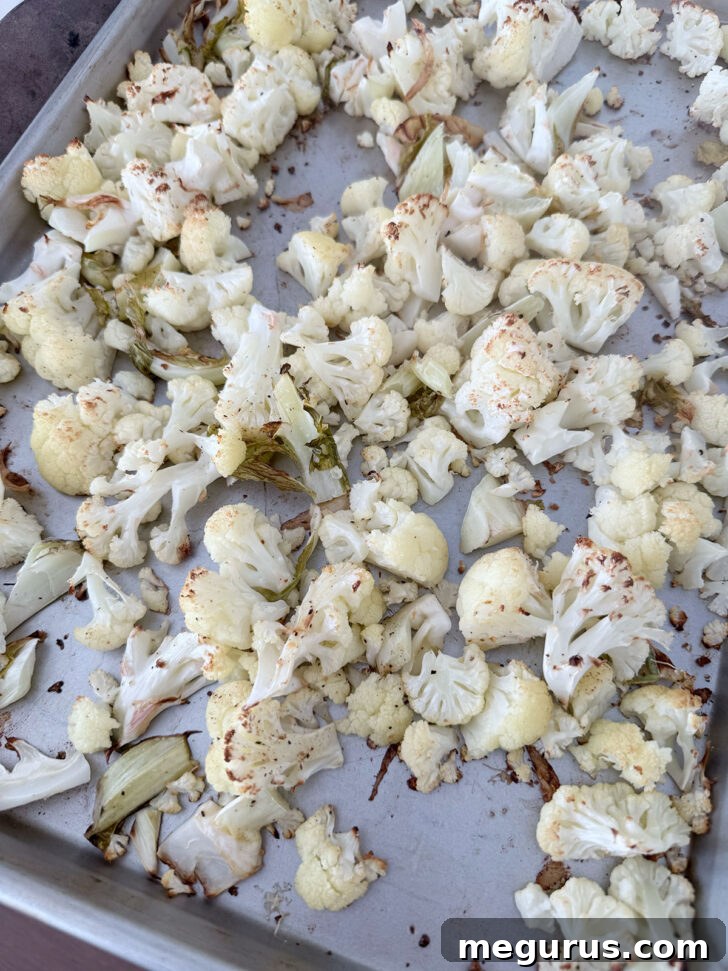
- Roast the Cauliflower: Preheat your oven to 400°F (200°C) – use a non-convection setting for best results. Prepare your cauliflower by cutting the entire head, including the core and leaves, into bite-sized pieces. Spread them evenly across a large baking sheet. Drizzle generously with olive oil, then season with salt and freshly ground pepper. Finish by grating Parmesan cheese over the top. Roast for approximately 30 minutes, stirring the pieces halfway through, until the cauliflower is tender and lightly charred, developing a lovely caramelized flavor. Once done, set aside to cool slightly.
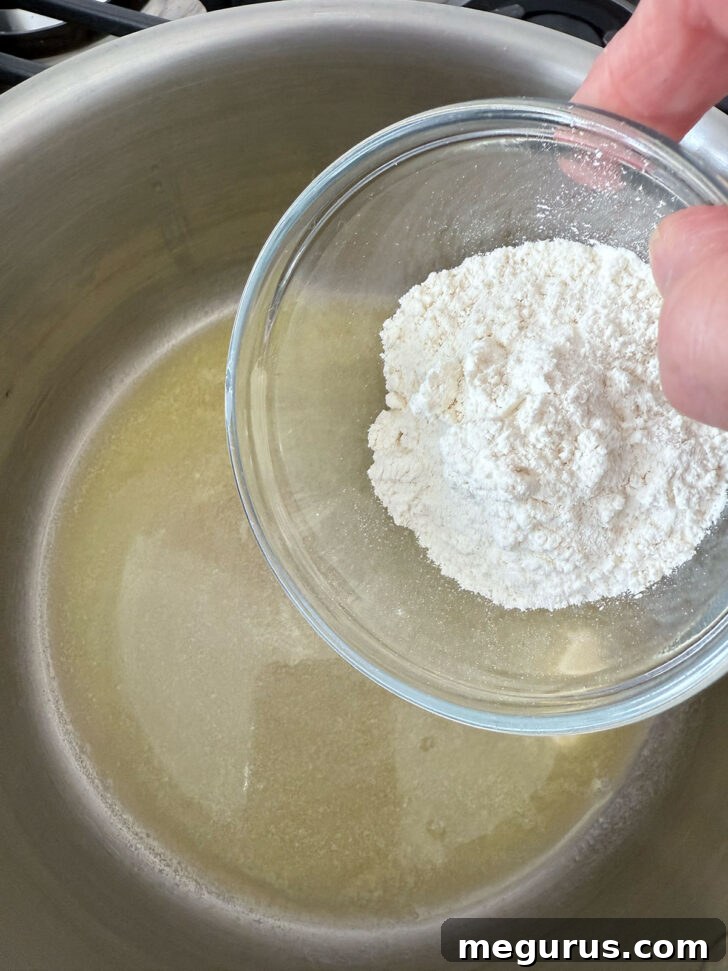
- Start the Cheese Sauce: While the cauliflower roasts, begin your rich cheese sauce. In a medium saucepan, melt the butter over medium heat. Once fully melted and slightly shimmering, add the all-purpose flour.
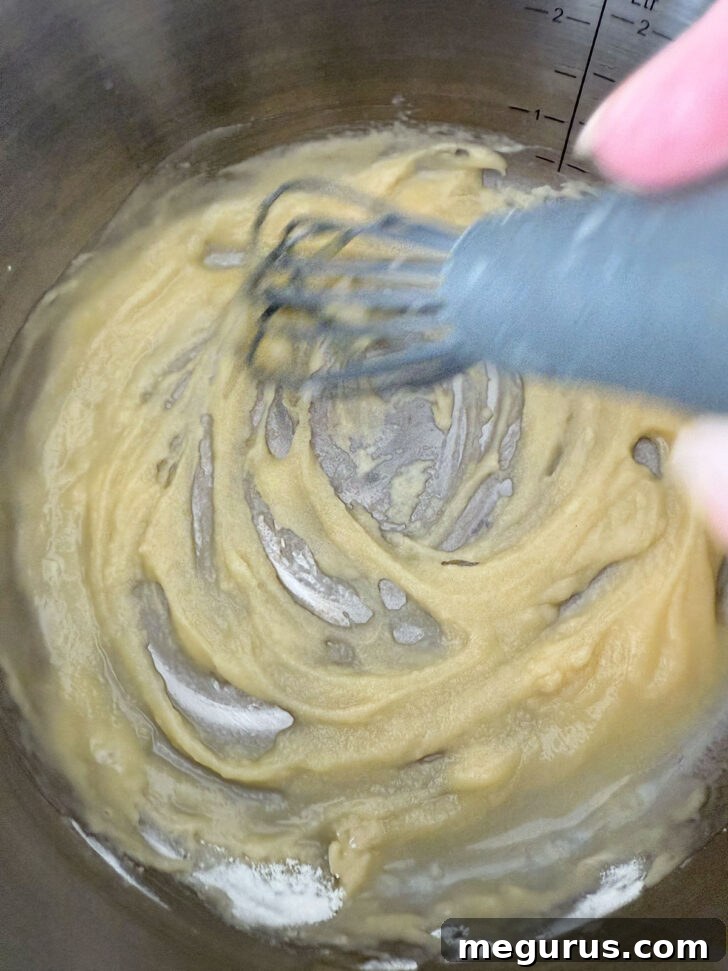
- Form the Roux: Whisk the butter and flour together vigorously until a smooth paste, or roux, forms. Cook this mixture for 1.5 to 2 minutes, stirring constantly. This step is crucial for cooking out the raw flour taste and ensuring a smooth sauce later.
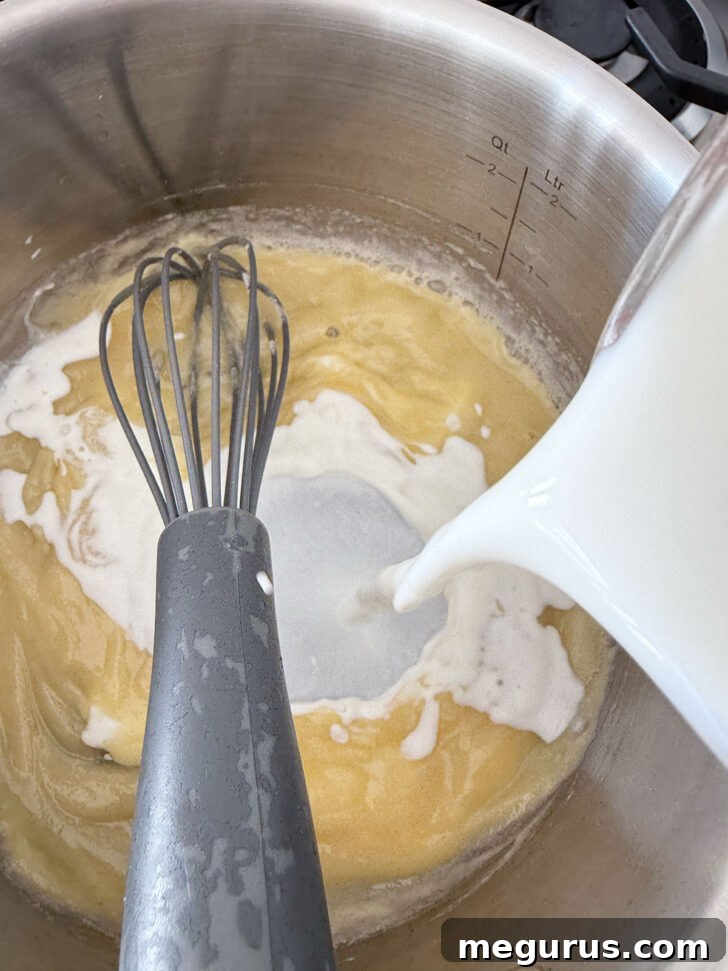
- Thicken the Sauce: Gradually whisk in the half-and-half cream and milk, adding a little at a time to prevent lumps. Continue to whisk constantly as you incorporate all the liquid. Bring the sauce to a gentle simmer and cook for 8-10 minutes, stirring regularly, until it has visibly thickened to a rich, creamy consistency.
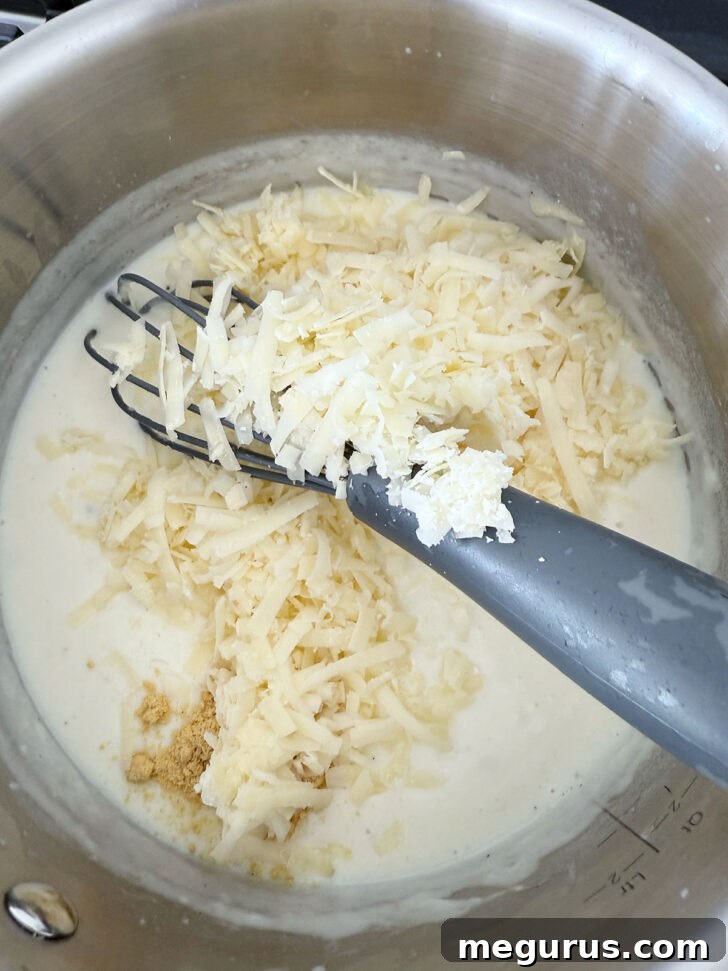
- Finish the Cheese Sauce: Remove the saucepan from the heat. Add the mustard powder, a pinch of nutmeg, a pinch of cayenne pepper, and the grated mature white cheddar cheese. Stir until all the cheese has melted into a wonderfully smooth, velvety sauce. Taste and adjust seasoning with salt as needed. Set aside.
- Cool the Cauliflower: Ensure your roasted cauliflower has cooled down a bit. This helps prevent the phyllo from cooking too quickly around the hot filling later.
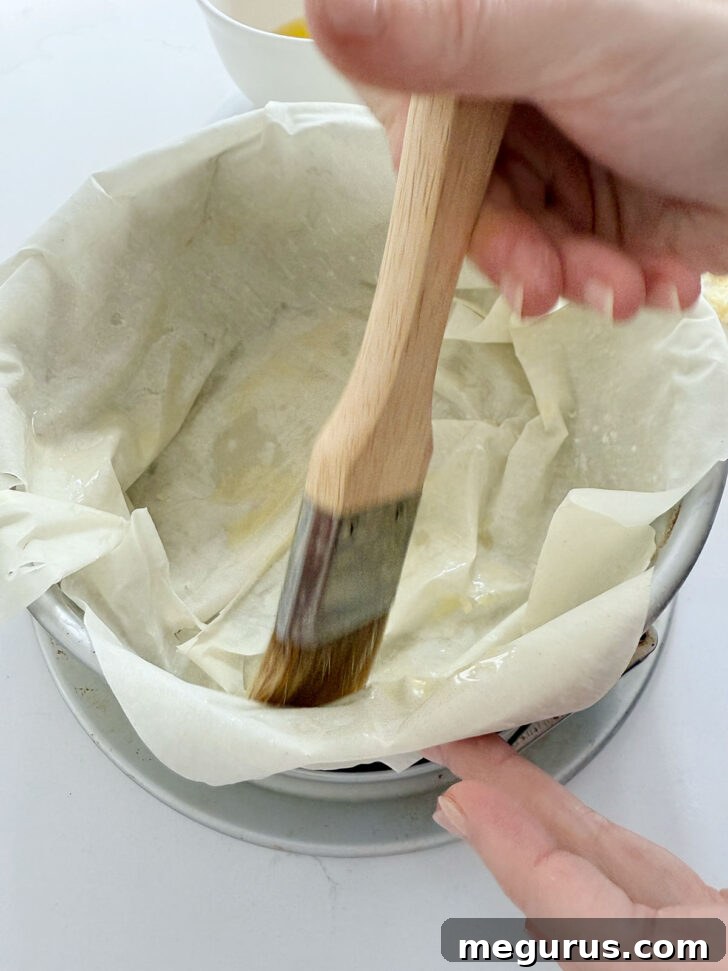
- Assemble the Phyllo Base: Generously brush the bottom and sides of an 8-inch springform pan with melted butter. Take two sheets of phyllo pastry and carefully drape them into the pan, gently pressing them onto the bottom and sides, allowing the edges to overhang the pan significantly. Brush this layer liberally with melted butter. Repeat this process twice more with two sheets of phyllo each time, offsetting each layer by about one-third. This creates a sturdy, multi-directional base. Ensure there are no gaps for the filling to escape.
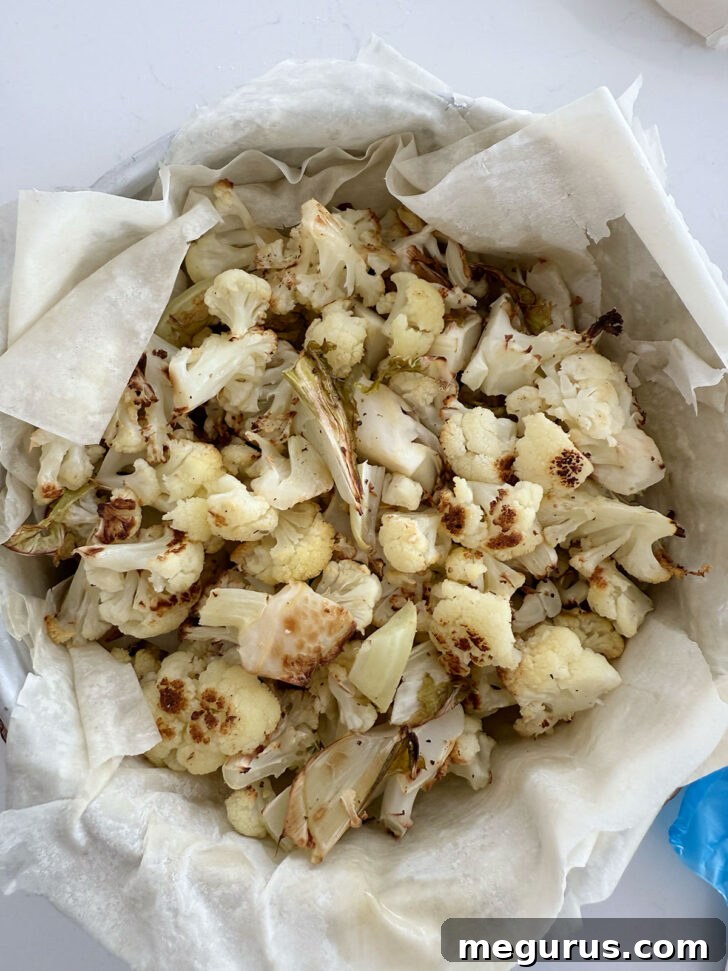
- Add the Cauliflower: Spoon the cooled roasted cauliflower evenly into the phyllo-lined pan, filling it about three-quarters full. If you started with a very large cauliflower, you might have a small amount left over.
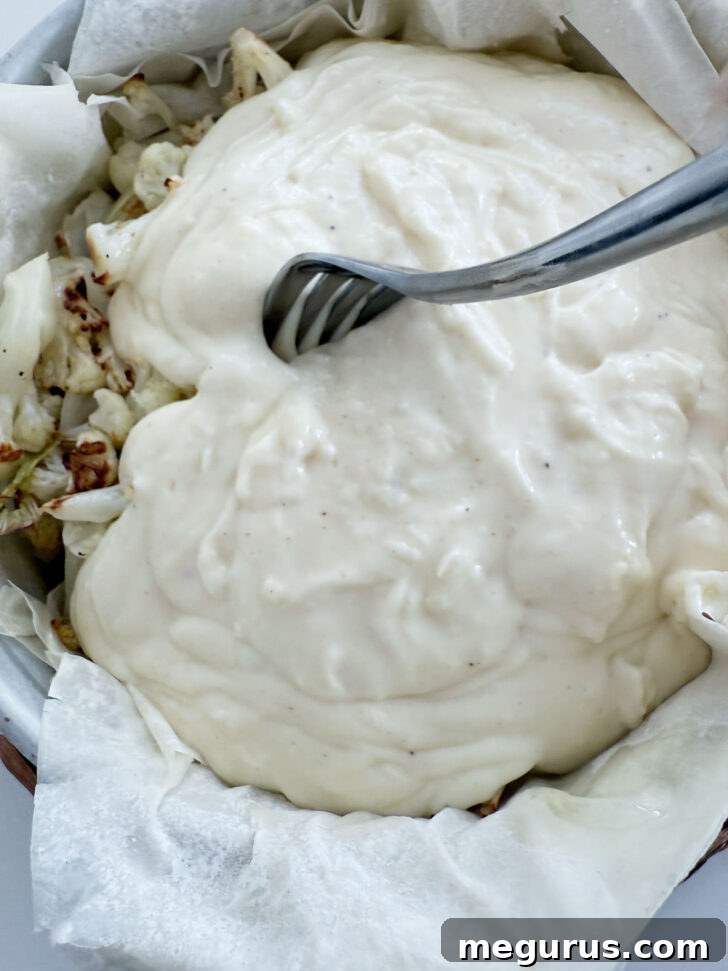
- Incorporate the Cheese Sauce: Pour the creamy cheese sauce over the cauliflower. Use a fork to gently move the cauliflower pieces around, allowing the sauce to seep down into the gaps and thoroughly coat the vegetables. It doesn’t need to reach the very bottom.
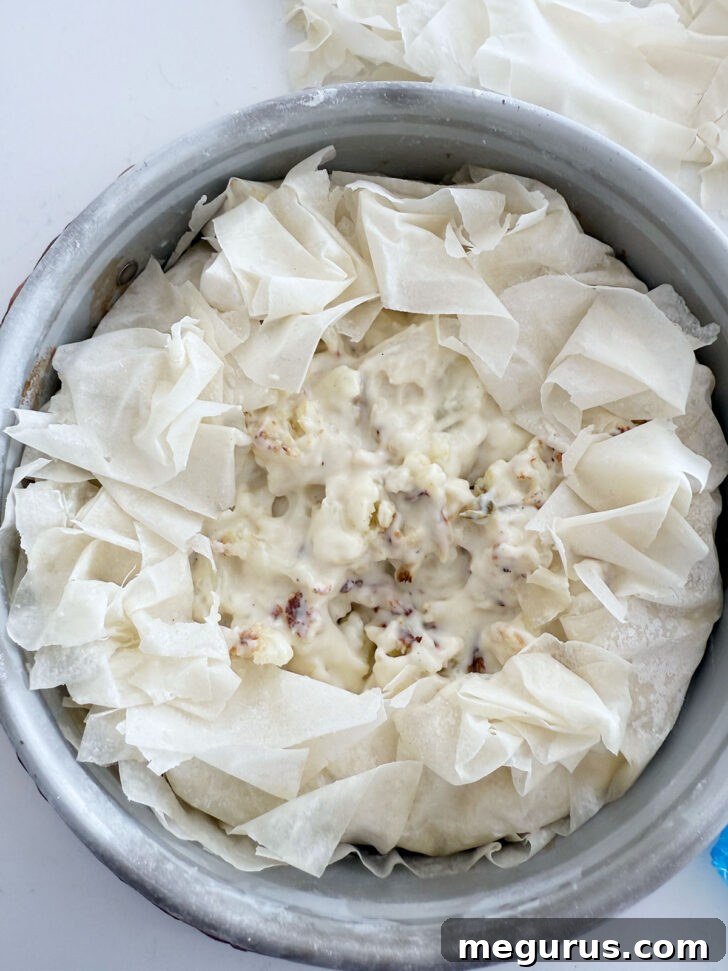
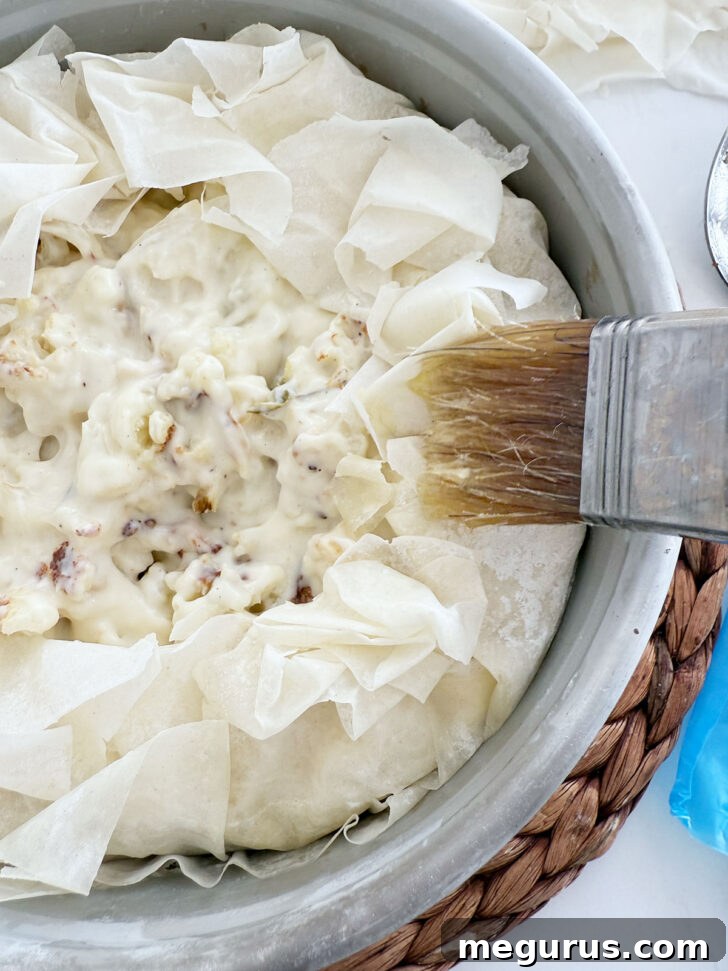
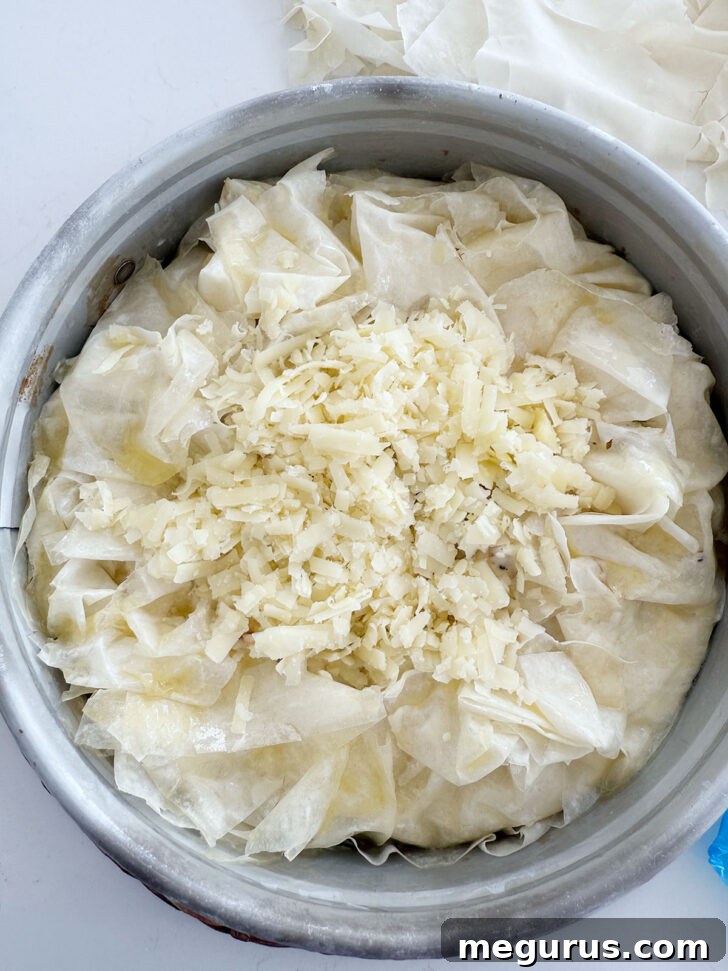
- Form the Top Crust: Gather the overhanging phyllo dough and artfully fold it over the top of the pie, scrunching the edges into a decorative ruffle. This creates a beautiful, rustic border.
- Butter the Top: Brush the entire top surface of the phyllo very generously with melted butter. This butter is key to achieving that desirable golden, crispy finish.
- Final Cheese Topping: Scatter the remaining shredded mature white cheddar cheese into the exposed center portion of the pie before baking. This will create a delicious, bubbly cheese crust.
Baking Instructions:
- Initial Bake: Place the springform pan onto a rimmed baking sheet (to catch any potential butter drips). Bake in the preheated 400°F (200°C) oven for 20 minutes.
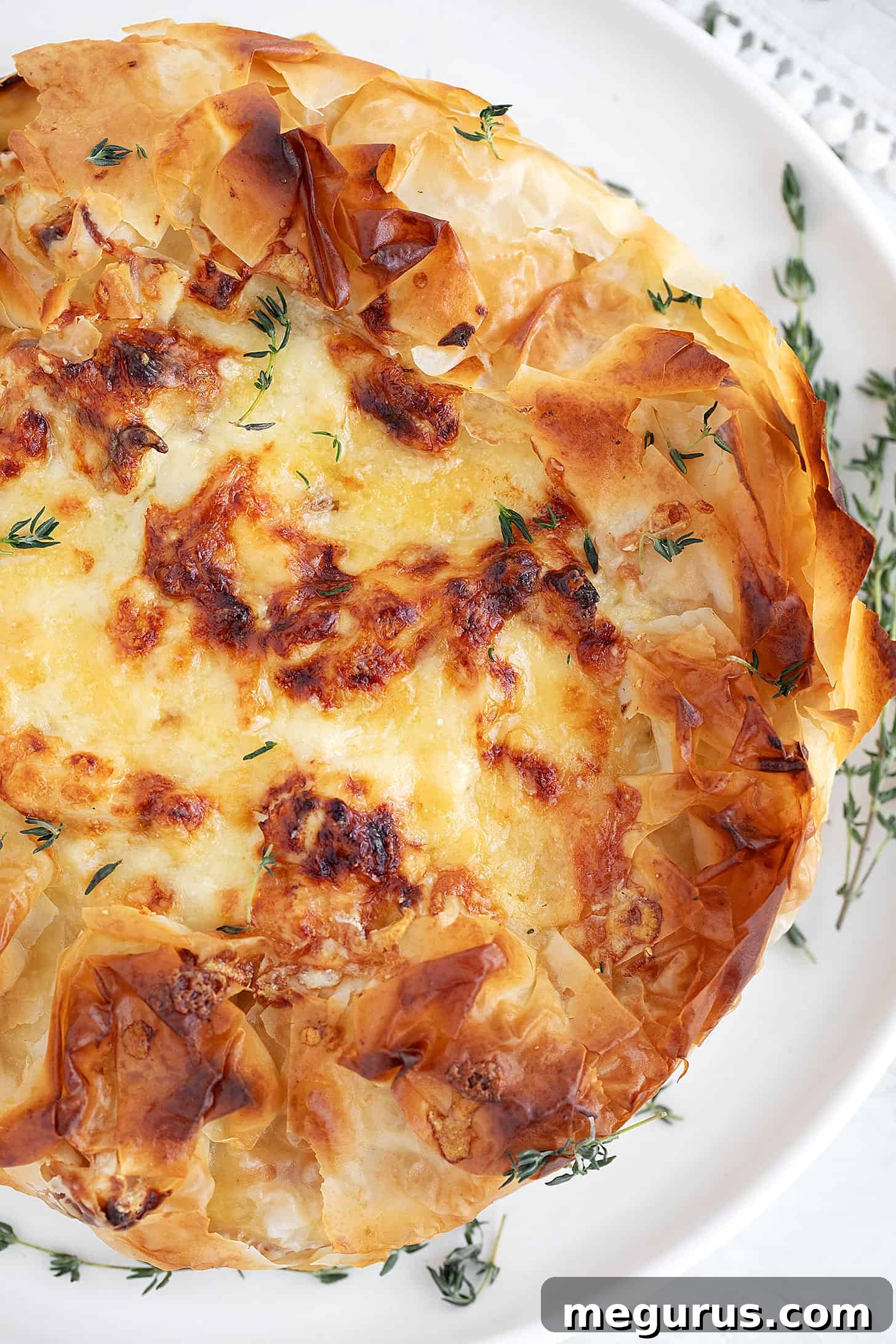
- Unmold and Finish Baking: After 20 minutes, carefully remove the pie from the oven. Run a sharp knife around the outer edge of the pie. While wearing oven mitts, unlatch and gently remove the side ring of the springform pan, leaving the pie on its base. Return the pie (still on its base and baking sheet) to the oven and bake for an additional 15-20 minutes, or until the phyllo crust is deep golden brown and exquisitely crisp. If the top starts to brown too quickly, loosely tent it with aluminum foil.
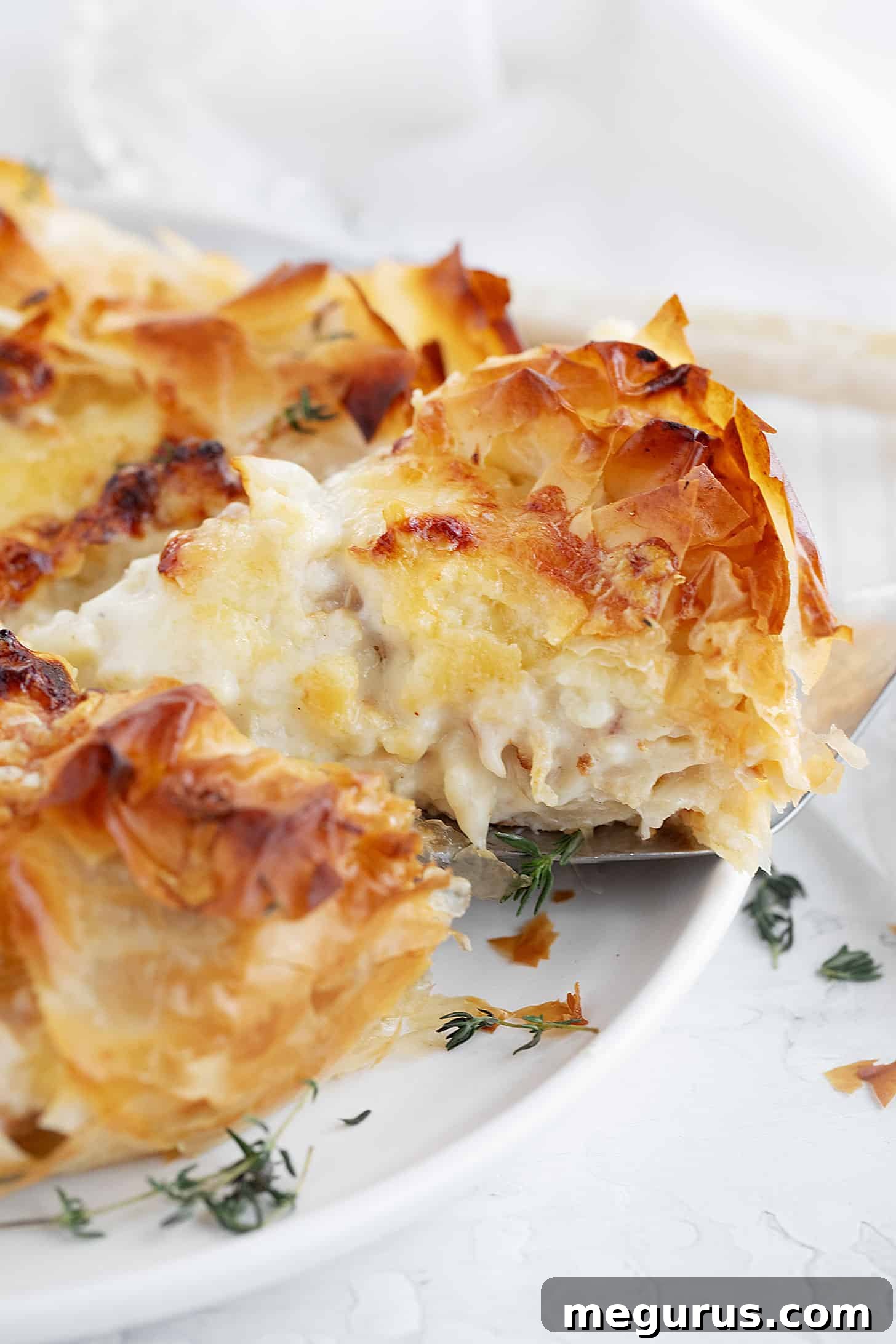
- Rest and Serve: Remove the pie from the oven and allow it to stand for about 10 minutes. This allows the filling to set slightly, making for easier slicing. Carefully run a knife underneath the pie to loosen it from the springform base, then gently slide it onto a serving plate. Slice and serve warm.
Expert Tips for Phyllo Pie Perfection!
Recipe Pro Tips:
- Embrace Imperfection with Phyllo: Don’t let the delicate nature of phyllo stress you out! It’s perfectly fine if the sheets tear or rip a little. Phyllo is incredibly forgiving; simply overlap pieces or patch any small gaps. The key is to ensure no large holes remain along the bottom or sides of the pan where the creamy filling could seep out. A little patching goes a long way.
- Keep Phyllo Moist: As mentioned, phyllo dries out very rapidly. Always keep any unused sheets covered with a lightly damp (not wet!) tea towel. Unpack the phyllo only when you are absolutely ready to start assembling.
- Be Generous with Butter: The melted butter brushed between each layer of phyllo is what creates that glorious golden, crisp, and flaky crust. Don’t skimp! A generous hand with the butter ensures maximum deliciousness and a beautiful texture.
- Use a Baking Sheet: Always place your springform pan on a rimmed baking sheet before putting it in the oven. Phyllo pies often leak a little melted butter during baking, and a baking sheet will catch any drips, preventing a mess in your oven.
- Consider a Smaller Pan: An 8-inch springform pan is ideal for this recipe, yielding a taller, more dramatic pie. If you only have a 9-inch pan, it will work, but expect a slightly shorter pie.
- Decorative Ruffles: If your top ruffle doesn’t look quite as dramatic as you’d like, take small scraps of phyllo (about 2×4 inches), scrunch them into little “rose” shapes, and tuck them into the existing ruffle for added volume and visual appeal.
- Prevent Over-Browning: While a golden crust is desired, phyllo can brown quickly. If you notice any high spots or the entire top getting too dark during baking, loosely tent the pie with aluminum foil for the remainder of the cooking time. Also, gently pat down any overly ambitious phyllo peaks before baking.
Making Ahead & Storing Your Phyllo Pie
This Cauliflower and Cheese Phyllo Pie is best enjoyed fresh from the oven, but strategic make-ahead steps can simplify your cooking process, and leftovers can be savored with proper storage.
Make-Ahead Options:
To streamline your pie-making, you can prepare certain components in advance:
- Roast the Cauliflower: Roast the cauliflower as directed, then allow it to cool completely before transferring it to an airtight container. Refrigerate for up to 2-3 days.
- Prepare the Cheese Sauce: Make the cheese sauce up to 2 days ahead. Once cooled, store it in an airtight container in the refrigerator.
When you’re ready to assemble the pie, ensure both the roasted cauliflower and the cheese sauce are brought back to room temperature. Cold fillings can significantly extend the baking time and potentially lead to an overcooked or excessively browned phyllo crust.
Storage and Reheating:
For optimal flavor and texture, this pie is best enjoyed within two hours of baking. If you have leftovers, allow the pie to cool completely before covering it loosely with plastic wrap or aluminum foil. Store it in the refrigerator for up to 2 days.
Please note that the phyllo crust will naturally soften over time when refrigerated. To refresh it and bring back some crispness, gently re-warm slices or the entire pie in a 350°F (175°C) oven. Loosely cover it with aluminum foil to prevent further browning of the phyllo, and heat until warmed through, approximately 15-20 minutes for slices, or longer for a whole pie.
Serving Suggestions for Your Phyllo Pie
This versatile Cauliflower and Cheese Phyllo Pie can shine in many roles on your dining table. Here are some ideas for serving it:
- As a Vegetarian Main Course: Serve a generous slice alongside a fresh, vibrant green salad with a light vinaigrette. The freshness of the salad will balance the richness of the pie beautifully.
- An Elegant Side Dish: It makes an exceptional side for roasted chicken, grilled fish, or a holiday roast. Its impressive presentation elevates any meal.
- Brunch Star: A slice of this pie is also fantastic for a weekend brunch, perhaps with a side of crispy bacon or a fruit salad.
- With a Simple Soup: Pair it with a light tomato soup or a clear vegetable broth for a satisfying and complete meal.
Recipe Variations to Explore
Feeling creative? This Cauliflower and Cheese Phyllo Pie is wonderfully adaptable. Here are a few ways to customize it:
- Cheese Combinations: Experiment with different cheese blends! Gruyère, Fontina, or even a smoked cheddar can add distinct flavors. A touch of blue cheese can offer a pungent kick.
- Add Herbs: Fresh herbs like thyme, rosemary, or chives can be finely chopped and added to the cheese sauce or sprinkled over the cauliflower before roasting for an aromatic boost.
- Spice it Up: A pinch of smoked paprika, a dash of hot sauce in the cheese sauce, or even some chili flakes sprinkled over the cauliflower can add a delightful warmth.
- Extra Veggies: Sautéed mushrooms, spinach (squeezed dry), or finely chopped bell peppers can be added to the cauliflower filling for extra nutrition and flavor. Just ensure they are pre-cooked to avoid excess moisture.
- Gluten-Free Option: While phyllo pastry is typically wheat-based, some brands offer gluten-free phyllo. Always check labels carefully if adhering to a gluten-free diet.
Get the Recipe: Cauliflower and Cheese Phyllo Pie
Pin This
25 minutes
1 hour
5 minutes
1 hour
30 minutes
8
servings
Ingredients
For the roasted cauliflower:
- 1 large head of cauliflower (approx. 2.5-3 lbs), including core and leaves
- 2 Tablespoons olive oil
- Salt and freshly ground black pepper, to taste
- 2-3 Tablespoons grated Parmesan cheese
For the rich cheese sauce:
- 1/4 cup unsalted butter
- 1/4 cup all-purpose flour
- 1 cup half and half cream (10% butterfat)
- 1 cup 2% milk (or use whole milk for a richer sauce)
- 1 teaspoon dry mustard powder
- 1 1/2 cup mature white cheddar (grated, plus more for topping)
- Pinch freshly grated nutmeg
- Pinch cayenne pepper
For assembling the phyllo pie:
- 4 Tablespoons unsalted butter (melted, for the pan and brushing phyllo)
- 6 sheets phyllo pastry (thawed according to package instructions)
For topping (optional):
- 1/2 cup additional mature white cheddar (grated)
Equipment
-
8-inch springform pan
-
Large baking sheet
-
Medium saucepan
-
Whisk
-
Pastry brush
Instructions
-
Make-ahead tip! To save time, you can roast the cauliflower and prepare the cheese sauce a day or two in advance. Store them separately in the refrigerator. Just remember to bring both components to room temperature before assembling the pie to ensure even baking and a crisp phyllo crust.
-
1. Prepare and roast the cauliflower: Preheat your oven to 400°F (200°C) for a non-convection oven. This recipe embraces the entire cauliflower! Cut the entire cauliflower, including the leaves and core, into quarters, then chop into bite-sized pieces. Scatter them evenly on a large baking sheet and drizzle with olive oil. Season generously with salt and pepper, then grate Parmesan cheese over the top. Place the baking sheet in the oven and roast for about 30 minutes, stirring halfway through, until the cauliflower is tender with lightly charred edges. Set aside to cool.
-
2. Prepare the cheese sauce: While the cauliflower is roasting, begin preparing your cheese sauce. In a saucepan set over medium heat, melt the butter. Once melted, stir in the all-purpose flour to create a roux, and cook for 1.5 to 2 minutes, whisking constantly to ensure it doesn’t burn and cooks out the raw flour taste. Gradually whisk in the half-and-half cream and milk, adding a little at a time and whisking vigorously to avoid any lumps. Continue cooking the sauce, stirring regularly, for 8-10 minutes until it thickens to a smooth, creamy consistency. Remove from heat, then stir in the dry mustard powder, grated mature cheddar cheese, nutmeg, and cayenne pepper until the cheese is completely melted and the sauce is smooth. Season with salt to taste. Set aside.
-
Tips for working with phyllo! Ensure your phyllo is thoroughly thawed by leaving it in the refrigerator overnight, then bringing it to room temperature for about an hour before use. Do not open the package until you are ready to start assembling. To prevent the delicate sheets from drying out, keep the unused phyllo covered with a barely-damp tea towel while you work. Don’t worry if phyllo tears; it’s very forgiving. Just lay it out as best you can, avoiding large gaps. The layers of butter will meld it together. Use a generous amount of melted butter between each layer; this fat is essential for a golden, crisp crust.
-
3. To assemble the pie: Generously brush the sides and bottom of an 8-inch springform pan with melted butter. Take two sheets of phyllo pastry and gently drape them into the pan, pressing them onto the bottom and sides while allowing the edges to overhang. Liberally brush this layer with melted butter. Repeat this process two more times, using two sheets of phyllo for each layer and offsetting each layer by approximately one-third. This ensures even coverage and strength. Brush each subsequent phyllo layer with melted butter. Double-check that the bottom and sides of the pan are completely covered, patching any small gaps with additional phyllo scraps if necessary.
-
4. Fill the pie: Spoon the cooled roasted cauliflower into the center of the phyllo-lined dish, filling it to about three-quarters full. (If you roasted a particularly large cauliflower, you may have some left over.) Pour the creamy cheese sauce evenly over the cauliflower. Use a fork to gently move the cauliflower around, allowing the sauce to settle into the crevices. Next, take the overhanging edges of the phyllo and fold them inwards over the top of the pie. Using your fingertips, gently ruffle the phyllo edges to create a beautiful, decorative finish that covers the outer third of the pie’s top surface. Brush the ruffled phyllo liberally with more melted butter. Finally, scatter the additional shredded cheddar cheese into the exposed center portion of the pie.
-
5. Bake the pie: Place the springform pan onto a rimmed baking sheet (this catches any potential butter drips). Transfer to the preheated oven and bake for 20 minutes. After 20 minutes, carefully remove the pie from the oven. Run a knife quickly around the outside edge of the pie, then, using oven mitts, unlatch and gently remove the side ring of the springform pan, leaving the pie on its base. Return the pie (still on its base and the baking sheet) to the oven and continue baking for another 15-20 minutes, or until the phyllo pastry is gorgeously golden brown and crisp. Check the pie around the 10-minute mark; if the top appears to be browning too quickly, loosely tent it with a sheet of aluminum foil for the remainder of the baking time.
-
6. Rest and serve: Remove the finished pie from the oven and let it stand for about 10 minutes. This resting period allows the filling to set, making it easier to slice cleanly. Carefully run a knife under the pie to loosen it from the springform base, then gently slide the pie onto a serving plate. Cut into slices and serve warm.
-
7. Storage: Once baked, the pie is best enjoyed within 2 hours for optimal crispness. To store leftovers, allow the pie to cool completely, then cover it loosely with aluminum foil. Refrigerate for up to 2 days. Note that the phyllo will soften during refrigeration.
-
8. Reheating: To refresh leftovers, gently re-warm slices or the entire pie in a 350°F (175°C) oven, loosely covered with aluminum foil, until heated through. This helps restore some of the phyllo’s crispness without over-browning.
Notes
Note 2: Choosing Your Cheddar: For the best flavor, seek out an aged white cheddar. In Canada, a 2 or 3-year-old domestic cheddar like Balderson is excellent. Alternatively, mature British or Irish cheddars such as Dubliner, Wexford, Coastal, or Cathedral City are fantastic choices, offering deep, complex notes.
Pan Size Recommendation: An 8-inch springform pan is highly recommended for creating a nicely tall and impressive pie. A 9-inch springform pan can be used, but it will result in a slightly shorter pie.
American, Canadian
Side Dish, Main Course
Jennifer Maloney
Adapted from a BBC Good Food recipe
More Cauliflower Recipes You’ll Love!
We hope you love this Cauliflower and Cheese Phyllo Pie as much as we do! It’s truly a recipe that combines comfort, elegance, and incredible flavor. Don’t hesitate to share your creations and feedback!