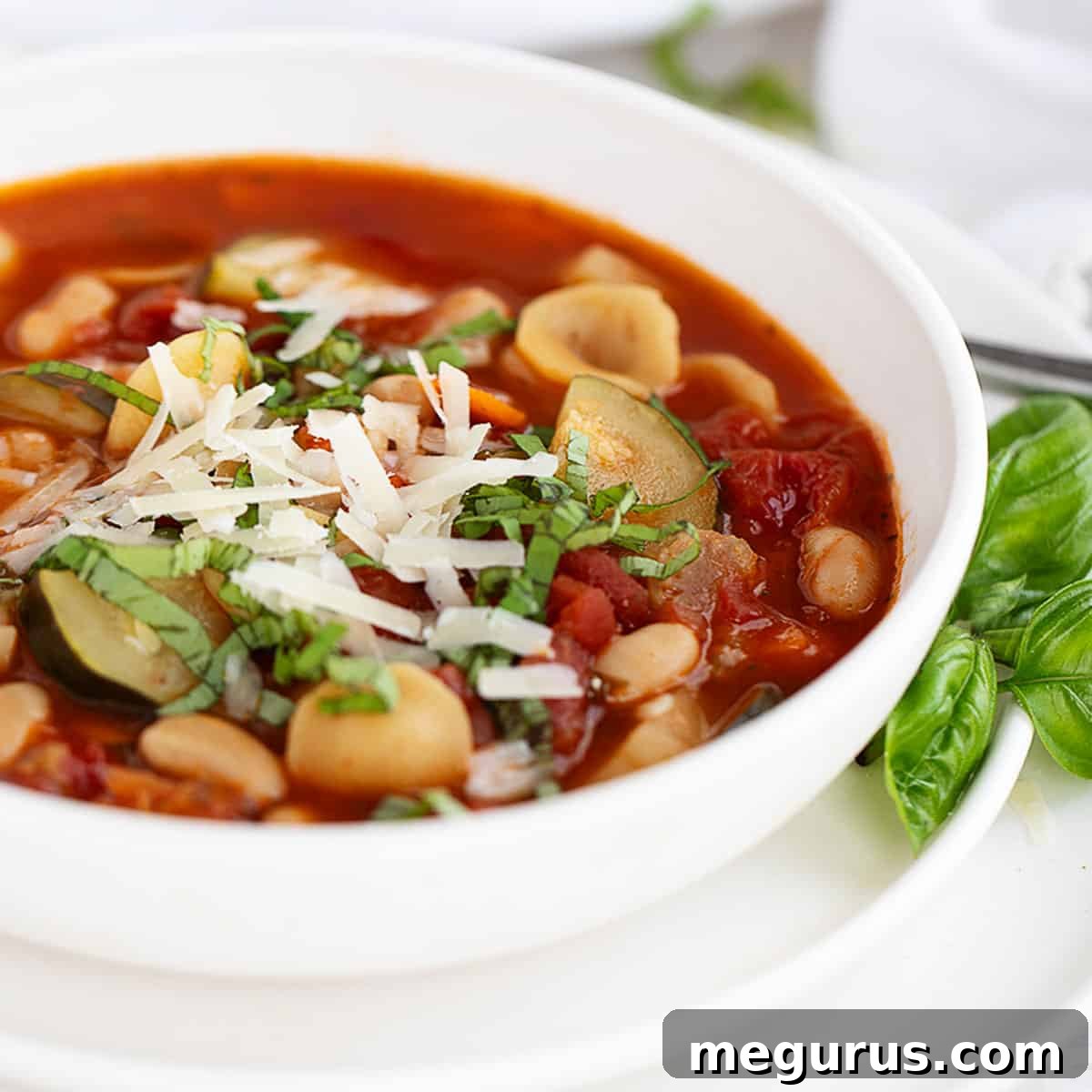
Light and Flavorful Summer Minestrone Soup: A Seasonal Delight
Embrace the vibrant tastes of summer with this delightful Minestrone Soup recipe, brimming with fresh tomatoes, tender zucchini, hearty cannellini beans, comforting pasta, and an abundance of aromatic basil. This rendition offers a lighter, more seasonal twist on the beloved classic, perfect for warm days and evenings.
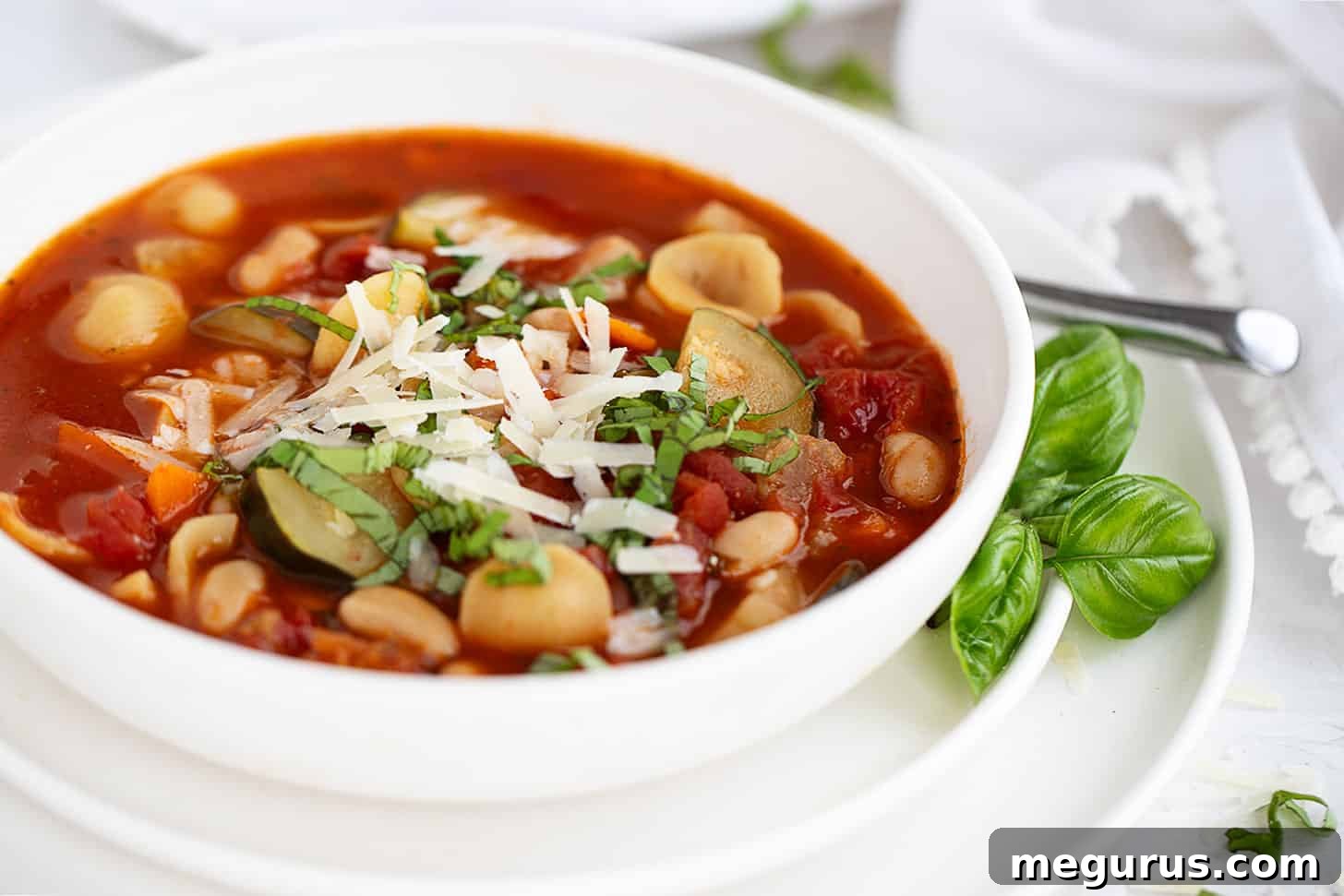
The Essence of Summer in a Bowl: A Fresh Take on Minestrone
Minestrone soup is a culinary chameleon, effortlessly adapting to the treasures each season brings. While traditional minestrone often features robust, earthy flavors suitable for colder months, our Summer Minestrone celebrates the peak of summer produce. This recipe puts fresh zucchini, sun-ripened tomatoes, and fragrant basil front and center, creating a soup that feels both wholesome and refreshing. We enhance the basil notes further by stirring in a spoonful of vibrant basil pesto right at the end, adding depth and a lovely herbaceous finish.
For me, pasta is an indispensable component of any minestrone, adding wonderful texture and satisfying heartiness. In this lighter version, I’ve chosen cannellini beans (also known as white kidney beans) for their creamy texture and milder flavor profile, offering a gentle alternative to the classic red kidney beans. A key aspect of this summer soup is maintaining the integrity of the fresh vegetables; they are cooked just until tender-crisp, preserving their vibrant colors and a subtle bite, rather than simmering them until completely soft. This approach ensures each spoonful delivers a fresh, garden-fresh experience.
This vegetable-rich soup is more than just a meal; it’s a soul-soothing tribute to summer’s generous bounty. Its versatility shines through as it can be savored hot, warm, or even at room temperature, making it ideal for various occasions, from a cozy dinner to a light al fresco lunch. Furthermore, this recipe is naturally vegetarian and easily adaptable to be completely vegan, catering to diverse dietary preferences without compromising on flavor or satisfaction.
Whether you’re looking for a nourishing weeknight dinner or a crowd-pleasing dish for entertaining, this Summer Minestrone will quickly become a seasonal favorite. Its simplicity belies its rich, layered flavors, making it accessible for home cooks of all skill levels.
Key Ingredients and Smart Substitutions for Your Minestrone
Crafting the perfect Summer Minestrone begins with selecting quality ingredients. Here’s a closer look at what you’ll need and how you can make thoughtful adjustments based on what’s available:
- Zucchini: As a star of this Summer Minestrone, zucchini is essential. You’ll need one large or two small fresh zucchini. Look for firm, unblemished zucchini for the best texture and flavor. Its mild taste readily absorbs the aromatic broth.
- Tomatoes: Canned diced tomatoes provide an incredibly convenient and consistent base. However, if you’re fortunate enough to have a surplus of ripe summer tomatoes from your garden or a local market, absolutely embrace their fresh flavor! Replace the canned diced tomatoes with approximately 4 cups of fresh, diced tomatoes. Peeling them is optional; some prefer the rustic texture of unpeeled tomatoes, while others opt for a smoother soup.
- Broth: The choice of broth significantly influences the soup’s overall flavor. You can opt for either a rich chicken broth for added depth or a flavorful vegetable broth to keep the soup entirely vegetarian or vegan. Feel free to use low-sodium varieties to control the salt content.
- Cannellini Beans: These creamy white kidney beans are a cornerstone of this recipe. They provide a wonderful source of protein and fiber, adding to the soup’s heartiness. Remember to drain and rinse them thoroughly before adding to the pot to remove excess sodium and any canning liquid. If cannellini beans are unavailable, red kidney beans make a suitable, albeit slightly different, substitute.
- Fresh Basil: The bright, peppery aroma of fresh basil is what truly defines this Summer Minestrone. A generous handful of freshly chopped basil stirred in at the end elevates the entire dish. If fresh basil is out of season or unavailable, you can substitute with about 1 tablespoon of dried basil leaves, adding it earlier in the cooking process to allow its flavors to bloom.
- Basil Pesto: Stirring in a tablespoon of basil pesto at the very end is a delightful secret weapon that intensifies the basil flavor and adds a luxurious richness. While highly recommended for an extra layer of taste, it’s not strictly essential, and the soup will still be delicious if you choose to omit it.
- Pasta: Small pasta shapes are best for minestrone, as they cook quickly and are easy to spoon. I’ve chosen orecchiette pasta for its unique ear-like shape that captures the broth beautifully. Other excellent choices include macaroni, ditalini, small shells, or even orzo for a slightly less traditional, rice-like texture. Ensure you cook the pasta directly in the soup for maximum flavor absorption.
- Parmesan Rind: This is a chef’s secret for adding umami depth to any soup or sauce. If you collect Parmesan rinds (a wise habit!), tossing one into the simmering soup will infuse it with a subtle, savory richness. Don’t worry if you don’t have one; the soup will still be incredibly flavorful without it. Just remember to remove it before serving.
- Aromatics and Spices: Don’t underestimate the power of finely diced onion, carrots, and celery (the classic mirepoix) as the foundation of your soup’s flavor. Garlic and a pinch of red pepper flakes add warmth and a gentle kick, while tomato paste deepens the tomato base and adds a hint of concentrated sweetness.
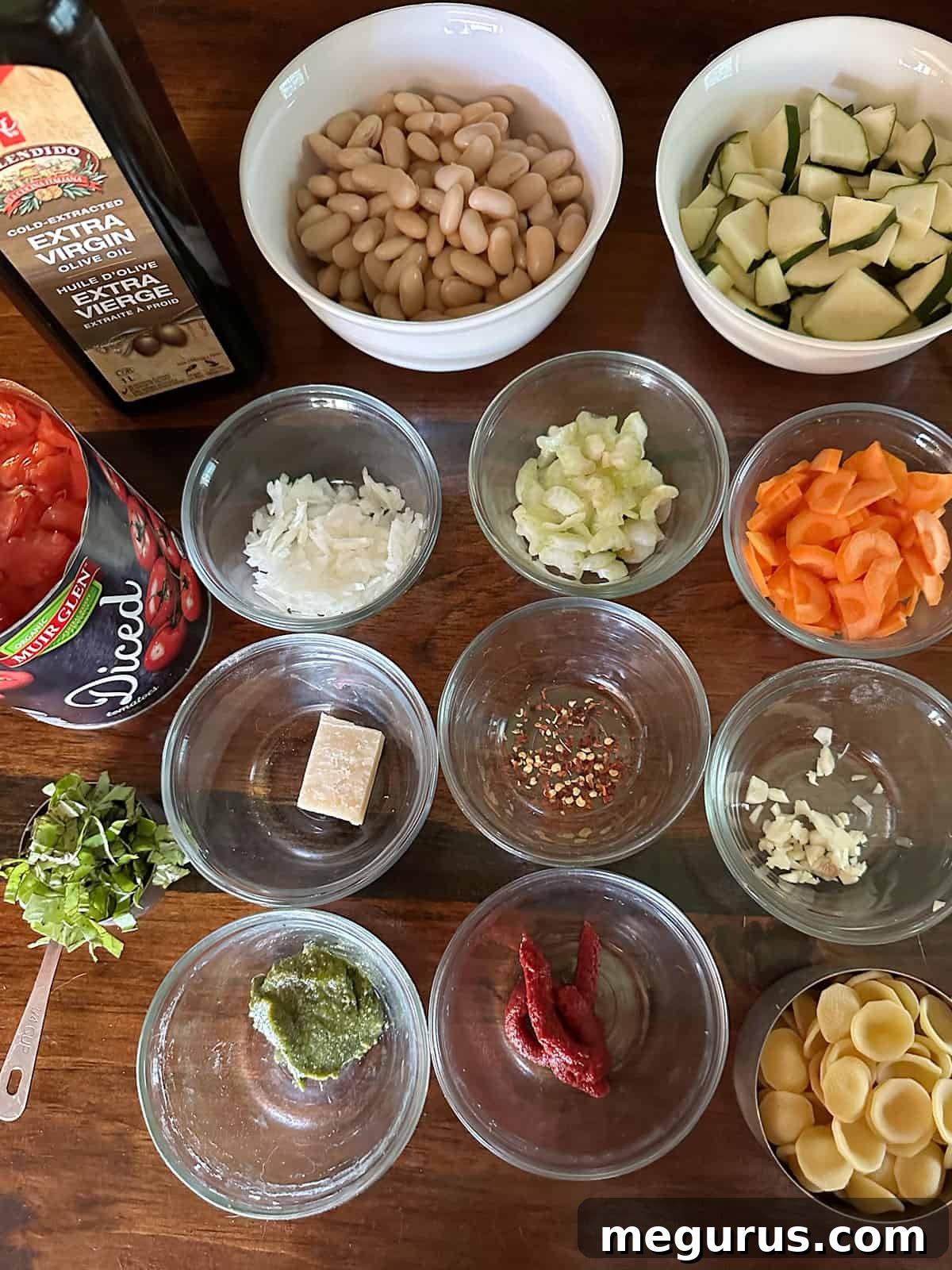
Here are all the fresh and prepared ingredients, ready to be transformed into a comforting bowl of Summer Minestrone:
Creative Variations to Customize Your Minestrone
Minestrone is inherently flexible, inviting you to experiment with various additions and substitutions. Here are a few ideas to inspire your culinary creativity and adapt this Summer Minestrone to your taste and what you have on hand:
- Add More Summer Vegetables: Incorporate other seasonal delights. Fresh green beans, snapped into bite-sized pieces, or fresh or frozen peas can be added to the soup along with the cannellini beans. Corn kernels, either fresh or frozen, also add a lovely sweetness.
- Leafy Greens Power-Up: Boost the nutritional content and add another layer of flavor by stirring in leafy greens. Baby spinach, chopped kale, or Swiss chard are excellent choices. If using heartier greens like kale or chard, add them with the zucchini to give them sufficient time to tenderize. For delicate baby spinach, a quick stir into the hot soup just a few minutes before serving is all that’s needed.
- Boost the Protein: For a more substantial meal, consider adding cooked chicken or a plant-based protein alternative. Shredded rotisserie chicken can be stirred in during the last few minutes of cooking. Vegetarians might enjoy adding small cubes of firm tofu or tempeh, cooked separately until golden before being added to the soup.
- Spice It Up: If you enjoy a bit more heat, increase the amount of red pepper flakes, or add a pinch of cayenne pepper with the tomato paste. A dash of hot sauce when serving can also add a pleasant zing.
- Herbaceous Twist: While basil is key, feel free to experiment with other fresh herbs. A sprig of fresh rosemary or thyme added during the simmering process can impart a wonderfully earthy aroma. Remove the sprigs before serving.
- Grain Alternatives: If you prefer to skip pasta or are looking for a gluten-free option, substitute the pasta with a small amount of quinoa, farro, or even leftover rice. Adjust cooking times accordingly; quinoa and farro will need to simmer longer than most small pastas.
Step-by-Step Guide: Crafting Your Summer Minestrone
Making this flavorful soup is a straightforward process, breaking down into a few simple steps. Follow these instructions for a perfect bowl every time.
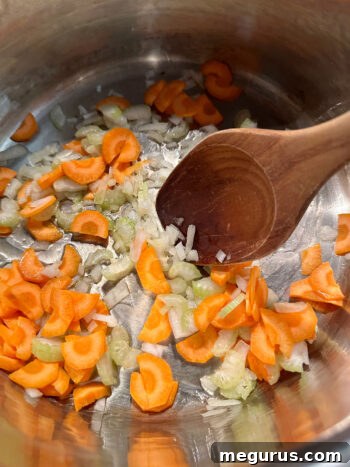
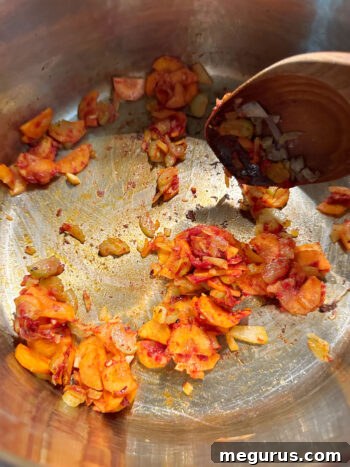
- Sauté Aromatics: In a large soup pot or Dutch oven, heat a tablespoon of olive oil over medium heat. Add the diced carrots, onion, and celery. Cook, stirring occasionally, for 3-4 minutes until they begin to soften. This initial step builds the flavor base for your soup.
- Infuse Flavors: Add the chopped garlic and red pepper flakes to the pot. Sauté for another 30-45 seconds until fragrant, being careful not to burn the garlic. Immediately stir in the tomato paste and cook with the vegetables for about 1 minute, allowing it to deepen in color and flavor.
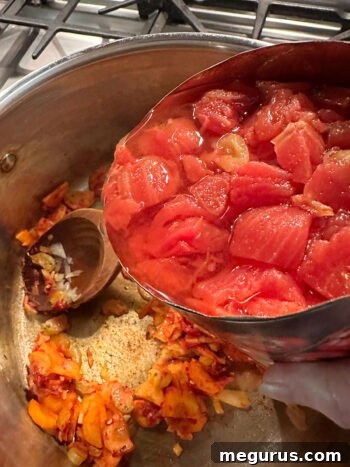
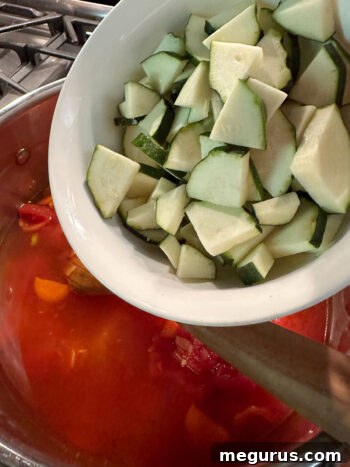
- Build the Broth: Pour in the canned diced tomatoes (with their juice) and your chosen chicken or vegetable broth. Add the zucchini and the optional Parmesan rind. Bring the soup to a gentle boil over medium-high heat.
- Adjust Consistency: Keep an eye on the soup’s thickness as it cooks. If it appears too thick, especially after adding the pasta, which will absorb liquid, feel free to add more broth or water, a splash at a time, until it reaches your desired consistency.
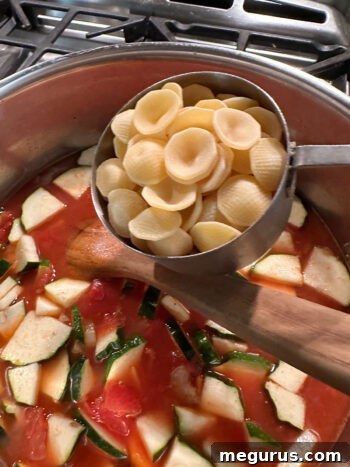
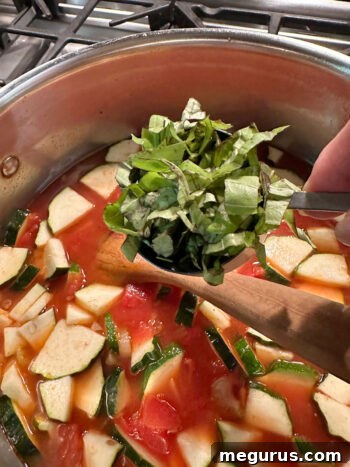
- Add Pasta and Basil: Once the soup is boiling, stir in the pasta and a portion of the fresh basil. Season with the initial ½ teaspoon of salt and a good grinding of fresh pepper. Reduce the heat slightly to medium-low, allowing the soup to simmer gently for 10-15 minutes, or until the pasta is just tender. Stir occasionally to prevent the pasta from sticking.
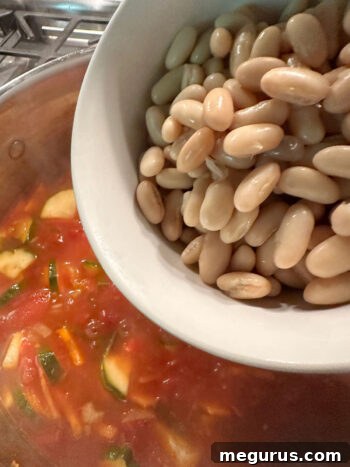
- Incorporate Beans: Add the drained and rinsed cannellini beans to the pot and continue to simmer for another 5 minutes, allowing them to warm through and absorb the soup’s flavors.
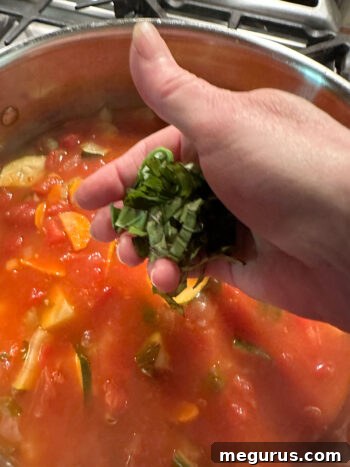
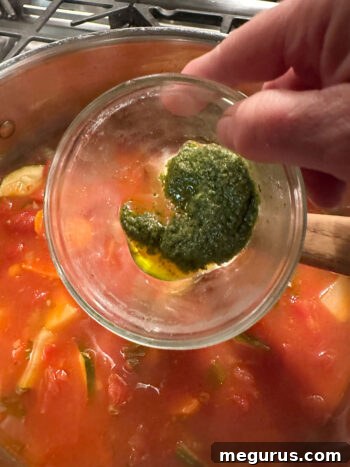
- Final Touches and Seasoning: Stir in a bit more fresh basil and the basil pesto (if using). This is a crucial moment for seasoning. Taste the soup and adjust with additional salt and freshly ground pepper as needed.
Top Tip for Perfect Flavor!
Proper seasoning is the secret to any outstanding soup. Always taste your soup at the end of cooking and adjust with additional salt and pepper as needed. If you find the flavor seems a little “flat” or you feel like “it needs something,” it almost always needs more salt. Don’t be shy; a little extra salt can transform a good soup into a great one by bringing all the flavors into harmony.
How to Serve Your Delicious Summer Minestrone
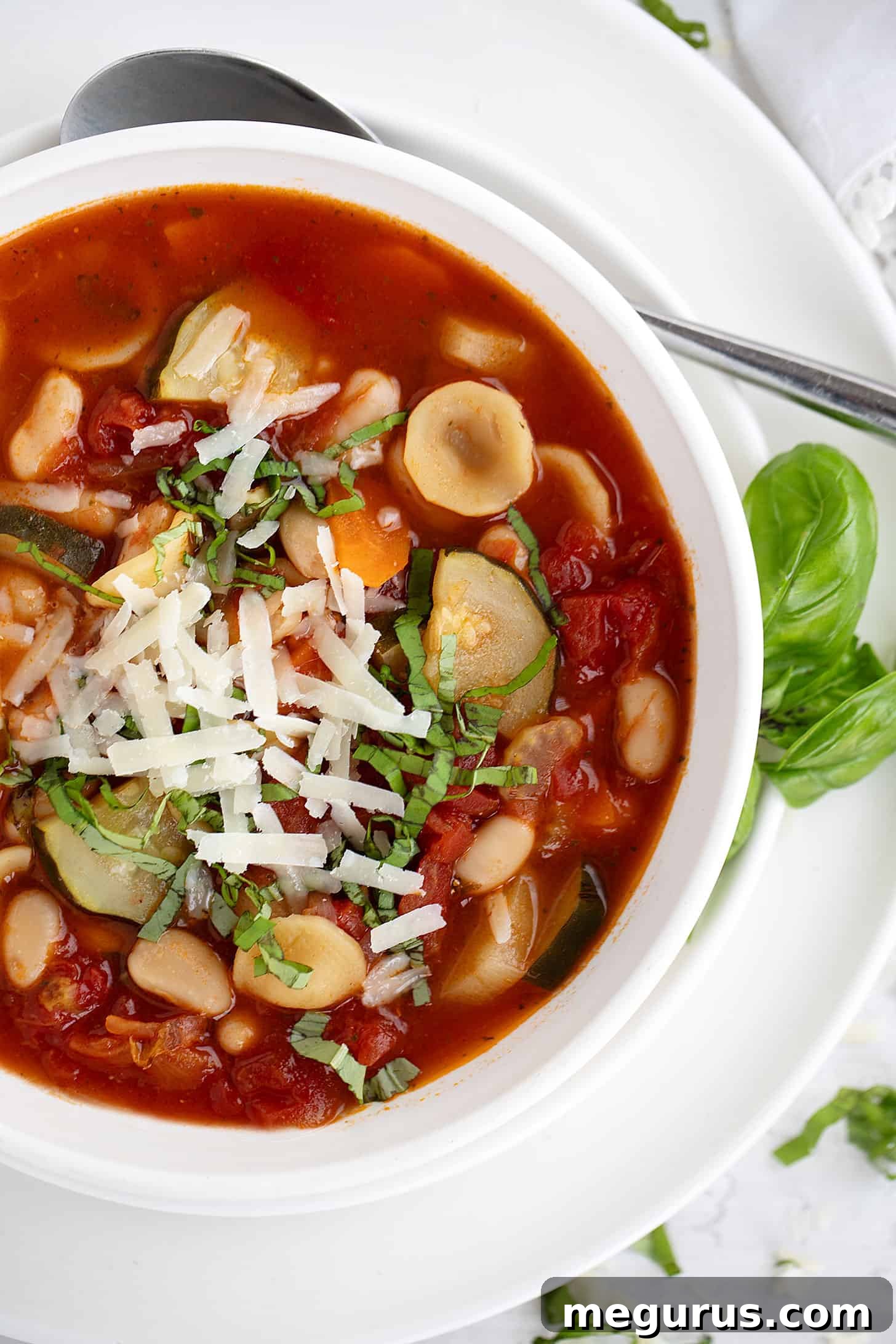
This Summer Minestrone is truly a star on its own, but a few simple garnishes can elevate the experience:
- Fresh Basil and Parmesan: The classic pairing! A generous sprinkle of freshly chopped basil and a grating of good quality Parmesan cheese (or a vegan alternative) adds an explosion of freshness and savory depth.
- A Drizzle of Olive Oil: A finishing drizzle of high-quality extra virgin olive oil enhances the soup’s richness and adds a lovely peppery note.
- Extra Spice: For those who love a little more heat, a sprinkle of extra red pepper flakes on top provides a pleasant kick.
- Dollop of Pesto: A small dollop of basil pesto swirled into each individual serving further intensifies the basil flavor and adds a beautiful visual element.
- Crusty Bread: Minestrone is wonderfully complemented by crusty bread. Spoon the soup over toasted slices of rustic bread or serve it alongside warm, buttered crusty bread for dipping. Garlic bread or focaccia would also be fantastic.
- Accompaniments: For a complete meal, serve alongside a light green salad with a vinaigrette dressing.
Whether you enjoy it piping hot or just lightly warmed, with a piece of crusty buttered bread, this soup promises a comforting and flavorful experience.
Storing and Freezing Your Summer Minestrone
This Summer Minestrone is excellent for meal prep and stores beautifully, allowing you to enjoy its flavors for days or even months:
- Refrigeration: Store leftover minestrone soup in an airtight container in the refrigerator for up to 4 days. As the soup sits, the pasta will continue to absorb liquid, causing the soup to thicken. When reheating, simply add a splash of water or broth to loosen it up and restore its ideal consistency.
- Freezing: For longer storage, this soup freezes exceptionally well for up to 3 months. Portion the soup into individual freezer-safe containers or bags. This ingenious tip ensures you have a ready-to-eat bowl of delicious, homemade soup at your fingertips any time you desire, perfect for a quick lunch or a comforting dinner on a busy evening. Thaw overnight in the refrigerator or gently reheat on the stovetop or in the microwave, adding liquid as needed.
- Pasta Consideration for Freezing: If you plan to freeze a large batch of minestrone, you might consider cooking the pasta separately and adding it to individual portions upon reheating. This prevents the pasta from becoming too soft or mushy during the freezing and thawing process. However, for shorter freezing periods, cooking the pasta directly in the soup is generally fine.
Simple Summer Minestrone Recipe Card
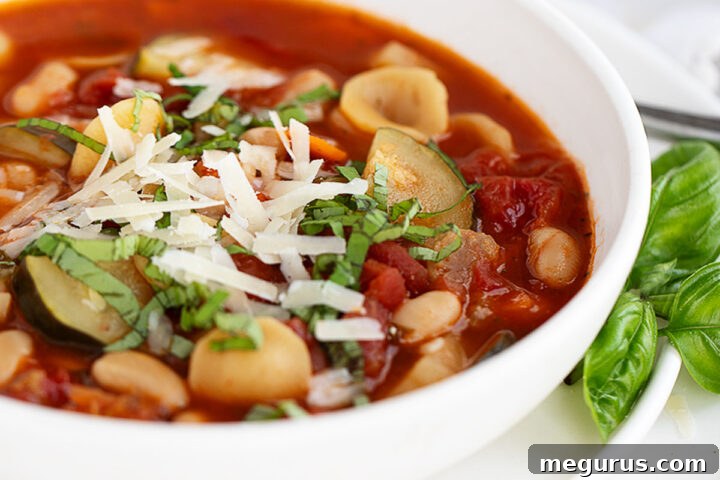
Get the Recipe: Simple Summer Minestrone
This simple Summer Minestrone soup is a hearty and refreshing meal, filled with ripe tomatoes, tender zucchini, wholesome cannellini beans, comforting pasta, and an abundance of fresh basil. It’s a perfect light and seasonal twist on the classic Italian soup.
Prep Time: 15 mins
Cook Time: 30 mins
Total Time: 45 mins
Yield: 6 servings
Ingredients
- 1 Tablespoon Extra virgin olive oil
- 1/4 cup onion, diced
- 1/2 cup carrot, cut in half lengthwise, then sliced thinly into half rounds
- 1/4 cup celery, cut in half lengthwise, then sliced thinly into half rounds
- 1 clove garlic, chopped
- 1/8 teaspoon red pepper flakes
- 1 Tablespoon tomato paste
- 28 oz canned diced tomatoes, with juice, or 4 cups of chopped fresh tomatoes
- 4 cups chicken or vegetable broth, or water, plus more broth or water as needed to thin as the soup cooks
- 2 cups zucchini, unpeeled, cut into quarters lengthwise, then thinly sliced into half rounds
- Parmesan rind, optional
- 1 cup Orecchiette pasta, or similar small pasta
- 1/2 teaspoon salt
- Freshly ground pepper
- 19 oz Cannellini beans (white kidney beans), drained and rinsed
- 1/4 cup Fresh Basil, chopped, plus more to finish soup and for garnish or about 1 Tablespoon dried basil leaves
To finish soup:
- 1 Tablespoon Basil Pesto
- 1-2 Tablespoons fresh basil, chopped
- Salt and freshly ground pepper, as needed
For serving soup:
- Freshly grated Parmesan
- Fresh basil, chopped
Instructions
- Heat olive oil in a large soup pot over medium heat. Add the onion, celery, and carrots and cook, stirring, for about 3-4 minutes to soften. Add the garlic and red pepper flakes and cook, stirring, for 30-45 seconds, then add the tomato paste. Stir and cook the tomato paste with the vegetables for about 1 minute.
- Add the canned tomatoes to the pot, along with the broth, zucchini, and Parmesan rind (if using). Bring to a boil over medium-high heat.
- As the soup cooks, add additional broth or water to the pot if it looks too thick. I often find I need to add a bit more liquid after adding the pasta, as it will soak up liquid as it cooks.
- Once the soup is boiling, add the pasta and the initial fresh basil to the pot. Also, add the 1/2 teaspoon of salt and a good grinding of pepper. Reduce heat slightly to medium (or a touch lower) and allow the soup to simmer for about 10-15 minutes, or until the pasta is just tender, stirring once or twice. Add the beans to the pot and simmer for another 5 minutes.
- Finish the soup with a bit more fresh basil and the basil pesto. Taste the soup and add additional salt and freshly ground pepper, as needed. Remember, if the flavors taste flat or you feel like “it needs something,” what it needs is likely more salt.
- Serve hot or just warm, garnished with freshly grated Parmesan and more fresh basil. You can also drizzle with a bit of olive oil, add a dollop of pesto, and/or sprinkle with some red pepper flakes. Minestrone soup is also lovely spooned over toasted crusty bread.
Notes
Refrigerate soup for up to 4 days or freeze for up to 3 months. If the soup thickens as it sits, thin it with a bit more broth or water when reheating.
As with all soups, proper seasoning can make or break your soup, so be sure to taste the soup at the end of cooking and add additional salt and pepper as needed. If you taste it and it tastes flat or you feel like “it needs something,” what it needs is more salt.
Cuisine: Italian
Course: Soup
Author: Jennifer Maloney
Nutrition Information (per serving):
- Serving: 1 serving
- Calories: 191 kcal
- Carbohydrates: 33g
- Protein: 10g
- Fat: 4g
- Saturated Fat: 1g
- Polyunsaturated Fat: 0.5g
- Monounsaturated Fat: 2g
- Cholesterol: 3mg
- Sodium: 1218mg
- Potassium: 501mg
- Fiber: 7g
- Sugar: 6g
- Vitamin A: 2215 IU
- Vitamin C: 22mg
- Calcium: 126mg
- Iron: 4mg