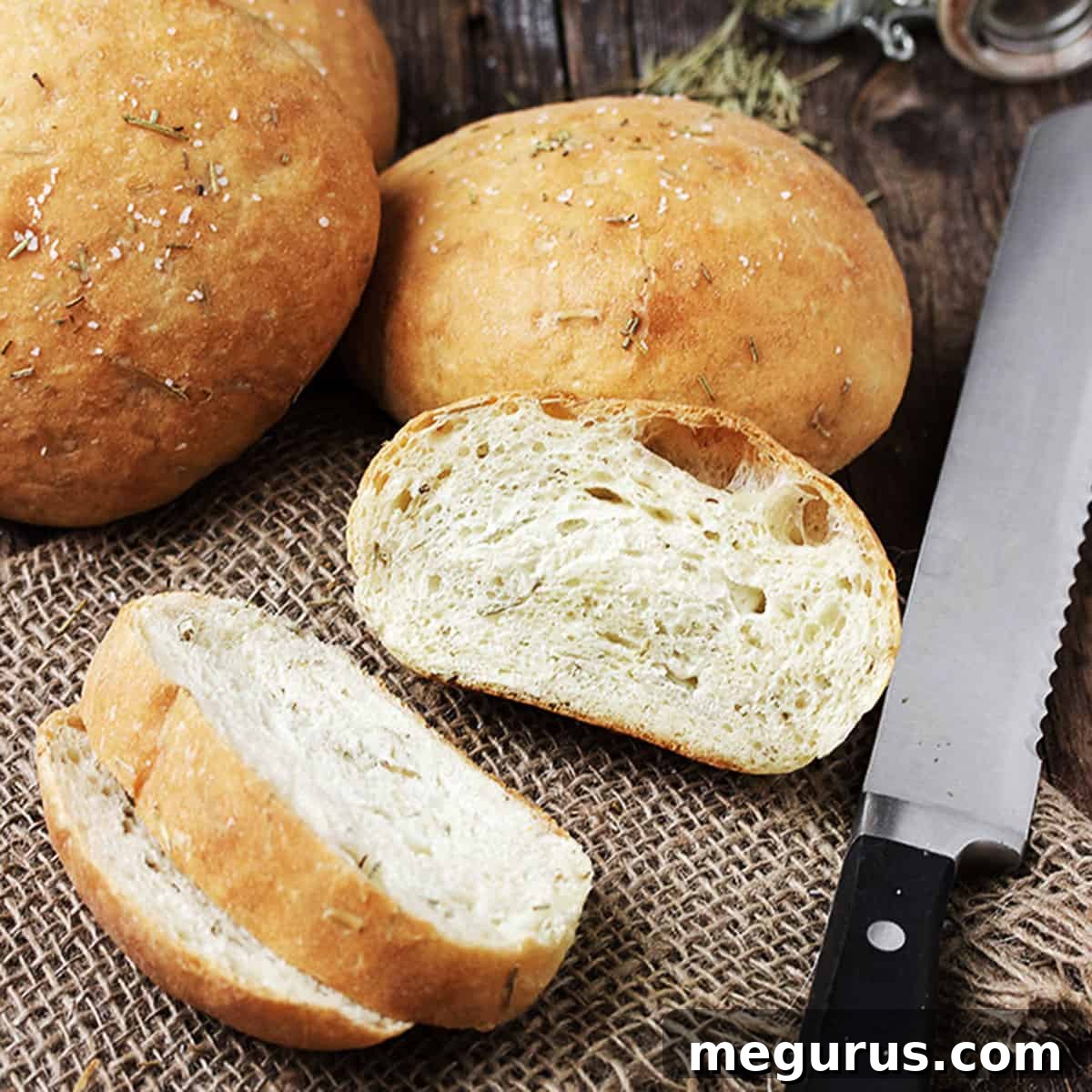
Easy Rosemary Olive Oil Mini Bread: Your Guide to Perfect Homemade Loaves
Imagine the warm, inviting aroma of freshly baked bread filling your kitchen, coupled with the fragrant notes of rosemary and the rich undertones of extra virgin olive oil. This isn’t just a dream; it’s a delicious reality waiting to be created with our incredibly easy and satisfying Rosemary Olive Oil Mini Bread recipe. Perfect for dipping into your favorite olive oil blend, serving alongside a hearty meal, or enjoying as a delightful snack, these mini loaves are a true culinary treat.
What makes this recipe truly special, beyond its exceptional flavor and simple preparation, is its remarkable versatility and freezer-friendly nature. Bake a batch, enjoy some now, and tuck the rest away in your freezer for those moments when only homemade bread will do. Say goodbye to store-bought mediocrity and hello to consistently delicious, tender, and airy bread whenever you crave it.
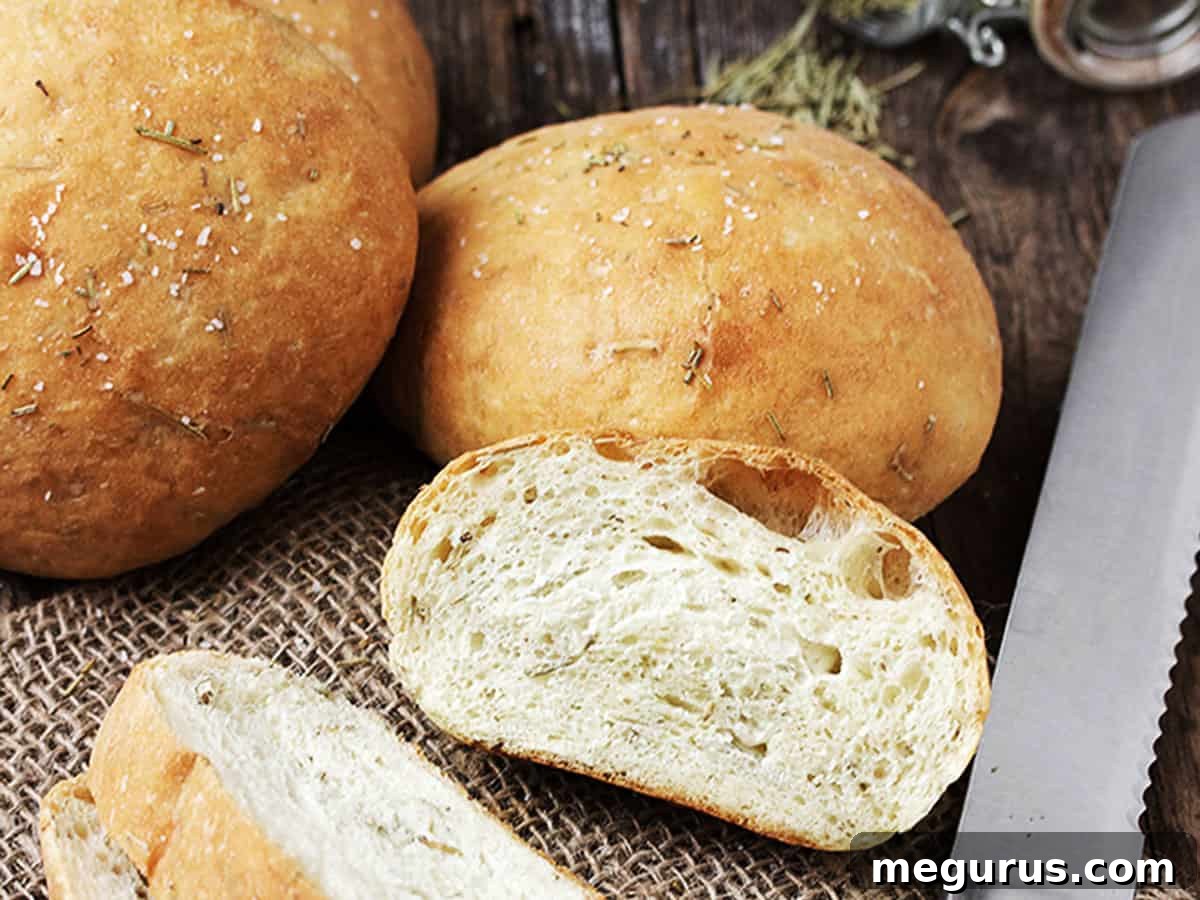
Why You’ll Love Baking Mini Bread Loaves
There’s an undeniable charm and practicality to baking bread in smaller, individual portions. Our mini bread loaves offer several advantages that make them a favorite in any kitchen:
- Perfect Portion Control: Each mini loaf yields about 4-5 slices, making it ideal for a small family meal or a couple. This means less waste and fresh bread more often!
- Faster Baking Time: Smaller loaves cook more quickly than a large one, getting that delightful homemade bread on your table in less time.
- Versatility in Serving: You can easily adapt the recipe to make 2 medium-sized loaves if you prefer a bit more bread per serving, or even 6 smaller, individual portions perfect for accompanying a soup or salad for dinner guests.
- Gift-Giving Made Easy: These charming mini loaves make wonderful hostess gifts or thoughtful presents for friends and neighbors. Wrap them in a pretty tea towel, and you have a gift from the heart.
- Always Fresh: Because they are smaller, you can defrost and reheat just one mini loaf at a time, ensuring that every slice tastes as fresh as the day it was baked.
This recipe is designed to be approachable for bakers of all skill levels, delivering a light, airy crumb that’s just begging to be torn apart and enjoyed.
Essential Ingredients for Your Rosemary Olive Oil Bread
Crafting exceptional bread starts with understanding your ingredients. While this recipe uses simple staples, a little knowledge goes a long way in ensuring perfect results every time. Here’s a deeper dive into the core components of our rosemary olive oil bread:
Yeast: The Heart of Your Rise
For this recipe, you have the flexibility to use either Active Dry Yeast or Instant Yeast. Both will work beautifully, but there’s a slight difference in how you activate them:
- Active Dry Yeast: This type requires activation in warm water (around 105°F / 40°C) with a pinch of sugar. You’ll know it’s active when it becomes foamy after about 5-10 minutes. This process, often called “proofing,” confirms your yeast is alive and ready to make your bread rise.
- Instant Yeast: As its name suggests, instant yeast doesn’t typically require proofing. It can be mixed directly with your dry ingredients. However, for best results and to ensure your yeast is potent, many bakers still prefer to proof it in warm water as a safeguard. Always ensure your water temperature is not too hot (which can kill the yeast) or too cold (which won’t activate it).
Ensuring your yeast is active is the first crucial step to achieving a light and airy loaf.
Rosemary: The Aromatic Star
Rosemary is the classic herb choice for this bread, lending a robust, earthy, and slightly piney flavor that pairs magnificently with olive oil. You can use either dried or fresh rosemary:
- Dried Rosemary: This is convenient and readily available. For optimal flavor, gently crush dried rosemary between your fingers before adding it to the dough to release its aromatic oils. The recipe calls for dried, but you can certainly substitute.
- Fresh Rosemary: If using fresh rosemary, aim for roughly twice the amount of dried rosemary for a comparable flavor profile (e.g., if the recipe calls for 1.5 Tablespoons dried, use about 3 Tablespoons finely chopped fresh rosemary). Chop it very finely to ensure it distributes evenly and doesn’t create large, overpowering bits in your bread.
Not a fan of rosemary? No problem! This recipe is incredibly adaptable. Feel free to substitute with other complementary herbs like thyme, oregano, or a savory Italian herb blend. You could even experiment with finely chopped chives or sage for a different twist.
Olive Oil: Liquid Gold for Flavor and Texture
The quality of your extra virgin olive oil truly shines in this recipe, especially since it’s also a key ingredient for dipping. Use the best quality olive oil you have on hand, as its fruity, sometimes peppery notes will infuse throughout the bread, enhancing its overall flavor and contributing to a tender crumb.
Beyond flavor, olive oil plays a vital role in the dough’s texture, helping to tenderize the gluten and keep the bread moist. While extra virgin olive oil is highly recommended, a good quality light olive oil or even vegetable oil could be used in a pinch for the dough itself, though it won’t impart the same depth of flavor.
Flour and Salt: The Building Blocks
- All-Purpose Flour: This is the workhorse of our bread, providing the structure. While bread flour (with higher protein content) can also be used for a chewier texture, all-purpose flour delivers a wonderfully tender and light crumb in this recipe.
- Fine Salt (or Kosher Salt): Salt is crucial for flavor and also plays a role in regulating yeast activity. Fine salt incorporates easily into the dough. Kosher salt or sea salt can also be used; adjust quantity if using a different type of salt, as crystal sizes vary.
Mastering Your Mini Bread: Essential Baking Tips
Baking bread is as much an art as it is a science, and a few key techniques can elevate your results from good to extraordinary. Here are some essential tips for creating the perfect homemade rosemary olive oil mini bread:
Dough Consistency is Key
One of the most critical aspects of successful bread baking is achieving the right dough consistency. The amount of flour specified in any recipe is always an approximation, as factors like humidity, the brand of flour, and even atmospheric pressure can influence how much liquid your flour absorbs. My advice is simple: don’t be afraid to add a bit more flour than specified, in small increments.
- Start with the Recipe Amount: Begin with the 2 1/2 cups of all-purpose flour the recipe calls for.
- Assess and Adjust: As you mix or knead, observe the dough. You’re aiming for a soft, slightly sticky dough that is pliable and doesn’t cling excessively to your hands or the sides of the bowl. If it’s too sticky to handle, add flour one tablespoon at a time, incorporating it fully before adding more. I often find myself adding about 1/4 cup extra, but your experience may vary.
- Avoid a Dry, Stiff Dough: Resist the urge to add too much flour. An overly stiff dough will result in dry, dense bread. The goal is to keep the dough as moist as possible while still being manageable to work with. A slightly sticky dough often translates to a light, airy finished product.
The Importance of Kneading
Kneading develops the gluten in the flour, which gives the bread its structure and chewy texture. Whether you’re using a stand mixer with a dough hook or kneading by hand, aim for a smooth, elastic dough that springs back when gently poked.
- Stand Mixer: Knead on low speed for 5-7 minutes until the dough pulls away from the sides of the bowl and looks smooth.
- By Hand: Knead on a lightly floured surface for 8-10 minutes, pushing and folding the dough until it’s elastic and smooth.
Perfect Proofing: Let Your Dough Rise
Proofing is when the yeast goes to work, fermenting sugars and releasing carbon dioxide, which causes the dough to rise and develop flavor. A warm, draft-free environment is ideal for proofing.
- First Rise: After kneading, place the dough in a lightly oiled bowl, turning it once to coat. Cover it with plastic wrap and let it rise in a warm spot until doubled in size, typically 60-90 minutes. This initial rise develops most of the bread’s flavor.
- Second Rise (After Shaping): Once you’ve shaped your mini loaves, they need a second, shorter rise. Cover them with a clean tea towel and let them rise again until noticeably puffy and slightly larger, about 1 hour. This ensures a light, open crumb.
Don’t rush the proofing process; patience is a virtue in bread making!
Shaping Your Mini Loaves
The shaping technique described in the recipe helps create a good structure and a lovely rustic appearance for your mini loaves. Don’t worry about perfection; homemade bread’s charm often lies in its unique, slightly irregular shapes.
- Gentle Handling: After the first rise, gently turn the dough out onto a lightly floured surface. Avoid overworking it, which can deflate the air pockets you’ve worked so hard to create.
- Tuck and Roll: The method of folding the top and bottom into the middle, then the sides, and finally tucking the corners under to form a ball, creates tension on the surface. This tension helps the bread hold its shape and develop a beautiful crust.
Baking to Golden Perfection
Preheating your oven to the correct temperature (400°F / 200°C) is essential for a good “oven spring” – the rapid rise the dough experiences in the initial minutes of baking. The two-stage baking process (initial bake, then brush with oil and garnish, then finish baking) ensures a beautifully golden and flavorful crust.
- Initial Bake: The first 10 minutes at a high temperature set the crust.
- Flavor Boost: Brushing with olive oil and sprinkling with kosher salt and rosemary mid-bake not only adds incredible flavor but also contributes to a wonderfully textured crust.
- Doneness: Your bread is done when it’s deeply golden brown and sounds hollow when tapped on the bottom. An internal temperature of 200-210°F (93-99°C) is also a good indicator.
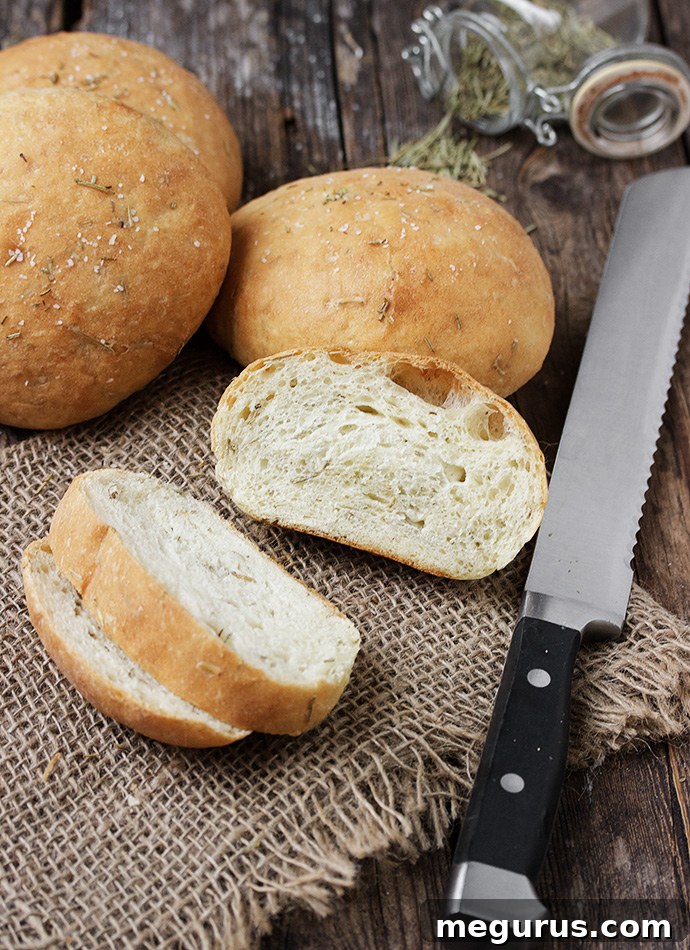
Serving Suggestions: Elevate Your Mini Bread Experience
This light and airy rosemary olive oil mini bread is inherently versatile and incredibly delicious on its own. However, its true potential for culinary delight unfolds with the right accompaniments.
- The Classic Dip: The most obvious and perhaps most satisfying way to enjoy this bread is by dipping it. Create an exquisite dipping oil by pouring your best extra virgin olive oil into a shallow dish, then season it with a pinch of freshly ground black pepper, red pepper flakes for a subtle kick, or a splash of balsamic glaze for a touch of sweetness and acidity. Freshly chopped garlic or a sprinkle of dried Italian herbs can also elevate the experience.
- Meal Companion: These mini loaves are the perfect accompaniment to almost any meal. Serve them with a hearty Italian pasta dish, a comforting bowl of homemade soup, a vibrant garden salad, or alongside grilled chicken or fish. Their savory flavor complements a wide range of cuisines.
- Appetizer Perfection: Slice them thinly and use them as a base for mini bruschetta with fresh tomatoes, basil, and mozzarella. Or, arrange them on a charcuterie board with olives, cheeses, and cured meats for an elegant appetizer spread.
- Simple Spreads: Sometimes, simplicity is best. A smear of good quality butter, a dollop of herbed cream cheese, or a simple garlic butter spread takes this bread to another level of indulgence.
Whether you’re hosting a dinner party or enjoying a quiet evening at home, this bread adds a touch of gourmet flair to any occasion.
Storage and Freezing for Freshness
One of the greatest benefits of this easy bread recipe is how wonderfully it stores and freezes, allowing you to enjoy fresh, homemade bread long after baking day.
- Room Temperature: Once completely cooled, store your mini loaves in an airtight container or a bread bag at room temperature for up to 2-3 days. While they are best enjoyed fresh, they retain their flavor and texture well.
- Freezing for Long-Term Enjoyment: This bread freezes beautifully! To freeze, ensure the loaves are completely cooled. You can freeze them whole or slice them first for convenience. Wrap each loaf tightly in plastic wrap, then place them in a freezer-safe bag or airtight container. They will keep well in the freezer for up to 2-3 months.
- Thawing and Reheating:
- Whole Loaf: To thaw a whole frozen loaf, simply remove it from the freezer and let it sit at room temperature for a few hours, or overnight. For a warm, “fresh out of the oven” experience, wrap the thawed loaf in foil and reheat it in a 350°F (175°C) oven for 10-15 minutes, or until warmed through.
- Sliced Bread: If you froze sliced bread, you can pop individual slices directly into a toaster or toaster oven until lightly crisp and warm.
With a stash of these frozen mini loaves, you’ll always be just minutes away from warm, fragrant, homemade bread.
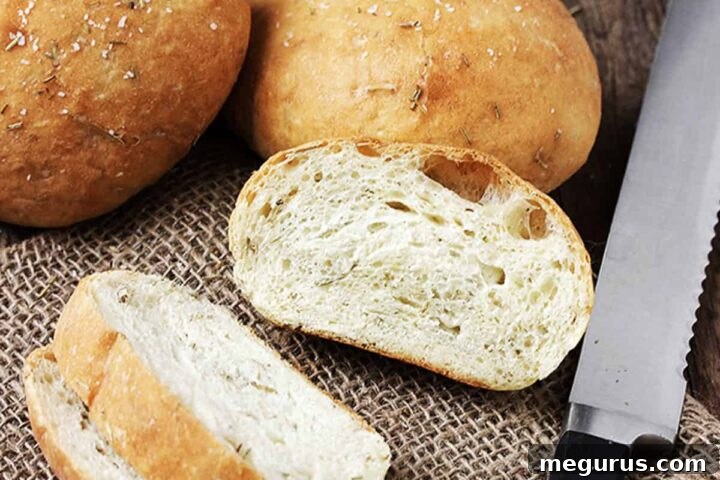
Rosemary Olive Oil Mini Bread Recipe
This Mini Rosemary Olive Oil bread is perfectly crafted for dipping, delivering a delicious and easy-to-make experience. Its exceptional freezability means you can always have wonderful homemade bread ready whenever the craving strikes!
15 mins
20 mins
2 hrs
2 hrs 35 mins
4 mini breads
Ingredients
- 2 1/2 teaspoons active dry or instant yeast
- 2 teaspoons white sugar
- 1/4 cup warm water, about 105°F (40°C)
- 2 Tablespoons extra-virgin olive oil
- 3/4 cup warm water, about 105°F (40°C)
- 2 1/2 cups all-purpose flour, plus more as needed
- 1 1/2 Tablespoons dried rosemary
- 1 teaspoon fine salt
- 1 Tablespoon olive oil, for brushing
- 1/2 teaspoon kosher salt, for garnish
- 1 teaspoon dried rosemary, for garnish
Instructions
- In a large bowl or the bowl of a stand mixer fitted with a kneading hook, add the yeast, sugar, and 1/4 cup warm water. Stir gently and let stand until foamy, about 5 minutes. This confirms your yeast is active.
- To the foamy yeast mixture, add the 2 Tablespoons of olive oil and the 3/4 cup of warm water and stir to combine well. Then, add the 2 1/2 cups of all-purpose flour, 1 1/2 Tablespoons of dried rosemary, and the 1 teaspoon of fine salt.
- Mix on low speed with the kneading hook (if using a stand mixer) or with a sturdy wooden spoon until a soft dough forms. The dough should be pliable, slightly sticky but not excessively so. You may need to add a bit more flour, one tablespoon at a time, until the dough reaches the desired consistency – soft, but manageable. Avoid making the dough too stiff.
- Lightly brush a large clean bowl with olive oil. Transfer the dough to this bowl, turning it once to coat the entire surface. Cover the bowl tightly with plastic wrap and let it rise in a warm, draft-free place until it has doubled in size, which typically takes about 60-90 minutes.
- Prepare a baking sheet by lining it with parchment paper or lightly brushing it with olive oil. Generously flour your work surface.
- Once the dough has doubled, gently turn it out onto the floured surface. Divide the dough into 4 equal pieces. Working with one piece at a time, sprinkle a little more flour on the dough if it feels sticky. Gently flatten the dough slightly, then fold the top edge down towards the center, and the bottom edge up towards the center, overlapping slightly. Next, fold in the sides to create a somewhat rectangular or free-form square shape. Use a spatula or dough scraper to carefully turn the dough over, then tuck the corners under to form a neat ball.
- Place the shaped dough ball, seam-side down, onto the prepared baking sheet. Repeat this shaping process with the remaining dough pieces, placing 2 balls on each baking sheet if you’re using two. Cover the shaped loaves with a clean tea towel and let them rise again in a warm spot until doubled, about 1 hour.
- While the loaves are undergoing their second rise, preheat your oven to 400°F (200°C).
- Bake the loaves for 10 minutes. Carefully remove them from the oven, then brush each loaf with the remaining 1 Tablespoon of olive oil. Sprinkle evenly with the 1/2 teaspoon of kosher salt and the remaining 1 teaspoon of dried rosemary for garnish.
- Return the bread to the oven and continue baking for approximately 10 more minutes, or until the loaves are beautifully golden brown and sound hollow when tapped on the bottom.
- Once baked, transfer the hot loaves to a wire rack to cool completely. Serve warm with olive oil seasoned with pepper for dipping, if desired, or enjoy plain.
Notes
For additional tips, creative options, ingredient substitutions, and delicious variations for this versatile recipe, be sure to read through the detailed sections of this article!
American, Canadian
Bread
Jennifer Maloney
Nutrition Information (per 1 mini loaf):
- Serving: 1 loaf
- Calories: 414kcal
- Carbohydrates: 66g
- Protein: 8g
- Fat: 12g
- Saturated Fat: 2g
- Sodium: 721mg
- Potassium: 148mg
- Fiber: 4g
- Sugar: 2g
- Vitamin A: 210IU
- Vitamin C: 4.1mg
- Calcium: 98mg
- Iron: 5.6mg
More Delicious Bread Recipes to Love!