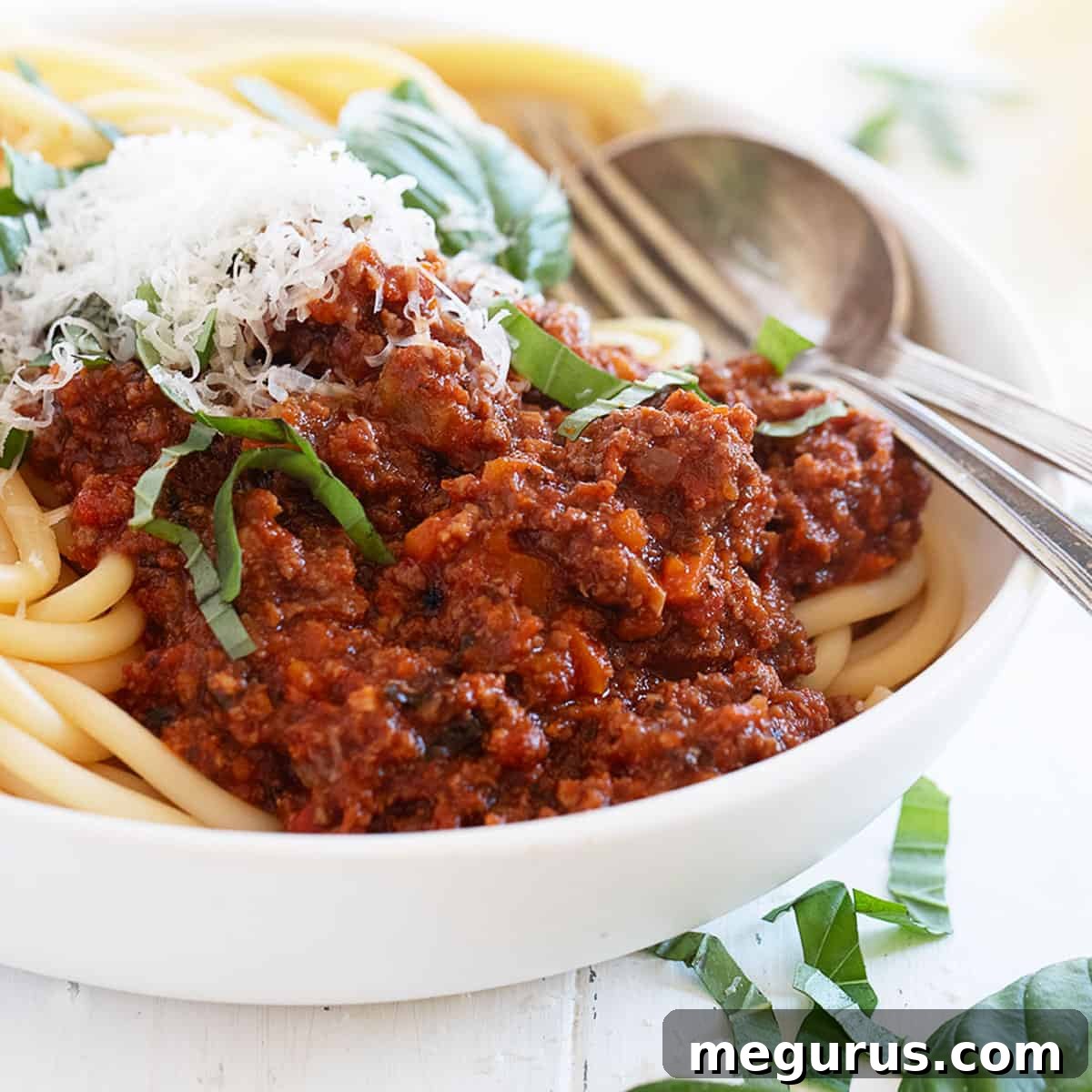
Unlock the secret to a truly authentic and deeply flavorful classic Italian Meat Sauce. This tried-and-true recipe is your ultimate guide to creating a culinary masterpiece, perfect for coating your favorite pasta, layering in a hearty lasagna, or stuffing into savory manicotti. Get ready to transform your kitchen into an Italian trattoria with this rich, slow-simmered sauce.
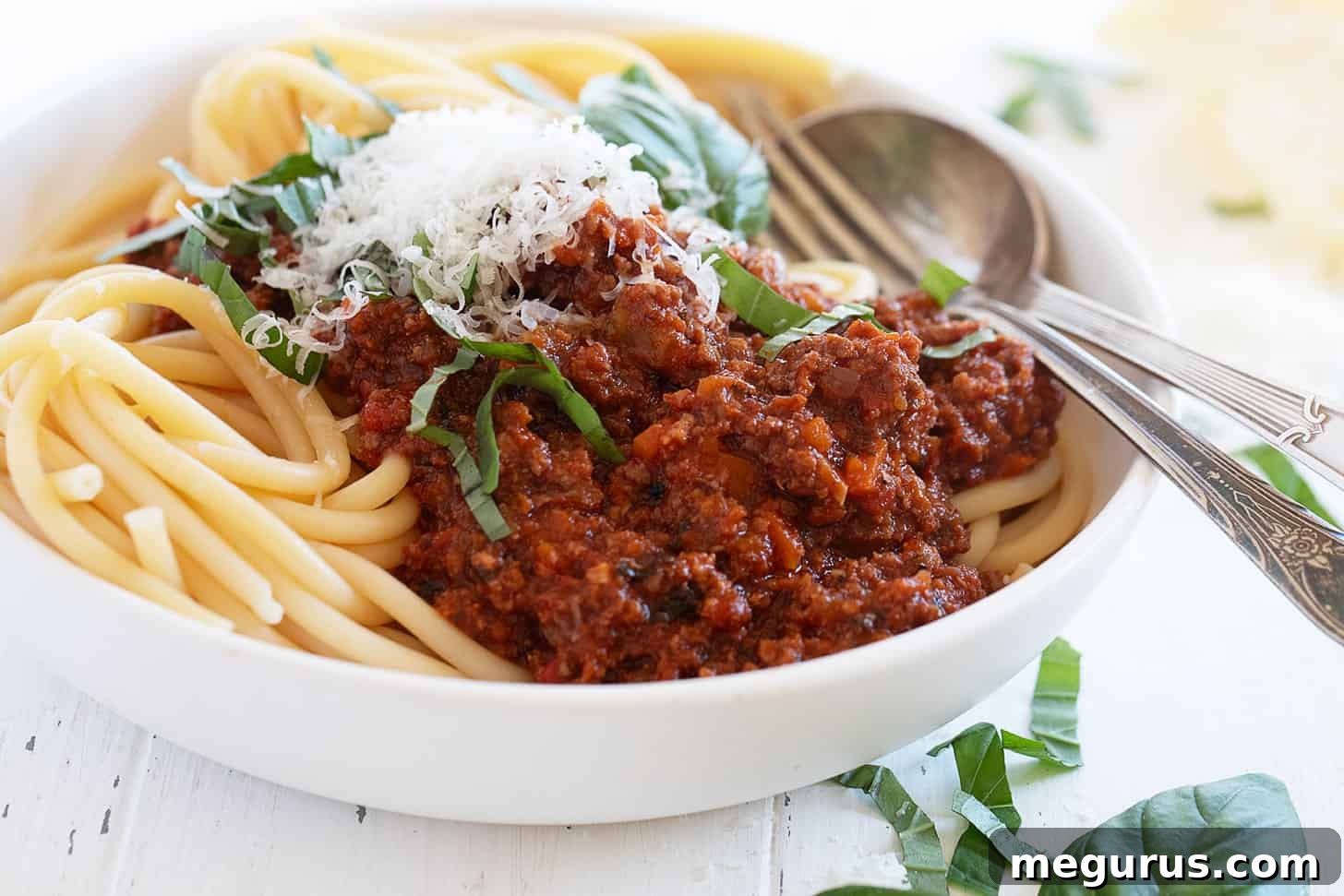
The Ultimate Classic Italian Meat Sauce: A Timeless Recipe for Pasta, Lasagna & More
For years, I’ve perfected my signature Italian Meat Sauce, a recipe so foundational yet so incredibly delicious that it truly deserves to be shared. It’s the kind of comforting, deeply flavored sauce that becomes a staple in any home cook’s repertoire. While many home cooks have their own version, a well-defined recipe provides the perfect starting point for achieving that authentic, long-simmered taste everyone craves.
This isn’t just any meat sauce; it’s a testament to patience and simple, quality ingredients transforming into something extraordinary. This classic, long-simmering meat sauce is imbued with the nuanced complexity of red wine, the pungent aroma of fresh garlic, the subtle sweetness of carrots and onions, and a harmonious blend of herbs. The final touch of butter and a hint of cream at the end elevates it to a truly luxurious experience, balancing the acidity and enriching the texture to perfection.
It’s important to clarify that while many people use “Bolognese” interchangeably with “Italian meat sauce,” they are distinct. Traditional Bolognese typically features a significant amount of milk and wine and is often lighter on the tomatoes. Our classic Italian Meat Sauce, on the other hand, proudly embraces the vibrant essence of tomatoes, making it, in essence, an Italian tomato sauce beautifully enhanced with savory meat. You might hear the term “ragu” used, and while it’s closer, this recipe stands on its own merits. Whatever you choose to call it, one thing is certain: it’s incredibly satisfying with pasta and promises to become a cherished family favorite.
Why This Classic Italian Meat Sauce Will Become Your Go-To Recipe
There are countless meat sauce recipes out there, but this one stands out for several reasons. It balances ease of preparation with incredible depth of flavor. The magic lies in the slow simmering process, which allows all the ingredients to meld together, creating a sauce that tastes like it’s been simmering all day (because it has!). It’s incredibly versatile, acting as the perfect base for so many Italian dishes, from simple pasta nights to elaborate baked creations. This recipe is designed to be approachable for home cooks while delivering a restaurant-quality result.
Essential Ingredients and Smart Substitutions for Your Meat Sauce
The beauty of this classic Italian Meat Sauce lies in its foundational ingredients. While the recipe is quite forgiving, understanding each component and potential substitutions will empower you to customize it to your taste and pantry.
Ground Beef: The Heart of the Sauce
The choice of ground beef significantly impacts the final texture and richness of your sauce. You can use any fat content you prefer. The recipe wisely instructs to spoon off most of the rendered fat after browning, which prevents the sauce from becoming greasy while retaining all the savory meat flavor. For an even more complex flavor profile, consider using a mix of ground meats. A classic Italian blend often includes ground beef, pork, and sometimes veal. Pork adds a lovely sweetness and richness, while veal contributes a tender texture. Feel free to experiment with a 50/50 mix of beef and pork, or go for the traditional trifecta for an unparalleled depth.
Red Pepper Flakes: A Touch of Warmth
For those who appreciate a subtle kick, a pinch of red pepper flakes adds a delightful warmth that complements the rich tomato and meat flavors. I recommend adding them along with the garlic to allow their essence to infuse the olive oil. Start with a small pinch and adjust to your personal preference. Unless I’m specifically aiming for a spicy sauce, a gentle hint of heat is usually all that’s needed to awaken the palate without overpowering the other delicate flavors.
Canned Tomatoes: The Foundation of Flavor
Canned tomatoes are the backbone of any great Italian sauce. While you can certainly use diced or crushed tomatoes, I strongly advocate for starting with whole canned tomatoes. Why? Because whole tomatoes generally represent a higher quality product, often packed at their peak ripeness. Crushing them by hand just before adding them to the pot allows for a more rustic texture and ensures you get the full, vibrant tomato flavor. If whole tomatoes aren’t available, diced or crushed varieties will work, but expect a slightly different texture.
Tomato Paste: Concentrated Goodness
Though used in small quantities, tomato paste is a powerful ingredient that plays a crucial role in developing the deep, rich tomato taste of the finished sauce. It adds umami and intensifies the overall flavor profile. I find the tubes of tomato paste incredibly convenient for recipes like this, as you can use just the right amount without opening a whole can and dealing with leftovers. If you only have canned tomato paste, store any unused portion in an airtight container in the fridge or freezer.
Garlic: The Soul of Italian Cooking
Fresh garlic is simply indispensable for a sauce of this caliber. Its pungent, aromatic qualities infuse the entire dish with a characteristic Italian essence. While minced garlic is common, here’s a pro tip: thinly slicing your garlic cloves for this meat sauce. Larger pieces are less prone to scorching, which is critical because burnt garlic can turn bitter and ruin the flavor of your sauce. Don’t worry about the slices being too strong; after two hours of simmering, they mellow beautifully, contributing a gentle, diffused garlic flavor throughout.
Red Wine: Depth and Acidity
Red wine is a secret weapon in this sauce, adding both profound flavor depth and a welcome touch of acidity that brightens the overall profile. Choose a dry red wine you enjoy drinking; you don’t need an expensive bottle, but avoid “cooking wines” which often contain added salt and preservatives. If you prefer not to use alcohol, a splash of red wine vinegar can be used to deglaze the pan, providing that essential acidity. In this case, you might need to add a bit more water or broth to ensure the sauce has enough liquid for its long simmer.
Carrots, Onions, and Celery (Mirepoix): The Aromatic Base
The classic mirepoix of onion, carrot, and celery forms the aromatic foundation of this sauce. These vegetables cook down slowly, releasing their natural sweetness and savory notes, building layers of flavor. When I first started making a sauce like this, I was surprised that the carrots maintained their structural integrity even after hours of simmering. Therefore, it’s important to dice them finely to ensure they soften sufficiently and integrate well. A personal preference of mine is to use an immersion blender for a couple of quick pulses at the end, just enough to slightly smooth out the onions and carrots without completely pureeing the sauce. This creates a more uniform texture, which can be particularly useful if you have picky eaters who might object to visible vegetables!
Expert Cooking Tips for a Perfect Meat Sauce Every Time!
Achieving a truly outstanding meat sauce is all about technique and a little patience. These tips will help you master this recipe and impress everyone at your dinner table.
- Achieve Deeper Flavor Through Browning: After initially browning your ground beef, make sure to spoon off most of the rendered fat and liquid. This crucial step allows the meat to continue cooking in its own juices, developing a rich, caramelized crust and creating flavorful “fond” (brown bits) on the bottom of the pot. These brown bits are packed with umami and are essential for a deeply flavored sauce.
- Invest in a Heavy-Bottomed Pot: For any long-simmering sauce, a heavy-bottomed pot, such as a Dutch oven, is your best friend. Its superior heat distribution prevents hot spots and significantly reduces the risk of scorching, especially as the sauce thickens and reduces over hours of cooking.
- Stir Regularly as the Sauce Thickens: As your meat sauce simmers and reduces, the liquid level decreases, and it naturally thickens. This is when it’s most susceptible to scorching. Make it a habit to stir regularly, especially towards the end of the cooking time, ensuring that the sauce doesn’t stick to the bottom of the pot. A thick, delicious sauce requires your attention!
- Adjust Consistency for Your Dish: The versatility of this sauce is one of its greatest assets. If you’re planning to serve it over pasta, you might want to stop cooking a little earlier, leaving it slightly more liquid to perfectly coat each strand of spaghetti or linguine. However, if you’re using it for lasagna, manicotti, or other baked pastas, you’ll want a sturdier sauce. In that case, cook it down further until most of the liquid has evaporated, creating a richer, thicker consistency that holds up beautifully in baked dishes.
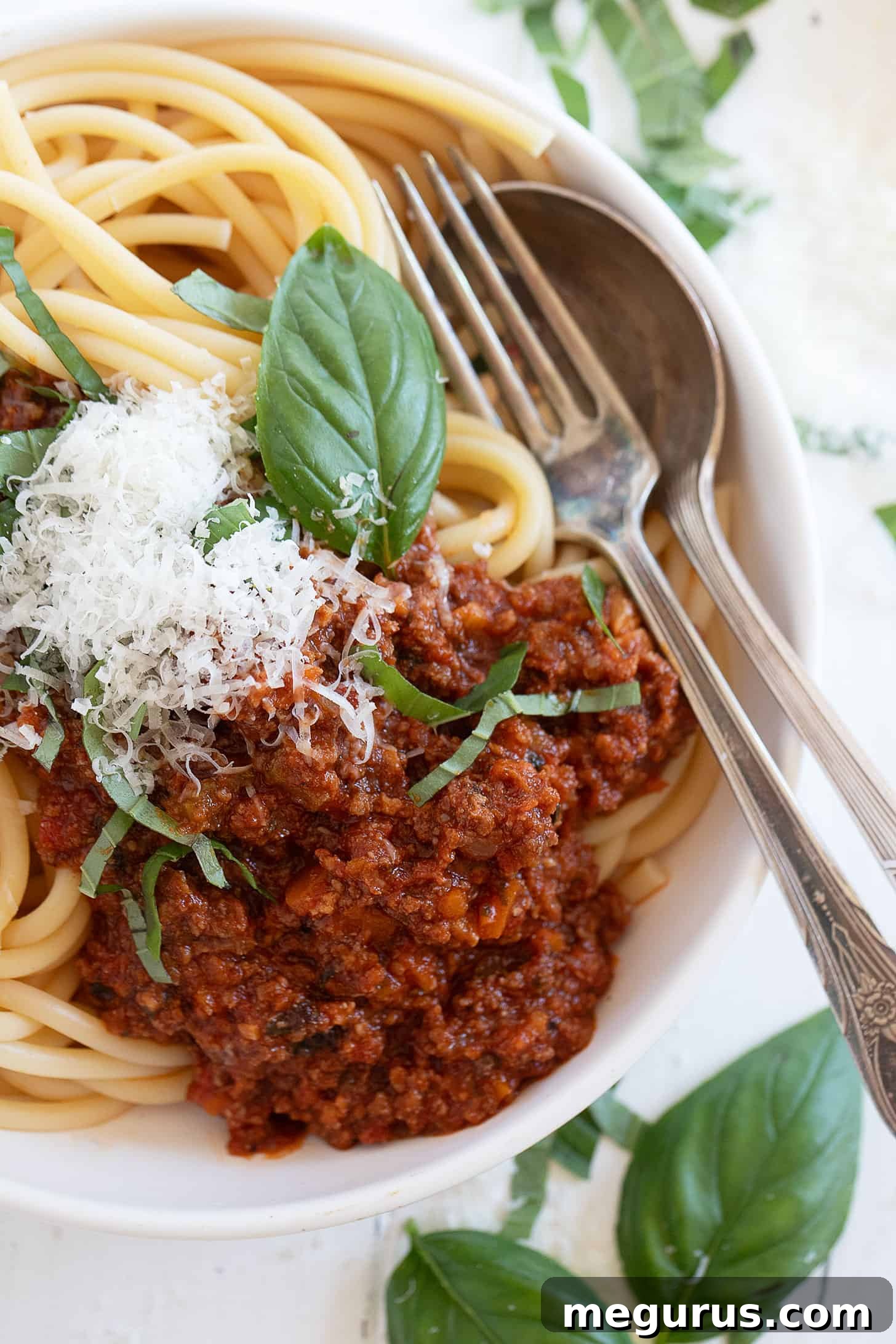
Storing and Freezing Your Homemade Italian Meat Sauce
One of the many benefits of making a generous batch of this meat sauce is its excellent storage capabilities. It’s a fantastic meal prep component that can save you time on busy weeknights.
Refrigeration: The cooked meat sauce will keep beautifully in an airtight container in the refrigerator for 2-3 days. Its flavors often deepen and improve overnight!
Freezing: This meat sauce is a freezer champion! It freezes exceptionally well, allowing you to enjoy homemade convenience whenever you desire. Simply portion the cooled sauce into meal-sized containers or freezer bags, label them with the date, and freeze for up to 3 months. The best part? You don’t even need to thaw it completely before reheating. Just transfer the frozen sauce directly to a saucepan, add a splash of water or broth, and heat gently over low heat, stirring occasionally, until it’s warmed through and ready to serve. Having a stash of this sauce in your freezer means a quick, delicious meal is always just minutes away – simply boil some pasta and you’re good to go!
Batch Cooking Tip: If you have a large enough heavy-bottomed pot, I highly recommend making a double or even triple batch. The long simmering time is essentially the same, whether you’re making a single batch or more, so you might as well maximize your efforts. This ensures you’ll have plenty of delicious homemade meat sauce on hand for multiple meals, making future cooking effortless.
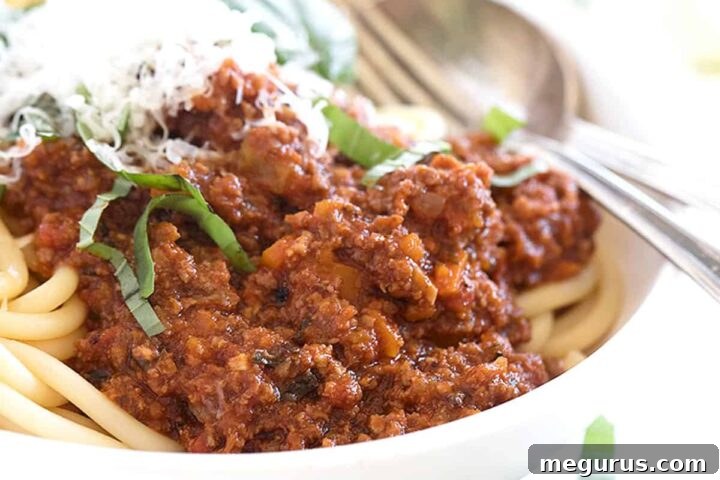
Get the Recipe: Classic Italian Meat Sauce
A classic, rich meat sauce featuring onion, carrots, and celery, fresh garlic, crushed canned tomatoes, red wine, and a long, slow simmer for maximum flavor.
5 stars from 22 ratings
Pin This
Leave a Review
Ingredients
- 1 lb ground beef, or a mix of ground beef, pork and/or veal
- 2 Tablespoons extra virgin olive oil, divided
- 1 cup onion, diced
- 1/2 cup carrot, finely diced
- 1/2 cup celery, finely diced
- Pinch red pepper flakes, optional
- 4-5 cloves garlic, thinly sliced
- 1/4 cup tomato paste
- 1 cup red wine
- 28 oz whole canned tomatoes, hand-crushed
- 1/2 cup water
- 1/2 cup basil leaves, chopped, loosely packed or 2 Tbsp dried basil leaves
- 1 teaspoon dried oregano leaves
- 1-2 Tablespoon brown sugar, to taste
- 2 teaspoons salt
To finish:
- 1/4 cup heavy cream
- 2 Tablespoons butter
- Salt and freshly ground pepper, to taste
Instructions
- In a large, heavy-bottomed pot (such as a Dutch oven), heat 1 Tbsp olive oil over medium heat. Add the ground beef and cook, stirring as necessary, until cooked through and nicely browned. Using a spoon, spoon off most of the fat/liquid in the pot. Remove ground beef to a bowl and set aside.
- Add the remaining 1 Tbsp olive oil to the same pot and heat over medium heat. Add the onion, carrot, and celery to the pot and cook, stirring, until the onion is softened, about 4-5 minutes. Add the red pepper flakes (if using) and the thinly sliced garlic and cook, stirring, for about 1 minute more, being careful not to let the garlic scorch. Stir in the tomato paste and cook, stirring, for another 1 minute. Pour in the red wine, stir, then allow to cook/simmer for about 2 minutes, or until reduced by about half.
- Add the hand-crushed canned tomatoes, water, fresh basil leaves (or dried), dried oregano, brown sugar, and salt. Stir well to combine all ingredients. Return the cooked ground beef to the pot.
- Bring the mixture to a gentle boil, then reduce the heat to medium-low and let it simmer slowly for about 2 hours. Stir regularly, and more frequently as the sauce begins to thicken, especially towards the end. It’s important to watch closely and stir often to prevent the sauce or meat from scorching on the bottom of the pan. Cook the sauce until it reaches your desired thickness. For pasta, a slightly thinner sauce works well to coat the noodles, while for lasagna or other baked pasta dishes, you might prefer a thicker, sturdier consistency.
- Once the sauce has reached your desired thickness, add the heavy cream and butter. Stir until combined and warmed through. Taste the sauce and adjust seasoning with additional salt and/or freshly ground pepper as needed.
- *Optional step: If you prefer a smoother sauce and wish to blend the onion and carrots more seamlessly, use an immersion blender at this point. Give the sauce just a few quick pulses; this is a matter of personal preference and not strictly necessary.
- Use the sauce immediately for your favorite dishes or allow it to cool slightly before refrigerating or freezing for future meals.
Notes
Be sure to read the detailed notes and tips above this Recipe Card for more comprehensive advice on ingredients, variations, and substitution suggestions for this recipe!
Nutrition Information (per 1 serving):
Serving: 1 serving, Calories: 302kcal, Carbohydrates: 13g, Protein: 12g, Fat: 21g, Saturated Fat: 8g, Cholesterol: 58mg, Sodium: 868mg, Potassium: 548mg, Fiber: 2g, Sugar: 8g, Vitamin A: 1882IU, Vitamin C: 14mg, Calcium: 73mg, Iron: 3mg
Tried this recipe?
If you enjoyed this recipe, please leave a star rating and comment. It helps others to find it!
More Italian Recipes to Love!